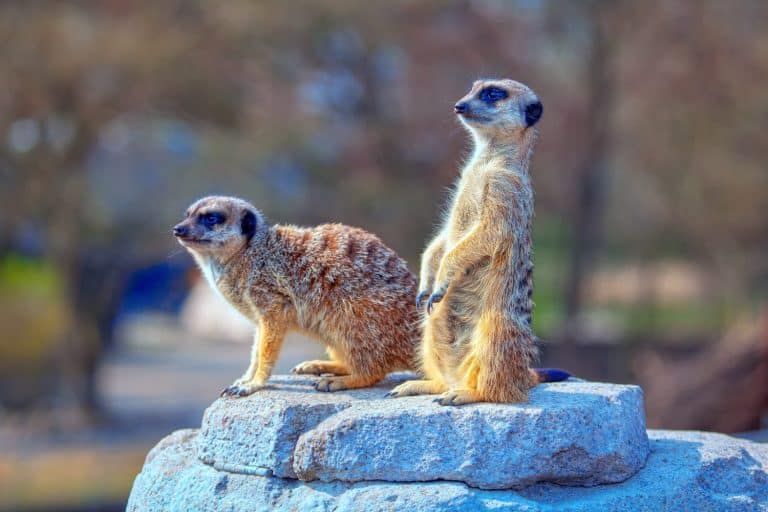
Meerkat
Kalahari's cooperative lookout

Kalahari's cooperative lookout
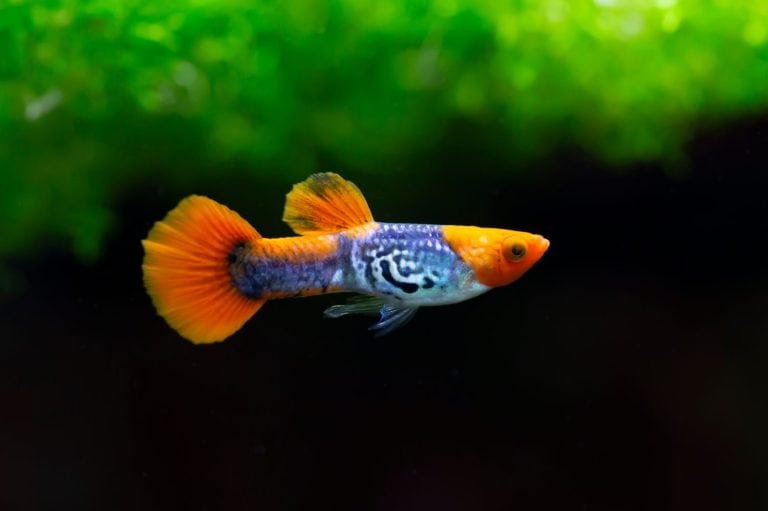
Small fish, big color, fast families
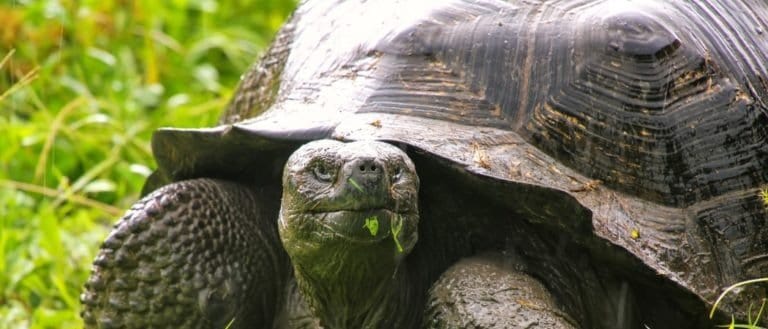
Big shell, bigger story of evolution

Small dog, true working terrier
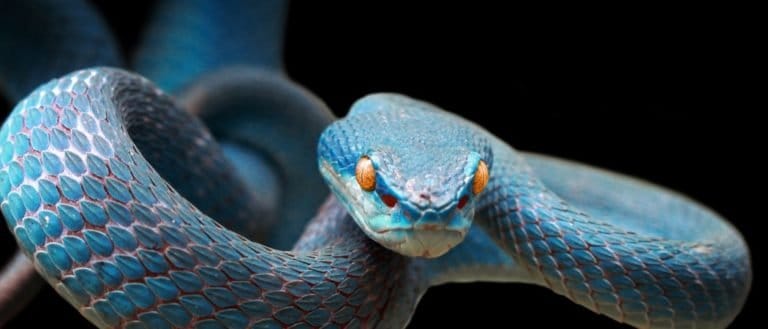
Built to glide, strike, and swallow
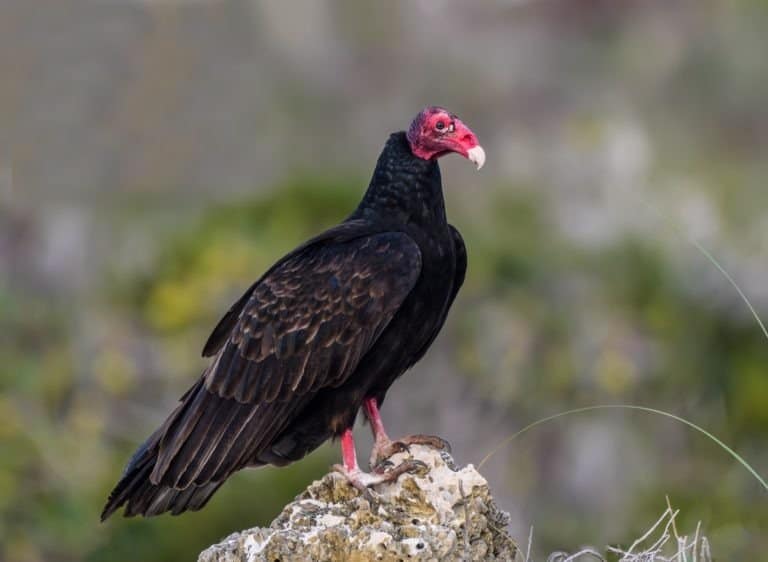
Nature's clean-up crew from the skies
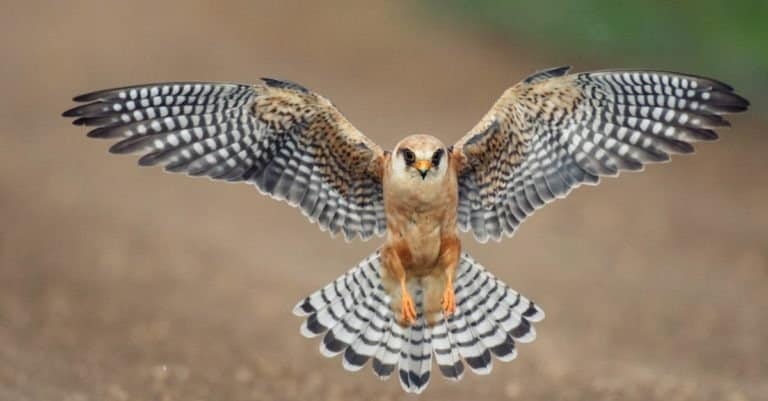
Speed, smarts, and sky mastery
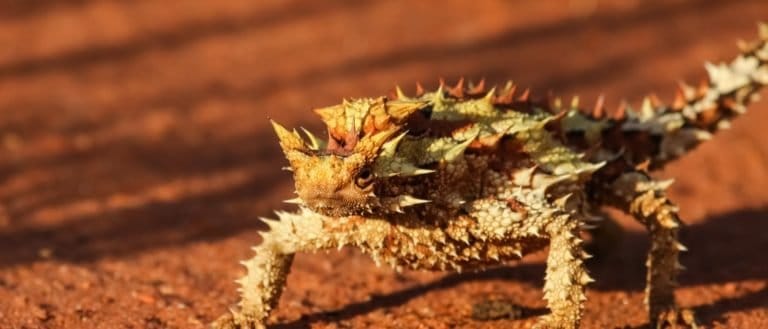
The ant-eating, water-wicking lizard
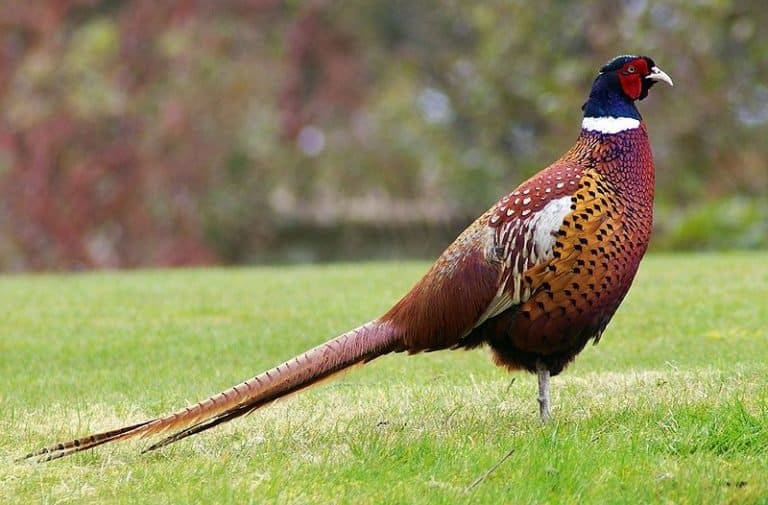
From forest jewels to gamefield sprinters
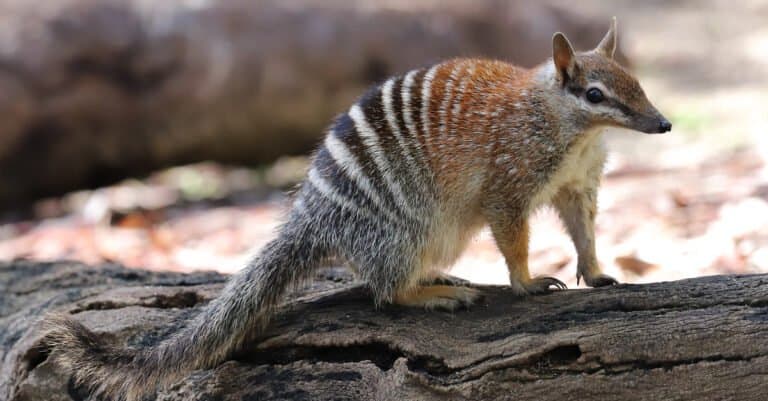
Striped termite specialist of Australia
Vespertine describes organisms whose daily activity peaks primarily in the evening, concentrating around the transition from daylight to twilight (dusk), with the highest levels of movement, foraging, or social behavior occurring near sunset. Unlike strictly nocturnal species, vespertine species are not necessarily active for most of the night; their activity is typically strongest during the crepuscular window at day's end.
Vespertine animals and other organisms are most active in the evening, around sunset and twilight. This short time near dusk gives cool temperatures, enough light to move, and changing visibility that can help either hunters or prey depending on their senses. Vespertine behavior links to daily (circadian) rhythms and cues like light level, temperature, and wind. Many show clear dusk spikes: leaving shelter, starting hunts or feeding, making calls, or moving between resting and feeding places. In some places, evening activity follows insect swarms, flower nectar, or less competition from daytime animals. Vespertine species are dusk specialists, not just in between day and night. Some stay active into early night; others stop soon after dark. Shorter or longer days can shift their peak time, but dusk stays key.
Etymology: From a Latin adjective meaning "of the evening," derived from the Latin word meaning "evening."
"Vespertine means nocturnal." (Vespertine species peak near sunset; they are not necessarily active throughout the night.)
"Anything active at twilight is vespertine." (Vespertine specifically emphasizes the evening/dusk peak, not dawn.)
"Vespertine animals are active only after the sun is fully down." (Many begin activity before sunset and peak during the fading-light transition.)
Primarily active in the evening around sunset and early twilight; activity rises in the late afternoon, peaks near sunset, and usually tapers off during early night.
~2-3 hours before local sunset (late afternoon) OR when light drops below ~1,000-500 lux (overcast/wooded habitats may trigger earlier).
~30 minutes before to ~60 minutes after local sunset (strongest around civil twilight; often centered on the sunset window).
~1-3 hours after local sunset (early night) OR when light falls below ~10-1 lux and/or full darkness sets in (species-dependent).
Because activity is tied to the dusk transition, clock-time shifts with seasonal sunset. In summer, activity starts and peaks later by the clock and may be more compressed if twilight is prolonged; in winter it shifts earlier and may broaden slightly if animals extend activity to meet foraging needs. During breeding or high food availability, some species add a secondary late-afternoon bout before the main dusk peak; during harsh seasons they may extend a bit further into early night.
At higher latitudes, the dusk window changes dramatically. In mid-high latitudes with long summer twilights, vespertine activity may spread over several hours of extended twilight (less sharply peaked). In polar summer (midnight sun), true dusk may be absent, so species may (a) shift to a fixed circadian evening based on internal clocks, (b) use weather-driven dimming (cloud/fog) as cues, or (c) become more cathemeral. In polar winter with very long nights, the "evening" cue can be weak or occur only briefly; activity may cluster around the faint midday light period or around any brief civil-twilight-like transition, often reducing the classic sunset-centered peak.
Vespertine activity matches prey that come out at dusk, like insects and small vertebrates. Twilight lowers how well many animals see, so species that can see in low light do well. Predators may hunt at dusk to catch emerging prey; prey may shift to dusk to avoid daytime hunters such as raptors and nocturnal hunters later at night. This creates an evolutionary timing game to get food while reducing risk.
Vespertine (evening) activity helps animals avoid daytime heat, dehydration, and high evaporative water loss while also avoiding the coldest night hours that raise energy use. Dusk brings cooler temperatures and less sun, letting animals move and search for food with lower energy cost. In hot, dry habitats, vespertine timing balances heat avoidance with enough light to find food.
Vespertine species, active near sunset, cut overlap with diurnal competitors that peak earlier and with nocturnal ones that peak later. This timing reduces fights and displacement, letting them use food, mates, or territories before nocturnal specialists, so small shifts in timing can be favored.
Many resources peak in the evening: insects swarm at dusk, nectar builds up during the day and is taken near sunset, and some fruits or plant parts become easier to eat as temperatures fall and humidity rises. In water, daily vertical migration brings prey up at twilight. Vespertine animals time feeding to these short, reliable windows to get food quickly.
Vespertine animals operate during rapidly changing light levels (late afternoon into dusk). Their visual systems tend to emphasize high sensitivity and fast adjustment rather than full nocturnal specialization, balancing twilight performance with adequate daytime function.
With visibility reduced at dusk and increasing background noise from evening choruses, vespertine species often rely more on sound to detect prey, predators, and conspecifics at moderate distances.
Vespertine animals concentrate activity in a short "golden hour" window around sunset, which many people miss due to commuting, dinner routines, or being indoors as daylight fades. Their movements can be brief and crepuscular-cover-dependent (using hedgerows, treelines, or shadowed corridors), so they pass through quickly and quietly rather than lingering. Visibility also drops rapidly at twilight-humans lose color and detail, and many species have dusk-adapted senses that let them detect people first and avoid open areas.
Arrive 30-60 minutes before local sunset and stay until 30-60 minutes after (the day-twilight transition is the core activity peak). Position yourself at habitat edges where day meets cover-field-to-wood boundaries, wetland margins, park edges, riparian corridors, or hedgerows. Calm, mild evenings often increase movement; immediately after hot days, activity may spike as temperatures become comfortable.
In cities, vespertine species often exploit predictable evening conditions: reduced human foot traffic compared to midday, cooling temperatures, and reliable food sources (insects around lights, rodents near dumpsters, fruiting ornamentals, irrigated lawns). They tend to use linear "shadow corridors" such as rail lines, river paths, greenbelts, and fence lines to move during dusk while minimizing exposure. Some shift timing slightly later (toward early night) to avoid rush-hour peaks, and many favor quieter residential edges over brightly lit commercial zones.
Artificial lighting can both attract and disrupt vespertine animals. For insect-eaters, lights can create concentrated prey patches and change hunting success, sometimes drawing predators into riskier areas near roads and people. For other species, brighter evenings reduce the safety of twilight by increasing visibility to predators (and humans), leading to delayed activity, reduced foraging time, or avoidance of lit habitats-effectively shrinking their usable dusk window. Skyglow can also blur natural light cues used to time evening emergence, shifting daily rhythms and, over time, affecting energy budgets, reproduction, and movement patterns.
Found across: Mammals (bats; many ungulates like deer; lagomorphs like rabbits; some carnivores like foxes/coyotes), Birds (nightjars/nighthawks; some owls that start activity at dusk), Reptiles (many geckos; some snakes with crepuscular hunting), Amphibians (many frogs/toads call and forage heavily at dusk), Insects (mosquitoes, moths, many flies; fireflies; some mayflies with dusk emergences), Fish (numerous reef predators and schooling fish show dusk peaks tied to 'diel' transitions)
Vespertine activity means animals and plants are most active at dusk. This timing lets them feed and move when light, temperature, and wind change. It lowers competition with strictly diurnal or nocturnal species and cuts heat and drying stress. Vespertine animals use predictable food pulses like crepuscular insect swarms and animals moving to shelter. Vespertine predators help control crepuscular prey; vespertine herbivores, omnivores, pollinators, and frugivores affect browsing, seed flow, pollination, and seed spread. They link day and night food webs by providing prey and scavenging.
"Vespertine" isn't the same as nocturnal: vespertine animals peak around sunset/twilight, then often quiet down later at night when fully nocturnal species take over.
Twilight is a unique lighting zone-not just "dim daytime." Many vespertine animals are tuned to rapidly changing light levels and silhouettes, which can make it easier to spot prey or avoid predators during that brief window.
The timing of vespertine activity can shift with the season: as sunset moves earlier or later across the year, many species track that change rather than following a fixed clock time.
Vespertine behavior can be a "predator-avoidance schedule." By hunting or foraging at dusk, animals may reduce encounters with daytime hunters (like many raptors) and late-night specialists at the same time.
Dusk can be a communication sweet spot: cooler temperatures and changing air conditions can help scents linger and some calls carry differently than they do in midday heat, which may benefit animals that rely on smell or sound around twilight.
Vespertine is like rush hour: there's a concentrated burst of activity right at the day-to-night transition, not an all-night marathon.
If diurnal animals are "day shift" and nocturnal animals are "night shift," vespertine species are the "swing shift" that clocks in right as the sun is setting.
Think of dusk as nature's dimmer switch: vespertine animals are adapted to that fast-changing light, while nocturnal animals are built for the steady darkness after the switch flips.
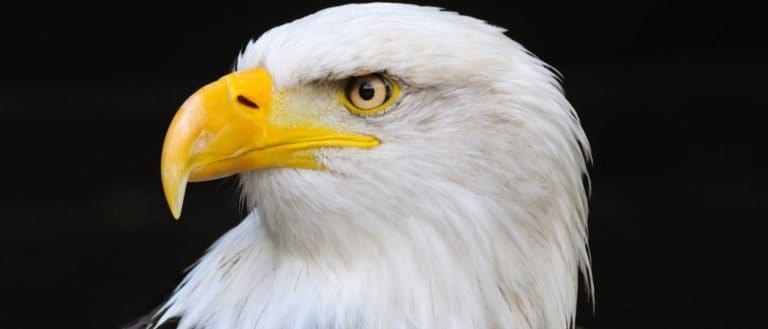
Built to soar, born to strike
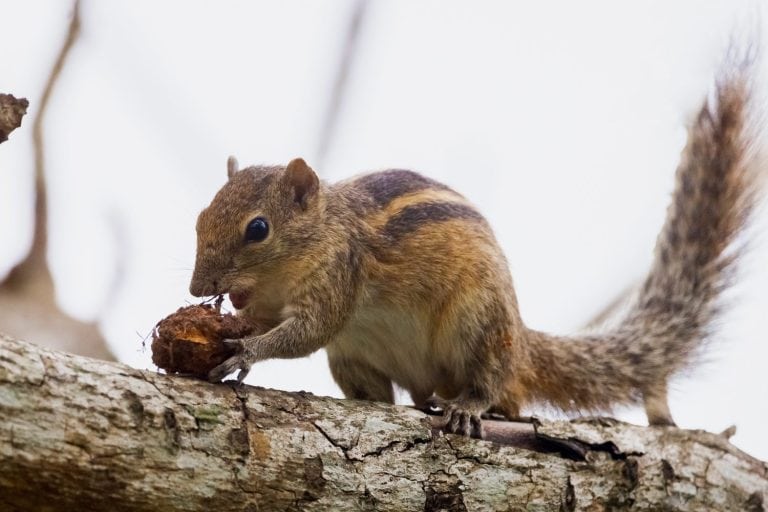
Three stripes. Big city attitude.
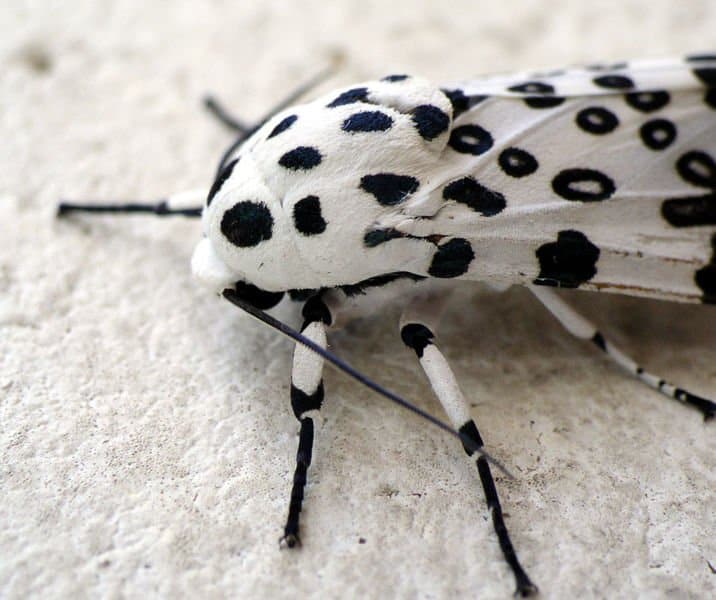
Six legs, endless lives.
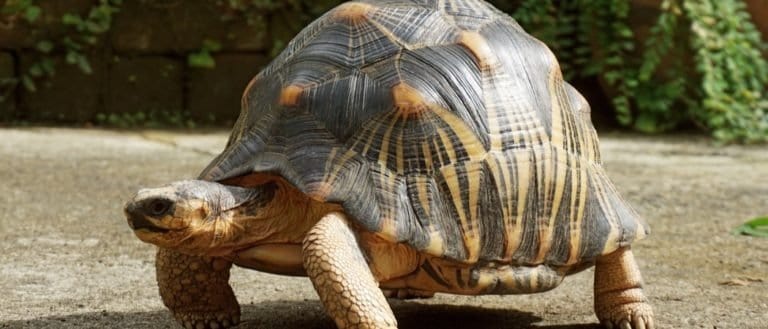
Built for land, made for time
Speed, smarts, and sky mastery
Kalahari's cooperative lookout
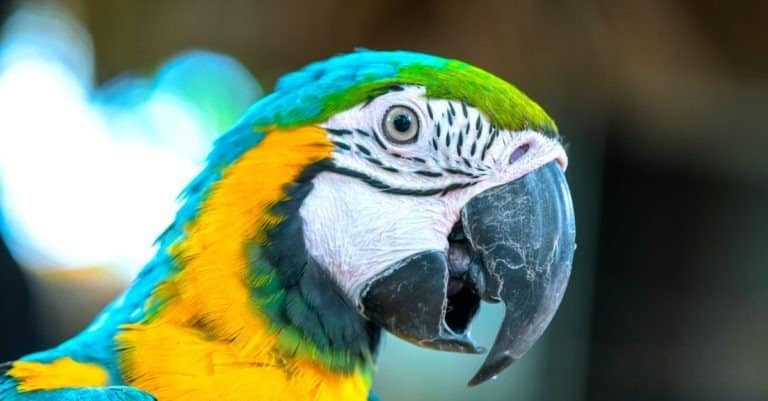
Brains, beaks, and big voices
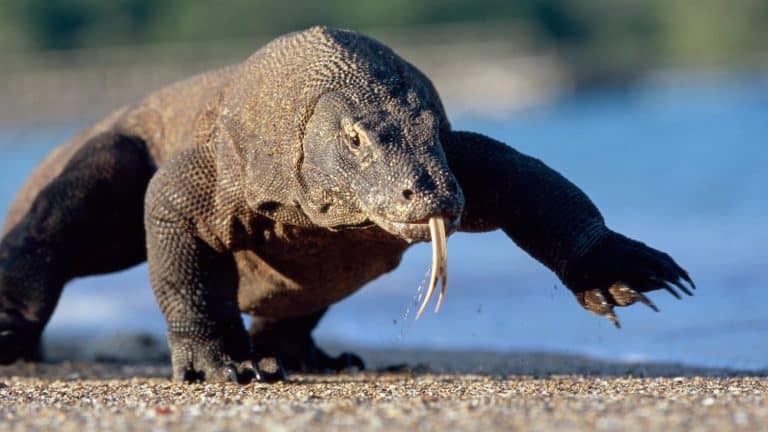
Bite, Venom, and Island Power
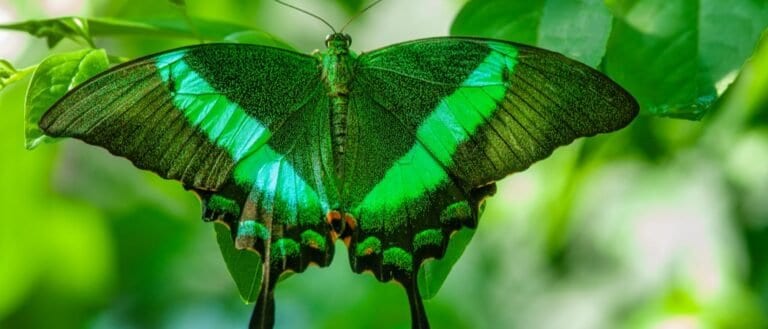
Scaled wings, big transformations.
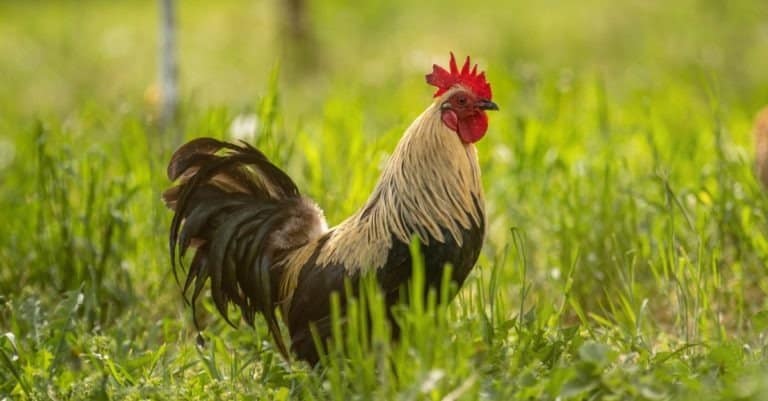
Scratch, roost, repeat.
Built to glide, strike, and swallow
Small dog, true working terrier
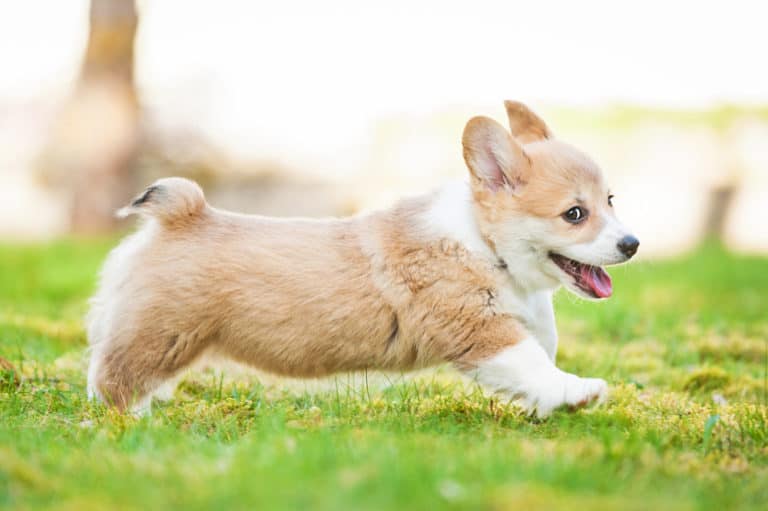
Big herding heart, low ride.
Big shell, bigger story of evolution
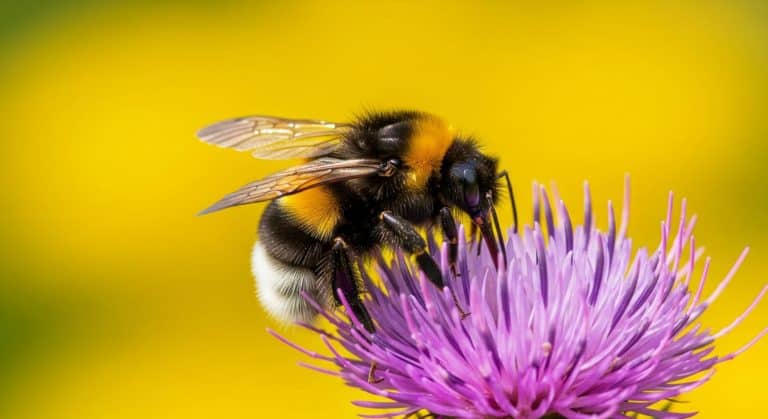
Built for buzz, born to pollinate
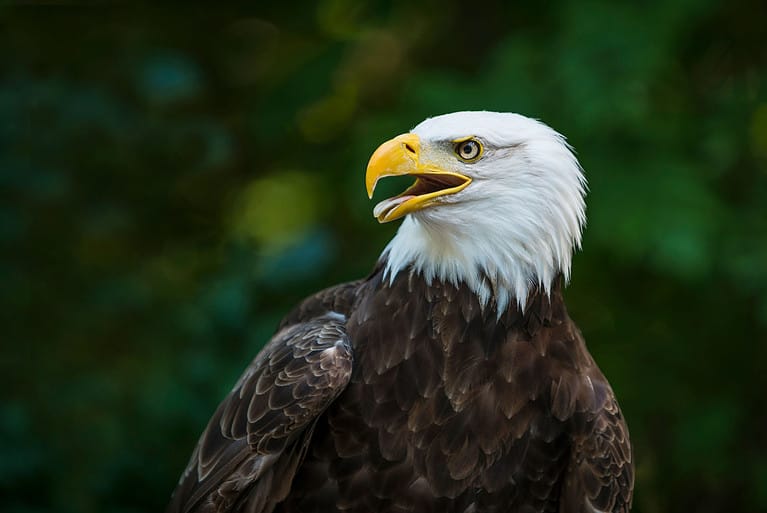
Feathers, flight, and endless variety
Small fish, big color, fast families
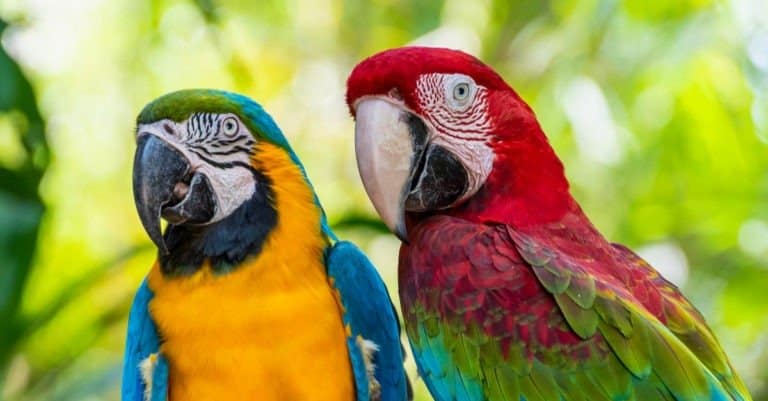
Big beaks. Long tails. Loud lives.
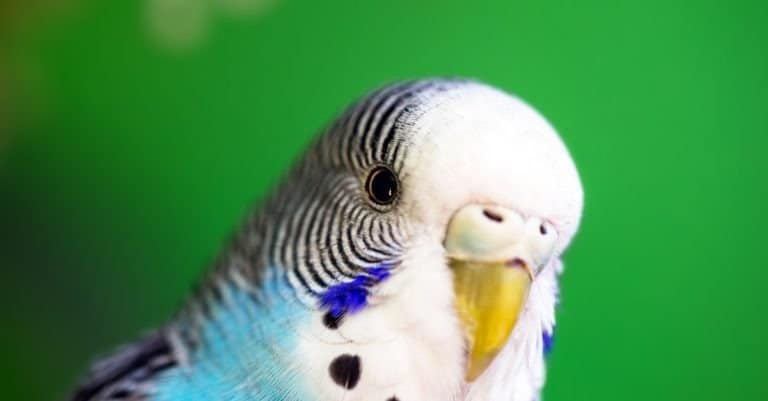
Tiny nomad parrot, big personality
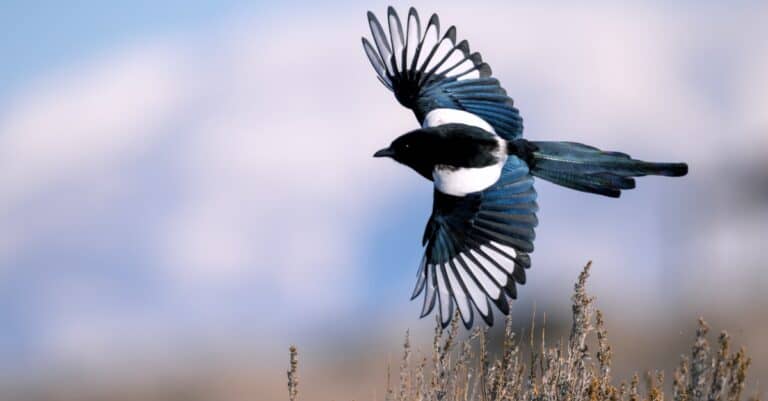
Brains, boldness, and a brilliant tail
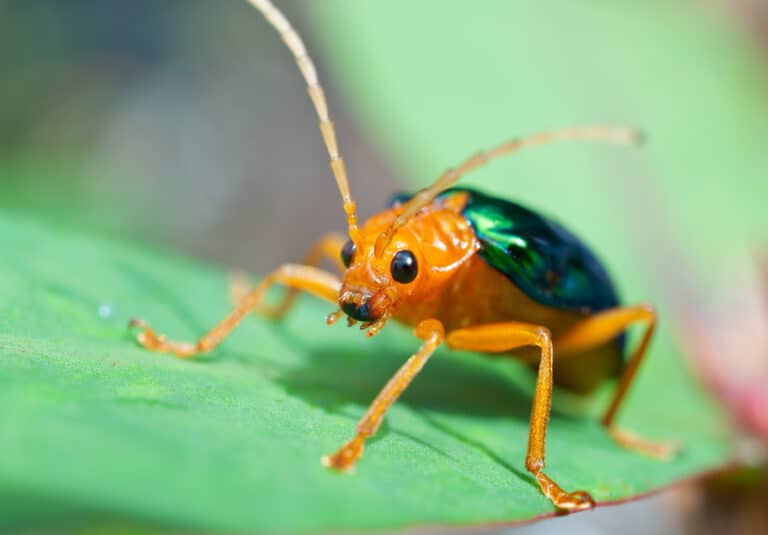
Elytra on, world conquered.
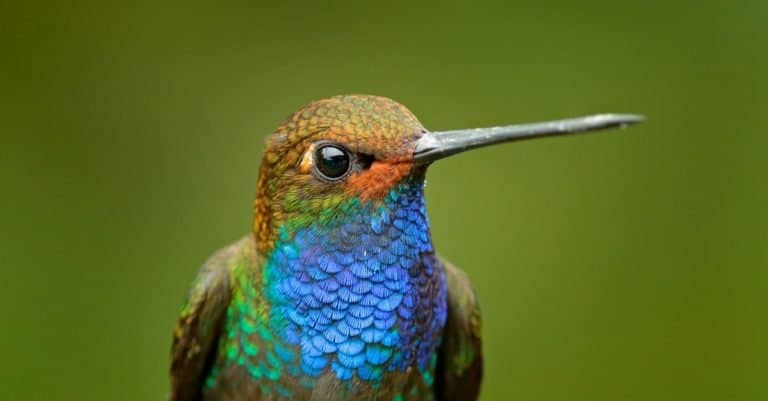
Hover. Sip. Pollinate. Repeat.
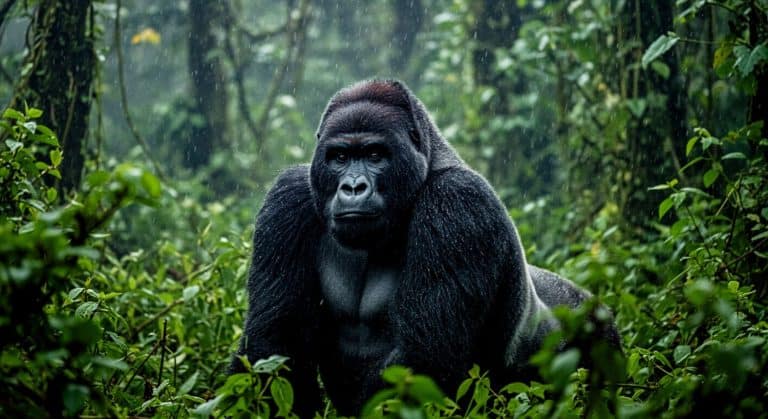
Highland giants, guarded by a silverback
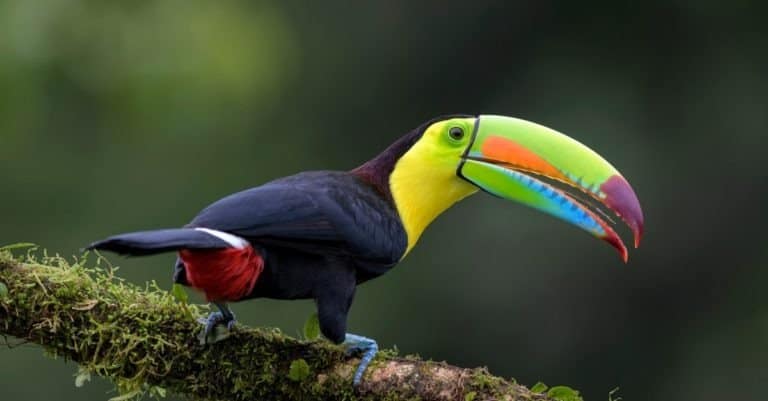
Big bill, big role in the rainforest
Thank you for reading! Have some feedback for us?
We appreciate your help in improving our content.
Our editorial team will review your suggestions and make any necessary updates.
There was an error submitting your feedback. Please try again.