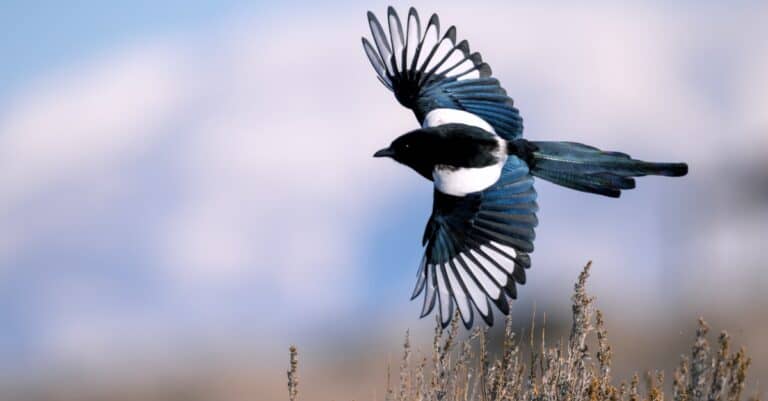
Magpie
Brains, boldness, and a brilliant tail

Brains, boldness, and a brilliant tail
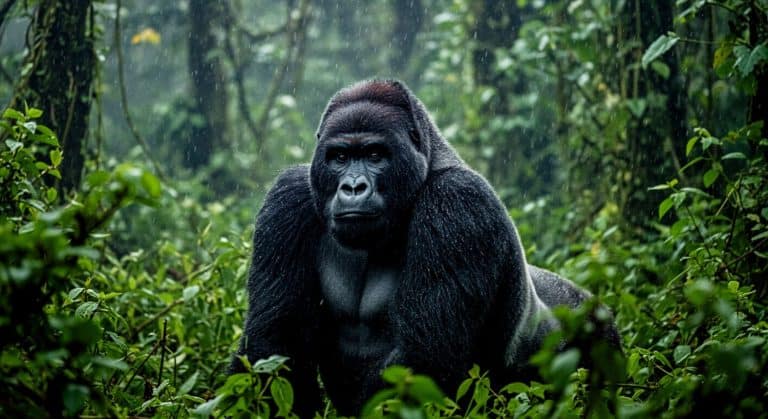
Highland giants, guarded by a silverback
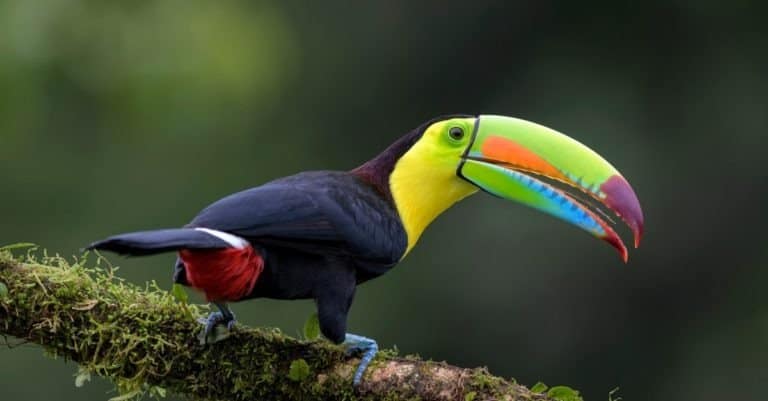
Big bill, big role in the rainforest
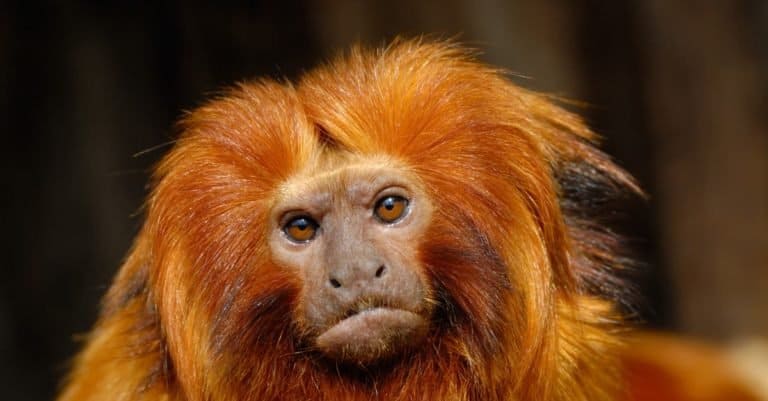
Golden mane, forest guardian
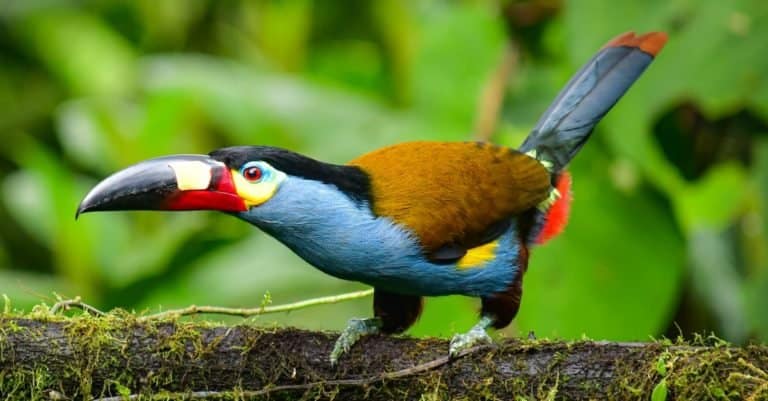
Big bill, bigger forest role
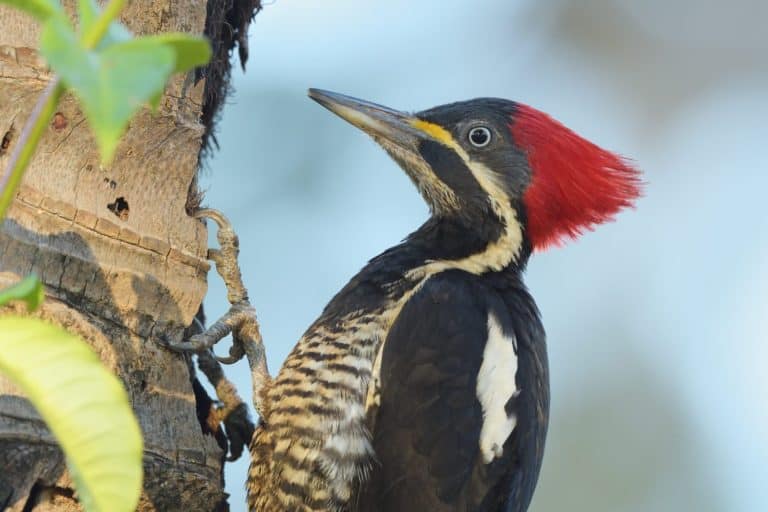
Nature's carpenters and forest drummers
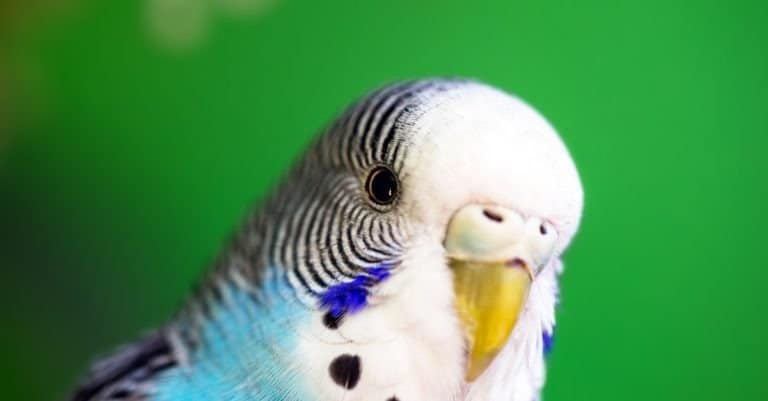
Tiny nomad parrot, big personality
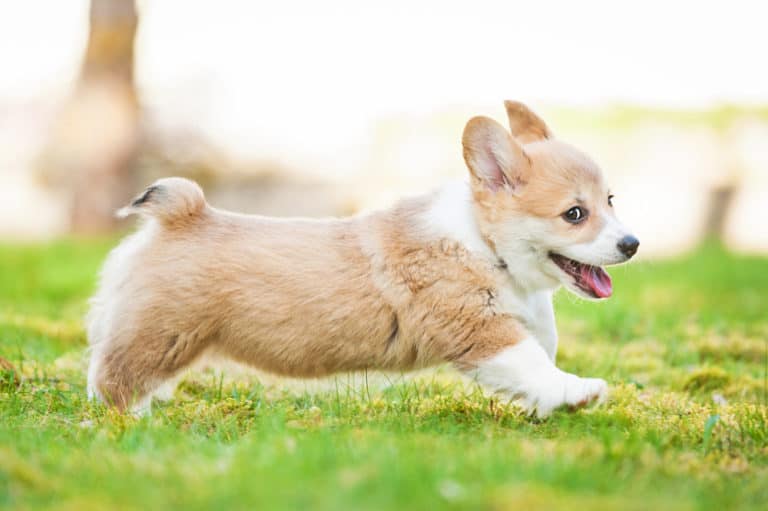
Big herding heart, low ride.

Feathered ears, big-hearted bird dog
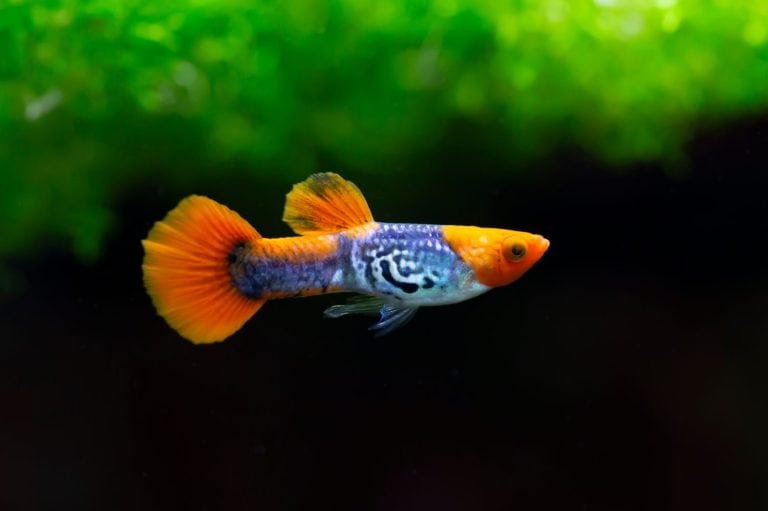
Small fish, big color, fast families
Matutinal activity is a diel (24-hour) behavioral pattern in which an organism's primary foraging, movement, communication, or social behaviors are concentrated in the early morning, with peak activity centered on the dawn transition from twilight into daylight and typically occurring shortly after sunrise rather than throughout the full day.
Matutinal species are early-morning specialists. They wake with light and do key activities—feeding, moving, defending territory, or mating—around dawn and soon after sunrise. They have a big spike in activity in the morning and then slow down as the day goes on.
This timing helps them. Early morning is cooler, wind is often calmer, and changing light can help hunting and cut overheating and water loss. At dawn, prey, flower nectar, or other animals often become available, making a short time when food is easier to find.
Matutinal timing also lowers risk and competition. By acting early, these animals avoid midday heat and overlap less with day-only rivals or predators. After the dawn pulse, they often rest, hide, or act quietly during the bright, warm hours.
Etymology: From a Latin term meaning "of the morning," ultimately from a Latin root meaning "morning" or "dawn."
"Matutinal just means diurnal (daytime active)." Matutinal species are specifically morning-peaked, not active evenly throughout daylight.
"They are active all morning." Many are most active in a relatively narrow window around sunrise, then become much less active later.
"Anything active at dawn is crepuscular, not matutinal." Crepuscular includes both dawn and dusk; matutinal emphasizes dawn/early morning with a sunrise-centered peak.
Centered on dawn: active from late twilight before sunrise through the early morning, usually tapering off by mid-morning rather than remaining active all day.
~30-90 minutes before sunrise (often beginning during nautical-to-civil twilight)
Sunrise to ~1-2 hours after sunrise (civil twilight into early full daylight)
~2-5 hours after sunrise (often ending by mid-morning)
Timing tracks local sunrise. In summer, activity begins earlier and may start deeper in twilight; the active window can broaden if mornings stay cool. In winter, activity starts later and is often more compressed (shorter twilight + colder temperatures may delay onset or shorten foraging). Cloud cover and snow can shift effective light levels, sometimes moving activity slightly earlier (cloudy) or into more sheltered periods (high-reflectance snow/bright mornings).
At higher latitudes, dawn twilight lasts longer, so matutinal activity can stretch over a longer pre-sunrise interval with a less sharp peak. Near/above the Arctic/Antarctic Circles, continuous daylight (midnight sun) can weaken the dawn cue; species may become more broadly diurnal or adopt a temperature/socially driven morning peak. During polar night, the pattern may be greatly reduced or replaced by activity keyed to the brightest available periods (moonlit hours, brief twilight around solar noon, or artificial light near human settlements).
Dawn light helps matutinal animals find food because they can see better while many predators that need full day or full night are still less active. Some matutinal predators hunt prey moving from night hiding places to daytime areas. Matutinal prey may avoid peak hunting times of nocturnal hunters (late night) and diurnal raptors (later morning). The quick change in light at dawn can break predator timing, favoring species that use this short, imperfect light.
Matutinal activity is early morning activity. It reduces exposure to midday sun, lowering water loss and the chance of overheating. After a cool night, animals can forage as temperatures rise into a comfortable range, cutting energy to control body heat. In arid or open habitats, this timing lets animals get food before heat stress rises.
Matutinal species are active at dawn to avoid both night and day species. This time split cuts fights at feeding sites, lowers contests, and lets them reach territories or scattered food before bigger daytime rivals arrive. Time-based partitioning at dawn helps species coexist.
Matutinal activity times match reliable resource peaks at dawn. Shortly after sunrise insects warm and become active, flowers offer fresh nectar and pollen, dew makes plants easier to eat and provides water, and some prey are more exposed when moving from night shelters to daytime cover. Better light also helps animals see and handle food.
Matutinal animals are optimized for rapidly changing light levels at dawn-operating effectively in dim twilight and then transitioning quickly into bright daylight. Their visual systems balance sensitivity (for low light) with acuity and color discrimination (for early daylight).
Dawn activity often coincides with cooler, calmer air and high sound propagation, so matutinal species commonly rely on hearing for early detection of predators/prey and for communication during the morning activity peak.
Matutinal animals do much of their feeding, calling, and movement during a narrow window around dawn. Most people are indoors, commuting, or not yet outside at that time, and any activity can drop off quickly once full daylight and human foot traffic increase. Their behaviors are also easy to miss: they may forage quietly in low light, keep to cover (hedgerows, reeds, understory), and then retreat to denser shelter after sunrise to rest and avoid predators and heat.
Plan to arrive 30-45 minutes before local sunrise and watch through the first 60-90 minutes after sunrise. Focus on the dawn "edge" habitats-field margins, wetlands, river corridors, forest edges, and quiet parks-because animals often move along these transition zones. Calm, mild mornings (little wind, no heavy rain) tend to concentrate activity and make sounds and movement easier to detect.
In cities, matutinal species often shift to even earlier activity to exploit the brief period before morning rush, dogs, and heavy pedestrian traffic. They use linear green infrastructure (railway verges, canal paths, creek lines, street trees) as low-conflict travel routes, and time foraging to coincide with predictable resources (irrigated lawns, insect swarms around vegetation, or human-related food sources) before disturbance peaks. Some become habituated to regular, non-threatening human routines, but still rely on nearby refuges (dense shrubs, rooftops, culverts) to retreat once daylight and activity intensify.
Artificial light can blur the dawn cue that matutinal species use to time their peak activity, shifting or spreading activity earlier and potentially reducing synchronization with food pulses (e.g., insects becoming active at true dawn). Bright nights can also increase perceived predation risk or exposure, causing animals to delay movements until safer light levels-or conversely to start earlier if lights mimic twilight. Repeated disruption can alter calling/territorial behavior, navigation, and sleep/rest patterns, and may push animals to darker patches (unlit parks, shaded corridors) where they can keep a more natural dawn-focused routine.
Found across: Birds (especially passerines in the dawn chorus; some ground birds), Mammals (many ungulates, some primates, squirrels and other small mammals in warm climates), Reptiles (basking lizards/iguanas; some tortoises and snakes with morning activity peaks), Insects (bees and other pollinators; fog- or dew-dependent beetles; some butterflies), Amphibians (some frogs/toads with dawn calling or movement peaks), Marine animals (some coastal predators and foragers with dawn-biased activity, including certain sharks and fishes)
Matutinal activity packs eating, moving, and social behavior into the dawn window, creating a "dawn pulse" of predation, pollination, and resource use. It cuts competition with diurnal and nocturnal species and uses early-morning resource peaks (insect emergence, nectar refill, dew). Cooler, calmer, more humid microclimates at dawn help hunting, water balance, and scent tracking. Matutinal predators change prey movements and refuge use; matutinal herbivores and frugivores affect early browsing, seed dispersal, dawn soundscapes, and territory and mating interactions while moving energy through the ecosystem.
"Matutinal" doesn't mean simply "diurnal." These species often concentrate activity into a narrow morning window-sometimes just 1-3 hours-then reduce movement for the rest of the day.
Dawn can be the "sweet spot" for sensory detection: cooler air and steadier conditions often carry scents more predictably, helping predators hunt and animals find mates or food with less energy spent.
Early morning light is rich in rapidly changing cues (twilight → sunrise). Many matutinal animals time routines to these light shifts, using the pace of brightening as a reliable daily "clock signal."
Being active at dawn can lower overheating and water-loss risks: starting when temperatures are coolest lets animals forage intensely before heat or dryness ramps up.
Dawn activity can also reduce conflict. By showing up when strictly nocturnal species are winding down and mid-day diurnal species haven't fully ramped up, matutinal animals may dodge both competition and predators. (But they may still face "crepuscular overlap" from other twilight-active animals.)
Matutinal activity is like a bakery's morning rush: a concentrated burst right after opening (sunrise), not a steady flow all day.
If diurnal behavior is an all-day business, matutinal is a focused "stand-up meeting"-high intensity, short duration, then done.
Think of dawn as nature's commuter window: matutinal species are the early commuters who travel when conditions are cooler and the roads (ecological competition/predation pressure) can be less crowded.
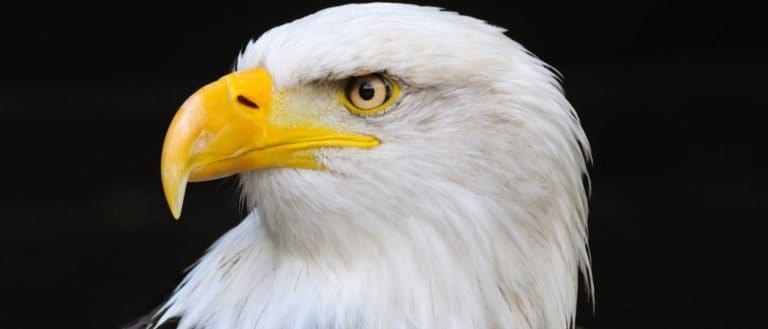
Built to soar, born to strike
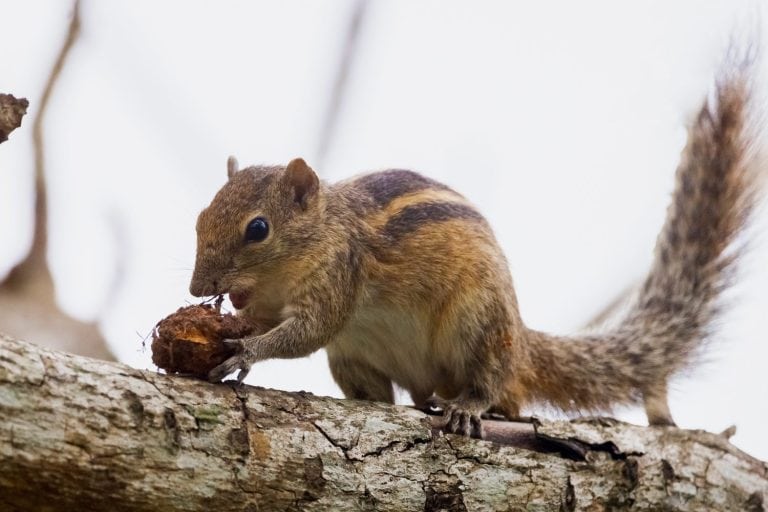
Three stripes. Big city attitude.
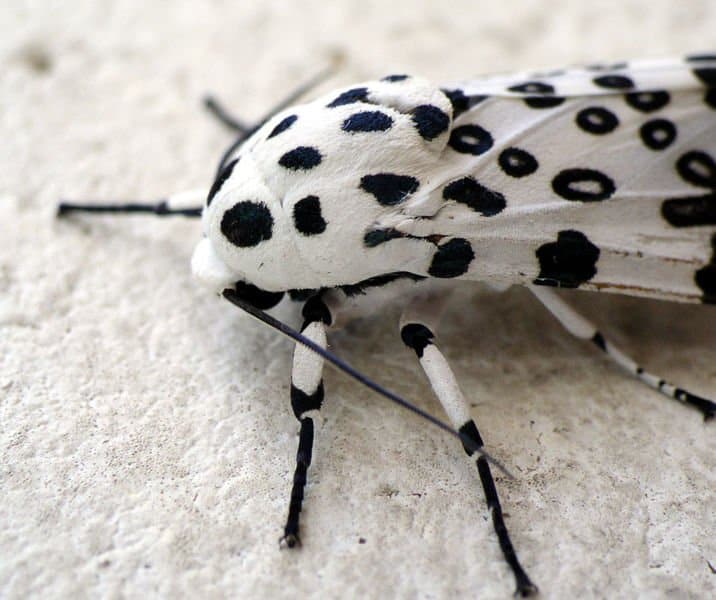
Six legs, endless lives.
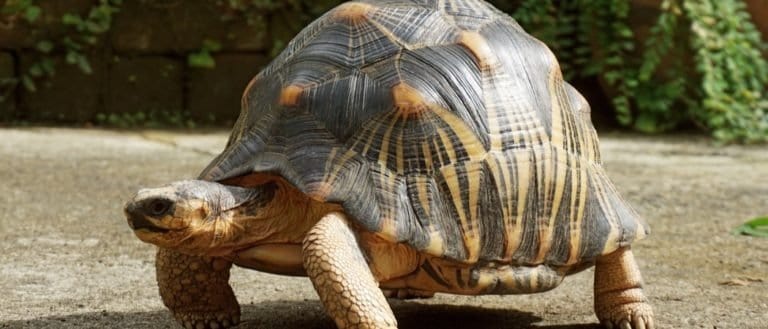
Built for land, made for time
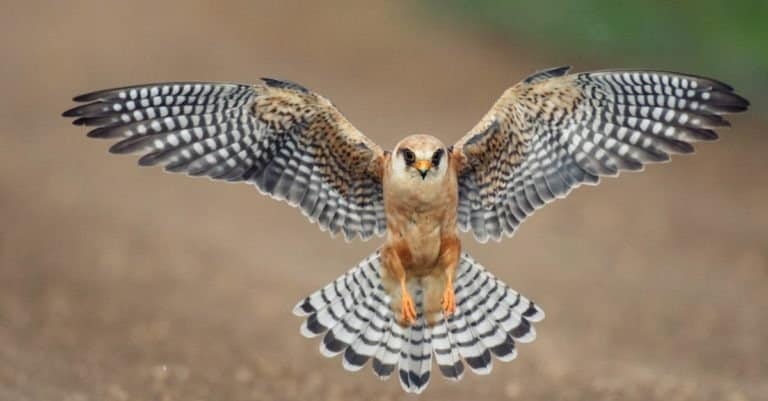
Speed, smarts, and sky mastery
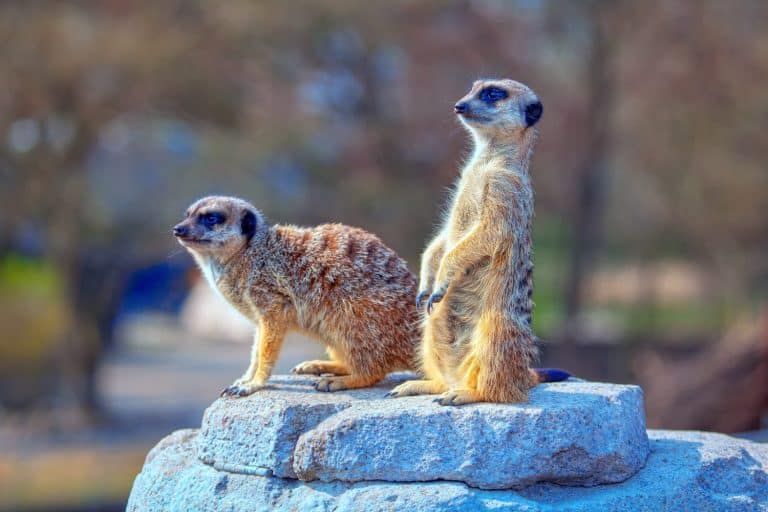
Kalahari's cooperative lookout
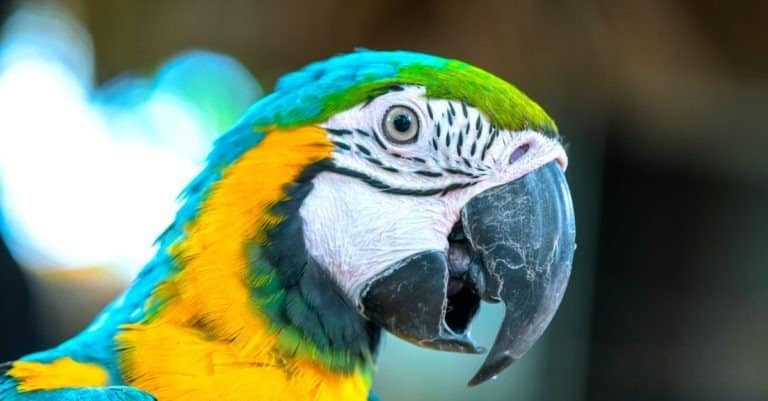
Brains, beaks, and big voices
Big bill, bigger forest role
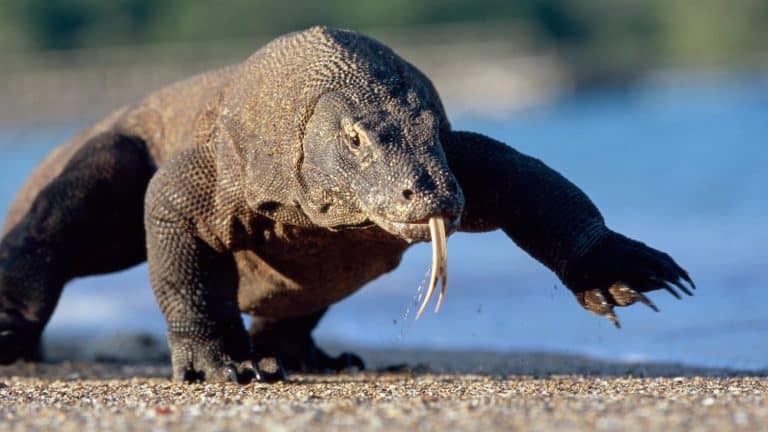
Bite, Venom, and Island Power
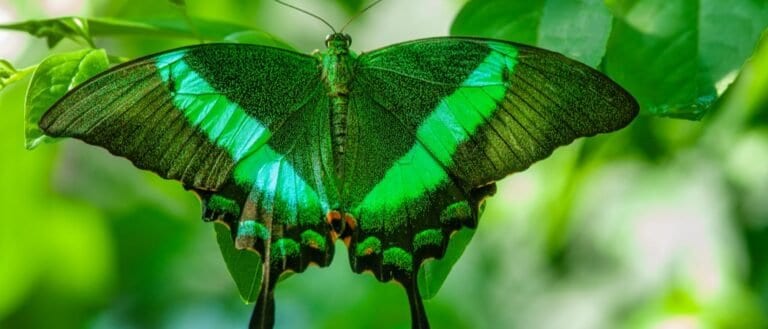
Scaled wings, big transformations.
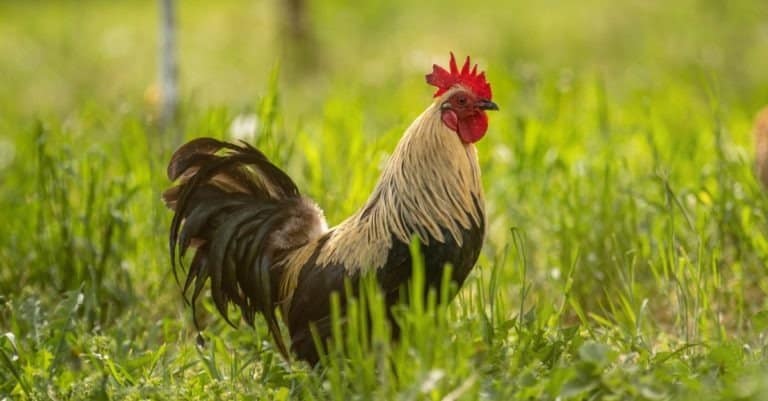
Scratch, roost, repeat.
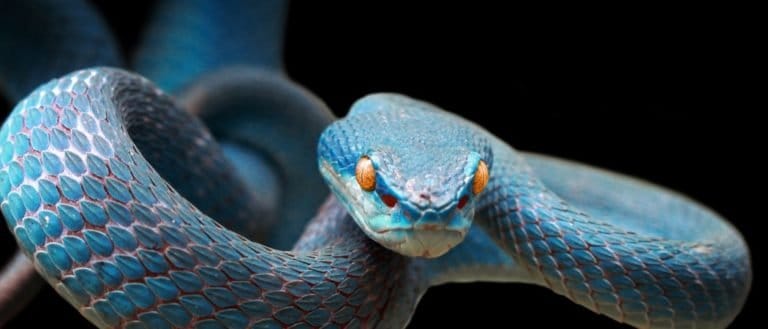
Built to glide, strike, and swallow
Feathered ears, big-hearted bird dog

Small dog, true working terrier
Big herding heart, low ride.
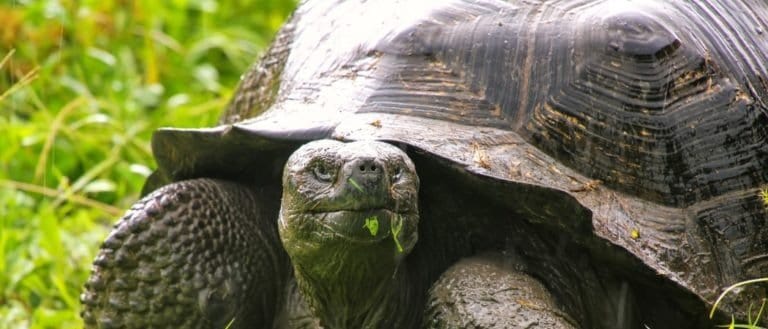
Big shell, bigger story of evolution
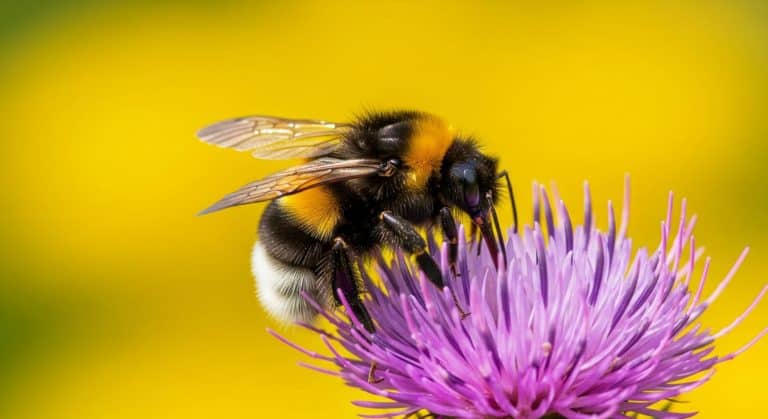
Built for buzz, born to pollinate
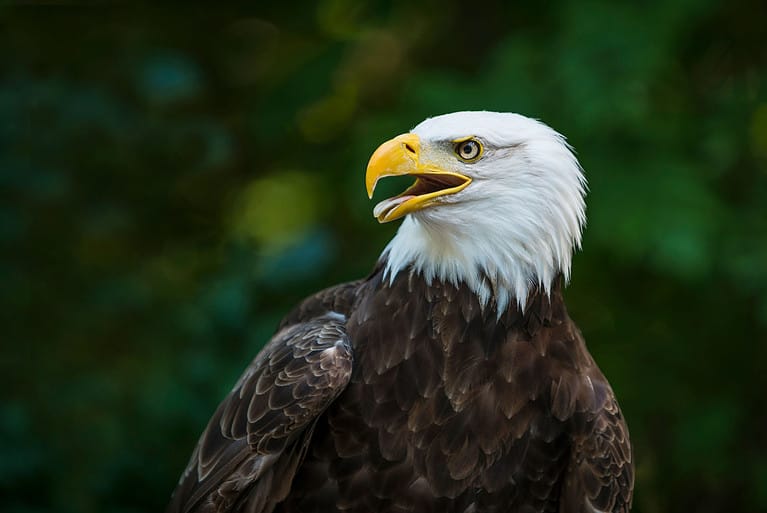
Feathers, flight, and endless variety
Small fish, big color, fast families
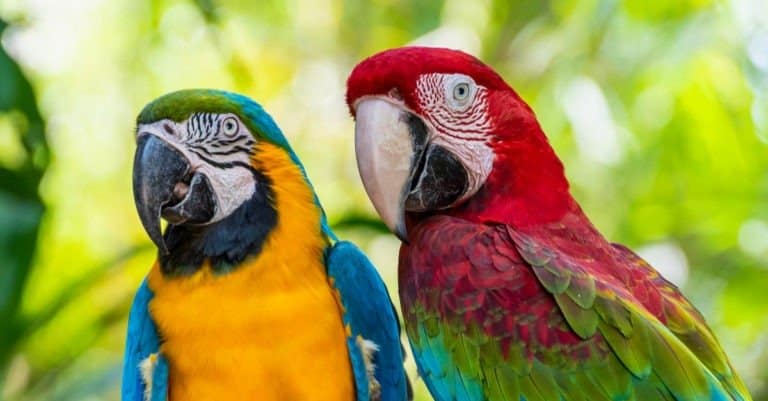
Big beaks. Long tails. Loud lives.
Tiny nomad parrot, big personality
Brains, boldness, and a brilliant tail
Nature's carpenters and forest drummers
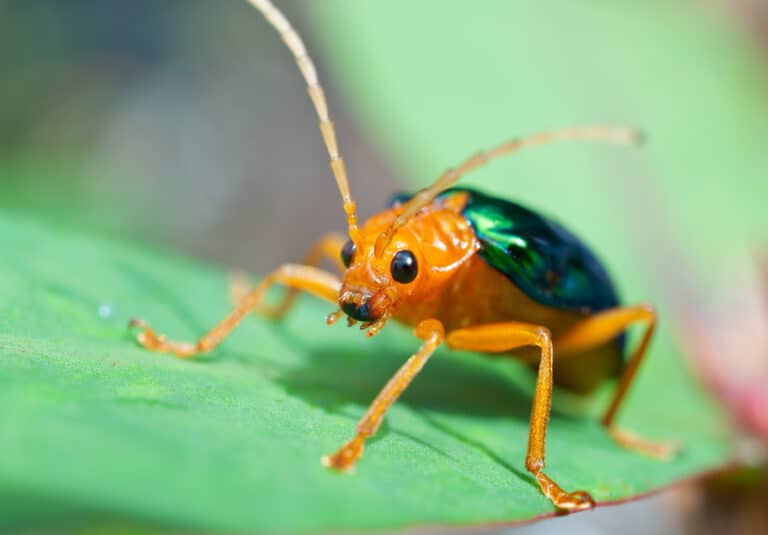
Elytra on, world conquered.
Thank you for reading! Have some feedback for us?
We appreciate your help in improving our content.
Our editorial team will review your suggestions and make any necessary updates.
There was an error submitting your feedback. Please try again.