
Lizard
From geckos to dragons-lizard power

From geckos to dragons-lizard power
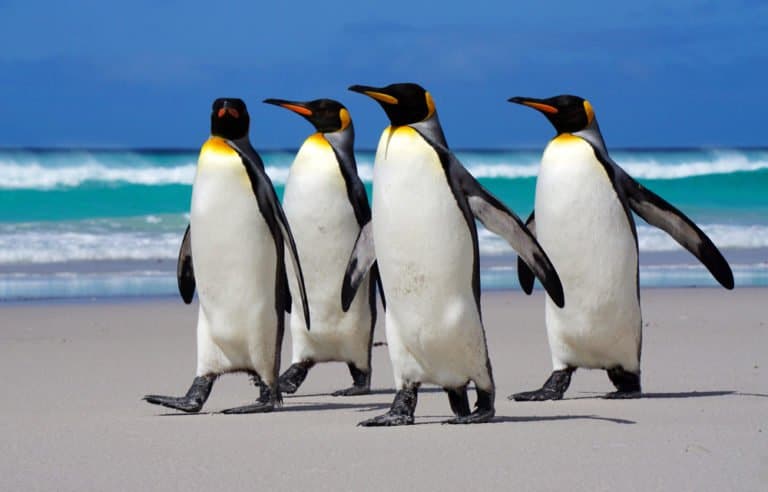
Born to dive, dressed to endure

Brains, beaks, and big voices
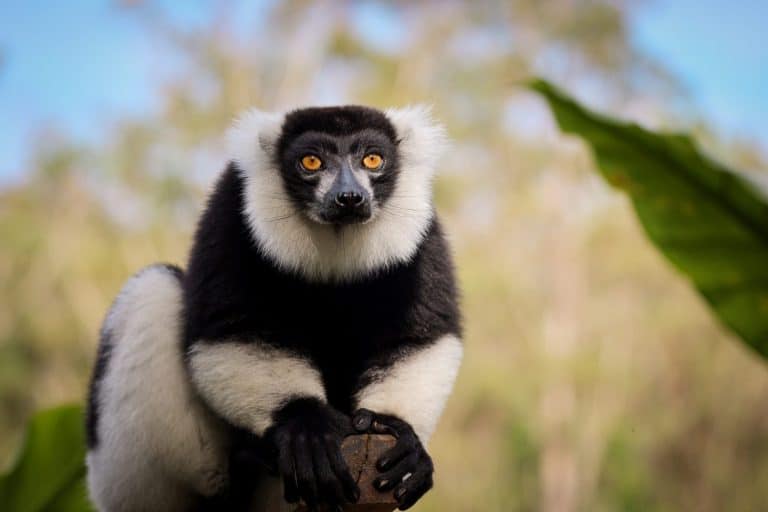
Lemurs: Madagascar's primate marvels

Speed, smarts, and sky mastery

Ancient shells, modern survivors
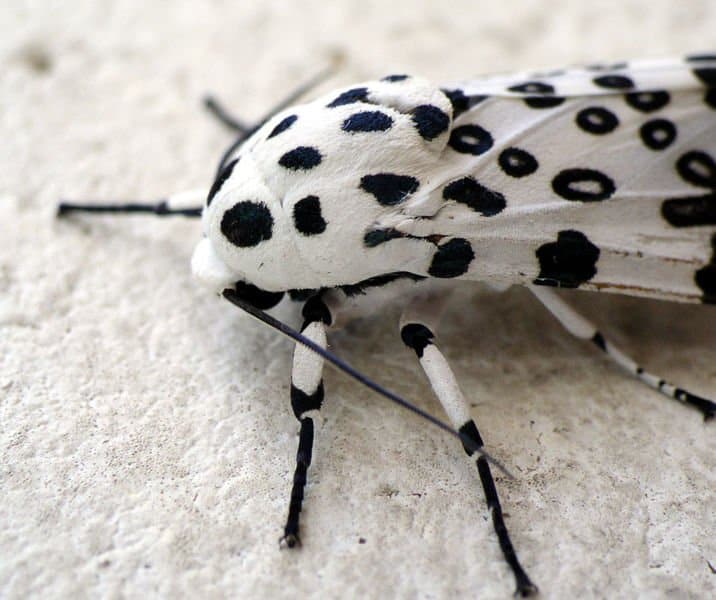
Six legs, endless lives.

Scaled wings, big transformations.

More than night flyers
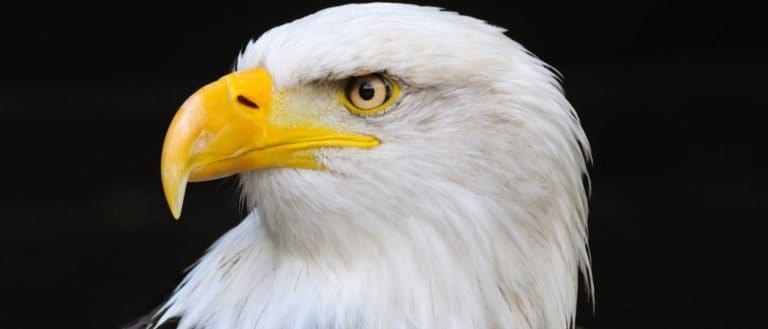
Built to soar, born to strike
Volcanic terrain is land shaped directly by past or ongoing volcanic activity, formed from erupted materials such as lava, ash, and volcanic gases. It includes surfaces and landforms created by lava flows, pyroclastic deposits, and collapse structures around volcanic vents.
Volcanic terrain develops where magma reaches the surface (or near-surface) and builds landscapes from solidified lava, fragmented tephra (ash, lapilli, bombs), and welded or unwelded pyroclastic flows. Common landforms include broad lava fields and flow fronts, cinder and spatter cones, stratovolcanic slopes, maars, lava tubes, and large calderas produced by eruption-driven collapse. Over time, erosion and weathering can dissect volcanic edifices into rugged ridges and valleys, while repeated eruptions can layer deposits, creating complex stratigraphy and highly variable ground conditions over short distances.
Surface materials strongly control hydrology, stability, and ecosystems. Fresh basaltic lava can be porous and highly permeable, promoting rapid infiltration and limited surface water, whereas fine ash and altered clays can form low-permeability layers that enhance runoff and lahars (volcanic mudflows) during intense rain or rapid snowmelt. Soils are often geologically young and mineral-rich; in many regions they evolve into highly fertile volcanic soils (e.g., andisols), yet they may remain thin, unstable, or discontinuous on steep slopes or very recent flows. Vegetation patterns commonly track substrate age and disturbance, with pioneer communities on new deposits, patchy growth on blocky flows, and mature forests or grasslands on older, weathered surfaces. Many volcanic areas also host geothermal manifestations-fumaroles, hot springs, and hydrothermal alteration-which can weaken rock, create distinctive mineral deposits, and introduce localized hazards.
Highly variable; commonly ~0-3,500 m depending on setting (oceanic islands, continental arcs, rift zones). Many volcanic fields and lava plains occur at low to mid elevations; stratovolcanoes frequently rise well above surrounding terrain.
From submarine/near-sea-level volcanic coasts to high peaks >5,000-6,000+ m (large stratovolcanoes), with local relief often 500-3,000 m from base to summit; caldera floors can sit hundreds of meters below surrounding rims.
Ranges from very gentle on lava plains and shield volcano flanks (often 2-10°) to steep on stratovolcano upper flanks, domes, and caldera walls (20-35° common; locally >45°). Cinder/scoria cones commonly near the angle of repose (~30-35°), while rough, blocky lava margins and collapse scarps create short, very steep steps and cliffs.
Forms through volcanic eruptions and associated processes: effusive lava flows (basaltic to rhyolitic) that cool into solid rock; explosive eruptions depositing tephra (ash, lapilli, bombs) that later compact and weather into tuff and volcanic soils; construction of cones and shields by repeated eruptions; collapse of magma chambers forming calderas; intrusion of dikes/sills and domes; ongoing hydrothermal alteration and geothermal activity that weakens rock and creates sinter/clay-rich zones. Water and ice can rapidly rework loose ash into lahars and gullies, reshaping slopes and valleys.
Moderately to highly dynamic. Fresh tephra and scoria are easily mobilized by wind/water, producing rapid erosion, dust, and lahars. Steep cones and altered (clay-rich) hydrothermal zones are prone to landslides and flank collapse. Solidified lava flows are mechanically strong but create unstable, sharp, broken surfaces; ongoing geothermal activity can weaken ground and create local subsidence. Over time, weathering and soil formation increase stability, but disturbance from renewed eruptions, earthquakes, or heavy rainfall can quickly reset conditions.
Often difficult and highly variable. Blocky, clinkery, jumbled flow fronts are slow and injury-prone for many animals; sharp rock, hidden voids, and unstable talus increase risk. Loose ash, pumice, and scoria can be tiring and slippery, especially on steep slopes and in wind. Smooth, ropy lava surfaces and older, soil-developed surfaces can be comparatively easy where fractured rock is infilled and vegetation established. Water/forage availability is patchy, so wildlife movement tends to follow older substrates, drainage lines, crater rims with soil, and vegetated cinder slopes rather than fresh lava or active geothermal ground.
Dense insulating fur and use of burrows within volcanic rock/tephra grasslands to buffer cold nights and temperature swings on high-elevation lava fields
Dark, heat-absorbing skin and behavioral thermoregulation (basking on black lava) to warm quickly after foraging in cool water along volcanic shores
Reduced webbing and stronger toes for walking on rough lava and cinder substrates instead of swimming-focused feet
Beak diversity that exploits sparse, disturbance-driven food resources on young lava (seeds, insects, nectar) and rapid foraging on patchy vegetation
Roosting flexibility and long-distance flight to exploit insect swarms concentrated around geothermal/edge habitats and to move among fragmented lava-flow patches
Cryptic coloration matching ash and basalt plus tough integument that reduces abrasion from windblown grit on exposed flows
Heat-avoidance foraging (timing activity to cooler windows) and nesting in porous cinder that ventilates and drains well
Life in lava tubes with elongated sensory appendages and low metabolic demand to persist in nutrient-poor, stable microclimates
Thick coat and denning in rocky lava fields for shelter from wind and to exploit prey concentrated along geothermal snow-free patches
Calcium management and shell thickening despite young soils by sourcing minerals from basalt-derived dust and biofilms on rock surfaces
Volcanic soils can be among the most fertile on Earth despite forming from "burned" rock - fresh ash and basalt weather into mineral-rich soils that can support highly productive agriculture.
Some lava flows can move surprisingly slowly and quietly, behaving more like a thick, advancing pavement than an explosive disaster - especially low-viscosity basaltic lava.
Volcanoes can create ice-related landforms: eruptions beneath glaciers can melt ice, flood valleys, and even build flat-topped "table mountains" (tuyas).
Volcanic landscapes can look lifeless at first, yet they often host thriving microbial ecosystems in hot springs and fumaroles - life can persist in extremely acidic or hot conditions.
"New land" can appear quickly: lava entering the ocean can build fresh coastline in days to months, even while waves simultaneously tear it back down.
Not all volcano hazards are fiery - ash is basically tiny shards of rock and glass that can clog engines, collapse roofs, and cause darkness hundreds to thousands of kilometers away.
Calderas are not necessarily mountains: some of the biggest volcanic features are giant depressions formed when the ground collapses after huge eruptions.
Volcanic terrain can be noisy without erupting: gases and steam escaping through vents can roar like jet engines, even when no lava is visible.
Young volcanic ground can be so porous that rain disappears quickly into cracks and lava tubes, creating surprisingly dry surfaces next to lush vegetation downslope.
Vegetation patterns can flip expectations: older lava flows may be greener than younger ones because time, not climate alone, controls soil development and plant colonization.
A "volcano" can be a whole field of vents: cinder cones and fissures often form in swarms, spreading eruptions across a wide area rather than a single peak.
Some eruptions produce pumice that floats, allowing "rock rafts" to drift across oceans and transport marine organisms to new locations.
Mauna Loa (Hawaii) is the world's largest active volcano by volume and area, building an enormous volcanic mountain from the seafloor.
Ojos del Salado (Chile-Argentina) is the world's highest active volcano, rising to about 6,893 m (22,615 ft).
Mount Etna (Italy) is Europe's highest and most active volcano.
Olympus Mons (Mars) is the tallest known volcano in the Solar System, towering roughly 22 km above the surrounding plains.
Kilauea (Hawaii) produced one of the most voluminous recent basaltic eruptions in the United States (2018), rapidly building and reshaping coastline with new lava land.
The 1815 eruption of Mount Tambora (Indonesia) is the largest eruption in recorded human history, triggering global climate impacts and widespread devastation.
Lake Toba (Indonesia) is one of Earth's largest volcanic calderas, formed by a super-eruption that left an immense crater now filled by a lake.
Iceland is one of the world's leading countries in geothermal energy use, supported by extensive high-temperature geothermal fields powered by volcanism and rifting.
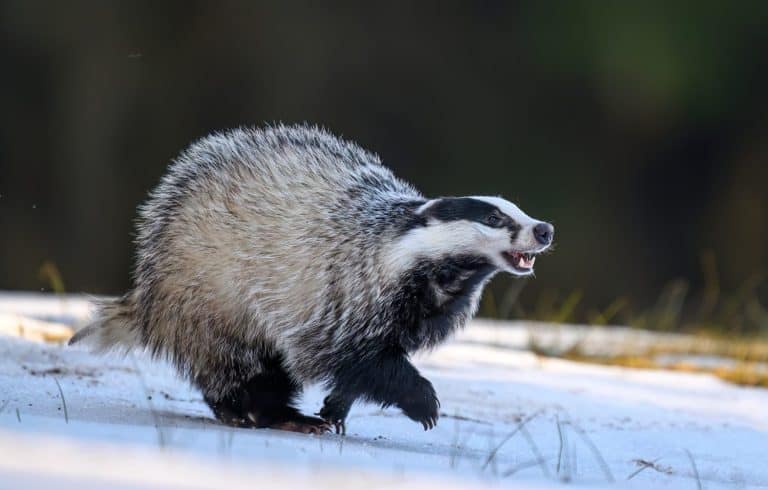
Built to dig. Born to endure.

Night pilots of the mammal world
Built to soar, born to strike
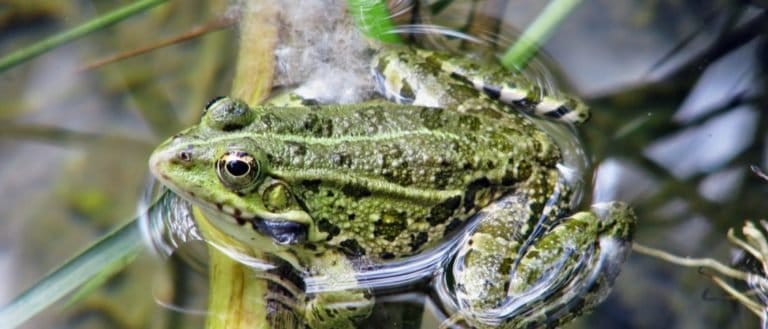
Tailless jumpers, masters of change
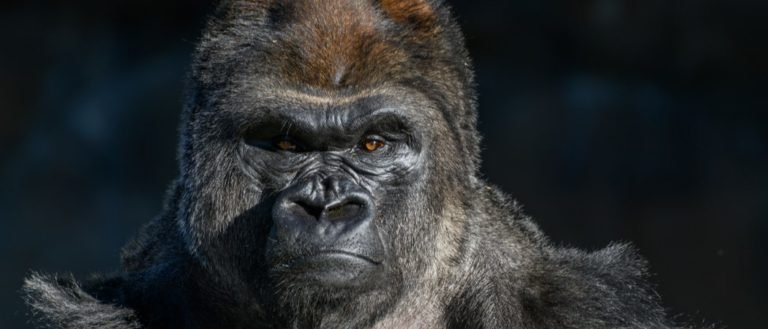
Gentle giants of the African forests
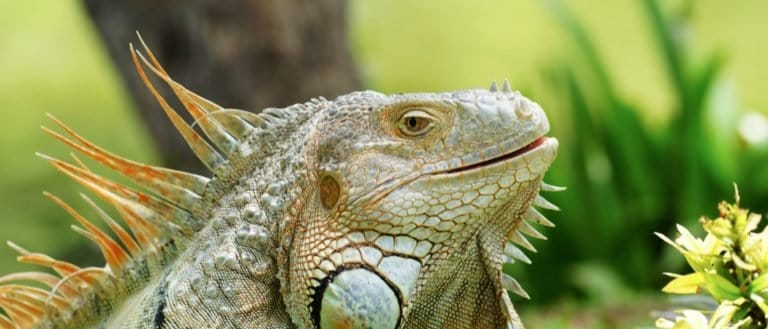
Sun-powered lizards of the Americas
Six legs, endless lives.
From geckos to dragons-lizard power

Small gnawers, huge impact.
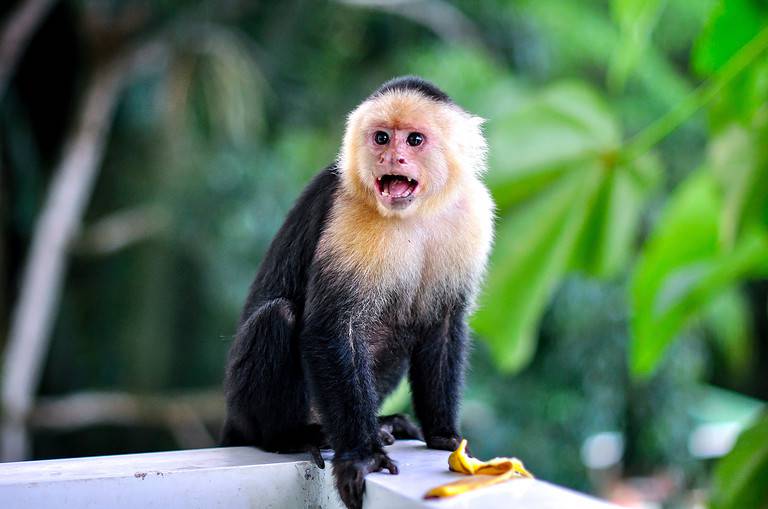
Hands, minds, and social lives
More than night flyers
Born to dive, dressed to endure
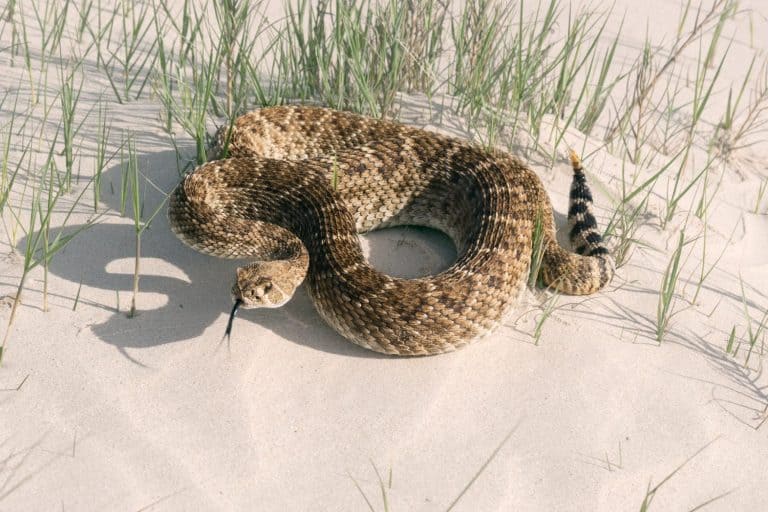
Hear the rattle, give it space.
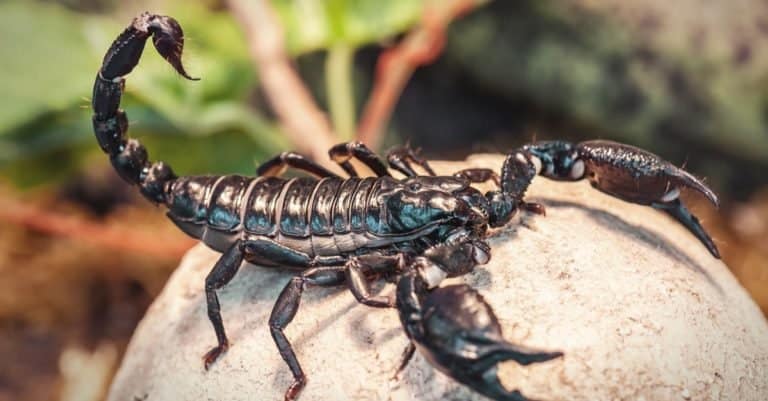
Glow at night, strike with precision
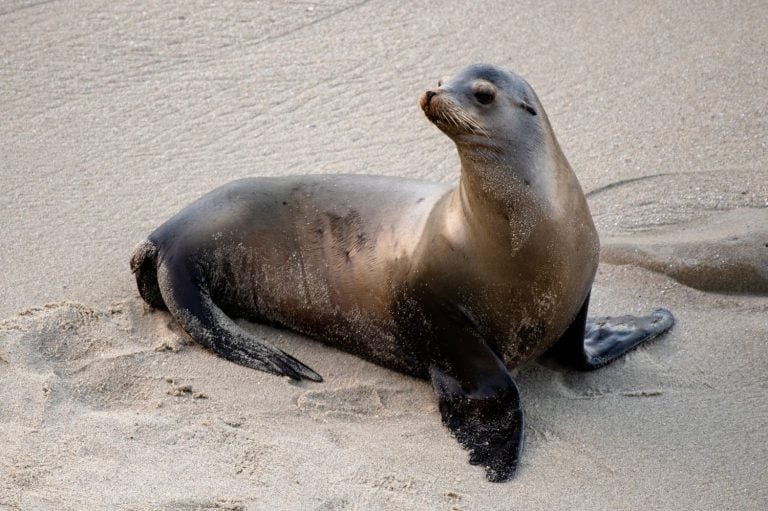
Ear flaps, flippers, and fierce colonies
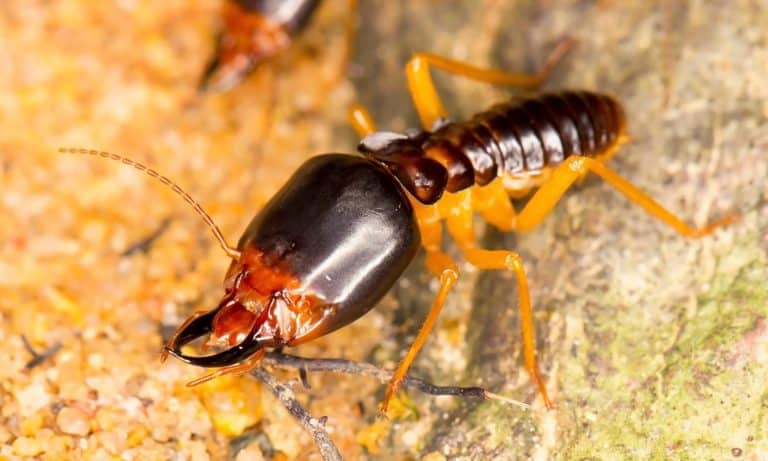
Nature's master recyclers (and builders)
Speed, smarts, and sky mastery

The wolf's cousin, humanity's partner
Brains, beaks, and big voices

Wing-powered divers of the cold seas
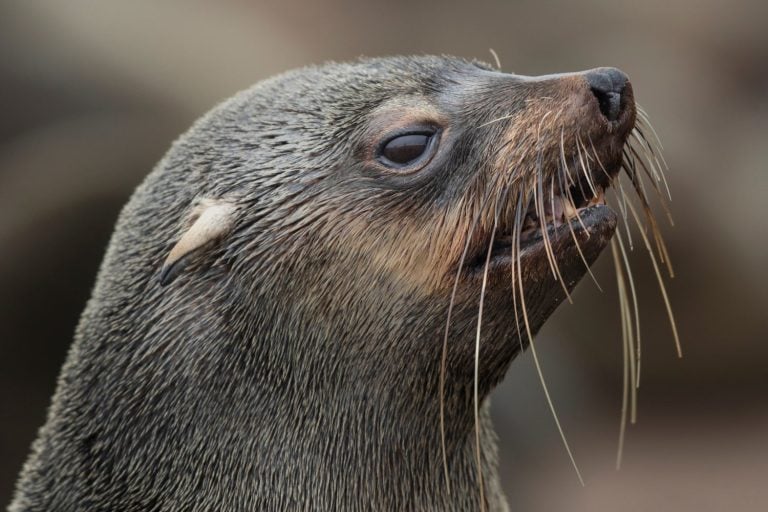
Earless divers of the world's seas
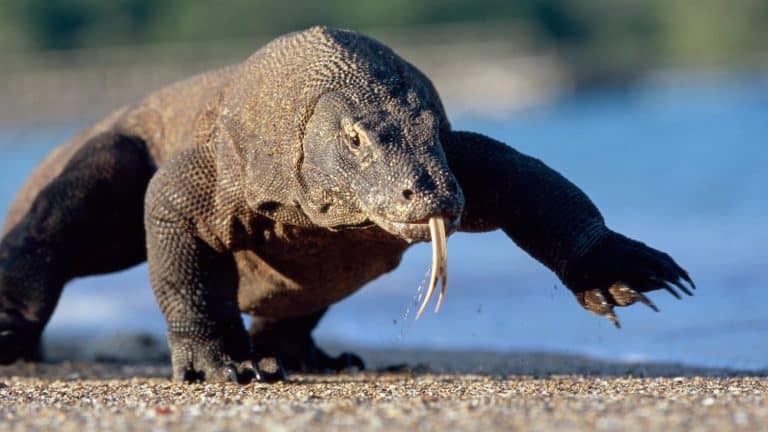
Bite, Venom, and Island Power
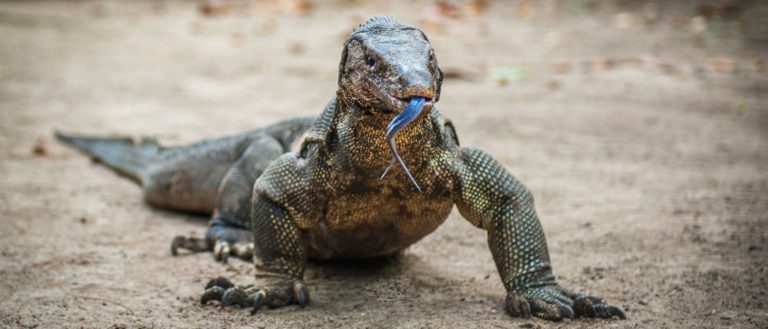
Big brains, bigger tongues.
Lemurs: Madagascar's primate marvels
Thank you for reading! Have some feedback for us?
We appreciate your help in improving our content.
Our editorial team will review your suggestions and make any necessary updates.
There was an error submitting your feedback. Please try again.