
Fox
From dunes to tundra-fox smart.

From dunes to tundra-fox smart.

Cold-water royalty of the seafloor

Power of the Americas' apex cat
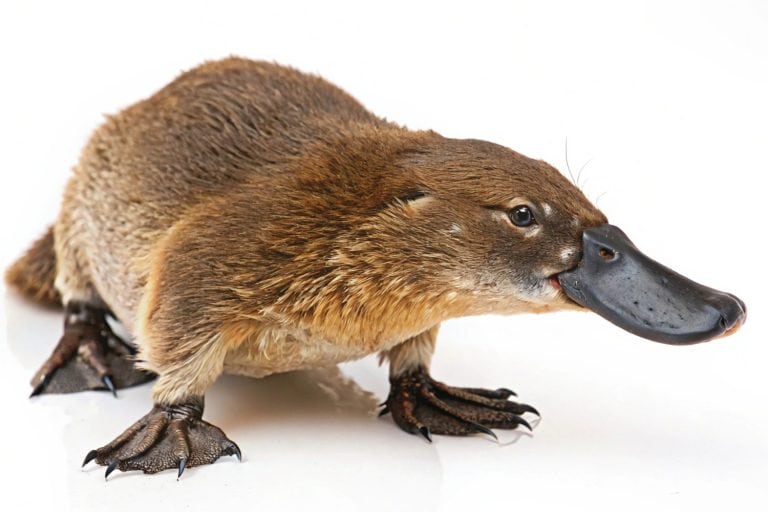
Electric hunter of Australian rivers

Build wetlands, shape worlds.

Eight arms, endless ingenuity

Lightning hunter of the Amazon

Spines, eggs, and ant-eating mastery

Pouches, burrows, and big impacts

Bony rays, endless ways.
Muddy terrain is ground dominated by fine-grained, water-saturated sediments (primarily silt and clay) that remain soft, deformable, and poorly drained. It forms where water lingers and energy is low, creating a surface that is easily churned and difficult to traverse.
Muddy terrain develops when fine particles settle out of slow-moving or standing water and remain saturated due to a high water table, frequent inundation, or limited drainage. Because silt and clay pack tightly and hold water, the ground often lacks firm bearing strength; footprints, hooves, tires, and flowing water readily deform the surface, producing ruts, churn, and smeared sediment. Seasonal wet periods, storms, tides, or flooding can rapidly expand muddy areas, while drying can create crusts and shrinkage cracks that may still soften again with the next wetting.
Ecologically, mud-dominated settings are common in floodplains, marshes, swamps, tidal flats, lake margins, and other depositional lowlands. The waterlogged, low-oxygen (anoxic) conditions slow decomposition and favor specialized vegetation and soil processes; nutrients can be high, but root oxygen stress limits many plant types. The terrain strongly affects access and habitat: movement is slower and more energy-intensive, equipment can bog down, and erosion or sediment resuspension increases with disturbance-altering water quality and reshaping channels, banks, and flats.
Usually low-relief terrain: commonly near local base level such as valley bottoms, lake margins, deltas, estuaries, and coastal plains; often from ~0-500 m a.s.l. depending on regional topography.
Can occur at sea level (tidal flats, mangroves) up to high-elevation basins/plateaus where drainage is impeded (alpine meadows, volcanic/caldera basins), locally >2,000-4,000 m in suitable settings.
Generally flat to gently sloping (often <1-5°) because mud accumulates in low-energy, low-gradient environments. Local micro-slopes occur along channel banks, levees, pond margins, or erosional scarps; saturation reduces shear strength, so even modest slopes can fail as slumps or flow-like slides.
Forms where fine-grained sediments (silt and clay) accumulate in low-energy settings and remain persistently water-saturated. Typical processes include overbank deposition during floods (floodplains), settling of suspended sediment in standing/slow water (wetlands, oxbows, lakeshores), tidal deposition in sheltered coasts/estuaries (tidal flats), and poor drainage/perched water tables that keep soils at or near saturation. Repeated wetting, trampling, and shear remold clays, destroying soil structure and creating soft, plastic, easily deformed surfaces; periodic drying can form crusts and shrink-swell cracking.
Highly dynamic at the surface: strength and bearing capacity change rapidly with water content and temperature (freeze/thaw). Easily eroded by flowing water and readily remolded by trampling, producing persistent ruts and turbidity. Can appear stable during dry crusting or when vegetated, but quickly destabilizes when rewetted; bank margins are prone to slumping and small-scale mass movement.
Generally difficult and energetically costly. Wildlife movement is slowed by suction and poor footing; heavy or hoofed animals may bog, while lighter or broad-footed species and waders can cross more easily. Vegetated mats, frozen periods, or shallow water over firm substrate improve passage; deep, freshly saturated mud and churned areas can be hazardous or impassable.
Large, splayed hooves that spread weight and help wade through bogs and soft floodplain mud
Tough, broad hooves and strong snout for rooting in wet, soft soils without losing footing
Powerful tail-driven swimming and the ability to slide/crawl through mud and shallow marsh channels
Long legs and widely spaced toes that distribute weight and allow slow, stable steps in soft mud
Pectoral fins adapted for "walking" and skipping across intertidal mudflats with strong grip and balance
Specialized burrowing legs and behavior that create stable refuges in water-saturated mud
Webbed feet and streamlined body for switching between swimming and muddy bank travel
Dense bones and body make it negatively buoyant, allowing it to move underwater by walking/pushing off the bottom; it also wallows in mud for thermoregulation and skin protection.
Non-Newtonian muds can behave in opposite ways: some slurries are dilatant (they stiffen under sudden shear or impact), while thixotropic muds can become more fluid when agitated and then regain strength when left undisturbed.
Mud isn't always slippery-very fine clay can be so sticky that it increases friction and can pull at boots or tires even when it looks glossy and smooth.
A surface can look dry but still act like mud: a thin crust can hide fully saturated, weak soil underneath, so the first step breaks through into soup.
Mud can be a natural sealant: clay-rich mud can line ponds and wetlands, reducing seepage and helping water bodies persist longer than nearby sandy basins.
Muddy water doesn't always mean "dirty" in the toxic sense-high turbidity can simply be harmless mineral silt, yet it can still drastically reduce light and alter ecosystems.
Mud can protect ecosystems from erosion in a counter-intuitive way: dense vegetation rooted in fine, muddy soils can trap more sediment during floods, building land upward rather than washing away.
In tidal flats, the "firmest" route can be the darker-looking mud: areas with more compacted, fine sediment or microbial mats can appear darker yet support weight better than paler, waterier patches.
Mud can preserve footprints and tracks extremely well-fine grains and the right moisture content can record detailed impressions that last long enough to be buried and fossilized.
Muddy ground can have some of the lowest shear strength of any common natural terrain-so low that a person, vehicle, or animal can suddenly lose traction with almost no warning.
Wet, clay-rich mud can be among the most impermeable natural surfaces: once saturated and compacted, it can slow water infiltration to a crawl compared with sand or gravel.
Tidal mudflats can be among the fastest-changing landscapes on Earth at human timescales-channels, bars, and shoreline edges can migrate dramatically between seasons or even after a single storm.
Some muddy floodplains are nature's heavyweight nutrient warehouses, accumulating fine sediment and organic matter in large pulses during floods and storing it for years.
Deep, soft mud can be one of the most energy-sapping natural surfaces to cross on foot-often outperforming dry sand in how quickly it exhausts travelers because each step wastes energy deforming the ground.
In some wetlands, thick layers of waterlogged mud can preserve organic material unusually well (low oxygen slows decay), creating some of the most detailed natural "archives" of past environments.

Built to dig. Born to endure.

Night pilots of the mammal world
Build wetlands, shape worlds.

Small hunter, big household legend

Webbed feet, world travelers.
Spines, eggs, and ant-eating mastery
Lightning hunter of the Amazon
Bony rays, endless ways.
From dunes to tundra-fox smart.
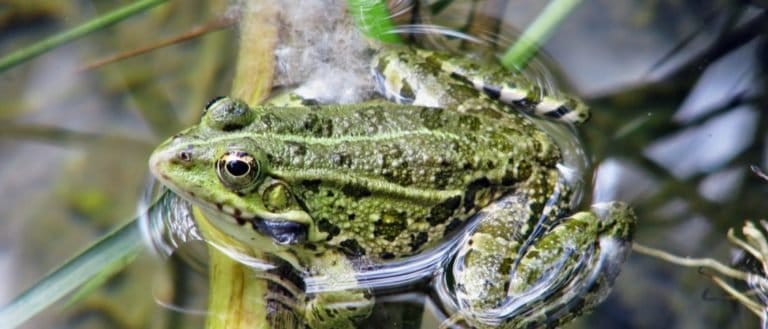
Tailless jumpers, masters of change

Webbed feet, sky roads, wetland lives

Gentle giants of the African forests
Pouches, burrows, and big impacts
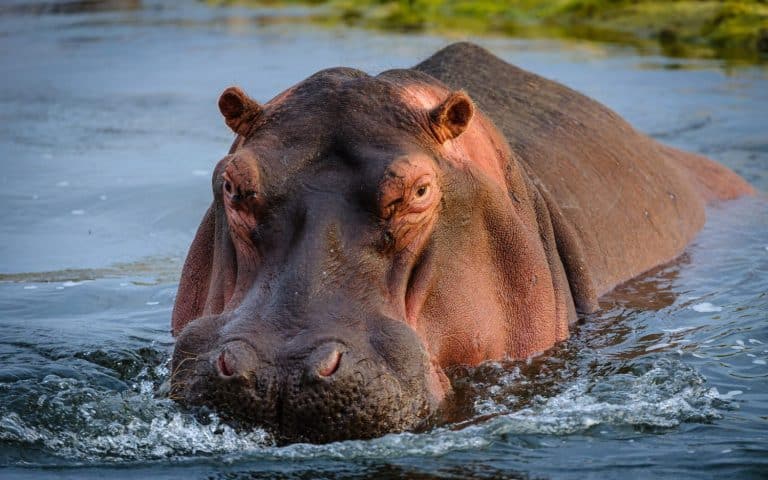
Big river grazer, bigger attitude

One hoofbeat, a thousand histories
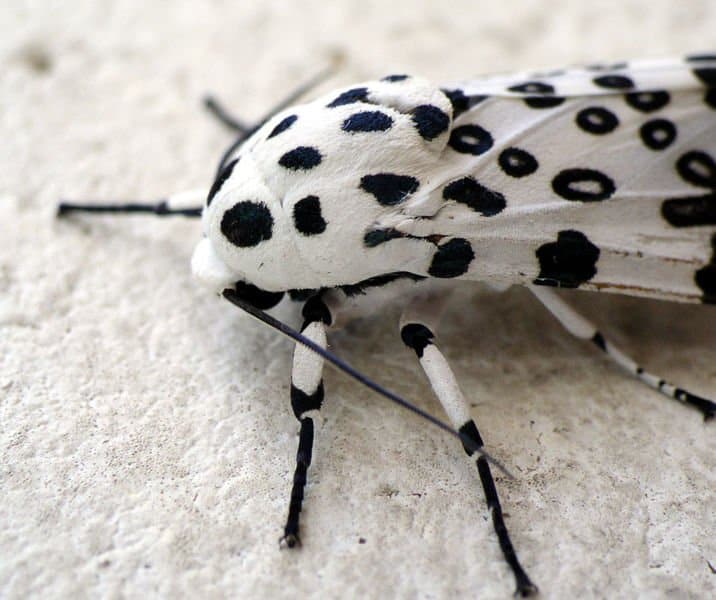
Six legs, endless lives.

Small canids, big survival skills
Power of the Americas' apex cat

Sting-powered drifters of the sea

Big hops, big pouches, big variety
Cold-water royalty of the seafloor
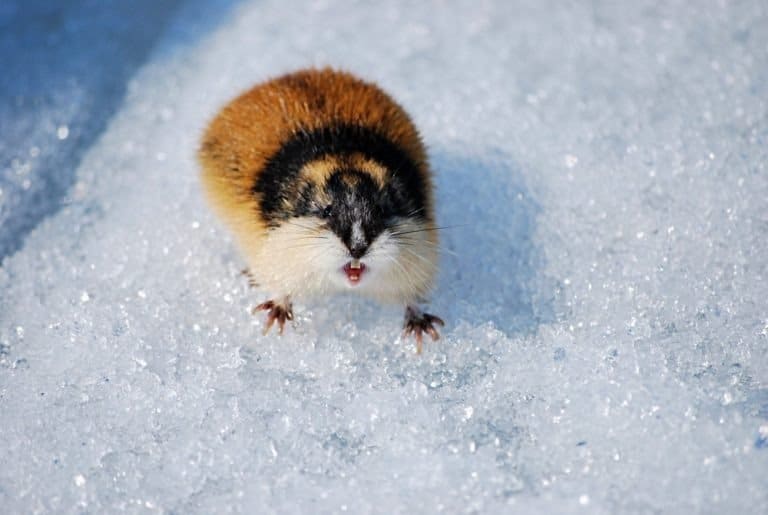
Small rodents, huge tundra impact

From geckos to dragons-lizard power

Small gnawers, huge impact.
Thank you for reading! Have some feedback for us?
We appreciate your help in improving our content.
Our editorial team will review your suggestions and make any necessary updates.
There was an error submitting your feedback. Please try again.