
Fish
Bony rays, endless ways.

Bony rays, endless ways.

From dunes to tundra-fox smart.

Hands, minds, and social lives

Sure-footed masters of rock and range

Pouches, burrows, and big impacts

One hoofbeat, a thousand histories
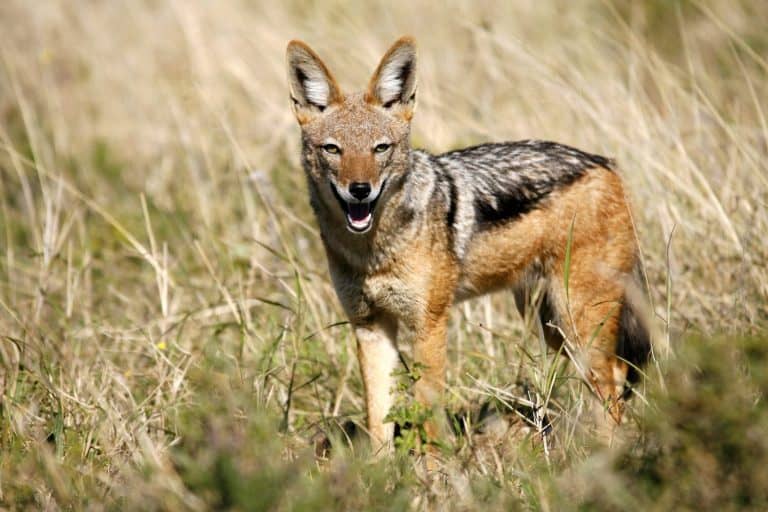
Small canids, big survival skills
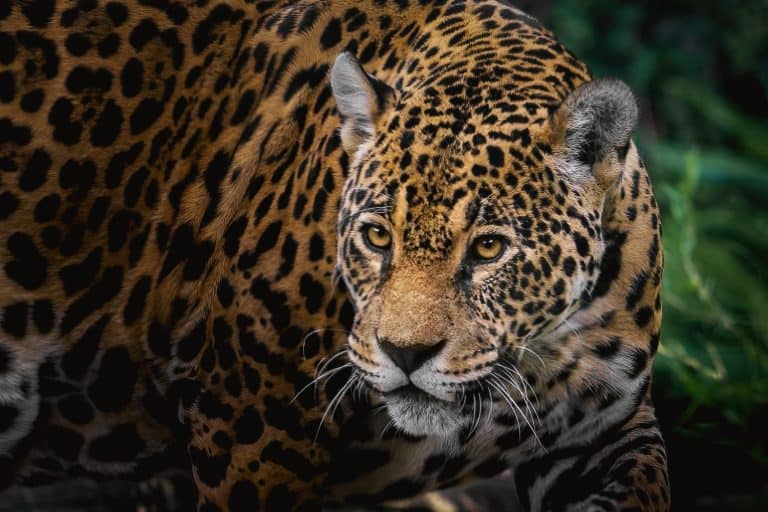
Power of the Americas' apex cat

More than night flyers

Moon-marked climber of Asian forests
Mountainous terrain is a landform region dominated by high elevations, steep slopes, and pronounced vertical relief. It commonly results from tectonic uplift and is continually modified by erosion, weathering, and mass wasting.
Mountainous terrain is characterized by rugged topography where elevation changes rapidly over short distances, producing ridges, peaks, cirques, cliffs, and deeply incised valleys. Many mountain ranges form through tectonic processes such as folding, faulting, and volcanic activity, while their present shapes are refined by fluvial incision, glaciation, freeze-thaw weathering, and landslides. The interaction of uplift and erosion often creates highly dissected landscapes with complex drainage networks and frequent rock outcrops.
Environmental conditions in mountainous regions vary strongly with elevation and aspect, driving pronounced ecological zonation. Temperatures generally decrease with altitude, precipitation patterns are influenced by orographic lifting and rain shadows, and snowpack or glaciers may be important water stores. Soils are often thin, rocky, and unstable due to steep gradients and limited soil development time, leading to rapid runoff, flashy streams, and heightened susceptibility to hazards such as avalanches, rockfall, debris flows, and slope failures.
~1,500-4,500 m above sea level (varies by region and definition; many ranges transition from montane to alpine within this band).
Can begin around ~800-1,200 m in coastal/rapidly uplifted regions and exceed 8,000 m in the highest orogenic belts; local relief commonly 500-3,000+ m from valley floor to ridge/peak.
Steep, highly variable slopes with strong aspect control; common hillside gradients ~20-45° with frequent near-vertical rock faces. Ridge crests are narrow and sharp; slope breaks occur at cliffs, benches, and glacial steps. Slopes are prone to oversteepening by rivers and glaciers.
Primarily formed by tectonic uplift and crustal shortening (fold-and-thrust belts, terrane accretion, and fault-block uplift) and/or volcanic construction. Subsequent sculpting by fluvial incision, mass wasting (rockfalls/landslides), frost weathering, and often glaciation (cirques and U-shaped valleys). Ongoing isostatic rebound may enhance relief after erosion or deglaciation.
Moderately to highly dynamic. Long-term uplift competes with rapid erosion; frequent geomorphic activity includes rockfalls, landslides, debris flows, avalanches, river incision, and seasonal freeze-thaw heave. Stability varies with lithology, fracture density, vegetation cover, precipitation intensity, and seismicity; ridges and bedrock knobs are relatively stable while steep colluvial slopes and valley walls can be highly unstable.
Generally difficult. Steep gradients, cliffs, loose scree, deep snow/ice, and fragmented terrain restrict movement and concentrate travel along ridgelines, saddles, talus margins, and valley bottoms. Wildlife movement is species- and season-dependent: agile mountain specialists can navigate cliffs and talus, while larger generalists are constrained by slope steepness, snowpack, and barrier features (gorges, glaciers).
Rubbery, concave hoof pads with a sharp keratin rim that grip tiny rock irregularities for extreme climbing.
Split hooves with flexible pads and hard outer edges that act like natural climbing shoes on cliffs.
Long tail for balance on narrow ledges and wide, furred paws that function like snowshoes on steep snow.
Sure-footed hooves and exceptional agility that allow rapid escape on near-vertical, rugged terrain.
Hibernation to survive long alpine winters when high-elevation forage is unavailable.
Haypiling-collecting and drying vegetation to store food for winter in rocky talus habitats.
Dense insulating coat and strong, agile limbs for cold, steep alpine slopes.
Ridge-soaring on mountain updrafts to patrol vast steep terrain with minimal energy use.
Efficient soaring on powerful mountain thermals, enabling long-range flight over rugged highlands.
Enlarged lungs and high-affinity blood physiology that support exertion in thin, high-altitude air.
Mountains can create deserts: as moist air rises and drops rain on the windward side, the leeward side can become extremely dry (a rain shadow).
High mountains can have strong sunburn risk even when it's cold-thinner atmosphere and snow reflectance can greatly increase UV exposure.
Steep mountainous slopes often have thin, fragile soils not because there's "no soil," but because erosion and rapid drainage outpace soil formation.
Some mountain regions can be surprisingly biodiverse: sharp elevation and aspect changes create many microclimates packed into short horizontal distances.
Valleys in rugged ranges can be warmer than nearby slopes at night due to cold air draining downslope and pooling, creating "frost pockets."
In many ranges, south-facing and north-facing slopes can host dramatically different ecosystems at the same elevation because sunlight and snowmelt differ by aspect.
Mountains can influence weather far away: large ranges can steer jet streams and generate downstream storm patterns.
Glaciers can carve landscapes into U-shaped valleys and sharp ridges-so some of the most "jagged" scenery is actually a signature of ice, not just tectonic uplift.
Earthquakes and landslides can build mountain relief in bursts, meaning some mountain landscapes grow in sudden steps rather than by slow, steady uplift.
You can find wetlands high in mountains: despite rapid drainage overall, impermeable bedrock, glacial deposits, or perched water tables can trap water and form alpine bogs and meadows.
Mount Everest (8,849 m) is Earth's highest peak above sea level, rising into air with about one-third the oxygen available at sea level.
Mauna Kea is the tallest mountain on Earth when measured from base to summit (~10 km from seafloor), even though its peak is only 4,207 m above sea level.
The Andes are the world's longest continental mountain range, stretching roughly 7,000 km along South America's western edge.
The Himalaya-Karakoram-Hindu Kush region contains the greatest concentration of the planet's highest peaks, including all mountains above 8,000 m (the "eight-thousanders").
The Tibetan Plateau, often called the "Roof of the World," is the highest and largest plateau on Earth, averaging around 4,500 m in elevation.
Denali (6,190 m) has one of the world's largest vertical reliefs from base to summit on land-about 5,500 m.
Mount Thor (Canada) has one of the greatest sheer vertical drops on Earth, with a ~1,250 m near-vertical granite face.
K2 is often cited as one of the most difficult 8,000 m peaks to climb due to steepness and objective hazards, with historically high fatality rates relative to summits.
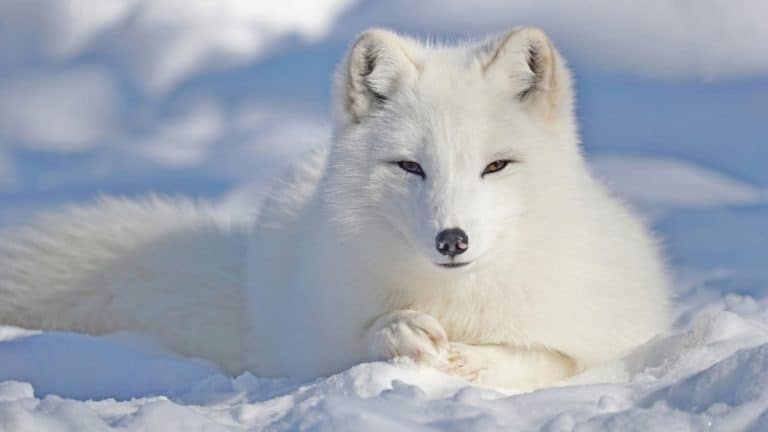
Built for blizzards, born for tundra
Moon-marked climber of Asian forests

Built to dig. Born to endure.

Night pilots of the mammal world

Build wetlands, shape worlds.

Small hunter, big household legend
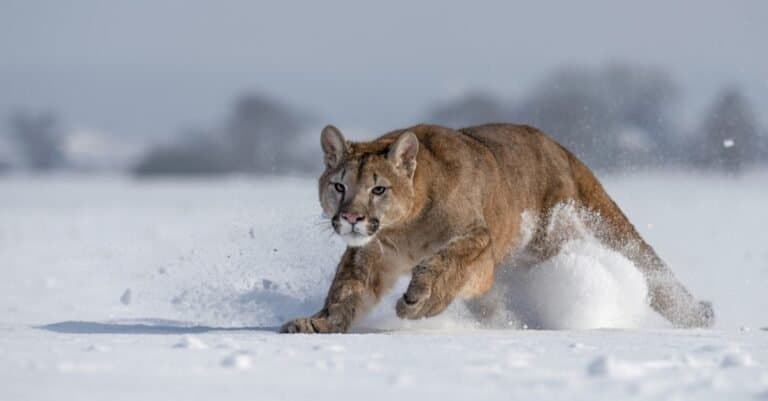
One cat. Two continents.
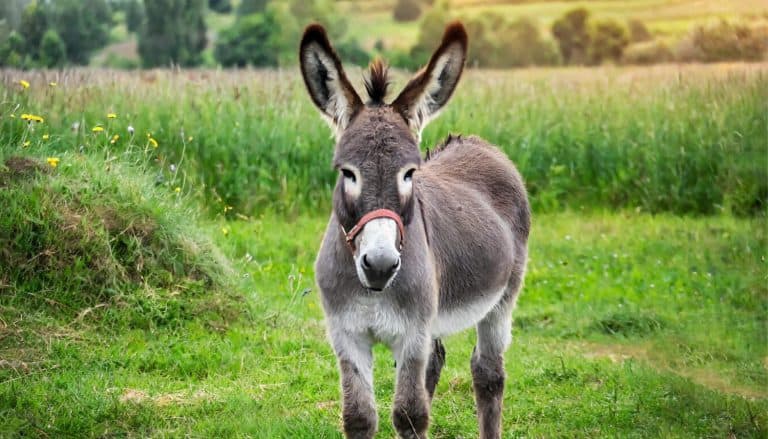
Sure-footed partner of people

Webbed feet, world travelers.

Built to soar, born to strike

Spines, eggs, and ant-eating mastery
Bony rays, endless ways.
From dunes to tundra-fox smart.

Tailless jumpers, masters of change

Webbed feet, sky roads, wetland lives
Sure-footed masters of rock and range

Gentle giants of the African forests
Pouches, burrows, and big impacts
One hoofbeat, a thousand histories

Sun-powered lizards of the Americas

Six legs, endless lives.
Small canids, big survival skills
Power of the Americas' apex cat

Big hops, big pouches, big variety
Thank you for reading! Have some feedback for us?
We appreciate your help in improving our content.
Our editorial team will review your suggestions and make any necessary updates.
There was an error submitting your feedback. Please try again.