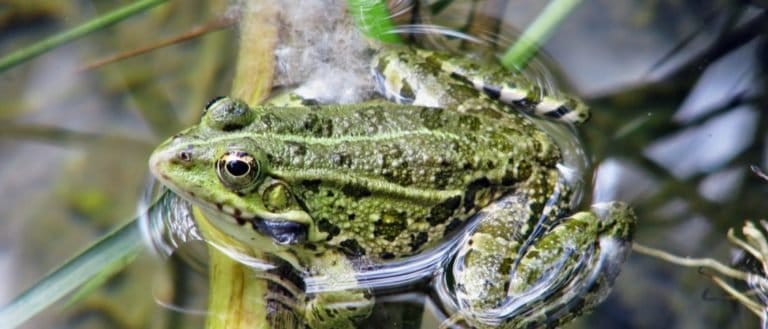
Frog
Tailless jumpers, masters of change

Tailless jumpers, masters of change
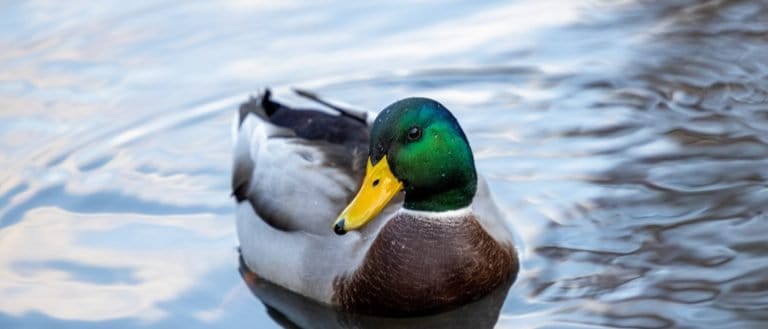
Webbed feet, world travelers.

Small gnawers, huge impact.
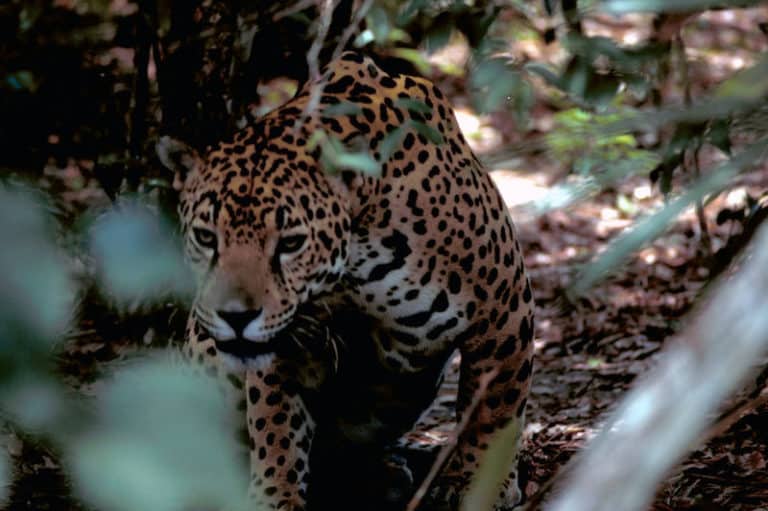
Power of the Americas' apex cat
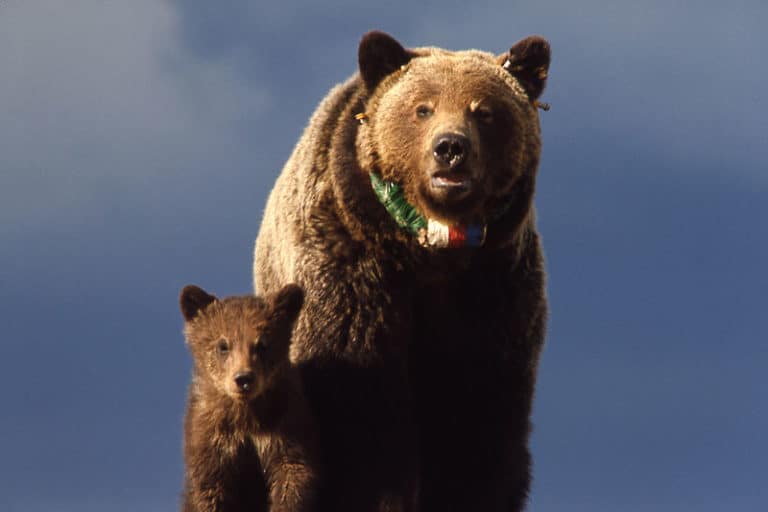
Hump, claws, and wild omnivory
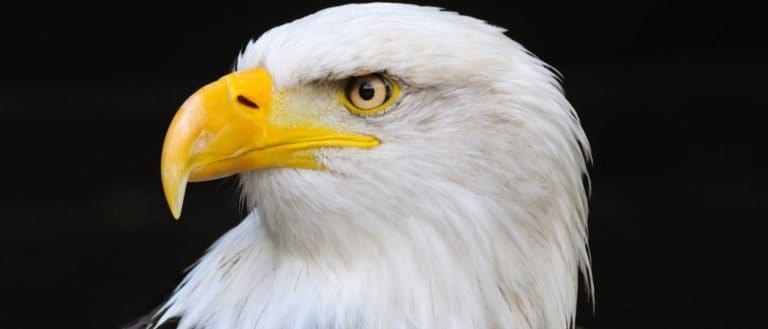
Built to soar, born to strike
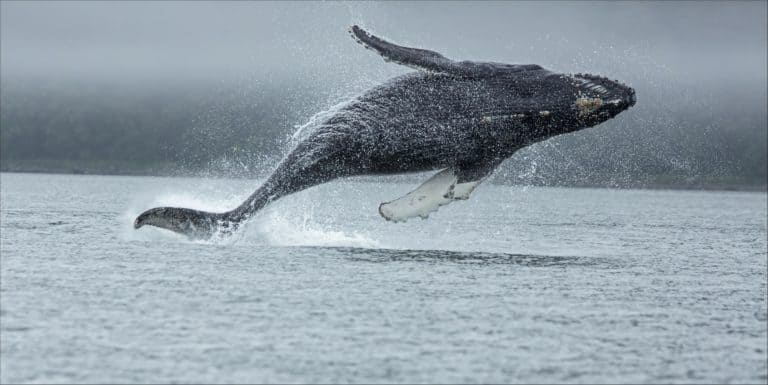
Planet's biggest krill-powered giant
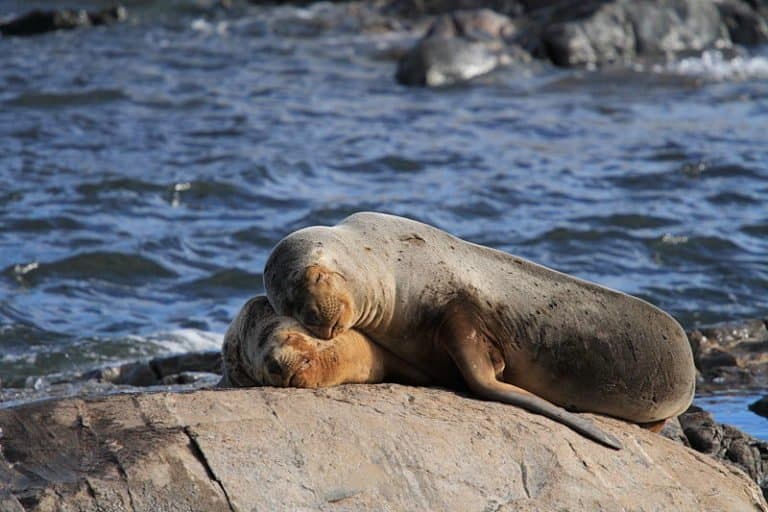
Ear flaps, flippers, and fierce colonies
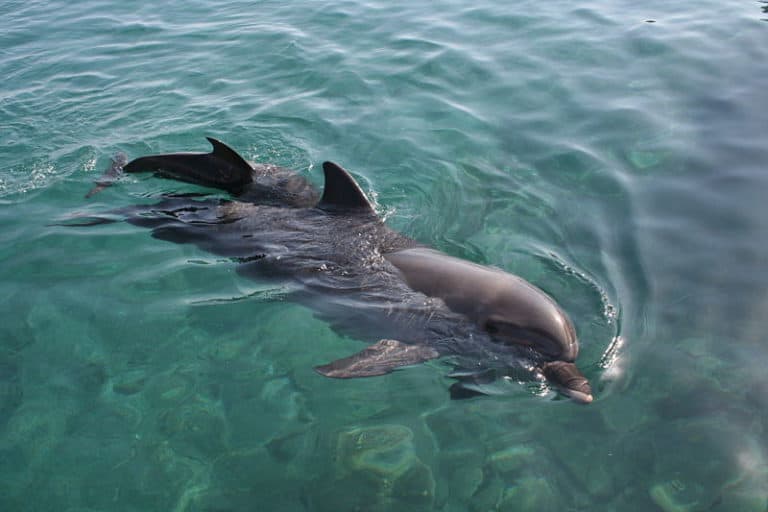
Built for the surf-and sonar.

Built for land, made for time
Resource depletion is the unsustainable extraction or consumption of biotic or abiotic natural resources at rates that exceed their renewal or replenishment, causing long-term declines in availability. In ecological terms, it reduces ecosystem carrying capacity and diminishes the resources needed for species survival, growth, and reproduction.
Resource depletion happens when people use up key resources—water, timber, fuelwood, forage, fish, wild prey, soil nutrients, or minerals—faster than they are replaced. It comes from direct removal (cutting, fishing, grazing) or uses that leave less for other species. Signs include lower streamflow and groundwater, fewer prey and fruits, overgrazed plants, less deadwood, and poorer soils. Effects include worse body condition and breeding, more young animals dying, crowding that raises competition, disease, and predator risk, and changes in diet or movement that increase road use and conflict. Depletion can break food webs, make communities simpler, and make ecosystems less able to survive droughts, fires, or invasions. It often acts with habitat fragmentation, illegal take, and slow recovery, causing long-lasting declines.
Droughts, heatwaves, and altered rainfall reduce natural replenishment; combined with over-extraction, water and forage shortages become more frequent and prolonged, pushing populations past physiological and demographic thresholds.
When habitat area is reduced, remaining patches must support the same demand; resource depletion within smaller habitats accelerates carrying-capacity collapse and increases crowding effects.
Scarcity increases reliance on fewer water sources, which may be contaminated; limited clean alternatives amplify exposure doses and reduce detoxification capacity due to poor nutrition.
Depleted food and water weaken animals and concentrate them at predictable points, increasing hunting efficiency and additive mortality; prey depletion also indirectly starves predators.
Marine and freshwater prey depletion reduces food for seabirds, marine mammals, and predatory fish; starvation and reproductive failure increase, and species shift to lower-quality prey with poorer energy returns.
As natural foods/water decline, wildlife raids crops and livestock more often; conflict responses (retaliation, fencing, deterrents) increase mortality and block movement to remaining resources.
Nutritional stress suppresses immunity, while crowding at remaining resources raises contact rates; together they increase outbreak likelihood, severity, and mortality.
Invasives can outcompete natives for scarce water/nutrients or alter resource availability (e.g., invasive plants changing forage quality), compounding shortages and reducing recovery potential.
Logging removes food trees, mast, and structural resources; combined with fuelwood/NTFP depletion, it strips both habitat and critical resources, intensifying food gaps and displacement.
Mining increases local demand for water and fuelwood and can dewater aquifers; simultaneous depletion and landscape disturbance reduce aquatic/riparian resources and force wildlife into degraded, high-risk areas.
Roads, canals, and water diversions enable intensified extraction and restrict movement to remaining resources; wildlife becomes trapped in depleted patches or faces higher mortality crossing barriers.
Agriculture increases water withdrawals and removes wild forage; depletion then drives wildlife into farms for food, increasing conflict and exposure to pesticides and fencing.
Dams and channelization interact with water depletion by reducing natural flood pulses and recharge; wetlands and floodplain productivity decline, shrinking seasonal resource buffers.
Urban demand draws down water and nearby natural resources; scarcity in surrounding habitats pushes wildlife into cities/suburbs where vehicle strikes, disease, and conflict are higher.
Disturbance displaces animals from the best remaining foraging or watering sites; with resources already scarce, displacement leads to rapid energy deficits and higher stress.
High-value species are targeted as resources become scarce, increasing extraction pressure; depleted populations become more valuable, creating a feedback loop that prevents recovery.
Resource depletion causes population declines and concentration into fewer refugia; reduced effective population size and connectivity increase inbreeding and lower adaptive capacity to ongoing scarcity.
Multiple depleted resources (e.g., prey plus water plus nesting materials) interact additively and multiplicatively, creating compound bottlenecks where survival, reproduction, and recruitment all fail simultaneously.
Resource depletion can collapse a food web without "killing" wildlife directly: removing key prey (like forage fish) or seed sources can reduce reproduction and survival across multiple predator and plant species.
Many "renewable" resources become effectively non-renewable when extraction outpaces regrowth-fuelwood is a common example where local forests can't recover between harvests, turning a renewable resource into chronic habitat loss.
Water depletion often harms ecosystems even when rivers still look "present": reduced flow can raise water temperature and lower oxygen, quietly pushing fish and invertebrates past tolerance limits.
Overharvesting can trigger "trophic cascades," where taking out one abundant species (e.g., large herbivores or predators) reshapes vegetation, soil stability, and even stream channels-changing habitat for many other species.
Resource depletion can make landscapes more vulnerable to other threats: fewer trees and less ground cover can amplify wildfire intensity, erosion, and the spread of invasive species.
Global material demand isn't just a mining issue-sand and gravel (used in concrete and roads) are among the most extracted materials on Earth, and their removal from rivers and coasts can accelerate erosion and destroy aquatic habitat.
Fishing pressure can remove not just biomass but resilience: targeting the largest individuals can reduce a population's breeding capacity because big, older fish often produce more (and hardier) offspring than younger fish.
Resource depletion frequently "moves" rather than ends: once a local resource is exhausted, extraction expands into new habitats (frontier effect), spreading impacts to previously intact ecosystems.
Depleted prey bases can increase human-wildlife conflict: predators short on natural food may switch to livestock or garbage, raising mortality risk from retaliation and management removals.
Depletion can be hard to see because it's incremental-ecosystems may appear stable until a threshold is crossed, after which recovery is slow or impossible on human timescales.
If extraction exceeds a resource's "interest rate" (its natural regeneration), it's like spending from the principal in a bank account-eventually the account hits zero and the ecosystem can't "pay" wildlife back with food, shelter, or clean water.
Groundwater depletion is often like living off a one-time inheritance: some aquifers recharge so slowly that, once drawn down, they may take centuries to recover-far beyond typical conservation timelines.
Removing key prey from an ecosystem can be like pulling bricks from the base of a tower: the first few seem manageable, but the structure becomes unstable and can suddenly fail when a tipping point is reached.
Depleting river flow for people and industry can act like narrowing an animal's entire "life-support pipeline": less water means less habitat area, less oxygen, and less food production in the same channel.
High demand for woodfuel in dry regions can function like a slow-moving clearcut: not one dramatic event, but repeated harvesting that gradually strips canopy and understory-reducing nesting sites and shade, and heating the soil.
Overharvesting large breeding individuals is like removing experienced teachers from a school: the population may persist for a while, but recruitment and long-term performance decline as the "most productive" cohort disappears.
Resource depletion can create ecological "food deserts": just as neighborhoods can lack healthy food options, landscapes can lose the plants, seeds, or prey species animals depend on-forcing longer, riskier foraging trips.
When a local resource runs out and extraction shifts elsewhere, it's like squeezing a balloon: pressure in one place pops up in another, spreading habitat disruption across wider areas.
Declining prey can push predators into "commute mode": animals spend more time searching and less time resting or caring for young-like a household forced to work extra hours just to afford the same essentials.
Ecosystem carrying capacity under depletion is like a shrinking lifeboat: the number of individuals the habitat can support drops, increasing competition, disease risk, and vulnerability to droughts or heatwaves.
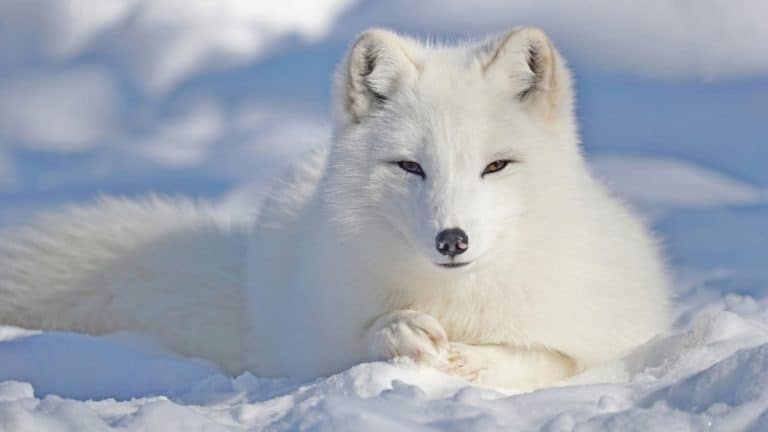
Built for blizzards, born for tundra
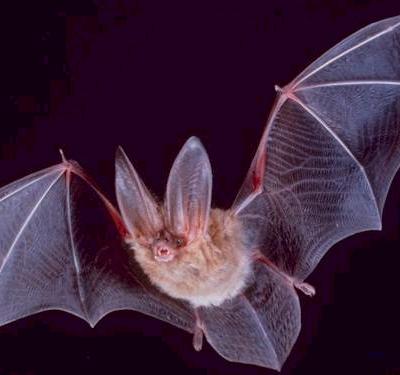
Night pilots of the mammal world
Webbed feet, world travelers.
Built to soar, born to strike
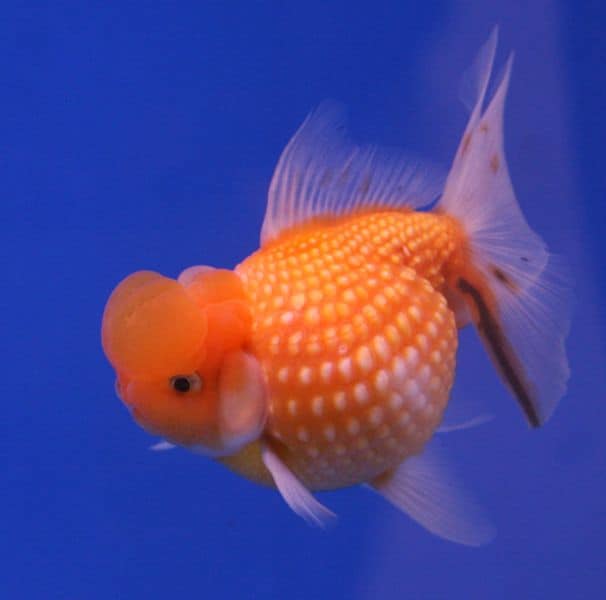
Bony rays, endless ways.
Tailless jumpers, masters of change
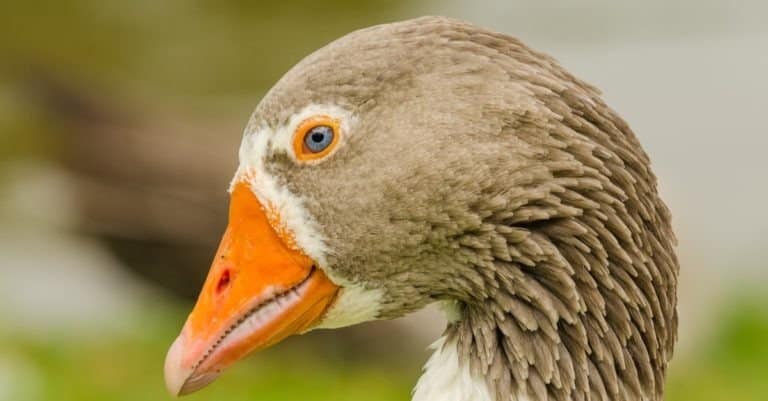
Webbed feet, sky roads, wetland lives
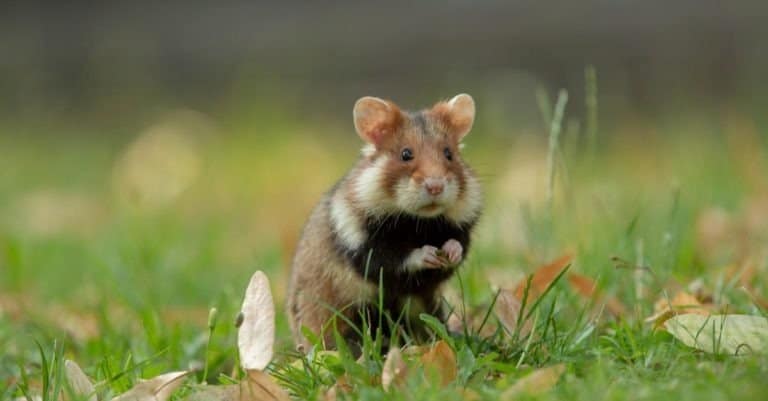
Pouches, burrows, and big impacts
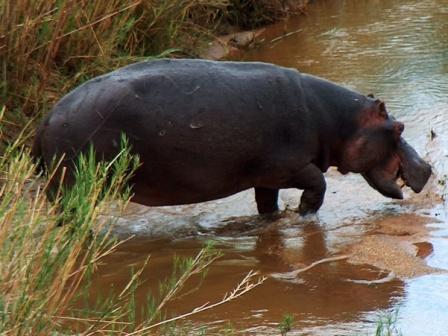
Big river grazer, bigger attitude
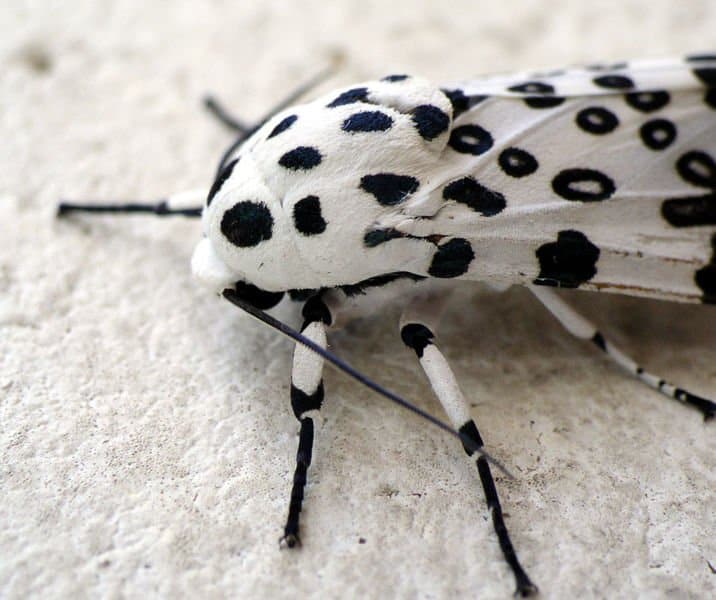
Six legs, endless lives.
Power of the Americas' apex cat
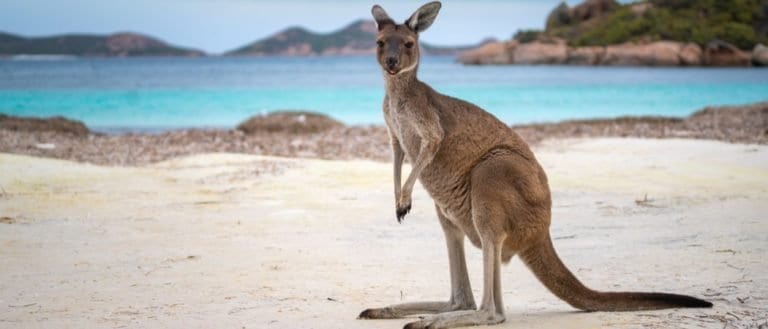
Big hops, big pouches, big variety
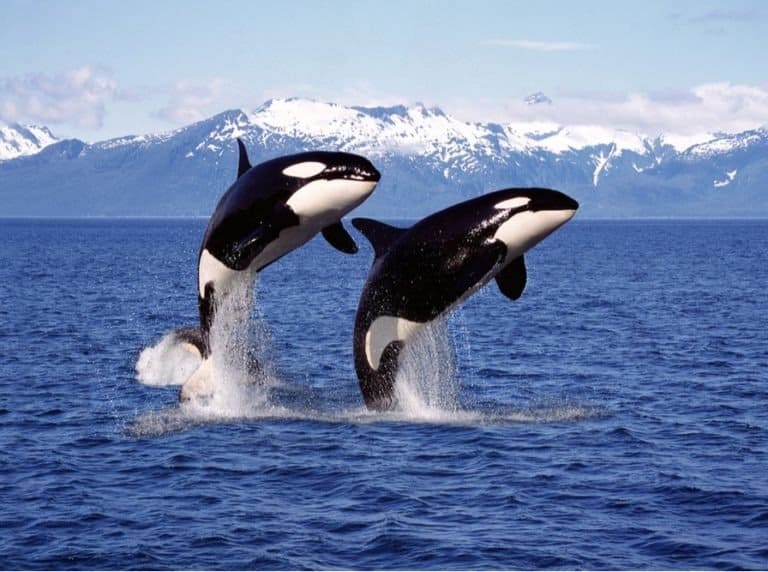
One species, many ecotypes.
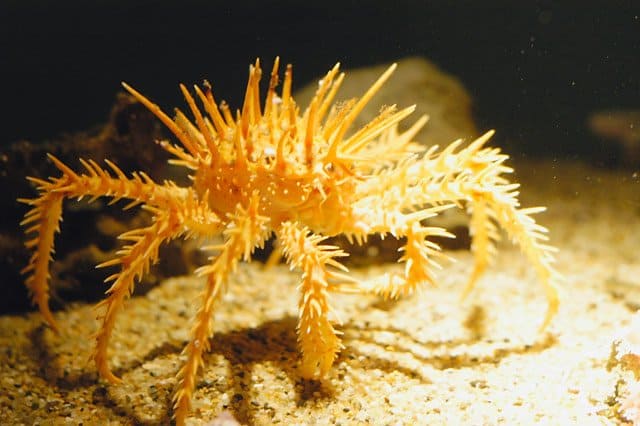
Cold-water royalty of the seafloor
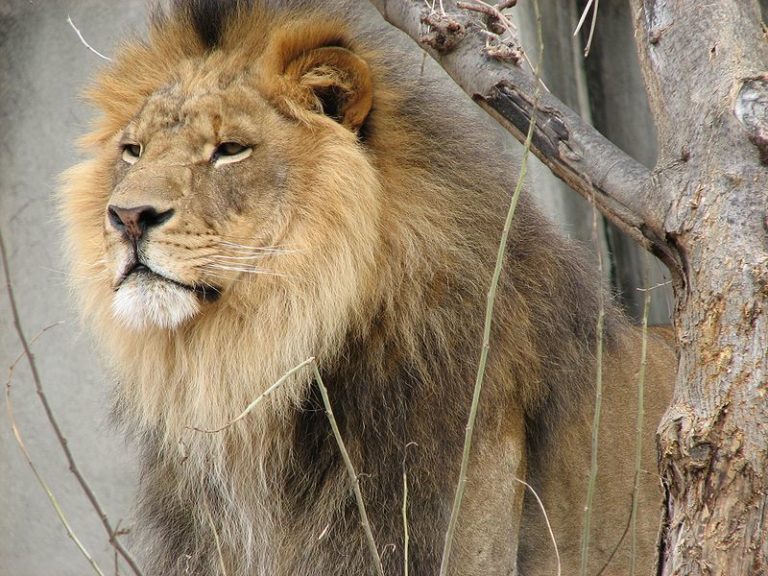
Built for prides, born for the hunt

From geckos to dragons-lizard power
Small gnawers, huge impact.
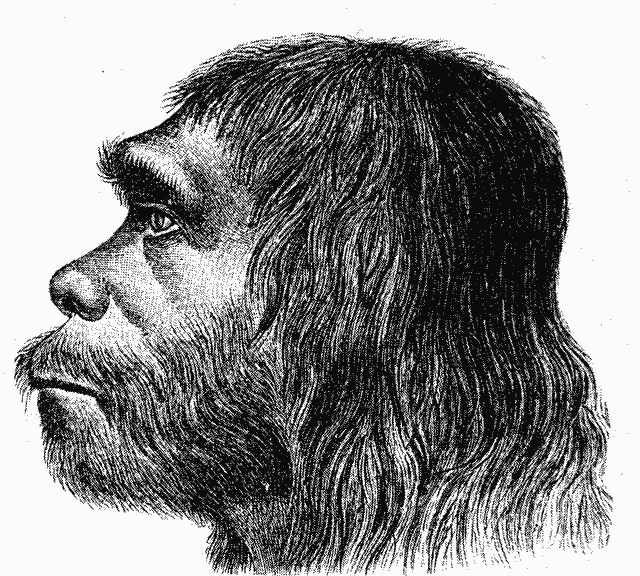
Not cavemen-Ice Age people
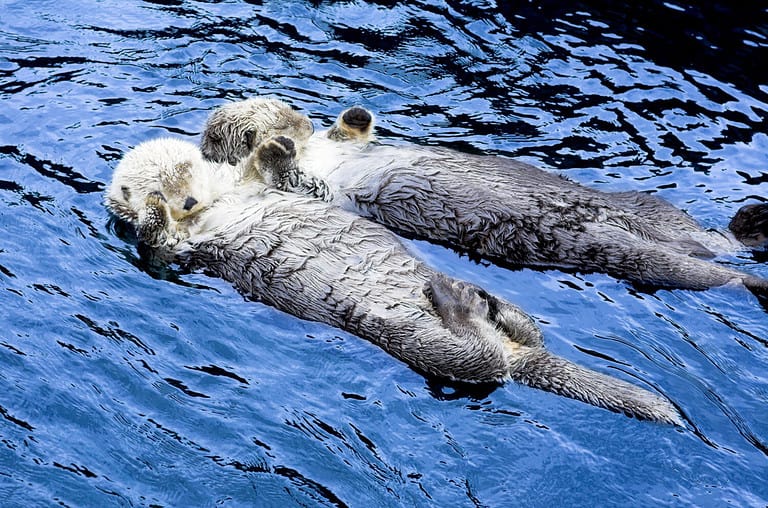
Built for water, born to hunt
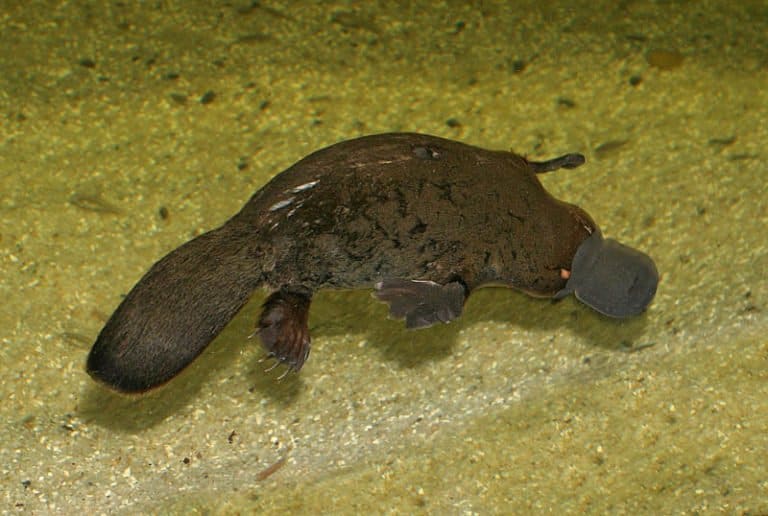
Electric hunter of Australian rivers
Ear flaps, flippers, and fierce colonies
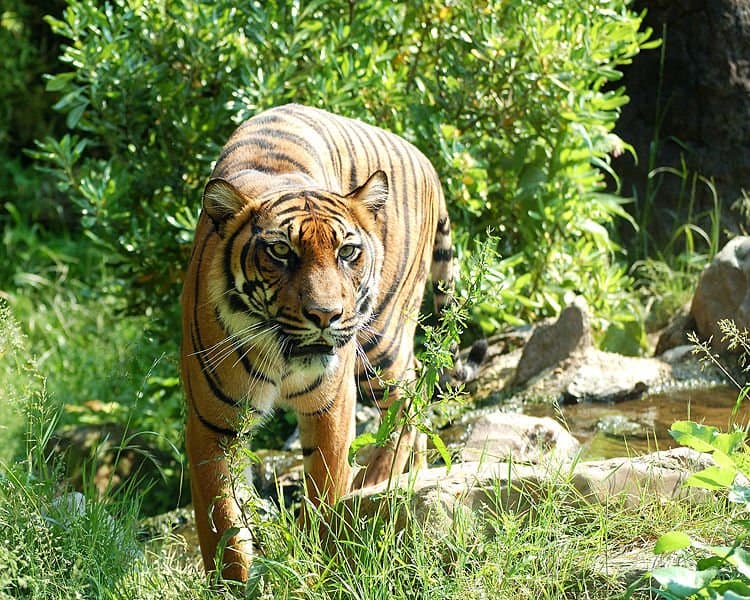
Stripes of Asia's top predator
Built for land, made for time
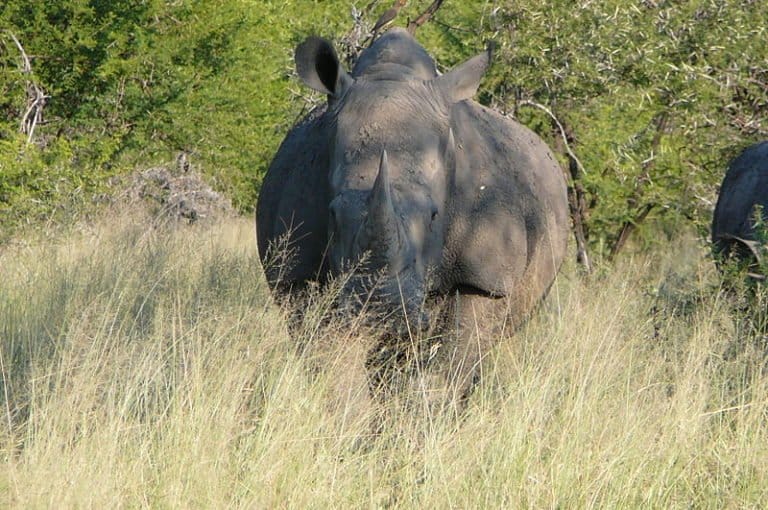
Wide-lipped grazer, savanna guardian
Thank you for reading! Have some feedback for us?
We appreciate your help in improving our content.
Our editorial team will review your suggestions and make any necessary updates.
There was an error submitting your feedback. Please try again.