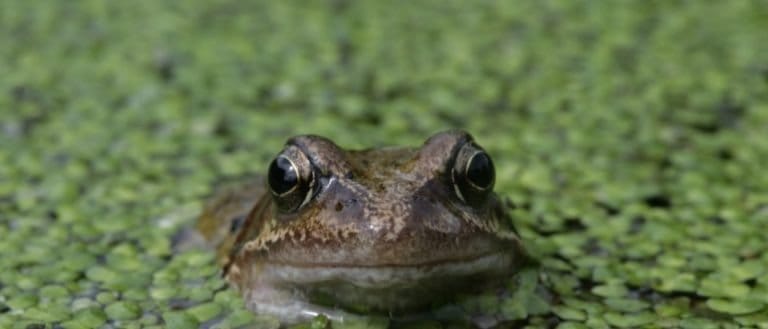
Common Frog
Spring's frogspawn maker

Spring's frogspawn maker
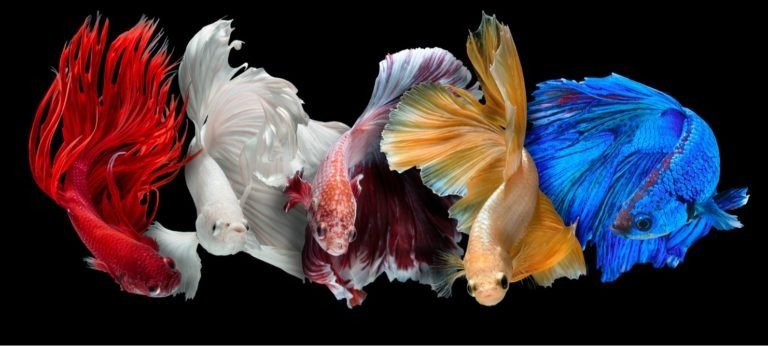
Air-breather with a bubble-nest crown.
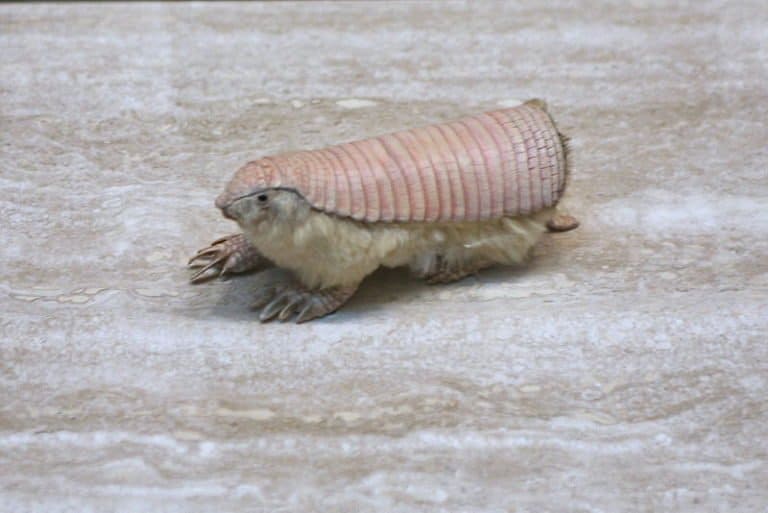
The pink "sand-swimmer" of Argentina
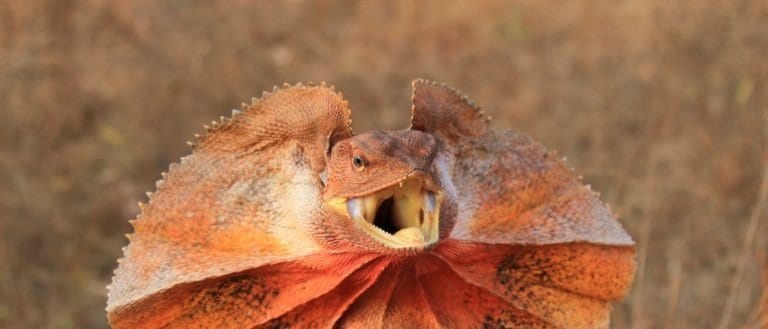
Pop the frill, own the moment
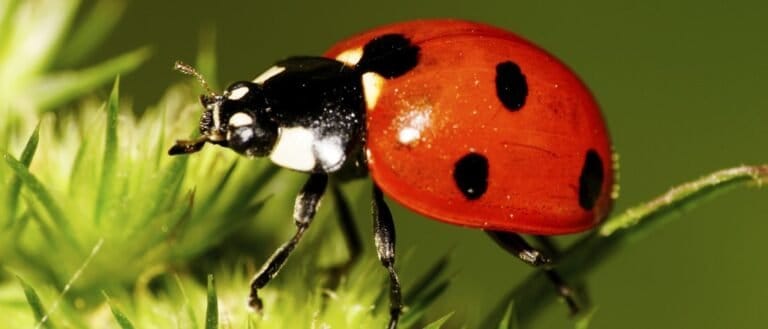
Spotted guardians of gardens
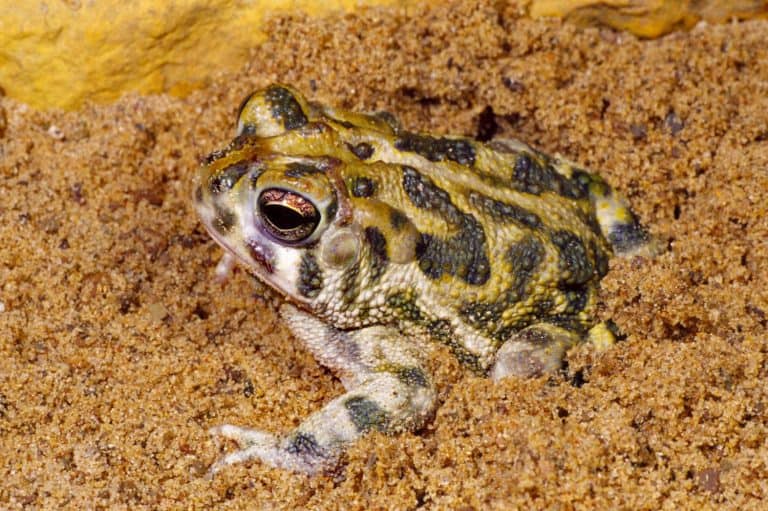
Dig deep. Emerge with the rain.
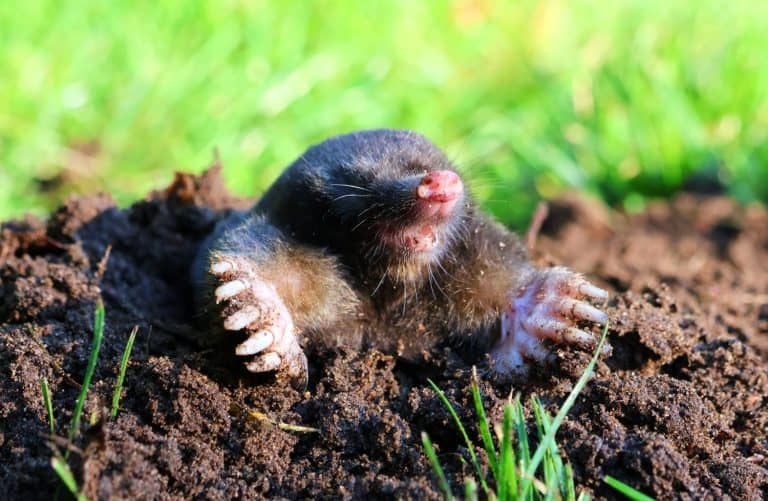
Built to burrow, born to sense
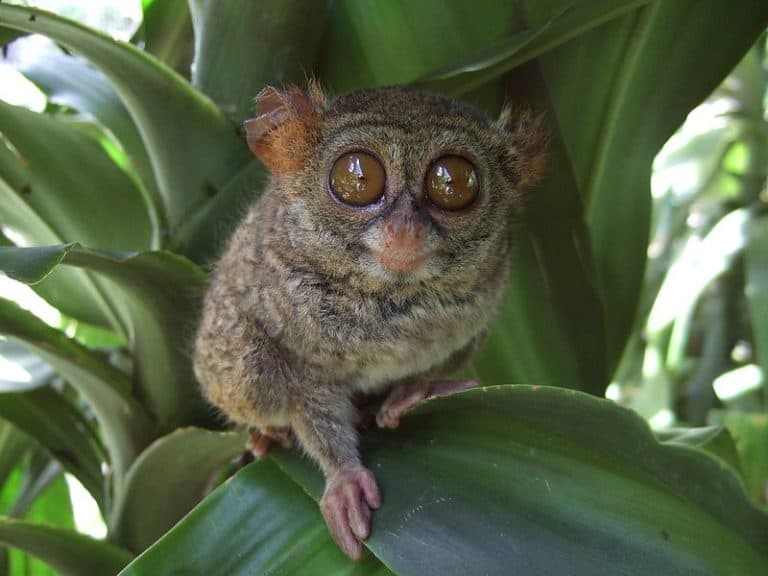
Big eyes. Bigger leaps.
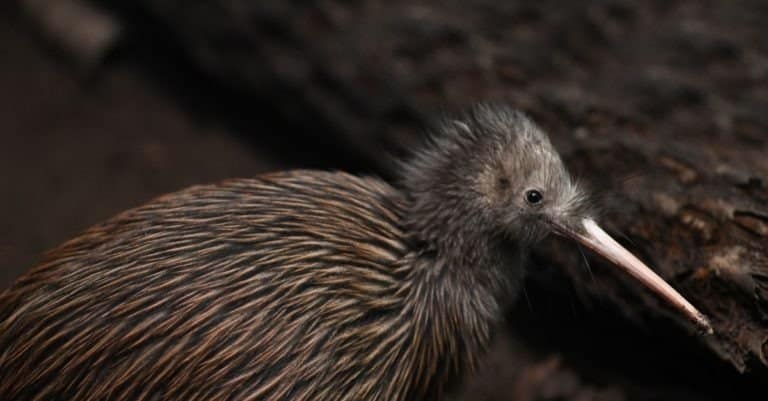
New Zealand's night-walking icon
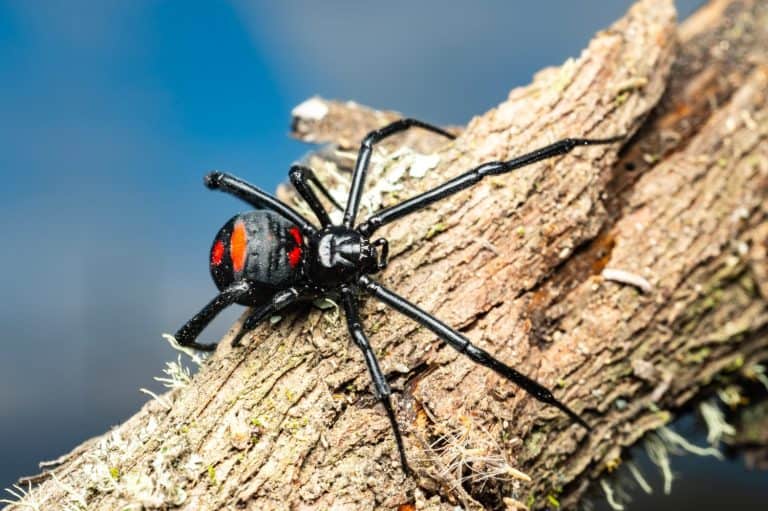
Small spider, big reputation.
An insectivore is an animal whose diet is composed predominantly of insects and other small invertebrates, with arthropods (e.g., insects, spiders, myriapods) forming the primary energy and nutrient source. Many insectivores are facultative specialists that may supplement their intake with small amounts of other foods (e.g., fruit, nectar, small vertebrates) depending on season and availability.
Insectivory is a feeding way where an animal gets most food by catching and eating insects and other small invertebrates like spiders, centipedes, and worms. Insects are common, varied, and often seasonal, so insectivores eat many local prey types from flying insects (flies, moths) to ground beetles and soft larvae (caterpillars). Insectivores are found in many groups: bats, shrews, anteaters, aardvarks, pangolins, many birds (swallows, warblers), amphibians (frogs, salamanders), lizards, many fishes, and some invertebrates. Some eat many kinds of arthropods; others focus on one food, such as ants or termites. They have special traits to find and catch small, fast prey (echolocation in bats, long tongues in frogs, probing bills in birds) and to break hard outer shells (sharp teeth, strong stomach acids, gizzards). They help control insect numbers and are sensitive to habitat change, pesticides, and climate shifts.
Etymology: From Latin-derived elements meaning 'insect' plus a suffix meaning 'eating or devouring,' ultimately from a Latin verb meaning 'to devour.'
"Insectivores eat only insects." Many also consume other invertebrates (e.g., spiders) and may occasionally take non-invertebrate foods.
"All insectivores are highly specialized." Some are specialists (e.g., ant/termite feeders), but many are generalist insectivores that shift among available prey.
"Insectivore" is a strict taxonomic group. It describes a feeding ecology; unrelated animals across many lineages can be insectivorous.
Provides high-quality protein and essential amino acids for tissue maintenance and growth; fats (including essential fatty acids) for energy and insulation-especially important when prey is abundant/seasonal; key micronutrients such as iron and zinc for oxygen transport and enzyme function, B vitamins for metabolism, and chitin-derived nutrients/fiber-like effects that can aid gut function. Calcium can be a limiting nutrient in strictly insect-based diets, so many insectivores benefit from consuming calcium-richer prey or incidental mineral sources.
Insectivores typically have small but sharp, pointed teeth optimized for seizing, piercing, and shearing hard-bodied arthropods rather than grinding plant material.
A comparatively simple, protein-rich diet supports a mostly straightforward stomach-and-intestine layout geared toward rapid digestion of animal tissue and processing of chitin. Chitin is partly indigestible, so insectivores rely on mechanical breakdown and varying degrees of microbial help.
Gut Length: Short to moderate (generally ~3-6× body length; shorter than herbivores, often similar to or slightly longer than strict carnivores due to chitin)
Obligate insectivores rely overwhelmingly on insects and other small invertebrates for meeting their energy and nutrient needs, with little to no regular use of plant matter or vertebrate prey.
Facultative (flexible) insectivores commonly eat insects and other invertebrates but can regularly supplement with fruit, nectar, seeds, carrion, or small vertebrates depending on season, habitat, and availability.
Insectivory is one of the oldest and most often evolved ways animals eat. It began early on land when insects and other arthropods were common prey and likely appeared more than once in the Paleozoic among early land vertebrates (amphibian- and reptile-grade tetrapods). In mammals, special insect-eating rose after the end-Cretaceous extinction (~66 million years ago), seen in early placentals and marsupials and modern shrews, tenrecs, and tarsiers. Birds evolved insectivory many times in the Cenozoic, using flight to hawk, glean, and probe in trees, grasslands, and wetlands. Insectivory also evolved in fishes, amphibians, reptiles, and bats with adaptations like sticky tongues, echolocation, and fast jaw strikes.
Insectivory shows strong convergent evolution across distant animal groups because insects are common, widespread, and can be caught with many body shapes and behaviors. Examples include: echolocating, insect-hunting bats (Chiroptera) and aerial insectivorous birds like swifts and nightjars evolving wide gapes, agile flight, and fast prey capture; long-tongued ant/termite specialists evolving independently in anteaters (Xenarthra), pangolins (Pholidota), aardvarks (Tubulidentata), and echidnas (Monotremata) with long snouts, reduced teeth, and strong digging claws; sticky or projectile tongues in chameleons, many frogs and toads, and some salamanders; small ground insectivores like shrews, tenrecs, and marsupial antechinuses with similar roles; and bark- and crevice-foragers such as woodpeckers, nuthatches, and some geckos or skinks.
An insectivore diet parallels human entomophagy (eating insects) and insect-based ingredients (e.g., cricket flour, mealworms) as high-protein, nutrient-dense alternatives to conventional livestock. Unlike most humans (omnivores), insectivores are often physiologically specialized for capturing and digesting chitin-rich prey and typically rely on frequent, small, high-protein meals. For humans, insects can be framed as a sustainable protein option, while an "insectivore-like" pattern is closer to a high-protein, low-carbohydrate dietary choice but usually requires broader food diversity to meet micronutrient and fiber needs.
Insectivorous species need places with lots of invertebrate prey, intact soil and leaf litter, wetlands or streams, and varied vegetation that supports insect life cycles. Key threats include pesticides, light pollution that harms night insects, insect losses from habitat fragmentation, and climate-driven shifts in insect timing that cause food shortages during breeding. Conservation should cut chemical use, keep native plants, protect foraging microhabitats like dead wood, hedgerows, and stream banks, and monitor prey availability along with insectivore populations.
Insectivores are often natural pest-control agents in agroecosystems, consuming crop-damaging insects (e.g., caterpillars, beetles, flies) and reducing reliance on chemical pesticides-an important component of integrated pest management (IPM). Supporting them through habitat features such as hedgerows, flower strips, reduced tillage, riparian buffers, and minimized broad-spectrum insecticides can improve biological control and crop resilience. Understanding insectivory also informs food production via insect farming (crickets/mealworms) as an alternative protein supply chain, linking insect-based feeds and foods to lower land and water use compared with traditional livestock.
Found across: Mammals: bats (many Microchiroptera), shrews, tenrecs, hedgehogs, anteaters, aardvarks, Birds: swifts, swallows/martins, flycatchers, nightjars, woodpeckers, many passerines (especially during breeding), Reptiles: many lizards (geckos, anoles, skinks), some turtles (juveniles often more insectivorous), Amphibians: frogs/toads and salamanders commonly consume insects and other arthropods, Fish: many freshwater and reef fishes take aquatic/terrestrial insects and larvae (surface feeders, drift feeders), Invertebrates: many spiders, mantises, dragonflies, predatory beetles and other arthropods are insectivorous (intraguild predation common)
Insectivores are mainly secondary consumers, sometimes tertiary when they eat predatory arthropods like spiders. They control insects and other small invertebrates, reduce outbreaks (e.g., caterpillars, biting flies), and pass herbivorous arthropod bodies to larger predators (raptors, carnivores, snakes). They also affect nutrient cycling and provide pest control.
Energy to insectivores is low (~10% per step of the food chain), but eating insects is more efficient than hunting large vertebrates because arthropods are abundant, renew quickly, and are caught often. High-protein insects support high energy needs in small birds, bats, and shrews, yet searching and handling many prey uses energy. Net gains are higher where insects are dense and predictable (wetlands, forest edges, farms) and lower in cold or dry times, causing diet switches, torpor, or migration.
Seasonal Variation: Insectivores track insect seasons and climate. In temperate areas they eat spring and early-summer larvae and aquatic insects for breeding, then late-summer swarms. In autumn and winter they may migrate, hibernate, or be more active at night and eat spiders, worms, fruit and carrion. In monsoon, savanna and desert, feeding follows rains; deserts peak after rain, mostly at night.
Some insectivores are "silent pest control": a single bat can eat thousands of tiny insects in one night, turning bug swarms into fuel.
Insectivory isn't just for the small-giant anteaters can consume tens of thousands of ants and termites in a day using a long, sticky tongue.
Many insectivores can hear or sense prey you'd never notice: shrews and some bats use high-frequency sounds (echolocation) to detect tiny moving targets in the dark.
Insectivores often have built-in "armor solutions": hedgehogs and some birds can handle prickly, stinging, or chemically defended insects that most predators avoid.
Insect meals can be extremely nutrient-dense-because many insects are rich in protein and fats, insectivores can meet high energy demands without eating large, bulky prey. (They just have to eat them often.)
A dedicated insectivore can treat a backyard insect outbreak like a buffet-imagine turning a cloud of gnats into the calorie equivalent of a full meal through hundreds or thousands of tiny bites.
An anteater's daily take can be like eating a stadium's worth of "snacks" one at a time: tens of thousands of individual prey items instead of a few large ones.
Insectivory is like "micro-hunting": instead of chasing one big target, the predator succeeds by rapid-fire foraging-more like vacuuming up moving grains of rice than catching a single fish.
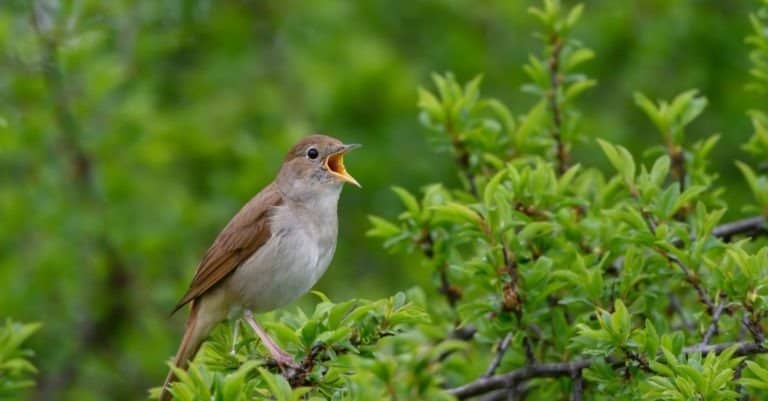
Plain feathers, legendary night song
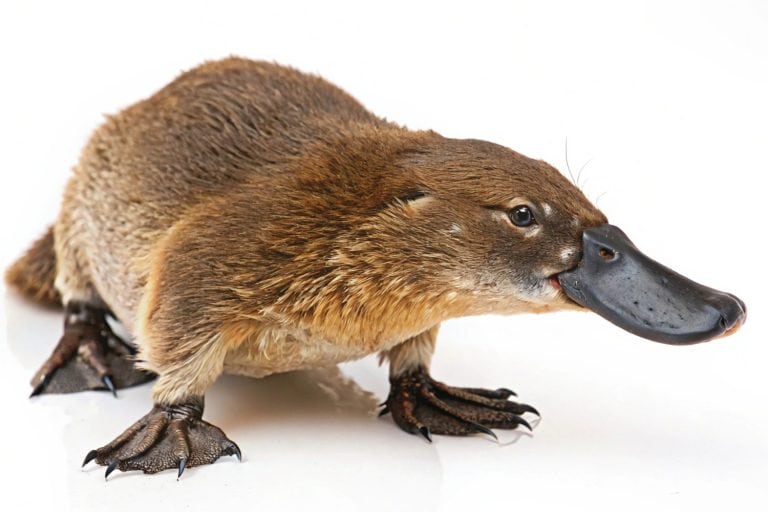
Electric hunter of Australian rivers
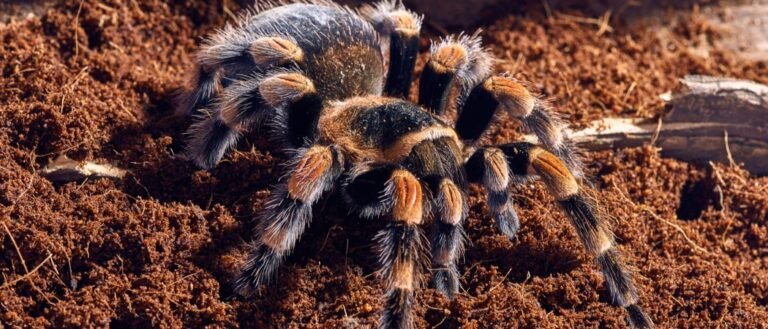
Red knees, calm queen of the burrow
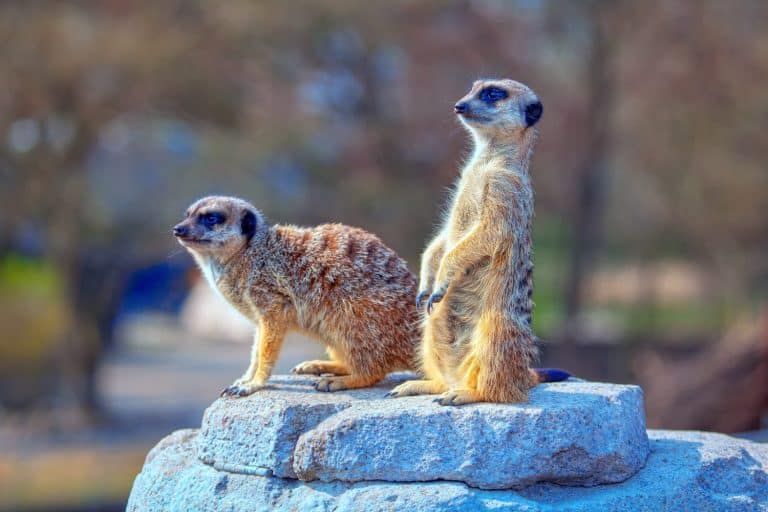
Kalahari's cooperative lookout
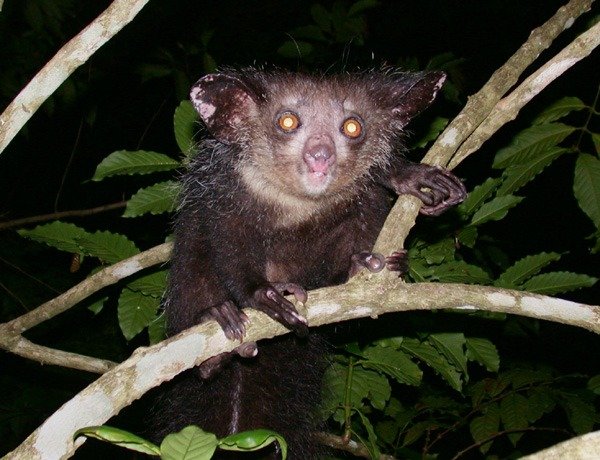
Tap. Gnaw. Probe. Madagascar's aye-aye.
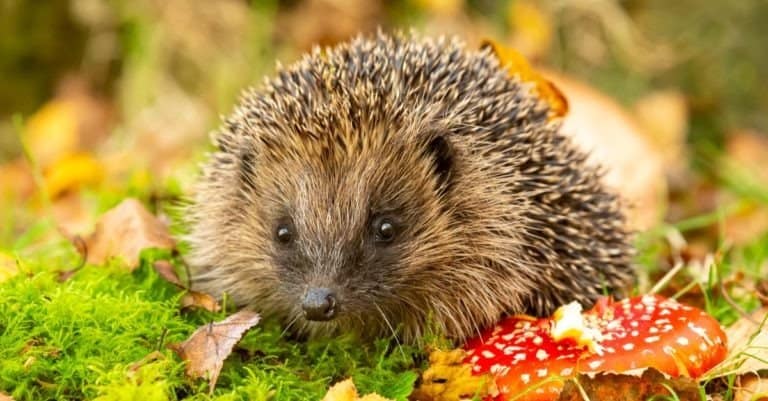
Spines, snuffles, and survival
Spotted guardians of gardens
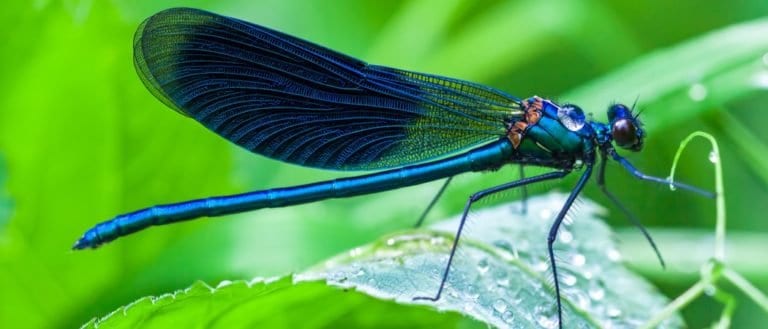
Born in water, ruler of the air
Air-breather with a bubble-nest crown.
New Zealand's night-walking icon
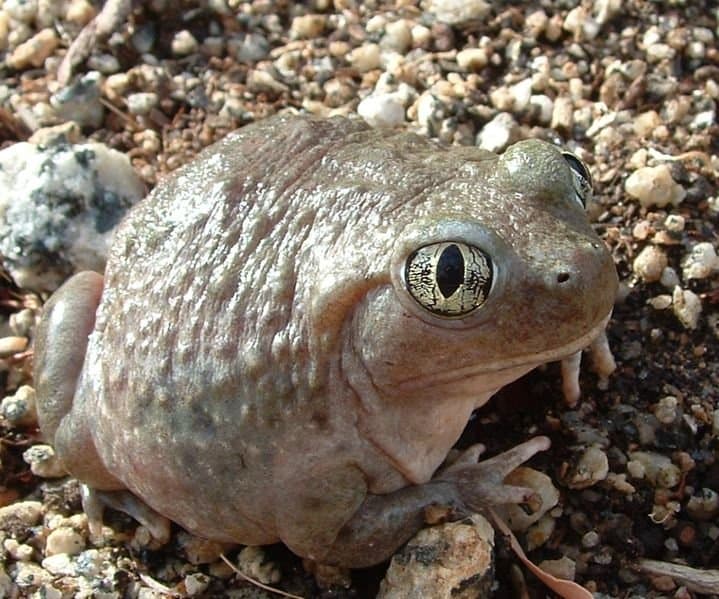
Dig deep. Breed fast. Vanish again.
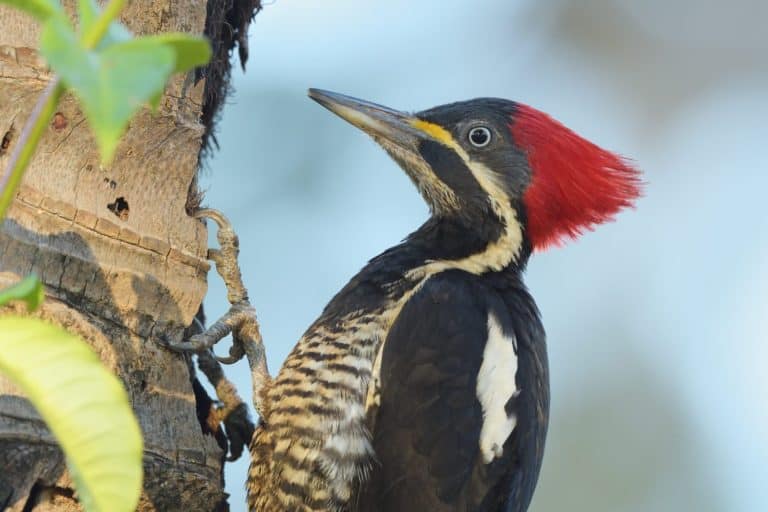
Nature's carpenters and forest drummers
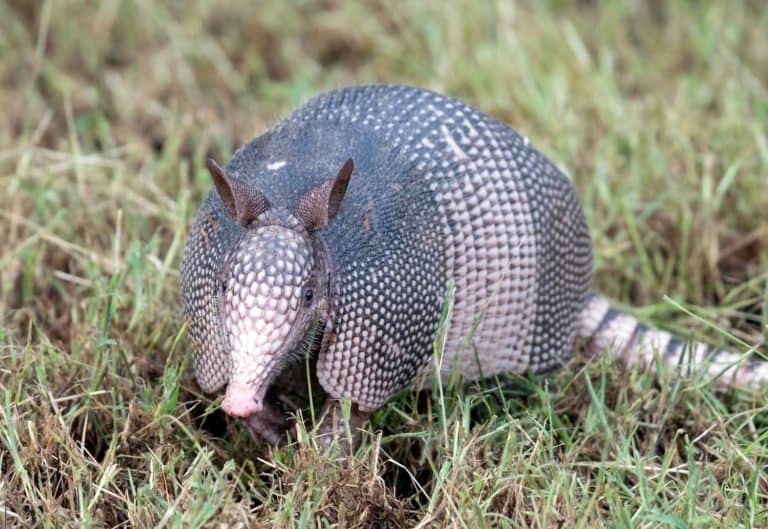
Built like a tank, born to dig
Small spider, big reputation.
Built to burrow, born to sense
Big eyes. Bigger leaps.
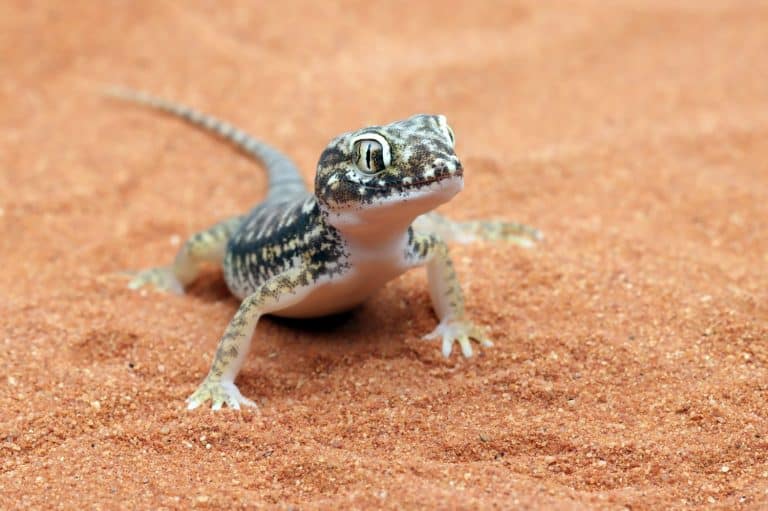
Tiny toes, big grip.
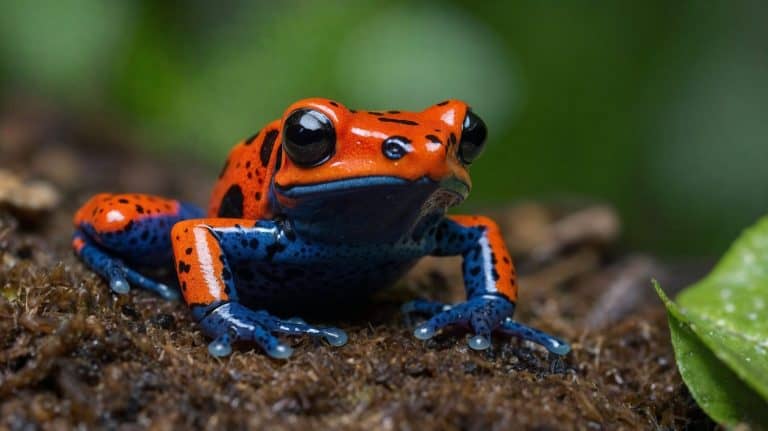
Bright colors, bold chemistry
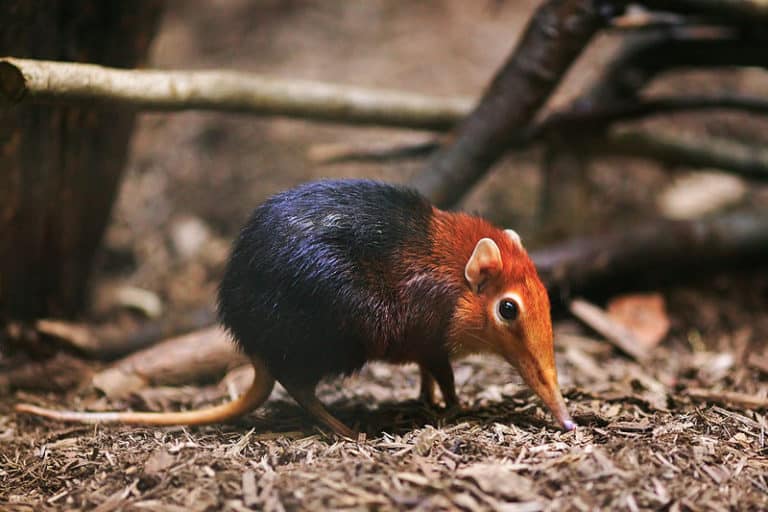
Sengis: Africa's lightning snouts
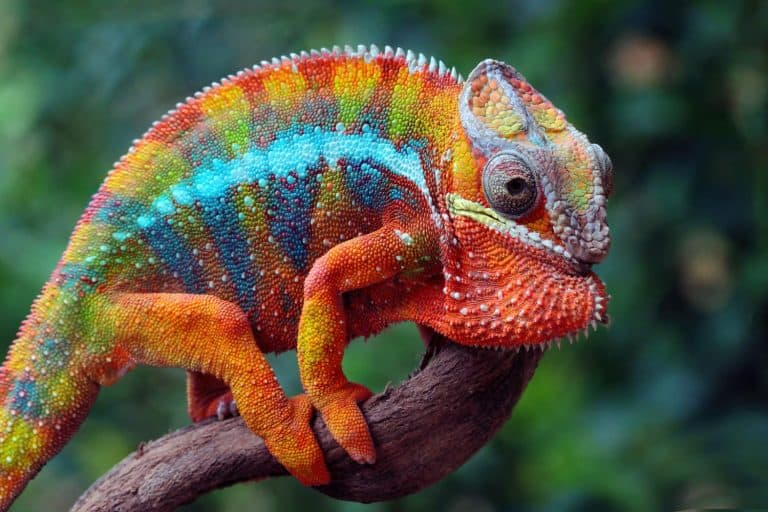
Eyes apart. Tongue like lightning.
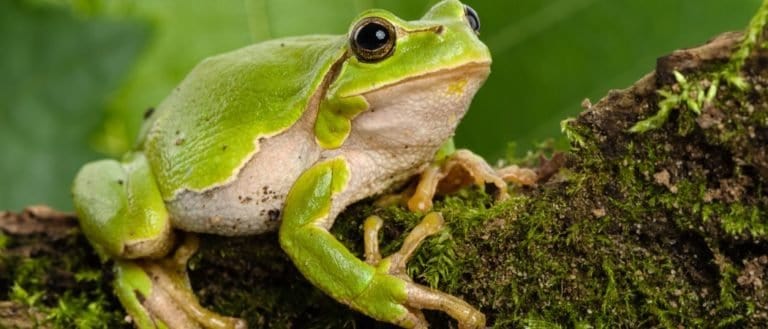
Sticky toes, big voices, forest lives
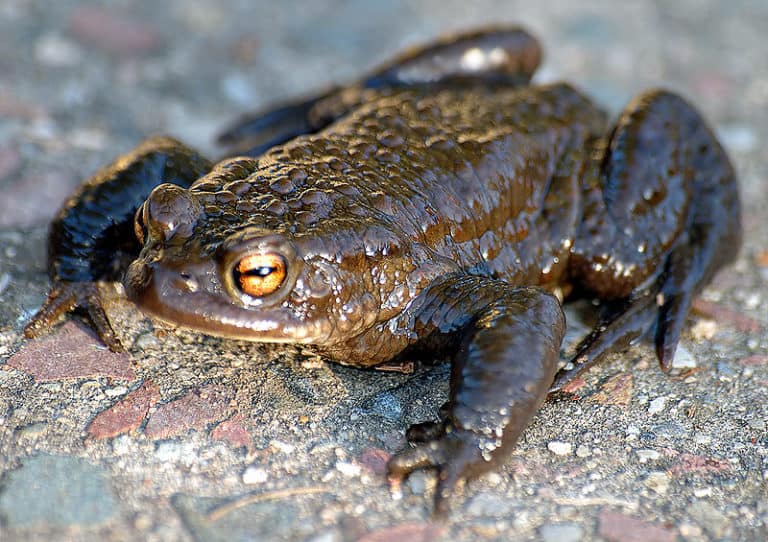
Warty wanderer, springtime pond pilgrim
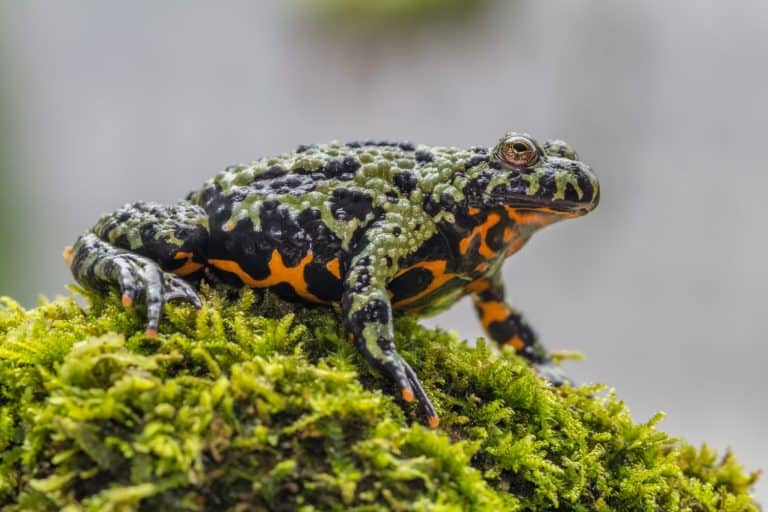
Flash the belly, live to tell it.
Dig deep. Emerge with the rain.
Thank you for reading! Have some feedback for us?
We appreciate your help in improving our content.
Our editorial team will review your suggestions and make any necessary updates.
There was an error submitting your feedback. Please try again.