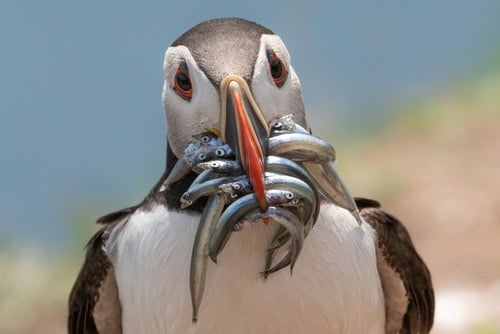
Puffin
Wing-powered divers of the cold seas

Wing-powered divers of the cold seas
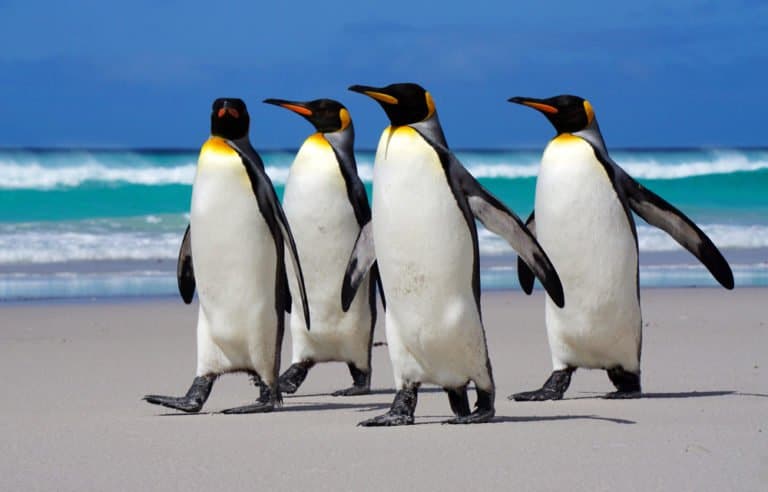
Born to dive, dressed to endure
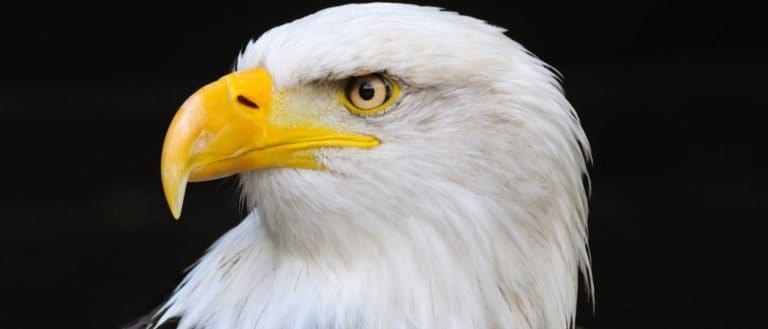
Built to soar, born to strike
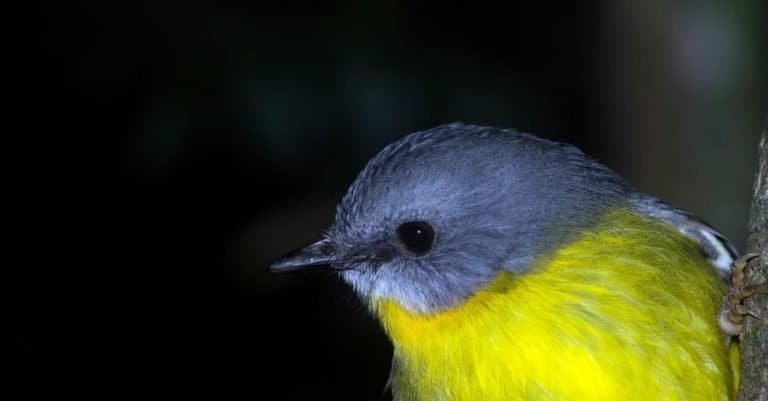
Different birds, one familiar name
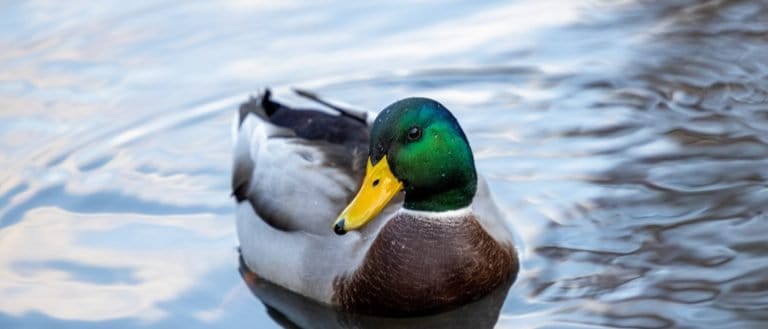
Webbed feet, world travelers.
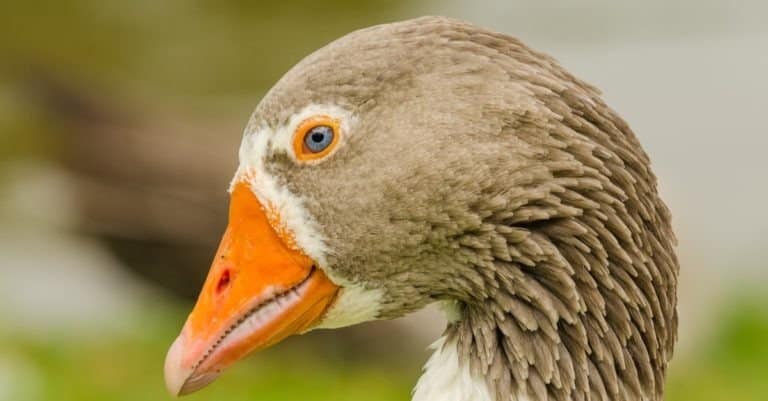
Webbed feet, sky roads, wetland lives
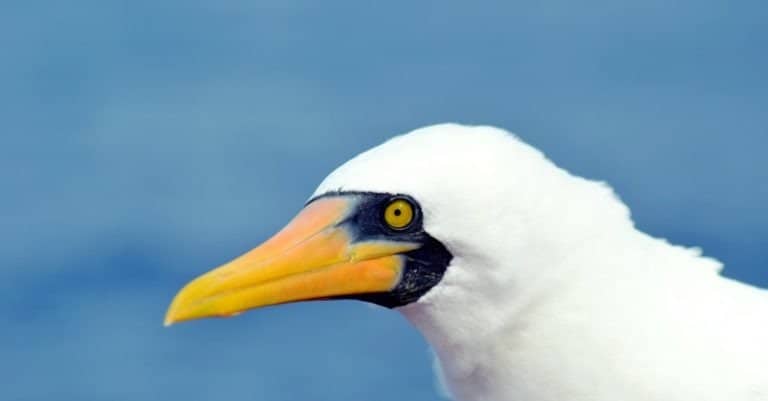
Born to dive, built to soar
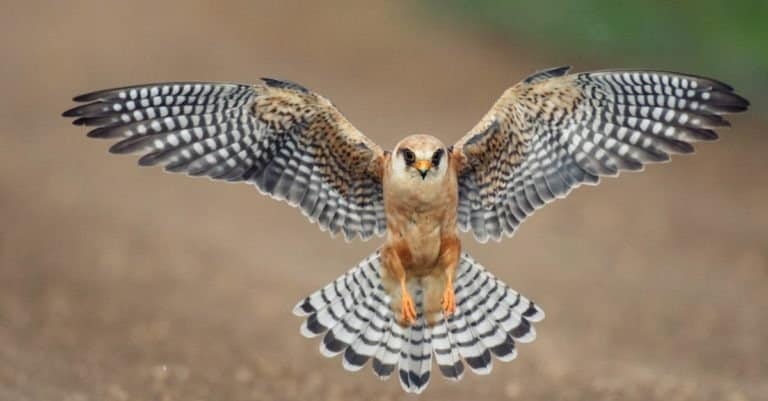
Speed, smarts, and sky mastery
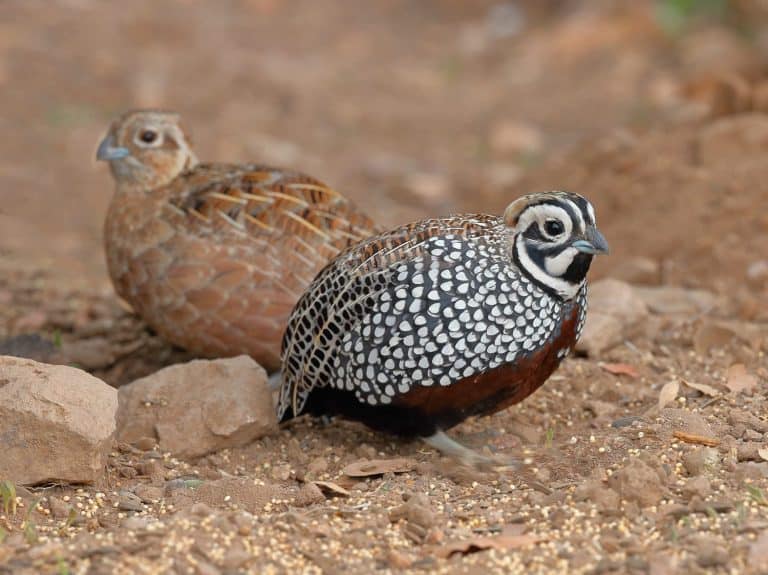
Camouflage, coveys, and quick takeoff
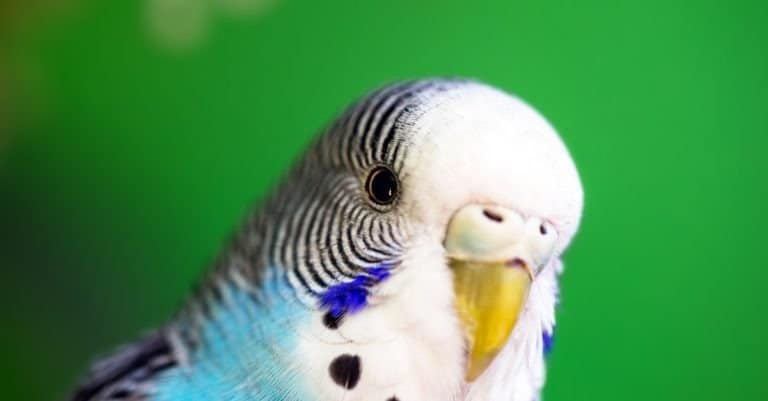
Tiny nomad parrot, big personality
A flock is a cohesive aggregation of animals-most commonly birds-that move and/or remain together with coordinated spacing and behavior for a period of time. Flocks arise through individual-level attraction and alignment rules and are maintained because group living can increase survival and foraging efficiency.
In birds, a flock is a group that travels, forages, or roosts together with coordination, from loose feeding groups to flight formations. Flocking is common because it helps birds avoid predators, find scarce food, and share information about movement. Benefits include more eyes to spot danger, lower chance any bird is eaten, and better foraging when birds follow others. In flight, aerodynamic interactions (like V-formations) save energy and help navigation by group decisions. Flock structure varies: mixed-species flocks (with "nuclear" species) form outside breeding, while single-species flocks gather for migration or roosting. Membership can be fluid (fission–fusion dynamics) or stable, and flock size changes with predation, habitat openness, and food. Costs include more competition, higher visibility, and disease risk.
Flocks usually do not have a fixed dominance order at the group level. Leadership and spacing change with flight, feeding, roosting, species, and season. Some local dominance shows up near food or perches.
One or a few individuals temporarily take the front position or initiate movement; leadership may rotate based on condition, experience, or immediate goals (e.g., finding food, choosing a route).
Individuals that pause feeding to scan for predators and alarm; often an emergent role rather than a permanent position, with duty shared or biased toward more vigilant individuals.
Older or more experienced members can influence route choice during migration or daily movements, especially in species where learned routes matter; influence is often subtle and not strictly ranked.
Individuals that discover food patches or begin feeding, prompting others to join via local enhancement and social cues.
Individuals that detect threats and produce alarm calls; can be any member, though responsiveness and calling rates may vary by temperament and experience.
Individuals occupying outer positions of the flock (more exposed to predation), sometimes due to competitive exclusion or personal risk-taking; positions change over time.
In many bird species, mated pairs or family subunits maintain close spacing and coordinate behavior even while embedded in a larger flock.
Flocks form when birds gather around shared needs and cues: lots of food, safe roosting spots, helpful wind or warm rising air, migration timing, or nearby predators. Birds join same-species and sometimes mixed-species groups by calls, movement, or social attraction. As more join, safety and finding food improve. Seasons like migration, wintering, and breeding shape flock timing and location.
Close spacing at roosts and shared feeding sites increases contact and fecal-oral transmission of pathogens and parasites; high-density gatherings can amplify outbreaks, facilitate spillover across species in mixed flocks, and elevate chronic parasite loads that reduce condition, survival, and reproductive output.
Large, noisy flock movements and crowded roosts are easier for predators to find and follow. Flock cues—sound, wing flashes, mass takeoffs—can attract air and land predators and cause repeated attacks at known roosting or staging sites.
Found across: Birds (Aves): especially passerines (songbirds), waterfowl (ducks, geese, swans), pigeons/doves, shorebirds, seabirds, Some mammals: bats (commuting/emergence groups sometimes described as flock-like), occasionally ungulates in flight/foraging groups (more often termed herds), Some fish and aquatic animals may be informally described as forming flocks, but the standard term is schools/shoals
Some flocks make their own "weather": huge starling murmurations can create visible waves and ripples that propagate through the group in fractions of a second-information moves fast even though there's no leader giving commands.
Flocking can be an anti-predator "confusion weapon": when many birds turn nearly simultaneously, predators can struggle to lock onto a single target, reducing capture success.
Not all flocking is about travel-many species form mixed-species foraging flocks, essentially teaming up with other bird species to broaden vigilance and exploit different food niches in the same habitat.
Aerodynamic savings are real in the right geometry: birds flying in a V-formation can reduce energy costs by positioning to ride upwash from the bird ahead, and individuals may rotate harder front positions over time.
Flocks can have "social rules" without a boss: many species keep a preferred personal distance and align with nearby neighbors; simple local interactions can generate highly coordinated, large-scale patterns.
Flocks resemble crowds with rapid "information cascades": one bird's reaction to a threat can trigger near-instant wave-like behavior through neighbors, similar to how a rumor or alert spreads through a dense human crowd.
Many flocks operate like rotating shift work: the most energetically costly positions (e.g., leading in formation) can be shared, analogous to taking turns in demanding roles on a team.
Mixed-species flocks are like multi-company co-working: different "specialists" share the same space and benefit from each other's vigilance and skills without being the same species (or "organization").
Webbed feet, world travelers.
Built to soar, born to strike
Webbed feet, sky roads, wetland lives
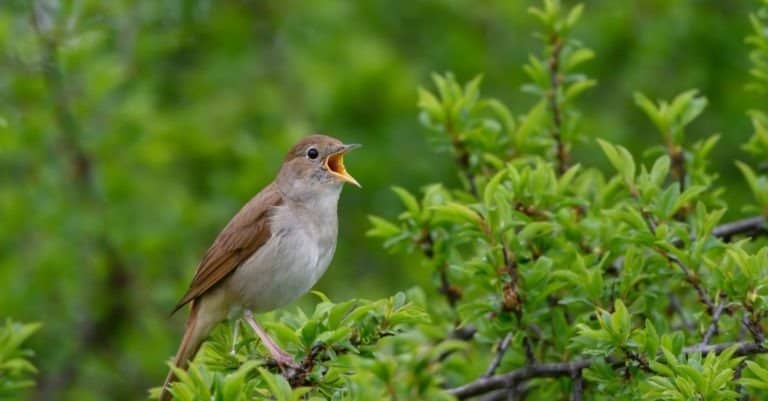
Plain feathers, legendary night song
Born to dive, dressed to endure
Speed, smarts, and sky mastery
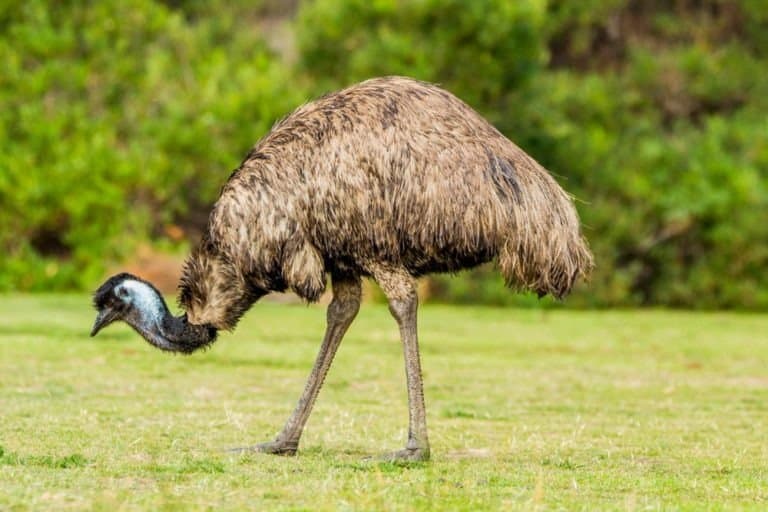
Fast feet, big bird, Aussie icon
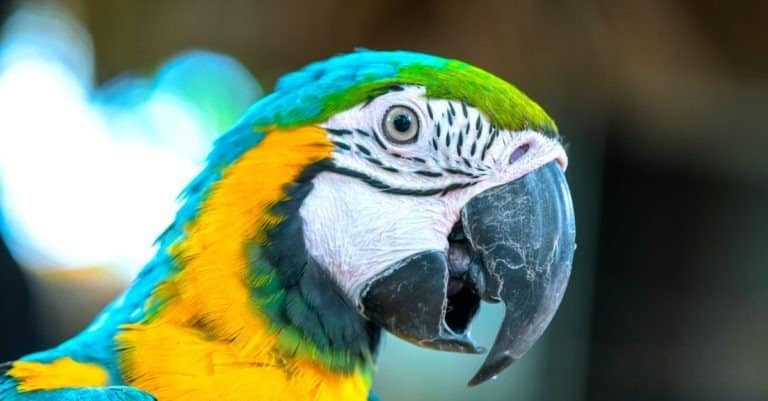
Brains, beaks, and big voices
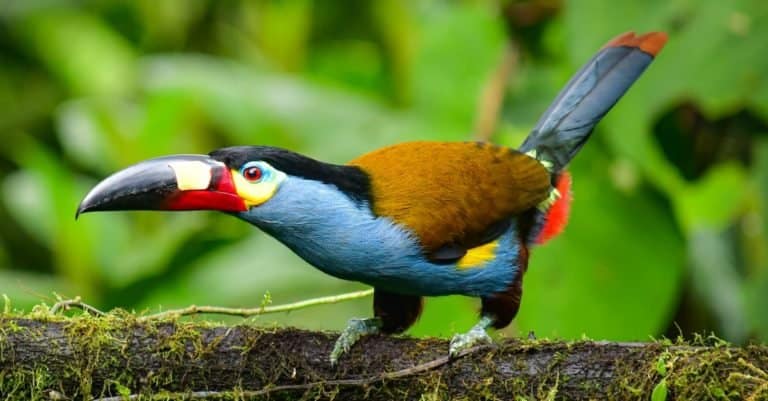
Big bill, bigger forest role
Wing-powered divers of the cold seas
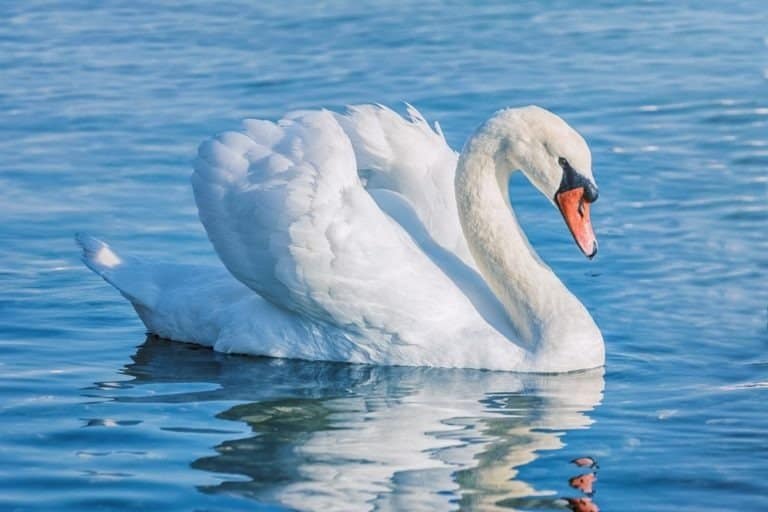
Long necks, loud wings, living legends.
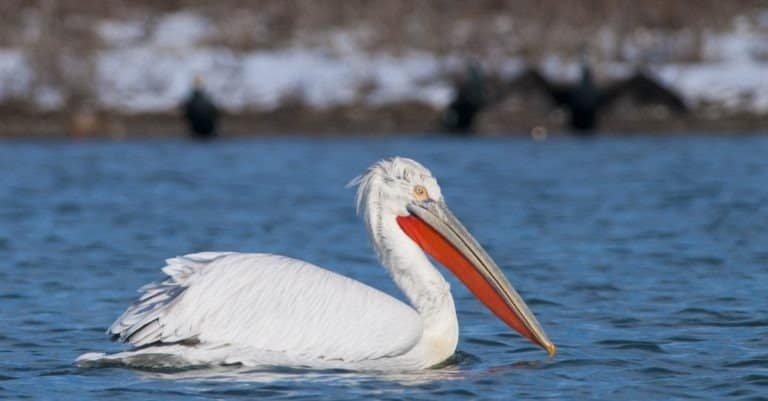
Big bill, bigger teamwork.
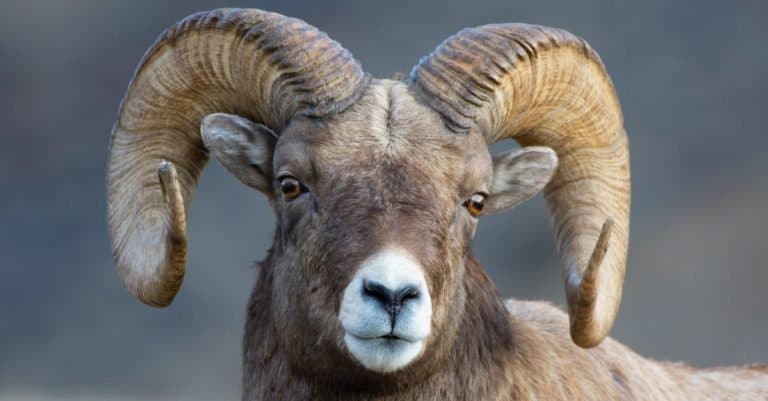
Wool, milk, meat-made by the flock.
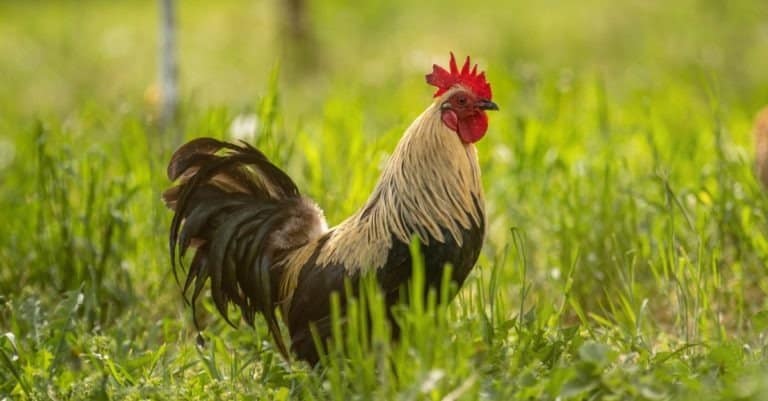
Scratch, roost, repeat.
Different birds, one familiar name
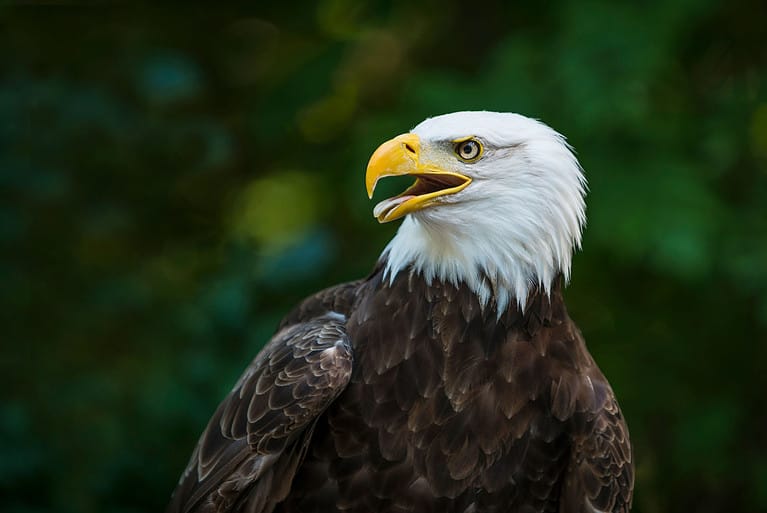
Feathers, flight, and endless variety
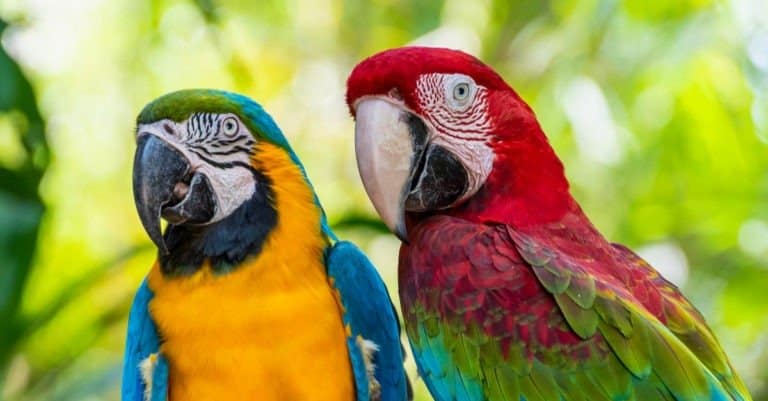
Big beaks. Long tails. Loud lives.
Tiny nomad parrot, big personality
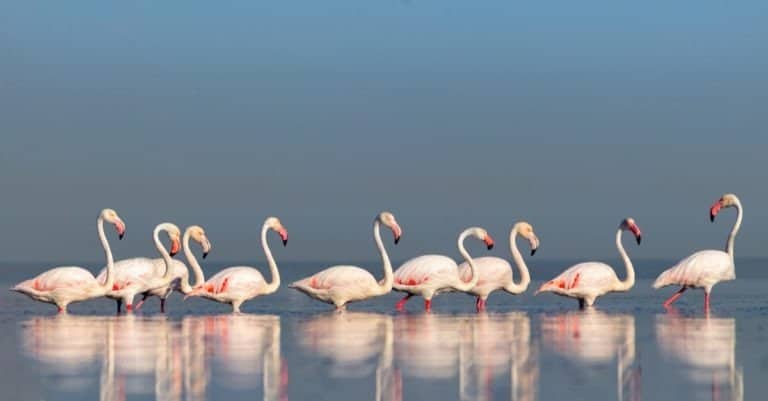
Pink by diet, united by colonies
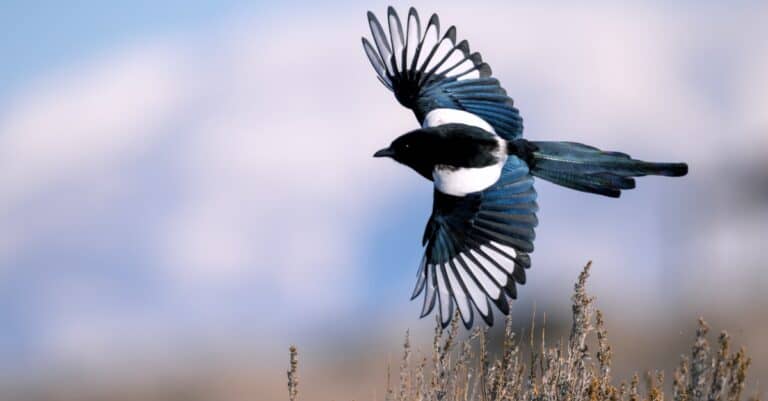
Brains, boldness, and a brilliant tail
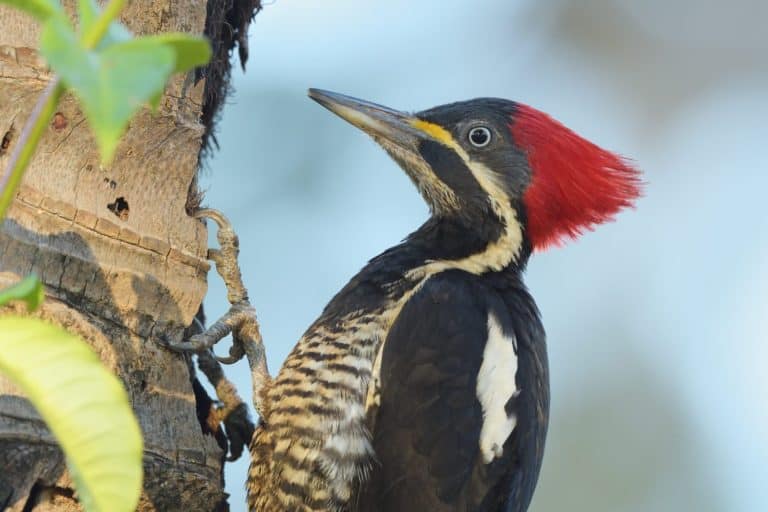
Nature's carpenters and forest drummers
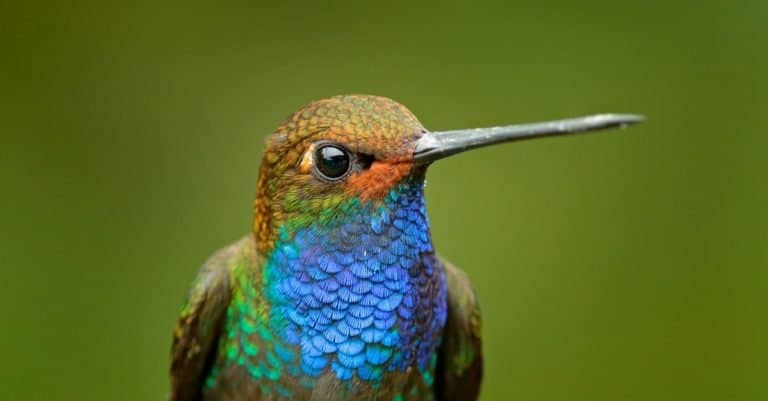
Hover. Sip. Pollinate. Repeat.
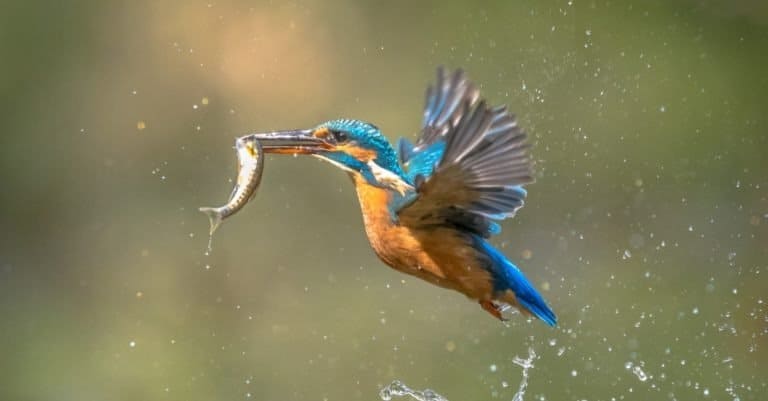
Big head. Fast strike. True kingfisher.
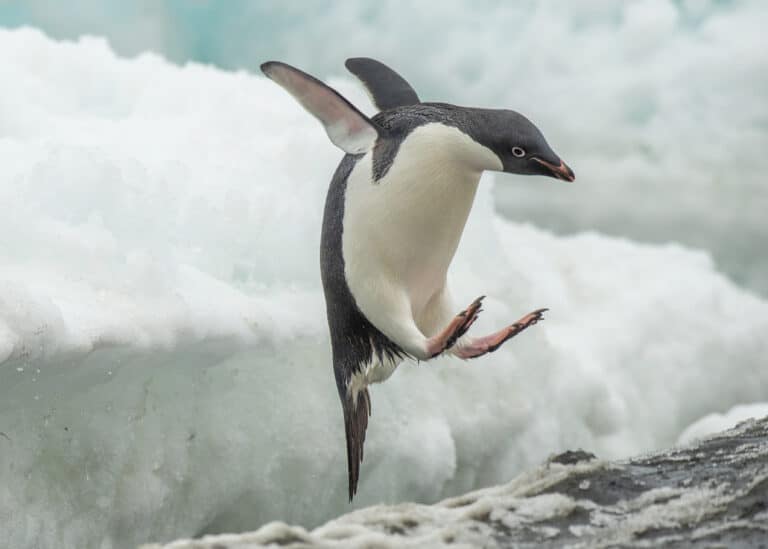
The little penguin of the sea-ice edge
Thank you for reading! Have some feedback for us?
We appreciate your help in improving our content.
Our editorial team will review your suggestions and make any necessary updates.
There was an error submitting your feedback. Please try again.