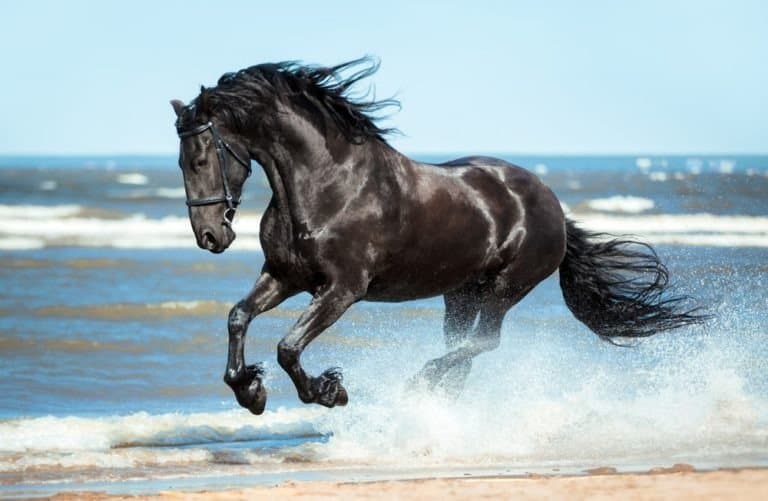
Horse
One hoofbeat, a thousand histories

One hoofbeat, a thousand histories
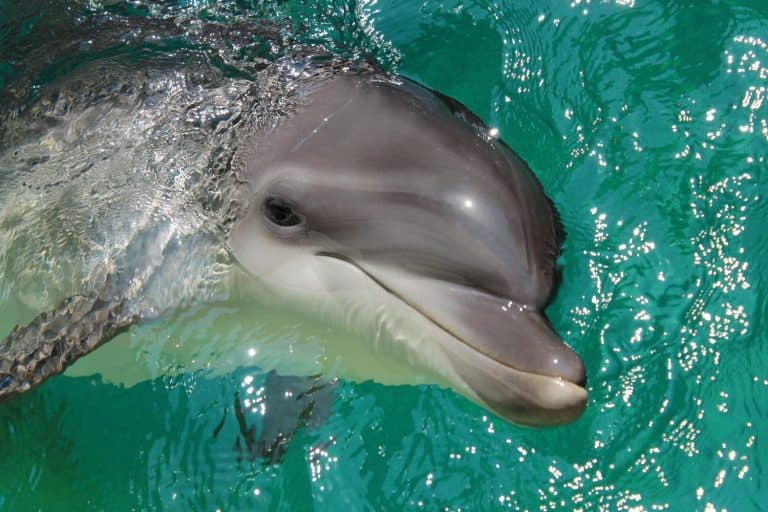
Built for the surf-and sonar.
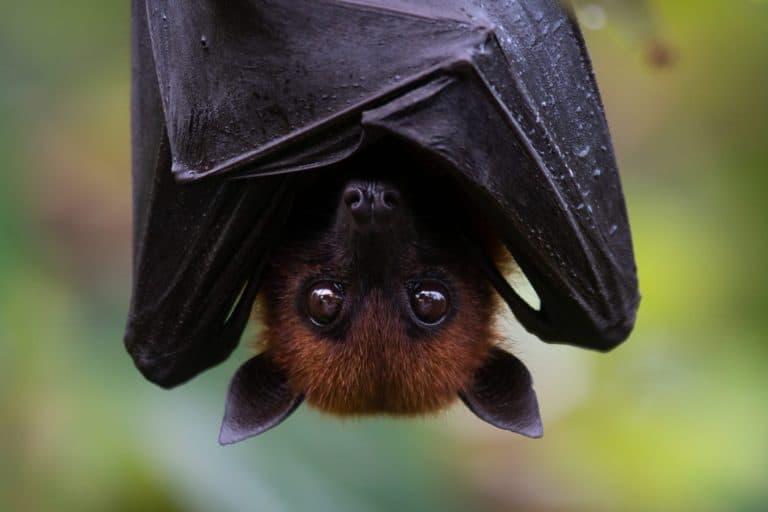
Night pilots of the mammal world
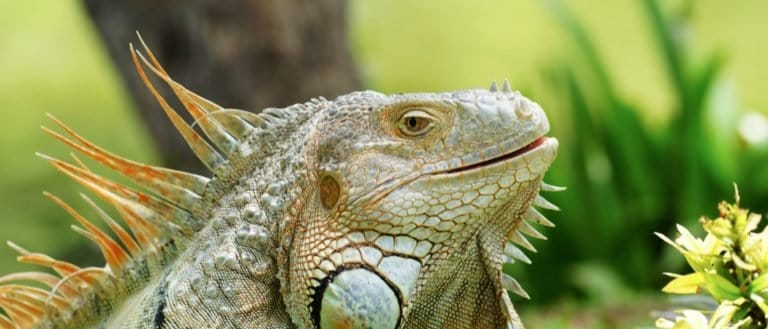
Sun-powered lizards of the Americas
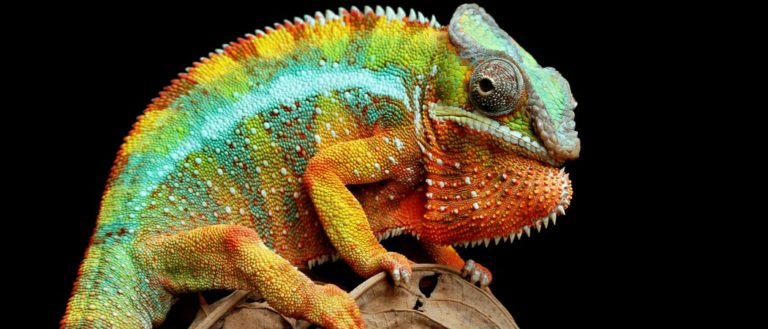
From geckos to dragons-lizard power
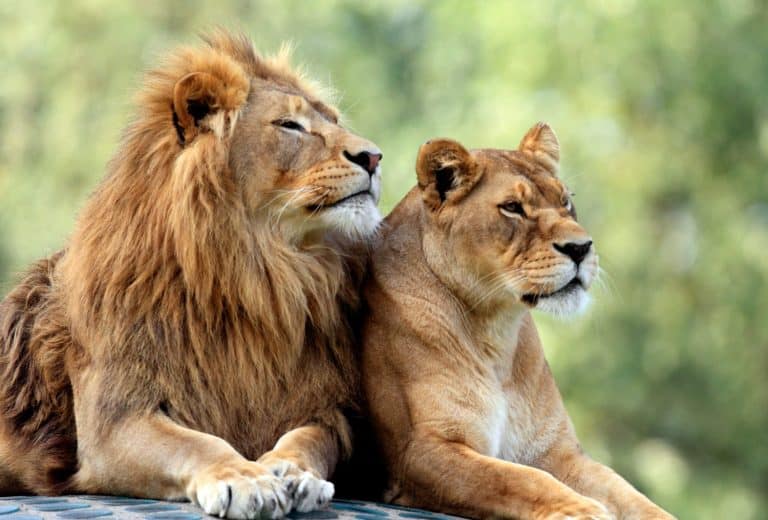
Built for prides, born for the hunt
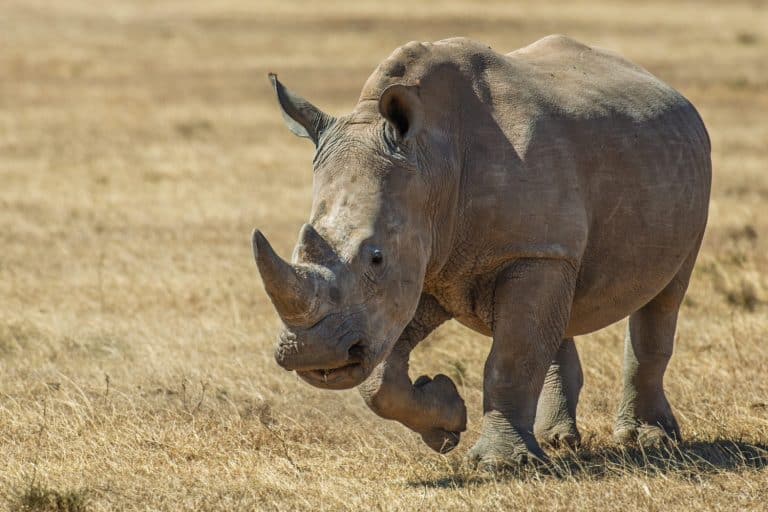
Keratin horns, colossal impact
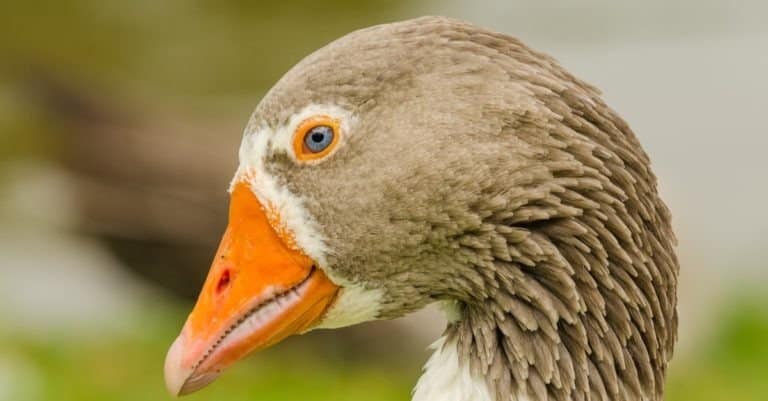
Webbed feet, sky roads, wetland lives
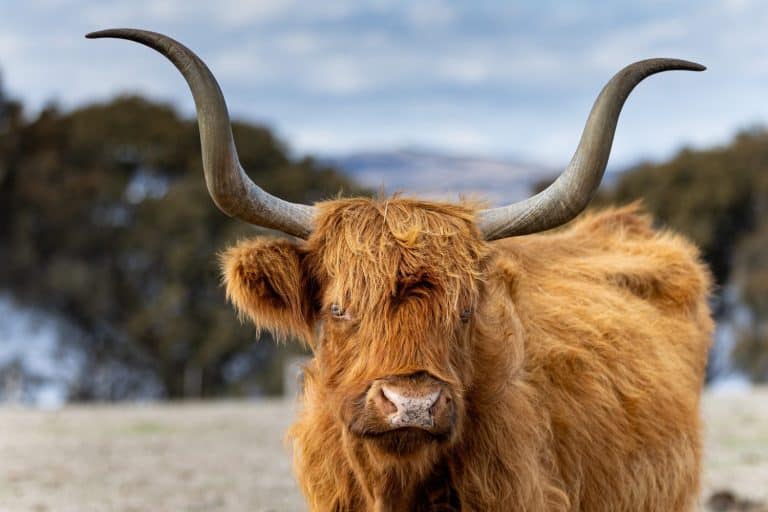
Built for bad weather, born in Scotland
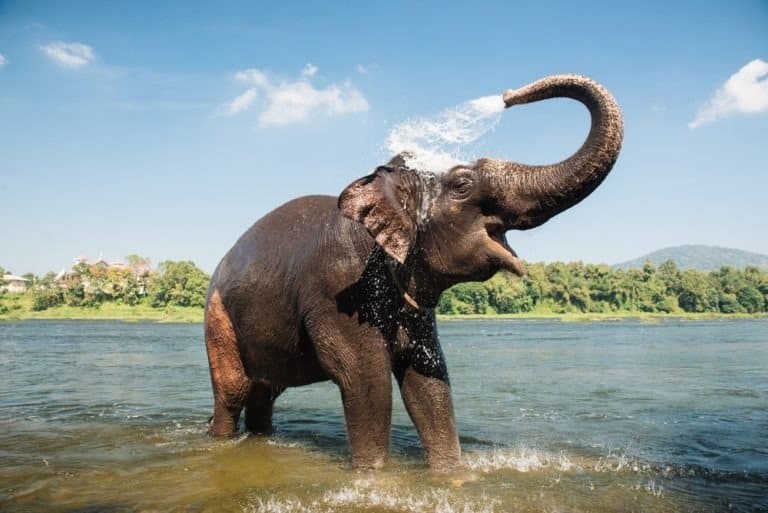
One-finger trunk, giant forest heart
A bachelor group is a social aggregation composed predominantly of non-breeding males of a species that live together outside of breeding units (e.g., harems, pairs, or family groups). Such groups typically consist of younger, subordinate, or temporarily non-reproductive males and may be transient or seasonally stable depending on species ecology and mating system.
Bachelor groups form in many mammals and some birds, especially where a few males get most of the mates. Younger, low-ranking, or otherwise excluded males make same-sex groups. They live on the edges of breeding areas, use separate feeding spots, or partly overlap with breeding groups while avoiding fights with dominant males. These groups help members survive and later breed. Group life lowers the chance of being eaten (more eyes and safety in numbers), can make finding food easier, and lets males practice fights, alliances, and courtship. Ranks, age, and size shape group life. Membership changes as males grow, leave, or try to breed. Groups may be seasonal or year-round and help balance unequal mating and keep more males alive.
Typically a loose-to-moderate dominance hierarchy among males, often influenced by age, size, condition, and prior contest outcomes. Rank can be fluid, with frequent testing and reshuffling as individuals mature or new males join.
Highest-ranking male; often gains priority access to food, resting sites, and preferred positions within the group; may initiate movement and mediate conflicts.
High-ranking contenders that regularly test the dominant male; may form temporary coalitions and are most likely to leave to attempt breeding opportunities.
Individual(s) that adopt vantage points or peripheral positions to monitor threats; role is often situational and rotates depending on vigilance needs.
Lower-status individuals that avoid direct conflict; often remain at the edges of the group and may take greater predation risk or receive less access to resources.
Male that forms temporary alliances for defense, rank challenges, or resource access; partnerships are opportunistic and can change rapidly.
Recently joined male with uncertain status; may be tested by residents and can either integrate into the hierarchy or move on.
Younger male(s) gaining social experience (e.g., sparring, grooming, foraging skills); typically low rank but benefit from group protection and learning.
Bachelor groups form when males are excluded from, or have not yet joined, breeding units (harems/family groups). They come from young males leaving their birth group, subordinate males pushed out by dominant breeders, or males gathering near shared resources (resting sites, water, grazing). Cohesion comes from mutual tolerance, less mating conflict, and shared vigilance and defense.
Close resting and traveling in cohesive male-only groups increases contact rates, facilitating spread of respiratory and gastrointestinal pathogens; wounds from fights raise infection risk, and shared rubbing posts/wallowing sites and fecal contamination can amplify parasite loads. High testosterone and stress can also reduce immune function, increasing susceptibility and prolonging shedding.
Bachelor groups of males are more visible and noisy (bigger shape, more movement, sparring sounds), so predators spot and follow them more easily; rut roaming, open displays, and much movement increase danger and scent trails.
Found across: Large mammals with polygynous mating systems (especially ungulates such as deer, antelope, sheep, goats, zebras, horses), Pinnipeds (seals and sea lions) where males compete for access to breeding beaches/rookeries, Primates with dispersing males (e.g., some gorillas and other polygynous species), Cetaceans (dolphins/whales) where males form alliances or all-male aggregations, Some birds with seasonal male flocking (e.g., galliforms)
Bachelor groups aren't always "losers' clubs"-in many species they function as training grounds where males practice sparring, alliance-building, and courtship displays before serious breeding competition.
In some animals, bachelor groups can be safer than being alone: multiple sets of eyes reduce predation risk, and coordinated defense can deter rivals or predators.
Membership can be fluid and strategic: males may join or leave depending on season, food availability, dominance shifts, or the presence of nearby breeding groups.
Bachelor groups can reduce conflict around breeding females by keeping surplus males occupied elsewhere, indirectly stabilizing the social system.
Not all bachelor groups are made of only the youngest males-older displaced males may also join, bringing experience that can shape group hierarchy and learning.
Like a shared "apprenticeship dorm," bachelor groups let inexperienced males learn social rules, fighting etiquette, and status signaling before entering high-stakes adult competition.
They resemble a "sports team" or "fraternity" dynamic: frequent low-level sparring and bonding can build coalitions that later influence who gains access to top opportunities.
In some species, they function like a "labor pool" on the sidelines-ready to take advantage of openings (a vacant territory, a weakened dominant male) when circumstances change.
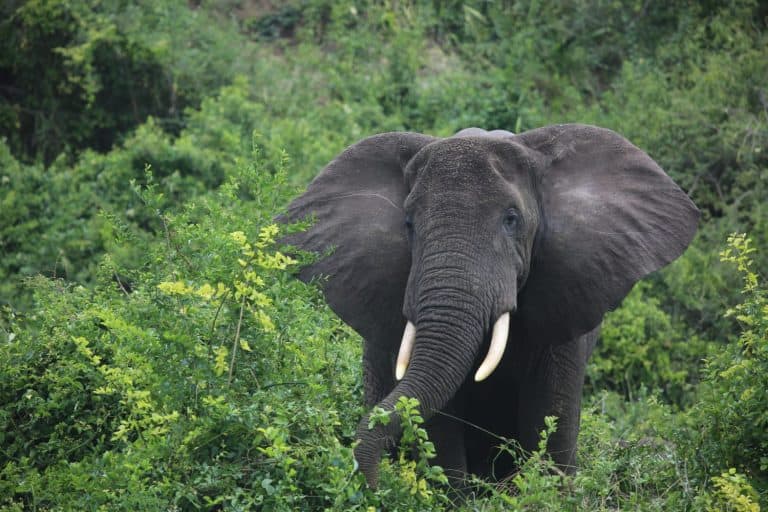
The rainforest's master gardener
Night pilots of the mammal world

Humps of fat, miles of grit
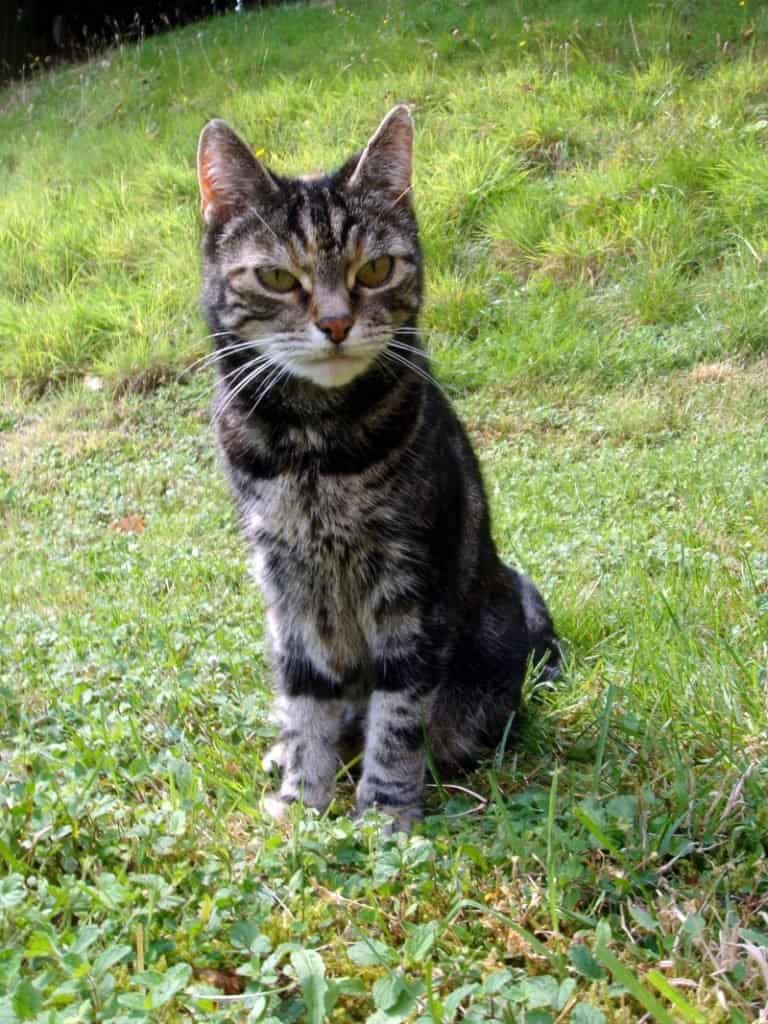
Small hunter, big household legend
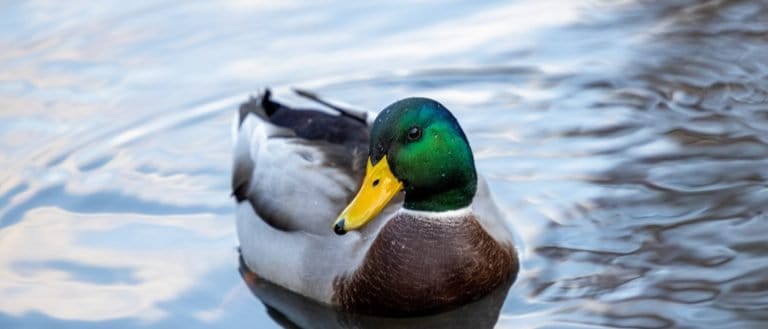
Webbed feet, world travelers.
Webbed feet, sky roads, wetland lives
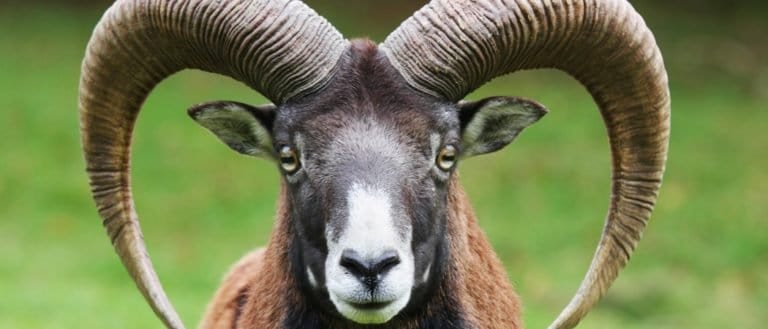
Sure-footed masters of rock and range
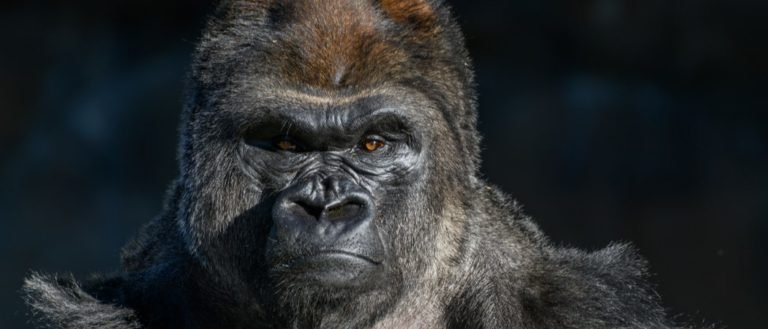
Gentle giants of the African forests
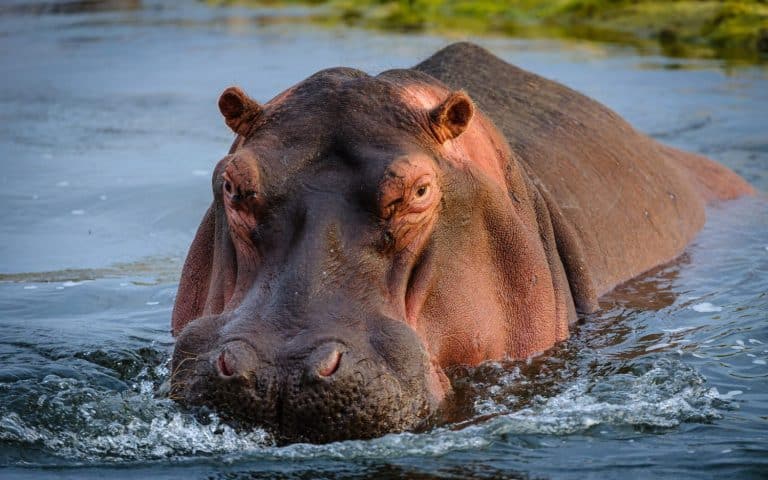
Big river grazer, bigger attitude
One hoofbeat, a thousand histories
Sun-powered lizards of the Americas
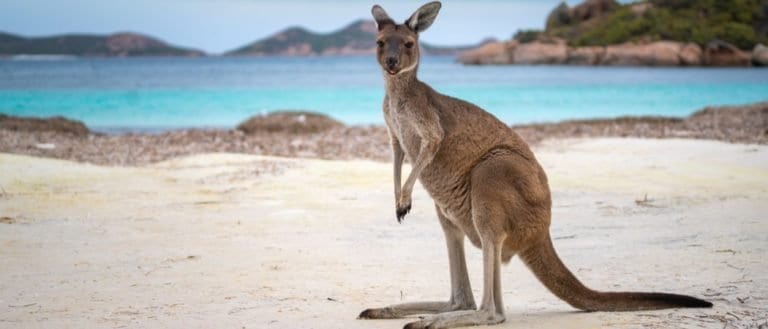
Big hops, big pouches, big variety
Built for prides, born for the hunt
From geckos to dragons-lizard power
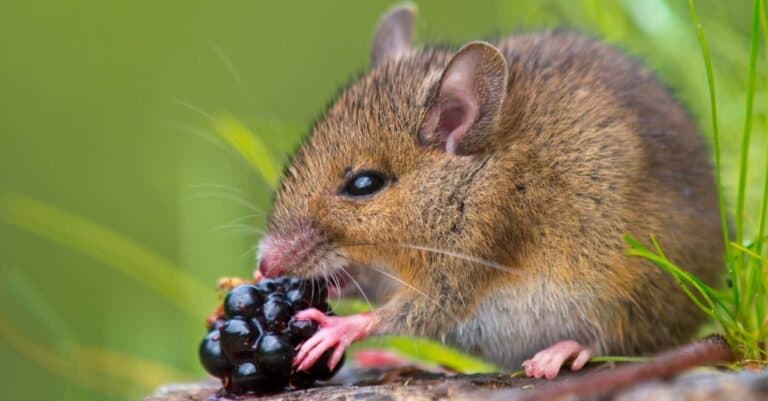
Small gnawers, huge impact.
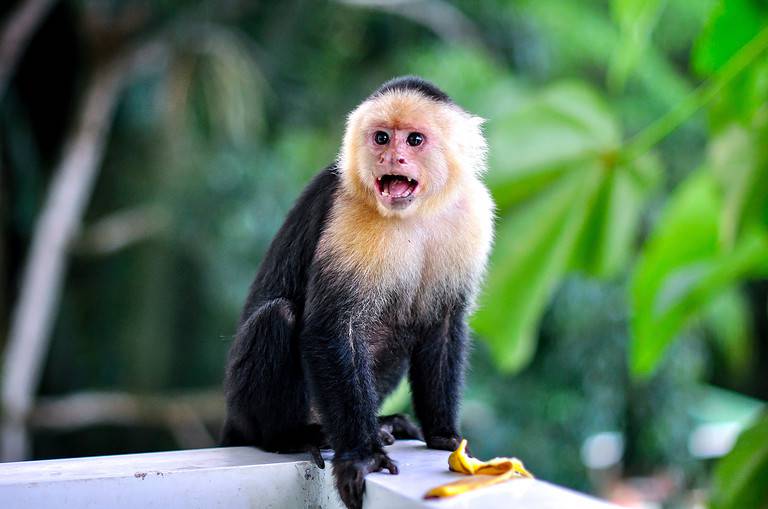
Hands, minds, and social lives
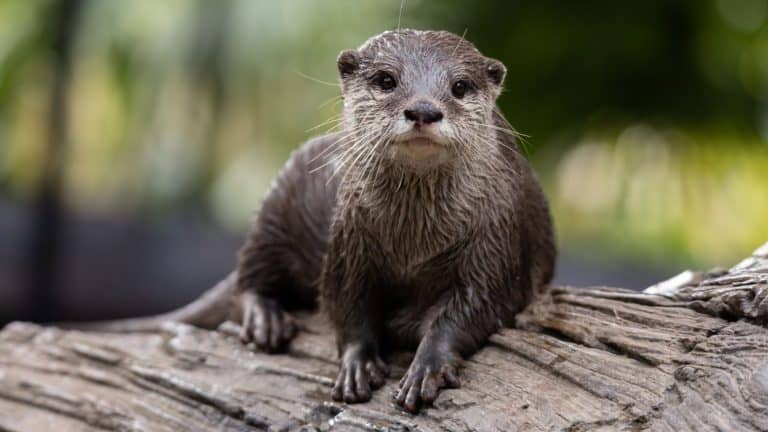
Built for water, born to hunt
Keratin horns, colossal impact
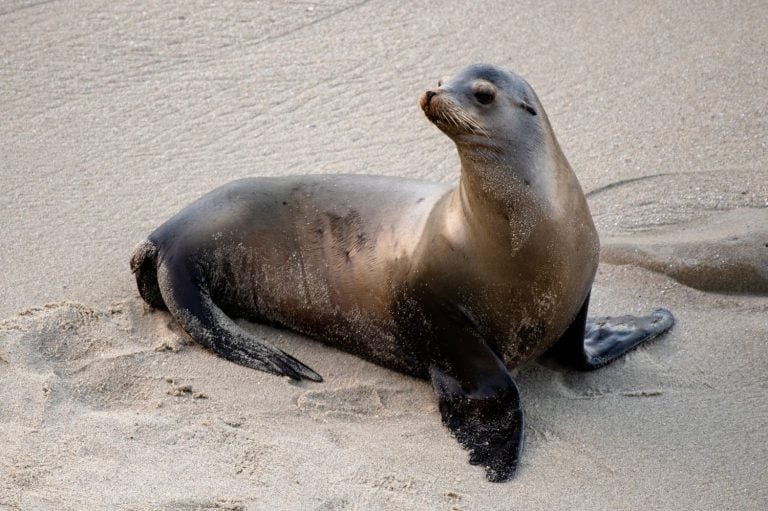
Ear flaps, flippers, and fierce colonies
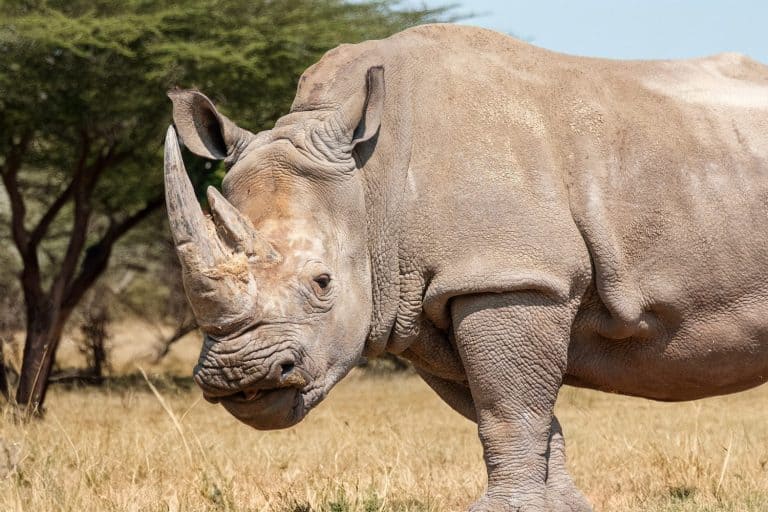
Wide-lipped grazer, savanna guardian
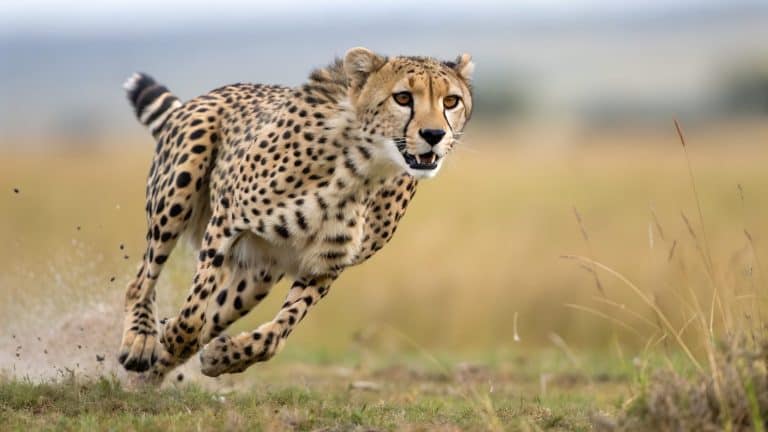
Built for the burst.
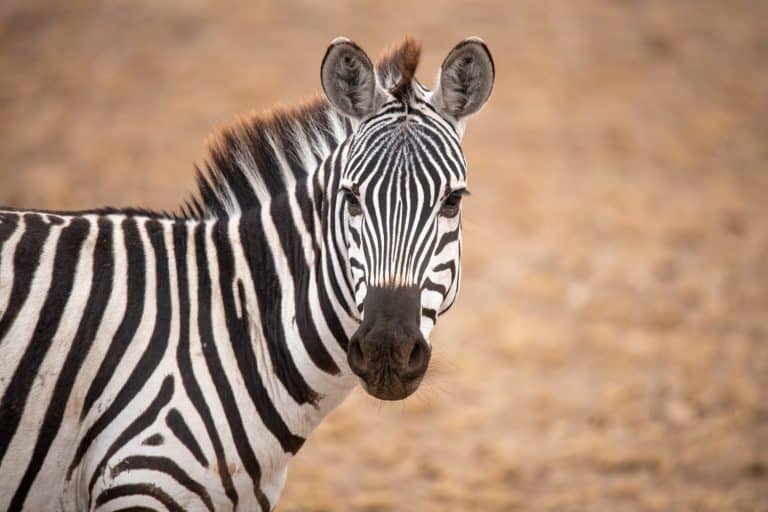
Stripes built for the African wild
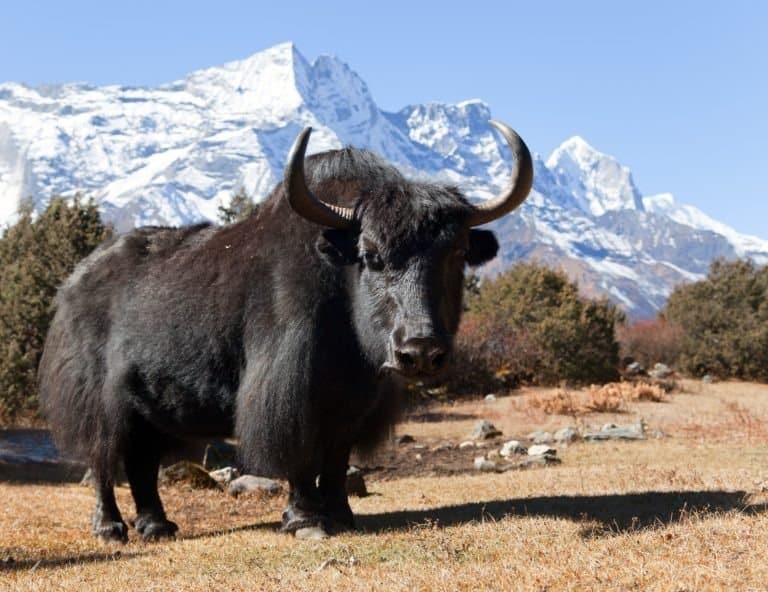
Built for thin air and bitter cold
Built for the surf-and sonar.
Thank you for reading! Have some feedback for us?
We appreciate your help in improving our content.
Our editorial team will review your suggestions and make any necessary updates.
There was an error submitting your feedback. Please try again.