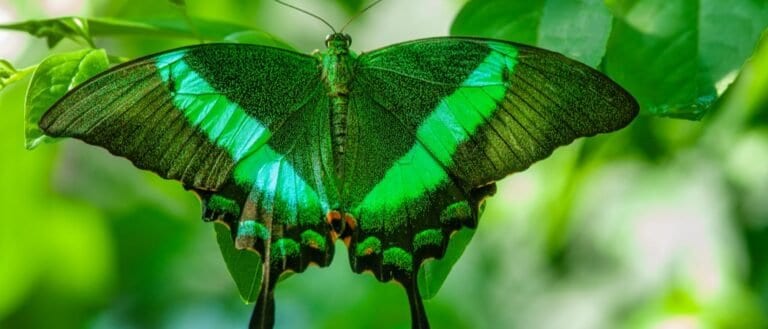
Butterfly
Scaled wings, big transformations.

Scaled wings, big transformations.
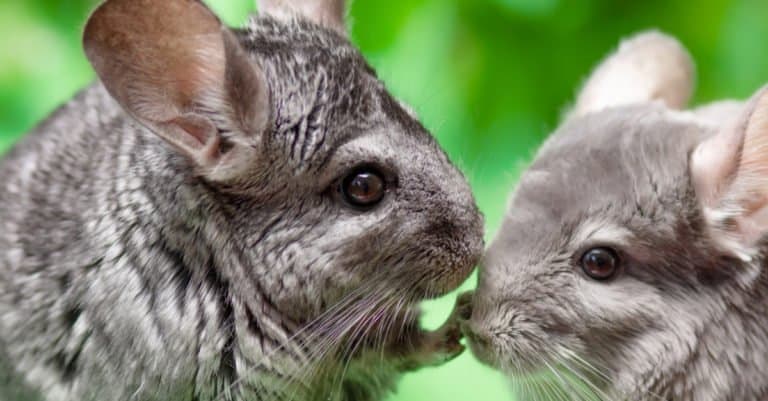
Built for the Andes, not the heat
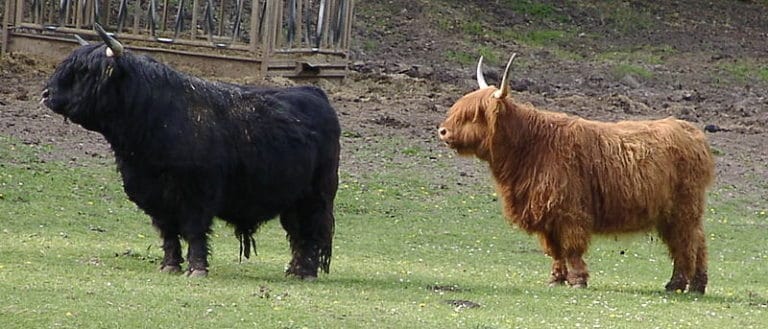
Built for bad weather, born in Scotland
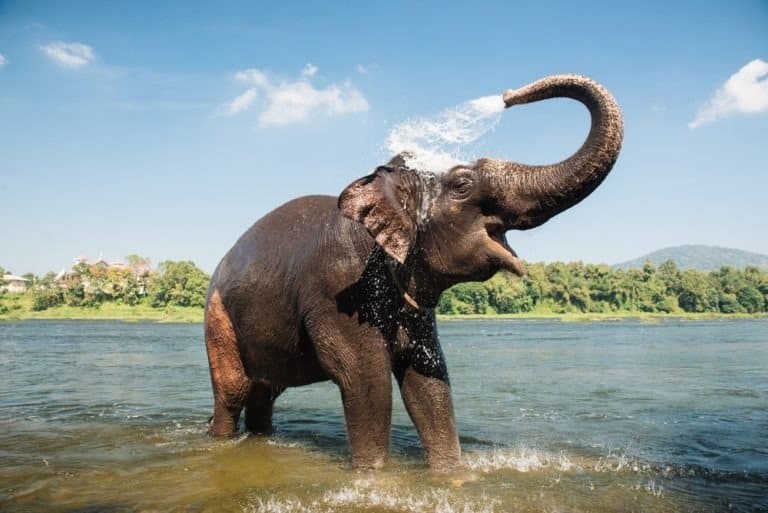
One-finger trunk, giant forest heart
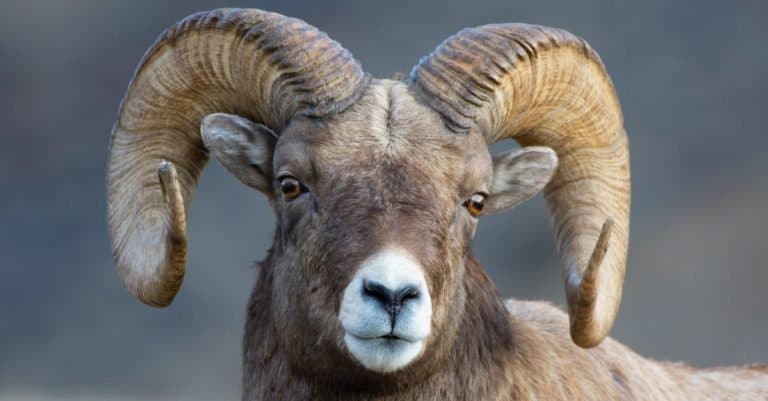
Wool, milk, meat-made by the flock.
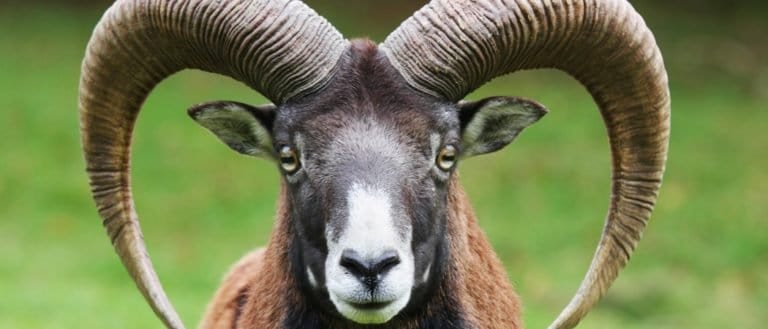
Goats: nimble browsers, global helpers

Humps of fat, miles of grit

Big hops, big pouches, big variety
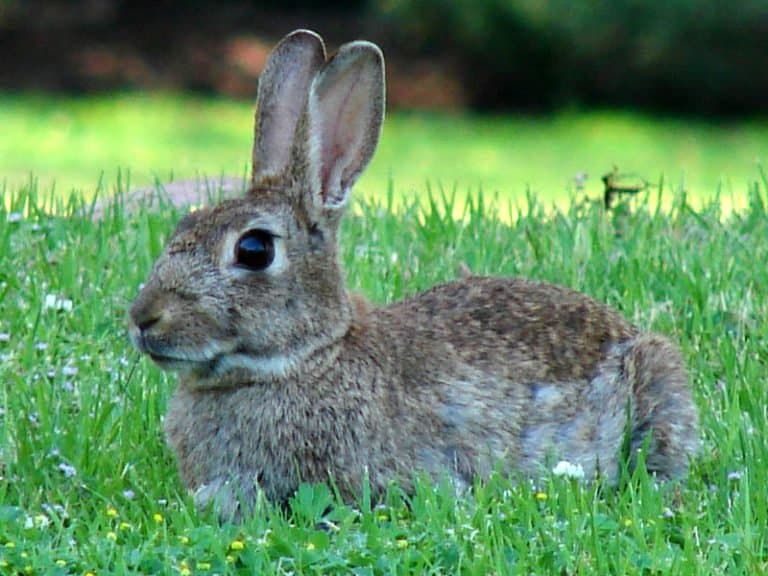
Fast feet, big ears, clever guts.
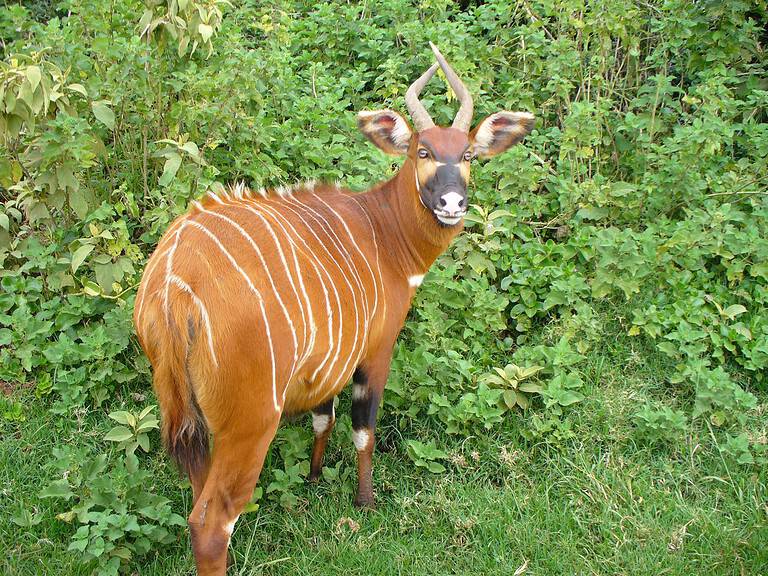
Spiral horns, forest shadows
A herbivore is an organism whose diet consists predominantly of plant-derived material (e.g., leaves, grasses, stems, roots, seeds, fruits, algae) obtained by consuming autotrophic producers. In ecological terms, herbivores function primarily as primary consumers, converting plant biomass into animal biomass and influencing plant community structure and nutrient cycling.
Herbivory is a way of eating where most energy and nutrients come from plants: grasses, leaves, stems, roots. Plant foods often have tough fibers like cellulose, hemicellulose, and lignin, and some have chemicals that protect them. Because of this, herbivores use different feeding styles (for example, grazing vs browsing) and special body features to get nutrients.
Many herbivores rely on microbial fermentation to digest plant fiber. Microbes break down tough tissues and make useful products, especially short-chain fatty acids. Fermentation can happen before the small intestine (foregut fermentation, as in many ruminants) or after it (hindgut fermentation, as in horses and rabbits). Each method has pros and cons for nutrient gain and feeding speed.
Herbivores shape plant communities and habitats by what they eat, how they move, and how they disturb soil. They may eat some animal items or minerals, but plants make up most of their diet.
Etymology: From Latin herba ("herb, grass, vegetation") + -vorus from vorare ("to devour, eat"). The term entered scientific usage via New Latin in natural history classification.
Herbivores eat only plants and never consume animal material (many are primarily plant-based but may occasionally ingest insects, eggs, or carrion incidentally or opportunistically).
Herbivores are always gentle or non-predatory (diet does not determine temperament; some herbivores can be aggressive and can cause harm when threatened).
All herbivores digest plants the same way (digestive strategies differ widely, e.g., ruminant foregut fermentation vs. hindgut fermentation in equids and lagomorphs).
Herbivory provides carbohydrates (cellulose and hemicellulose) for energy by gut microbes, plus vitamins and minerals from plant parts. Herbivores need enough fiber for healthy gut fermentation and movement, protein from leaves and nitrogen recycled by gut microbes, and minerals like calcium and phosphorus for bones and teeth. Sodium is often taken at mineral licks. Water comes from plant moisture and drinking. Because plants can lack some amino acids, sodium, and micronutrients, herbivores eat diverse forage and seek mineral-rich sources.
Dentition specialized for cropping, grinding, and shredding fibrous plant tissues rather than piercing flesh. Emphasis is on broad grinding surfaces and durable enamel to withstand abrasive vegetation (often containing silica and grit).
Digestive tract adapted to extract nutrients from cellulose-rich, low-calorie plant material via microbial fermentation. Herbivores often rely on symbiotic bacteria/protozoa/fungi to break down fiber and may reprocess food to maximize extraction.
Gut Length: Long relative to body (often ~10-20× body length in many mammals; generally substantially longer than carnivores)
Obligate herbivores eat almost only plant material (grasses, leaves, stems, roots, browse) and are made to break down tough, fibrous plants; they do not eat animals.
Facultative (flexible) herbivores that are primarily plant-eaters but can opportunistically consume animal matter (e.g., insects, eggs, carrion, small vertebrates) or shift diets seasonally/with resource availability; plants still make up the bulk of normal intake.
Herbivory evolved many times as land plants became common and tough. Early arthropods and later insects began eating spores, stems, and leaves after plants diversified in the Silurian–Devonian (~440–360 million years ago), using new mouthparts and gut microbes. Vertebrate plant-eaters appeared by the Carboniferous–Permian (~320–252 mya) with grinding teeth, bigger guts, and browsing habits. After mass extinctions herbivory rose again. In the Mesozoic many dinosaurs had tooth batteries, beaks, or gizzards. In the Cenozoic mammals spread, and Miocene grasslands (~23–5 mya) led to grazing traits like hypsodonty and gut fermentation. Aquatic herbivory also evolved in fishes, marine reptiles, and sirenians.
Herbivory is a clear example of convergent evolution because the same food problems—tough, stringy, or defended plants—lead to similar solutions like grinding teeth, bigger guts, fermentation, and picky feeding. Examples: Foregut fermentation evolved independently in ruminants (cattle, deer), macropods (kangaroos), and the hoatzin. Hindgut fermentation evolved in perissodactyls (horses, rhinos), many rodents and lagomorphs (rabbits), often with a larger cecum and coprophagy (re-eating droppings). High-crowned teeth for grazing evolved in horses, many bovids, and some extinct mammals. Beak-and-gizzard processing appears in birds (geese, grouse) and some dinosaurs (ornithischians; sauropods used gastroliths). Leaf-eaters like howler monkeys, colobines, koalas, and sloths evolved ways to deal with plant toxins and use fermentation. Aquatic herbivores include sirenians, marine iguanas, and algae-eating fish (parrotfish, surgeonfish).
Herbivory is like human vegetarian or vegan diets, where most food comes from plants (grains, beans, fruits, vegetables, nuts). A key difference is many plant-eating animals have special guts to get energy from cellulose-rich, fibrous plants (rumen fermentation in cattle and deer; hindgut fermentation in horses and rabbits). Humans have limited ability to break cellulose and use cooking and starchy or fatty plant parts. People need good protein, vitamin B12 (rare in plants), usable iron and zinc, and enough energy when plant diets are very high in fiber.
Knowing what plants herbivores eat, how seasons change food quality, and how their digestion limits diet helps managers protect and restore key habitats like native grasslands, browse shrubs, and wetland vegetation. This knowledge guides grazing levels, controlled burns, timing of habitat work, and actions to stop overbrowsing that can keep trees from growing and lower plant diversity. It also helps reduce conflicts (wildlife corridors, extra forage), check how many animals the land can support in droughts/winters, and predict effects on predators and plants if herbivore numbers change.
Herbivores link directly to farming through livestock like cattle, sheep, goats and horses and through wild animals that eat crops and pasture. By eating plants they help make meat and dairy and turn grasses and forages—often not food for people—into food people eat. They affect pasture, soil compaction, and nutrient recycling through manure. Knowing what herbivores eat guides rotational grazing, forage choice, and supplements, and helps stop pasture damage and invasive plants. Wild herbivores can be pests, so diet info supports fences, deterrents, buffer plantings, and landscape planning; managed grazing can control weeds and reduce fuel for fires.
Found across: Mammals: ungulates (deer, antelope, cattle, horses), proboscideans (elephants), many rodents (beavers, capybaras), lagomorphs (rabbits/hares), some marsupials (koalas), sirenians (manatees/dugongs), Reptiles: many tortoises and some lizards (iguanas, especially folivorous species), Birds: many waterfowl (geese, swans), some parrots, and specialized folivores (e.g., hoatzin), Fish: many reef and freshwater herbivores (parrotfish, surgeonfish, some cichlids) that graze algae or aquatic plants, Invertebrates: extremely common in insects (caterpillars, grasshoppers, aphids), plus many snails/slugs and other plant-feeding invertebrates
Herbivores are primary consumers that turn plants (leaves, seeds, fruits, and algae) into animal biomass. They shape plant communities by grazing and browsing, change how plant communities grow over time, and help move nutrients through dung, urine, and soil mixing. They are key prey for predators and scavengers and can keep grasslands open and spread seeds.
Energy transfer from plants to herbivores is about 5–20% (often ~10%), because plants have lots of cellulose and lignin, plant defenses, and animals must spend energy on fermentation and detoxification. This means many plants are needed to support fewer herbivores and even fewer predators. Herbivore numbers can change a lot when plants grow more or less. Special digestive strategies (rumination/foregut fermentation, hindgut fermentation, big ceca, long guts) and choosing young leaves, shoots, fruits, and seeds raise efficiency.
Seasonal Variation: Herbivore diets follow plant seasons. In spring they eat young leaves and shoots high in protein. In dry or late seasons they eat tougher grasses, twigs, roots, tubers, or stored parts. In autumn they eat fruits, seeds, and nuts to build fat. In winter or drought they eat less, move or dig for buried plants, lowering survival and altering populations.
Many herbivores aren't "gentle grazers" all the time-deer, cows, and other plant-eaters have been documented occasionally eating eggs, chicks, or carrion to get extra protein, minerals, or salt.
Some of the most specialized herbivores rely on microbes more than their own enzymes: cows, sheep, and many other ruminants outsource cellulose digestion to bacteria and other microbes in a fermentation chamber (the rumen).
Not all herbivores digest plants the same way: horses, zebras, and rabbits are hindgut fermenters, meaning most fermentation happens in the large intestine/cecum rather than a multi-chambered stomach.
Herbivory often comes with built-in "detox tech": species like koalas and some insects can handle plant toxins using specialized liver enzymes and gut microbes, letting them eat foods most animals can't.
Plants fight back chemically and physically, so herbivores can trigger plant defenses-grazing or chewing can cause some plants to ramp up bitter compounds or toughen tissues, changing what's edible later.
Ruminant digestion is like running food through a biological brewery first: microbes ferment tough plant fiber into usable energy before the animal "uses" it.
Hindgut fermenters are like composters at the end of a pipeline-food passes through a simple stomach quickly, then gets "processed" by microbes in the back end to extract extra energy.
Herbivores often trade speed for efficiency: compared with a carnivore's quick, protein-focused digestion, an herbivore's fiber processing is more like slow-cooking-longer time, but it makes a tough ingredient usable.
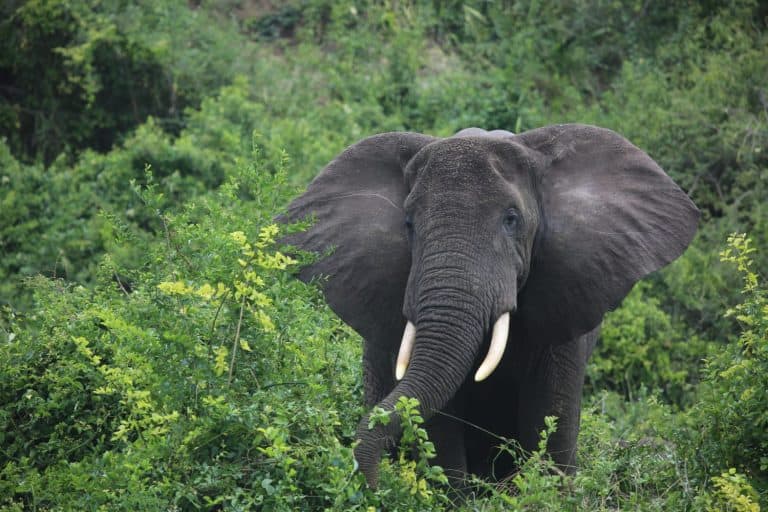
The rainforest's master gardener
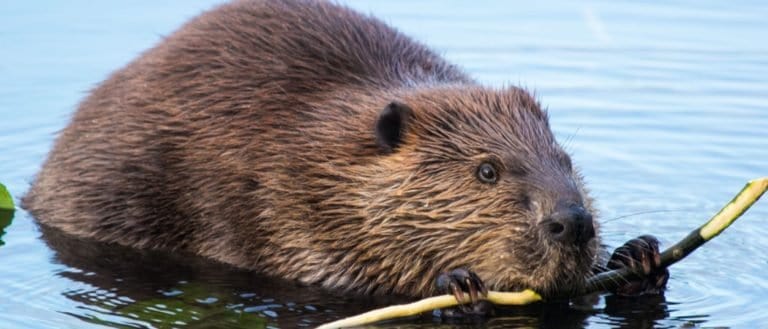
Build wetlands, shape worlds.
Humps of fat, miles of grit
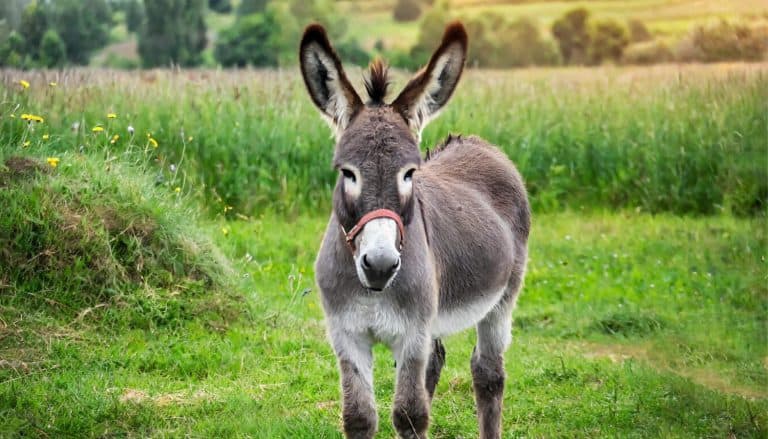
Sure-footed partner of people
Goats: nimble browsers, global helpers
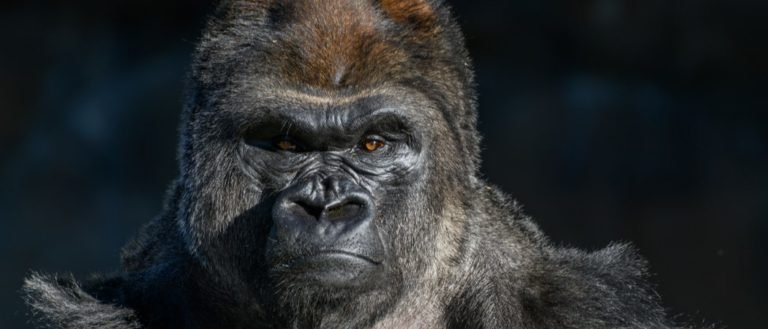
Gentle giants of the African forests
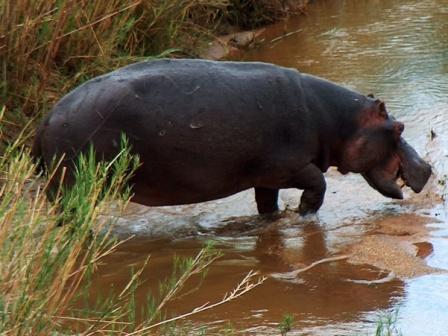
Big river grazer, bigger attitude
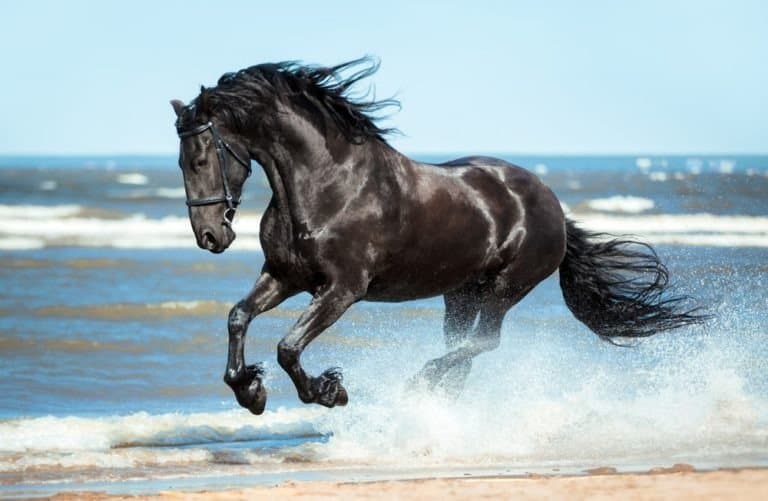
One hoofbeat, a thousand histories
Big hops, big pouches, big variety
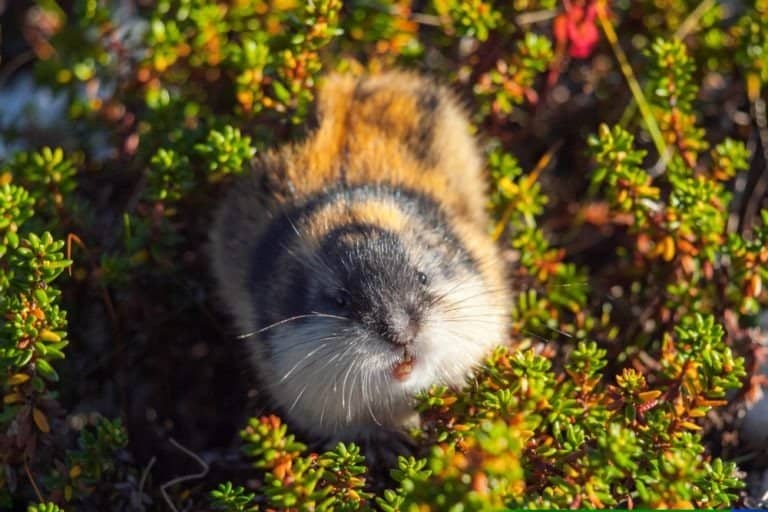
Small rodents, huge tundra impact
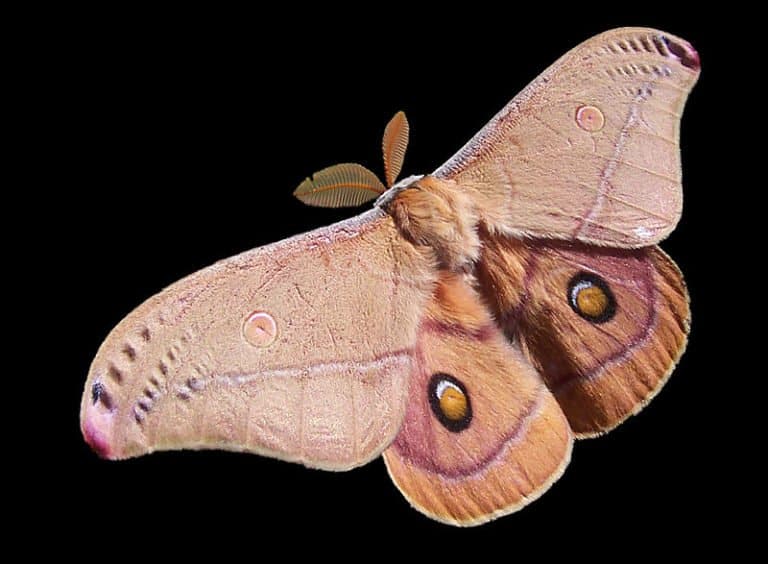
More than night flyers
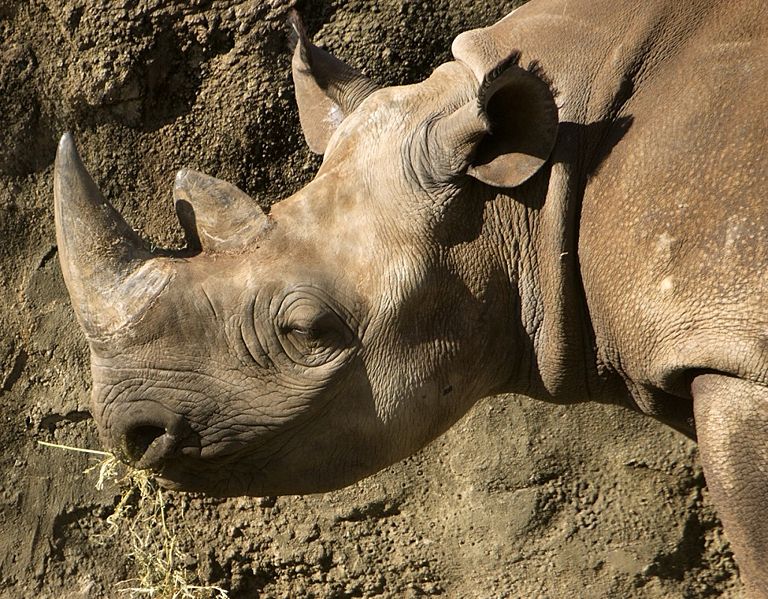
Keratin horns, colossal impact
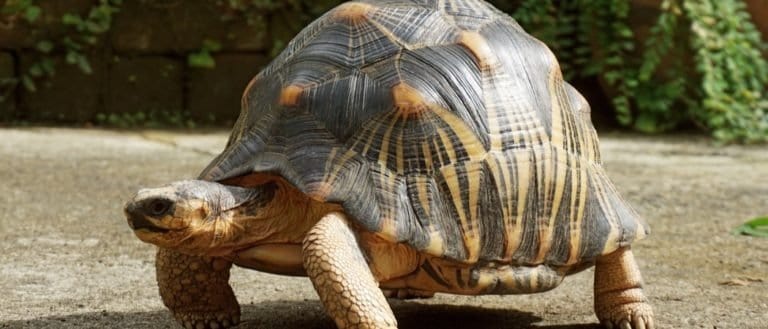
Built for land, made for time
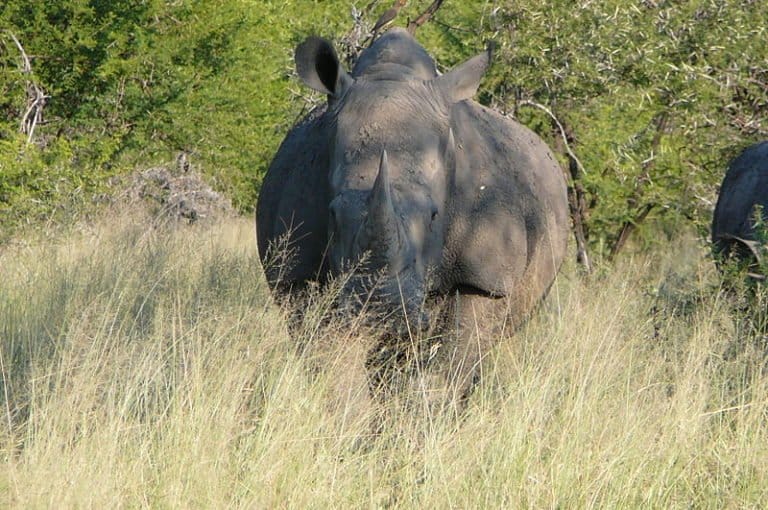
Wide-lipped grazer, savanna guardian
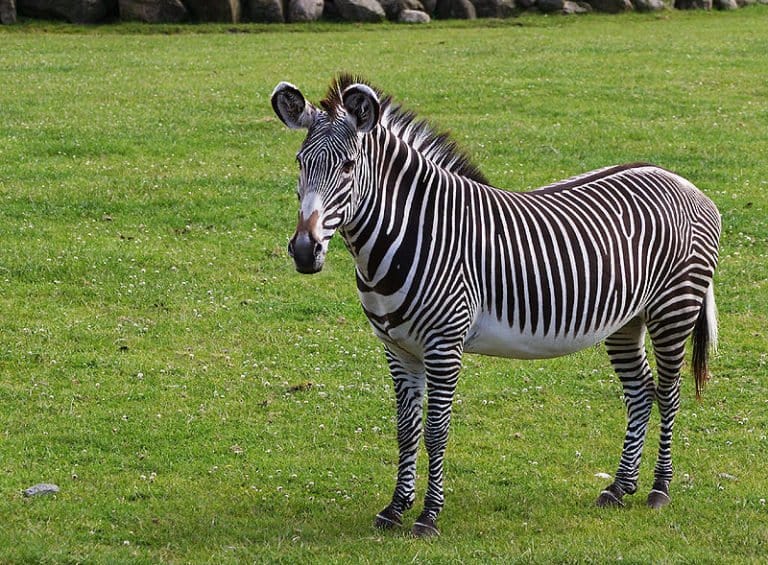
Stripes built for the African wild
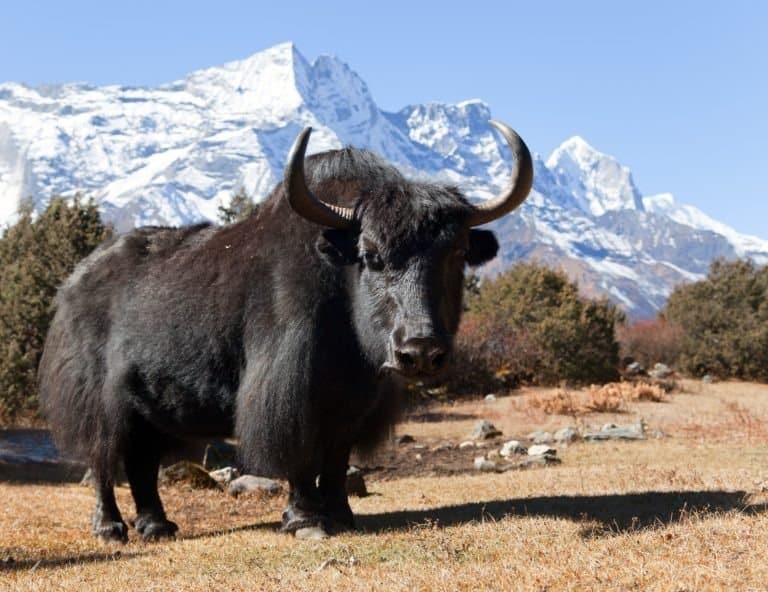
Built for thin air and bitter cold
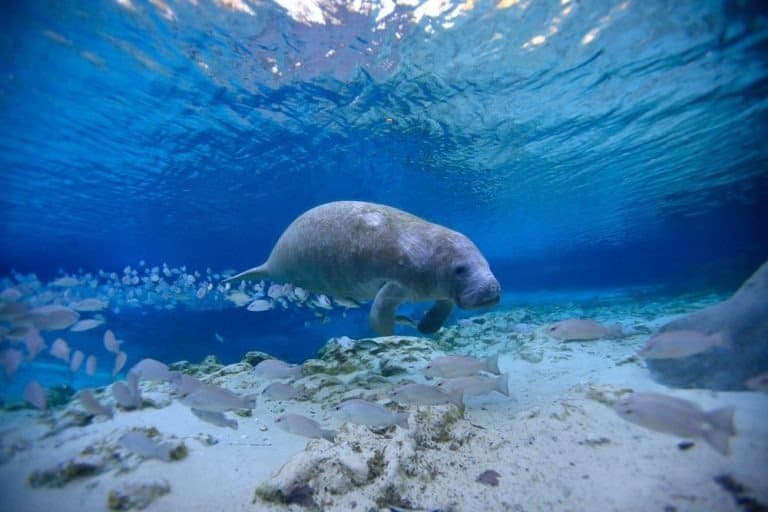
Gentle giants of warm waters
Built for bad weather, born in Scotland
Built for the Andes, not the heat
One-finger trunk, giant forest heart
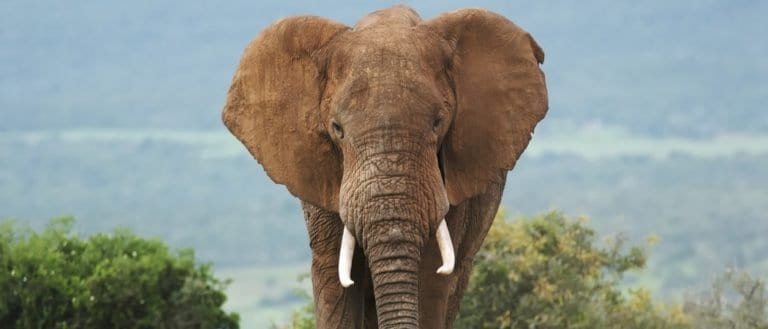
One family, many giants
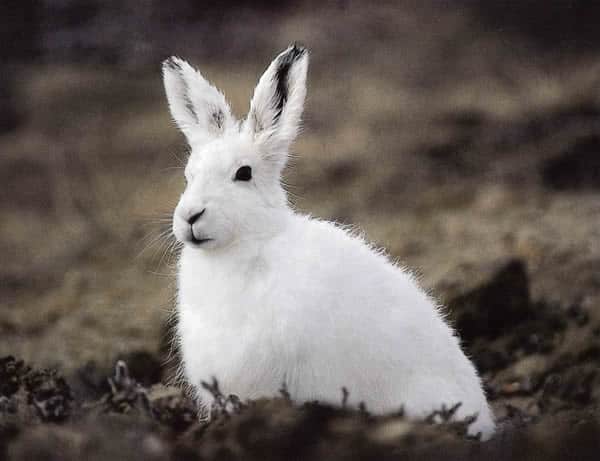
White. Windproof. Wilderness-tough.
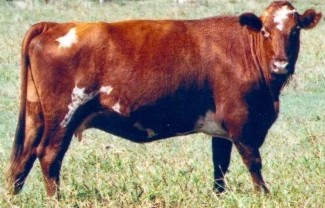
Grass to milk-nature's recyclers
Spiral horns, forest shadows
Thank you for reading! Have some feedback for us?
We appreciate your help in improving our content.
Our editorial team will review your suggestions and make any necessary updates.
There was an error submitting your feedback. Please try again.