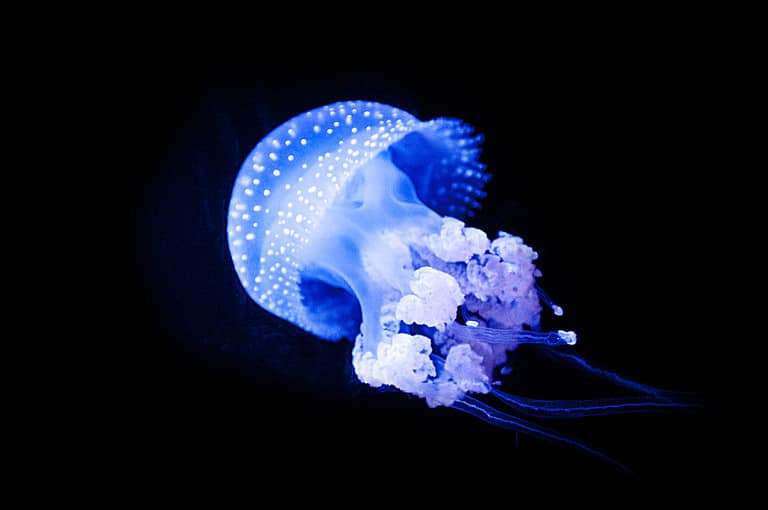
Jellyfish
Sting-powered drifters of the sea

Sting-powered drifters of the sea
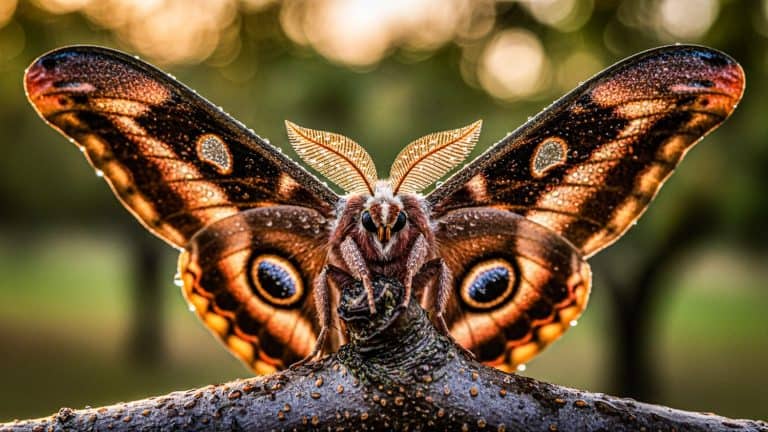
More than night flyers
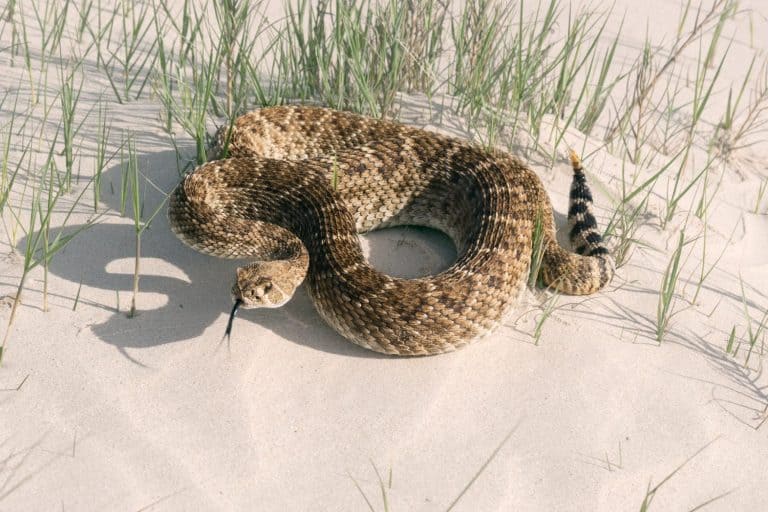
Hear the rattle, give it space.
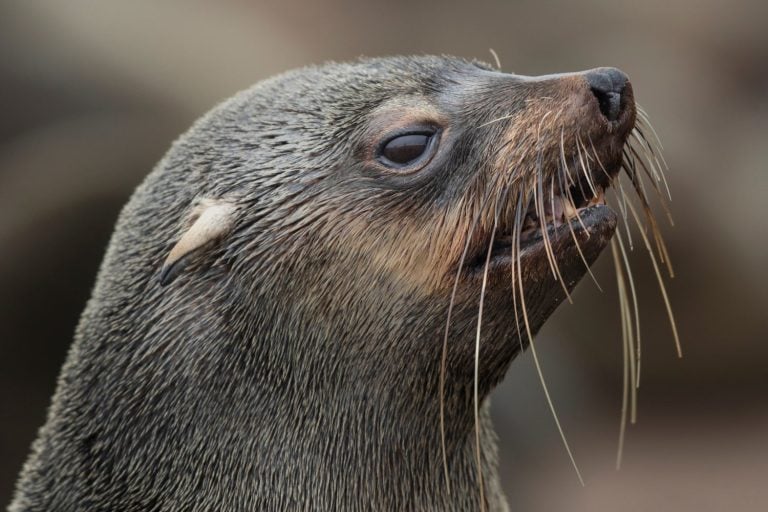
Earless divers of the world's seas
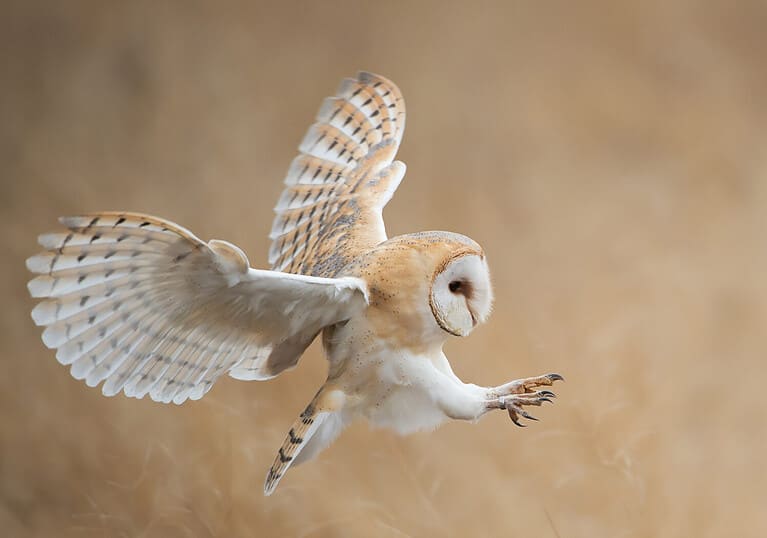
Heart-faced hunter of the night
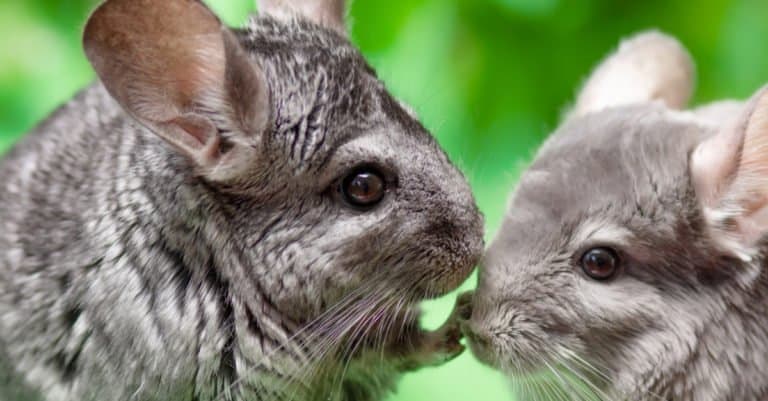
Andean acrobats in a coat of clouds
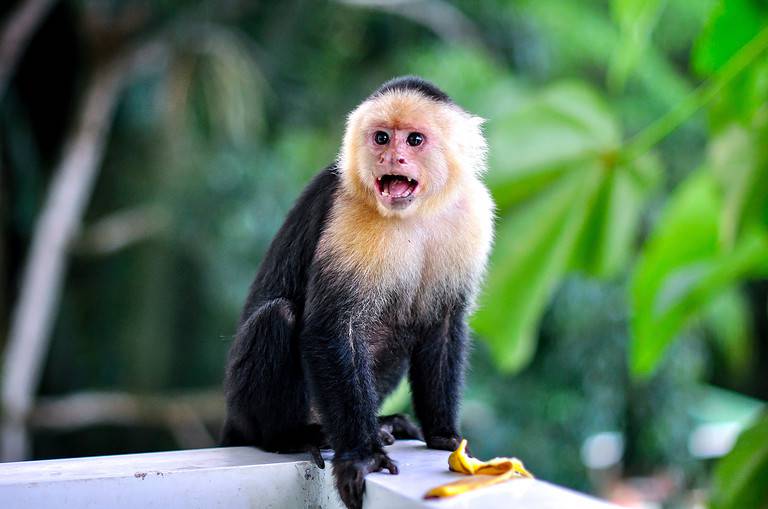
Hands, minds, and social lives
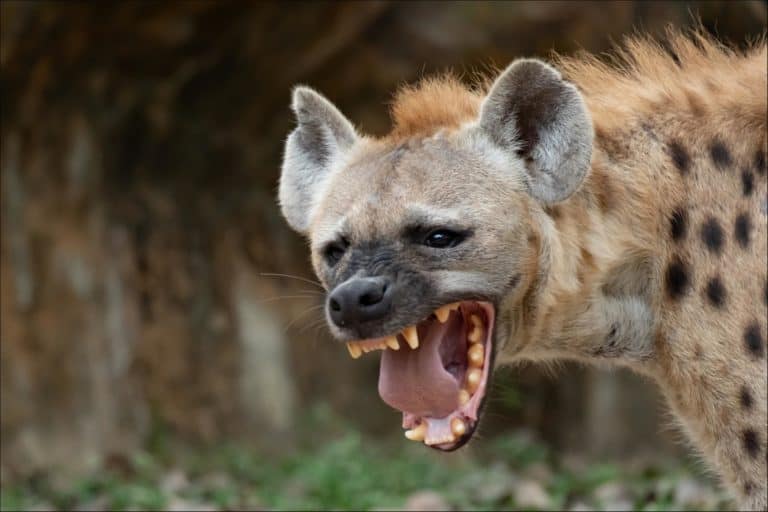
Bone-crushers, termite-lappers, ecosystem keepers
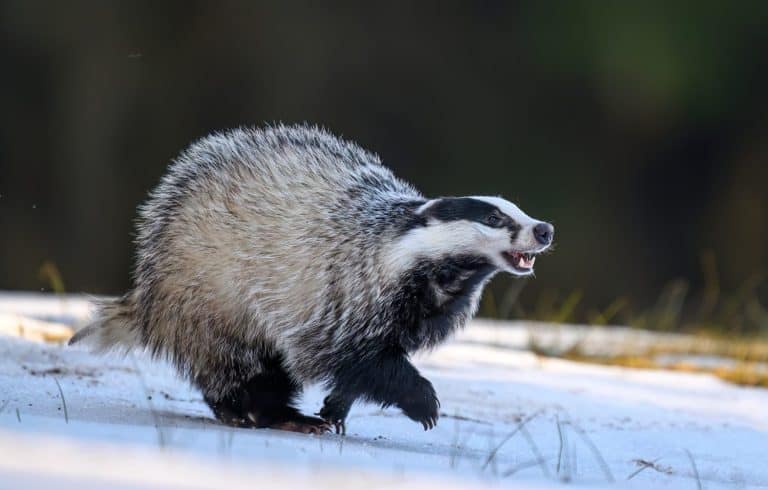
Built to dig. Born to endure.
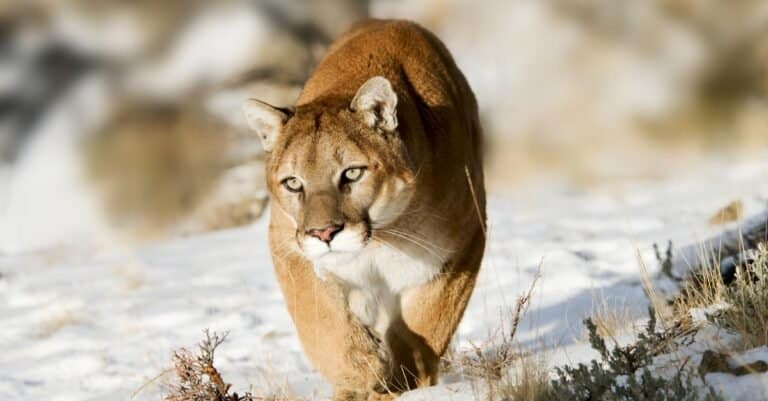
One cat, many names, endless range
A cave is a natural subterranean void or system of passages large enough for human entry, formed by processes such as rock dissolution (karst), volcanic activity (lava tubes), erosion, or wave action (sea caves). Caves are defined by low light to complete darkness, relatively stable microclimates, and ecosystems that depend largely on imported energy or microbial production rather than photosynthesis.
Caves are networks of chambers and cracks, often in limestone from groundwater, or as lava tubes and sea caves. They have entrance, twilight, and dark zones with less light. Caves are energy-poor; food comes from washed-in debris, roots, carcasses, and bat or bird guano. Microbes (chemoautotrophy) and troglobionts adapted to darkness live there. Caves are fragile and sensitive to disturbance.
Aphotic in most of the cave; a twilight zone near entrances with dim, indirect light; photic conditions are restricted to entrance areas and skylights.
Common features include dripwater and seepage from ceilings/walls, perennial or ephemeral cave streams (lotic), rimstone pools and gour dams, sumps and siphons, underground lakes, and anchialine/sea-cave mixing zones near coasts. Aquatic cave waters are typically fresh to brackish; coastal/sea caves can be brackish to marine with haloclines. Currents are usually low in pools/lakes but can be moderate to fast in cave streams and during flood pulses; flow may reverse or surge in tidal sea caves.
Medium (overall primary productivity is low and conditions are harsh, so total species richness inside deep cave zones is often limited; however, caves frequently host highly specialized, endemic, and evolutionarily distinct species, and biodiversity can be locally high near entrances, in guano-rich chambers, or in water-connected cave systems).
Globally widespread but unevenly protected; many cave ecosystems remain intact due to inaccessibility, yet ecological condition is frequently compromised by upstream land use, groundwater contamination, quarrying/mining, uncontrolled tourism, and altered hydrology. Subterranean biodiversity (often highly endemic and slow-recovering) makes caves disproportionately vulnerable to local impacts.
Moderate to low. Physical damage and extirpations can be effectively irreversible on human timescales, and recovery is slow due to low productivity and high endemism. However, water-quality improvements, hydrology protection, removal of pollutants, better cave-tourism management (lighting redesign, visitor limits), and recharge-zone restoration can measurably improve conditions and allow partial biological recovery.
Moderate to high. Caves buffer short-term temperature swings, but many subterranean communities are tightly adapted to narrow, stable conditions and depend on surface hydrology and organic inputs. Climate-driven droughts/floods, altered recharge, warming groundwater, and sea-level rise (coastal/anchialine caves) can significantly shift cave microclimates and water chemistry, with limited scope for species to relocate.
Many caves are warmer in winter and cooler in summer than the surface nearby-because deep cave temperatures tend to track the region's average annual surface temperature.
Cave animals often "evolve away" eyes and pigment: In perpetual darkness, sight and coloration can be wasted energy, so some species become pale and blind while enhancing touch/chemical senses.
Some cave ecosystems run on chemistry instead of photosynthesis: Microbes can use sulfur, methane, or other chemicals as fuel, forming the base of food webs without sunlight.
Cave "decorations" grow unbelievably slowly: Stalactites and stalagmites may add only millimeters per year (sometimes far less), so a hand-sized formation can represent centuries to millennia.
Caves can preserve ancient climate records: Layers in speleothems (stalagmites) can archive past rainfall and temperature patterns like a natural data logger.
Not all caves are bone-dry: Many are tightly connected to groundwater, and a cave stream can be part of a region's drinking-water system.
'Cave air' can be dangerous: Carbon dioxide can pool in low areas (it's heavier than air), and some caves have low oxygen-both hazards for people and animals.
A cave is like a natural refrigerator/thermostat: it resists daily weather swings and stays near the local yearly average temperature.
Think of a cave food web like a remote island that imports supplies: most energy arrives as "shipments" (leaf litter, washed-in nutrients, carcasses, or bat guano) rather than being produced on-site by plants.
Stalactites and stalagmites are like geological drip candles: each drop of mineral-rich water leaves a tiny ring of calcite, building a structure one drip at a time.
Karst cave networks act like hidden plumbing: water can travel fast through underground conduits, meaning pollutants can spread quickly too.
Troglobites (true cave dwellers) are like specialists living off-grid: they're superbly adapted to darkness and scarcity but often struggle outside the cave.
Largest cave chamber: the Sarawak Chamber in Deer Cave, Gunung Mulu National Park, Malaysia, is the world's largest by area; Son Doong Cave in Vietnam is often said to be big enough to hold a 40-story skyscraper inside.
Longest known cave system: Mammoth Cave (Kentucky, USA) has the longest mapped passage network on Earth (well over 600 km and still growing as exploration continues).
One of the deepest explored caves: Veryovkina Cave (Abkhazia/Georgia region, Caucasus) is explored to more than 2 km deep-over a mile underground.
Biggest bat colonies (in caves): Some caves host millions of bats; Bracken Cave (Texas, USA) is famous for enormous numbers of Mexican free-tailed bats.
Extreme "no-sunlight" ecosystems: Movile Cave (Romania) is famous for an ecosystem powered largely by chemosynthesis (microbes using chemical energy rather than sunlight).
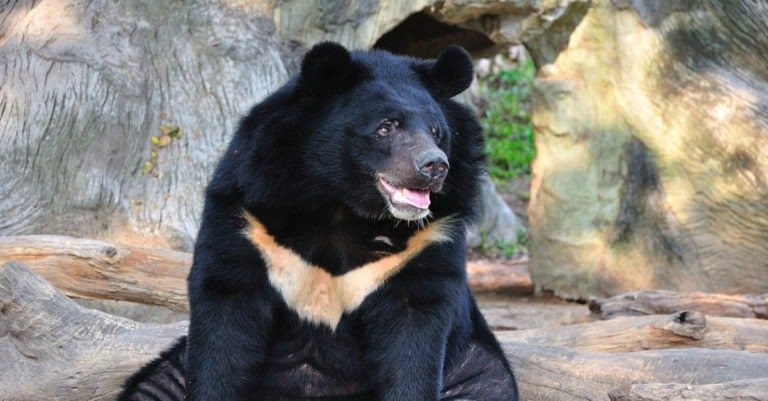
Moon-marked climber of Asian forests
Built to dig. Born to endure.
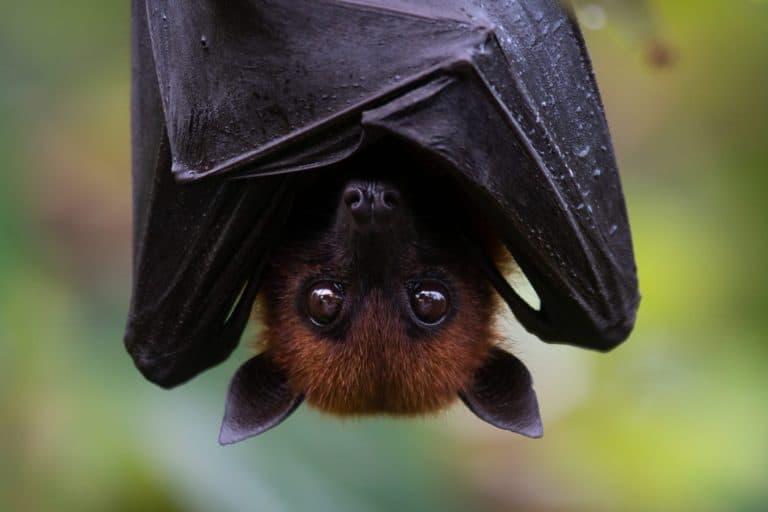
Night pilots of the mammal world
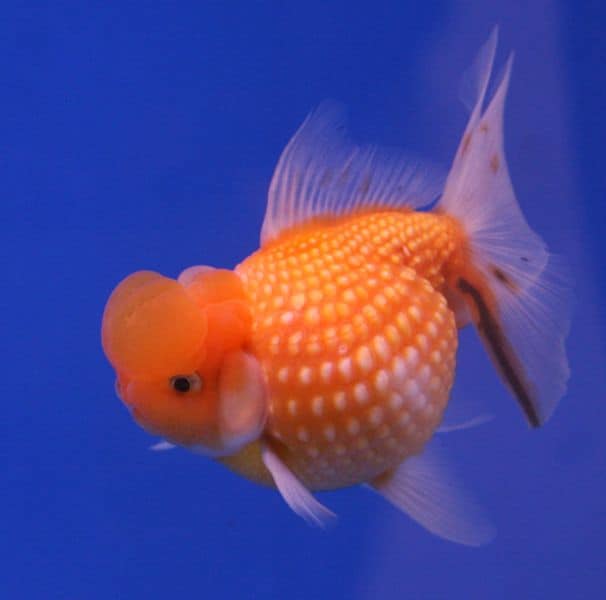
Bony rays, endless ways.
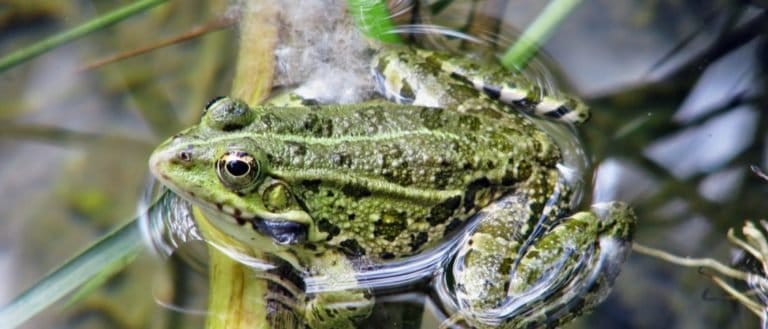
Tailless jumpers, masters of change
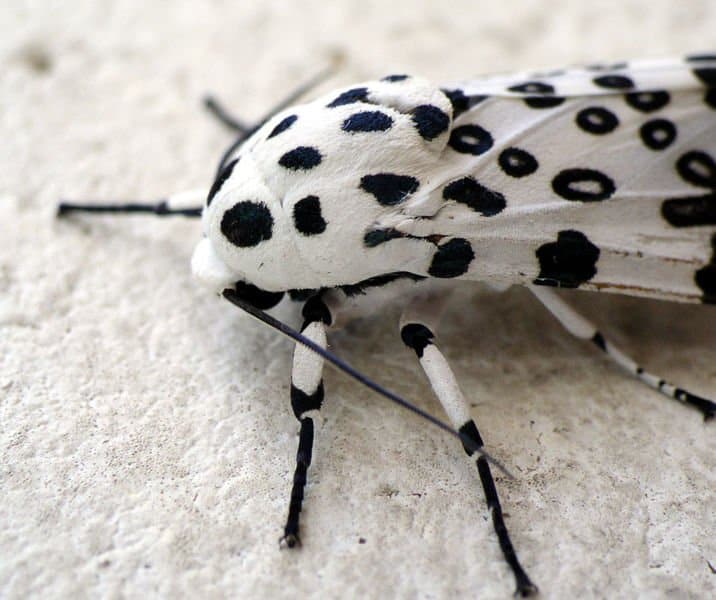
Six legs, endless lives.
Sting-powered drifters of the sea
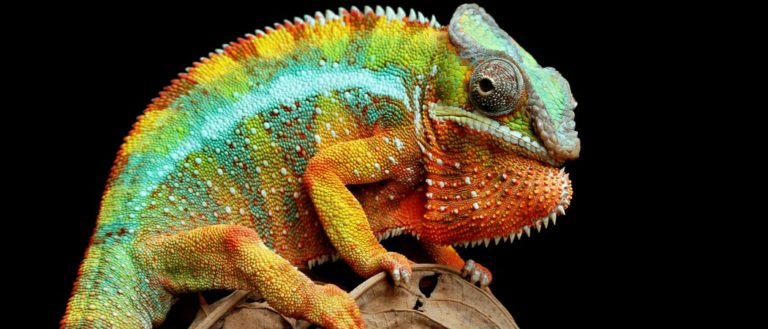
From geckos to dragons-lizard power
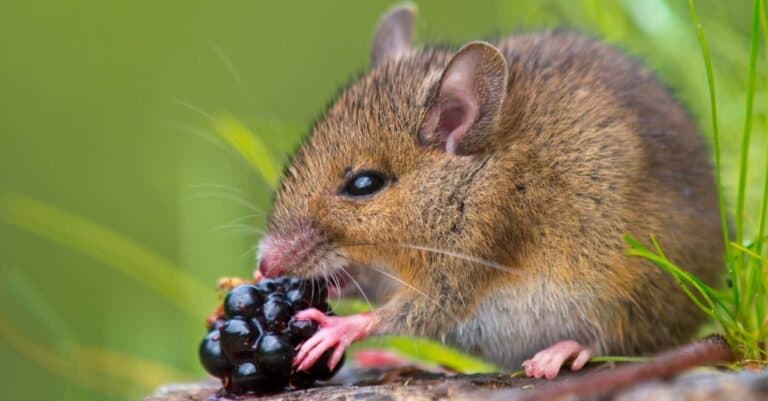
Small gnawers, huge impact.
Hands, minds, and social lives
More than night flyers
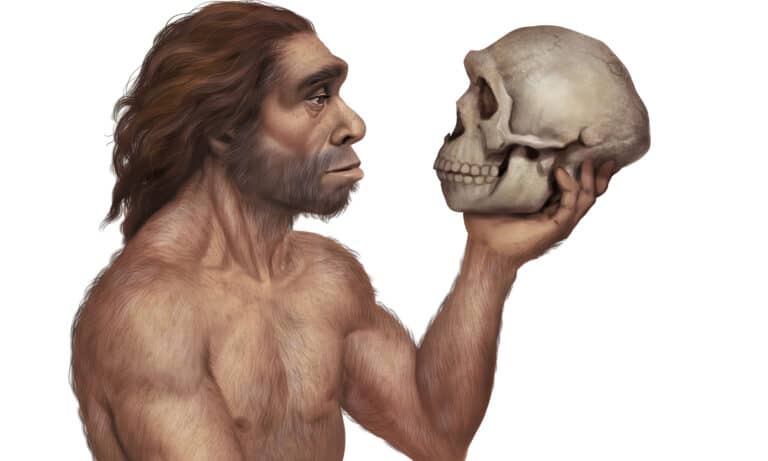
Not cavemen-Ice Age people
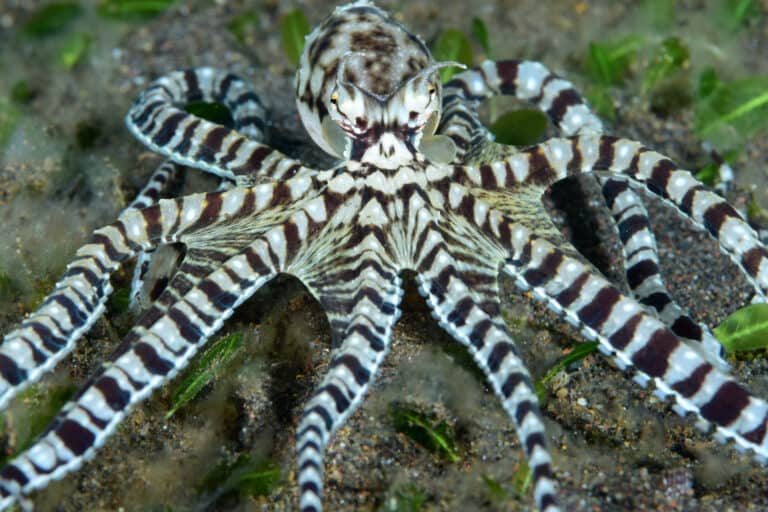
Eight arms, endless ingenuity
Hear the rattle, give it space.
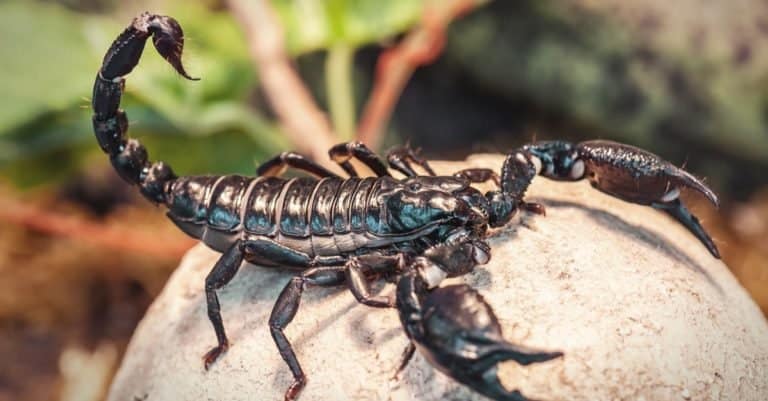
Glow at night, strike with precision
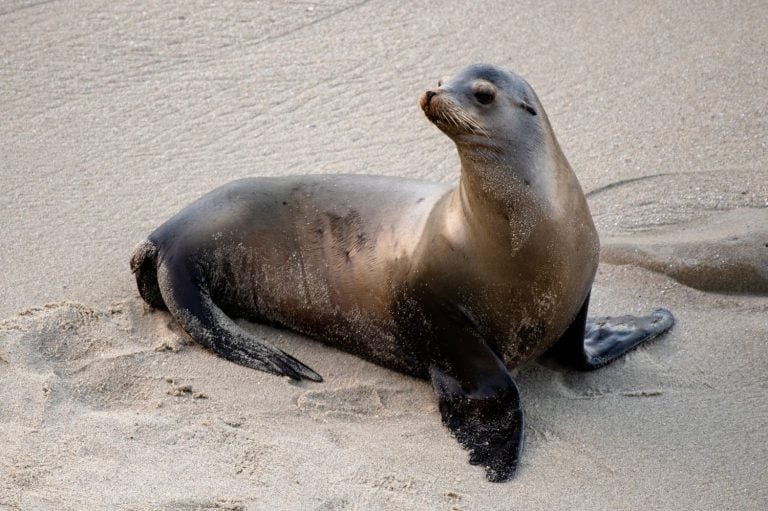
Ear flaps, flippers, and fierce colonies
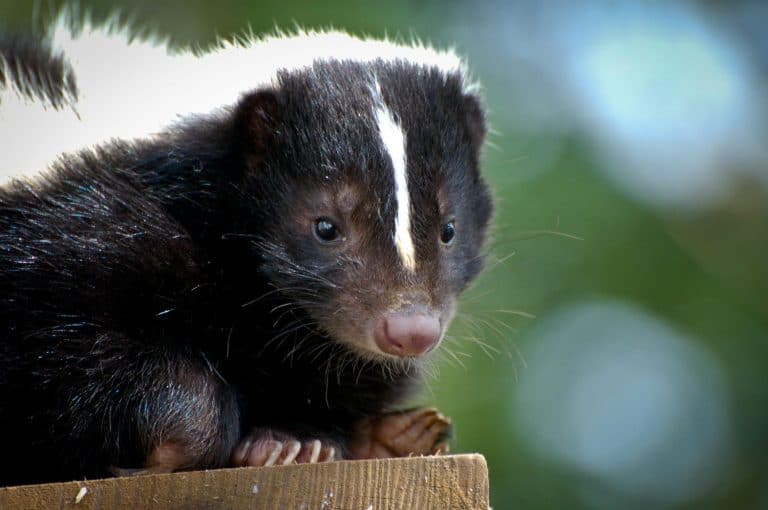
Bold stripes, bigger attitude.
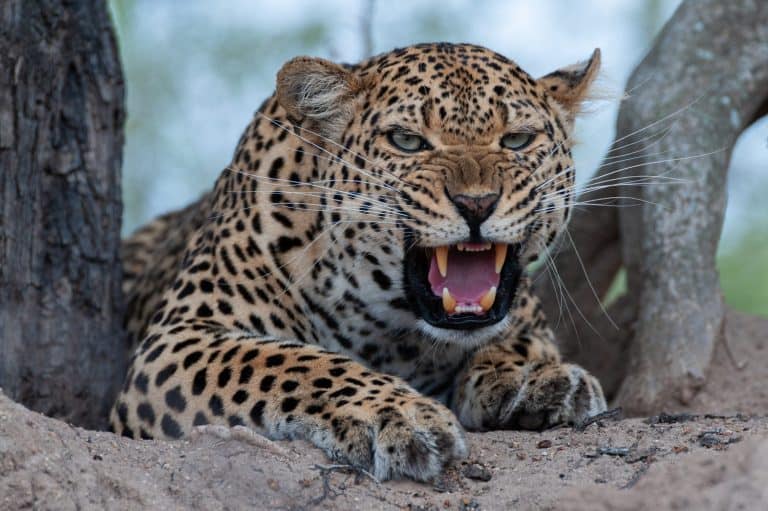
Rosettes in the shadows.
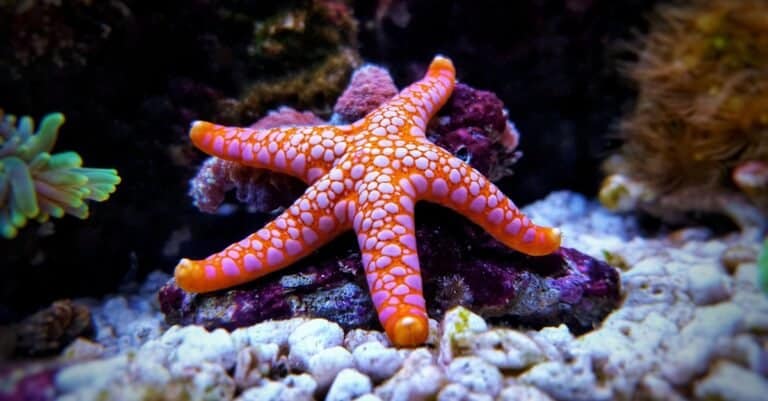
Hydraulic feet, star-shaped predators
Bone-crushers, termite-lappers, ecosystem keepers
Heart-faced hunter of the night
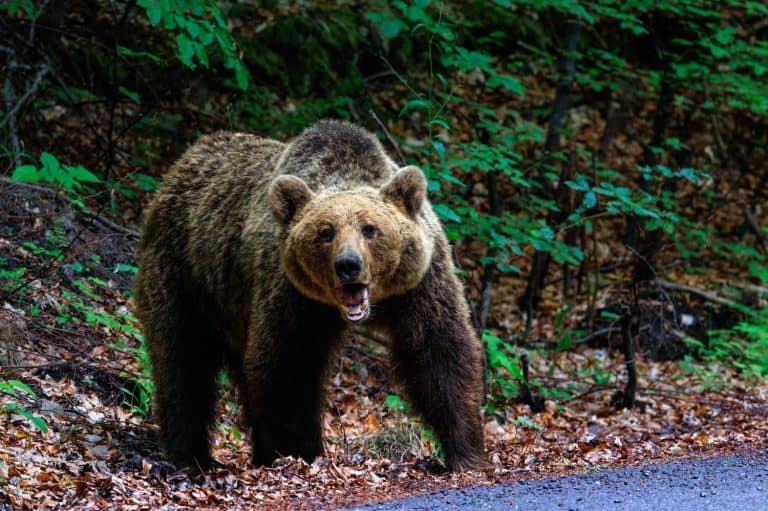
Hump-shouldered king of the wild buffet
Andean acrobats in a coat of clouds
Earless divers of the world's seas
Thank you for reading! Have some feedback for us?
We appreciate your help in improving our content.
Our editorial team will review your suggestions and make any necessary updates.
There was an error submitting your feedback. Please try again.