




Hungary is a small landlocked country in central Europe. It shares a land border with Austria to the west, Ukraine and Romania to the east, Slovakia to the north, and Serbia, Croatia, and Slovenia to the south or southwest. The country is dominated by the great lowland expanses called the Little Hungarian Plain and Great Hungarian Plain, to which much of the Hungarian wildlife is adapted.
These regions are separated by several low mountain systems such as the Transdanubian and North Hungarian Mountains. The Danube River, which is the second-longest river system in all of Europe, cuts across the center of the country from north to south.
The Official National (State) Animal of Hungary
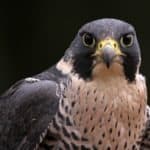
While Hungary lacks a single national animal or symbol, it is often represented culturally by the Turul, a mythological bird of prey that originated at some point in the Middle Ages as a clan symbol. The bird appears to resemble a falcon or a hawk.
Where to Find the Top Wild Animals in Hungary
Since its independence, Hungary has established 10 national parks, which encompass about 10% of the entire landmass.
- Hortobagy National Park, located toward the northeast great plains, is the largest protected wildlife area in the entire country. This grassy plain is a great place for visitors to find horses, falcons, cranes, bustards, geese, and many species of smaller mammals.
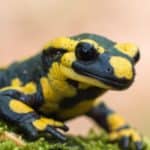
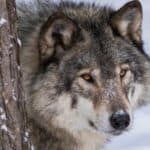
- Aggtelek National Park, located in the northeast region of Aggtelek Karst, is part of a UNESCO World Heritage Site that contains the largest stalactite cave in all of Europe. Visitors can find eagles, fire salamanders, deer, wild boar, kingfishers, swallowtails, grouses, and even the elusive lynxes and wolves.
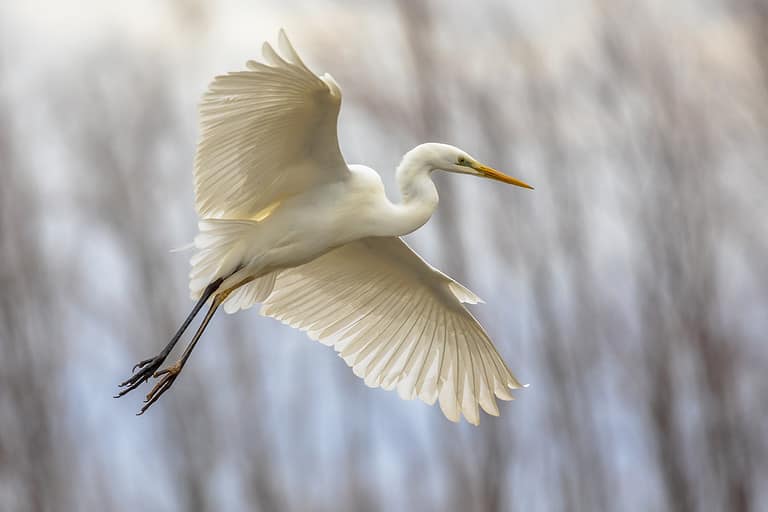
- Ferto-Hansag National Park, located in the northwest Gyor-Moson-Sopron county, straddles a large lake near the Austrian border. It is home to herons, common spoonbills, geese, great egrets, and many species of mammals and fish.
- Danube-Drava National Park is located in the southwestern Danube and Drava floodplains. Amid the nature trails and springs, visitors can catch glimpses of deer, boar, black storks, white-tailed eagles, and even some unique insects found nowhere else.
- The Kiskunsag National Park, scattered amid the plains and dunes of Bacs-Kiskun county, is an ornithologist’s paradise. It contains European rollers, great bustards, black-winged stilts, eagles, and more.
The Most Dangerous Animals in Hungary Today
Most of the Hungarian countryside is relatively safe to live in and travel. Excluding insects that can transmit diseases to humans, there are only a few venomous snakes and large carnivores you should look out for.
- Common European Viper – Easily identified by the dark zigzag pattern on the back, this large species is responsible for more bites than almost any other snake in Europe, simply because of how widespread it is. Intense pain will occur moments after the venom is injected into the body. This is followed by swelling, tingling, and blisters. But death only occurs in a very small number of untreated cases.
- Nosed-Horned Viper – This species is sometimes found along the border with Austria. It can be identified by the large and unique horn emerging from the nose. While not very common in Hungary, this snake can inject a very toxic kind of venom that may cause pain, swelling, discoloration, and sometimes dizziness and tingling as well. If left untreated, death can occur in a small number of cases. They are also a danger to domesticated dogs and cats.
- Brown Bears – Bear attacks are exceptionally rare; they occur in less than a percent of all on-foot encounters. But they may pose a danger to people (as well as dogs and other pets) if the bear feels threatened, surprised, or scared. The greatest number of bear attacks occurs when a mother is protecting her cubs.
Endangered Animals in Hungary
While Hungary does make an effort to protect its wildlife, these species are in danger of disappearing or becoming extinct from the country.
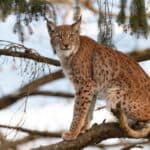
- Eurasian Lynx – While common elsewhere, the Eurasian lynx is a very rare sight in Hungary. It can only be found along the mountainous northern border with Slovakia.
- European Hamster – This wild and endangered rodent is native to grasslands throughout Europe and Asia. Its decline has been linked to the spread of farmlands, road construction, pollution, and deliberate hunting and persecution.
- Great Bustard – These large migratory birds are native to the Hungarian plains. It is in danger of becoming extinct in the country from habitat loss, nest disturbances, and accidental contact with power cables or other obstructions.
- Red-Breasted Goose – This unique-looking goose breeds in the Arctic Siberia and flies south toward the Black Sea for the winter. A very small population also resides in Hungary, but numbers appear to be declining almost everywhere from overhunting and habitat changes.
- Hungarian Meadow Viper – This is a very rare and endangered subspecies of the meadow viper. While not very dangerous, this snake can look quite intimidating. Numbers have fallen dramatically over the centuries from the transformation of the countryside into farms and cropland. It is now in danger of becoming extinct.