N S W E
Wildlife Expeditions

Wildlife of
Philippines

An archipelago of rainforests, cloud-draped mountains, and Coral Triangle reefs, the Philippines is celebrated for extraordinary endemism-rare birds, charismatic mammals, and world-class marine life found nowhere else on Earth.
335 Species
298,170 km² Land Area
Overview

About Philippines

The Philippines' wildlife character is defined by its island geography: thousands of isolated landmasses have acted as natural laboratories for evolution, producing exceptional levels of endemism in birds, mammals, reptiles, amphibians, and plants. From ancient dipterocarp lowland forests to misty montane and mossy cloud forests, many species occur on only one island or island group-making each destination feel like a distinct "mini-continent" for wildlife watching. This natural heritage is also highly vulnerable: habitat loss and wildlife trade have pushed numerous endemics into threatened categories, which in turn has fueled a growing network of protected areas, community-led conservation, and species recovery efforts.

Ecologically, the country spans some of Southeast Asia's most important habitats. Terrestrial highlights include remaining tracts of lowland rainforest and limestone karst forests-critical for endemic hornbills, parrots, and specialized reptiles-as well as high-elevation forests that shelter unique small mammals and amphibians. Just offshore, the Philippines sits in the heart of the Coral Triangle, the global epicenter of marine biodiversity. Its coral reefs, seagrass meadows, and mangroves support reef fish diversity on a spectacular scale and serve as nurseries for sharks, rays, turtles, and countless invertebrates-making marine ecosystems as central to the wildlife story as the forests.

Globally, the Philippines is a conservation priority because protecting its habitats safeguards outsized evolutionary and marine diversity relative to its area. It contributes to international efforts to conserve migratory birds along the East Asian-Australasian Flyway and to protect Coral Triangle reef systems that underpin fisheries, coastal resilience, and climate adaptation. What makes the wildlife experience unique is the "two-worlds" itinerary: in a single trip you can chase endemic forest birds and primates by day and snorkel or dive among vibrant reefs by afternoon-often with opportunities to support local sanctuaries, community marine reserves, and responsible ecotourism initiatives.

Physical Features

Geography

The Philippines' wildlife is shaped by its archipelagic geography: thousands of islands separated by deep channels limit dispersal and promote high endemism, while rugged mountains and active volcanoes create strong elevational gradients (lowland rainforest to montane and mossy forest) that partition species ranges. Extensive coastlines, mangroves, seagrass beds, and coral reefs (within the Coral Triangle) support globally important marine biodiversity, while monsoons and frequent typhoons drive habitat disturbance, river dynamics, and patchy forest cover-further influencing where species persist.

298,170 km² Land Area
~73rd largest country; about the size of Italy Size Rank

Key Landscapes

  • Major island groups and isolation barriers: Luzon, Visayas, Mindanao, Palawan, Mindoro, Sulu Archipelago (island biogeography drives endemism)
  • Mountain systems and high-elevation refugia: Sierra Madre and Cordillera Central (Luzon), Mount Apo and Central Mindanao ranges; montane/mossy forests for many endemic birds and mammals
  • Volcanic peaks and uplands (e.g., Mayon, Pinatubo, Taal region) creating young substrates, varied soils, and habitat mosaics
  • Lowland plains and agricultural frontiers: Central Luzon Plain, Cagayan Valley, Mindanao lowlands (historically key lowland rainforest areas; now fragmented)
  • Major river basins and freshwater wetlands: Cagayan River, Pampanga River, Agusan River, Mindanao River; floodplains and marshes important for waterbirds and crocodilians
  • Large lakes and inland waters: Laguna de Bay, Lake Lanao, Lake Mainit (critical freshwater habitats, fisheries, and endemic taxa in some systems)
  • Karst and limestone landscapes: Palawan karst, Bohol limestone hills/caves (cave fauna, swiftlets/bats, specialized forest communities)
  • Coastal wetlands and mangrove belts (nursery habitat for fish/crustaceans; roosting/feeding areas for waterbirds)
  • Seagrass meadows and coral reef complexes: Tubbataha Reefs, Apo Reef, Verde Island Passage, Sulu Sea reefs (key for reef fishes, turtles, sharks, marine mammals)
  • Deep-ocean trenches and pelagic waters: Philippine Trench and adjacent Philippine Sea (supports migratory tuna, cetaceans, and other pelagic wildlife)

Ecoregions

  • Luzon tropical moist forests (WWF)
  • Luzon tropical pine forests (WWF)
  • Mindanao-Eastern Visayas rain forests (WWF)
  • Negros-Panay rain forests (WWF)
  • Mindoro rain forests (WWF)
  • Palawan rain forests (WWF)
  • Sulu Archipelago rain forests (WWF; portions of the Sulu Archipelago)
  • Major marine ecological zones (MEOW-style): Sulu Sea, Celebes Sea, Philippine Sea, South China Sea/West Philippine Sea, Visayan/Bohol Sea reef-seagrass-mangrove systems
Parks & Reserves

Protected Areas

The Philippines' protected area system is primarily governed by the National Integrated Protected Areas System (NIPAS, 1992) and expanded under ENIPAS (2018). Protected areas are designated in categories such as Natural Park, Protected Landscape/Seascape, Wildlife Sanctuary, Natural Monument, Resource Reserve, and others, generally managed by the Department of Environment and Natural Resources (DENR) through site-level Protected Area Management Boards (PAMBs) with strong roles for local governments and Indigenous Peoples/communities. In addition to nationally proclaimed protected areas, the country also has extensive locally managed marine protected areas (MPAs) that are important for reef and fisheries conservation within the Coral Triangle.

Protected Coverage

Approximately ~15% of the Philippines' land area is under formal protection through nationally designated protected areas (NIPAS/ENIPAS and related proclamations). (Marine protection is also significant but varies widely by site and governance; many MPAs are locally designated and not always counted in national terrestrial protection figures.)

Notable Parks & Reserves

Tubbataha Reefs Natural Park (Sulu Sea)

Natural Park; UNESCO World Heritage (Natural)

A remote, strictly protected reef complex with some of the most intact coral reef and pelagic wildlife viewing in Southeast Asia; it is a globally important nesting/foraging area for seabirds and sea turtles and a key refuge for large reef predators.

Green sea turtle
Hawksbill sea turtle
Reef manta ray
Whale shark
Whale shark
Grey reef shark
Grey reef shark
Great barracuda
Red-footed booby

Puerto-Princesa Subterranean River National Park (Palawan)

National Park; UNESCO World Heritage (Natural)

A major karst-limestone forest and subterranean river system supporting high Palawan endemism, including important cave and forest fauna; it protects a large block of lowland forest critical for threatened birds and mammals.

Palawan hornbill
Philippine cockatoo
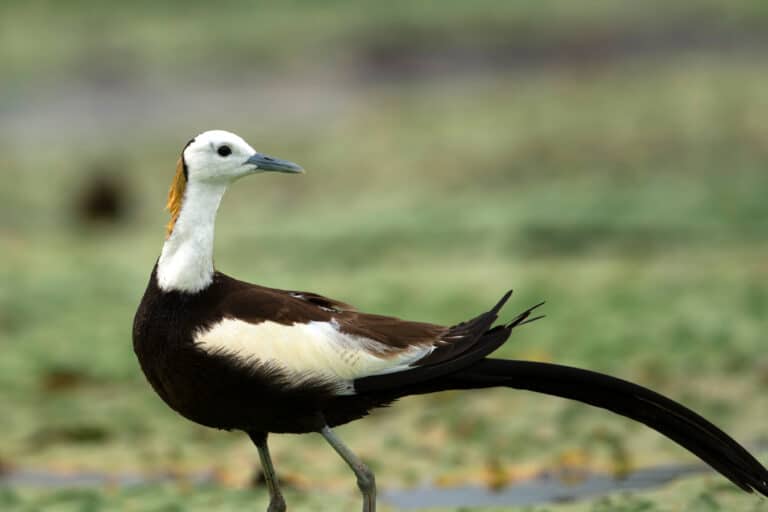
Palawan peacock-pheasant
Long-tailed macaque
Long-tailed macaque
Large flying fox
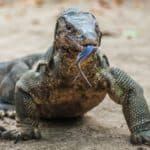
Monitor lizard
Monitor lizard

Northern Sierra Madre Natural Park (Luzon)

Natural Park

The country's largest terrestrial protected area, safeguarding extensive lowland-to-montane rainforest and watersheds that are vital for many of Luzon's rarest endemic birds and mammals.

Philippine eagle
Luzon bleeding-heart
Philippine warty pig
Philippine deer
Northern Luzon giant cloud rat
Rafflesia (giant flower)

Mount Apo Natural Park (Mindanao)

Natural Park

A high-elevation volcano-mountain complex with mossy forests and montane habitats that are crucial for Mindanao endemics; it is one of the best-known strongholds for the country's most iconic raptor.

Philippine eagle
Mindanao lorikeet
Mindanao scops owl
Philippine warty pig
Philippine brown deer
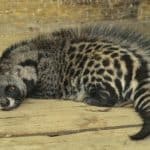
Civet
Civet

Mounts Iglit-Baco Natural Park (Mindoro)

Natural Park

The last stronghold of the critically endangered tamaraw and a key Mindoro biodiversity area, protecting grasslands and forests that support many island endemics and threatened species.

Tamaraw
Mindoro bleeding-heart
Mindoro hornbill
Philippine deer
Mindoro warty pig (Oliver's warty pig)

Apo Reef Natural Park (Occidental Mindoro)

Natural Park

One of the largest coral reef systems in the Philippines, known for clear-water diving, high coral diversity, and frequent encounters with turtles and large reef fish; it is a priority site for reef resilience and fisheries recovery.

Green sea turtle
Hawksbill sea turtle
Reef manta ray
Blacktip reef shark
Blacktip reef shark
Napoleon wrasse
Giant trevally
Giant trevally

Agusan Marsh Wildlife Sanctuary (Mindanao)

Wildlife Sanctuary; Ramsar Wetland of International Importance

A vast inland wetland complex of marshes, peatlands, and river channels that supports large waterbird congregations and serves as an important refuge for threatened freshwater and wetland-dependent wildlife.

Philippine crocodile
Saltwater crocodile
Purple swamphen
Whiskered tern
Egrets and herons (mixed)

Samar Island Natural Park (Eastern Visayas)

Natural Park

A major forest block in the eastern Philippines with extensive karst and rainforest habitats that are critical for threatened Visayan endemics and for maintaining watershed integrity across Samar.

Philippine eagle
Philippine warty pig
Philippine tarsier
Samar hornbill (Tarictic hornbill)
Flying foxes (large fruit bats)

UNESCO World Heritage Sites

  • Tubbataha Reefs Natural Park
  • Puerto-Princesa Subterranean River National Park
Animals

Wildlife

The Philippines is a mega-diverse, archipelagic country where isolation among thousands of islands has produced exceptionally high endemism-especially in forest birds, small mammals, reptiles, and amphibians. Wildlife experiences are defined by (1) remaining lowland and montane rainforests (Luzon, Mindanao, Palawan, Mindoro, Negros-Panay), (2) karst and cave systems supporting large bat colonies, and (3) globally important marine habitats within the Coral Triangle (reef fish, sharks/rays, turtles, and marine mammals). Many flagship species are threatened due to habitat loss and hunting, making protected areas and community-based sites crucial for viewing.

~220 species (many bats and rodents; high island endemism) Mammals
~760 species (very high endemism; many threatened forest birds) Birds
~320 species (notably diverse lizards/snakes; many island endemics) Reptiles
~110 species (high endemism, especially forest frogs) Amphibians

Iconic Species

Philippine Eagle Iconic national raptor and one of the world's largest eagles; a flagship for remaining old-growth forest. Best-known strongholds are in Mindanao (e.g., Mt. Apo and surrounding protected landscapes), with smaller populations on Luzon, Samar, and Leyte.
Philippine Tarsier Small, wide-eyed nocturnal primate strongly associated with Bohol and parts of Mindanao; a signature rainforest night species and a major visitor draw where viewing is managed with low-stress protocols.
Whale Shark
Whale Shark Seasonally predictable whale shark encounters are a major wildlife attraction (notably around Donsol, Sorsogon; and other sites). The Philippines is among the most important countries for regional whale shark conservation and tourism management.
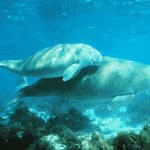
Dugong
Dugong A culturally important seagrass-grazing marine mammal with some of the country's best remaining populations around Palawan (notably in and around protected bays and seagrass meadows).
Hawksbill Sea Turtle Critically endangered reef turtle; the Philippines' reef systems (including remote protected areas) provide key foraging habitat, and some island groups support important nesting activity.
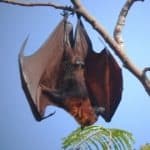
Giant Golden-crowned Flying Fox
Giant Golden-crowned Flying Fox One of the world's largest bats, famous for large day roosts in forested areas; an important seed disperser and a standout wildlife sight where colonies are protected.
Tamaraw Endangered dwarf buffalo found only on Mindoro; emblematic of Philippine endemism and best known from Mindoro's protected uplands (where access is typically regulated).
Philippine Crocodile A rare, freshwater crocodile with scattered, conservation-dependent populations; associated with freshwater wetlands and rivers (notably in parts of northern Luzon and Mindanao where recovery programs operate).
Palawan Peacock-Pheasant A sought-after endemic bird for wildlife travelers, tied to Palawan's forests; often detected by calls and careful forest birding in suitable protected habitats.

Endemic Species

Philippine Eagle Endemic apex forest raptor; conservation status reflects the condition of remaining primary forests across a few major islands. Endemic
Tamaraw Endemic to Mindoro; one of the country's most threatened large mammals and a key focus of Philippine conservation. Endemic
Philippine Tarsier Endemic primate of the southern/central Philippines; sensitive to disturbance and strongly linked to intact forest and careful ecotourism practices. Endemic
Philippine Pangolin Endemic to the Palawan faunal region; heavily threatened by illegal wildlife trade, making remaining wild populations globally important. Endemic
Philippine Crocodile Endemic freshwater crocodile; among the rarest crocodilians, surviving in a handful of protected wetlands and river systems. Endemic
Visayan Warty Pig Endemic to the Visayas (notably Negros and Panay); critically endangered due to habitat loss and hunting, with remnant populations in protected forests and conservation breeding programs. Endemic
Negros Bleeding-heart Endemic forest dove of Negros and Panay; a flagship for lowland forest conservation in the West Visayas. Endemic
Balabac Mouse-deer (Philippine Chevrotain) Tiny endemic ungulate restricted to the Balabac island group (south of Palawan); notable for extreme range restriction and vulnerability. Endemic
Cebu Flowerpecker Endemic songbird once feared extinct; now a classic example of rediscovery and the conservation importance of Cebu's remaining forest patches. Endemic
Luzon Giant Cloud Rat Endemic large rodent of Luzon's forests; emblematic of the Philippines' radiation of unique, island-evolved mammals. Endemic

Notable Populations

  • The Philippines holds essentially the entire global wild range of the Philippine Eagle, with the largest remaining strongholds on Mindanao.
  • Palawan contains the full global range of the Philippine Pangolin (Palawan pangolin), making conservation there globally decisive.
  • Mindoro holds the entire global population of the Tamaraw, concentrated in a small number of protected upland areas.
  • Several Philippine island groups and reefs (including remote protected areas) are regionally important for endangered sea turtles (hawksbill and green) for nesting/foraging within the Coral Triangle.
  • Seasonal whale shark aggregations (e.g., Donsol area) make the Philippines one of the most prominent locations in Southeast Asia for predictable whale shark encounters and associated management efforts.
Protection

Conservation

Primary Threats

  • Conversion and fragmentation of lowland dipterocarp forests, mangroves, and freshwater wetlands due to settlement expansion, land conversion, and coastal development; remaining primary forests are often confined to uplands and protected areas, leaving many island-endemics with small, isolated habitats.
  • Legacy and ongoing pressure from legal/illegal timber extraction, especially in remote upland forests; roads and access associated with timber operations can open intact areas to further encroachment and hunting.
  • Expansion of plantations (including oil palm and other commercial crops in some islands), smallholder agriculture, and shifting cultivation into forest margins; upland farming can increase erosion and sedimentation that smothers coral reefs and seagrass beds downstream.
  • Nickel, gold, and other mineral extraction in biodiversity-rich landscapes (often on ultramafic soils and forested watersheds) can drive forest clearing, river siltation, heavy metal contamination risks, and conflict over protected area boundaries and ancestral domains.
  • Road-building, ports, reclamation, hydropower and water projects, and tourism infrastructure can fragment habitats and alter watersheds; coastal infrastructure and reclamation can reduce mangroves and tidal flats important for fisheries and migratory birds.
  • Rapid growth of urban areas (including Metro Manila and expanding secondary cities) increases land conversion, coastal reclamation, wastewater loads, and demand for construction materials, adding pressure to nearby watersheds and coasts.
  • High fishing effort in municipal waters and key straits, combined with illegal/destructive practices in some areas, reduces reef fish biomass and undermines food security; depleted stocks increase reliance on smaller/juvenile catch and can push fishing into sensitive habitats.
  • Marine litter (notably plastics), untreated or partially treated sewage, and agricultural runoff degrade coastal water quality; sedimentation from upland land-use change and quarrying reduces reef resilience and affects seagrass and nearshore fisheries.
  • Rising sea temperatures drive coral bleaching events across Coral Triangle reefs; stronger typhoons, sea-level rise, and changing rainfall patterns increase landslides and flooding, damage coastal habitats (mangroves/reefs), and heighten extinction risk for species restricted to single islands or mountaintops.
  • Illegal collection and trade of endemic birds, reptiles, and other wildlife for pets, traditional uses, and online markets; the archipelago's many ports and inter-island transport routes complicate interdiction and enforcement.
  • Local hunting and opportunistic take persist in some rural areas for food or retaliation, affecting vulnerable endemic birds and mammals, particularly where habitats are fragmented and populations are small.
  • Crop raiding and perceived threats (e.g., by monkeys, fruit bats, or other wildlife) can lead to persecution; conflicts can intensify where forest edges meet farms and settlements, especially on smaller islands with limited remaining habitat.
  • Invasive rats, cats, dogs, and invasive plants threaten island-nesting birds, reptiles, and small mammals; invasives can spread rapidly among islands via shipping and can be especially damaging in small protected areas or on offshore islets.
  • River modification, drainage, and water diversion, plus coastal alteration (e.g., mangrove conversion historically for aquaculture and coastal engineering) change hydrology and reduce nursery habitats critical for fisheries and coastal protection.
  • High tourism pressure in some destinations (e.g., popular reefs, islands, and caves) and intensive recreation can disturb wildlife, increase waste, and damage reefs and nesting sites without strong visitor management.
Visit

Wildlife Tourism

The Philippines is one of Asia's most rewarding wildlife destinations, combining rainforest endemics and world-class marine life across 7,000+ islands in the Coral Triangle. Wildlife tourism supports local livelihoods through community-run boat tours, dive operators, guides/porters, homestays, and protected-area fees-especially in marine hotspots (whale shark and dolphin watching, diving) and flagship terrestrial sites (birding and primate viewing). Conservation-linked tourism has grown notably since the 1990s-2000s with the expansion of marine protected areas and ecotourism programs; some sites (e.g., Apo Island, Tubbataha) became global models for reef protection. Accessibility is generally good for major hubs via flights to Cebu, Puerto Princesa (Palawan), Bohol, Davao/General Santos (Mindanao), and domestic ferries; however, the best wildlife areas often require early starts, rough roads/boat crossings, and weather-flexible planning. Practical notes: follow local regulations (especially around whale sharks and nesting sites), hire accredited guides for sensitive habitats, and plan around monsoon/typhoon season as sea conditions strongly affect marine excursions.

Best Time to Visit

Marine and terrestrial seasons vary by region, but a practical planning window is **December-May** (drier, calmer seas) for multi-island wildlife trips.

**January-March**
- **Whale sharks (Donsol, Sorsogon)**: peak sightings often occur in these months; boat-based viewing is weather-dependent.
- **Pelagic diving (Tubbataha liveaboards begin in March)**: improving visibility and calmer conditions.
- **Birding**: many resident endemics are active; some migratory birds still present.

**April-May**
- **Tubbataha Reefs Natural Park (Palawan)**: prime season (liveaboard-only), excellent visibility; sharks, mantas, turtles, large schools.
- **Sea turtles**: strong chances on many reefs; good snorkeling conditions in numerous areas.
- **Rainforest hikes**: generally easier trail conditions before heavy rains.

**June-August** (monsoon/rougher seas in many areas; choose location carefully)
- **Whale sharks (Oslob, Cebu)**: year-round but with ethical concerns; seas can be rough elsewhere.
- **Certain bird breeding activity**: varies by island; expect more rain and leeches in some forests.

**September-November**
- **Shoulder season**: fewer crowds; intermittent storms. Good for flexible travelers.
- **Dolphin watching (Bohol/Visayas)**: possible year-round, best on calm mornings.

Planning tip: if your priority is **reef and big marine life**, target **March-May**; if your priority is **whale sharks in a regulated wild setting**, target **January-March in Donsol**; for **birding + mixed activities**, **February-April** is a strong all-around window.

Top Wildlife Experiences

  • Join a regulated **whale shark encounter by boat in Donsol (Sorsogon)**-spot sharks from a paddle boat, enter the water only when allowed, and keep respectful distance (best Jan-Mar).
  • Take a **Tubbataha liveaboard expedition (Palawan)**-multiple days of remote reef diving/snorkeling with reef sharks, turtles, rays, and dense coral (best Mar-May; permits and strict rules apply).
  • Do a **dawn birding hike with a local guide in the Puerto Princesa Subterranean River National Park area (Palawan)** or nearby forest trails-target hornbills, kingfishers, and endemic forest birds (best in the dry season mornings).
  • Try **tarsier viewing with a conservation-focused sanctuary visit (Bohol)** combined with a guided forest walk for other small wildlife; go early/late for quieter conditions and minimal disturbance.
  • Go on a **sunrise dolphin-watching boat trip in the Visayas (e.g., Bohol Sea)**-look for pods in calm morning waters; pair with responsible snorkeling on nearby reefs.
  • Snorkel or dive a community-managed reef such as **Apo Island (Negros Oriental)**-expect sea turtles, schooling fish, and strong coral; hire local guides and follow buoy/entry rules (best Dec-May).
  • Join a **night walk (guided) for amphibians and reptiles** in a rainforest or foothill reserve (availability varies by island)-a high-yield way to see geckos, frogs, and nocturnal insects; bring a headlamp and rain protection.
  • Do a **mangrove paddle/kayak eco-tour** (available in multiple coastal areas, including Palawan and the Visayas)-spot mudskippers, crabs, herons/egrets, and learn about blue-carbon ecosystems.
  • Book a **frogfish/macro "muck" dive** in an established dive hub (e.g., Anilao, Batangas)-focus on nudibranchs, seahorses, mimic octopus (season varies, often good year-round with calmer months favored).
  • Take a **river or estuary wildlife cruise at dusk** (where offered) to look for roosting waterbirds, bats, and bioluminescence in some locales; choose operators that avoid loud motors and spotlighting wildlife excessively.

Safari Types Available

  • Boat-based wildlife viewing (whale sharks, dolphins, seabirds)
  • Liveaboard dive "safari" (remote reef circuits such as Tubbataha season)
  • Scuba diving and snorkeling safaris (reef-focused trips across multiple islands)
  • Birding-focused guided hikes (dawn-to-midmorning, forest/edge habitats)
  • Walking safaris/trekking in rainforest and montane habitats (with local guides)
  • Night safaris on foot (nocturnal amphibians, reptiles, insects; limited to permitted sites)
  • Kayak/canoe safaris in mangroves, lagoons, and estuaries
  • River cruises and wetland hides/observation (waterbirds, bats; site-dependent)
  • Community-based ecotours (guide-led, conservation fee-supported experiences)
  • Underwater photography/macro safaris (specialized dive itineraries)
Fun Facts

Did You Know?

The "Philippine flying lemur" isn't a lemur and doesn't truly fly: it's the Philippine colugo (Cynocephalus volans), a gliding mammal that spreads a skin membrane from neck to fingertips to tail to sail between trees.

Some Philippine "rats" live like canopy-dwelling fluff-balls: giant cloud rats (e.g., Luzon giant cloud rat, Phloeomys spp.) can reach ~2-3 kg and spend much of their lives in trees, looking more like oversized squirrels than typical rats.

The Philippines has a crocodile that can turn up in surprisingly small, human-altered waters: the Critically Endangered Philippine crocodile (Crocodylus mindorensis) may persist in freshwater marshes, ponds, and even irrigation canals/rice-field wetlands, not just remote big rivers.

Palawan's wildlife can feel 'un-Philippine' because the island's biogeographic ties are closer to Borneo than to many other Philippine islands-reflected in distinctive species like the Palawan pangolin (Manis culionensis) and Palawan porcupine (Hystrix pumila).

The Philippine eagle's nickname ("monkey-eating eagle") is misleadingly narrow: in the wild it's a versatile apex predator that also takes prey like flying lemurs/colugos, large birds, and other forest animals-an adaptation to the Philippines' patchwork of island forests.

Giant golden-crowned flying fox (Acerodon jubatus): among the world's largest bats, with reported wingspans up to ~1.7 m; it's also endemic to the Philippines and threatened by habitat loss and hunting.

Philippine tarsier (Carlito syrichta): one of the world's smallest primates-adults are often cited at roughly ~85-160 g-yet it has outsized eyes for its body (a signature adaptation for nocturnal hunting).

Tawilis (Sardinella tawilis): a rare freshwater member of the sardine genus Sardinella, found naturally only in Taal Lake (a volcanic caldera lake) on Luzon; it is endemic to the Philippines.

Apo Reef Natural Park (Occidental Mindoro): one of the largest coral reef systems in the Philippines; the reef complex is about 34 km² (≈3,400 ha), and the protected area is about 27,469 ha.

Verde Island Passage (between Batangas, Mindoro, and nearby islands): dubbed the "center of the center" of marine shore-fish biodiversity, with scientific surveys highlighting it as having the highest concentration of marine shore-fish species per unit area globally within the Coral Triangle.

Across the 7,600 plus islands that make up the Philippines, you can find over 52,177 different types of animals. The country has one of the highest rates of discovery of new animal species in the world.

Over 50% of these species exist nowhere else on earth. Encroachment, land fragmentation, and habitat loss threaten over 700 animals with extinction.

The Official National Animal
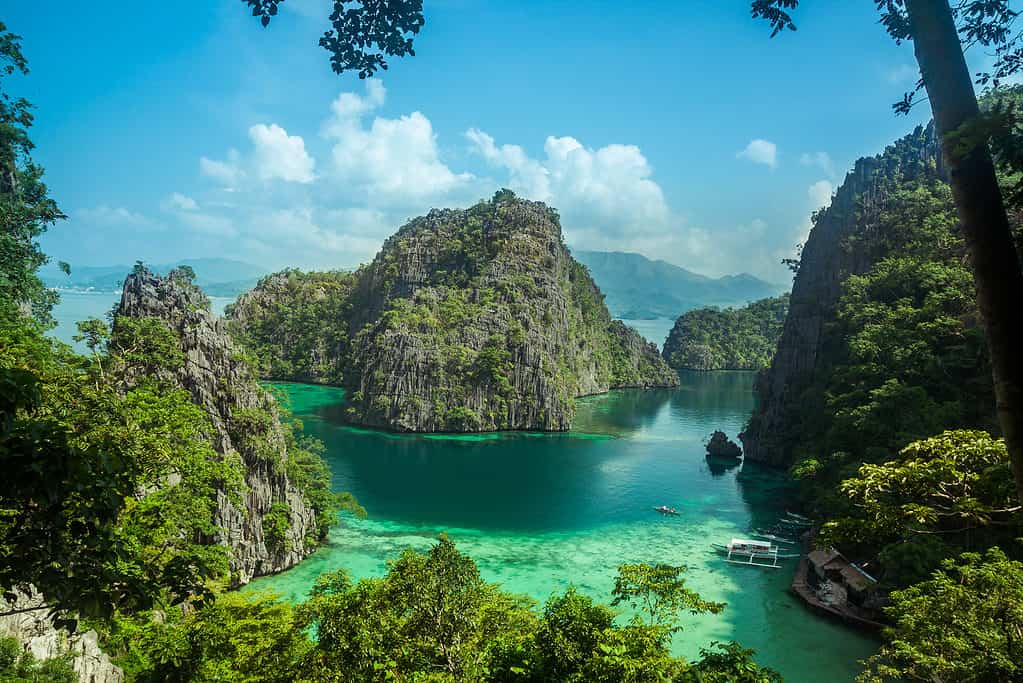
Coron, Palawan Island, Philippines

The waters at Coron on Palawan Island in the Philippines.

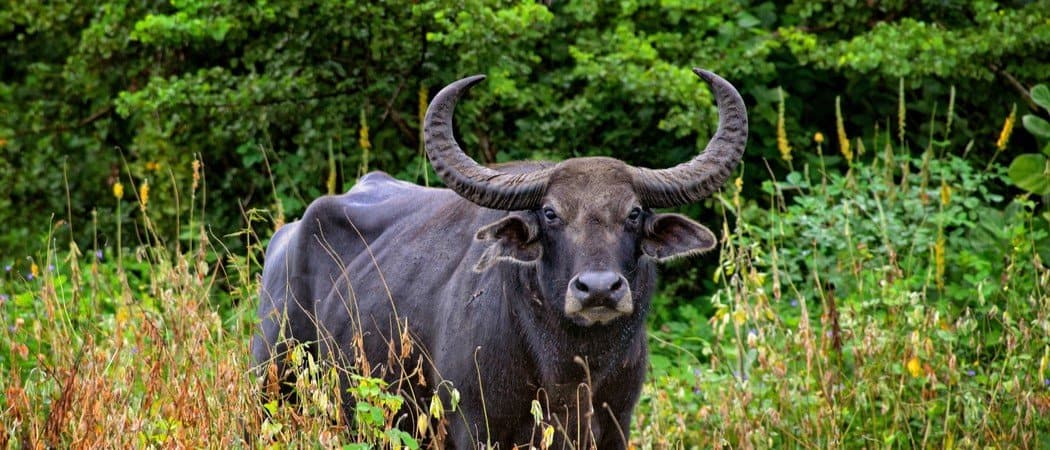
While many believe the national animal of the Philippines is the carabao, a native water buffalo, this is false. While the carabao is an important and symbolic creature in the Philippines, the official national animal is actually the Philippine eagle. This was declared in 1995 by the Philippine government in proclamation No. 615.

This domesticated animal is a valuable source of labor, transportation, and food in many parts of the country, particularly in rural areas. The Carabao is known for its strength and endurance and is often used to plow fields and carry heavy loads. It is also a symbol of hard work, determination, and resilience, qualities that are highly valued in Filipino culture.

The Carabao is a vital part of the Philippines’ agricultural heritage and a source of pride for many Filipinos.

Rarest Animals in the Philippines

The Philippines is home to a diverse array of wildlife, including many species that are found nowhere else in the world. However, many of these species are under threat due to habitat loss, deforestation, and illegal hunting. Some of the rarest animals in the Philippines include the Philippine Eagle, the Tamaraw, and the Visayan Warty Pig.

The Philippine Eagle, also known as the Monkey-Eating Eagle, is one of the rarest birds of prey in the world, with an estimated population of only 400 pairs remaining in the wild. This majestic bird can be found in the forests of Luzon, Mindanao, and Samar, and is known for its distinctive crest of feathers and powerful talons. The Philippine Eagle is critically endangered due to habitat loss and hunting and is protected under Philippine law.

The Tamaraw is a critically endangered species of dwarf buffalo that is found only on the island of Mindoro. There are believed to be only around 500 Tamaraws remaining in the wild, making it one of the rarest animals in the Philippines. The Tamaraw is threatened by habitat loss, disease, and hunting, and efforts are being made to protect and preserve this iconic species.

The Visayan Warty Pig is a critically endangered species of pig that is found only in the Visayan Islands of the central Philippines. This unique species is distinguished by the warty growths on its face, which are used for display during mating rituals. The Visayan Warty Pig is threatened by habitat loss, hunting, and disease, and is protected under Philippine law.

The Largest Animals in the Philippines

The Philippines is home to a wide range of animal species, including some of the largest animals in the world. These include the Whale Shark, the Saltwater Crocodile, and the Tamaraw.

The Whale Shark, also known as the Butanding, is the largest fish in the world and can be found in the waters around the Philippines. These gentle giants can grow up to 40 feet in length and weigh up to 20 tons and are a popular attraction for tourists looking to swim or dive with them. Despite their size, Whale Sharks are harmless to humans and feed primarily on plankton.

The Saltwater Crocodile, also known as the Estuarine Crocodile, is one of the largest crocodile species in the world and can be found in the waters and estuaries of the Philippines. These massive reptiles can grow up to 23 feet in length and weigh up to 2,200 pounds and are known for their powerful jaws and aggressive behavior. While attacks on humans are relatively rare, Saltwater Crocodiles are considered dangerous animals and are protected under Philippine law.

The Tamaraw, a species of dwarf buffalo found only on the island of Mindoro, is one of the largest land animals in the Philippines. These impressive creatures can grow up to 4 feet tall at the shoulder and weigh up to 300 kilograms and are known for their impressive strength and endurance. Unfortunately, the Tamaraw is also one of the most endangered species in the Philippines, with only a few hundred individuals remaining in the wild.

Where To Find The Top Wild Animals in the Philippines
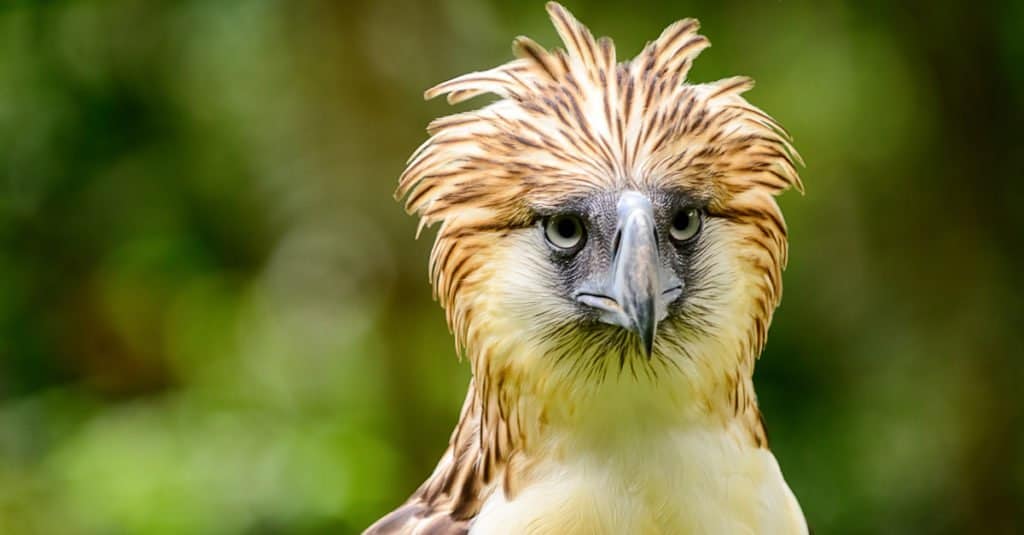
Largest Birds of Prey - Philippine Eagle

The Philippine Eagle has a unique look that helps it blend in with the environment.

Found on these islands are a surprising amount of animals native to the Philippines, some of which are rarely if at all, found anywhere else in the world. Since the Philippines is spread across over 7,000 islands, it is important to know where to find the top wild animals.

  • Philippine Eagle – The Philippine eagle is the national bird and the world’s tallest and longest. Look for this bird on Mount Kitanglad. You can also see this bird on Mindanao, Luzon, Leyte, and Samar islands.
  • Brahminy Kites – This large bird of prey resides in Bohol, Mindoro, Palawan, Cebu, Marinduque, Guimaras, Leyte, Lubang, Sarangani, Masbate, and Tawi-Tawi.
  • Dugong Sea Cow – See this sea mammal that can weigh up to 650 pounds around Palawan Island.
  • Whale shark – The Philippines has the third densest population of whale sharks in the world. You may be able to swim with them in the waters surrounding Leyte, Tubbataha, Donsol, and Oslob islands.
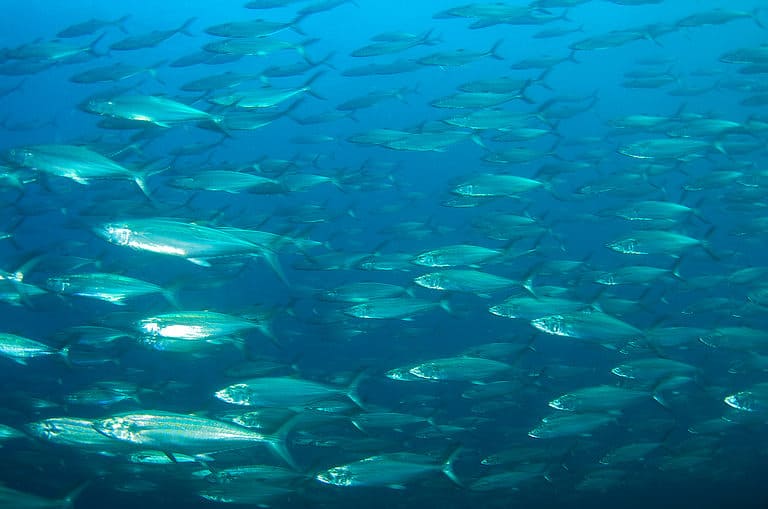
  • Sardines – Snorkel with about 8 million sardines off the waters near Panagsama, Moalboal, Philippines.
  • Tarsier – The candy-bar-sized tarsier, the second-smallest primate in the world, is found in Corella, Bohol, Philippines. Look for this mammal that hunts at night high in trees.
  • Tokay gecko – If you hear something that sounds like you are winding an old-fashioned alarm clock, look for a Tokay gecko nearby. This species is the second-largest species of gecko, and you can spot it on Luzon Island.
  • Tamaraw – These small-hooved mammals are cherished by the Filipino people that live in Mindoro.
  • Philippine crocodile – Head to Northern Sierra Madre Natural Park to see the Philippine crocodile, which is the rarest crocodile in the world.

Native Birds

The Philippines has the third highest number of endemic birds, following Indonesia and Australia. Found on these islands are around 714 avian species: 243 endemics, three introduced, and 52 accidental. Birdwatching in the Philippines can be somewhat difficult, having to travel across the different islands, many of which have unique dialects.

Unfortunately, many of the native species are declining in population due to human encroachment and habitat loss, leading to endangerment and extinction.

There are 4 main areas of the archipelago especially popular for wildlife and bird watching:

  • Luzon is the largest island, containing a diverse array of environments and several associated islands. Relatively easy to navigate, finding the popular species to see usually takes a day or two of travel. Species unique to Luzon include the Luzon bleeding heart and the Luzon hornbill. Other species found in Luzon include the Flame-breasted Fruit Dove, Penelopides, and Gallicolumba, to name a few.
  • The Visayas consists of the majority of the Philippine Islands but is not long to travel as many of the islands are small. Due to the rise in human population, many native species are difficult to find or extinct on these islands. While hopping the Visayas, keep an eye out for Negros Scops owls, Visayas Tarictic Hornbills, Yellow-faced Flamebacks, and Flame-templed Babblers.
  • Mindanao is generally avoided due to instability within the country. However, it is one of the last homes of the Philippine Eagle, the national bird, and an endemic species. Travel is still possible but takes careful organization and planning in advance. The Apo sunbird, Southern Silvery Kingfisher, Mindanao Blue Fantail, and the Red-eared Parrotfinch are species to look for in Mindanao.
  • Palawan, tropical in climate, is a popular destination for tourists and birdwatchers. Many other types of animals can be seen on the island, as well, making for a good pastime while on the lookout for avian species. Palawan is home to several endemic species, such as the Palawan Scops owl, the Palawan Hornbill, and the Palawan tit. Other birds found on the island are the Melodious Babbler, White-vented Shama, and the Lovely Sunbird.

Native Fish
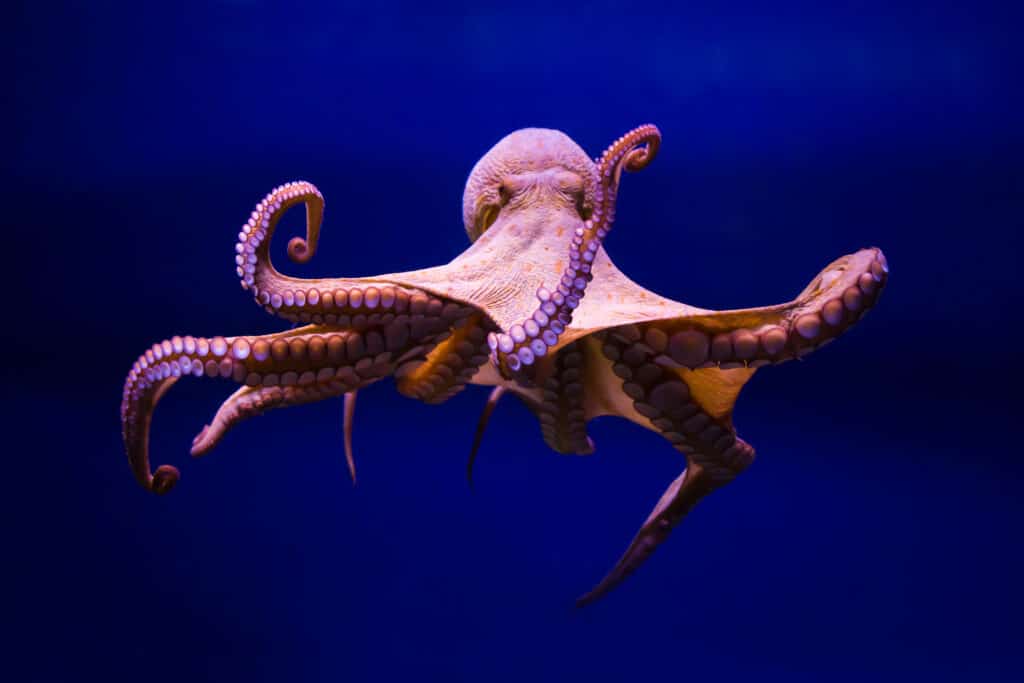
Octopus in Water

Octopuses are soft-bodied, eight-limbed molluscs of the order Octopoda.

The Philippines is surrounded by around 1.36 million square miles of ocean and 11,000 miles of shoreline. In these waters, countless incredible species of marine life live, such as whale sharks, pygmy seahorses, cuttlefish, and blue ring octopus.

Over 2,000 fish species swim the waters, contributing to an expansive fishing ecosystem. Anglers from around the world come to these waters to experience the wildlife but to also gamefish for unique species. The Siargao Islands host an International Gamefishing Tournament, where fishermen compete to catch the largest fish. Fish can be caught year-round with the best season ranging from March to May. Dorado, billfish, sailfish, marlin, and tuna are common catches in these parts.

Subic is known for its incredible reefs surrounding shipwrecks, attracting many species such as wahoo, mackerel, barracuda, sailfish, and giant trevally during the season of October to around June.

Freshwater fishing is also popular in many lakes of the archipelago. Largemouth bass fishing prevails at lakes Lumot and Caliraya, outside of Manila.

It is important to check out the local fishing guidelines and regulations before planning a trip in order to protect endangered species and habitats.

Native Snakes

About 175 species of snakes live on the Philippine Islands or swim in the waters.

The archipelago is home to the longest snake in the world, the longest venomous snake (King Cobra), and the snake species with the longest venom glands (long-glanced coral snakes).

Many venomous sea snakes swim in the oceans surrounding the islands, a few examples include Coral Reef Snakes, Yellow-lipped Sea Kraits, Laticauda, and Hydrophis semperi (freshwater).

Families of snakes found on the islands include:

  • Pythons: Reticulated pythons are the only pythons in the archipelago rainforests.
  • Elapids: Venomous snakes with fangs erect at the front of their mouths. Includes cobras, such as the King Cobra, Northern Philippine Cobra, Southern Philippine Cobra, and Equatorial Spitting Cobra. Also includes 3 coral reef species and 20 species of sea snakes and sea kraits.
  • Blind Snakes: Small, burrowing snakes that are harmless and elusive. They are names for their reduced, vestigial eyes.
  • Pit Vipers: Medium-sized, venomous, tree-dwelling snakes with folding fangs at the front of their mouths. Wagler’s pit vipers generally symbolize good fortune.
  • Colubrids: Mostly venomous but not considered dangerous to humans. Examples include the Red-tailed rat snake, the banded wolf snake, reed snakes, and bronze backs.

Make sure to keep an eye on the ground, trees, and ocean when exploring the magnificent islands of the Philippines. If bitten by a snake, venomous or not, seek professional medical attention.

The Most Dangerous Animals in the Philippines Today

Among them are venomous snakes such as the Philippine Cobra and the Malayan Pit Viper, which can cause serious illness or death if not treated promptly. The Saltwater Crocodile, one of the largest crocodile species in the world, is also found in the Philippines and has been known to attack and kill humans.

The Box Jellyfish, which is found in the waters around the Philippines, can deliver a lethal sting that can cause heart failure and respiratory distress. While encounters with these dangerous animals are relatively rare, it is important for visitors and residents alike to exercise caution and take appropriate safety measures to avoid potential harm.

While many unique Filipino animals are not dangerous, there are a few that you need to be aware of if you visit this island nation.

  • Mosquitoes – Approximately 85,000 dengue cases are reported in the Philippines annually. This viral disease carried by mosquitoes kills about 500 people annually.
  • Dogs – About 250 people are killed by rabies transmitted from dog bites in the Philippines annually.
  • Philippine cobra – In rural areas of the Philippines, approximately 107 people per 100,000 died of bites from the Philippine cobra. Most died before they could reach a hospital.
  • Jellyfish – In particular, bites from the box jellyfish kill about 30 people annually.

Endangered Animals

Sadly, many of the animals living in the Philippines are endangered. Common threats to habitats and populations include overhunting, industrial development, and habitat fragmentation. While the country has passed laws to protect wildlife, they have not done a very good job of enforcing those laws, so exotic animals have minimal protection.

Some of the most notable Philippine endangered wildlife include:

  • Philippine eagle
  • Philippine freshwater crocodile
  • Tamaraw
  • Visayan Wrinkled Hornbill
  • Philippine cockatoo
  • Negros bleeding-heart
  • Philippine naked-backed fruit bat
  • Philippine forest turtle
  • Dinagat cloud bushy-tail rat
  • Hawksbill sea turtle

Zoos in the Philippines

Zoos and wildlife parks are great places to visit with children and families when looking for a fun adventure. There are around 15 zoos located in the Philippines, here are the top 5:

  1. Cebu Safari (Cebu) – The largest and most popular zoological park, Cebu Safari spans 170 hectares (420 acres). Animals roam relatively freely, including Bengal tigers, wildebeest, giraffes, greater kudu, etc. The park also includes an expansive orchid garden, aesthetically pleasing to visitors.
  2. Zoobic Safari (Bataan) – Located on 25 hectares (61 acres), visitors are welcome to pet and meet animals. Approachable animals include ferrets, bearcats, guinea pigs, and ducks. Monkeys, eagles, bears, and many more species also exist within the park. Exclusively at this park, a tiger jumps on safari cars while devouring a chicken carcass, giving visitors a full experience of seeing a tiger up close and personal.
  3. Avilon Zoo (Rizal) – Over 3,000 species, both native and exotic, fill this expansive park. The Avilon Zoo is known for its conservation efforts to help protect and preserve endangered species. Visitors are able to feed deer, wild horses, giant tortoises, and waterfowl while viewing other exhibits of intelligent and playful animals.
  4. Calauit Safari Park (Busuanga) – While not as accessible as other zoos in the country, the park is home to an array of species including crocodiles, giraffes, Philippine mouse deer, Philippine porcupine, and the Palawan bearded pig to name a few.
  5. Ninoy Aquino Parks and Wildlife Center (Manila) – Holds a Wildlife Rescue Center used by the Department of Environment and Natural Resources (DENR) as a temporary refuge for injured, abandoned, donated, sick, or confiscated wildlife. Many indigenous species, such as the Philippine deer, Palawan bearded deer, water monitors, binturongs, and crab-eating macaques. One of the best zoos in the country and many intriguing avian species are also housed here.

The Flag of The Philippines

People waving flags of the Philippines

People in the Philippines are proud of their country.

The Philippines’ flag has four colors: red, blue, white, and yellow. The red and blue form horizontal bands across the majority of the flag. A white triangle lies against the pole side, and inside this triangle is a yellow sun with eight rays. Each ray of the sun represents a province of The Philippines.

The left-to-right royal blue stripe stands for peace, truth, and justice, while the red stripe represents valor and patriotism. Lastly, the white triangle stands for equality, liberty, and brotherhood.

The Flag of the Philippines, also known as the “Three Stars and a Sun,” is a national symbol that represents the country’s struggle for independence. The flag features a white triangle with three stars, representing the three main island groups of the Philippines: Luzon, Visayas, and Mindanao.

The blue stripe symbolizes peace, truth, and justice, while the red stripe represents patriotism and valor. The sun in the middle of the flag has eight rays that represent the eight provinces that first rose up against Spanish colonial rule. The flag is raised on national holidays and occasions and is a source of pride for the Filipino people.

Philippines’ Native Trees
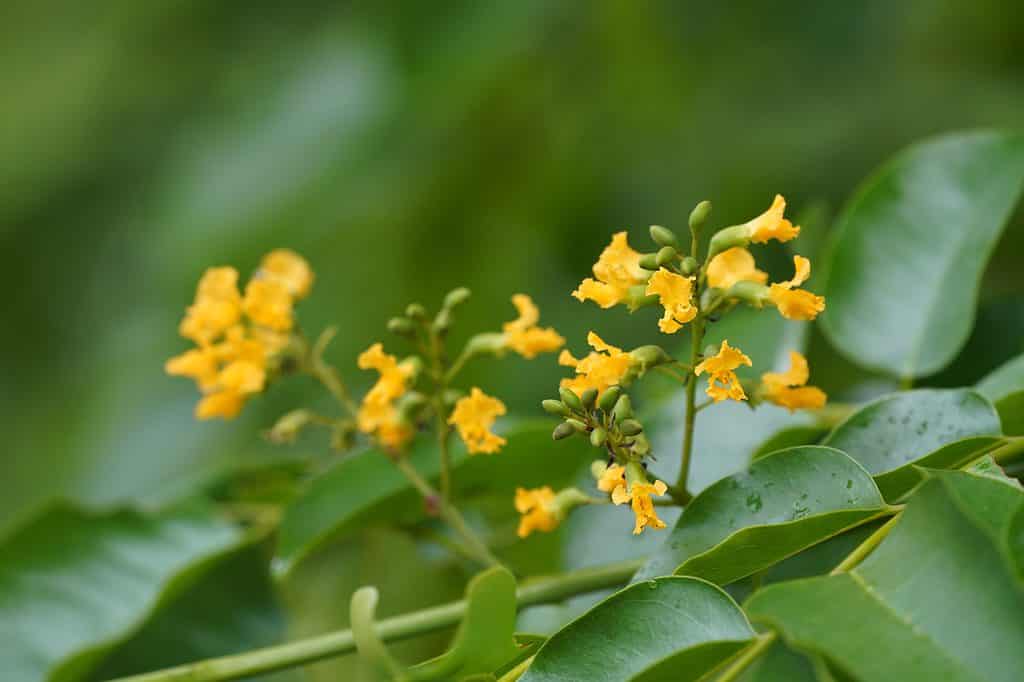
Narra Tree in Spring Bloom

Narra Tree in Spring Bloom

The Philippines is a biodiversity mecca filled with a rich variety of flora and fauna. Here, we take a look at some of the most amazing trees that are native to the Philippines and learn more about their origins, flowers, fruits, and more.

The Philippines is home to a rich variety of native trees that are important to the country’s ecology and biodiversity. Some of the most well-known native trees include the Narra, which is the national tree of the Philippines, and the Yakal, a hardwood tree that is highly valued for its strength and durability.

Other native trees include the Molave, a hardwood tree that is often used for furniture and construction, and the Banaba, a medicinal tree that has been used for centuries to treat various ailments.

Many of these native trees are threatened by deforestation and habitat destruction, and efforts are being made to preserve and protect them for future generations.

National Flower of the Philippines
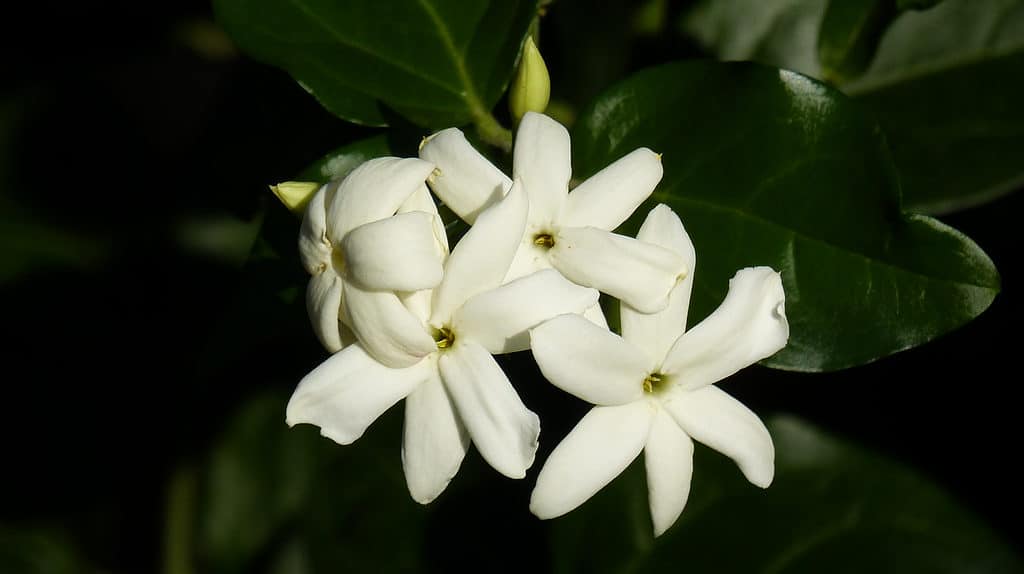
Jasmine flowers

Let’s discover the national flower of the Philippines: the Sampaguita. This fragrant beauty grows in tropical places and blooms at night!

The national flower of the Philippines is the Sampaguita from the Oleaceae family. It’s a Filipino symbol of purity, simplicity, humility, and strength and the subject of many Filipino legends.

The National Flower of the Philippines is the Sampaguita, also known as the Arabian Jasmine. It is a small, white, fragrant flower that is widely cultivated throughout the country and is a symbol of purity, simplicity, humility, and strength.

The Sampaguita is often used in religious and cultural ceremonies and is also a popular ornamental plant. It is said that the scent of the Sampaguita represents the resilience and perseverance of the Filipino people, who are known for their strength and ability to overcome adversity.

The Sampaguita is a beloved symbol of the Philippines and a source of national pride for Filipinos everywhere.

Animals Found in Philippines

335 species documented in our encyclopedia

Thank you for reading! Have some feedback for us?