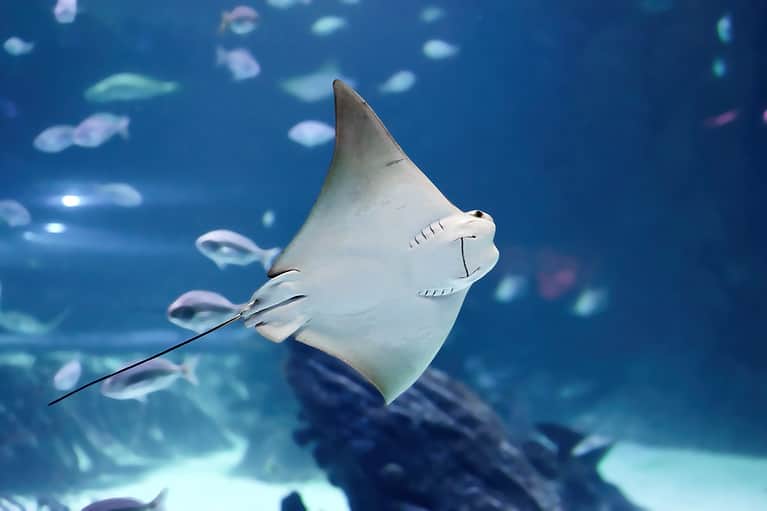
Stingray
Stingrays: discs, senses, and surprises

Stingrays: discs, senses, and surprises
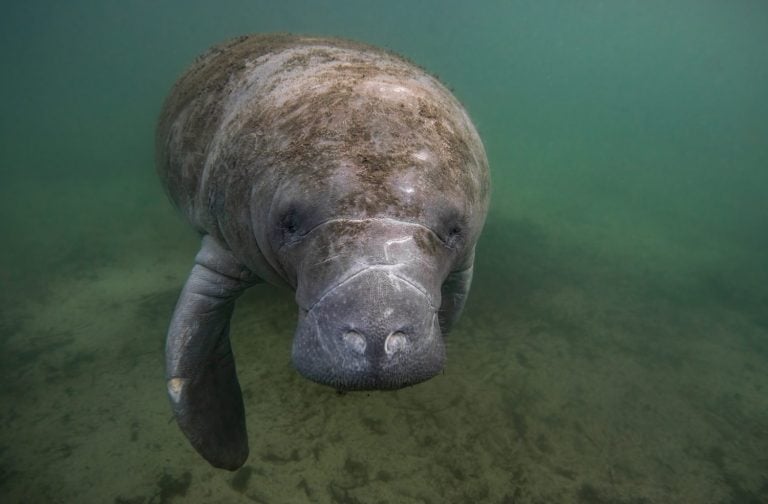
Gentle giants of warm waters
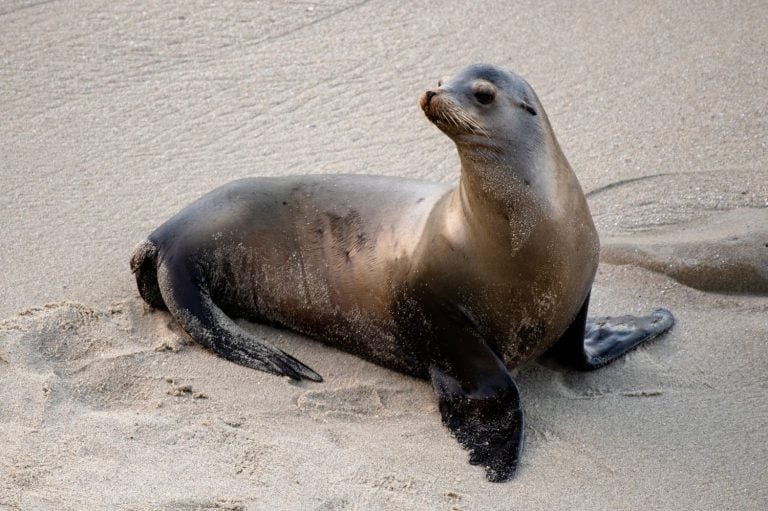
Ear flaps, flippers, and fierce colonies
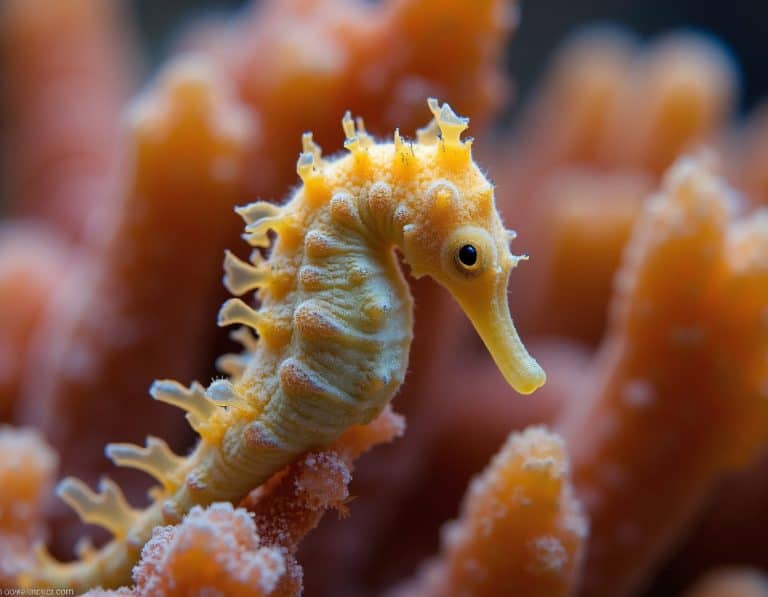
Dads who carry the ocean's babies
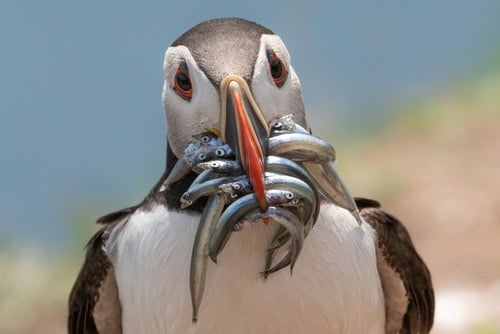
Wing-powered divers of the cold seas
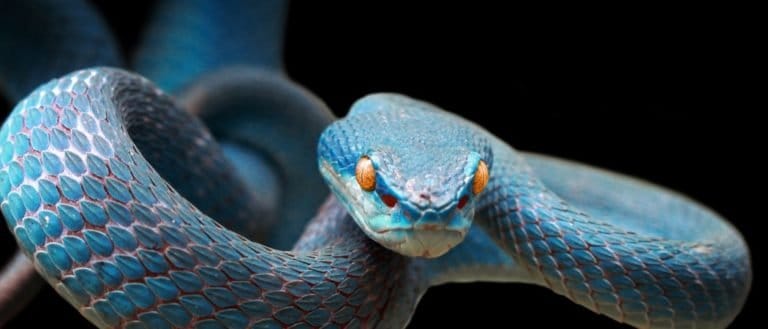
Built to glide, strike, and swallow
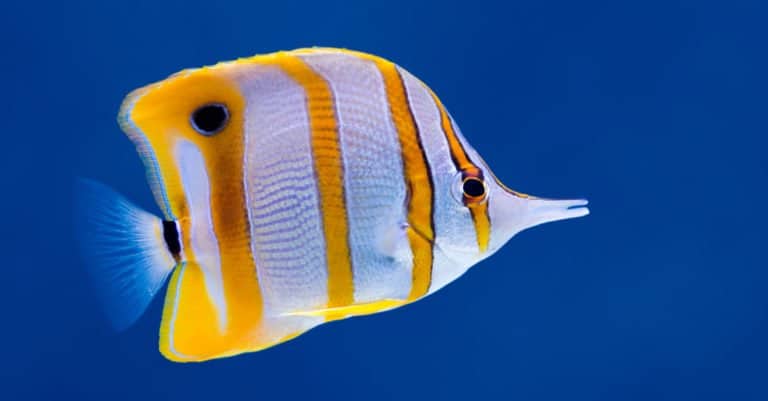
Color-coded courtiers of the coral reef
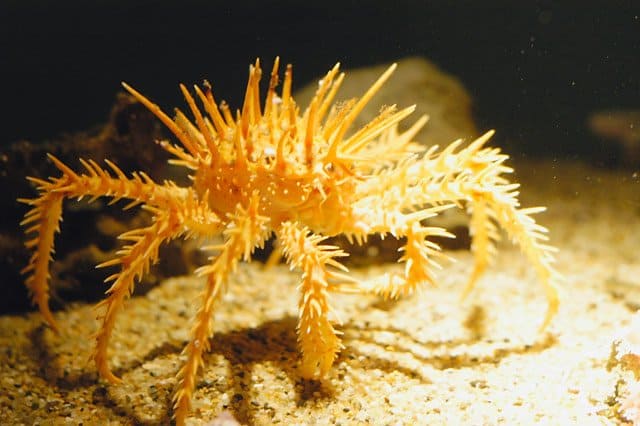
Cold-water royalty of the seafloor
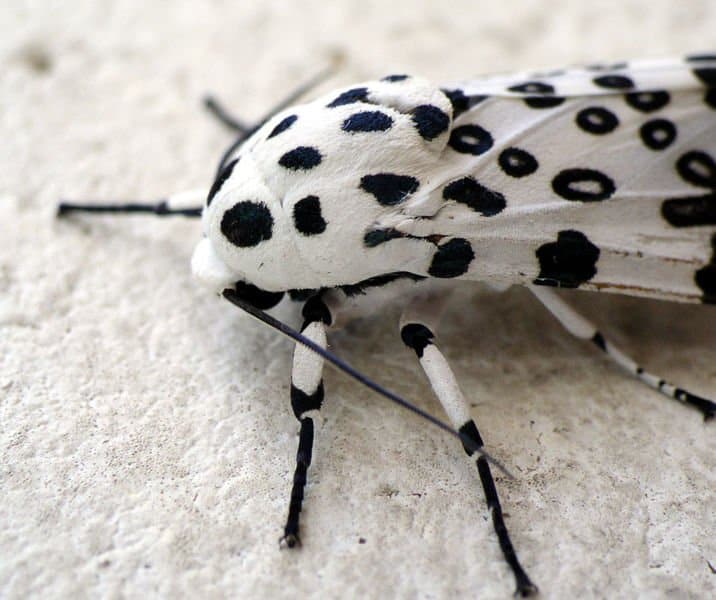
Six legs, endless lives.
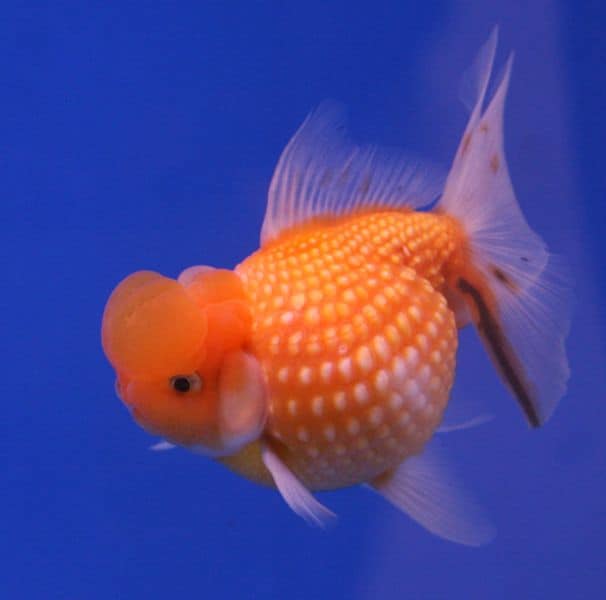
Bony rays, endless ways.
The seabed (benthic) habitat is the ocean floor-its sediments and hard substrates-and the organisms that live on, attached to, or within it. It spans from shallow coastal bottoms to the deep abyss, where conditions are governed mainly by depth, light, pressure, currents, oxygen, and food supply from above.
The seabed is a mix of soft sediments (mud, silt, sand) and hard surfaces (rock, shells, reefs) that form the base for marine life. Sunlight in shallow areas supports seagrass, algae, and many animals; deep areas rely on marine snow and falling food. Substrate and water movement shape communities; vents, seeps, and canyons host chemosynthetic life that don't need sunlight.
Varies strongly with depth and turbidity: well-lit (photic) on shallow shelves; dim to dark in mesophotic/upper slope; no sunlight in aphotic deep sea. Bioluminescence can be a notable light source in deep benthic zones.
Fully marine, continuously submerged. Depth spans shallow continental shelf to abyssal seafloor; currents range from wave/tide-driven nearshore flows to deep thermohaline/bottom currents. Salinity typically oceanic (higher variability in estuaries/coastal margins). Substrate can be soft sediments (mud/sand), mixed gravel, or hard rock (including volcanic basalt, carbonate/karst features).
Medium to high (context-dependent): shallow, structurally complex seabeds (reefs, kelp forests, seagrass, boulder fields) are typically high in species richness and niche diversity; soft-sediment shelves are often medium with high abundance but fewer habitat types; abyssal plains can appear low in visible diversity yet still host considerable microbial/meiofaunal diversity and many specialized species. Overall, heterogeneity in substrate, depth, oxygen, and food supply drives a wide range from low to very high biodiversity across the seabed.
Seabeds are found worldwide but are damaged in many areas, especially on continental shelves and coastal seabeds where people concentrate. Large parts of remote deep-sea plains stay fairly intact. Still, many seabed ecosystems now have simpler habitats, changed sediments, and fewer long-lived, structure-forming animals (e.g., corals, sponges, oyster reefs) from repeated physical damage and other stresses.
Variable. High to moderate in shallow coastal seabeds when pressures are removed (e.g., trawl exclusion) and active restoration is applied (oyster reef rebuilding, seagrass transplantation, sediment remediation). Low in deep sea and for long-lived structure-formers (cold-water corals, sponge grounds) because growth is slow and disturbances can persist for decades to centuries; prevention and protection are generally more effective than attempted restoration.
High. Seabed communities are exposed to warming, acidification, and deoxygenation, with particularly strong risk for calcifying organisms and cold-adapted deep or polar species. Many benthic systems also face indirect climate effects via altered surface productivity and organic-matter delivery to the seafloor. Recovery is often slow, so climate-driven change can lock in long-term shifts even where local stressors are reduced.
No sunlight? No problem: at hydrothermal vents and cold seeps, entire communities are powered by chemosynthesis (microbes using chemicals like hydrogen sulfide or methane), not photosynthesis.
The seabed can be quieter but not calmer: even in the deep ocean, storms and currents can trigger "underwater avalanches" (turbidity currents) that race down continental slopes and reshape the seafloor.
Mud is a living city: a large share of seabed biodiversity lives within the sediment itself (infauna) and can be more abundant than the larger animals you see on the surface.
The seafloor isn't uniformly oxygen-rich: "oxygen minimum zones" can squeeze life into narrow bands, while some basins become nearly anoxic, favoring specialized microbes.
Many seabed animals farm microbes: some worms, clams, and shrimps effectively 'garden' or host bacteria that provide them food-an underwater version of agriculture.
The deep seabed can be food-limited like a desert: far from coasts, most energy arrives as a slow 'marine snow' drizzle of dead plankton and particles from above.
Some fish and invertebrates make the seabed look like Swiss cheese: burrowing, feeding, and tube-building (bioturbation) continually mix sediments-like natural plowing that alters chemistry and habitats.
Seabed "forests" exist without trees: kelp forests and seagrass meadows root in the seafloor in shallow water, turning the bottom into a three-dimensional habitat packed with life.
Abyssal plains are like Earth's largest, darkest prairies-vast, flat, and sparsely 'snowed on' by organic particles from above.
Hydrothermal vents are like undersea geyser fields: instead of sunlight, chemical energy fuels 'oases' that can be packed with life compared with surrounding deep seafloor.
Marine snow is like a slow, continuous food delivery from the surface-more like dust settling than a hearty meal.
Bioturbation is the seabed's version of gardening and construction: worms and crustaceans aerate, mix, and remodel sediments much like earthworms do in soil.
Cold seeps are like natural gas leaks on the ocean floor-forming hotspots where methane and sulfide support unique communities.
Rocky reefs on the seabed function like underwater apartment buildings: cracks, ledges, and overhangs provide shelter and 'real estate' that concentrates biodiversity.
Continental shelves are like the ocean's coastal plains: shallow, sunlit, and productive compared with the deep, more 'remote' seabed.
Deepest seabed: the Challenger Deep in the Mariana Trench reaches about 10.9-11.0 km below sea level-pressure there is roughly 1,100 times atmospheric pressure at the surface.
Largest habitat on Earth by area: abyssal plains (broad, flat deep-sea floors) cover an enormous fraction of the planet's surface-making "seabed" habitats among the most extensive ecosystems on Earth.
Longest mountain range sits on (and rises from) the seabed: the Mid-Ocean Ridge system stretches ~65,000 km, mostly underwater-longer than any mountain range on land.
Hottest "seabed" waters: hydrothermal vent fluids can exceed 350°C, yet nearby seawater remains near-freezing; life thrives in the steep chemical and temperature gradients around vents.
Some of the slowest-growing, longest-lived animals live on the seabed: deep-sea corals can live for centuries to millennia, building reefs in the dark like "old-growth forests" of the ocean floor.
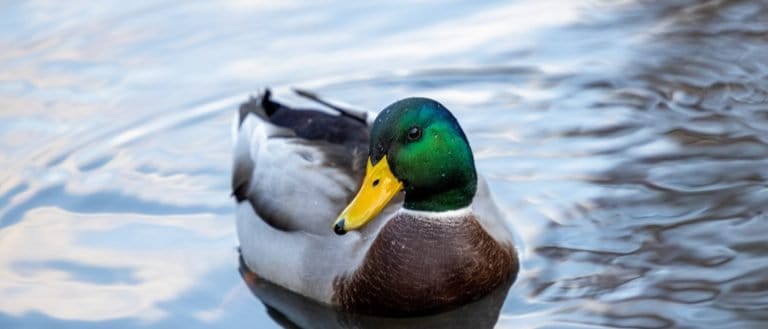
Webbed feet, world travelers.
Bony rays, endless ways.
Six legs, endless lives.
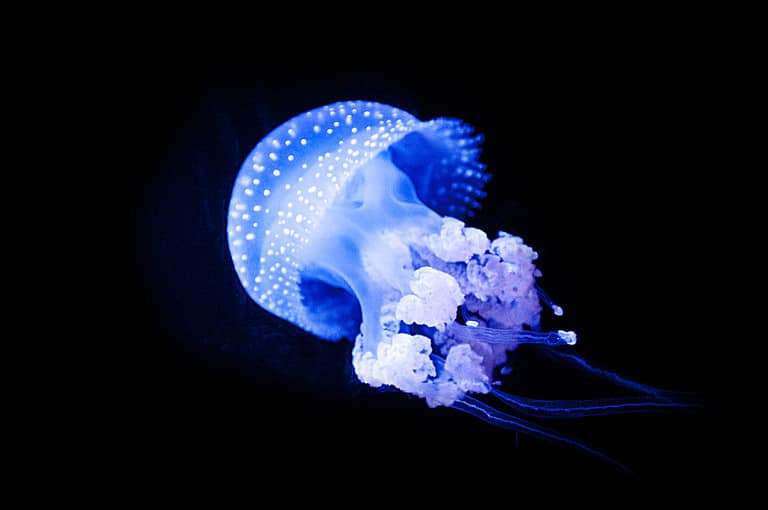
Sting-powered drifters of the sea
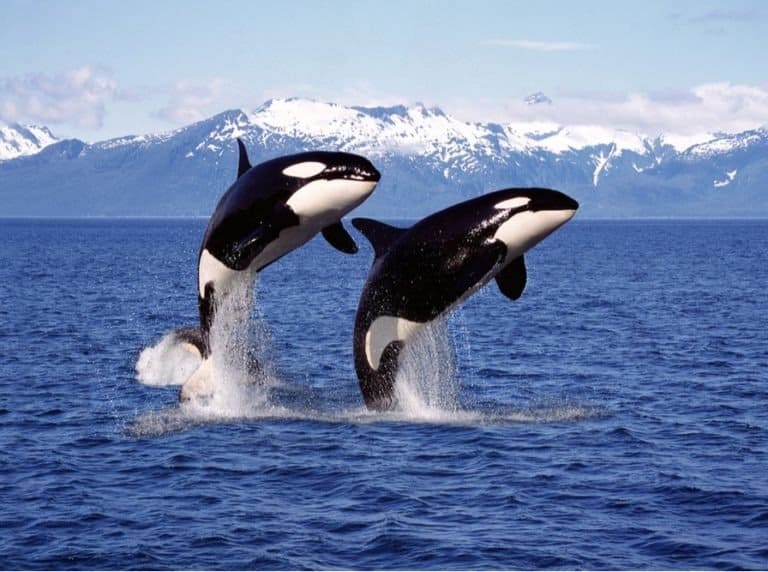
One species, many ecotypes.
Cold-water royalty of the seafloor
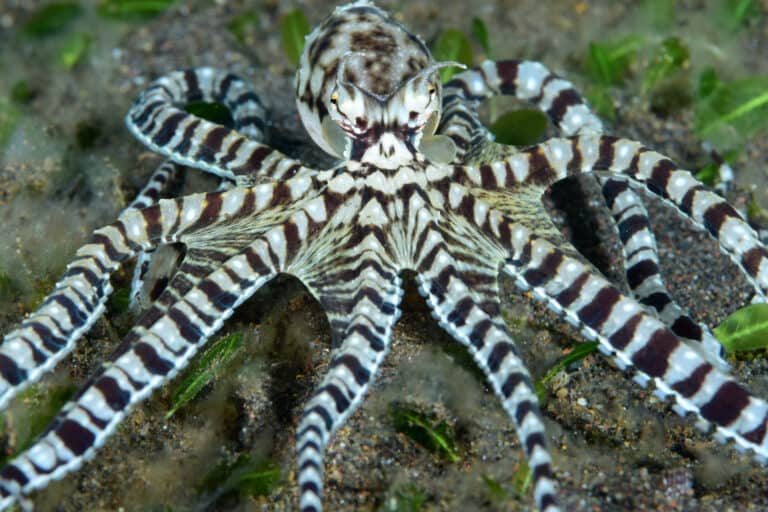
Eight arms, endless ingenuity
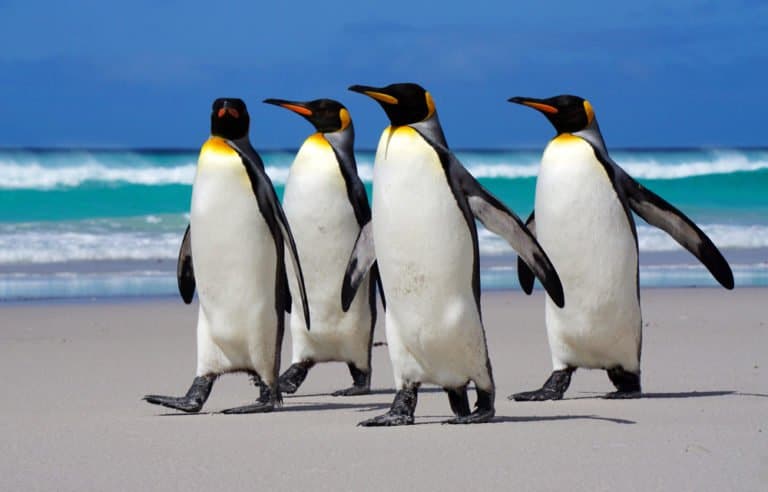
Born to dive, dressed to endure
Ear flaps, flippers, and fierce colonies
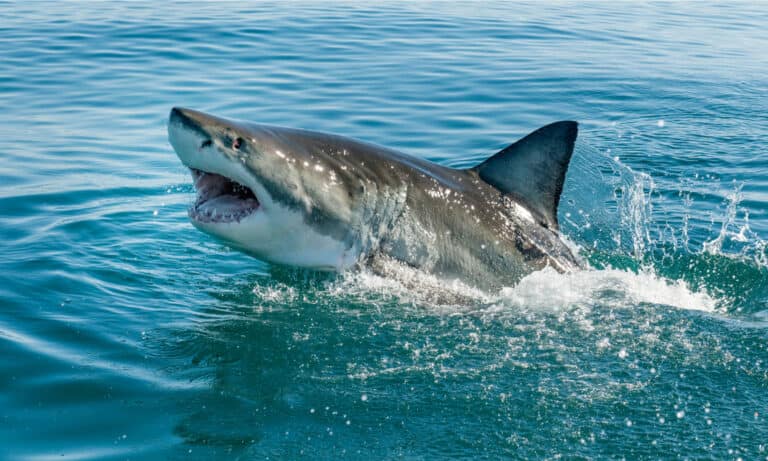
Warm-blooded hunter of the seas
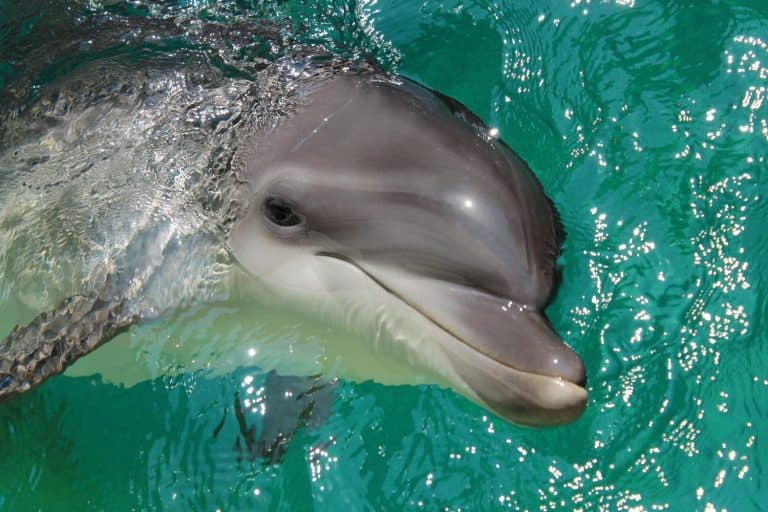
Built for the surf-and sonar.
Gentle giants of warm waters
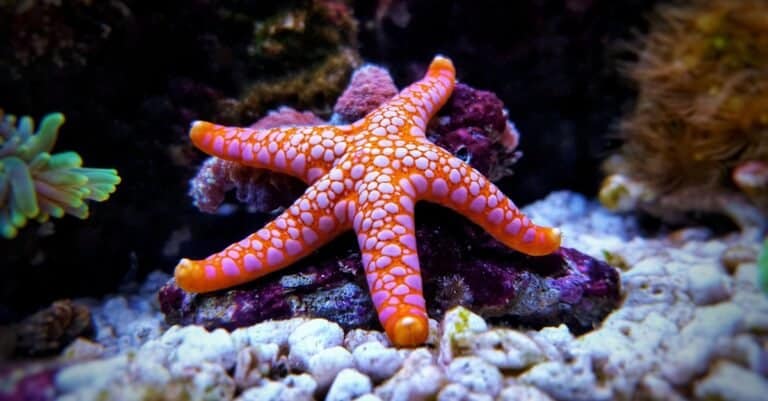
Hydraulic feet, star-shaped predators
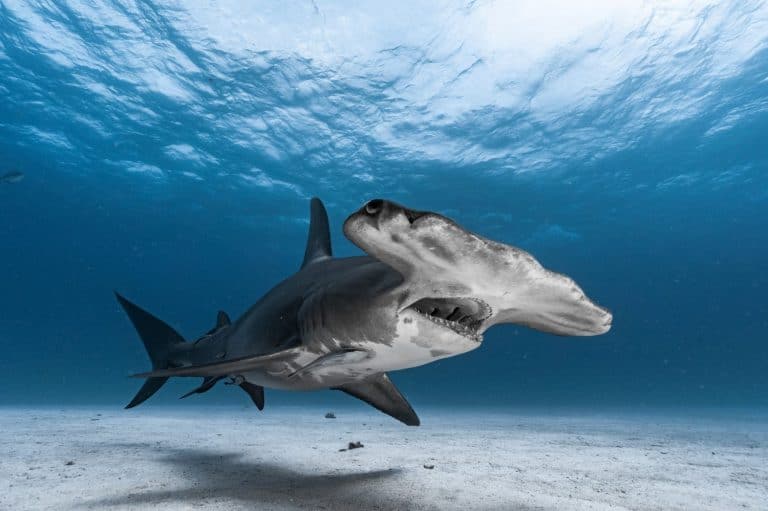
Built like a hammer, tuned like a radar
Stingrays: discs, senses, and surprises
Wing-powered divers of the cold seas
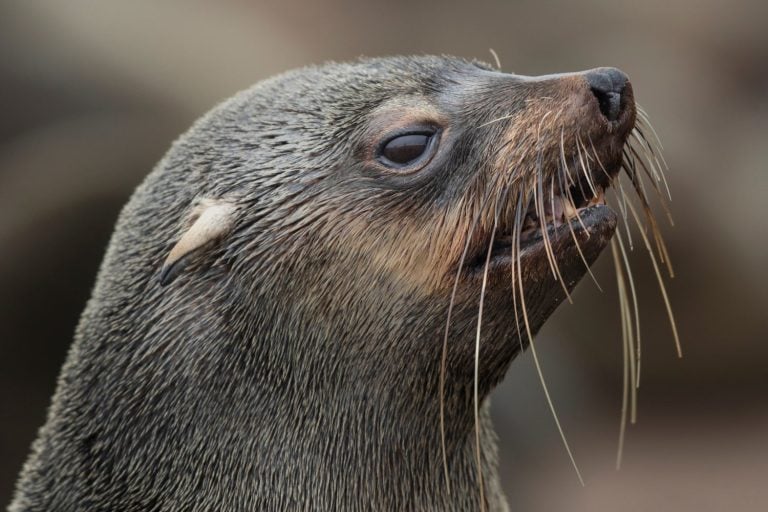
Earless divers of the world's seas
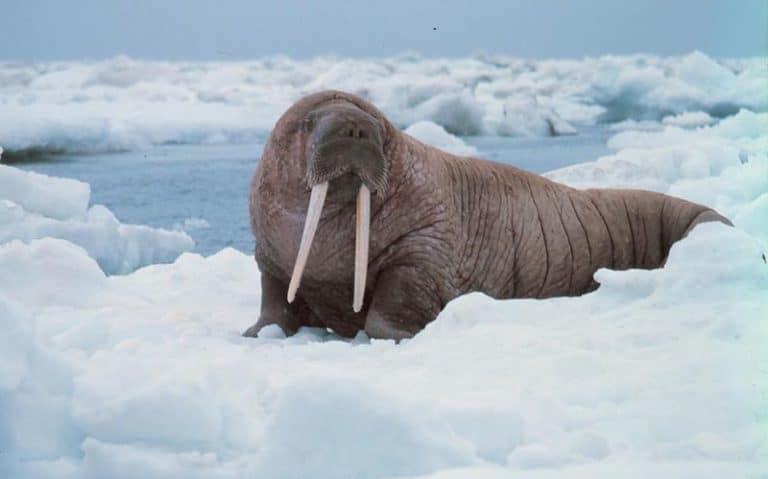
Tusks, whiskers, and sea-ice life

Ancient shells, modern survivors
Built to glide, strike, and swallow

Big bluff, sharp beak, potent chemistry.
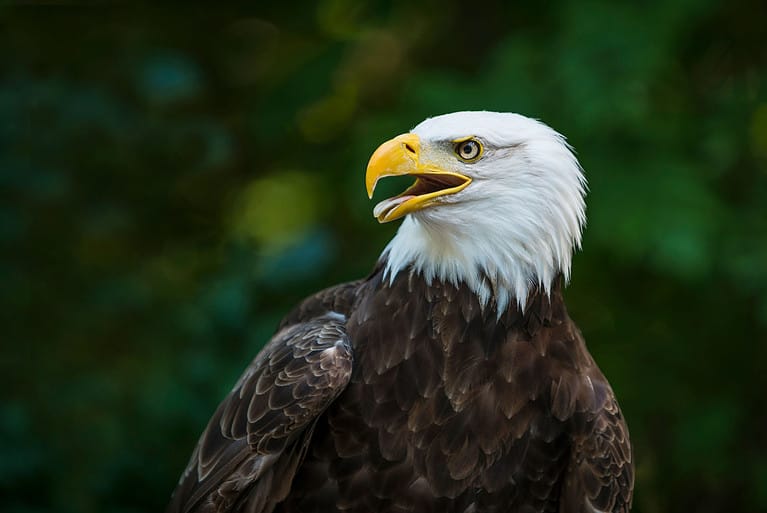
Feathers, flight, and endless variety
Color-coded courtiers of the coral reef
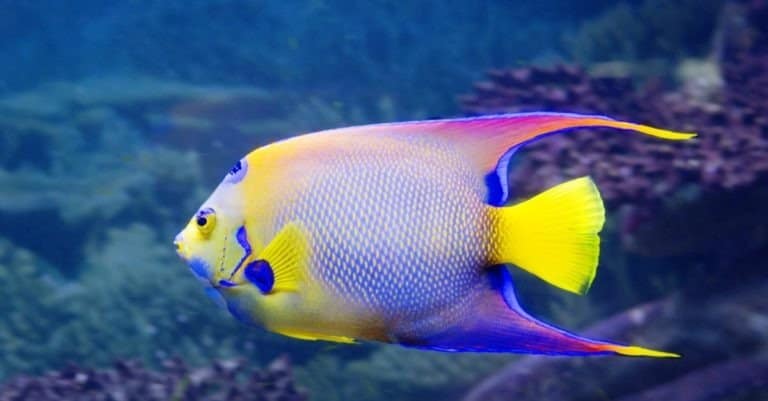
Reef royalty with a wardrobe change
Thank you for reading! Have some feedback for us?
We appreciate your help in improving our content.
Our editorial team will review your suggestions and make any necessary updates.
There was an error submitting your feedback. Please try again.