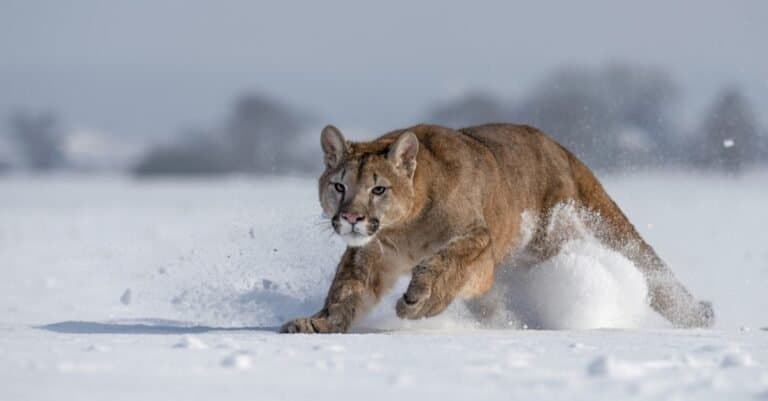
Cougar
One cat. Two continents.

One cat. Two continents.
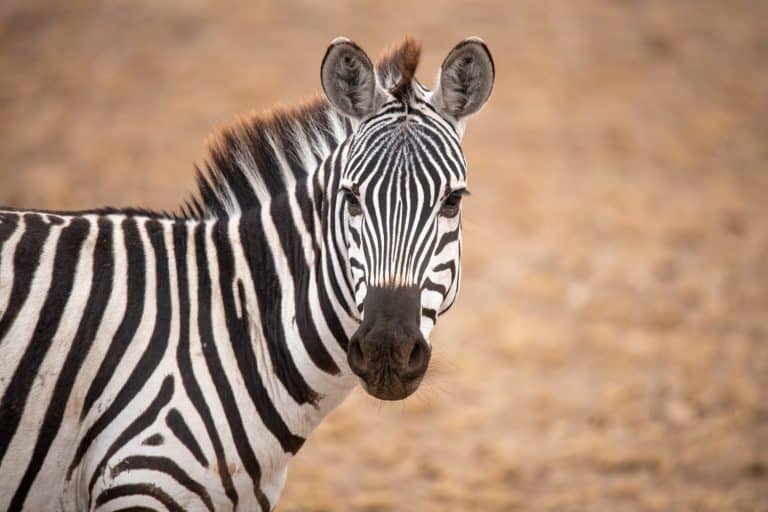
Stripes built for the African wild
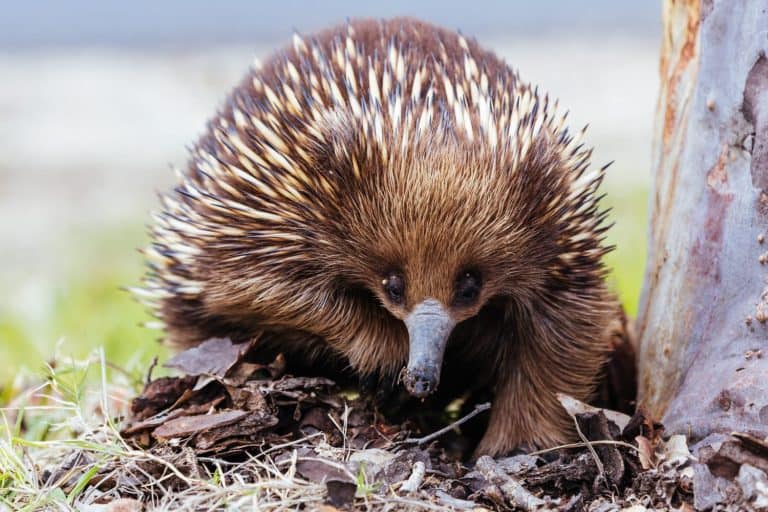
Spines, eggs, and ant-eating mastery

Stripes of Asia's top predator
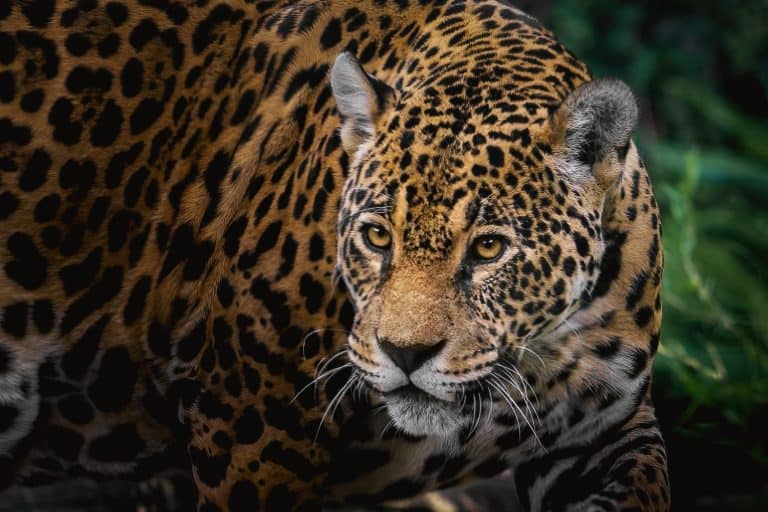
Power of the Americas' apex cat
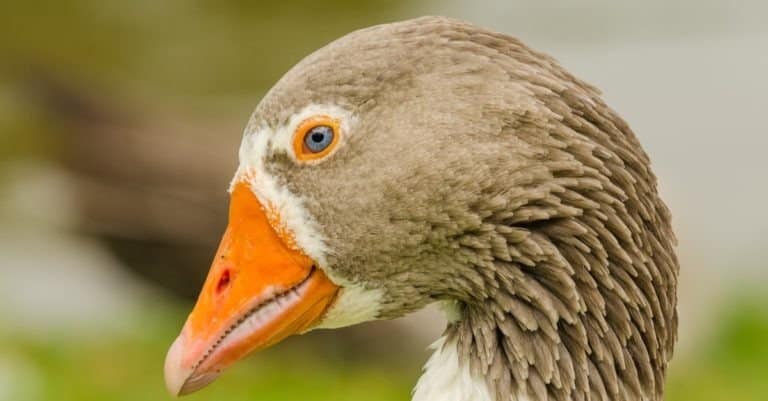
Webbed feet, sky roads, wetland lives
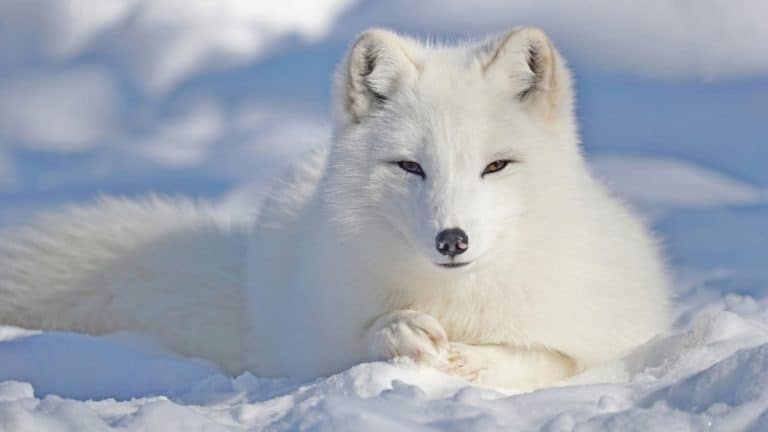
Built for blizzards, born for tundra
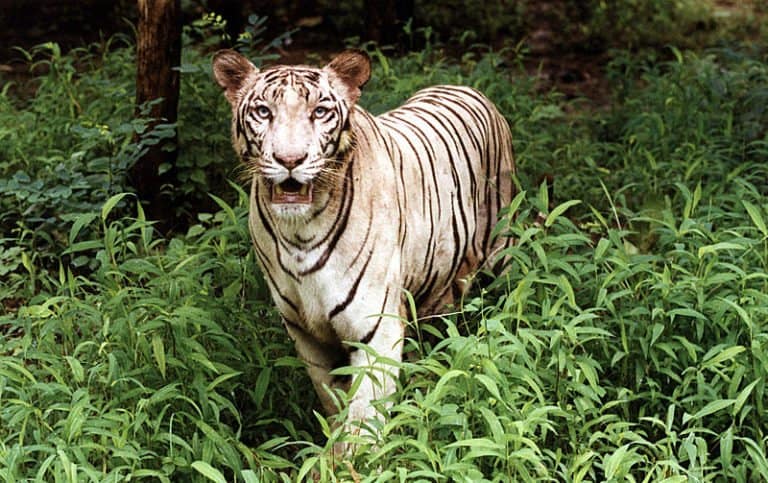
Rare coat, real Bengal tiger
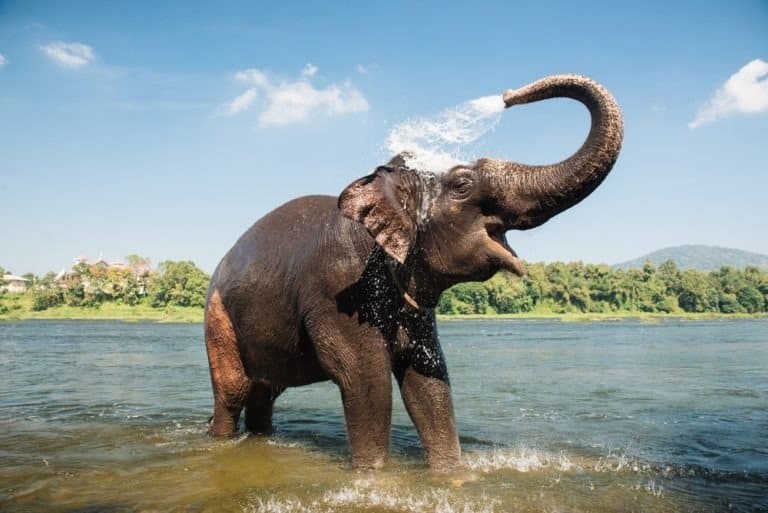
One-finger trunk, giant forest heart
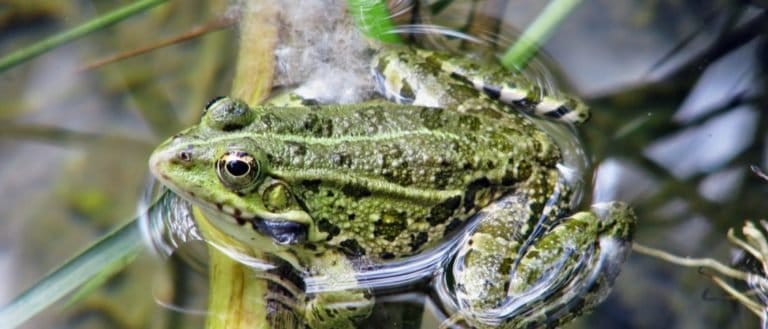
Tailless jumpers, masters of change
Genetic threats are evolutionary and demographic processes that erode genetic diversity and/or disrupt natural population genetic structure, thereby reducing individual fitness and a population's capacity to adapt. They include mechanisms such as inbreeding, genetic drift in small or isolated populations, and hybridization/introgression that can increase extinction risk over time.
Genetic threats happen when population size, connections, or mating patterns change so effective population size (Ne) falls and gene flow is altered. In small or broken-up populations, random genetic drift can quickly remove gene variants, and inbreeding raises homozygosity, exposing harmful recessive genes and causing inbreeding depression (lower survival and fewer offspring). Repeated bottlenecks from overharvest, habitat loss, disease, or extreme events strip genetic variation and reduce the chance to adapt. When separate lineages meet (from translocation, habitat change, or climate shifts), hybridization and introgression can help or cause genetic swamping, outbreeding depression, or loss of local adaptation. Genetic erosion is often hidden, builds over generations, and lowers resilience, risking an extinction vortex. Managing genetic threats supports long-term survival.
Habitat loss and fragmentation reduce population size and connectivity, increasing inbreeding and genetic drift; loss of dispersal corridors prevents genetic rescue, making declines harder to reverse.
Roads, dams, fences, and other infrastructure create hard barriers to movement, reducing gene flow and subdividing populations into smaller units where drift and inbreeding accumulate rapidly.
Climate-driven range shifts and extreme events cause repeated bottlenecks and local extinctions, accelerating loss of diversity; shifting ranges also increase contact with related taxa, raising hybridization risk.
Low genetic diversity (especially immune-gene diversity) increases susceptibility and synchronizes vulnerability across individuals, allowing diseases to spread faster and cause higher mortality.
Invasive congeners can hybridize with natives, causing genetic swamping; invasives can also depress native populations to small sizes, intensifying drift and inbreeding.
Pollutants can reduce fertility and survival, shrinking effective population size and increasing drift; mutagenic contaminants can elevate harmful mutation load in already small populations.
Selective harvesting (often of large/prime individuals) reduces effective population size and can shift allele frequencies toward lower-fitness life histories; rapid declines create bottlenecks that amplify drift.
Removal of individuals for trade reduces population size and connectivity; releases/escapes from trade can introduce non-local genotypes that hybridize and erode local adaptation.
Size-selective overfishing reduces effective population size and genetic diversity, increases inbreeding risk in depleted stocks, and can drive evolutionary shifts that lower stock productivity.
Chronic disturbance disrupts breeding and increases dispersal barriers (avoidance of disturbed areas), reducing successful reproduction and effective population size, thereby accelerating drift.
Conflict-driven lethal control often targets specific age/sex classes (e.g., breeding adults), lowering effective population size and increasing related matings in the remaining population.
Depleted prey/forage reduces survival and reproduction, causing population contraction and bottlenecks; smaller populations lose alleles faster and become less able to adapt to scarcity.
River regulation, fire suppression, and altered hydrology restructure habitats and restrict movement, fragmenting populations and reducing gene flow; novel conditions can also make maladaptive genotypes more costly.
Agricultural landscapes fragment habitat and create edge-dominated matrices that deter movement; pesticide exposure can reduce fertility, lowering effective population size and worsening genetic erosion.
Urban barriers and isolation (roads, built areas) subdivide populations; small urban-edge populations experience rapid drift and inbreeding while also facing higher mortality that compounds bottlenecks.
Logging can fragment forests and remove key habitat features, isolating subpopulations; repeated disturbances reduce population sizes, increasing drift and lowering adaptive potential.
Mining causes intense habitat loss and contamination that can produce sharp population crashes (bottlenecks); remaining populations become isolated, accelerating genetic drift and inbreeding.
Genetic diversity is a population's "toolbox" for surviving new diseases, heat waves, and habitat change-when the toolbox shrinks, even a stable-looking population can be on a slow path to collapse.
Inbreeding doesn't just increase rare defects; it can reduce overall survival and fertility across many traits at once, because harmful variants that are usually "hidden" can pair up in close relatives.
Genetic drift is strongest when populations are small: chance alone can erase useful genes (even beneficial ones), meaning a population can lose adaptive potential without any change in habitat or food.
Bottlenecks can create a genetic "hangover": a population may rebound in headcount, but remain genetically impoverished for many generations, staying vulnerable to the next stressor.
Fragmentation can turn wildlife into genetic "islands." Even if patches look close on a map, roads, fences, and cities can block movement enough that inbreeding rises quickly.
Hybridization can be a double-edged sword: it sometimes boosts diversity, but it can also swamp unique local adaptations-rare lineages can disappear genetically even while animals are still present.
You can "lose a species without losing animals": if a rare species repeatedly hybridizes with a more common relative, its distinct genetic identity can be replaced over time (a process sometimes called genetic assimilation).
Genetic rescue is real: adding just a few unrelated individuals to an inbred population can noticeably improve survival and reproduction-showing how powerful gene flow can be compared with sheer numbers alone.
Some threatened populations carry "genetic scars" from past overhunting or habitat loss that are still detectable today, long after the original decline ended.
Because many genetic problems build gradually, a population can look fine for years-then crash when a new disease or climate extreme arrives and there isn't enough variation to adapt.
Think of genetic diversity like a backup library: when isolation closes the doors, each generation can "lose books," and once a title is gone from a small population, it's hard to get it back without new immigrants.
A small isolated population is like saving all your photos on a single phone-one accident (a bad year, a disease) can wipe out irreplaceable information because there's no "cloud backup" (gene flow).
Population size isn't the same as genetic safety: a population can rebound to thousands of individuals but still be genetically comparable to a much smaller one if it passed through a severe bottleneck (like refilling a jar from just a few seeds).
Habitat fragments act like walls in a maze: animals may be only a few kilometers apart, yet genetically they can drift apart as if separated by far greater distances when movement corridors are missing.
Hybridization risk is like mixing two paint colors: once the rarer color is diluted repeatedly, you can still have plenty of paint in the bucket-but the original color is effectively gone.
Genetic drift in tiny populations is like flipping a coin only a few times: results swing wildly by chance, whereas big populations are like flipping a coin thousands of times-chance effects average out and useful traits are less likely to vanish randomly.
Built for blizzards, born for tundra
One cat. Two continents.
Spines, eggs, and ant-eating mastery
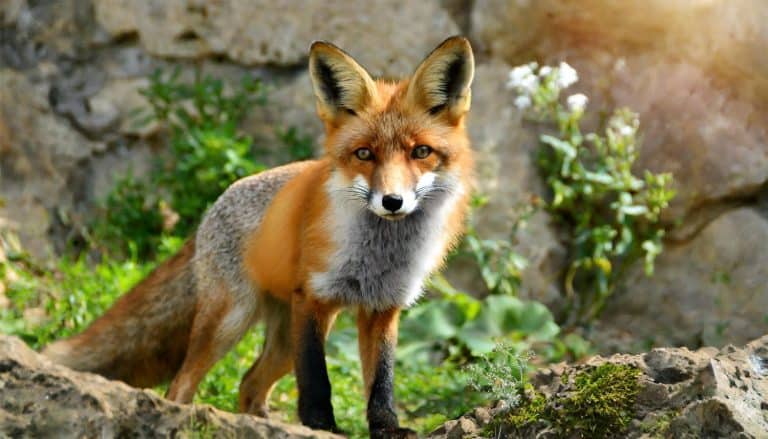
From dunes to tundra-fox smart.
Tailless jumpers, masters of change
Webbed feet, sky roads, wetland lives
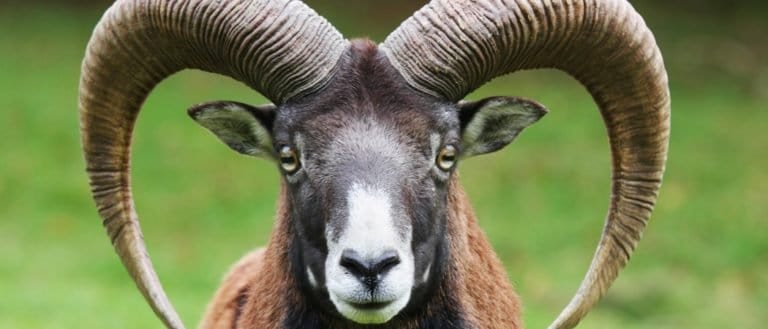
Sure-footed masters of rock and range
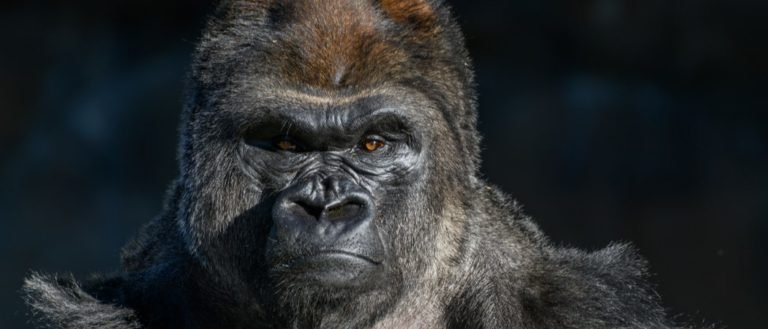
Gentle giants of the African forests
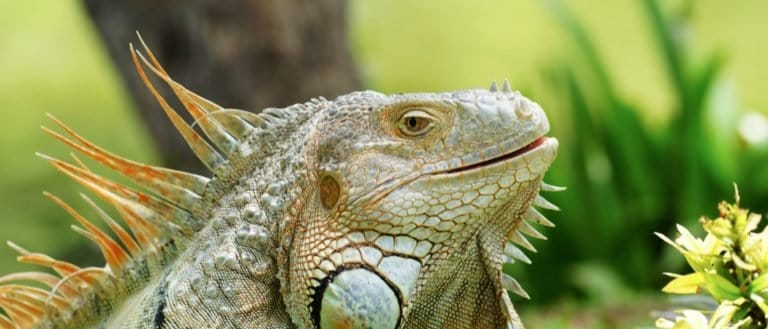
Sun-powered lizards of the Americas
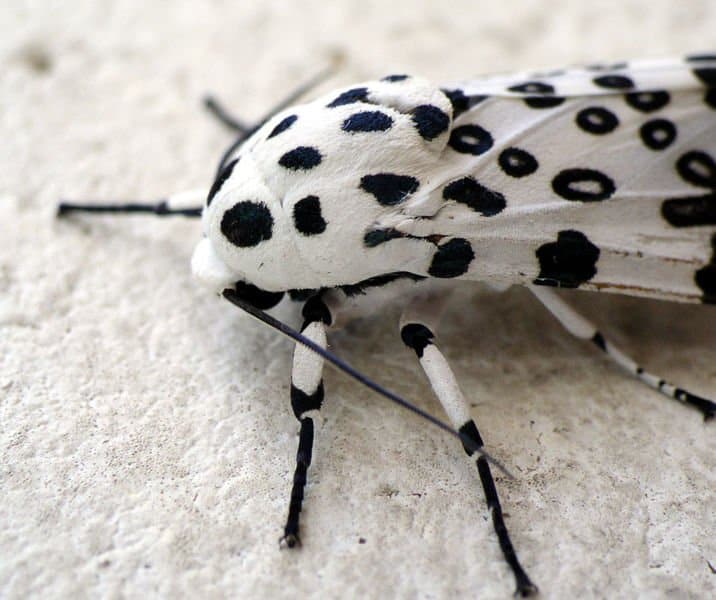
Six legs, endless lives.
Power of the Americas' apex cat
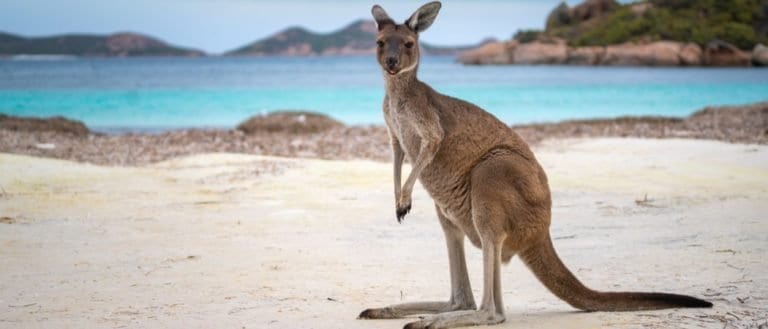
Big hops, big pouches, big variety
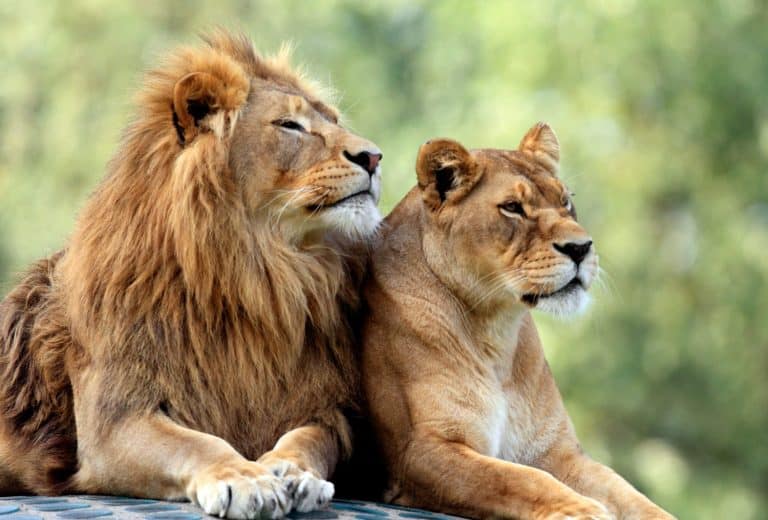
Built for prides, born for the hunt
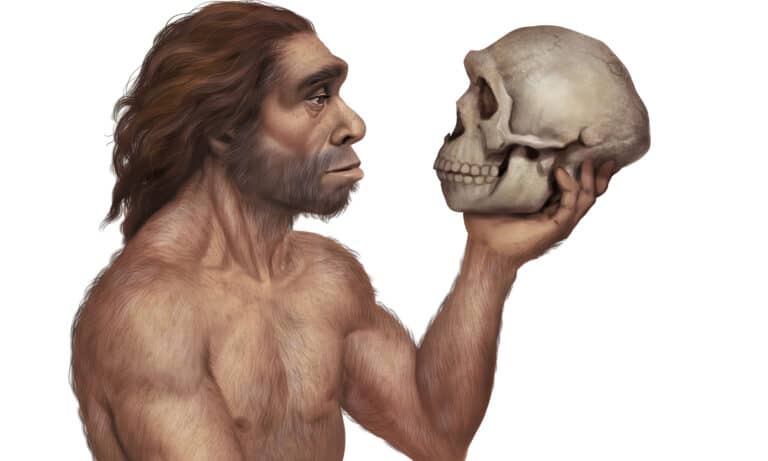
Not cavemen-Ice Age people
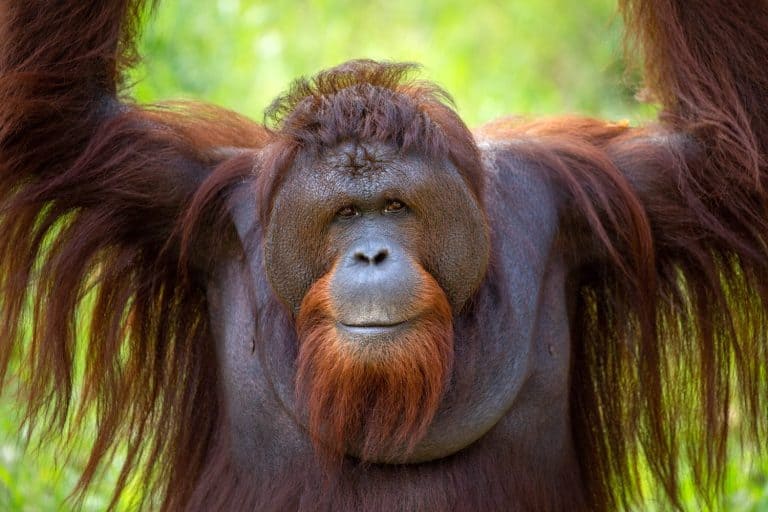
Red apes, rainforest architects
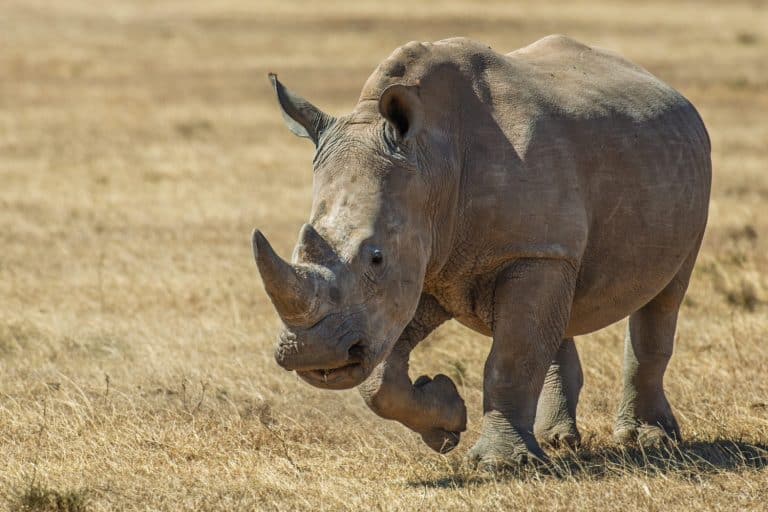
Keratin horns, colossal impact
Stripes of Asia's top predator
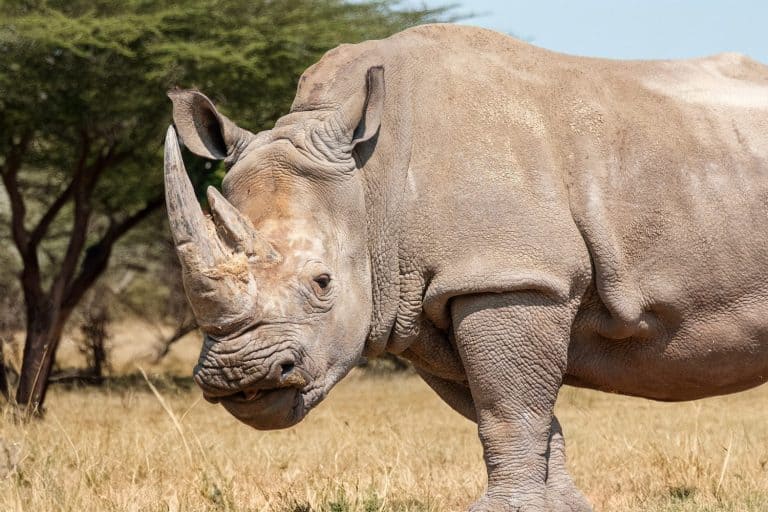
Wide-lipped grazer, savanna guardian
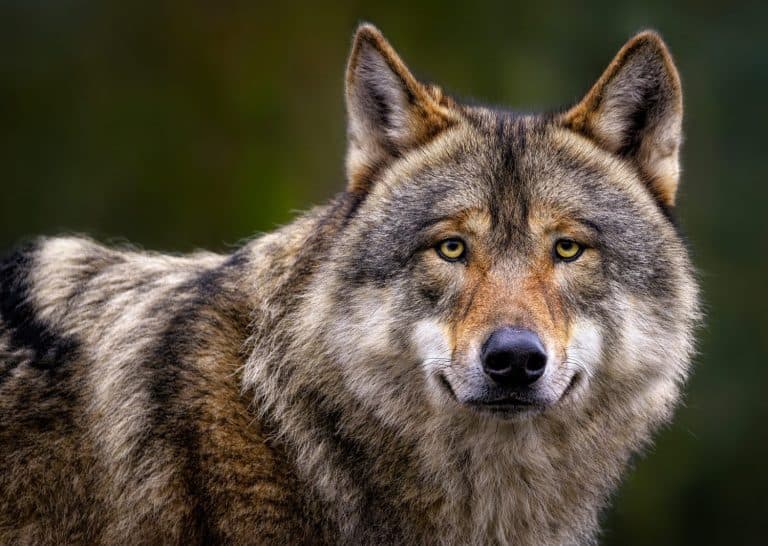
Packs, howls, and healthy wildlands
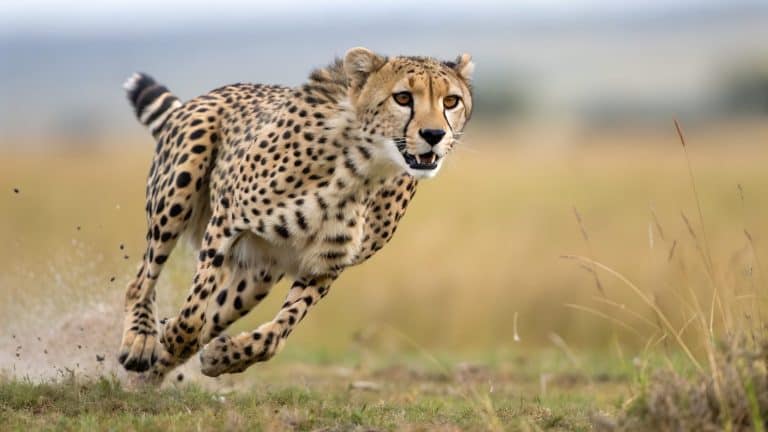
Built for the burst.
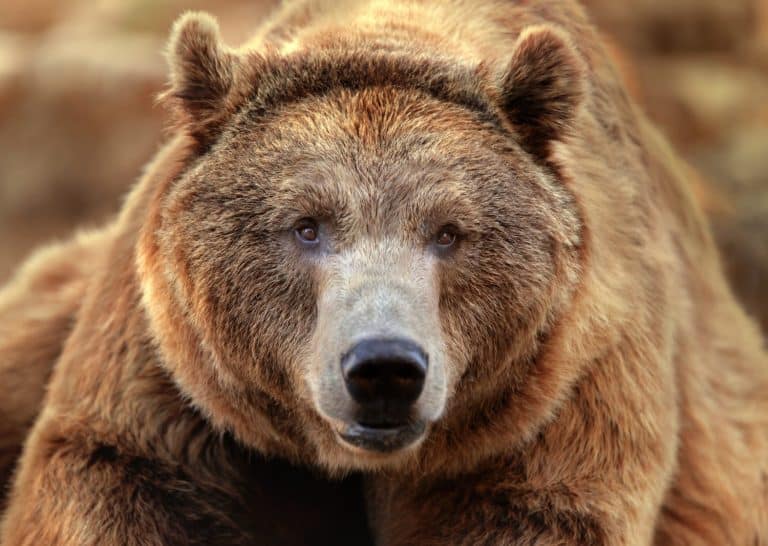
Hump, claws, and wild omnivory
Stripes built for the African wild
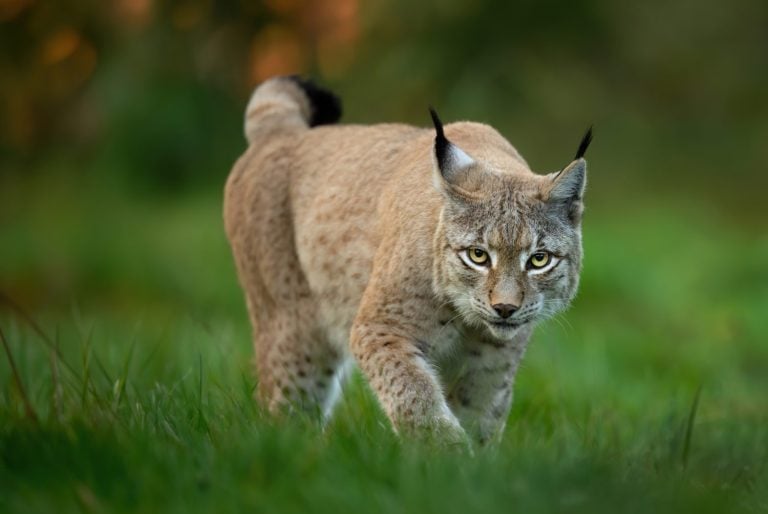
Tufted ears. Silent steps. Northern hunters.
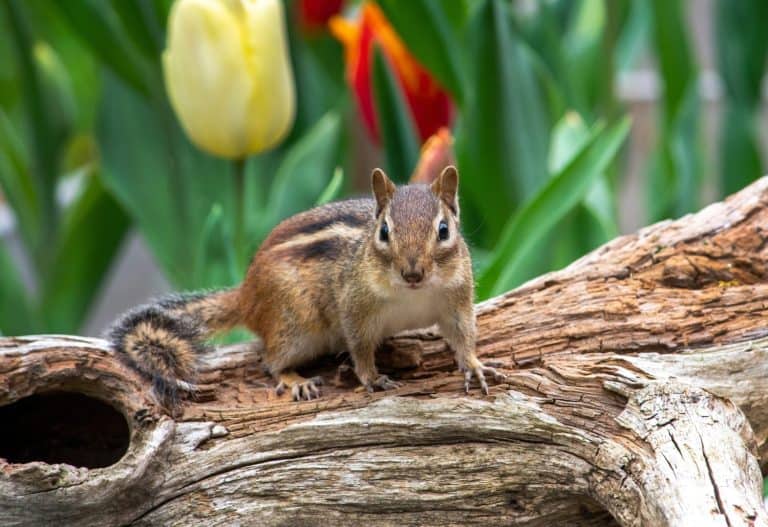
Pocket-cheeked, stripe-backed foragers
Thank you for reading! Have some feedback for us?
We appreciate your help in improving our content.
Our editorial team will review your suggestions and make any necessary updates.
There was an error submitting your feedback. Please try again.