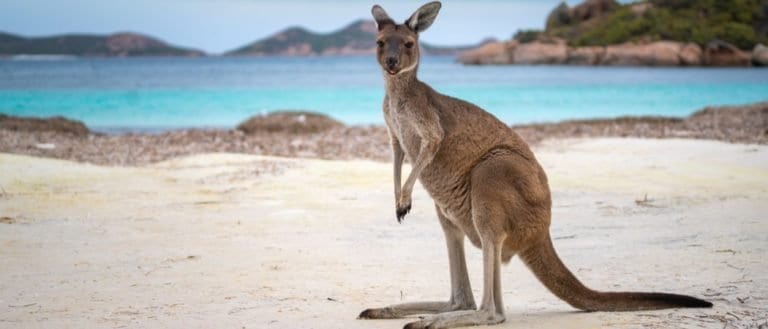
Kangaroo
Big hops, big pouches, big variety

Big hops, big pouches, big variety
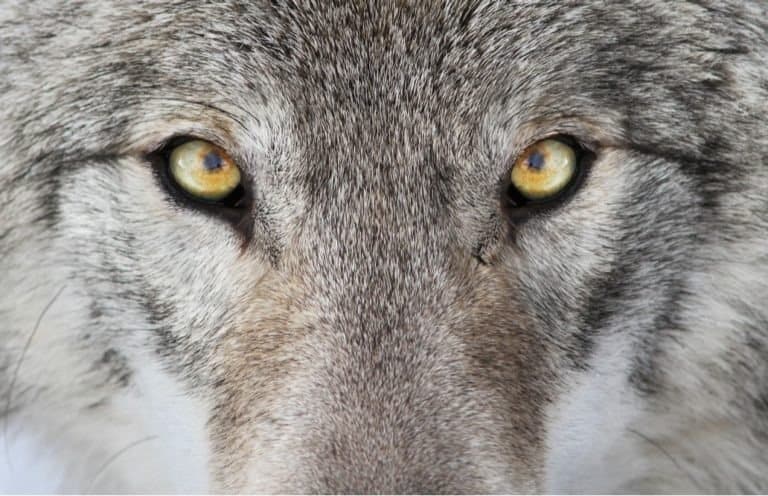
Packs, howls, and healthy wildlands
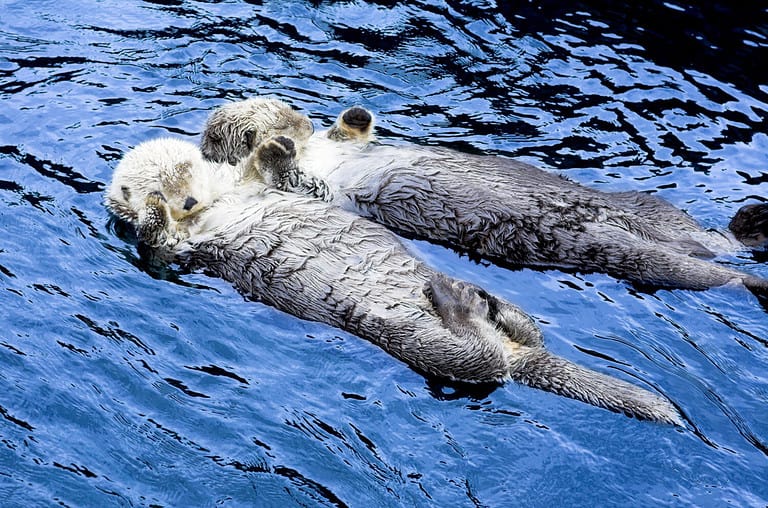
Built for water, born to hunt
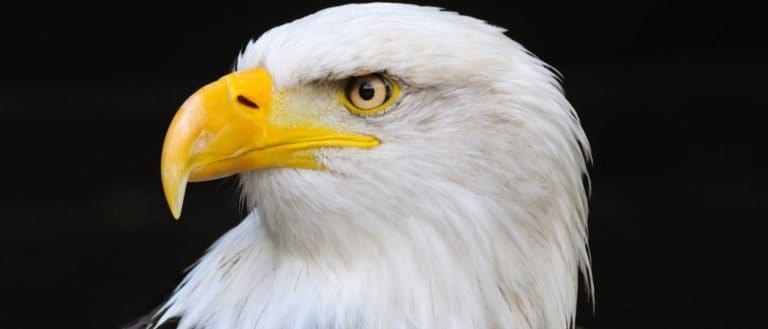
Built to soar, born to strike
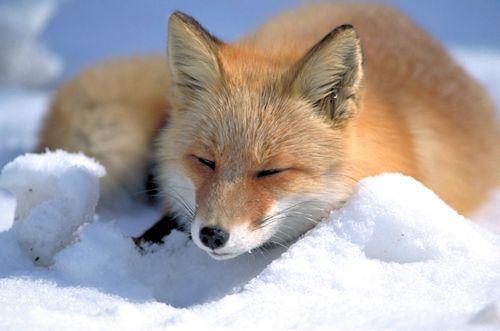
From dunes to tundra-fox smart.
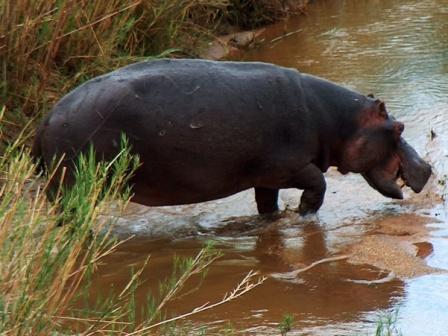
Big river grazer, bigger attitude
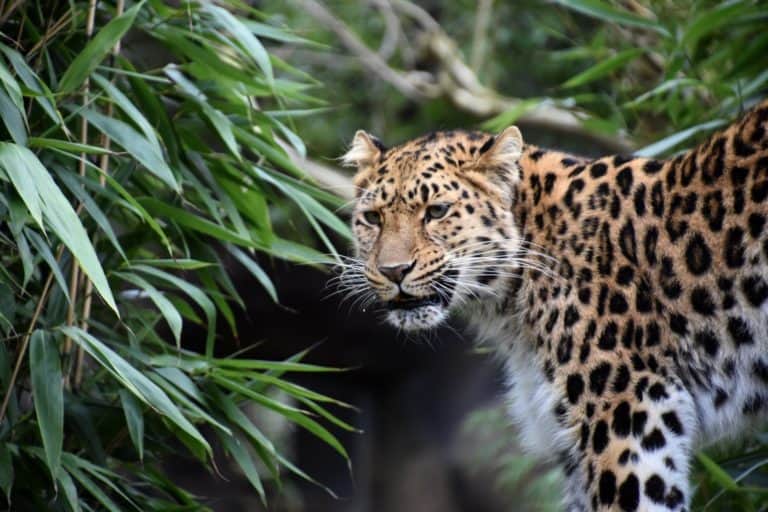
Rosettes in the shadows.
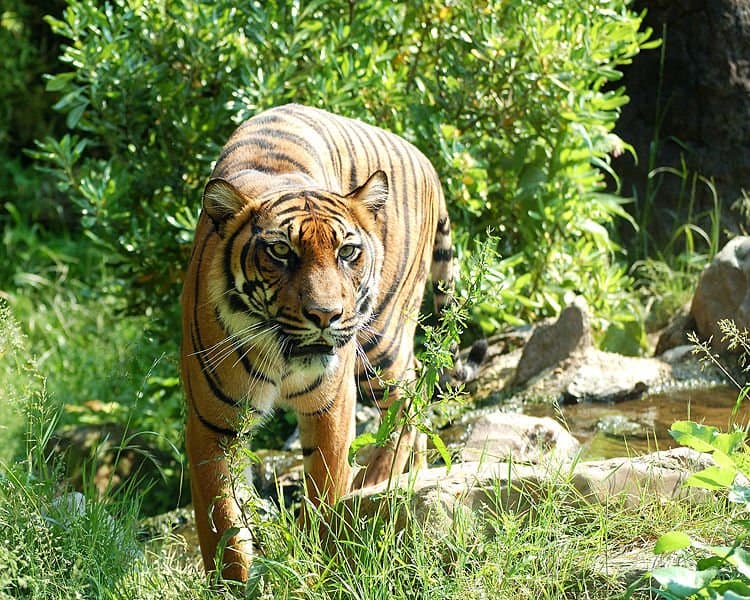
Stripes of Asia's top predator
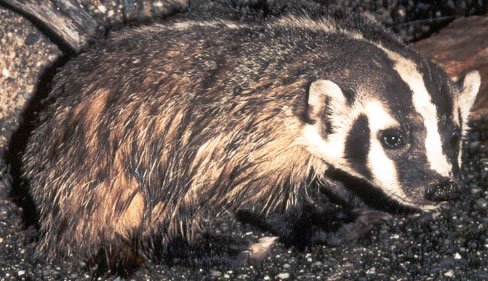
Built to dig. Born to endure.
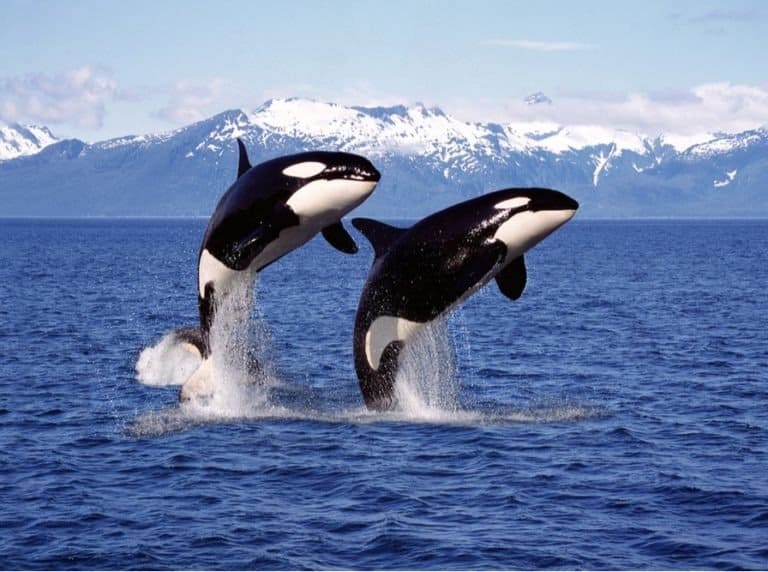
One species, many ecotypes.
Human-wildlife conflict (HWC) is a socio-ecological process in which interactions between wild animals and people produce negative impacts on human lives, livelihoods, or safety and, in turn, prompt human responses that harm wildlife, degrade habitat, or reduce coexistence. It encompasses both direct damage (e.g., crop loss, livestock depredation, attacks) and indirect consequences such as retaliatory killing, problem-animal control, displacement, and erosion of tolerance for wildlife.
Human-wildlife conflict happens where people and wild animals share space and resources and animal actions (feeding, moving, territory, hunting) clash with farms, homes, and roads. It appears as crop raiding, livestock loss to predators, damage to fences or gear, disease risk, and sometimes injury or death to people. Main causes are habitat loss and fragmentation, loss of wild prey/forage, seasonal shortages, changing farming, and expansion of settlements and roads.
Human responses—retaliatory killing, illegal persecution, poisons, snares, and lethal control—can quickly cut populations and kill non-target species. Even non-lethal tools (fences, deterrents, translocation, aversive conditioning) can break habitat and stop migration. Good management must mix ecology, fair rules, and local views so damage falls while wildlife populations and movement stay healthy.
Habitat loss compresses wildlife into smaller areas and pushes animals into farms/settlements, increasing encounter rates and making conflict-driven mortality a larger fraction of total deaths.
Droughts, heat, and shifting food availability drive wildlife to crops, water infrastructure, and livestock areas; simultaneous human hardship can intensify retaliation and reduce tolerance.
Rodenticides, pesticides, and other toxins used in conflict settings (or in nearby agriculture) amplify poisoning pathways when predators/scavengers consume contaminated prey or baits.
Invasive plants can reduce natural forage, pushing herbivores to croplands; invasive prey/predators can alter local food webs, changing depredation patterns and triggering new conflict.
Conflict interfaces concentrate wildlife, livestock, pets, and people (shared water, carcass dumps), increasing spillover risk; disease outbreaks can then prompt more lethal control or culling.
Legal/illegal hunting can remove key individuals and increase wariness, causing animals to shift into refuge near people or at night, complicating management and increasing accidental/retaliatory kills.
Trade-driven removal can disrupt social groups and create vacancies that attract dispersers into human areas; conflict killings can also be laundered as trade specimens, incentivizing persecution.
Depleted fish stocks can push marine predators (seals, dolphins, seabirds) to depredate nets/aquaculture more often, triggering lethal control and entanglement from defensive gear.
Recreation, noise, and frequent human presence can displace animals into marginal edge habitats where they encounter farms/livestock, while also lowering tolerance and increasing calls for removals.
Repeated conflict creates feedback loops: lethal control and displacement destabilize populations and behavior, increasing future depredation/crop raiding and prompting escalating persecution.
Conflict mortality and avoidance of human-dominated corridors fragment populations; targeted removal of bold/large individuals can reduce genetic diversity and shift trait distributions.
Declines in wild prey, forage, or water (from overuse) increase reliance on crops/livestock and concentrate animals at remaining resources, raising conflict and retaliatory killing.
Roads, railways, canals, and fences built to protect people/assets both elevate encounter risk and create barriers; conflict-driven chasing can increase collision rates and trap animals in hazardous areas.
Water diversion, dams, and altered fire regimes change wildlife movement and resource patterns, often increasing use of agricultural lands and settlements and intensifying conflict.
More cropland and livestock increase attractants and opportunities for depredation/raiding; expansion also increases the spatial overlap where retaliation, poisoning, and exclusion occur.
Urban-edge subsidies (garbage, pets, ornamental fruit) habituate wildlife and increase risky proximity; public safety concerns drive removals and stricter deterrents.
Logging roads and canopy loss can alter prey distributions and increase access for people, raising encounters and retaliation; displaced wildlife may shift into farms or villages.
Mining camps and access roads create new attractants (waste, water) and settlement nodes in wild areas, increasing encounters and prompting lethal control or barrier installations.
Human-wildlife conflict is often a "land-use conflict" in disguise: changing where farms, roads, and settlements sit can trigger more incidents than changes in wildlife numbers alone.
Retaliation is a major driver of wildlife declines-animals are sometimes killed not for meat or trophies, but because they're seen as threats to safety or livelihoods.
Many conflicts are caused by a small number of repeat "problem individuals," meaning targeted, non-lethal management can sometimes reduce losses more effectively than broad culling.
Some of the most dangerous conflict species are not the biggest predators-large herbivores (like elephants or hippos) can be among the most destructive to crops and can be lethal to people.
Predators often take livestock not because wild prey is "gone," but because livestock can be easier to catch (especially when herds are left unguarded at night).
Human-wildlife conflict can become a feedback loop: one livestock loss can push households toward more grazing or farming pressure, which can further increase contact with wildlife.
Simple changes can have outsized effects: sturdy nighttime enclosures, herding practices, and guarding can dramatically cut livestock losses in many settings-often cheaper than compensation after the fact.
Conflict isn't only rural. As cities expand, animals like coyotes, macaques, wild boar, and bears can thrive on urban food sources, shifting conflict into suburbs and towns.
Barriers meant to protect people (fences, trenches, walls) can also fragment habitats and cut off migration routes-reducing wildlife resilience even when they "work" locally.
Coexistence measures can protect both sides: when communities benefit from wildlife (tourism revenue, insurance schemes, rapid response teams), tolerance often rises and killings drop.
Seasonality matters: many crop-raiding peaks align with harvest times, meaning temporary, well-timed deterrents can be more effective than constant pressure.
Conflict can be "silent" for a long time-people may stop reporting incidents if they feel nothing changes, so official numbers can underestimate the real impact.
A single night of crop-raiding can wipe out weeks or months of labor for a smallholder-like losing an entire season's paycheck in a few hours.
When a predator kills one cow, the financial hit to a household can be comparable to losing a major appliance or a month (or more) of income, depending on local wages and livestock value.
If a farm sits next to wildlife habitat, the "edge effect" is like living on the shoreline of a storm: the boundary zone gets hit most often, while farms farther inland may see little to no damage.
Human-wildlife conflict is often a risk distribution problem: a small fraction of households near habitat edges can bear a large share of the losses-like a few blocks in a city getting most of the flooding.
Killing a "problem animal" can be like removing one leaking pipe while the water pressure stays high-if attractants (unsecured food, unprotected livestock, ripening crops) remain, another animal often fills the gap.
Electric fencing can function like a seatbelt for farms: it doesn't remove danger from the world, but it can sharply reduce the chance that one incident becomes catastrophic.
A migration route blocked by fences and roads is like closing the only bridge between two neighborhoods-wildlife can't reach food or water safely, increasing stress and encounters with people.
As natural prey becomes harder to access and human food becomes easier, wildlife behavior can shift the way human behavior shifts with fast food: animals may choose the "cheapest calories," even if it increases risk.
Coexistence programs that combine prevention (better corrals), response (rapid teams), and incentives (insurance/compensation) are like a three-layer safety system-any single layer helps, but all three together reduce failures most.
Conflict hotspots can be surprisingly small and concentrated-more like recurring "traffic accident intersections" than a uniform problem across an entire region.
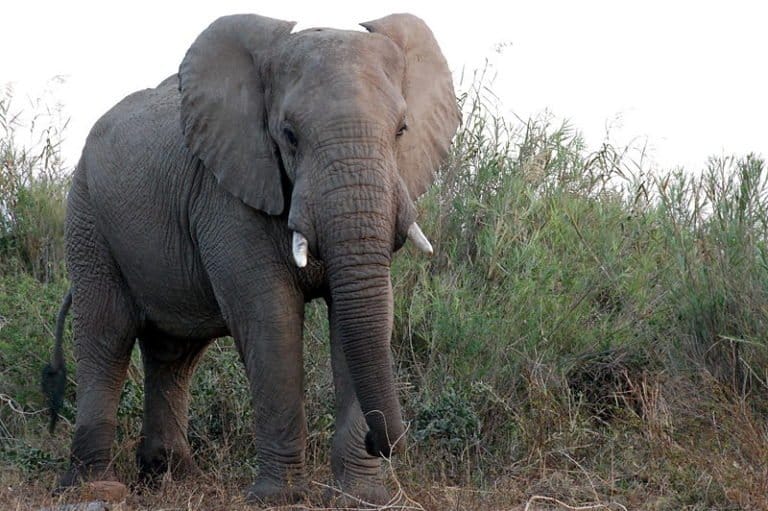
The rainforest's master gardener
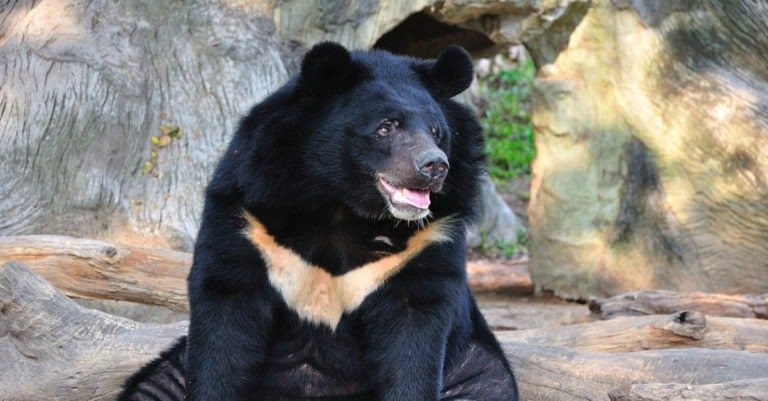
Moon-marked climber of Asian forests
Built to dig. Born to endure.
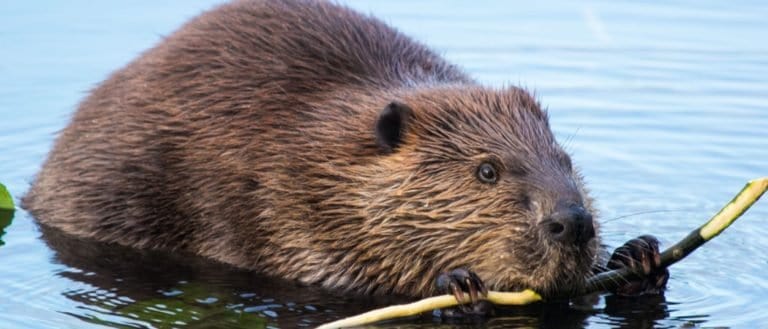
Build wetlands, shape worlds.
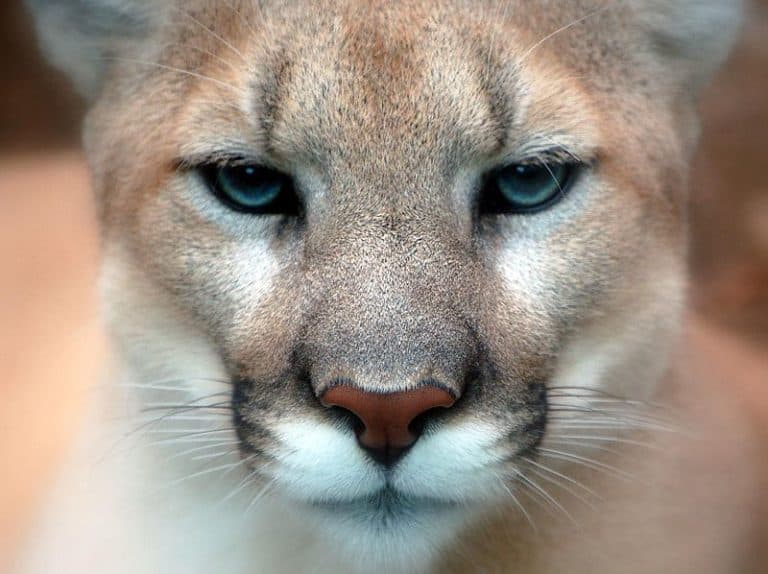
One cat. Two continents.
Built to soar, born to strike
From dunes to tundra-fox smart.
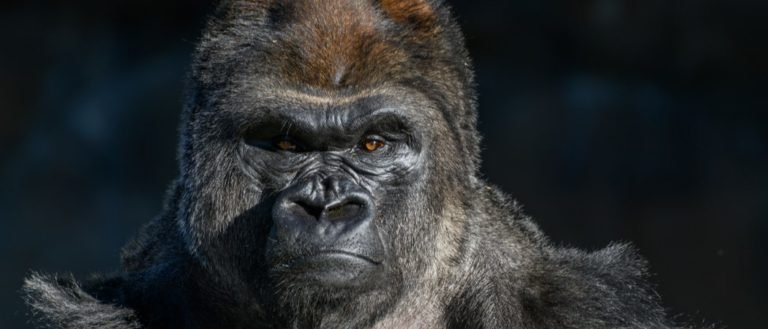
Gentle giants of the African forests
Big river grazer, bigger attitude
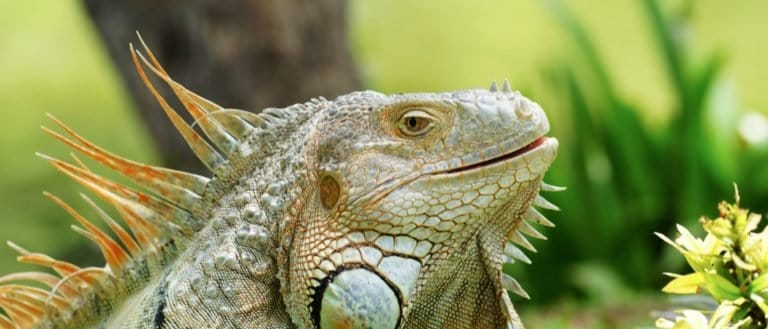
Sun-powered lizards of the Americas
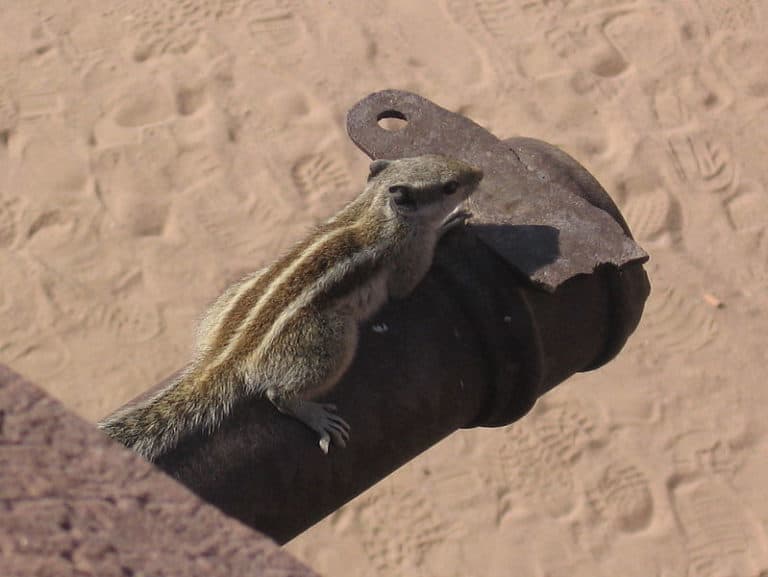
Three stripes. Big city attitude.
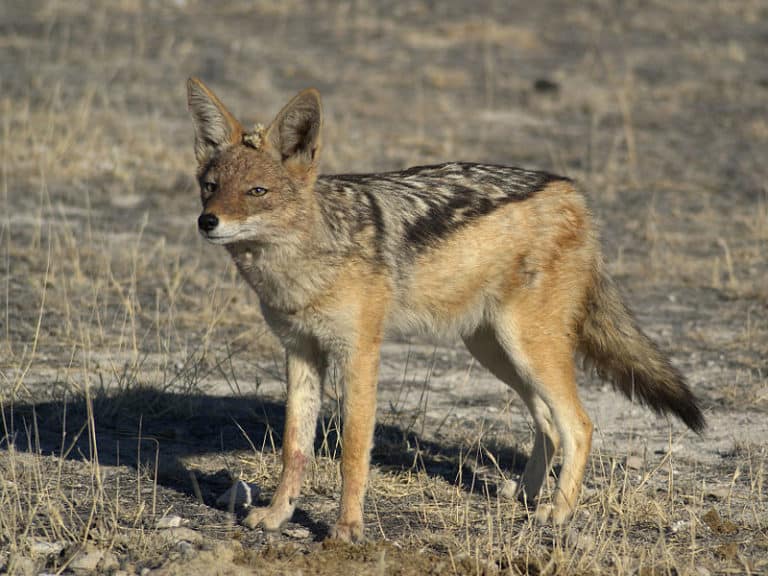
Small canids, big survival skills
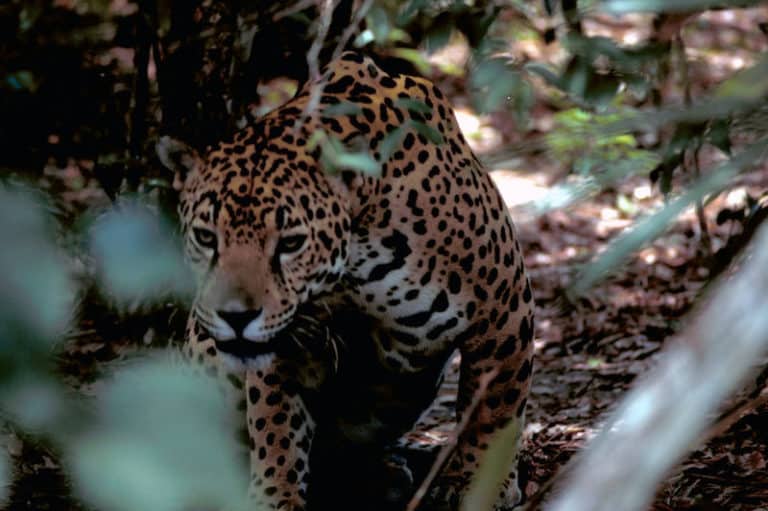
Power of the Americas' apex cat
Big hops, big pouches, big variety
One species, many ecotypes.
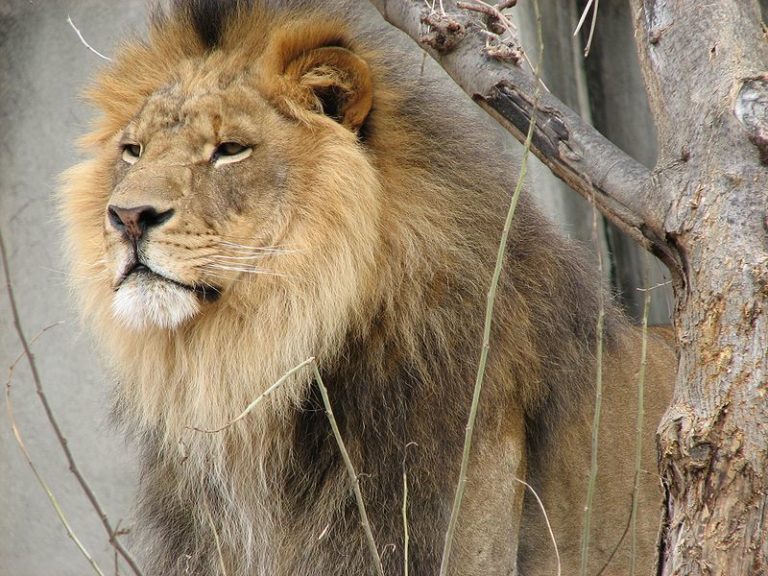
Built for prides, born for the hunt
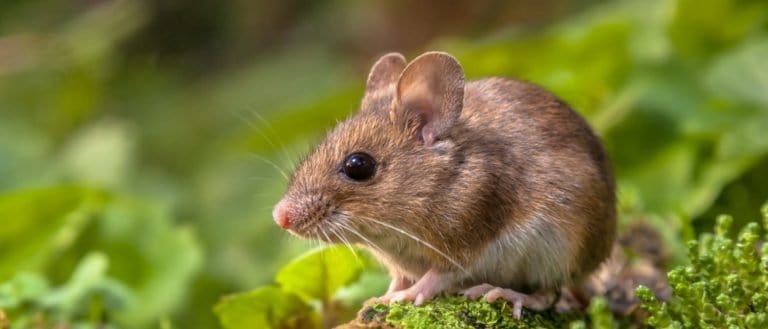
Small gnawers, huge impact.
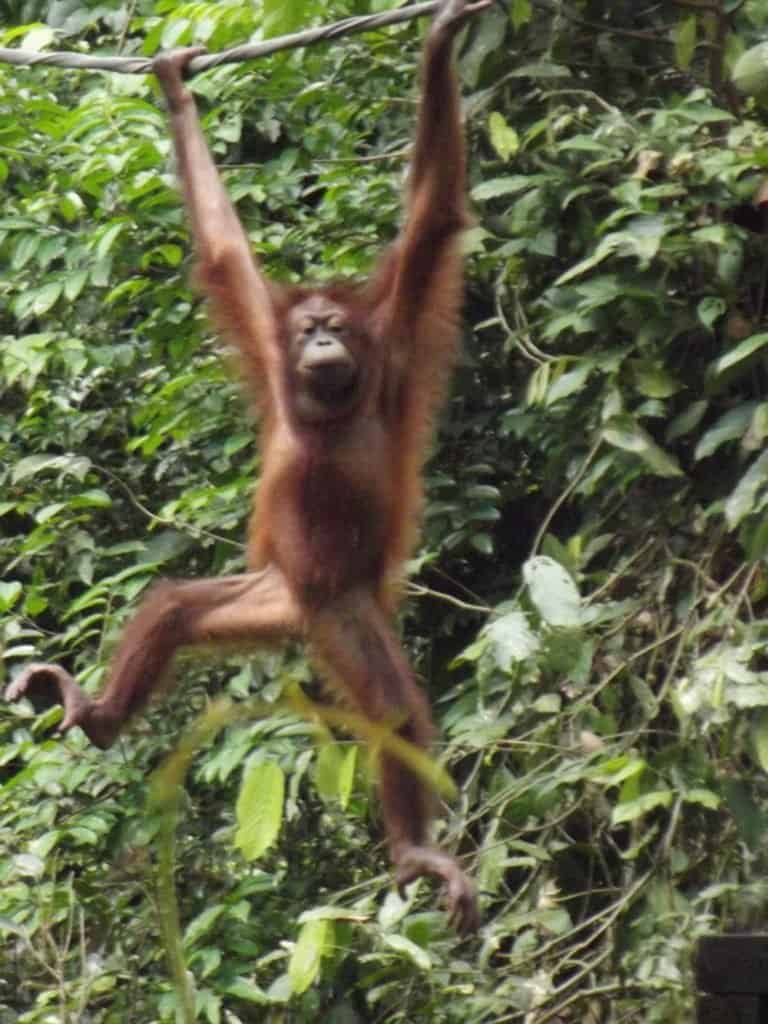
Red apes, rainforest architects
Built for water, born to hunt
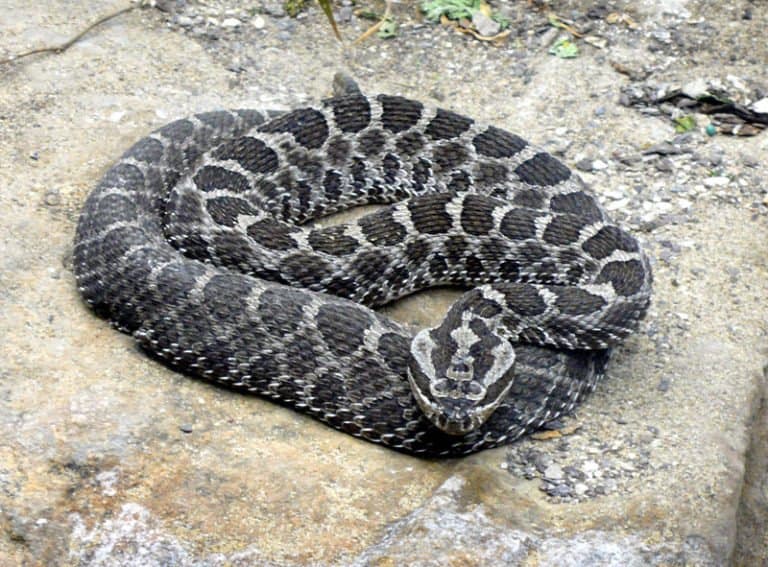
Hear the rattle, give it space.
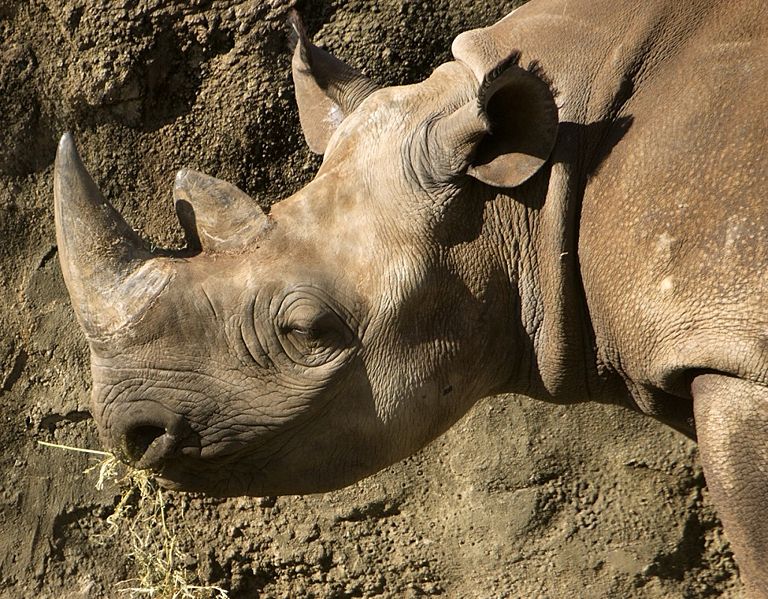
Keratin horns, colossal impact
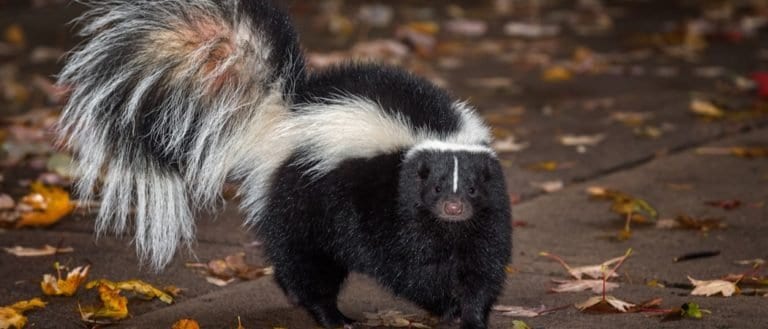
Bold stripes, bigger attitude.
Stripes of Asia's top predator
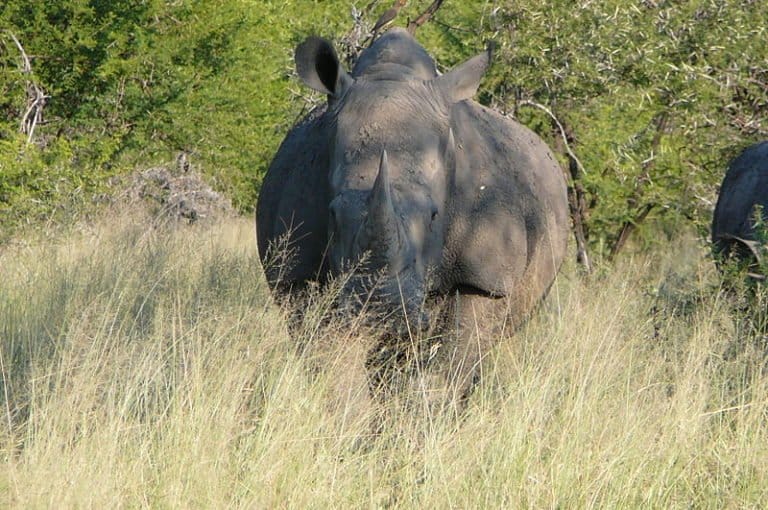
Wide-lipped grazer, savanna guardian
Thank you for reading! Have some feedback for us?
We appreciate your help in improving our content.
Our editorial team will review your suggestions and make any necessary updates.
There was an error submitting your feedback. Please try again.