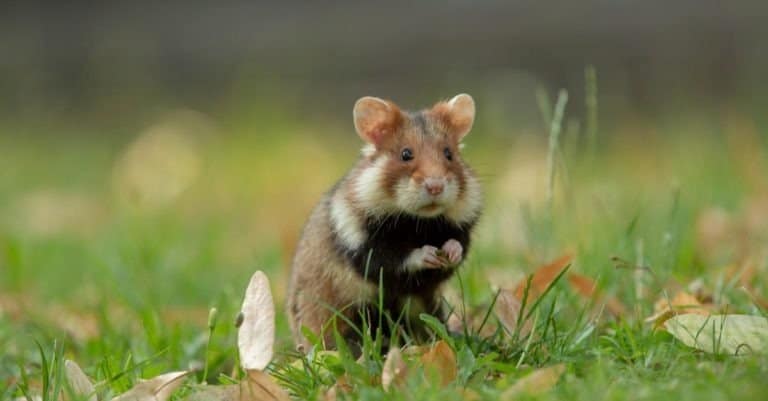
Hamster
Pouches, burrows, and big impacts

Pouches, burrows, and big impacts
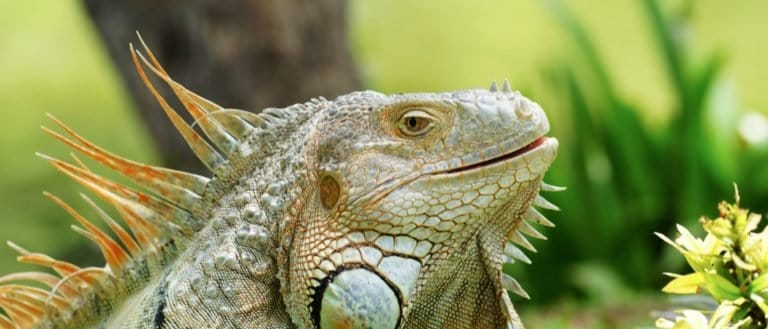
Sun-powered lizards of the Americas
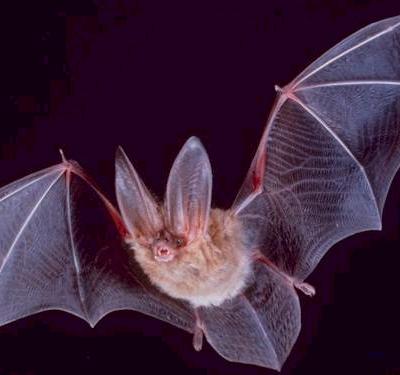
Night pilots of the mammal world
The rainforest's master gardener
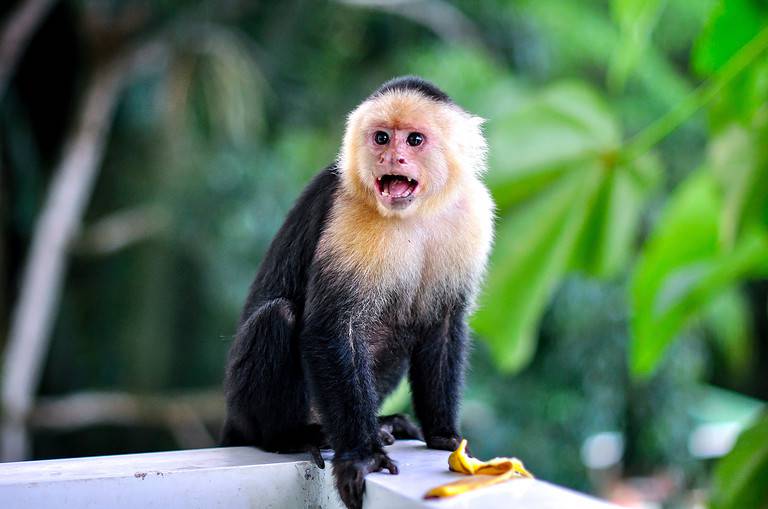
Hands, minds, and social lives
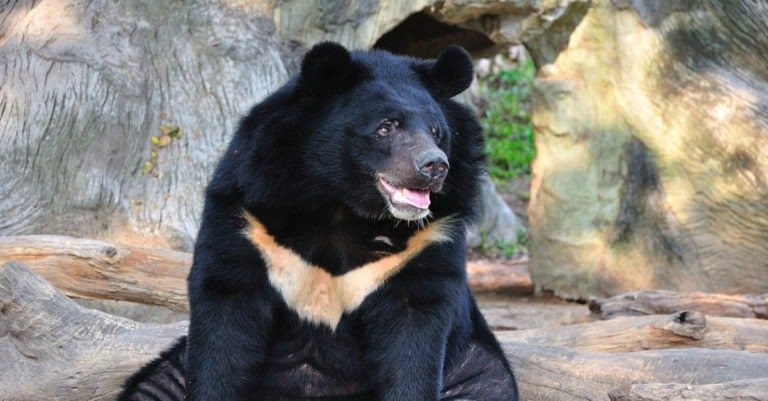
Moon-marked climber of Asian forests
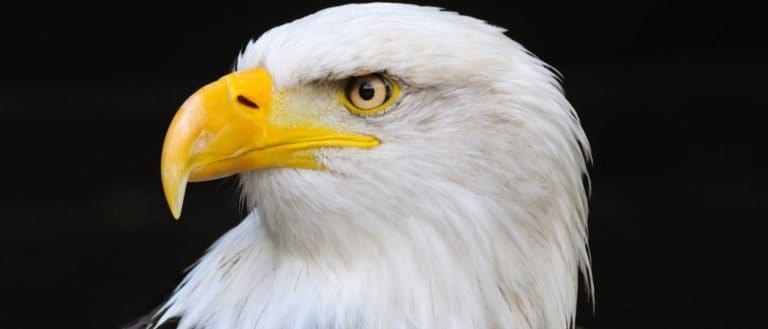
Built to soar, born to strike
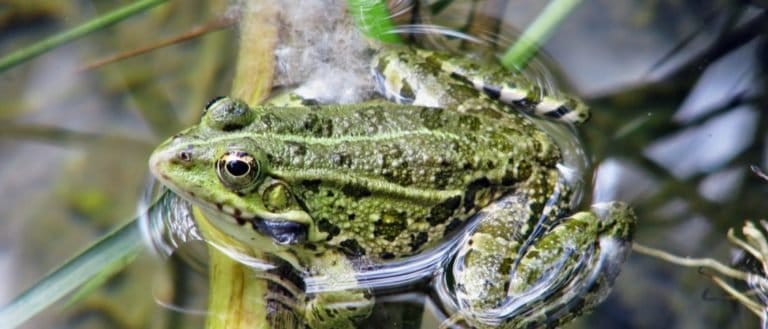
Tailless jumpers, masters of change
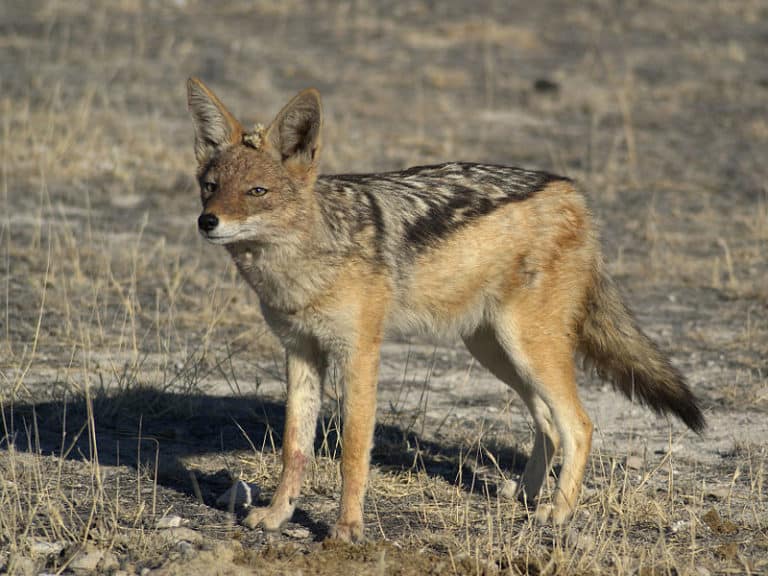
Small canids, big survival skills
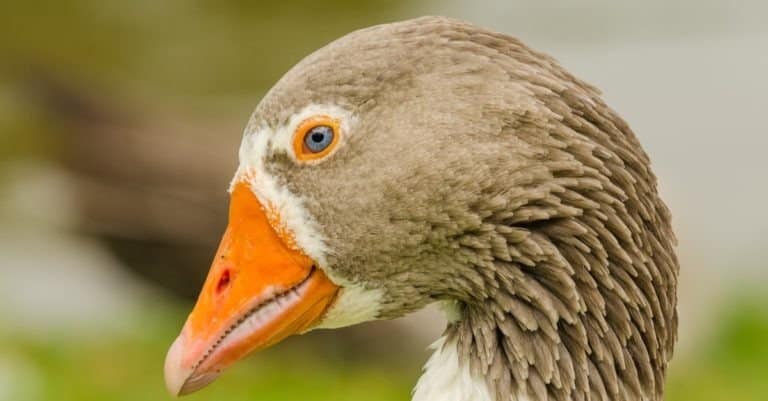
Webbed feet, sky roads, wetland lives
Agricultural expansion is the conversion of natural or semi-natural ecosystems (e.g., forests, grasslands, wetlands, savannas) into cropland, pasture, or plantation agriculture, resulting in the direct loss and fragmentation of habitat. It is a primary land-use change driver that reduces native species' population sizes, disrupts ecological processes, and alters ecosystem structure and function.
Agricultural expansion is when farming or ranching spreads into wild areas, replacing native plants with row crops, pasture, or plantations. It often involves clearing, draining, burning, or plowing, which removes food, nests, hiding places and the structure many species need. The main result is habitat loss and fragmentation into smaller, isolated patches. This happens with small farms, large croplands, cattle ranching, and industrial plantations. Expansion increases edge effects—changes in local climate, invasive species, predation, and human access—and brings roads, fences, and canals that speed clearing and block animal movement. Agricultural expansion drives biodiversity loss and cuts ecosystem services by shrinking and isolating wildlife, raising extinction risk and causing runoff, changed water, fires, and more conflict with people.
Agricultural expansion is a major driver of habitat loss; when combined with other land conversion, the remaining habitat becomes too small and isolated to support viable populations.
Smaller, fragmented patches reduce microclimatic buffering and limit climate-driven range shifts; drought and heat stress are amplified where wetlands are drained and canopy cover is removed.
Expansion often brings more agrochemicals and sediment runoff; habitat conversion plus contamination simultaneously reduces habitat quantity and quality, intensifying declines in sensitive taxa.
Disturbed soils, edges, and transport of seed/stock facilitate invasives; invaded field margins and remnant patches outcompete native plants and alter fire regimes.
Increased wildlife-livestock contact and shared water points elevate pathogen spillover risk; fragmented habitats concentrate wildlife, further increasing transmission.
New farm roads and access increase hunter entry and visibility of wildlife in open habitats, raising offtake and disturbance in remnant patches.
Access and settlement associated with new agricultural frontiers can increase opportunistic capture/collection, adding direct removal to ongoing habitat conversion.
Daily farm activity (machinery, noise, lighting) compounds fragmentation by reducing effective use of nearby habitat and increasing chronic stress.
Crop raiding and livestock depredation increase as natural forage declines; conflict drives retaliatory killing, fencing, and deterrents that further fragment landscapes.
Agriculture-driven fragmentation isolates populations; when combined with already small or declining populations, inbreeding and loss of adaptive variation accelerate.
Water withdrawals for irrigation and conversion of diverse habitats to low-resource fields jointly reduce food and water availability, intensifying competition and starvation risk.
Agricultural expansion commonly brings roads, canals, powerlines, and fencing; infrastructure adds barriers, collision/electrocution risk, and more access for exploitation.
Drainage, channelization, and altered fire/grazing regimes used to maintain farmland compound conversion impacts by degrading adjacent ecosystems and disrupting natural disturbance cycles.
As agriculture expands near growing towns, combined land demand compresses wildlife into smaller remnants and increases edge effects, pets, and traffic mortality.
Logging often precedes conversion, opening forests with roads and edges; subsequent agricultural expansion prevents regeneration and locks landscapes into long-term habitat loss.
Mining and agriculture can co-occur in frontier regions, multiplying road networks and settlement pressure; cumulative land disturbance accelerates fragmentation and pollution exposure.
Agriculture is the biggest direct driver of global habitat conversion: roughly 9 out of 10 cases of tropical deforestation are linked to expanding cropland or pasture (especially cattle, soy, and oil crops).
Livestock uses the vast majority of the world's farmland, but delivers a minority of our food: about 77% of agricultural land is used for livestock (grazing + feed) while providing ~18% of global calories (and ~37% of protein).
"Empty forest" can happen without cutting trees: when farms and roads push into wild areas, hunting and conflict often rise, and wildlife can disappear even if the canopy still looks intact from above.
Fragmentation creates a hidden habitat problem: converting land doesn't just remove habitat-it increases "edge" habitat (hotter, drier, windier, more disturbed), which can penetrate deep into remaining patches and change which species can survive there.
Some of the biggest biodiversity losses happen in places that don't look like forests: natural grasslands, savannas, and wetlands are frequently converted to crops or pasture, yet they can be just as irreplaceable for endemic species.
Draining wetlands for farming can trigger outsized climate pollution: drained peatlands cover a tiny fraction of Earth's surface yet contribute a disproportionately large share of human-caused CO₂ emissions, because centuries of stored carbon oxidize once soils are exposed to air.
High-yield crops can be a double-edged sword: crops like oil palm can produce far more oil per hectare than alternatives, but when expansion targets biodiverse tropical forests, the per-hectare damage can be exceptionally severe.
Many crops depend on wild nature next door: over 75% of leading food crops benefit from animal pollination, and losing nearby natural habitat can reduce pollinators, yields, and crop quality-making "more farmland" sometimes less productive than expected.
If global deforestation is ~10 million hectares per year, that's about 19 hectares per minute-roughly 25-30 soccer fields' worth of tree cover disappearing every minute; agriculture is linked to most of it.
Humanity uses about half of the planet's habitable land for agriculture-more land than is used for forests and human settlements combined.
Global farmland covers ~5 billion hectares-an area roughly the size of South America plus Australia combined.
Because livestock dominates land use, a large share of Earth's ice-free land is effectively "dedicated" to animal products-comparable to turning a continent-scale area into grazing and feed production.
Converting intact habitat into fields doesn't just shrink nature; it chops it into smaller pieces-like turning one big blanket into confetti-making it harder for wide-ranging animals to find mates, food, and safe passage.
When natural habitat is replaced by farms, the new edges act like a "heat and dryness filter" along boundaries-similar to moving a cool, shaded interior ecosystem closer to a roadside microclimate.
Draining peatlands for agriculture is like opening a long-sealed carbon vault: carbon that took centuries to accumulate can be released over decades once soils are drained and exposed.
Replacing diverse habitat with a single crop is like swapping a whole library for one book: the landscape may stay "green," but it supports far fewer species and far fewer ecological roles.
The rainforest's master gardener
Moon-marked climber of Asian forests
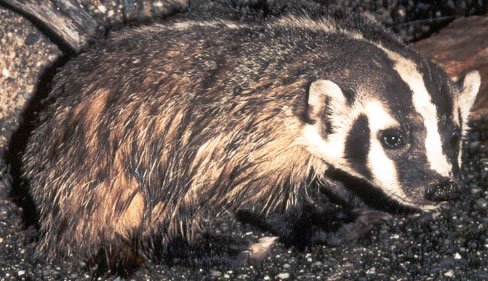
Built to dig. Born to endure.
Night pilots of the mammal world
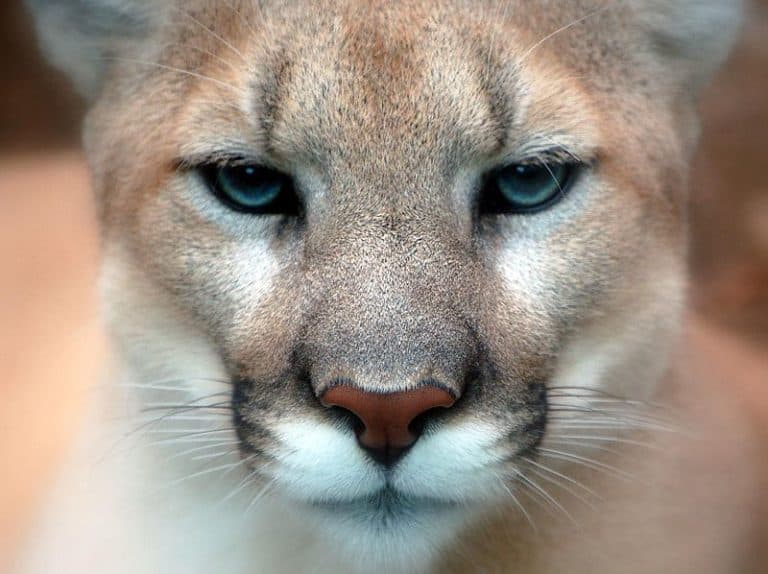
One cat. Two continents.
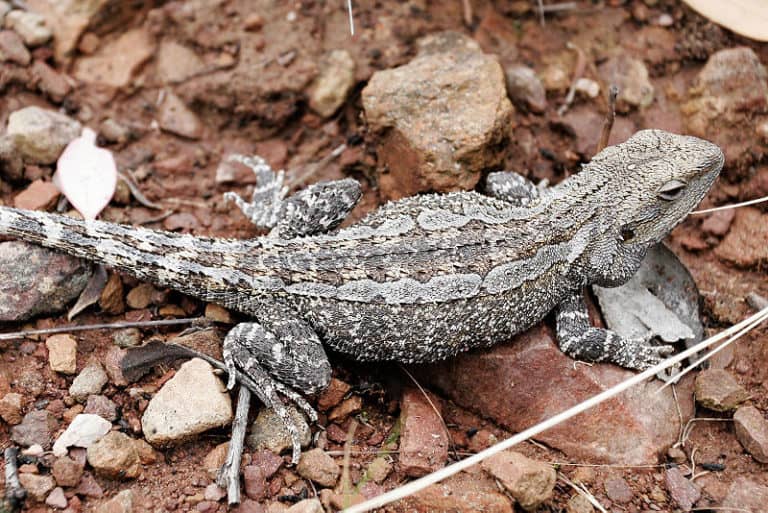
Big beard. Bold basker.
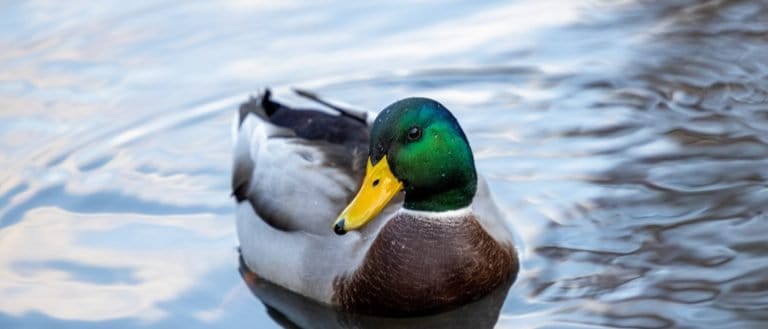
Webbed feet, world travelers.
Built to soar, born to strike
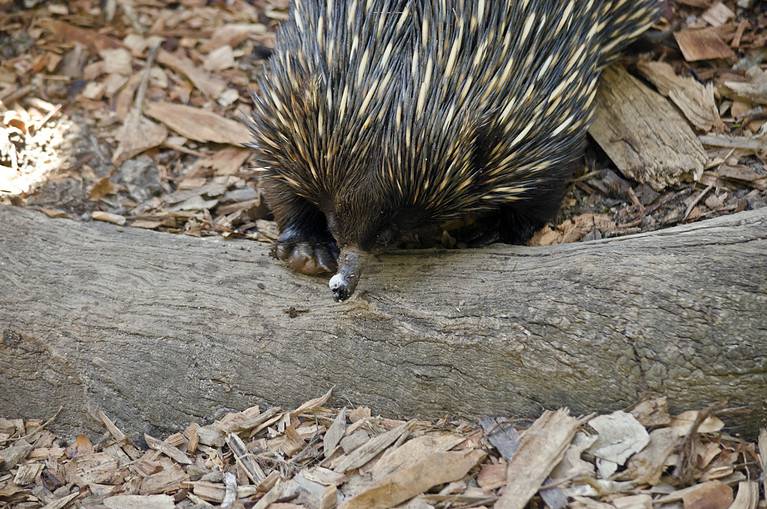
Spines, eggs, and ant-eating mastery
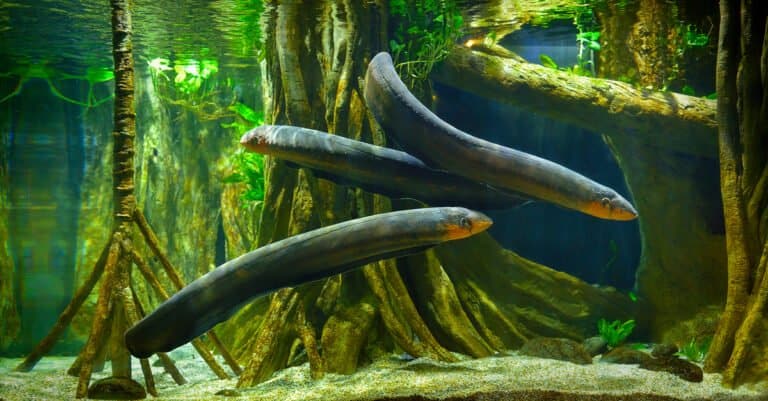
Lightning hunter of the Amazon
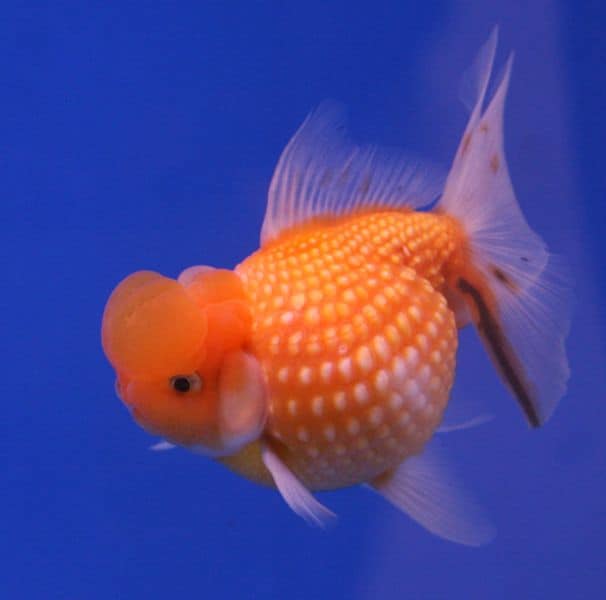
Bony rays, endless ways.
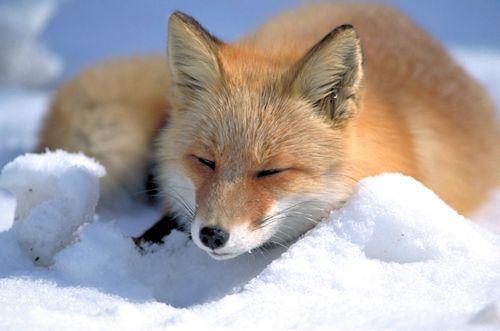
From dunes to tundra-fox smart.
Tailless jumpers, masters of change
Webbed feet, sky roads, wetland lives
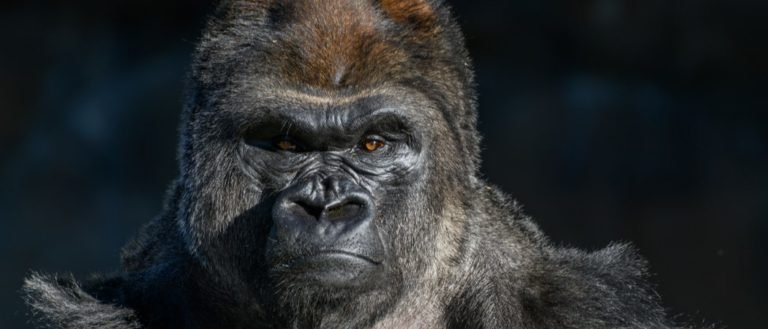
Gentle giants of the African forests
Pouches, burrows, and big impacts
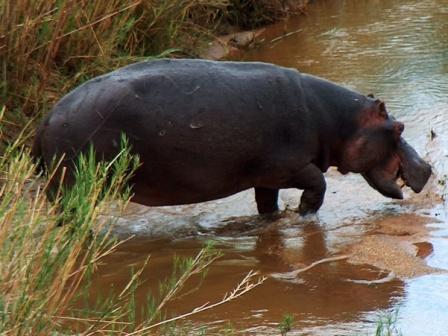
Big river grazer, bigger attitude
Sun-powered lizards of the Americas
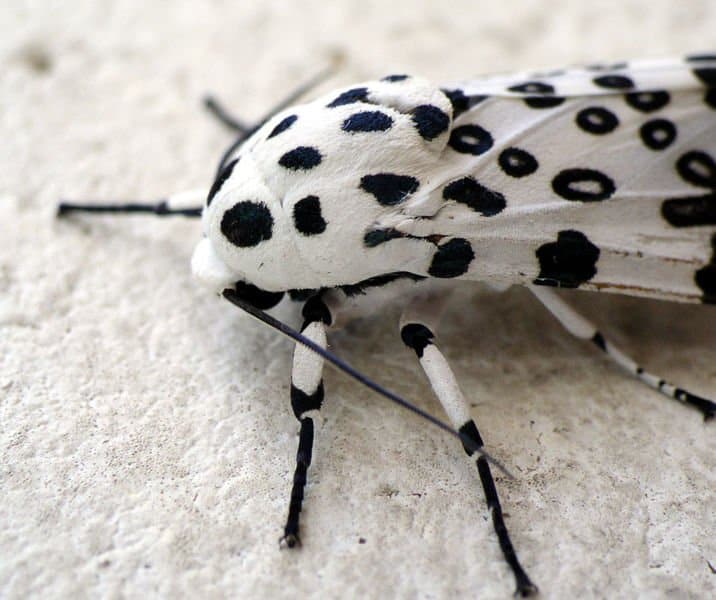
Six legs, endless lives.
Small canids, big survival skills
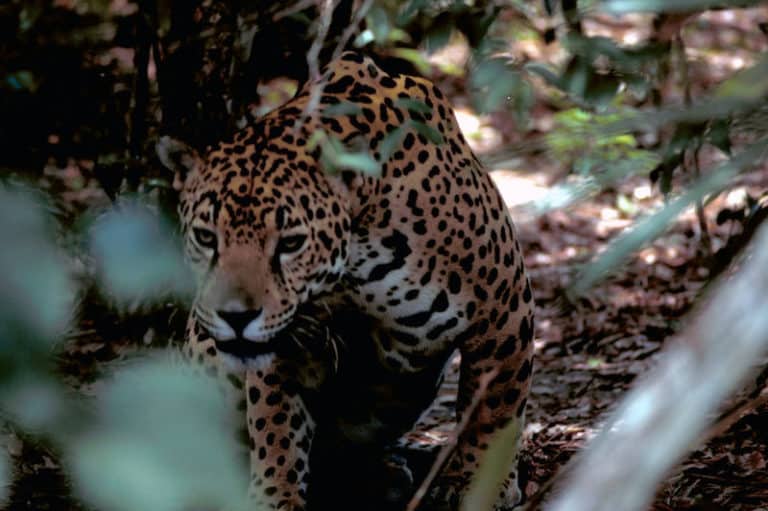
Power of the Americas' apex cat
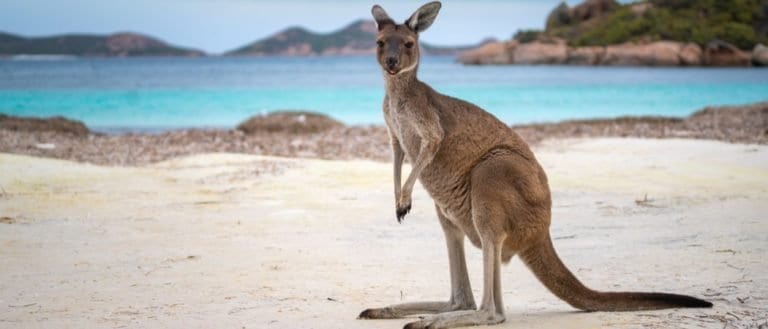
Big hops, big pouches, big variety
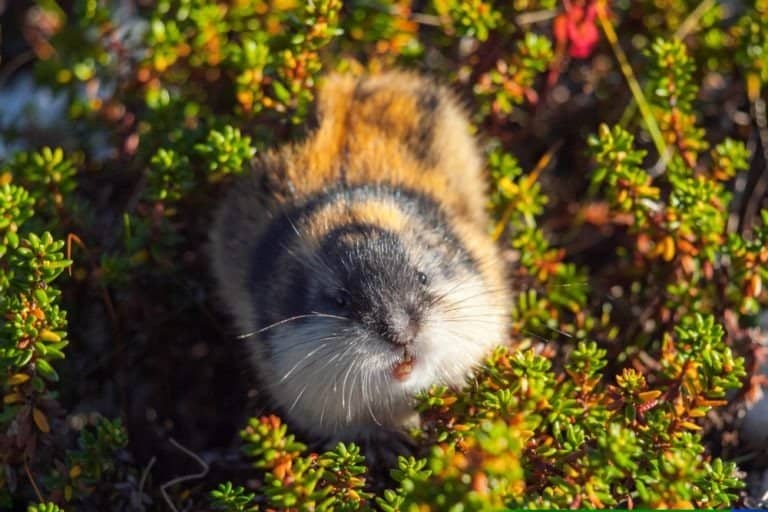
Small rodents, huge tundra impact
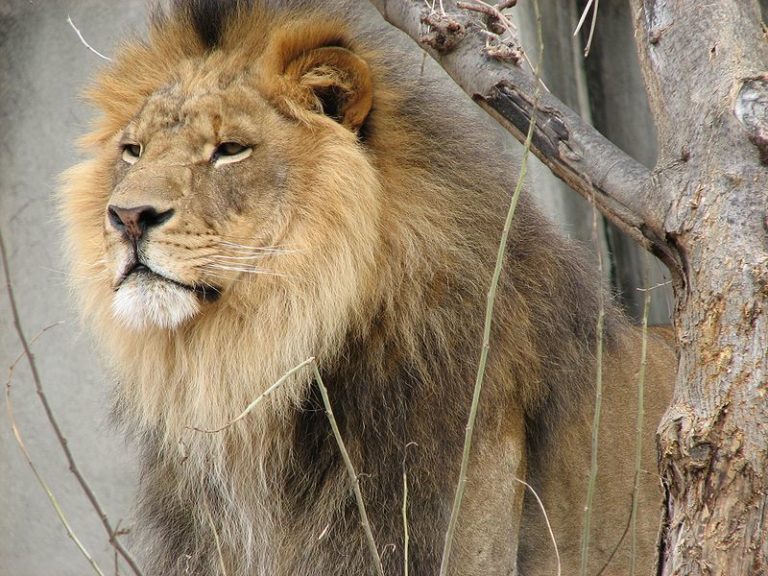
Built for prides, born for the hunt
Thank you for reading! Have some feedback for us?
We appreciate your help in improving our content.
Our editorial team will review your suggestions and make any necessary updates.
There was an error submitting your feedback. Please try again.