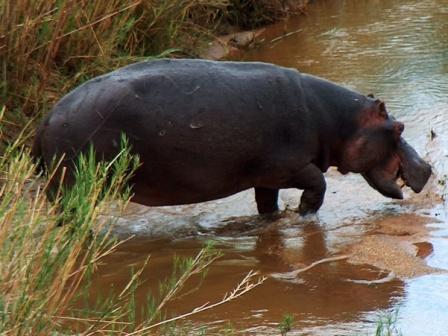
Hippopotamus
Big river grazer, bigger attitude

Big river grazer, bigger attitude
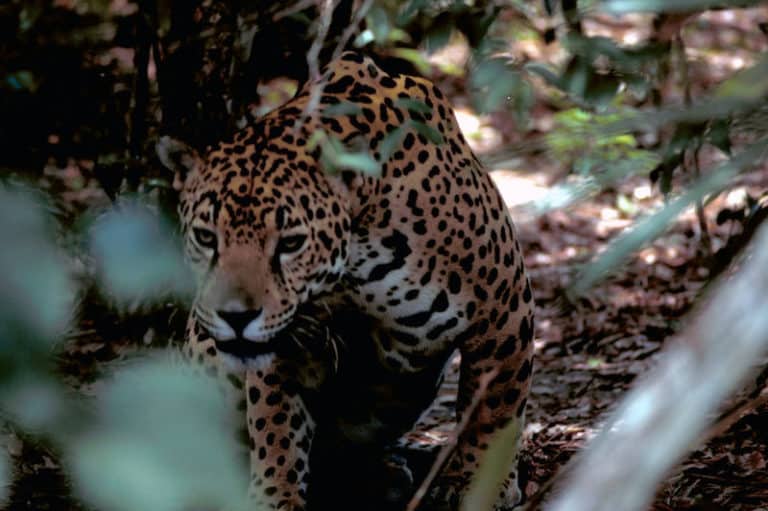
Power of the Americas' apex cat
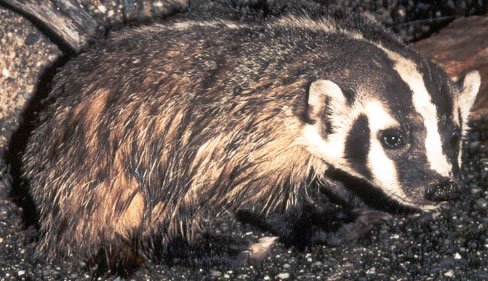
Built to dig. Born to endure.
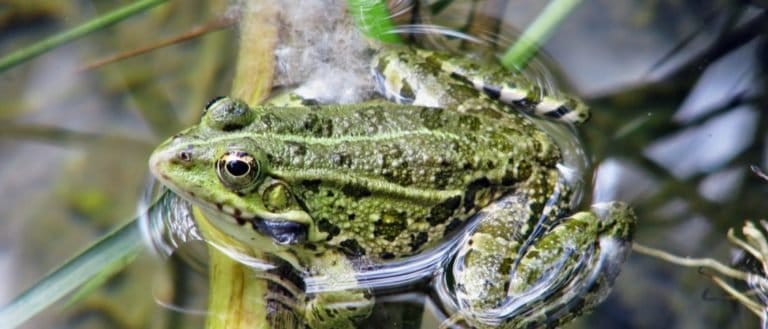
Tailless jumpers, masters of change
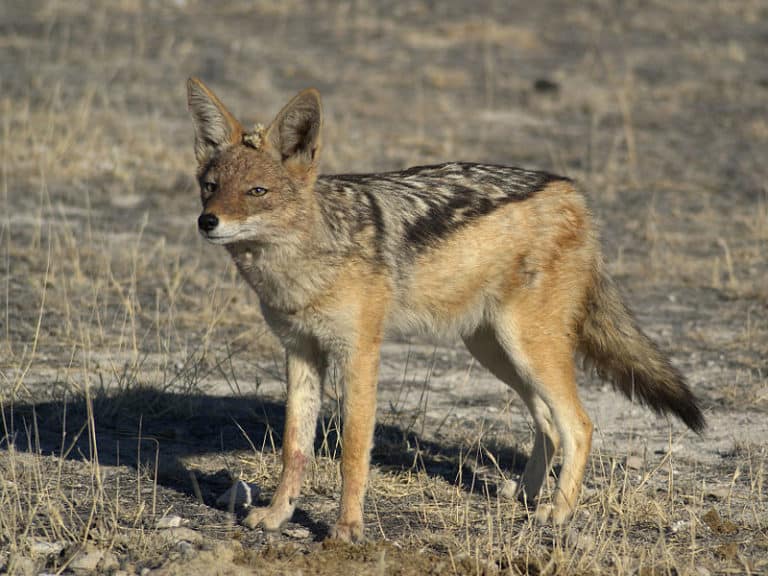
Small canids, big survival skills
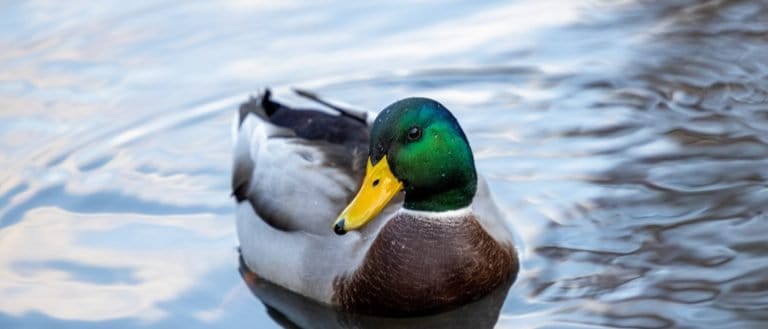
Webbed feet, world travelers.
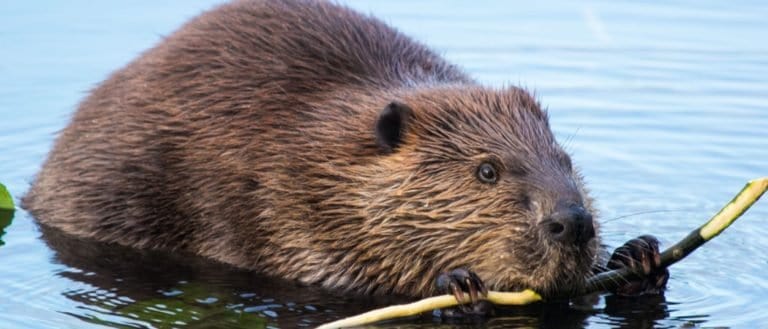
Build wetlands, shape worlds.
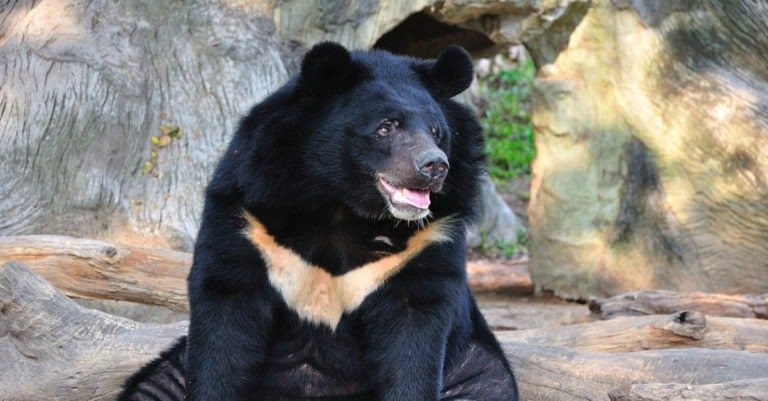
Moon-marked climber of Asian forests
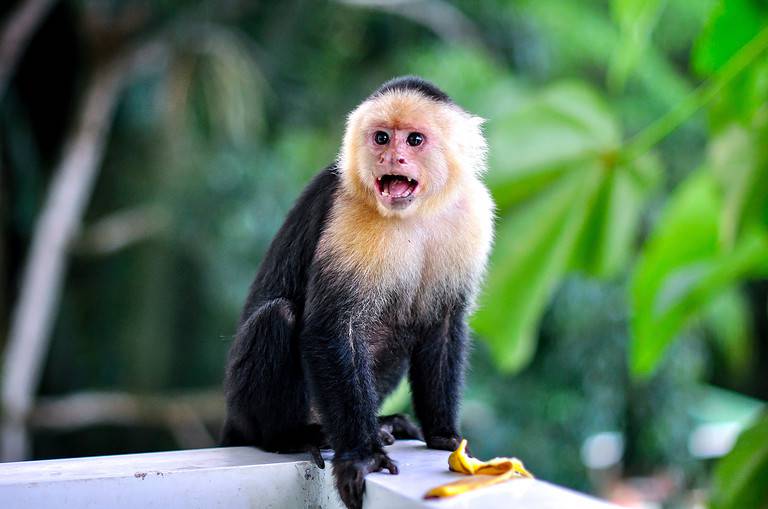
Hands, minds, and social lives
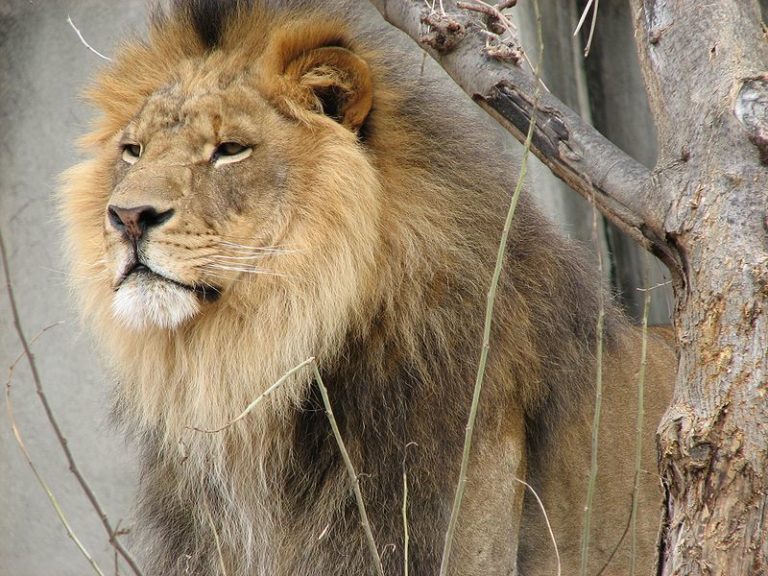
Built for prides, born for the hunt
Hunting is the intentional killing, wounding, or live-capture of free-ranging wild animals by humans using weapons, traps, or other methods for consumption, recreation, trade, conflict mitigation, or other purposes. As an exploitation pressure, it increases mortality beyond natural rates and can reduce population viability, especially when harvest is unsustainable or selectively removes key demographic groups.
Hunting is legal or illegal killing or capture of wild animals by shooting, trapping, snaring, netting, poisoning, or chasing with dogs. People hunt for food, money, pets, sport, trophies, or to control pests. Effects depend on how many are taken, access, laws, and species biology such as slow breeding or social groups. Hunting can quickly reduce numbers when losses exceed new births. Removing large adults or breeding females changes age and sex mix, lowers reproduction, breaks social systems, and raises risk from habitat loss and climate. Long-term hunting can create "empty" forests or savannas, cause local extinctions, and harm food webs by removing key species. Poorly managed or illegal hunting is the main threat; well-regulated hunting can fit conservation.
Smaller, fragmented habitats make populations less able to withstand hunting; limited refuges increase encounter rates and local extirpation risk.
Roads and access tracks enable hunters to reach remote areas, increase hunting efficiency, and facilitate transport of carcasses and weapons.
Trade demand (meat, trophies, parts) incentivizes higher offtake, organized poaching, and persistent pressure even as populations decline.
Recreation and settlement activity can push animals into predictable corridors or refuges where hunters concentrate effort, compounding avoidance and stress.
Hunting overlaps with retaliatory killing; conflict-driven persecution can remove survivors from already hunted populations and prevent recovery.
Lead from ammunition and toxic baits add poisoning pathways; pollutants can weaken animals, making them more susceptible to injury and mortality during pursuit.
Droughts and altered seasonality concentrate wildlife at scarce water/food sources, making hunting more efficient and amplifying population declines.
Hunting-related stress and social disruption can increase susceptibility and spread; carcass handling and baiting can also aggregate animals and facilitate transmission.
Selective harvest (e.g., large horns/tusks) accelerates loss of desirable alleles and reduces effective population size, increasing inbreeding risk.
Logging roads and camps increase access and provide markets for bushmeat; habitat opening also raises visibility and hunter success.
Mining camps create sustained local demand for bushmeat and add road networks, increasing hunting pressure and enabling illegal trade routes.
Altered fire regimes, water diversion, or damming can concentrate wildlife in remaining suitable areas, where hunters target predictable aggregations.
Edge habitats and crop fields attract wildlife; hunters exploit these predictable foraging sites, while farms reduce refuges and increase conflict killings.
Urban markets can increase demand for meat/trophies and improve transport logistics, sustaining higher hunting intensity over wider areas.
Declining natural food/resources can force animals to travel farther and take risks, increasing exposure to hunters and reducing resilience to offtake.
Invasives can reduce native prey or habitat quality, so hunted populations recover more slowly; invasive predators can further suppress depleted prey populations.
When fish stocks decline, communities may shift protein sources to bushmeat, increasing hunting pressure on terrestrial wildlife.
Multiple hunting types (subsistence, trophy, pest control) can stack spatially and seasonally, pushing total mortality beyond sustainable limits.
Hunting can change evolution in real time: when the biggest-horned or largest-bodied animals are consistently targeted, populations can shift toward smaller size or smaller horns/tusks within just a few generations.
Selective hunting often removes breeding adults, not just "extra" animals-so the population impact can be much larger than the number killed, especially for slow-breeding species like many carnivores and large ungulates.
Even when a species isn't driven extinct globally, hunting can cause "silent extinctions" locally (extirpations) that break food webs-predators, seed dispersers, and scavengers can vanish from an area while forests still look intact.
Hunting can skew sex ratios and age structure: taking males with impressive antlers/horns can leave too few mature males, change mating systems, and reduce genetic diversity.
Trophy hunting can create a "genetic bottleneck" effect if the most impressive animals are removed before they reproduce, potentially reducing the prevalence of those traits over time.
Targeting top predators can trigger ripple effects: fewer predators can mean more herbivores, which can overbrowse vegetation and alter entire habitats-an impact far beyond the hunted species itself.
Unregulated hunting is often additive, not substitutive: it can stack on top of natural deaths rather than simply replacing them, pushing populations into decline faster than expected.
Capturing animals for the live trade is a form of hunting too, and it can be highly wasteful-some animals die during pursuit, handling, or transport, so the number removed from the wild can exceed the number that reach markets.
"Empty forest syndrome" is a real phenomenon: in some hunted tropical forests, large animals become rare or absent even though the canopy remains, reducing seed dispersal and changing which tree species can regenerate.
Hunting pressure can be invisible in statistics: a population may look "stable" until it suddenly crashes once breeding adults are depleted, because fewer young are recruited into the population year after year.
Think of a population like a savings account: hunting juveniles is like spending interest, but hunting breeding adults is like withdrawing the principal-recovering takes far longer.
If you remove just 1-2 adult females per year from a small, slow-breeding population (e.g., some big cats or bears), that can be the difference between growth and decline-like losing a key employee in a tiny team and watching the whole operation falter.
Selective removal of the largest individuals is like cutting down the oldest fruit trees every season: you may still have a "forest," but the best producers disappear and regeneration can't keep up.
Local extirpation from hunting can be like turning off a critical service in a neighborhood: the area still exists on a map, but essential functions (predation, scavenging, seed dispersal) stop operating.
Skewed sex ratios from hunting are like trying to run a relay with half the team missing: reproduction and social stability can break down even when "plenty of animals" remain.
When top predators are heavily hunted, the ecosystem response can resemble removing the brakes from a car: herbivore numbers can surge, and habitat damage can accelerate quickly.
Live-capture hunting can be like a leaky supply chain: for every animal that arrives at a market, additional animals may be lost along the way due to stress, injury, or mortality.
Targeting the biggest-tusked/antlered animals is like harvesting only the largest seeds from a crop: over time, you shift what the next generation looks like.
In slow-reproducing species, recovery after heavy hunting can take decades-more like rebuilding a cathedral than repairing a fence.
Hunting pressure concentrated near roads and rivers can create "hollow zones" in otherwise intact habitat-like a city that looks full from above but has empty neighborhoods along the main streets.
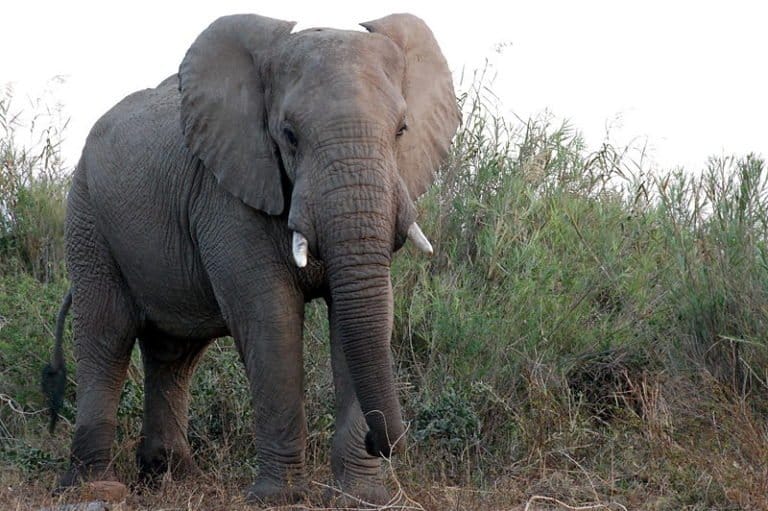
The rainforest's master gardener
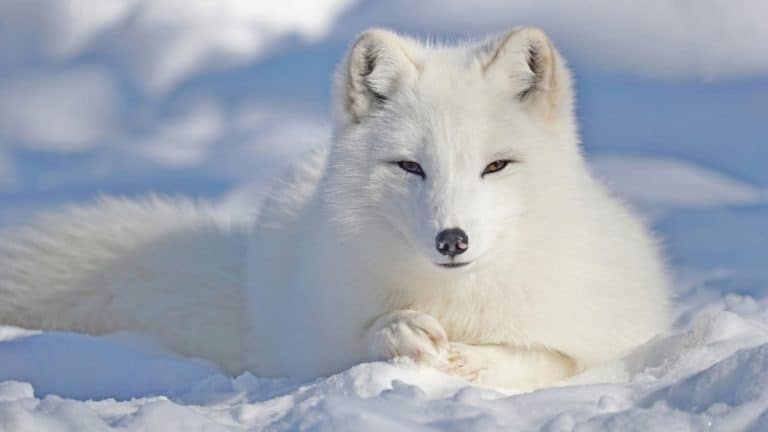
Built for blizzards, born for tundra
Moon-marked climber of Asian forests
Built to dig. Born to endure.
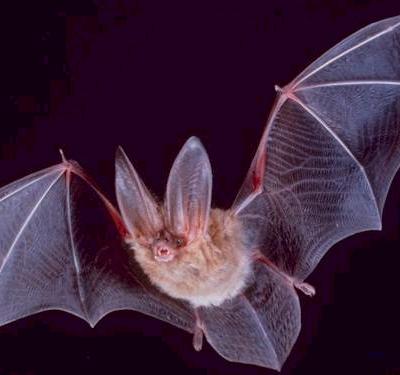
Night pilots of the mammal world
Build wetlands, shape worlds.
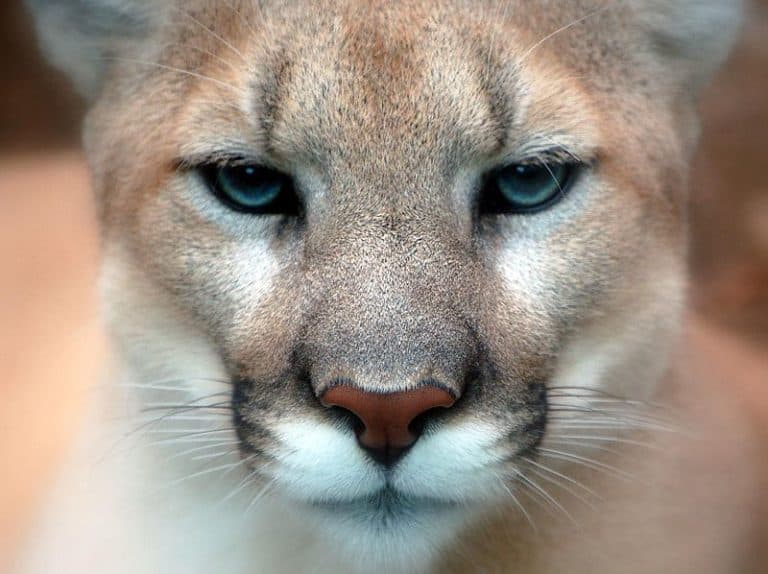
One cat. Two continents.
Webbed feet, world travelers.
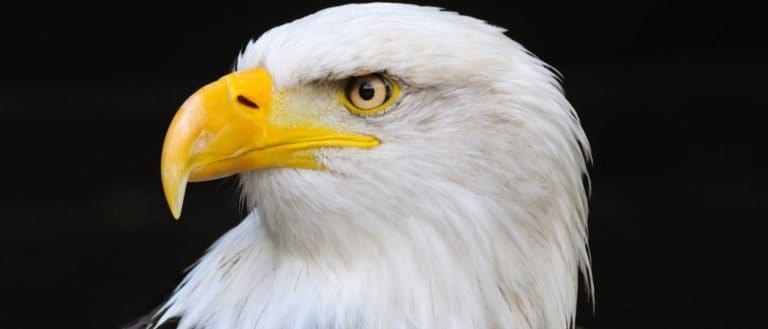
Built to soar, born to strike
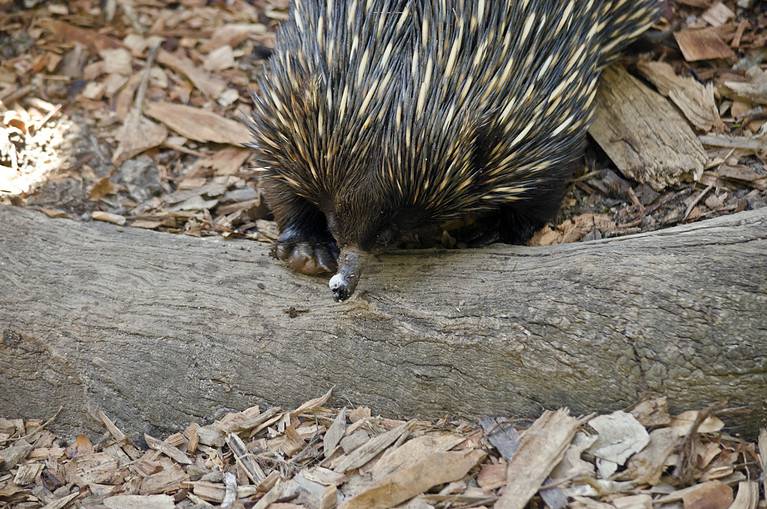
Spines, eggs, and ant-eating mastery
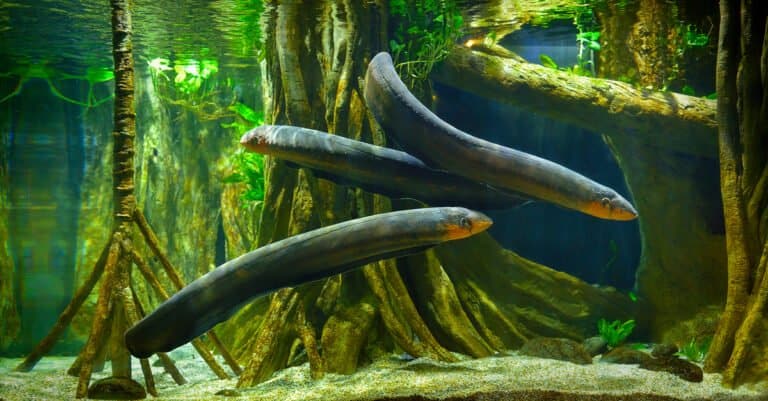
Lightning hunter of the Amazon
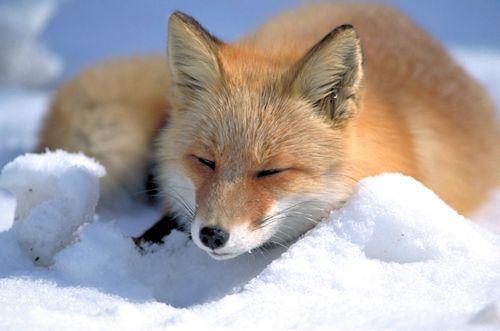
From dunes to tundra-fox smart.
Tailless jumpers, masters of change
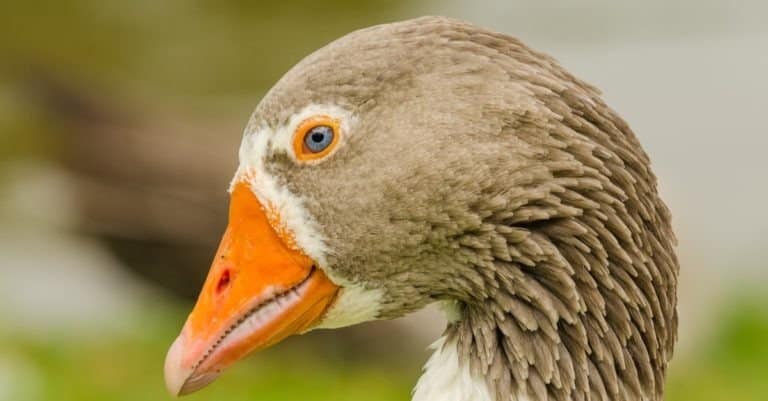
Webbed feet, sky roads, wetland lives
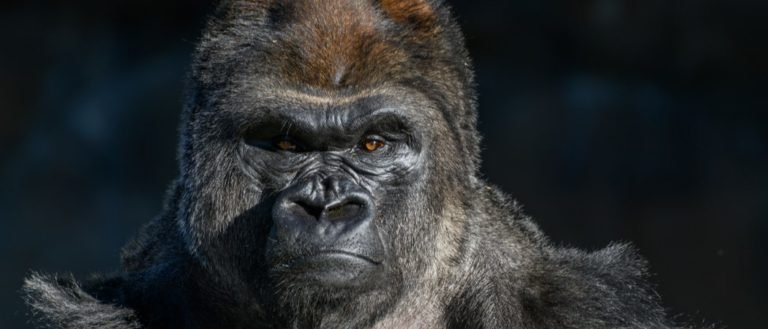
Gentle giants of the African forests
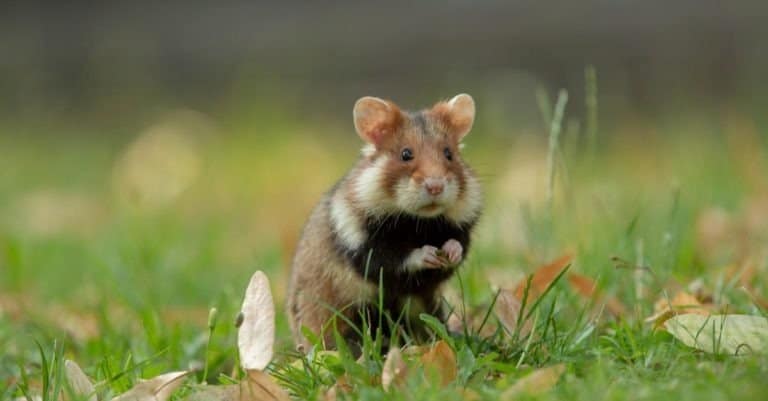
Pouches, burrows, and big impacts
Big river grazer, bigger attitude
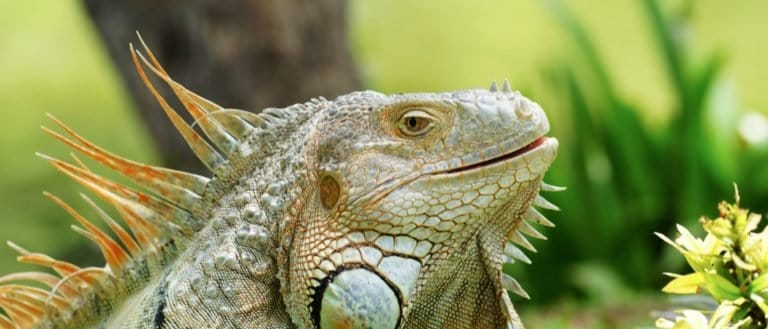
Sun-powered lizards of the Americas
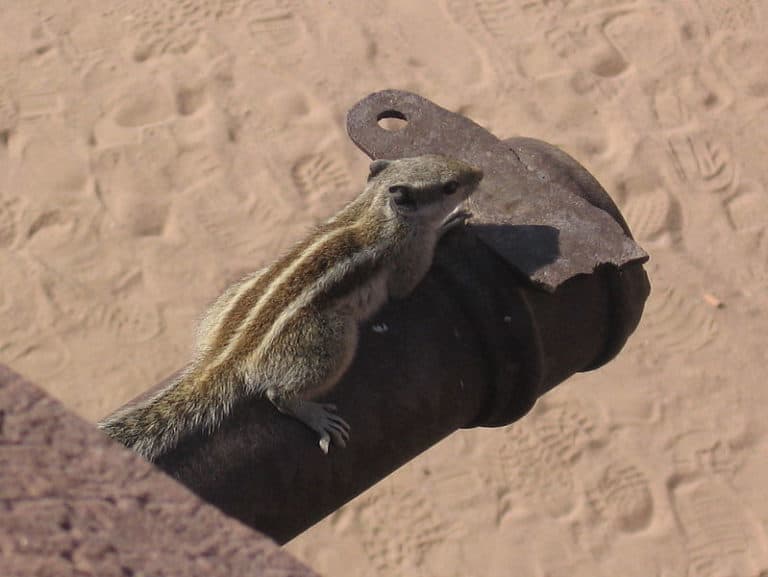
Three stripes. Big city attitude.
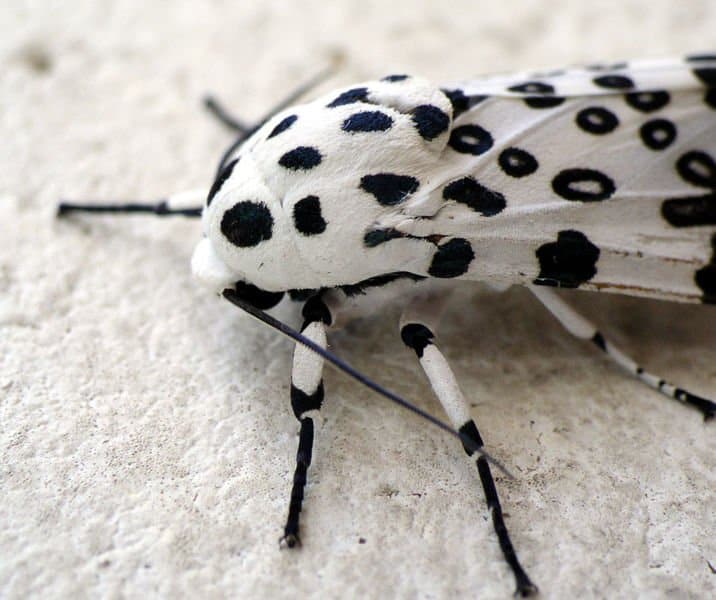
Six legs, endless lives.
Small canids, big survival skills
Power of the Americas' apex cat
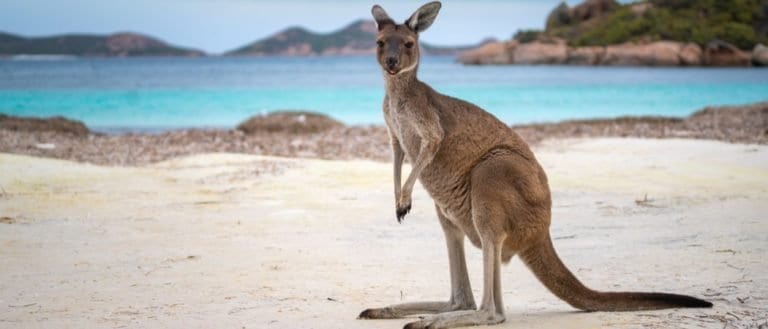
Big hops, big pouches, big variety
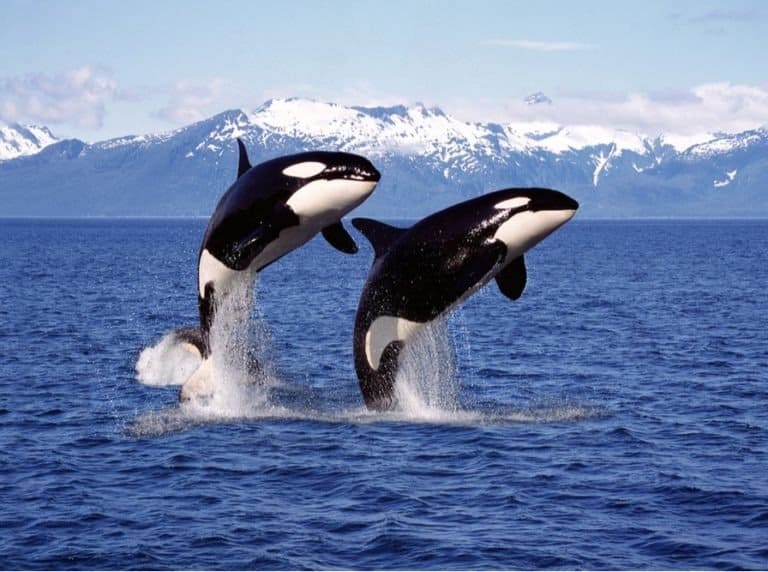
One species, many ecotypes.
Thank you for reading! Have some feedback for us?
We appreciate your help in improving our content.
Our editorial team will review your suggestions and make any necessary updates.
There was an error submitting your feedback. Please try again.