
Insects
Six legs, endless lives.

Six legs, endless lives.
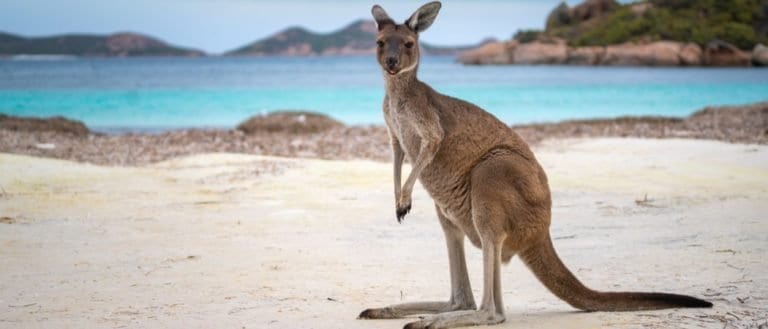
Big hops, big pouches, big variety
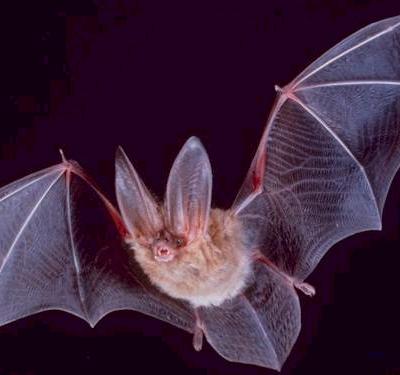
Night pilots of the mammal world
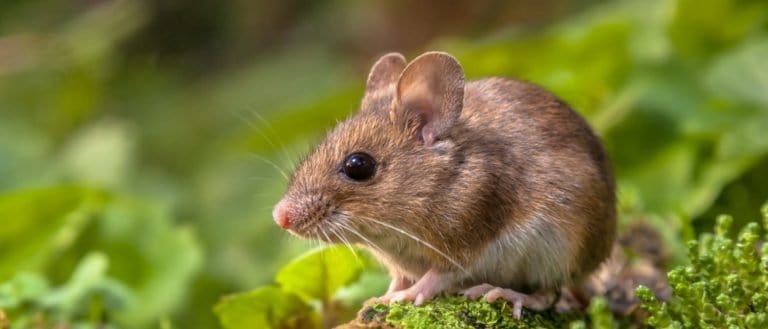
Small gnawers, huge impact.
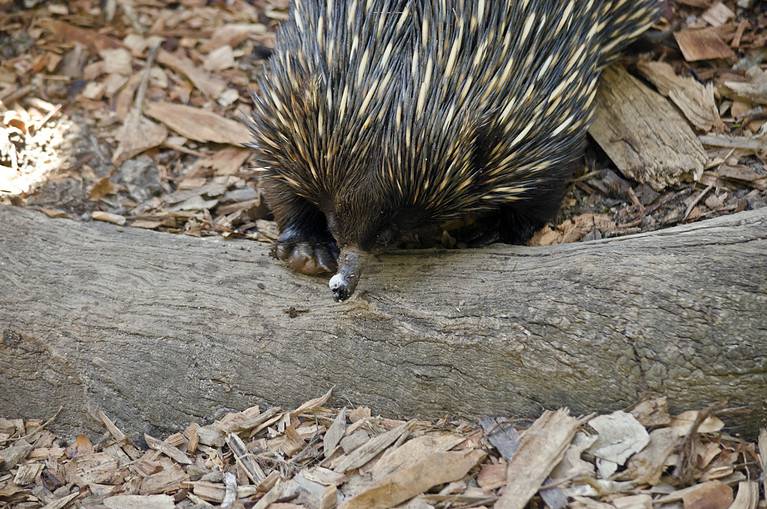
Spines, eggs, and ant-eating mastery

Lemurs: Madagascar's primate marvels
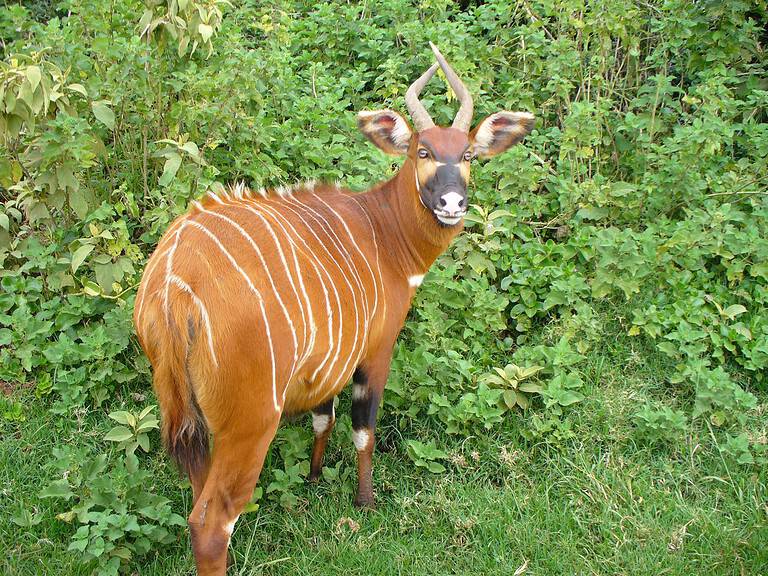
Spiral horns, forest shadows
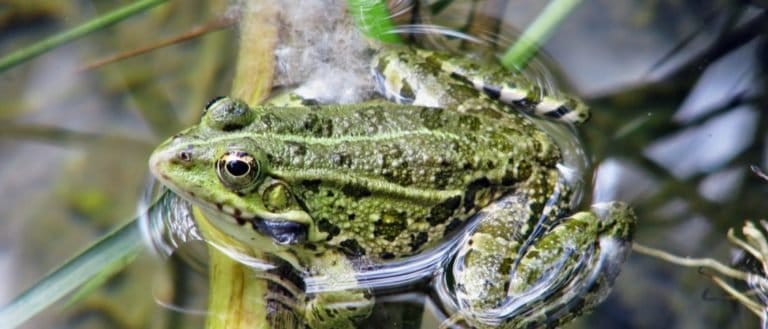
Tailless jumpers, masters of change

From geckos to dragons-lizard power
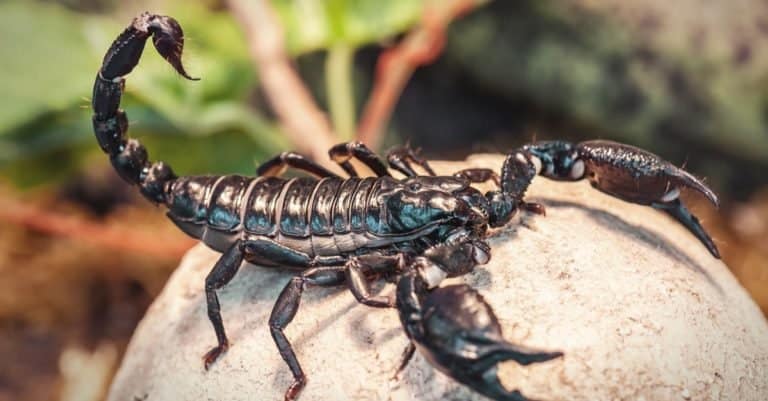
Glow at night, strike with precision
Mining is the extraction of geological materials (e.g., metals, coal, industrial minerals, construction aggregates) from the Earth via surface or underground operations, typically involving excavation, blasting, and removal of overburden. As a conservation threat, mining causes habitat loss and alteration, pollution, and landscape-scale fragmentation that can directly and indirectly reduce species viability and ecosystem function.
Mining includes open-pit, strip and underground mining, quarrying, placer dredging, and small-scale artisanal mining. It removes plants and soils, digs rock and overburden, and builds roads, rail, processing plants, power lines, and worker camps. This destroys habitat, breaks movement paths, raises edge effects, and causes wildlife death or displacement from noise, vibration, traffic, and human presence. Mining also harms ecosystems beyond the mine: erosion and sediment run-off smother rivers and wetlands and lower water quality. Chemical pollution—acid mine drainage, heavy metals, cyanide, hydrocarbons, and salty or toxic tailings—can last decades and build up in food webs. Even restored sites may not fully recover, and new mining in remote, biodiversity-rich areas risks endemic species.
Mining-driven clearing and fragmentation compound broader habitat loss, accelerating population declines by reducing total habitat area while also severing connectivity among remaining patches.
Mining releases sediments, acids, and metals that intensify existing pollution loads, pushing waterways past toxicity thresholds and increasing bioaccumulation through food webs.
Roads, powerlines, rail, and ports built for mines expand the disturbed footprint, increase collision/electrocution risk, and open remote habitats to further exploitation and settlement.
Continuous noise, vibration, and night lighting from mining combine with other human activities to reduce habitat effectiveness over a much larger area than the pit itself.
New access roads and worker presence increase hunting pressure and opportunistic killing, turning displacement into direct mortality and reducing recovery potential.
Concentration of wildlife at limited clean water sources (from dewatering/pollution) and subsidized scavenger populations near camps increase contact rates and pathogen transmission.
Drier conditions and extreme rainfall amplify mining impacts: drought worsens dewatering stress on wetlands, while intense storms increase tailings/sediment runoff and spill risk.
Stream diversion, impoundments, and groundwater extraction from mining interact with other hydrological alterations to simplify aquatic habitats and reduce resilience to disturbance.
Logging associated with mine expansion and access roads further reduces canopy cover and increases erosion, magnifying sedimentation and edge effects on forest-dependent species.
Mining roads and settlement can catalyze agricultural expansion, causing additional clearing and nutrient runoff that compound mining-related fragmentation and water quality degradation.
Mining booms can drive new towns and services, increasing chronic disturbance, light/noise pollution, and land conversion around mine regions.
Over-extraction of groundwater and surface water for processing reduces availability for ecosystems and concentrates pollutants, worsening physiological stress and mortality during dry periods.
Most of what gets dug up in metal mining becomes waste: for many copper ores, well over 95% of the rock moved ends up as tailings or waste rock, not usable metal-meaning huge landscapes are reshaped to produce a relatively small amount of product.
Gold is often mined at astonishingly low concentrations: modern gold ores can contain just a few grams of gold per metric ton of rock, so vast amounts of material may be excavated for something that could fit in your pocket.
Mining's footprint is often larger than the pit: access roads, powerlines, rail spurs, camps, and pipelines can fragment habitats far beyond the excavation area, creating new edges that favor invasive species and increase hunting pressure.
Some mining pollution can outlast the mine by centuries: acid mine drainage (from sulfide-rich rocks exposed to air and water) can keep leaching metals into streams long after operations end if not managed.
Tailings aren't just "mud": they can contain fine particles plus processing chemicals and concentrated metals; when tailings enter waterways, the fine sediment can smother fish eggs and aquatic insect habitat, disrupting entire food webs.
"New roads" can be the real biodiversity trigger: in remote regions, a single mining road can open up previously intact habitat to logging, land clearing, and settlement-cascading impacts that may exceed the mine's direct disturbance.
You can't always see the risk: contamination can move underground through groundwater or appear downstream, meaning ecosystems far from the mine site can be affected without obvious surface damage near the source.
Mine waste can create brand-new (but harmful) landscapes: waste rock piles and tailings impoundments can form hills, plateaus, and artificial ponds that permanently change drainage patterns and microclimates.
Reclamation is not the same as restoration: even when a site is replanted, original soil layers, microbial communities, and complex habitat structures (like old-growth forest or peatlands) may take decades to centuries to recover-if they recover at all.
Mining can concentrate rare, sensitive species in harm's way: many high-value deposits occur in biodiverse regions (e.g., tropical forests, mountains, and river headwaters), where disturbance can disproportionately affect endemic species with small ranges.
Think "iceberg": the open pit is the visible tip, while the larger "underwater" part is the network of roads, power corridors, and support facilities that can slice intact habitat into isolated patches.
A gold ring's worth of metal can come from rock volumes comparable to a large refrigerator or more, depending on ore grade-helping explain why small products can have large land and waste footprints.
For many metal mines, producing one ton of usable metal can require moving tens to hundreds of tons of rock (ore plus waste), like building a small hill to get a single compact car's weight of metal.
Tailings are often stored behind large engineered dams; in volume terms, some tailings facilities hold enough material to cover many square kilometers to a depth of several meters-more like a man-made lake of finely ground rock than a "pile of leftovers."
Sediment from mine runoff can act like dust in a house, but for rivers: it settles into gravel beds the way flour fills the gaps in a sieve, reducing oxygen flow to fish eggs and aquatic insects.
Habitat fragmentation from mine roads can be like cutting a single big park into many small parks: even if the total area looks similar on a map, many species decline because the interior habitat shrinks and edges expand.
Acid mine drainage can turn a stream's chemistry into something closer to a mild "battery acid" environment in extreme cases, making it difficult for sensitive aquatic species to survive.
Downstream impacts can be "smokestack without smoke": a mine can be upstream of wetlands, floodplains, and estuaries, but the ecological effects show up where the sediments and metals finally settle.
In mountainous regions, mountaintop and hillside excavation can be comparable to removing the top layers of a cake: once the structure and drainage are altered, the original "recipe" for that ecosystem is hard to recreate.
Because many deposits sit near headwaters, mining impacts can travel like a branching network: a small disturbance near the "fingers" of a watershed can affect the "palm" downstream, influencing much larger river systems.
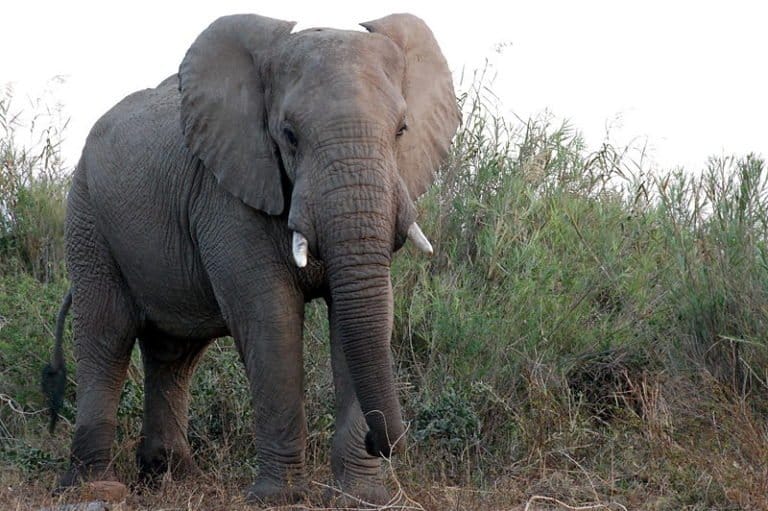
The rainforest's master gardener
Night pilots of the mammal world
Spines, eggs, and ant-eating mastery
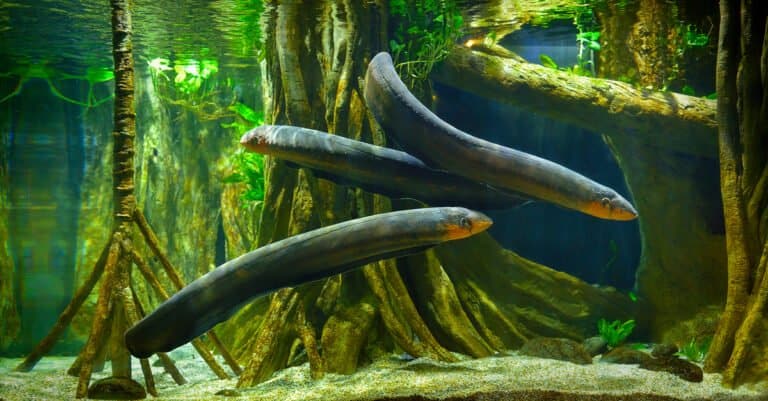
Lightning hunter of the Amazon
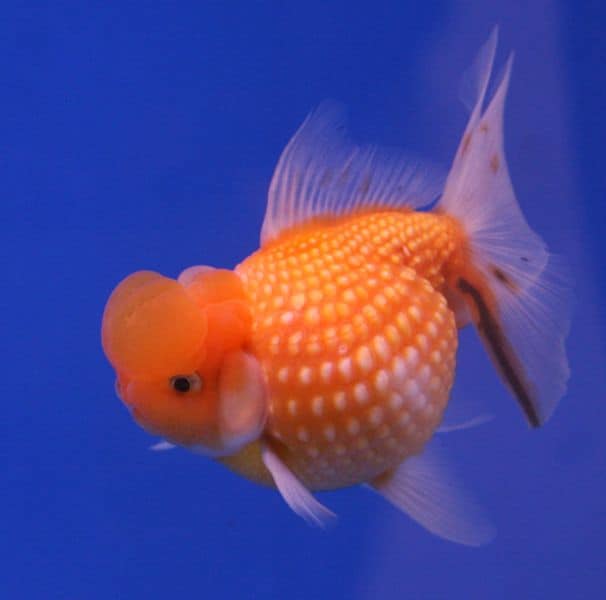
Bony rays, endless ways.
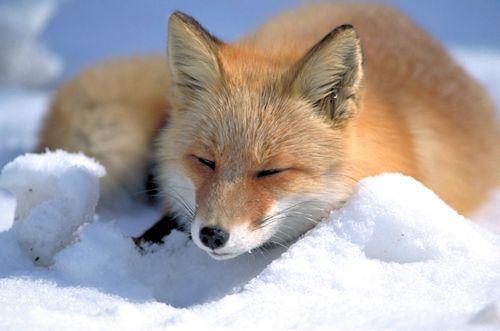
From dunes to tundra-fox smart.
Tailless jumpers, masters of change
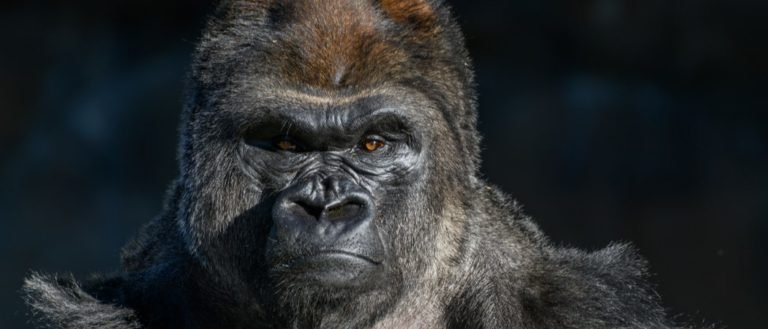
Gentle giants of the African forests

Sun-powered lizards of the Americas
Six legs, endless lives.
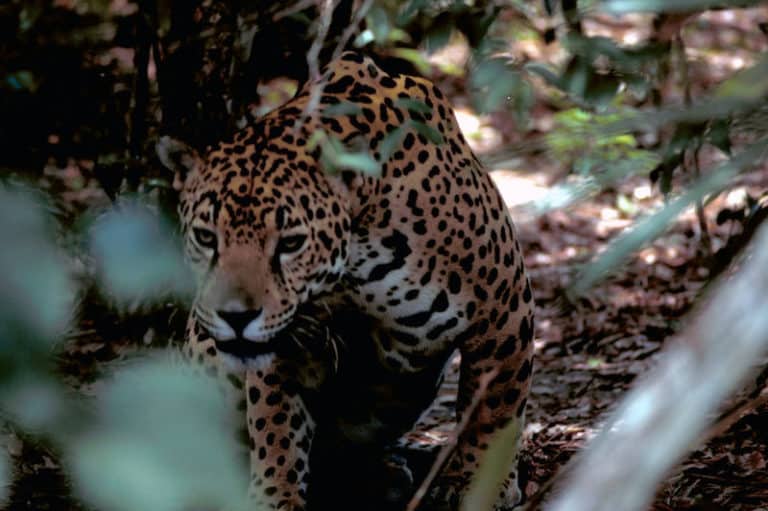
Power of the Americas' apex cat
Big hops, big pouches, big variety
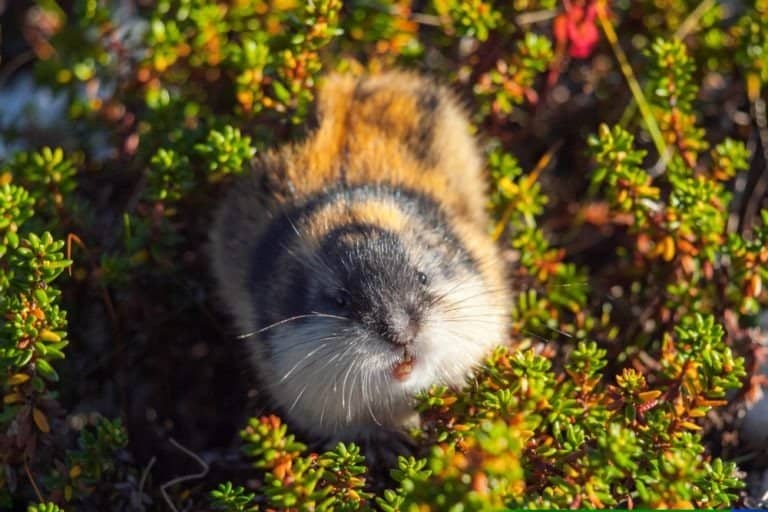
Small rodents, huge tundra impact
From geckos to dragons-lizard power
Small gnawers, huge impact.
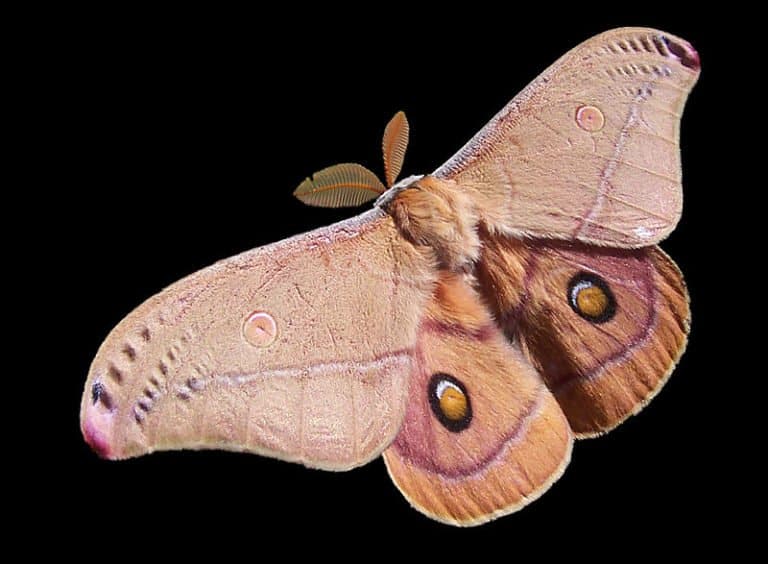
More than night flyers
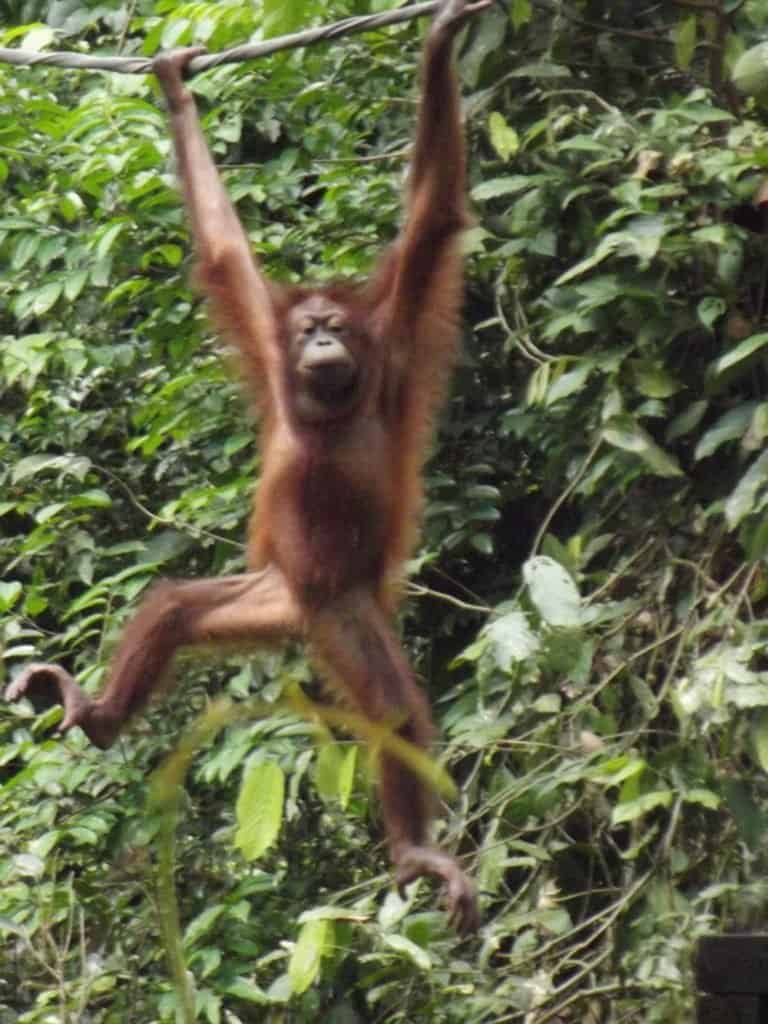
Red apes, rainforest architects
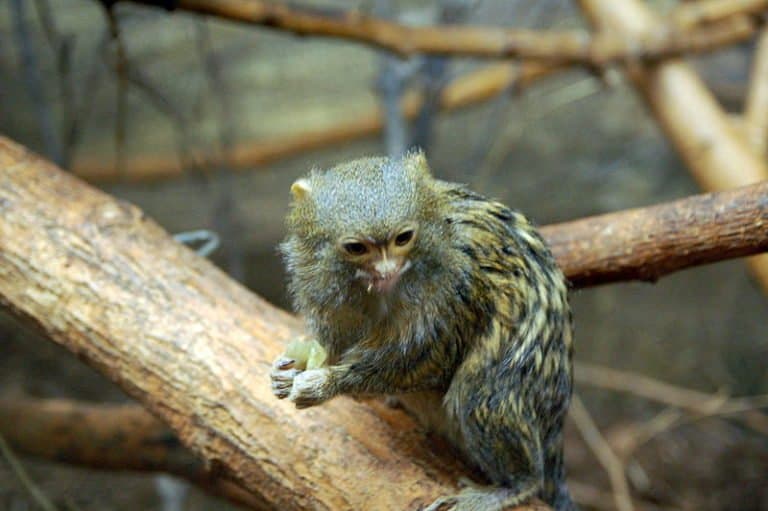
Tiny monkey, mighty gum-grazer
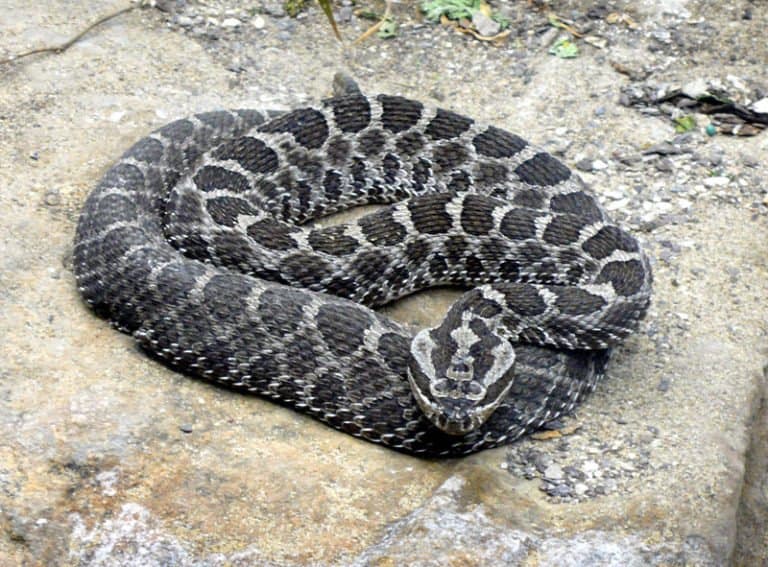
Hear the rattle, give it space.
Glow at night, strike with precision
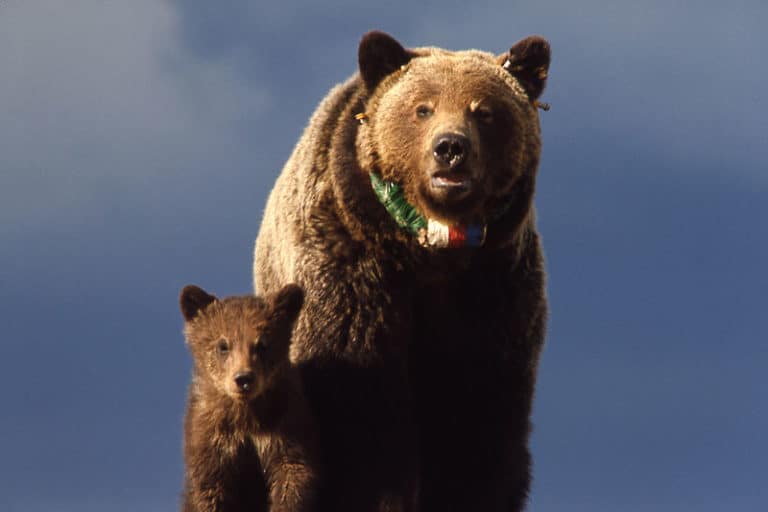
Hump, claws, and wild omnivory
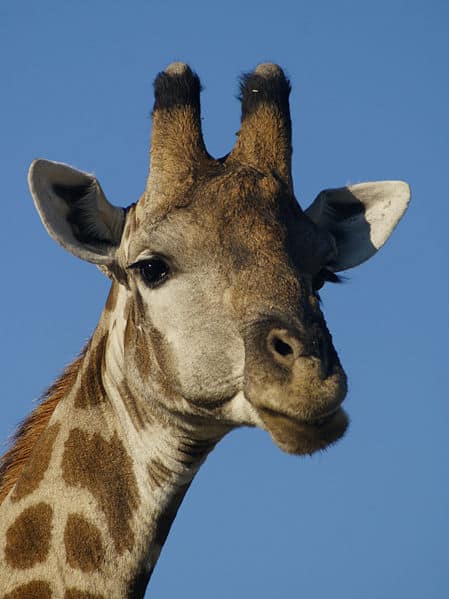
Spots, height, and silent savanna giants

Speed, smarts, and sky mastery
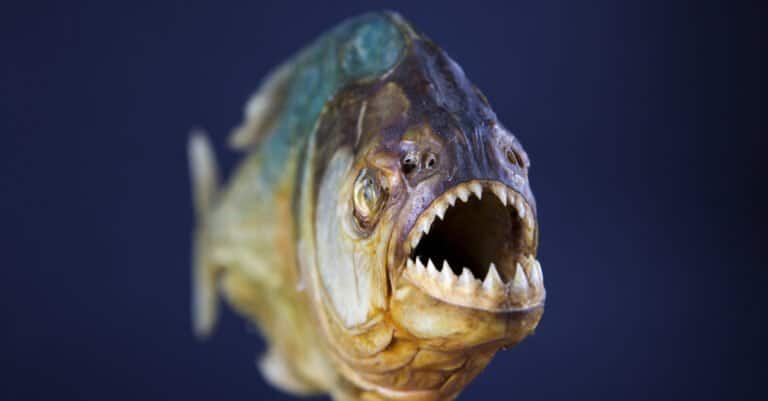
More than movies: jaws, seeds, and strategy
Thank you for reading! Have some feedback for us?
We appreciate your help in improving our content.
Our editorial team will review your suggestions and make any necessary updates.
There was an error submitting your feedback. Please try again.