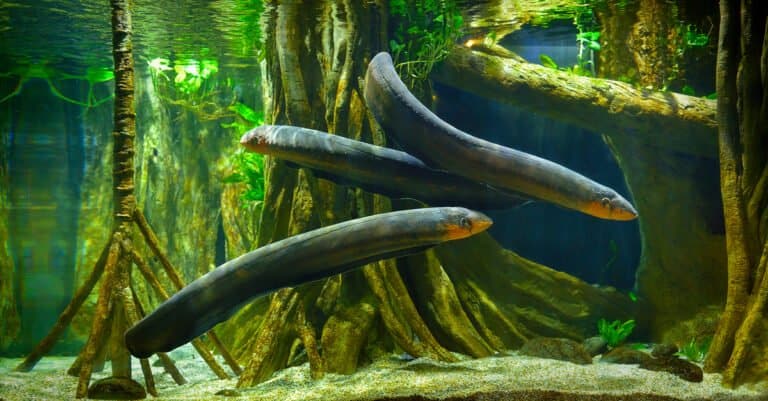
Electric Eel
Lightning hunter of the Amazon

Lightning hunter of the Amazon
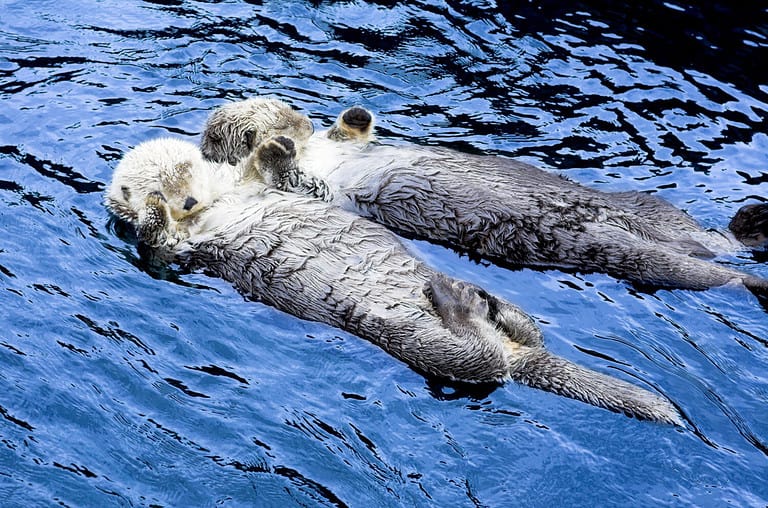
Built for water, born to hunt
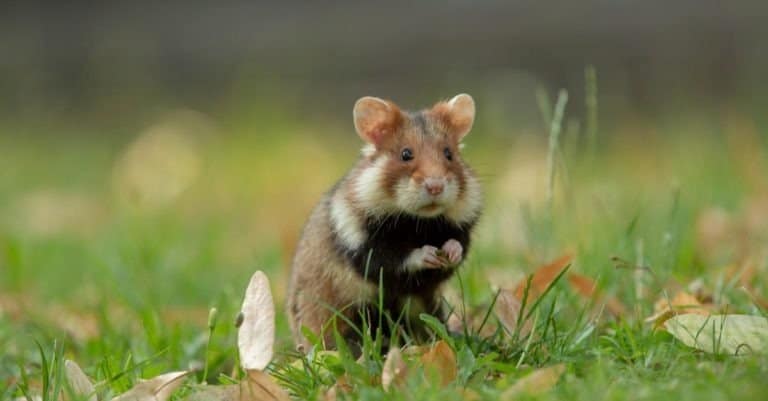
Pouches, burrows, and big impacts
Red apes, rainforest architects
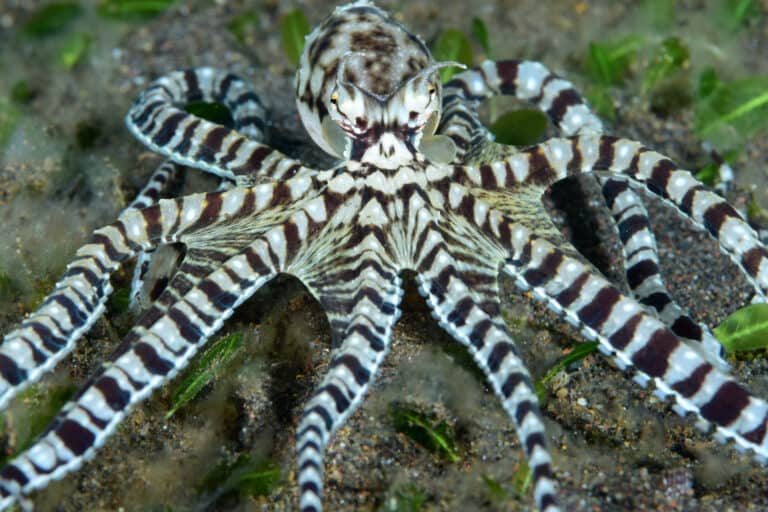
Eight arms, endless ingenuity
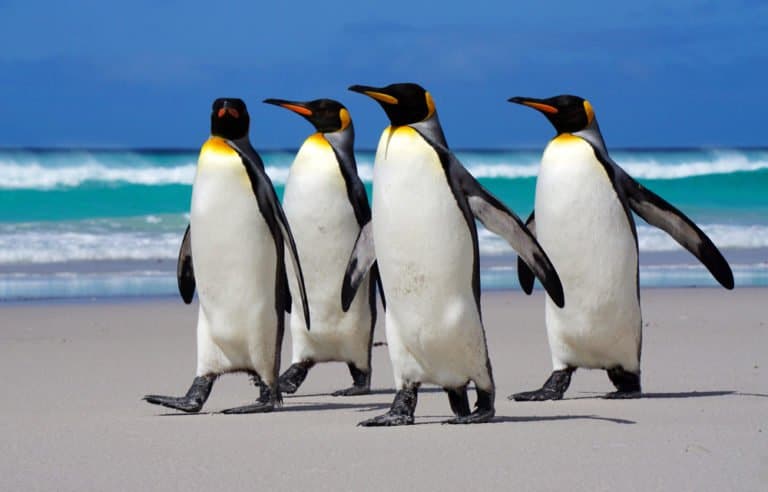
Born to dive, dressed to endure
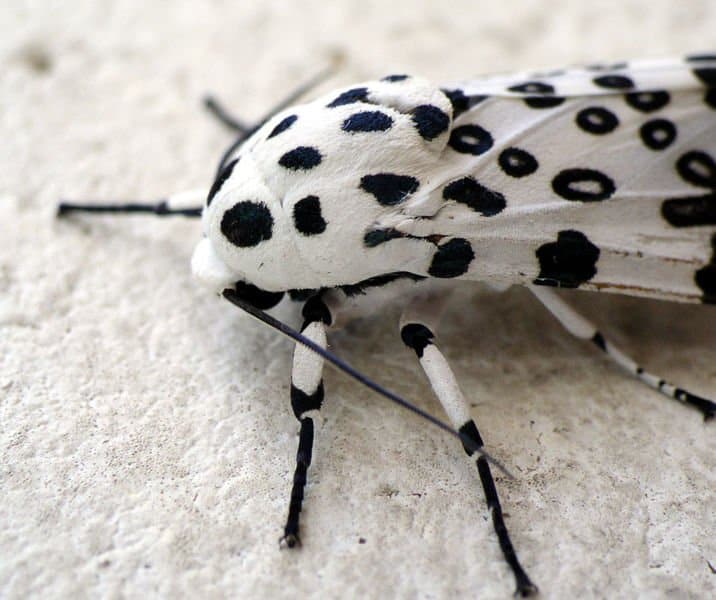
Six legs, endless lives.
Big river grazer, bigger attitude
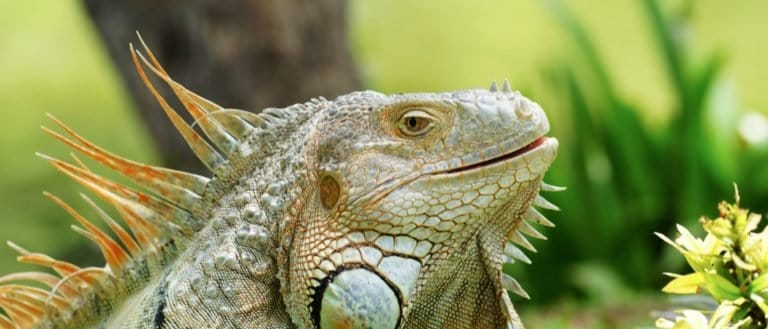
Sun-powered lizards of the Americas
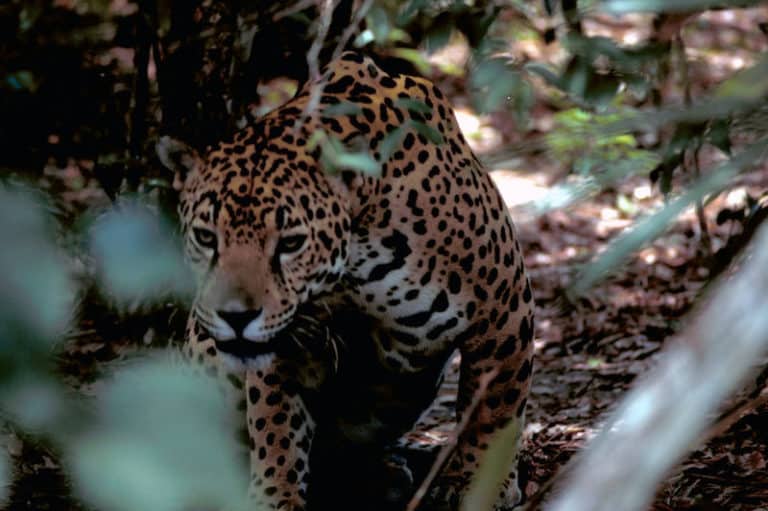
Power of the Americas' apex cat
Wildlife trade is the legal and/or illegal capture, collection, transport, and sale of wild animals, plants, and fungi (or their parts and derivatives) for human use, including food, pets, medicine, trophies, and ornamental products. It constitutes a conservation threat when extraction rates, associated mortality, and trade-driven incentives reduce wild populations, disrupt ecosystems, or elevate extinction risk.
Wildlife trade moves wild animals and plants from their homes through hunters, middlemen, transport, and markets. It includes subsistence or commercial hunting, plant collection, live capture for pets and entertainment, and harvest for medicines and luxury goods (skins, ivory, horns, shells, timber, orchids), plus bushmeat and seafood. Even when allowed, weak rules, mislabeling, false captive-breeding claims, and corruption can let unsustainable taking continue; illegal trade often uses secret cross-border networks. Trade removes wild individuals—often slow to reproduce or high-value species—causing rapid declines, more deaths from injury and stress, skewed age/sex structure, loss of genetic diversity, and ecological cascades. It also spreads disease and invasives, fuels organized crime, weakens local stewardship, and can push species to extinction as distant demand persists.
Trade concentrates stressed animals from multiple sources in close contact, increasing pathogen exchange and spillover; subsequent release/escape or market waste can introduce novel diseases into wild populations.
Wildlife trade often finances and organizes broader hunting/poaching networks; hunters may shift to additional species as target populations decline, expanding overall offtake pressure.
Habitat fragmentation increases access (roads/edges) and makes remaining populations easier to locate and capture; depleted populations then become less resilient to further habitat reduction.
Roads, ports, and airports enable rapid extraction and transport, expanding the geographic reach of collectors and lowering transaction costs for trafficking.
Repeated trapping, spotlighting, nest raids, and human presence disrupt breeding sites and roosts, compounding stress and reducing reproductive success beyond individuals removed.
Conflict killings and retaliatory removals can be laundered into trade; conversely, trade-driven depletion of natural prey can push predators toward livestock, increasing conflict.
Contaminants can increase mortality during transport/holding (poor water quality for fish, chemical exposure), while degraded habitats reduce recovery potential of over-collected populations.
Climate-driven range shifts and stress can reduce population resilience; trade offtake can tip climate-stressed populations past recovery thresholds and accelerate local extinctions.
Escaped or released traded species can become invasive, and trade pathways can also move associated parasites/commensals; invasions then further suppress native species already reduced by offtake.
Selective harvesting for desirable traits (size, color, rarity) amplifies genetic erosion and artificial selection, increasing vulnerability to future environmental change and disease.
As high-value species are depleted, traders expand to new species/areas (serial depletion), increasing pressure across ecosystems and reducing overall biodiversity.
In marine systems, ornamental and food trade adds mortality on top of fisheries bycatch and harvest; combined pressure can collapse local stocks and degrade reef community structure.
Logging opens access roads and creates worker demand for bushmeat/pets; canopy removal also exposes nests/roosts, making capture easier and compounding population decline.
Mining camps create demand for wildlife products and provide transport corridors; habitat degradation plus trade offtake reduces viable habitat and accelerates local extirpations.
Conversion increases edge access and human presence, facilitating capture; reduced habitat area means offtake removes a larger fraction of remaining populations.
Urban markets, wealth, and anonymity increase demand and laundering opportunities, while improved logistics (delivery services) boost trade volume and geographic reach.
Water regulation, fire regime change, and other modifications can concentrate wildlife at predictable sites (watering points, remnant patches), making capture more efficient and increasing offtake impacts.
Wildlife trafficking is one of the world's most lucrative illicit trades, often grouped with drugs, arms, and human trafficking-because the profits can be huge while the risk of punishment is relatively low.
A large share of traded wildlife dies before it ever reaches a buyer. Stress, dehydration, injury, and poor handling during capture and transport can kill animals that never even appear in "market" statistics.
"Legal" and "illegal" wildlife trade often overlap: legally traded species (or legal permits) can be used to launder illegally sourced animals and plants, making enforcement much harder than it sounds.
The trade isn't only about charismatic mammals-some of the most heavily traded organisms are small, quiet, and easy to ship, like reptiles, amphibians, songbirds, orchids, and rare timber.
Wildlife trade can remove the most valuable individuals first (the biggest horns, rarest color morphs, largest animals), which can change a population's genetics and reduce resilience even before numbers look "low."
Taking just a few breeding adults can crash slow-reproducing species. Many targeted animals (e.g., large parrots, primates, big cats, rhinos) don't rebound quickly because they have few offspring and long generation times.
The trade can spread disease across borders. Moving stressed animals through dense supply chains increases the chance pathogens jump between species and into people-one reason wildlife markets and trafficking are treated as biosecurity risks.
Plants are a major part of the wildlife trade. Rare orchids, cacti, and timber can be trafficked at high values, and over-collection can wipe out tiny, localized populations fast.
"Bycatch" happens in wildlife capture too: snares and traps set for one species often injure or kill many others, multiplying the ecological damage beyond the intended target.
Removing animals for trade can unravel ecosystems. Taking seed-dispersers (like certain birds and primates) or key predators can reduce forest regeneration or trigger prey booms, changing habitats over time.
Think of wildlife trade as an extraction industry-like mining-except the "resource" is living populations that reproduce slowly and can be permanently depleted.
A single trafficking route can act like a conveyor belt moving biodiversity out of ecosystems and into supply chains; the damage isn't just the animals sold, but the many that die in transit.
For slow-breeding species, losing even a handful of adults each year can be like withdrawing money from a bank account faster than interest can replace it-eventually the account hits zero.
Trafficking networks often resemble other organized crime supply chains: sourcing, consolidation hubs, forged paperwork, transport corridors, and retail markets-wildlife is treated like contraband cargo.
Wildlife trade can function like a "selective harvest" that targets the most reproductively valuable individuals; it's the ecological equivalent of repeatedly removing the best seed stock from a farm.
Moving wild animals through multiple holding points is like repeatedly packing and unpacking fragile goods-each transfer increases damage and mortality, so the true toll is larger than the final sales numbers.
A local population can be drained like a leaky bucket: even if a species is protected inside a park, demand outside can keep pulling animals out faster than conservation can put them back.
When a trafficked species plays a key ecological role (pollinator, predator, seed disperser), removing it can be like pulling critical rivets from an airplane wing-failure may happen suddenly after gradual loss.
Because profits are high per unit (especially for rare species), trafficking can be "high value, low volume"-more like smuggling jewelry than bulk goods-making it harder to detect at borders.
Wildlife markets connect distant ecosystems the way global shipping connects economies-except the "imports" can include parasites and pathogens, turning conservation into a public-health issue too.
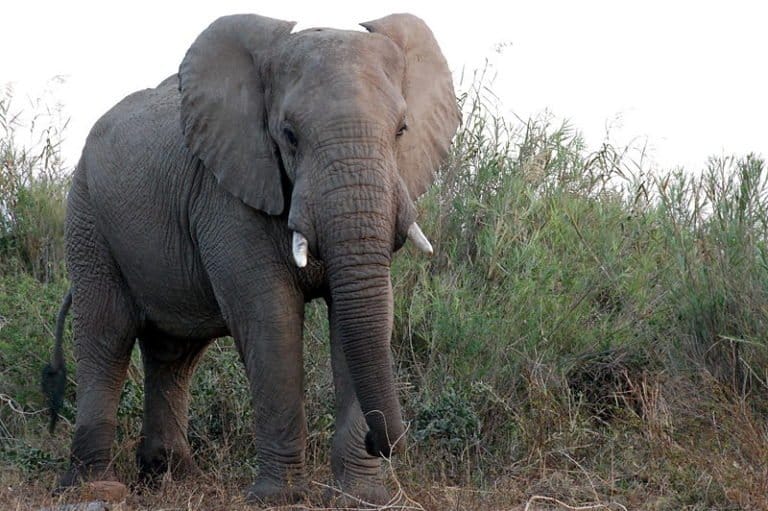
The rainforest's master gardener
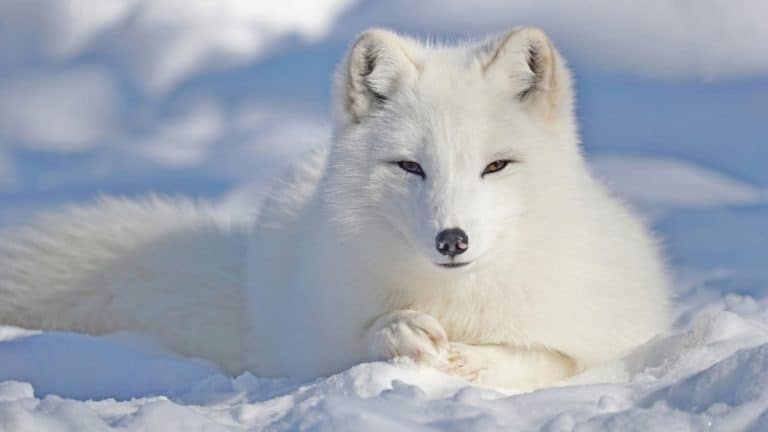
Built for blizzards, born for tundra
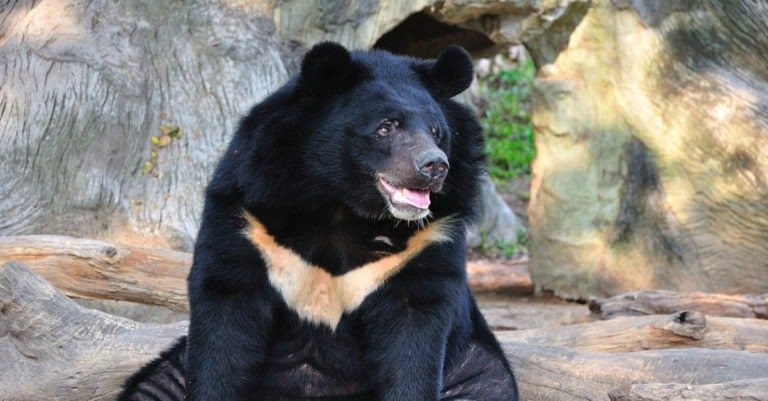
Moon-marked climber of Asian forests
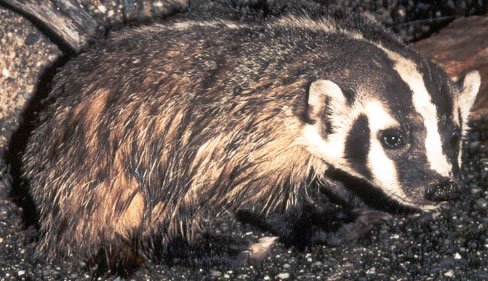
Built to dig. Born to endure.
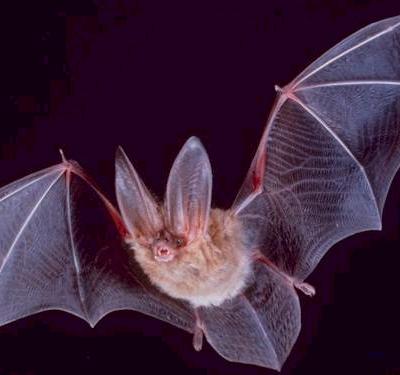
Night pilots of the mammal world
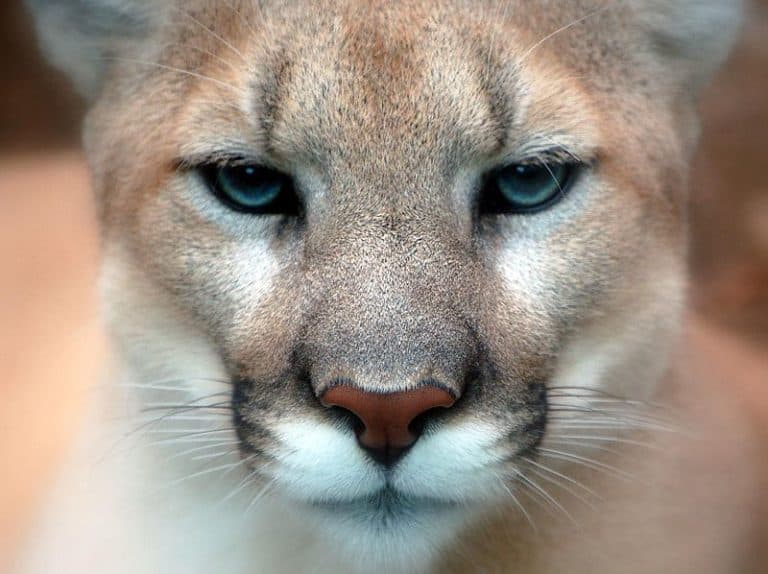
One cat. Two continents.
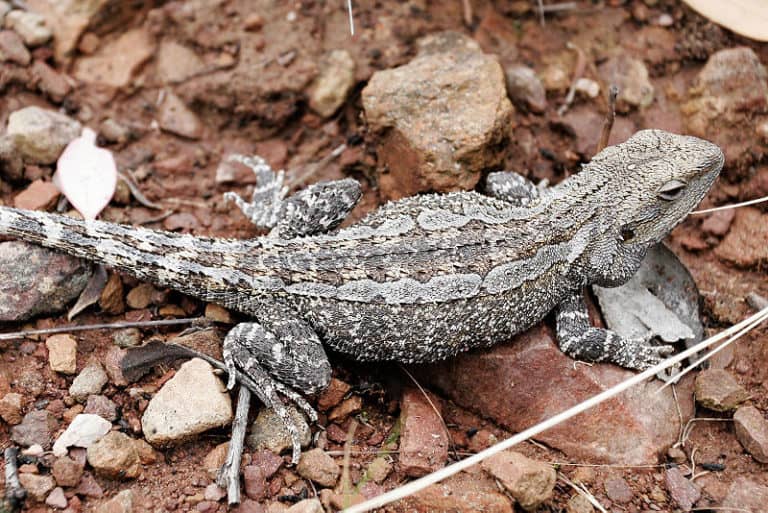
Big beard. Bold basker.
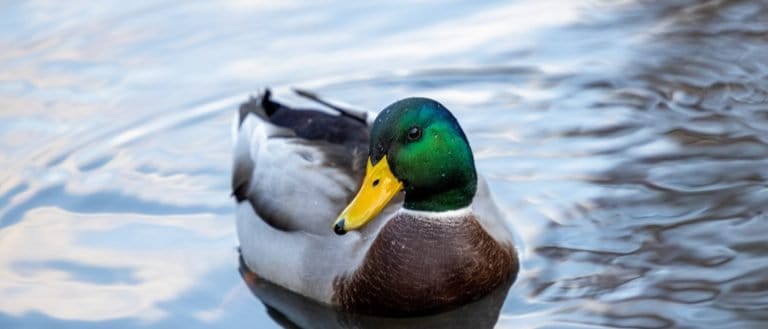
Webbed feet, world travelers.
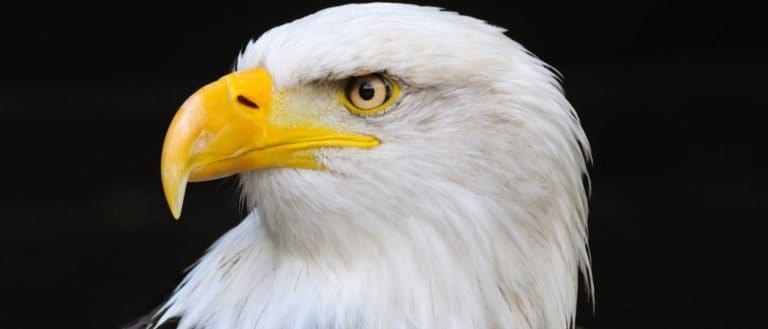
Built to soar, born to strike
Lightning hunter of the Amazon
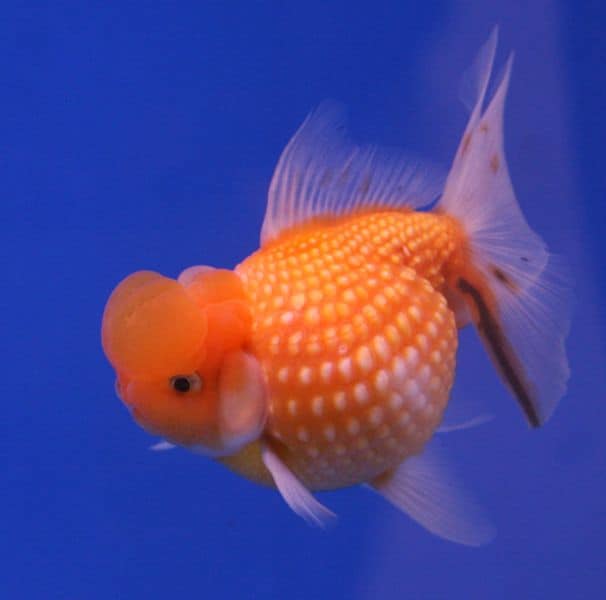
Bony rays, endless ways.
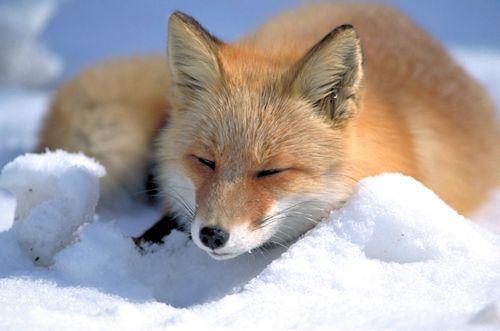
From dunes to tundra-fox smart.
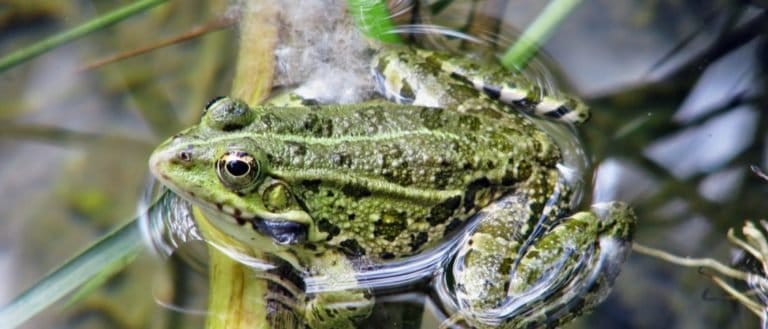
Tailless jumpers, masters of change
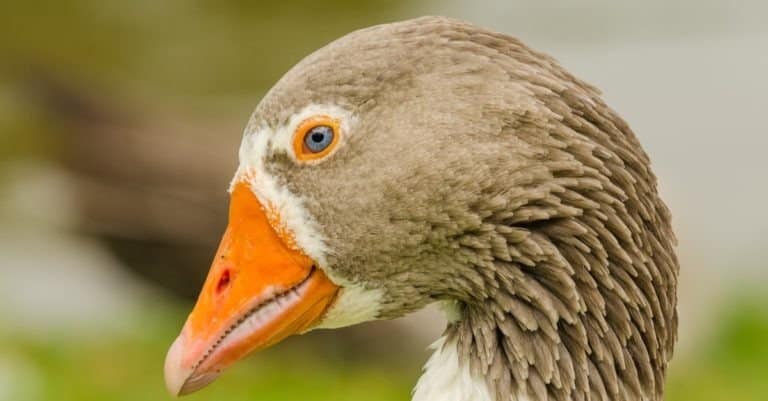
Webbed feet, sky roads, wetland lives
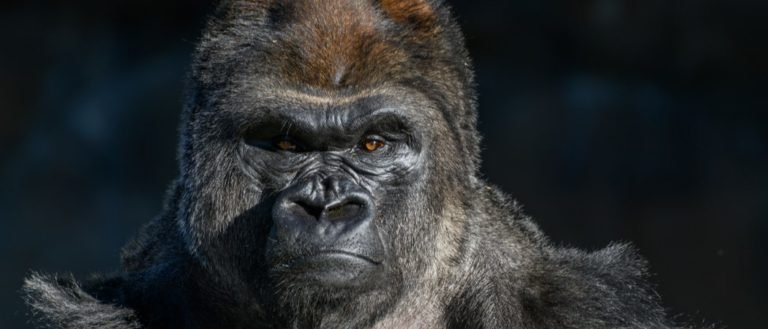
Gentle giants of the African forests
Pouches, burrows, and big impacts
Big river grazer, bigger attitude
Sun-powered lizards of the Americas
Six legs, endless lives.
Power of the Americas' apex cat
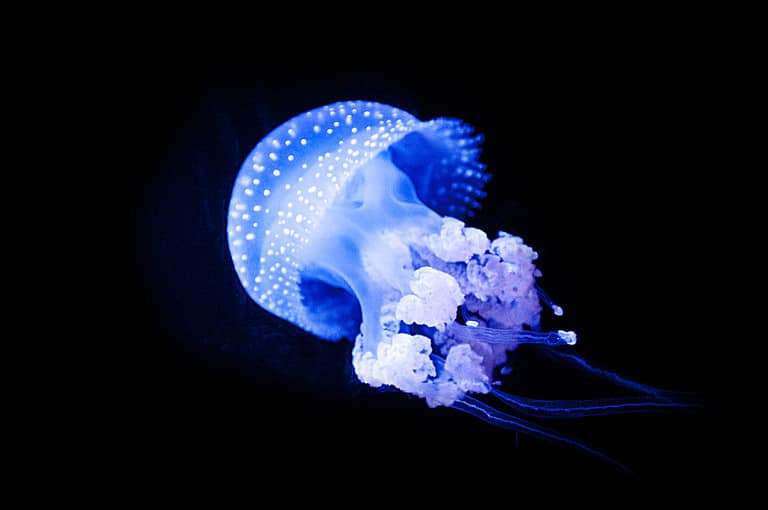
Sting-powered drifters of the sea
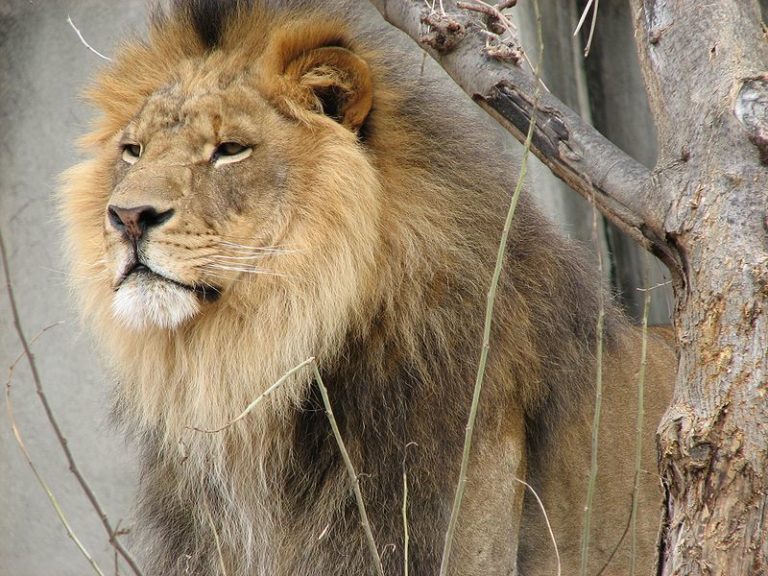
Built for prides, born for the hunt
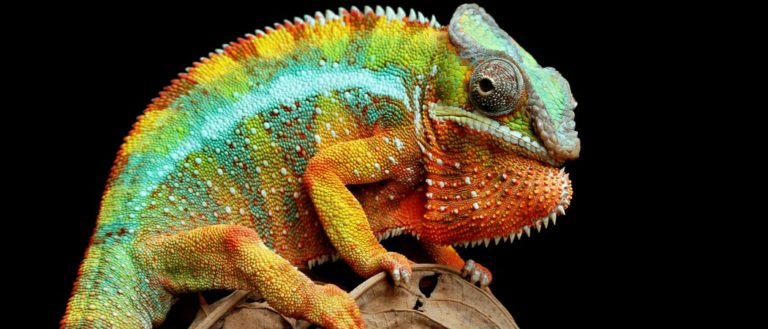
From geckos to dragons-lizard power
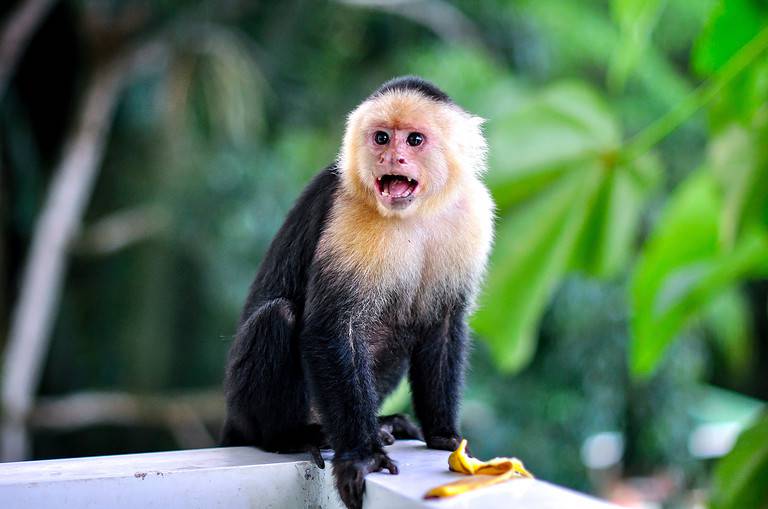
Hands, minds, and social lives
Thank you for reading! Have some feedback for us?
We appreciate your help in improving our content.
Our editorial team will review your suggestions and make any necessary updates.
There was an error submitting your feedback. Please try again.