
Monkey
Hands, minds, and social lives

Hands, minds, and social lives
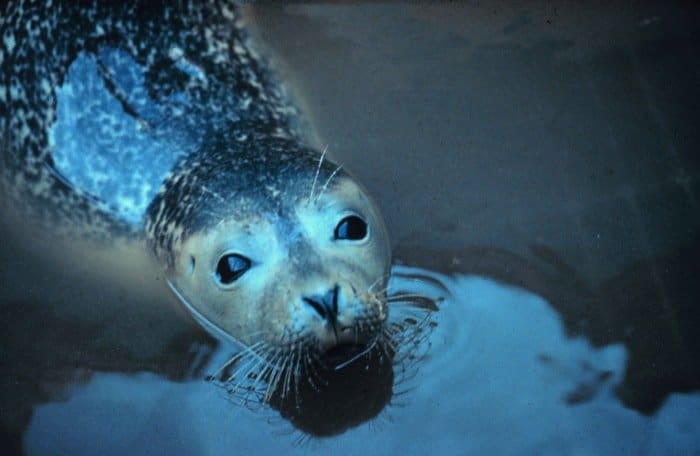
Earless divers of the world's seas
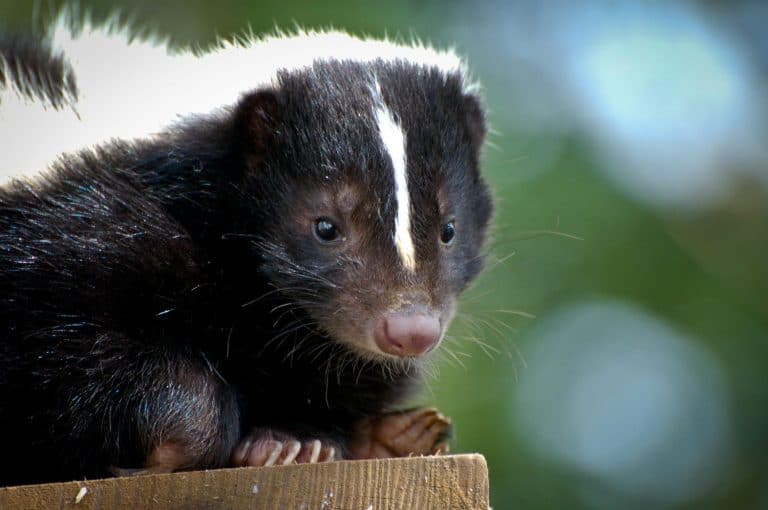
Bold stripes, bigger attitude.

Built to dig. Born to endure.

White hunter of the wide tundra
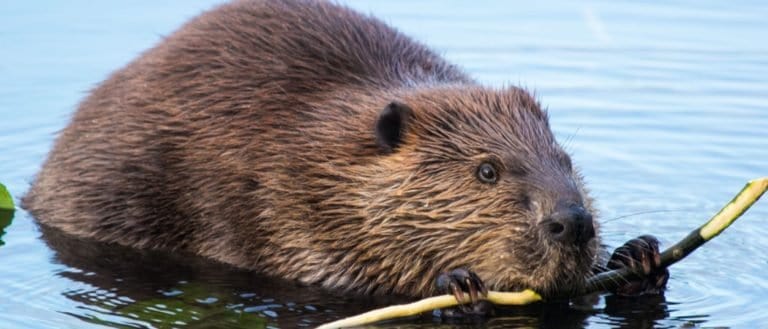
Build wetlands, shape worlds.
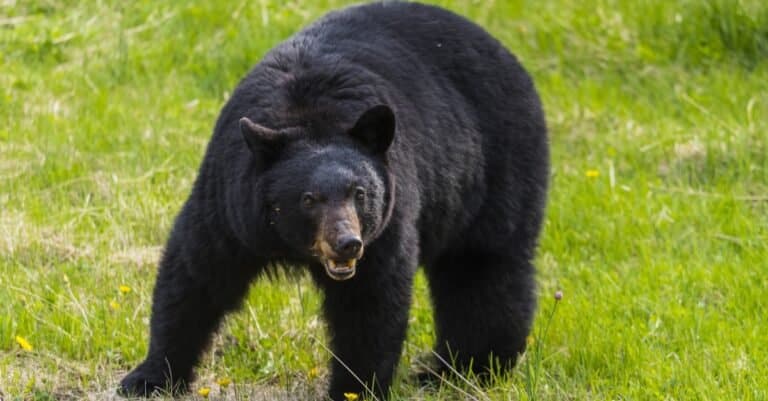
Many colors. One tough survivor.
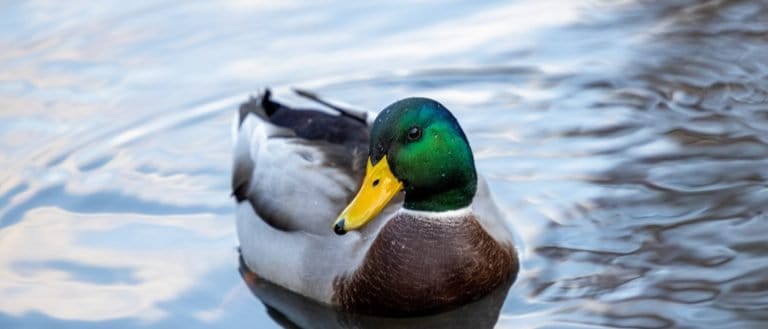
Webbed feet, world travelers.
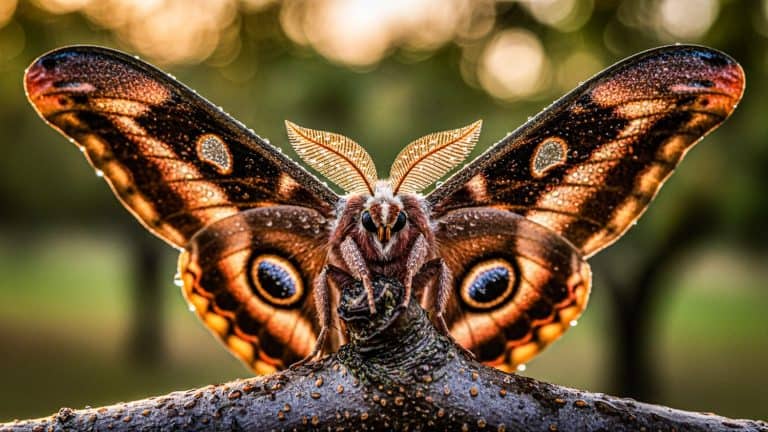
More than night flyers
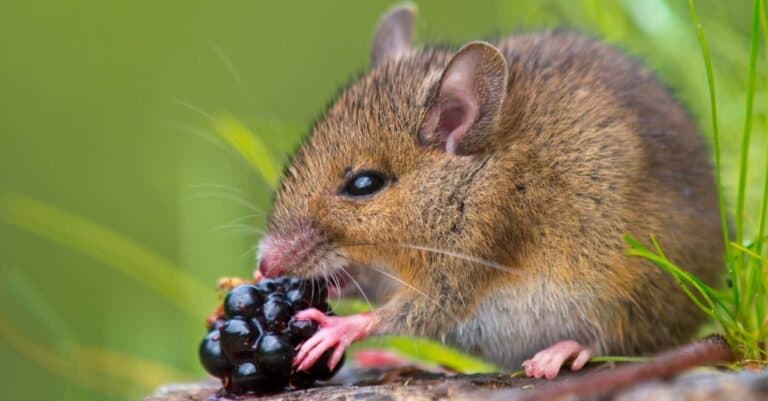
Small gnawers, huge impact.
A bog is an acidic, nutrient-poor wetland that accumulates peat because waterlogged, low-oxygen conditions slow decomposition. Many bogs are primarily rain-fed (ombrotrophic), supporting distinctive plant communities such as sphagnum mosses and ericaceous shrubs.
Bogs form where soils stay waterlogged so dead plants do not rot and peat builds up. Rain shapes their water, making them acidic and low in nutrients. Sphagnum mosses, heaths, sedges, and carnivorous plants like sundews and pitcher plants live there. Bogs store carbon, hold water, shelter wildlife, and occur in cool, wet climates, but are harmed by drainage.
Typically open to semi-open; high light in treeless bogs, with diffuse light common from cloud cover/fog; shaded patches occur where stunted conifers or shrubs form a sparse canopy.
Waterlogged, acidic, low-nutrient, low-oxygen surface waters; minimal to very slow flow (often near-stagnant) with no persistent current except at margins/flushes. Salinity: freshwater (near 0-0.5 ppt).
Medium - bogs support distinctive, often specialized communities (notably plants and invertebrates) adapted to acidic, nutrient-poor, waterlogged conditions, but overall species richness can be lower than richer wetlands because harsh chemistry and low productivity limit many generalist plants and animals; diversity is often higher at edges and in hummock-hollow microhabitats than in uniform open peat surfaces.
Globally reduced and degraded, especially in temperate regions where many raised bogs have been drained, cut over, or converted; remaining bogs are often fragmented and hydrologically altered. Intact bogs remain regionally extensive in parts of the boreal zone, but pressures are increasing and condition is declining in many landscapes.
Moderate to high for stabilizing function: rewetting can quickly reduce peat oxidation, subsidence, and fire risk, and can restore bog-like vegetation over years to decades. Full recovery of deep-peat structure and carbon accumulation is slow (often centuries) and may be limited where peat has been removed, compacted, or where catchment hydrology is irreversibly altered.
High. Bog integrity depends on consistently high water tables; warming and more frequent droughts increase desiccation and wildfire likelihood, while intense rainfall can increase erosion and dissolved carbon export. In northern peatlands, permafrost thaw and hydrologic reorganization can trigger rapid shifts in vegetation and greenhouse-gas balance.
A bog is like a rain-fed island: Many bogs are "ombrotrophic," meaning they're fed mostly by rain, not streams or groundwater-so they're naturally low in minerals and nutrients.
Plants turn the tables on poverty: Carnivorous plants (like sundews and pitcher plants) thrive in bogs by getting nutrients from insects rather than from the soil.
Sphagnum is an ecosystem engineer: Sphagnum moss acidifies its surroundings and holds huge amounts of water, helping create the very conditions that favor bog formation.
Waterlogged doesn't mean nutrient-rich: Even though bogs are wet, they're often "biological deserts" for typical crops because acidity and low nutrients limit most plants.
Bogs can be surprisingly buoyant: Thick moss mats can form quaking surfaces that wobble underfoot-sometimes floating over deeper water.
Fire can happen in wetlands: During droughts, peat can dry enough to burn and even smolder underground, making peat fires unusually persistent and hard to extinguish.
Crystal-clear water can still be harsh: Bog pools may look clean, but the chemistry can be extremely acidic and nutrient-poor-tough conditions for many organisms.
Bogs are like natural sponges: Sphagnum can hold many times its weight in water, buffering floods and slowly releasing moisture.
Think of bog peat as Earth's slow-cooker compost: Low oxygen and acidity keep decomposition on "low heat," letting organic matter accumulate instead of disappearing.
A bog is a nutrient "locked pantry": The nutrients exist but are tied up in peat and chemistry, so many plants can't access them-hence insect-eating strategies.
Bog chemistry is like pickling: Acidity and low oxygen act like preservative conditions, which is why some organic materials (including wood and skin) can last so long.
Bogs are like living climate libraries: Each peat layer is a page that can store pollen, ash, and chemical signals of past environments.
Peatland powerhouses: Peatlands (including bogs) cover only ~3% of Earth's land but store roughly one-third of the world's soil carbon-more than all the planet's forests combined.
Deep-time archives: Some bog peat deposits are many meters thick and can preserve layered records of climate and vegetation spanning thousands of years.
Body-preserving extremes: The most famous "bog bodies" can remain remarkably intact for millennia because acidic, low-oxygen, tannin-rich conditions slow decay and can "tan" skin like leather.
Slowest recyclers: In many bogs, dead plant material can take decades to centuries to break down-an extreme slowdown compared with most forests or grasslands.
Northern giants: The world's largest peatland complex is the West Siberian Lowland (mostly peatlands, including vast boggy areas), spanning hundreds of thousands of square kilometers.
Built to dig. Born to endure.

Night pilots of the mammal world
Build wetlands, shape worlds.

Small hunter, big household legend
Webbed feet, world travelers.
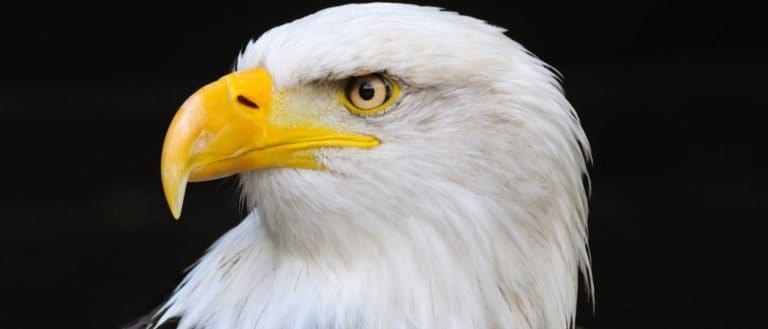
Built to soar, born to strike

Bony rays, endless ways.

From dunes to tundra-fox smart.
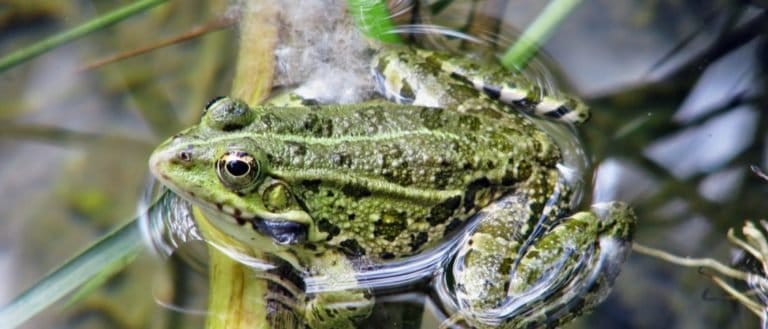
Tailless jumpers, masters of change
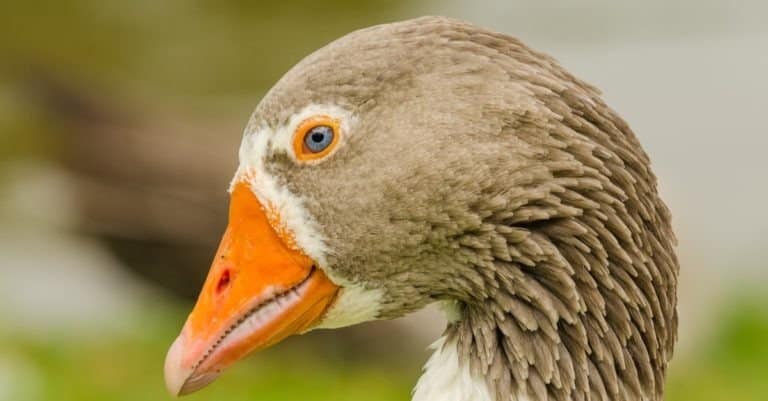
Webbed feet, sky roads, wetland lives
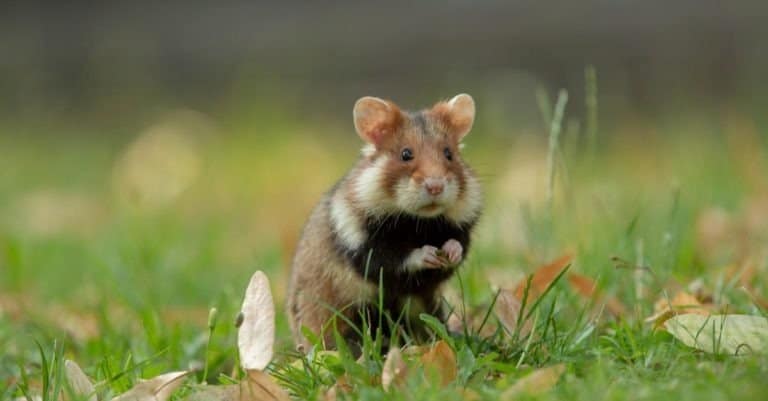
Pouches, burrows, and big impacts
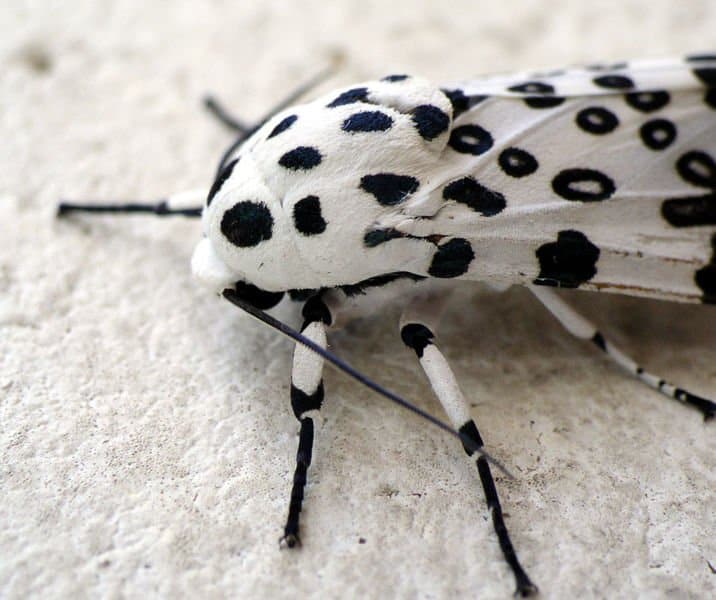
Six legs, endless lives.
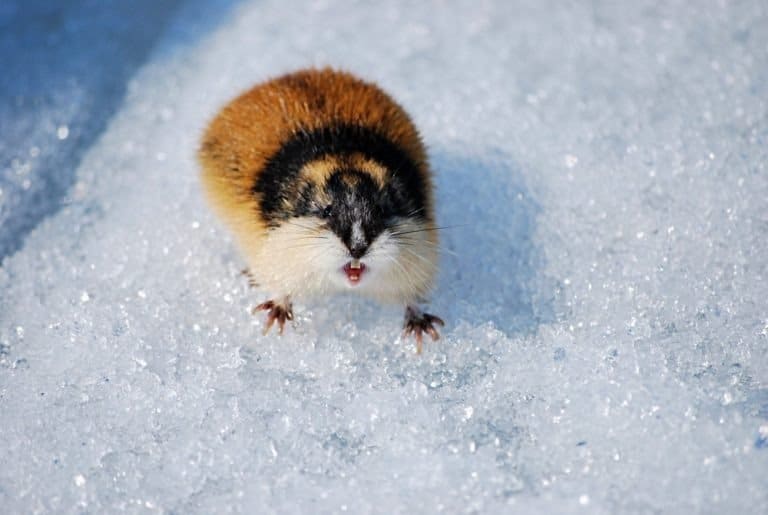
Small rodents, huge tundra impact

From geckos to dragons-lizard power
Small gnawers, huge impact.
Hands, minds, and social lives
More than night flyers
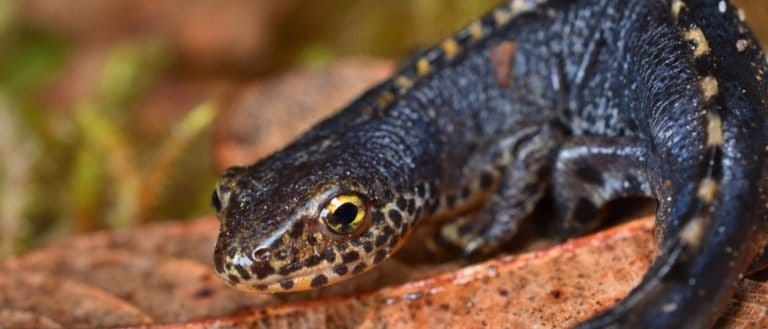
Crests, ponds, and potent defenses

Built for water, born to hunt
Bold stripes, bigger attitude.
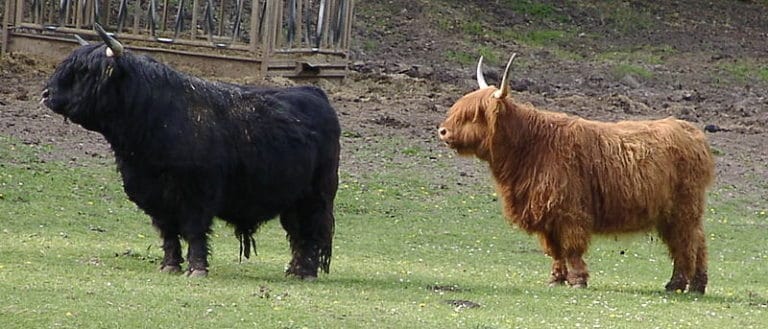
Built for bad weather, born in Scotland
White hunter of the wide tundra
Many colors. One tough survivor.
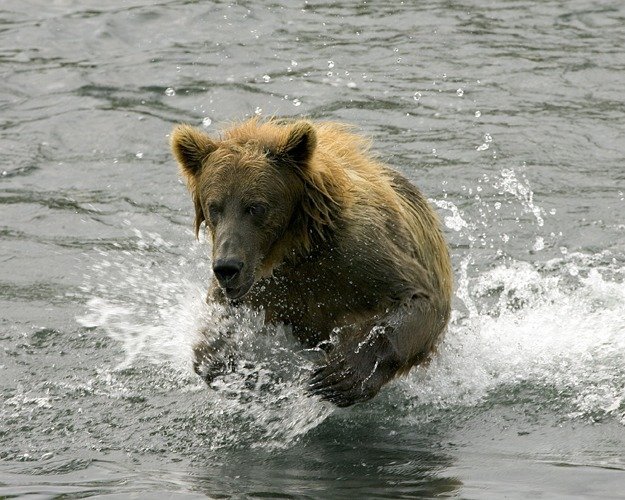
Hump-shouldered king of the wild buffet
Thank you for reading! Have some feedback for us?
We appreciate your help in improving our content.
Our editorial team will review your suggestions and make any necessary updates.
There was an error submitting your feedback. Please try again.