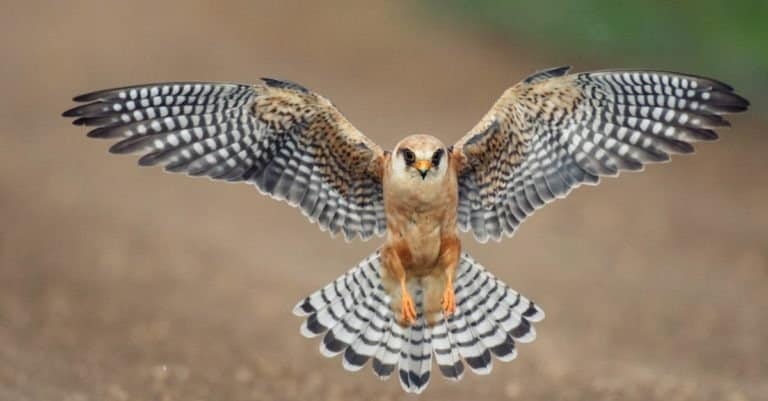
Falcon
Speed, smarts, and sky mastery

Speed, smarts, and sky mastery
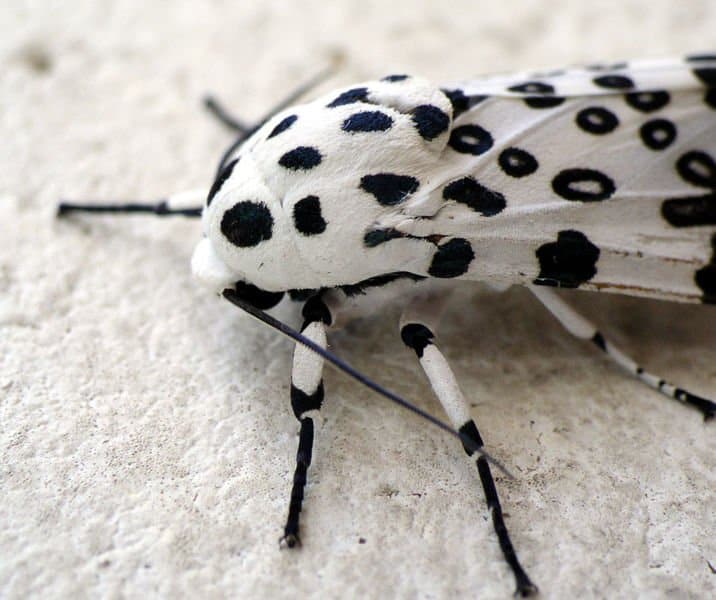
Six legs, endless lives.
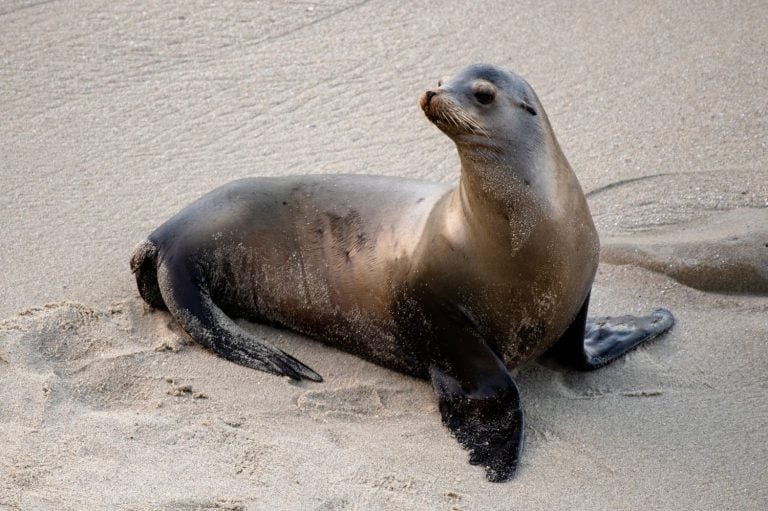
Ear flaps, flippers, and fierce colonies
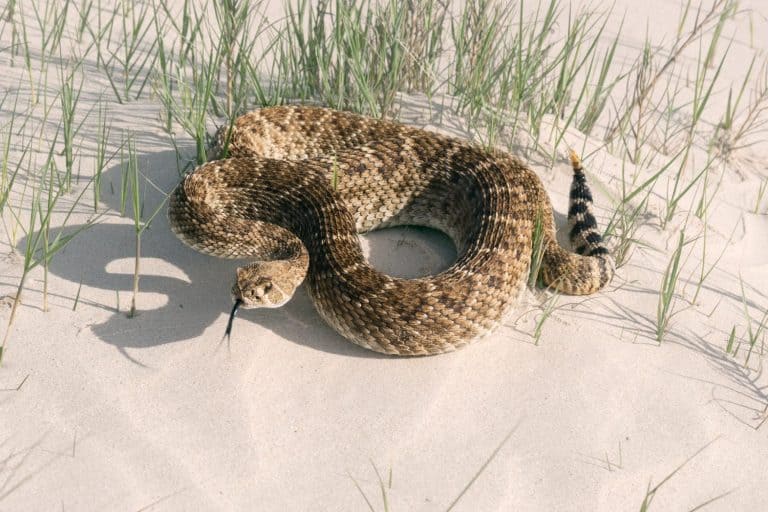
Hear the rattle, give it space.
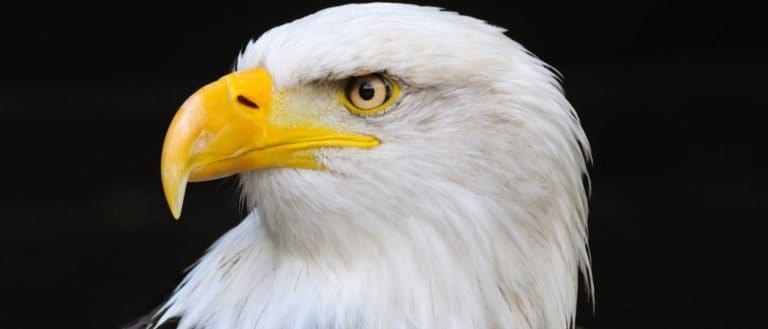
Built to soar, born to strike
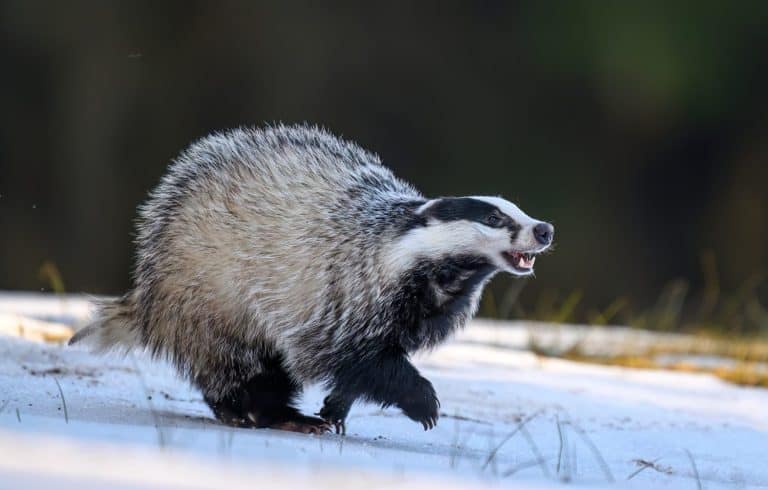
Built to dig. Born to endure.
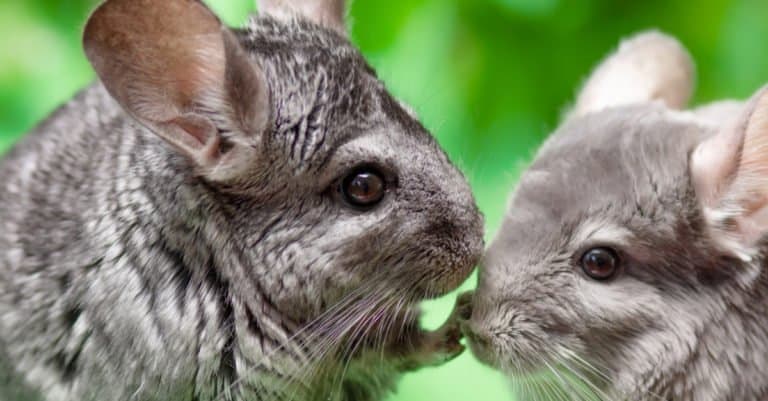
Andean acrobats in a coat of clouds
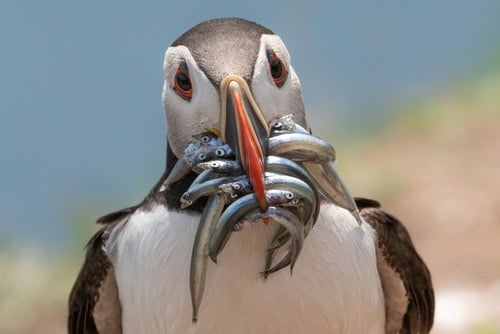
Wing-powered divers of the cold seas
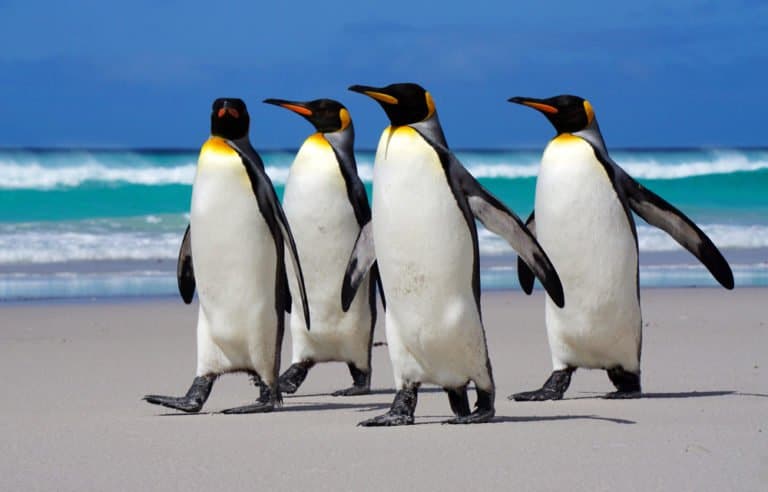
Born to dive, dressed to endure
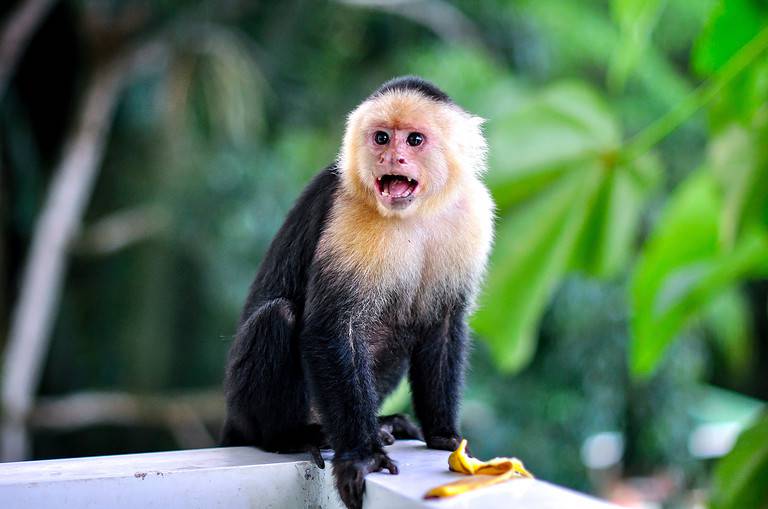
Hands, minds, and social lives
A cliff habitat is a steep to vertical exposed rock face (and its immediate ledges, crevices, and talus margins) where soils are extremely thin or absent and conditions are highly exposed to wind, sun, and temperature extremes. It supports specialized rock-dwelling organisms and often serves as nesting, roosting, and refuge habitat for wildlife.
Cliffs form where bedrock is exposed by uplift, erosion, rivers, glaciers, or waves. Steep rock changes into cracks and ledges that hold tiny wet or dry patches. Plants are sparse and special: lichens, mosses, rock herbs, dwarf shrubs, and trees in fissures. Cliffs offer nesting and shelter for birds, bats, reptiles, and invertebrates; sea cliffs get salt spray and wind.
Generally high solar exposure and UV with intense wind exposure; strong contrast between full-sun faces and deep shade in fissures/overhangs; rapid drying and large daily temperature swings on exposed aspects.
Mostly runoff-dominated with episodic sheet flow; common features include seepage lines, springs at bedding planes, dripping overhangs, talus-slope ephemeral channels, and tide/splash-zone wetting on coastal cliffs. Aquatic conditions generally not applicable; where cliffs border the sea, the intertidal/splash zone may have high salinity and strong wave-driven spray.
Medium - overall species richness is often limited by thin/absent soils, low water and nutrients, and extreme exposure, but habitat heterogeneity (sun/shade faces, ledges, seep lines, talus, crevices) supports many specialized organisms, including cliff-nesting birds, diverse invertebrates, and stress-tolerant plants; endemism can be high even when total biomass is low.
Relatively intact globally compared with many vegetated habitats because cliffs are difficult to convert, but ecological condition is often locally degraded. Key values (specialized rupicolous plants/lichens and cliff-nesting birds) are sensitive to disturbance, quarrying, infrastructure placement, and invasive species, and many cliff communities are highly localized and slow to recover.
Low-moderate. The physical cliff substrate cannot be restored once quarried or blasted, and soil/lichen communities recover slowly. However, ecological function can improve substantially through threat abatement (restricting disturbance, preventing extraction, invasive control, and protecting nesting ledges) and by rehabilitating access routes and adjacent degraded areas to reduce runoff and human pressure.
Moderate to high. Many cliff specialists have narrow microclimatic niches and limited dispersal; warming, drying, and altered cloud/fog regimes can reduce suitable refugia. Coastal cliff systems are additionally vulnerable to sea-level rise and intensifying storms, while increased extreme rainfall and freeze-thaw variability can raise rockfall frequency, impacting nesting/roosting success and persistence of small, isolated plant populations.
Cliffs can be biodiversity "islands": sheer rock faces look barren, but cracks, ledges, and seep lines create many tiny habitats with different moisture and temperature conditions just centimeters apart.
Some cliff plants are "slow-motion" survivors: lichens and some rock-dwelling plants grow extremely slowly, yet can persist for decades to centuries in tiny crevices with almost no soil.
North-facing vs. south-facing can feel like different biomes: aspect can shift sun exposure so much that you can find cool, mossy, shaded communities on one side and drought-tolerant, sun-baked species on another.
Bare rock isn't truly bare: microscopic life (biofilms, algae, bacteria, fungi) can colonize rock surfaces and help kick-start soil formation over long timescales.
Cliffs create their own weather: strong updrafts and turbulence along faces can generate sudden gusts, fog patterns, and localized cooling/warming-important for both plants and soaring birds.
Many seabirds choose danger for safety: narrow ledges on steep sea cliffs reduce access for land predators, making them prime nesting real estate despite harsh winds and spray.
"Rockfall" can be an ecosystem reset: when chunks break off, new bare surfaces appear-opening fresh space for colonizers like lichens and pioneer plants, similar to how fire resets a forest.
Thin soil can still host roots: many rupicolous plants anchor in hairline fractures, using roots more like wedges and sponges than deep straws.
A cliff is like a high-rise apartment building for wildlife: different ledges, cracks, and overhangs act as distinct "floors" and "rooms" with their own light, wind, and moisture.
Think of microclimates as "shade vs. sidewalk" in a city: just a short step from sunny rock to a shaded crack can mean a big temperature and humidity change.
Cliffs function like natural fortresses: they trade comfort (wind, exposure) for security (fewer predators), which is why many birds and bats love them.
If forests are soil-based ecosystems, cliffs are "rock-based ecosystems": nutrients arrive more like deliveries (dust, spray, droppings) than from a rich soil pantry.
A cliff face is a living mosaic: like a patchwork quilt, each tiny patch (seep line, ledge, overhang) supports different species and strategies.
Highest sea cliffs in Europe (often cited): Hornelen (Bremanger, Norway) rises about 860 m (2,822 ft) from the sea.
One of the world's tallest vertical drops: Mount Thor (Baffin Island, Canada) has a near-vertical face of ~1,250 m (~4,100 ft), a magnet for big-wall climbers.
One of the deepest canyon cliff systems: the Grand Canyon's cliffs expose nearly 2 billion years of rock history in stacked layers-like a geologic time bookshelf.
Most iconic limestone cliff coastline: the Cliffs of Moher (Ireland) are among the best-known sea-cliff landscapes, with towering rock walls and major seabird colonies.
Europe's highest sea cliff (often cited): Hornelen, Norway rises about 860 m (2,820 ft) above the sea-an extreme of exposed, wind-blasted habitat.
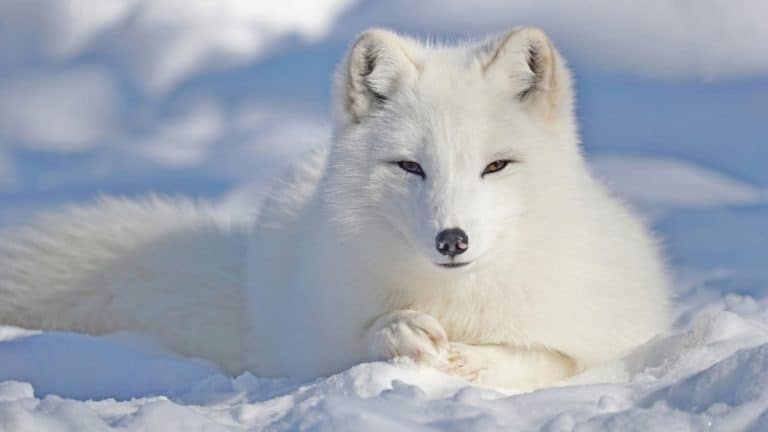
Built for blizzards, born for tundra
Built to dig. Born to endure.
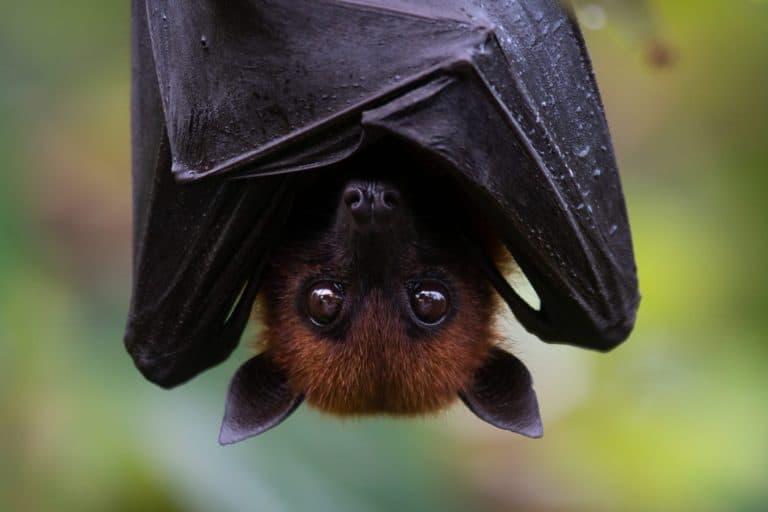
Night pilots of the mammal world
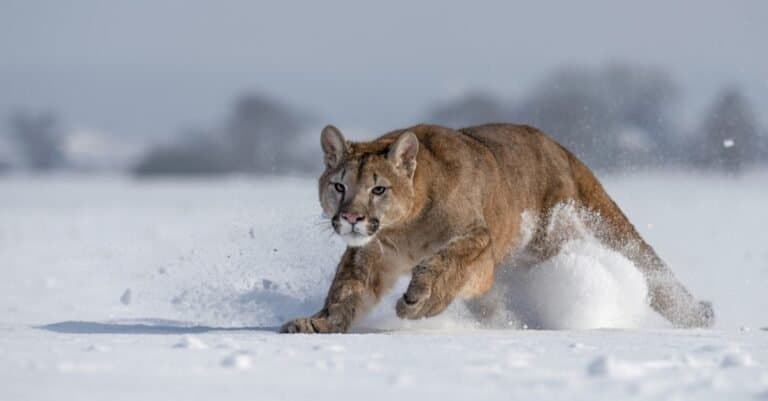
One cat. Two continents.
Built to soar, born to strike
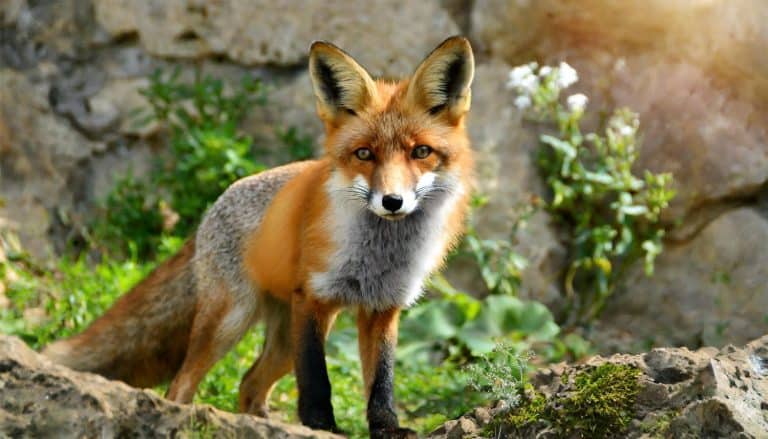
From dunes to tundra-fox smart.
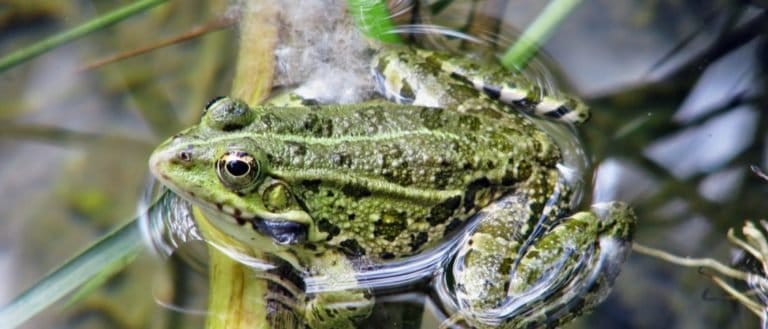
Tailless jumpers, masters of change
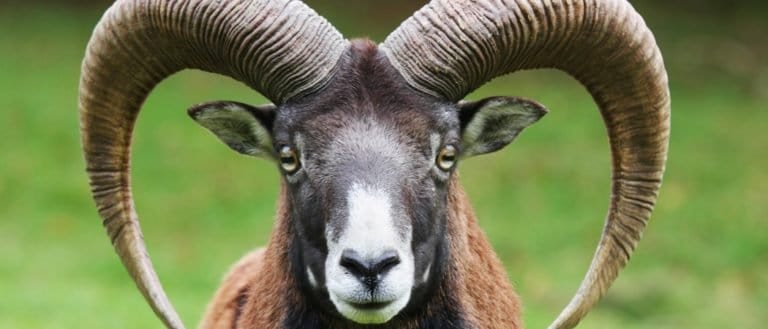
Sure-footed masters of rock and range
Six legs, endless lives.
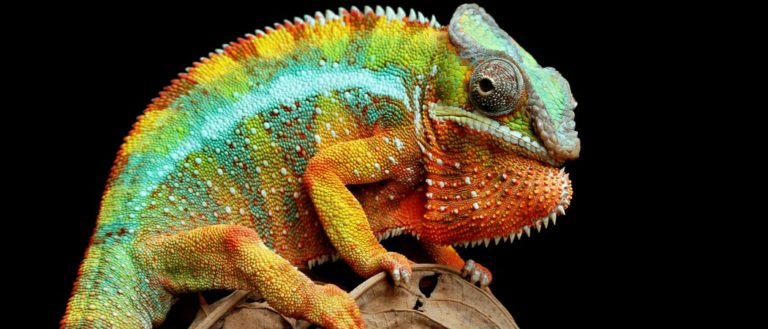
From geckos to dragons-lizard power
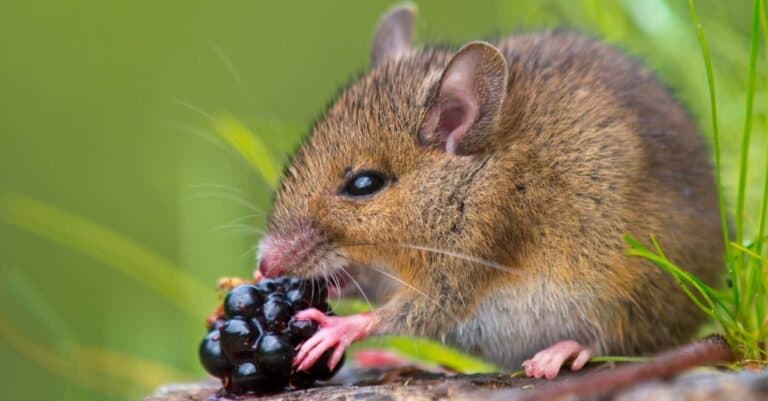
Small gnawers, huge impact.
Hands, minds, and social lives
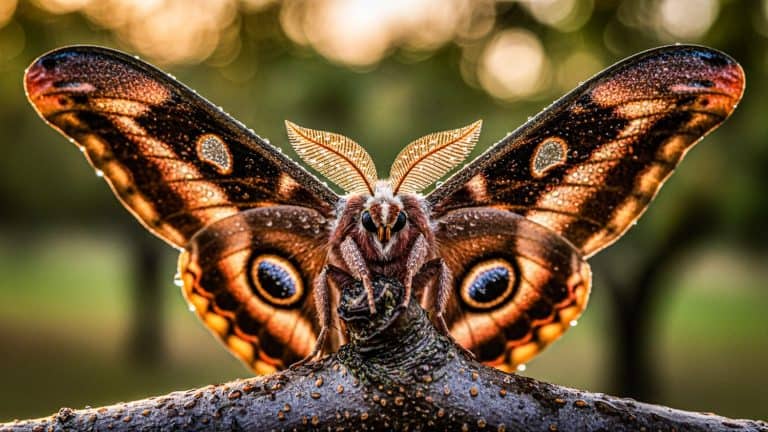
More than night flyers
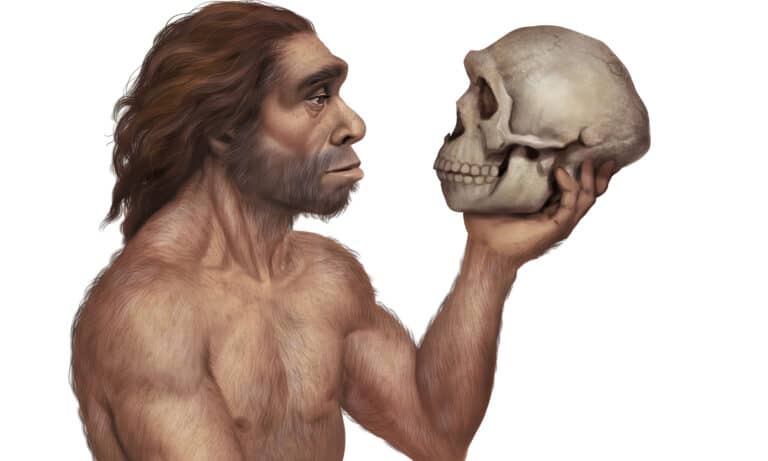
Not cavemen-Ice Age people
Born to dive, dressed to endure
Hear the rattle, give it space.
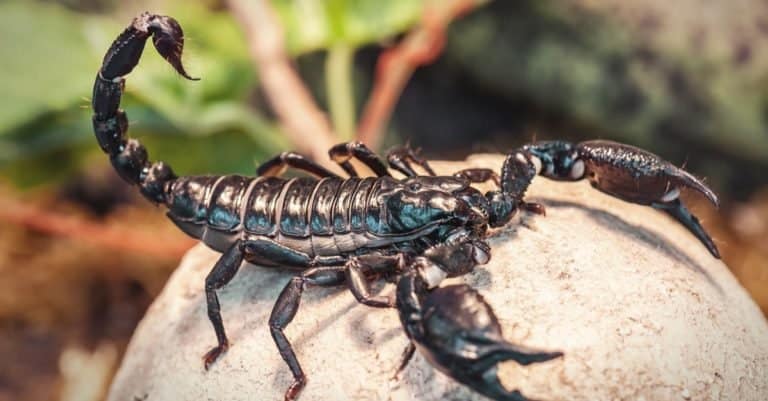
Glow at night, strike with precision
Ear flaps, flippers, and fierce colonies
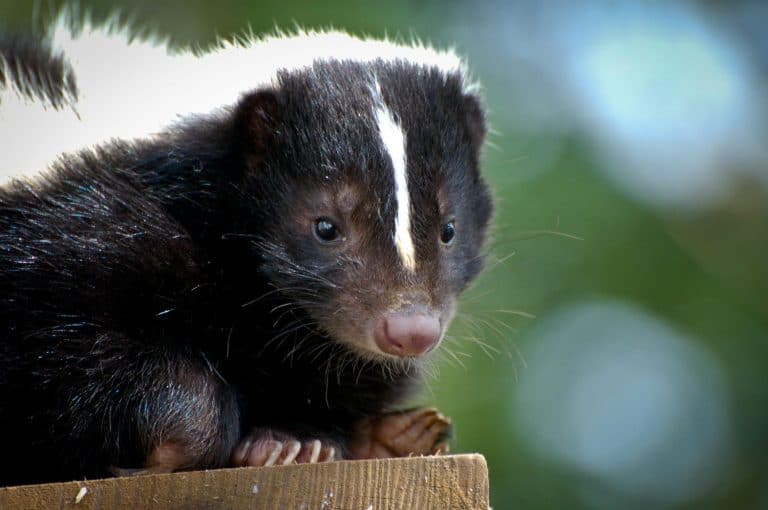
Bold stripes, bigger attitude.
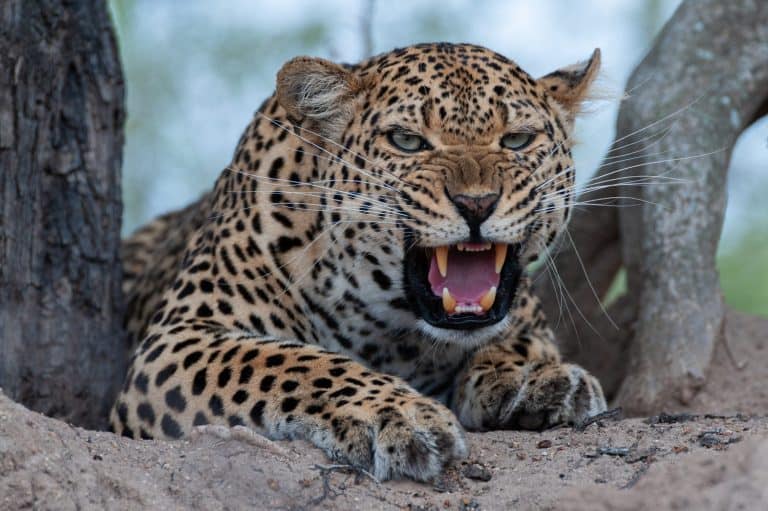
Rosettes in the shadows.
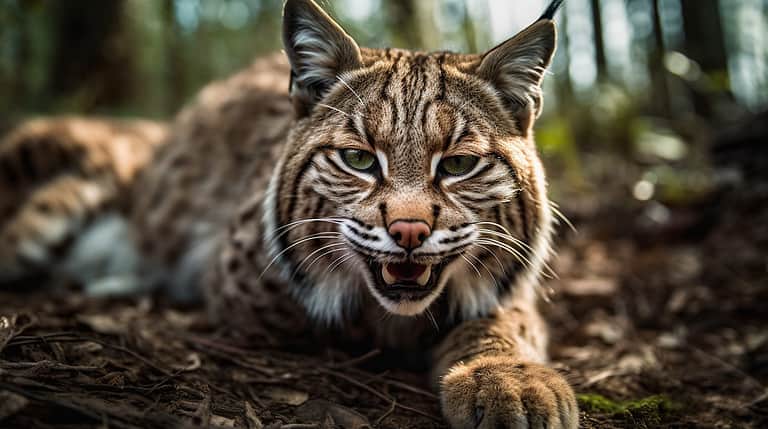
Small lynx, big adaptability.
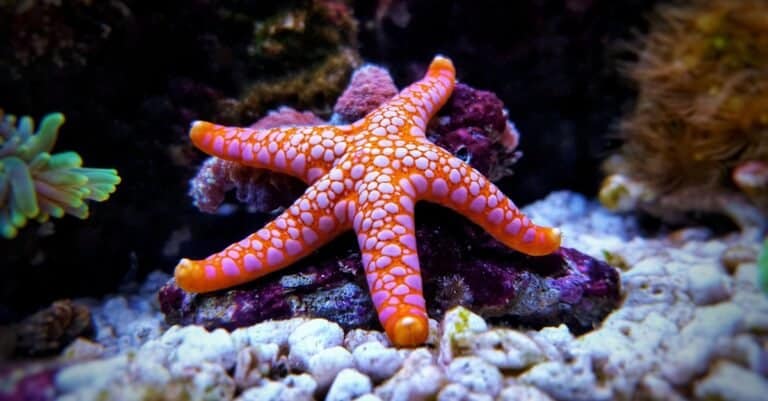
Hydraulic feet, star-shaped predators
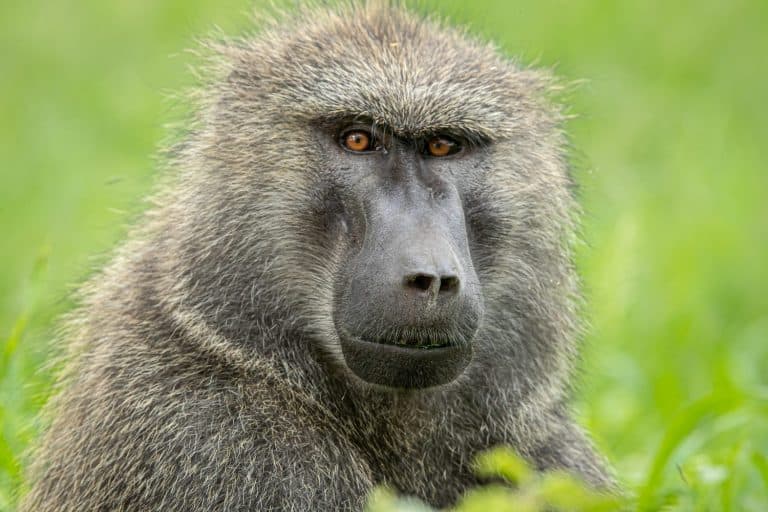
Big brains, bold troops, wild Africa
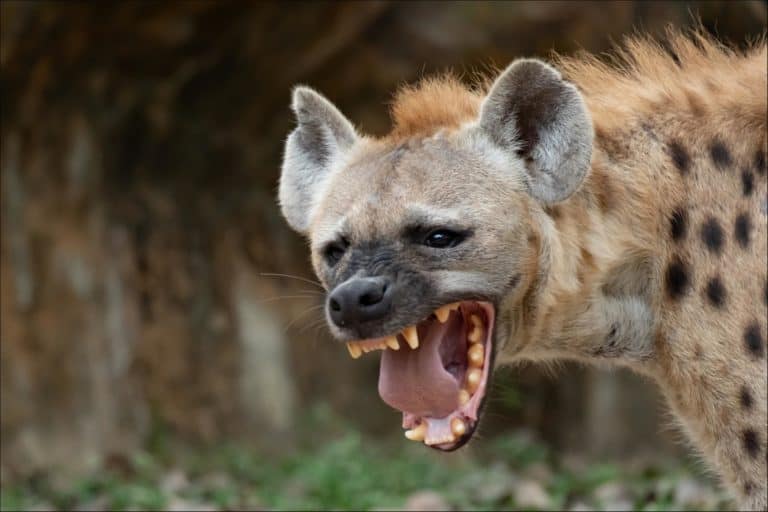
Bone-crushers, termite-lappers, ecosystem keepers
Thank you for reading! Have some feedback for us?
We appreciate your help in improving our content.
Our editorial team will review your suggestions and make any necessary updates.
There was an error submitting your feedback. Please try again.