
Sea Turtle
Ancient shells, modern survivors

Ancient shells, modern survivors
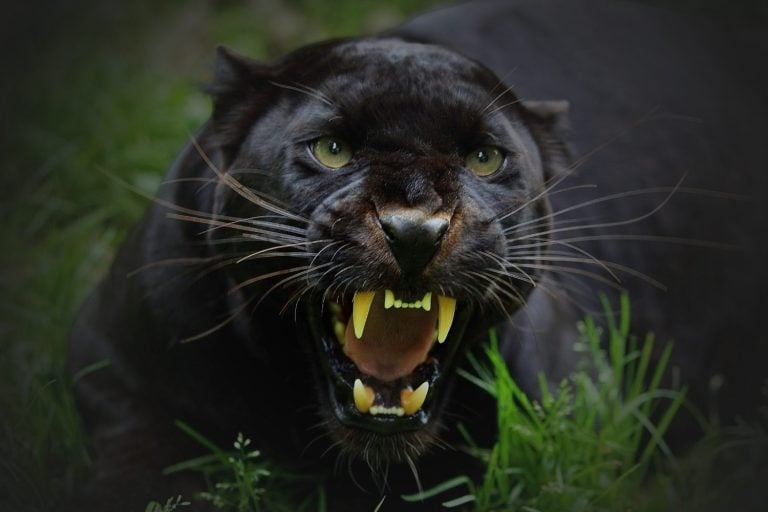
One name, many big cats
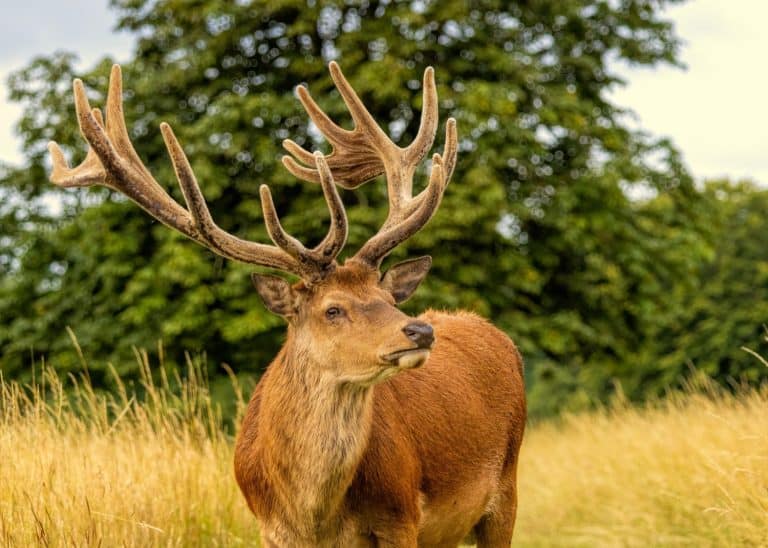
Antlers, migrations, and forest engineers
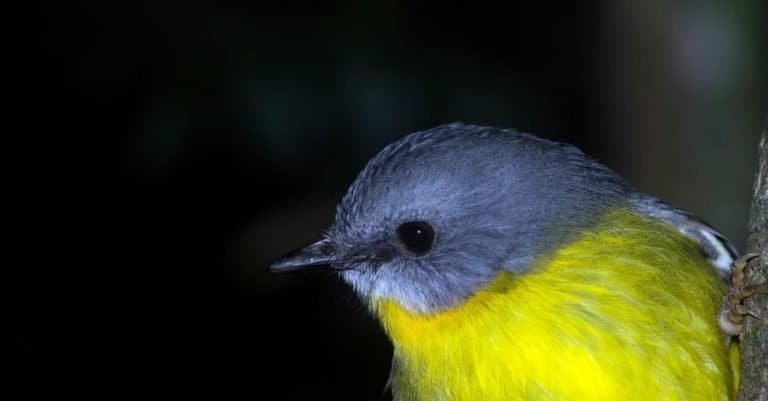
Different birds, one familiar name
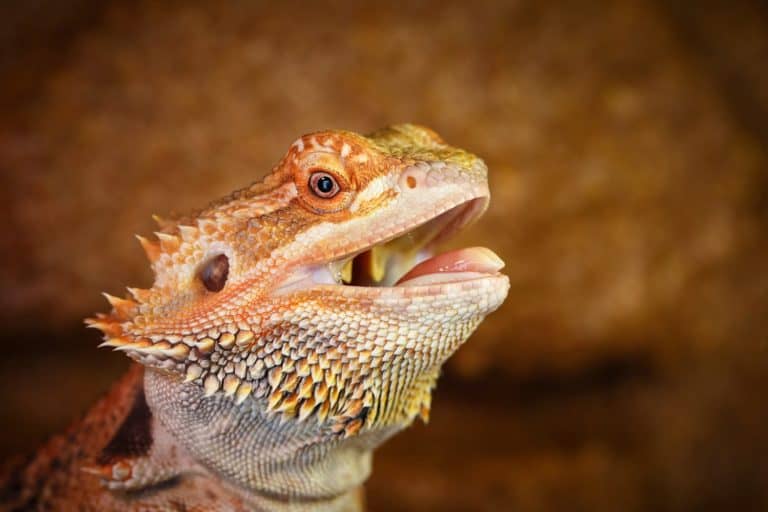
Big beard, bright sun, bold attitude.
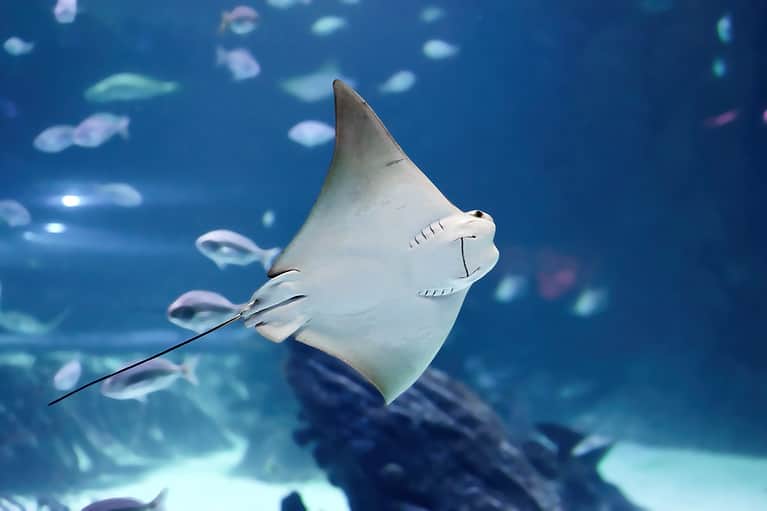
Stingrays: discs, senses, and surprises
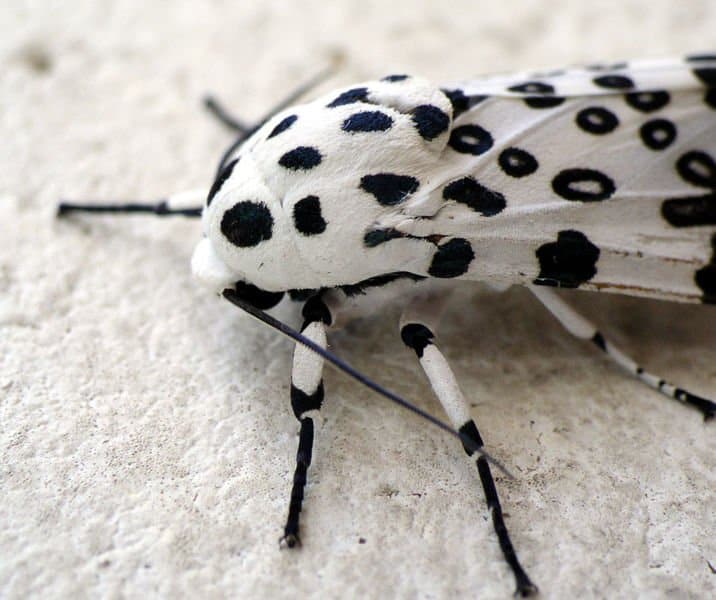
Six legs, endless lives.
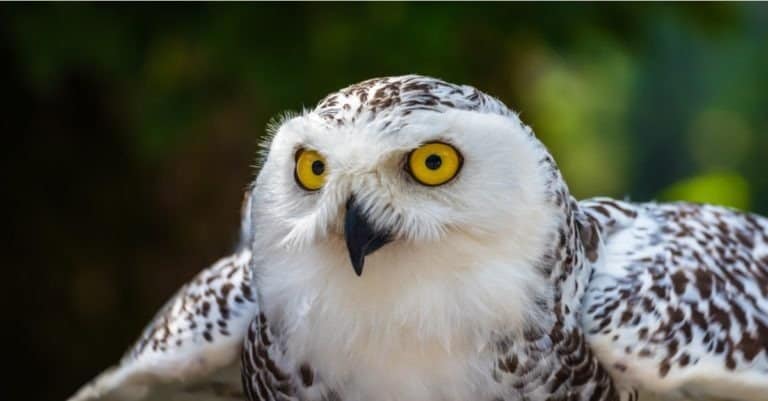
White hunter of the wide tundra
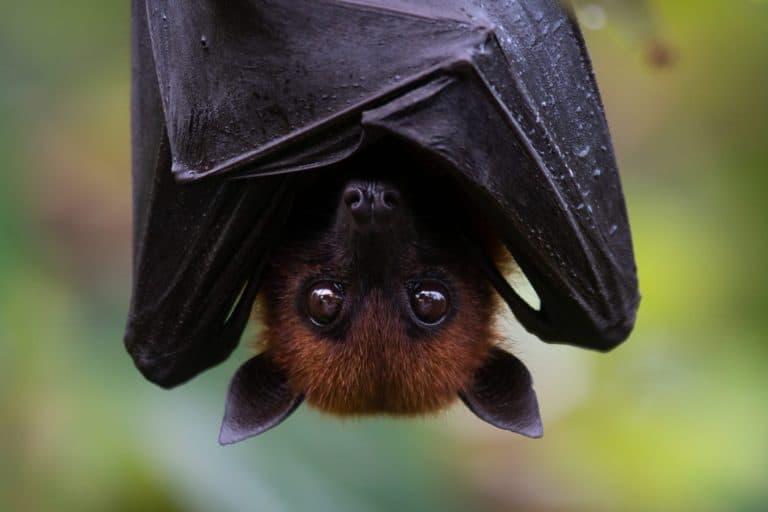
Night pilots of the mammal world
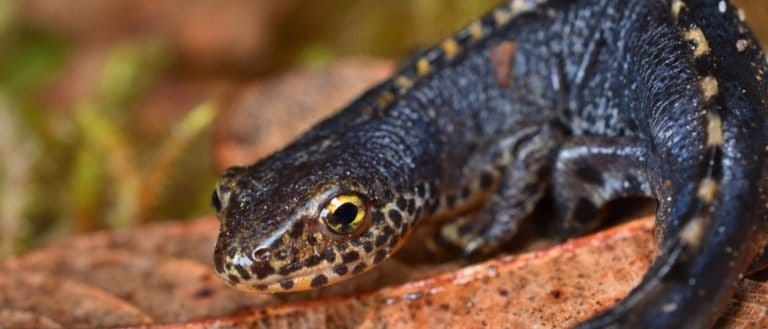
Crests, ponds, and potent defenses
A congregation is a temporary or seasonally recurrent aggregation of animals at a shared location or resource (e.g., roost, watering site, breeding ground, haul-out, or migration stopover). It is characterized by spatial clustering of individuals that may be unrelated and only weakly coordinated, driven primarily by environmental opportunity and associated fitness benefits (e.g., reduced predation risk, improved foraging efficiency).
A congregation in ecology is when animals gather because a place has an important resource or condition—water, food pulses, shelter, a good microclimate, breeding sites, or a migration bottleneck. Unlike stable groups like packs, troops, or prides, congregations often form suddenly and break up when the resource is gone. Animals may not know each other and may tolerate or compete with one another. Many taxa form congregations: seabirds and bats roosting, ungulates at watering holes, amphibians at breeding ponds, marine mammals on beaches, or raptors at flyways. Gathering can give safety in numbers, more eyes, predator confusion, and help find food or mates, but it can also raise fights, disease, competition, and risk if habitats change or climate shifts timing.
Usually a weak hierarchy: individuals gather around a site or resource with loose spacing. Dominance can change with size, sex, age, or who was there first; short-term leaders may hold best perches or water spots, but no stable group leader.
An individual that temporarily controls a prime perch, nesting spot, or access point; may displace others but does not necessarily lead the whole congregation.
Individuals that happen to be more vigilant at times; alarm calling or flushing can incidentally warn others without a designated guard role.
Individuals that exploit food found by others or follow cues from the crowd; common where resources are patchy or quickly depleted.
A knowledgeable or bolder individual that initiates movement (to water, roost, or next stopover) and is briefly followed; leadership is transient and can change between events.
Individuals using the site specifically for breeding; may show increased territoriality or site fidelity within an otherwise fluid gathering.
Congregations form when animals independently come to the same predictable place or resource—water, roosts, haul-outs, breeding grounds, rich feeding patches, or migration stopovers. Following others, bottlenecks, and synced cycles (daily roosting, seasonal breeding, tides, rain) increase gatherings. Coordination is minimal; the group is an accidental result of many wanting the same place and time.
High contact rates and shared surfaces (water, roosts, nesting substrate) increase transmission of pathogens and parasites; repeated use of the same sites promotes environmental contamination and reinfection, elevating risks of respiratory, enteric, and ectoparasite outbreaks that can reduce condition, reproduction, and survival.
Large, noisy, and visually obvious aggregations (tracks, scent, calls, carcasses/feathers, concentrated movement) can attract predators and make ambushes more effective at predictable sites, increasing encounter rates and potentially causing disproportionate losses when attacks occur.
Found across: Birds (seabird breeding colonies, communal roosts, migration stopovers), Mammals (ungulates at watering holes, pinnipeds at haul-outs, bats at roosts), Reptiles (snakes at communal hibernation dens; turtles at nesting beaches), Fish and sharks (spawning and feeding aggregations at seasonal hotspots), Insects (butterflies and some moths at roosting/overwintering sites), Amphibians (mass breeding congregations at ponds and streams)
Congregations can form among animals that aren't socially bonded at all-many individuals are effectively "strangers" simply converging on the same resource (water, warmth, food, roost space).
A congregation can create its own microclimate: tightly packed roosting birds or bats can raise local temperature and humidity, reducing heat loss and conserving energy.
In many congregations, information spreads fast without "leaders"-individuals copy neighbors' movements (departing a roost, shifting direction, diving), producing coordinated-looking waves from simple local rules.
Predators can be less effective against congregations even when they're nearby, because the "confusion effect" makes it harder to track and target a single individual in a dense crowd.
Congregations often leave durable "signatures" on the landscape-nutrient-rich guano deposits, trampled paths to watering holes, or concentrated seed dispersal that can reshape plant communities.
Like a busy marketplace or food court: unrelated individuals gather temporarily because the location offers something valuable, and crowd density can both help (information, safety) and hinder (competition).
Like commuters at a transit hub: animals time their arrivals and departures around predictable schedules (dusk roost exits, seasonal stopovers), with flow patterns emerging from many individual choices.
Like a stadium crowd: being in a large group changes risk and behavior-individual vigilance can drop because "someone else is watching," yet sudden collective reactions can ripple through the whole group.
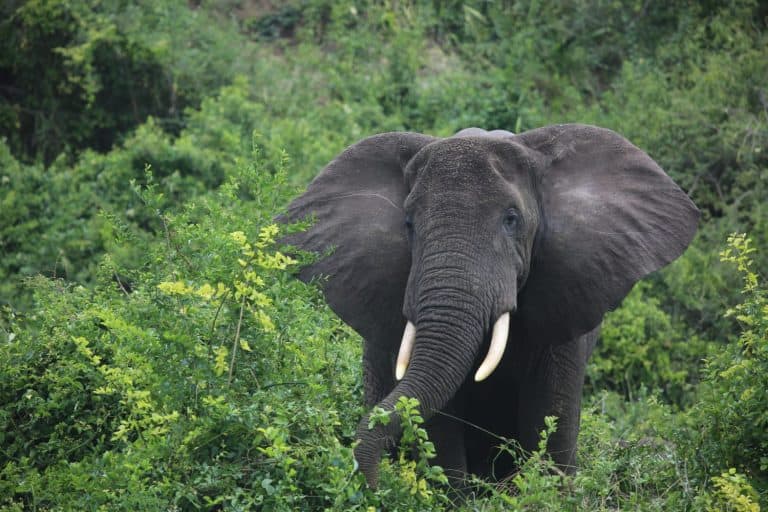
The rainforest's master gardener
Night pilots of the mammal world
Big beard, bright sun, bold attitude.
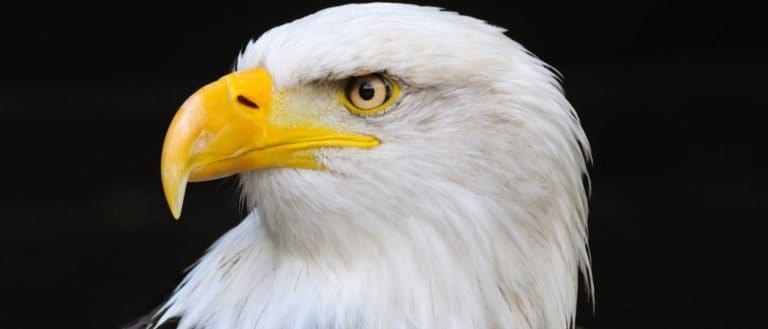
Built to soar, born to strike
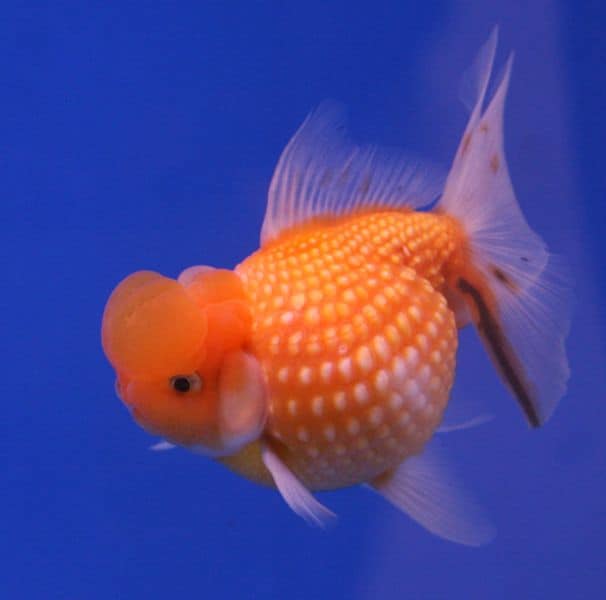
Bony rays, endless ways.
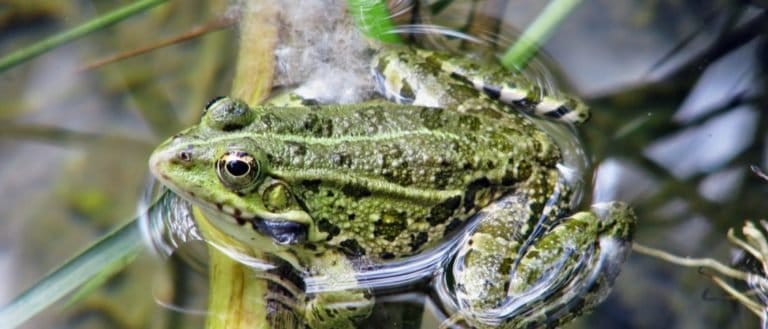
Tailless jumpers, masters of change
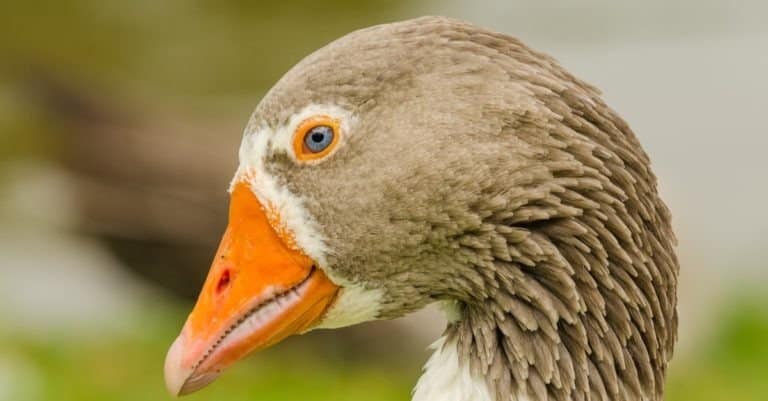
Webbed feet, sky roads, wetland lives
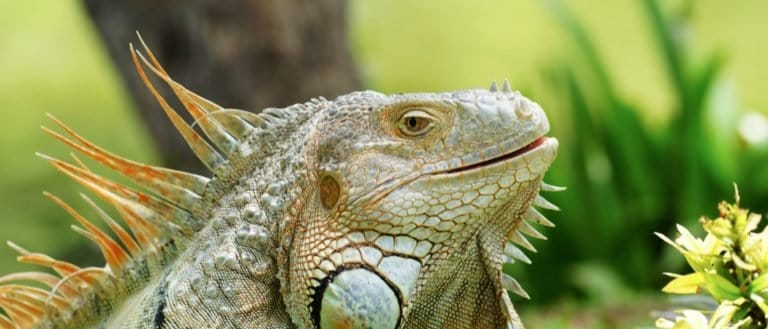
Sun-powered lizards of the Americas
Six legs, endless lives.
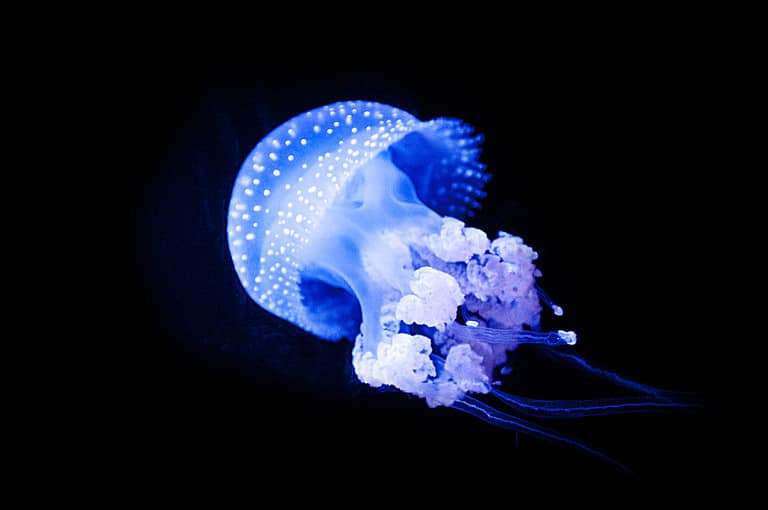
Sting-powered drifters of the sea
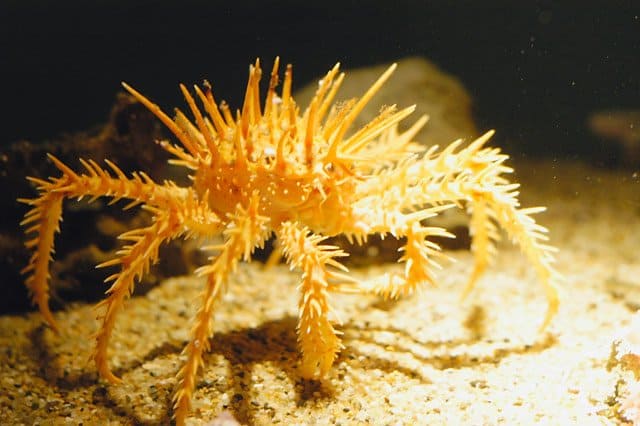
Cold-water royalty of the seafloor
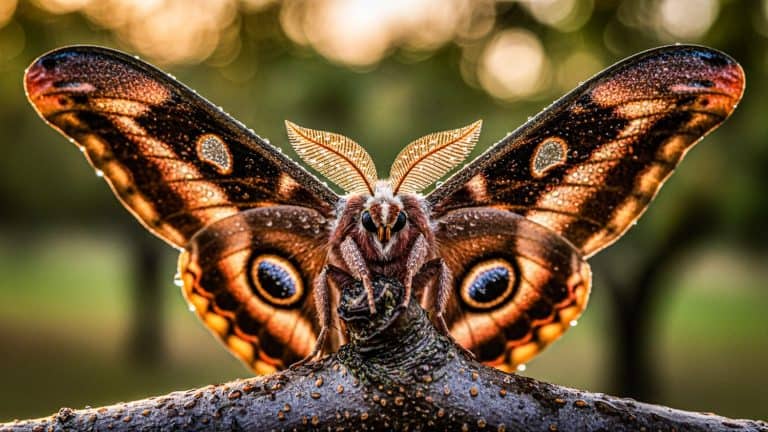
More than night flyers
Crests, ponds, and potent defenses
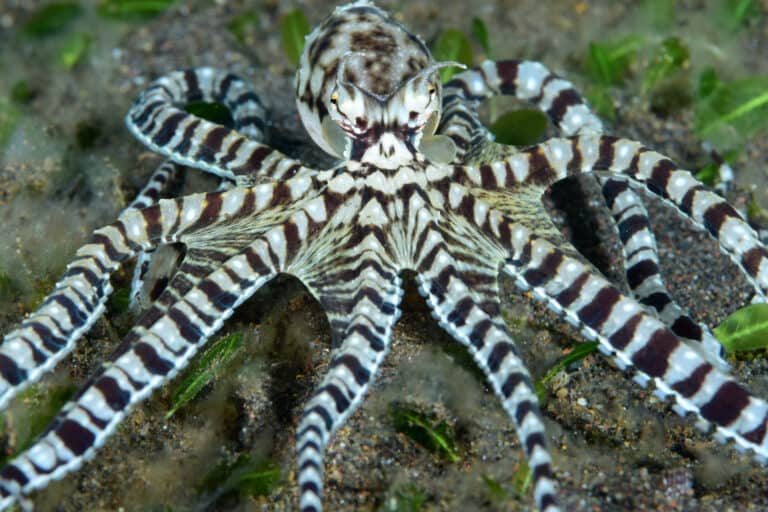
Eight arms, endless ingenuity
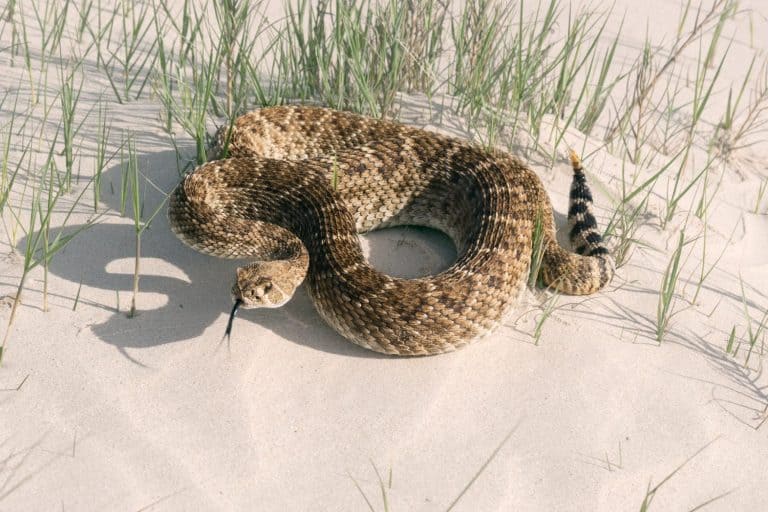
Hear the rattle, give it space.
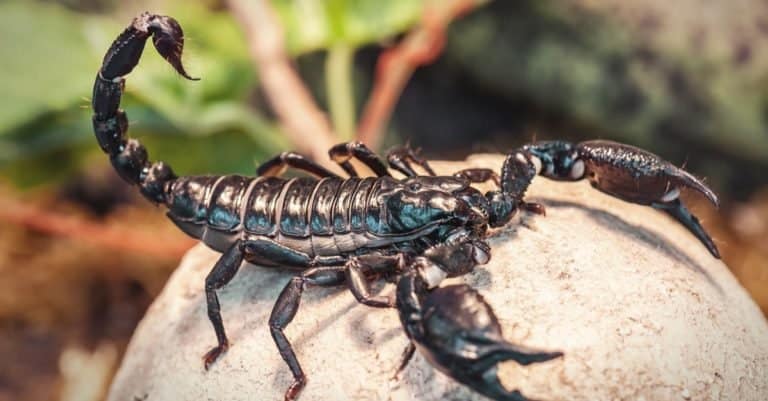
Glow at night, strike with precision
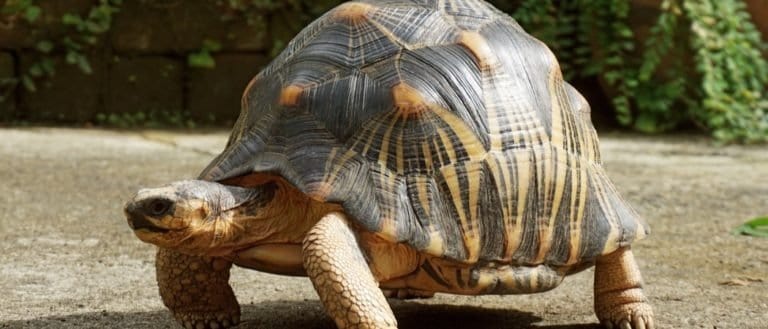
Built for land, made for time
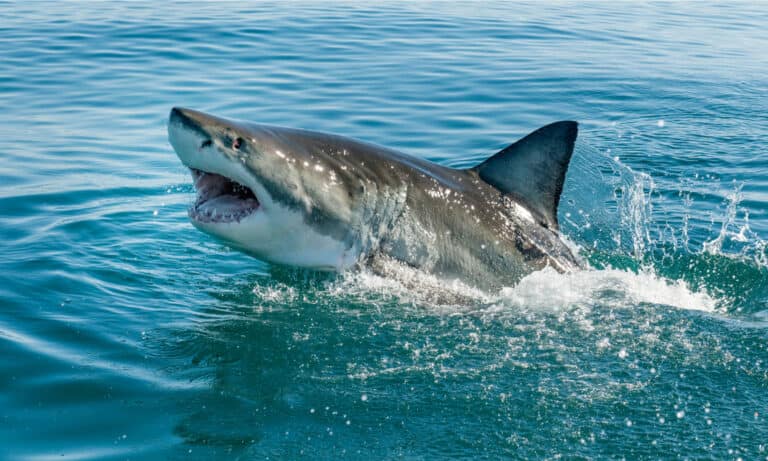
Warm-blooded hunter of the seas
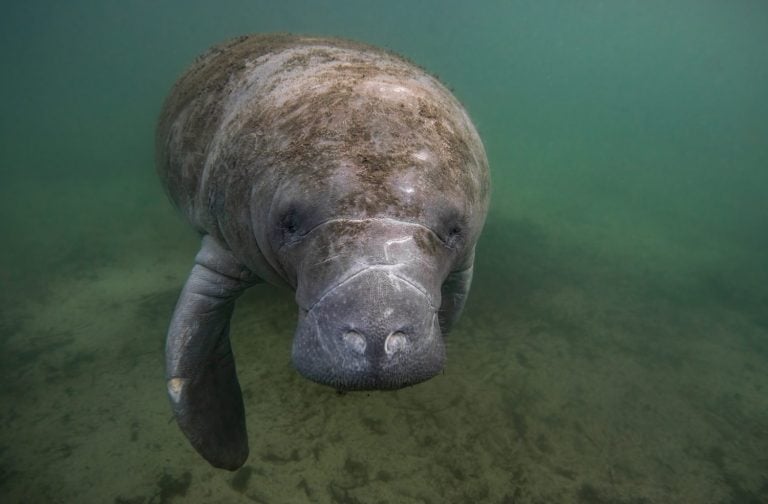
Gentle giants of warm waters
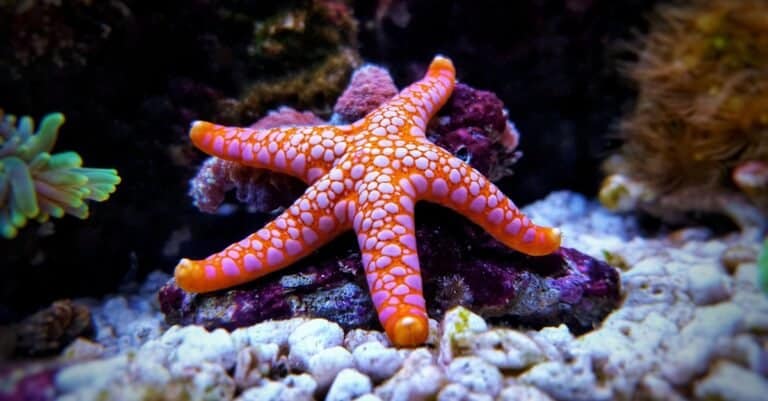
Hydraulic feet, star-shaped predators
Stingrays: discs, senses, and surprises
White hunter of the wide tundra
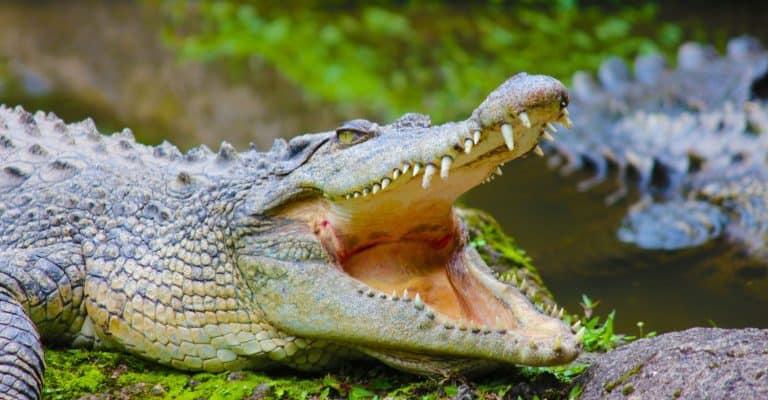
Armored ambush masters of water
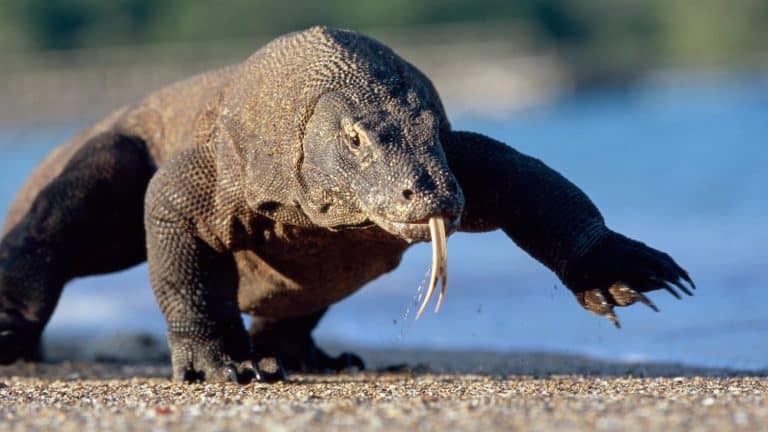
Bite, Venom, and Island Power
Thank you for reading! Have some feedback for us?
We appreciate your help in improving our content.
Our editorial team will review your suggestions and make any necessary updates.
There was an error submitting your feedback. Please try again.