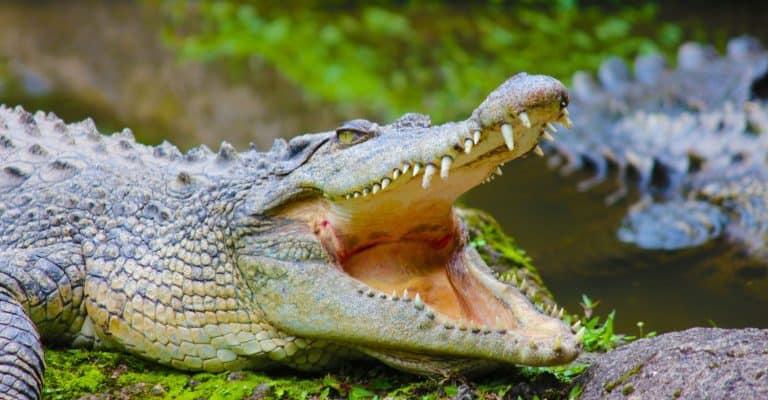
Crocodile
Armored ambush masters of water

Armored ambush masters of water
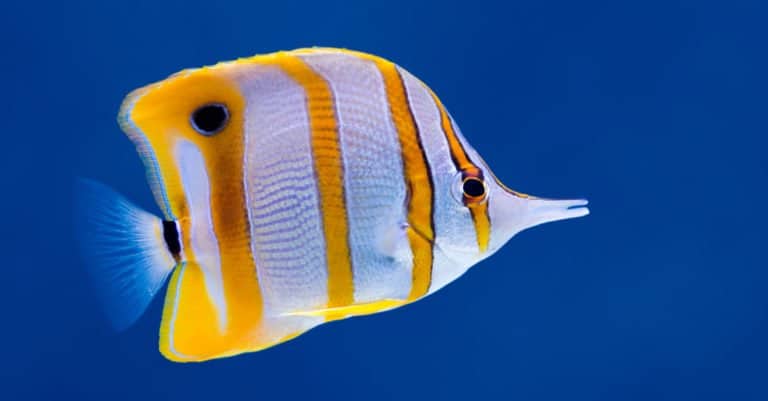
Color-coded courtiers of the coral reef
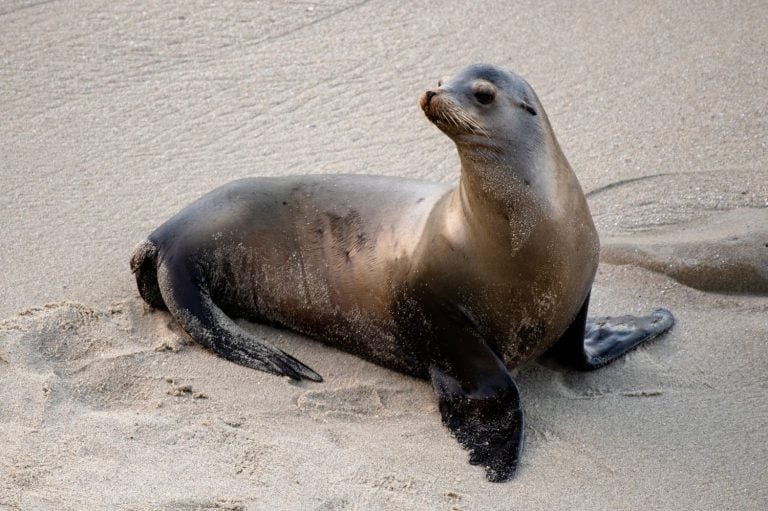
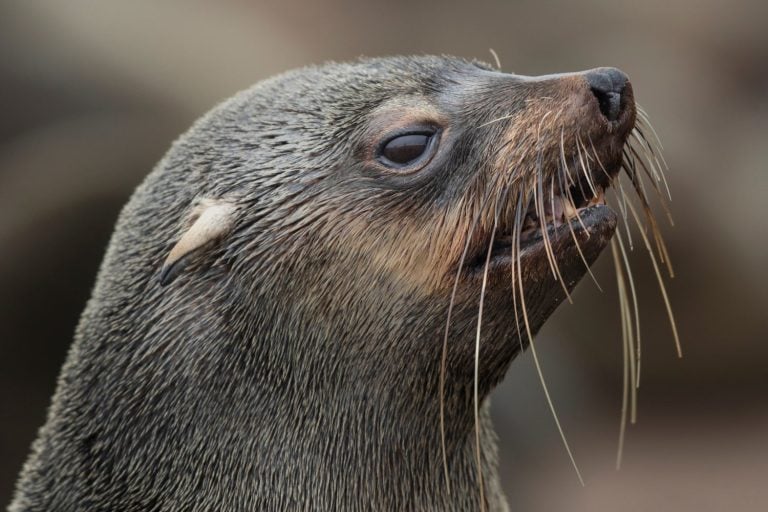
Ear flaps, flippers, and fierce colonies
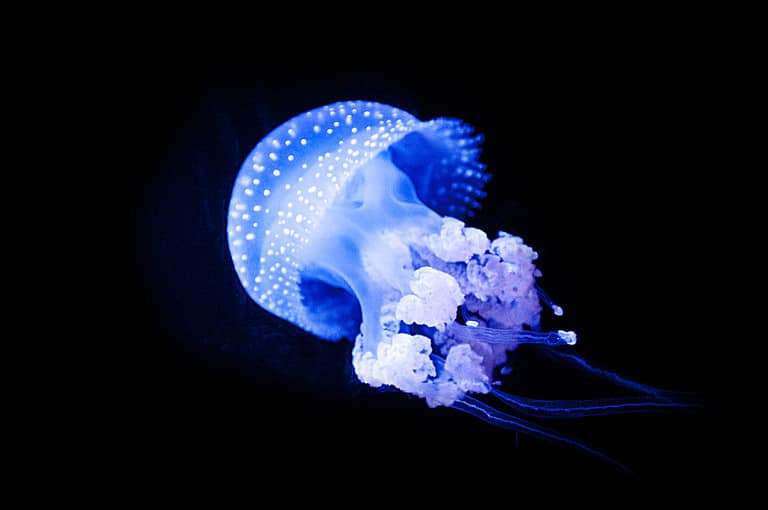
Sting-powered drifters of the sea
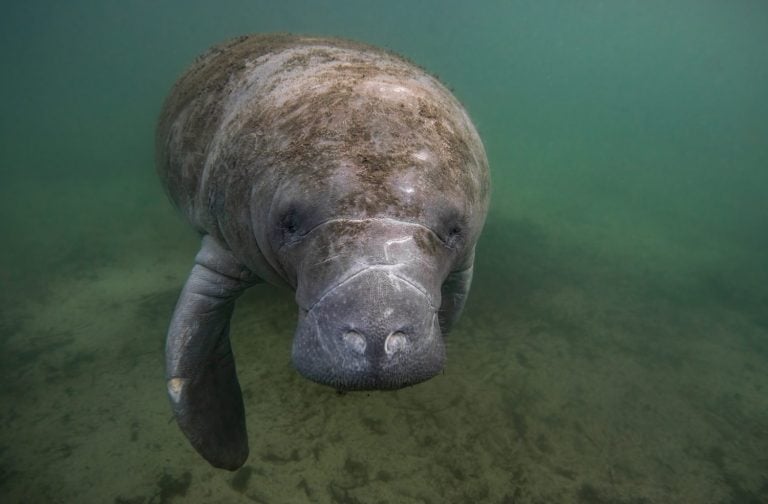
Gentle giants of warm waters
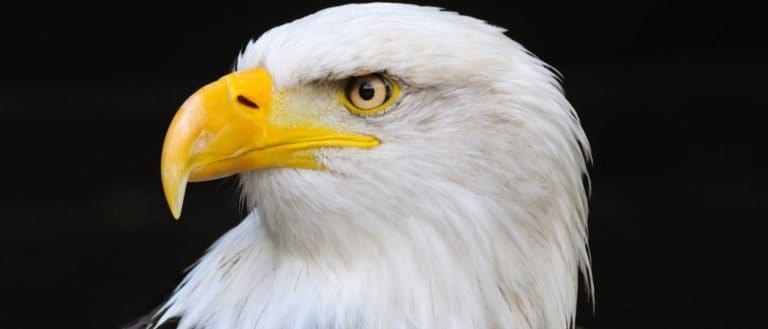
Built to soar, born to strike
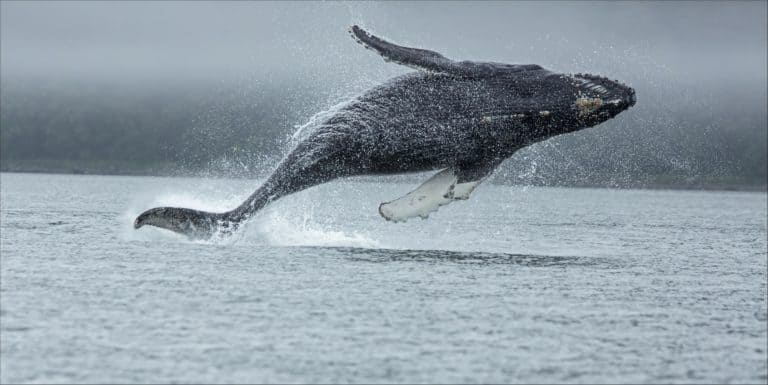
Planet's biggest krill-powered giant
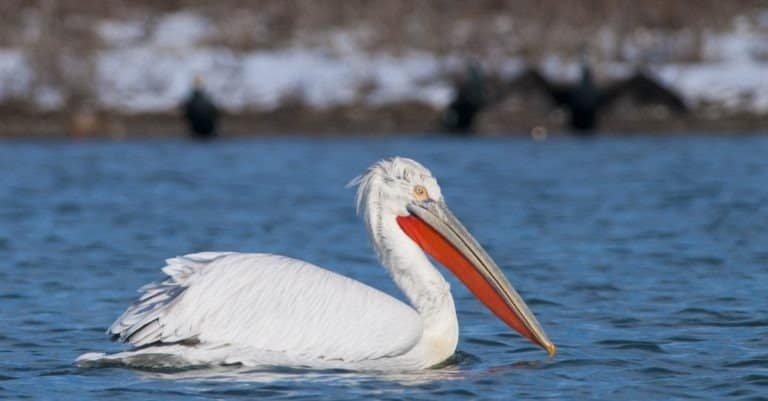
Big bill, bigger teamwork.
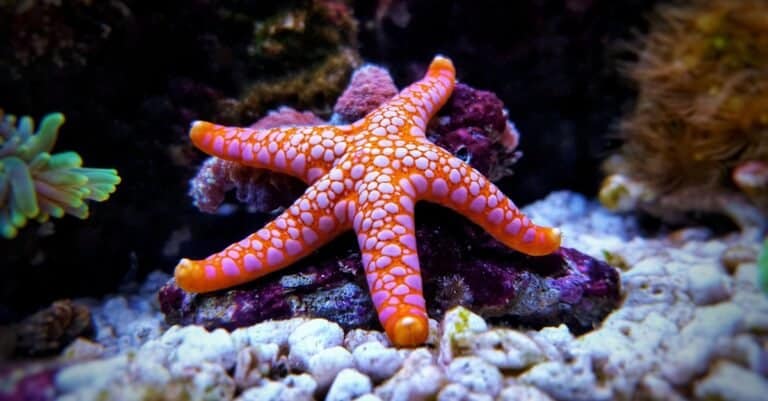
Hydraulic feet, star-shaped predators
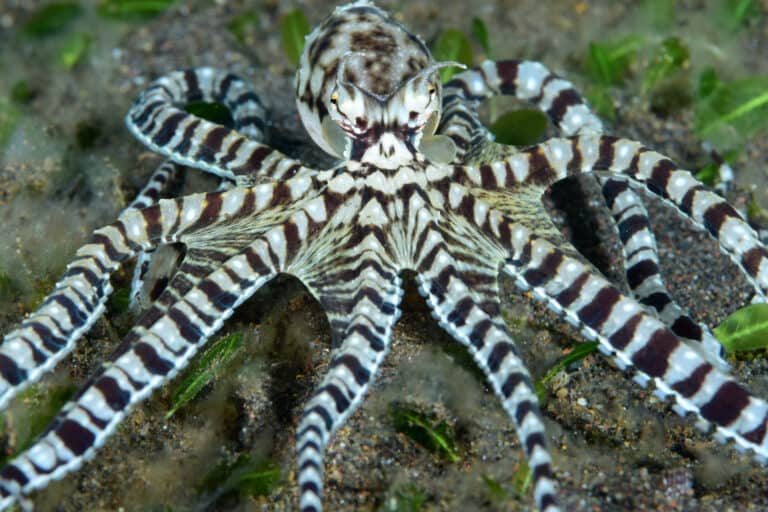
Eight arms, endless ingenuity
Overfishing is the unsustainable harvest of fish and other aquatic organisms at rates that exceed their natural reproduction and recruitment, causing populations or stocks to decline and potentially collapse. It reduces biomass and alters demographic structure (e.g., age and size distributions), impairing long-term productivity and ecosystem function.
Overfishing happens when so many fish are caught that populations cannot rebuild, causing low or collapsed stocks and smaller catches. It appears as high catches, targeting spawning aggregations, and fishing down food webs as big species become scarce and fisheries shift to smaller ones. Drivers include better tech, demand, subsidies, weak rules, and IUU (illegal) fishing. Overfishing harms ecosystems: bycatch removes seabirds, turtles, sharks, marine mammals, while trawls and dredges damage benthic habitats and nurseries. Losing key predators, herbivores, or forage fish can trigger trophic cascades and cut resilience to warming, acidification, and pollution. Recovery is often slow, harming biodiversity, services, and coastal food and jobs. Science-based limits, monitoring, protected areas, and gear changes can help, but need long-term compliance.
Warming, deoxygenation, and marine heatwaves reduce growth and recruitment; overfishing removes older, fecund individuals and genetic diversity, leaving populations less able to rebound after climate-driven shocks and causing faster collapses.
Contaminants (e.g., heavy metals, persistent organics) and eutrophication weaken immunity and reproduction; overfishing increases stress and reduces population size, magnifying the demographic impact of pollution-related mortality and sublethal effects.
Coastal development and seagrass/mangrove loss reduce nursery habitat; overfishing simultaneously removes breeders and juveniles, producing recruitment failure and prolonged depletion.
Ports, shipping lanes, and offshore energy increase traffic and noise; intensified fishing around infrastructure adds disturbance and bycatch risk, and can fragment habitats where depleted species attempt to recover.
Heavy vessel presence, sonar, and nighttime lighting disrupt feeding and breeding; overfishing reduces prey availability, forcing wildlife to forage longer in disturbed areas, increasing stress and energetic deficits.
High-value markets drive targeted and illegal harvest of vulnerable species (e.g., sharks, groupers); overfishing plus trade incentives accelerates depletion and encourages risky gear/effort expansion that increases bycatch.
Direct take of marine mammals or seabirds combined with prey depletion from overfishing can push populations past demographic tipping points (less food + added mortality).
Nutritional stress from prey depletion lowers immune function; denser aggregations at remaining feeding sites can increase transmission, making outbreaks more severe in already-depleted populations.
Depletion of alternative natural resources (e.g., terrestrial protein sources) can shift pressure onto fisheries; combined extraction intensifies effort and reduces recovery windows for marine populations.
Altered freshwater flows and sediment regimes change coastal productivity and spawning cues; overfishing reduces spawning biomass, so modified systems cannot supply the conditions needed for successful recruitment and recovery.
Overfishing can remove native predators/competitors that help resist invaders; invasive species then expand and further suppress native recruitment, locking ecosystems into degraded states.
About one-third of the world's assessed marine fish stocks are fished at biologically unsustainable levels-meaning the "interest" on fish populations is being spent faster than it can regrow.
Overfishing doesn't just remove fish; it can rewire entire food webs. When top predators (like large tuna, sharks, and cod) decline, prey species can boom, triggering "trophic cascades" that change ecosystems from the top down.
Some fisheries can appear stable right up until they suddenly collapse-because catches can stay high for years by fishing harder, using better technology, or moving to new grounds, masking a shrinking population.
Bycatch (unwanted animals caught) can include turtles, seabirds, sharks, dolphins, and juvenile fish-meaning a single fishing trip can unintentionally impact many species beyond the target catch.
"Fishing down the food web" is a real pattern: as large, high-value predatory fish become scarce, fishing pressure often shifts toward smaller species lower on the food chain, changing what ends up on plates and what's left in the ocean.
Destructive gear can cause habitat-level damage. Bottom trawling-dragging nets across the seafloor-can crush or disturb long-lived habitats (like deep-sea corals and sponge grounds) that take decades to centuries to recover.
Overfishing can reduce the genetic and size diversity of populations by selectively removing the largest individuals-often the most productive breeders-making stocks less resilient to warming oceans and other stressors.
"Ghost fishing" happens when lost or discarded nets and traps keep catching animals for months to years, turning abandoned gear into an ongoing, unmonitored source of mortality.
Not all fishing pressure is obvious: illegal, unreported, and unregulated (IUU) fishing can significantly add to total catch, undermining quotas and management even where rules exist.
The impact isn't only ecological-collapses can be economically sudden and severe, disrupting coastal livelihoods and food security, especially where fish is a primary source of animal protein.
Overfishing is like withdrawing from a bank account faster than your paycheck: you can keep spending for a while, but eventually the balance crashes-and recovering it can take years or decades.
Fishing technology can create a "moving target" problem: even as fish populations drop, better sonar, larger vessels, and longer trips can keep catches looking strong-like finding the last few books in a shrinking library using a better search engine.
Bottom trawling can be compared to clear-cutting a forest-except underwater-because it can flatten complex seafloor habitats that many species rely on for shelter and feeding.
Bycatch is like ordering one item online and having many unrelated packages damaged in transit: the target catch arrives, but the collateral loss can be substantial and often hidden from consumers.
"Fishing down the food web" is like a neighborhood gradually losing all the big trees and then switching to harvesting shrubs-there's still "green," but the ecosystem structure and services change.
Stock collapse can behave like a tipping chair: it may look upright until a final small push sends it down-after which rebuilding often requires strong protections and time.
Ghost gear is like setting thousands of unattended traps that keep working 24/7, even though no one is benefiting-an invisible extension of fishing effort.
When large predators decline, it can be like removing wolves from a landscape: prey populations can surge, vegetation or habitat can shift, and the whole system can change in unexpected ways.
A heavily fished ecosystem can become "simplified," like turning a diverse, bustling city into a town with fewer roles and interactions-less buffering capacity when storms (or heatwaves) hit.
Switching to new species as old ones decline can feel like changing what's on the menu, but it's often a sign the pantry is being emptied-one shelf at a time.
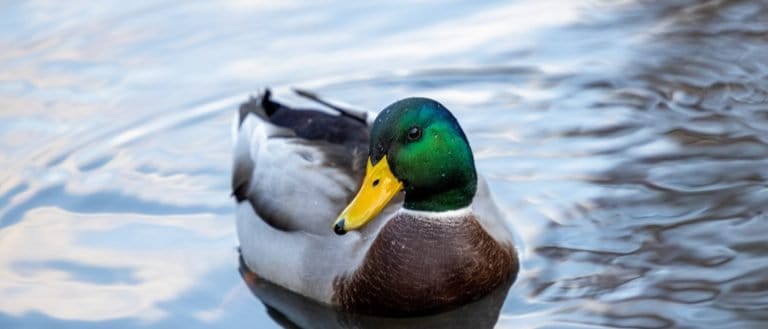
Webbed feet, world travelers.
Built to soar, born to strike
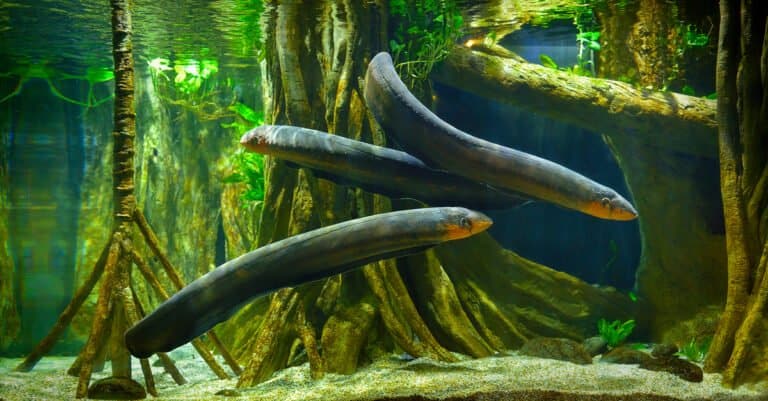
Lightning hunter of the Amazon
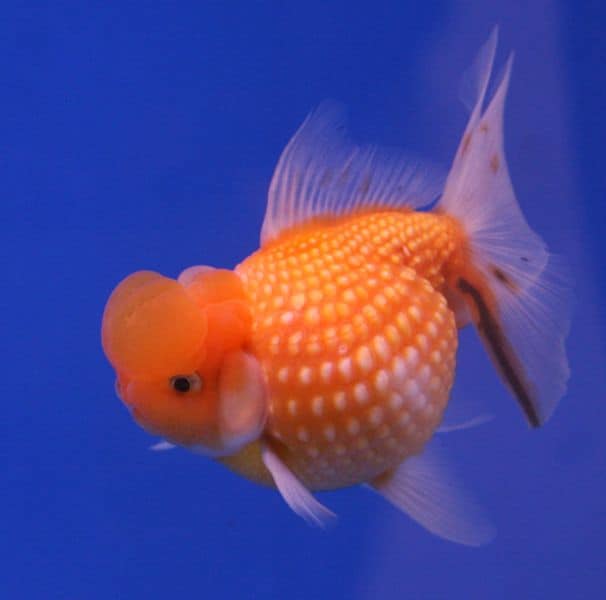
Bony rays, endless ways.
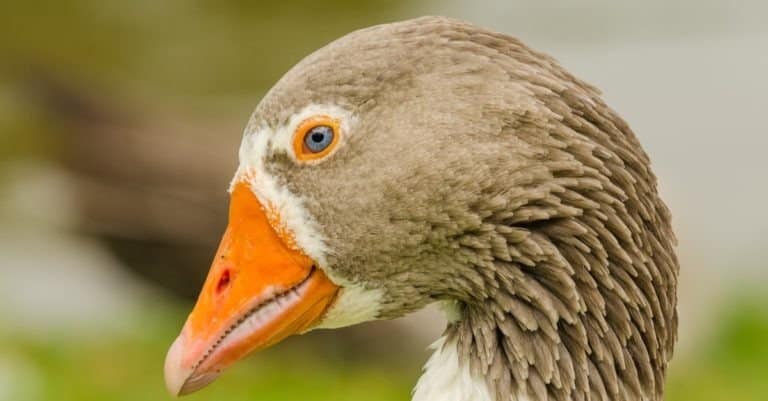
Webbed feet, sky roads, wetland lives
Sting-powered drifters of the sea
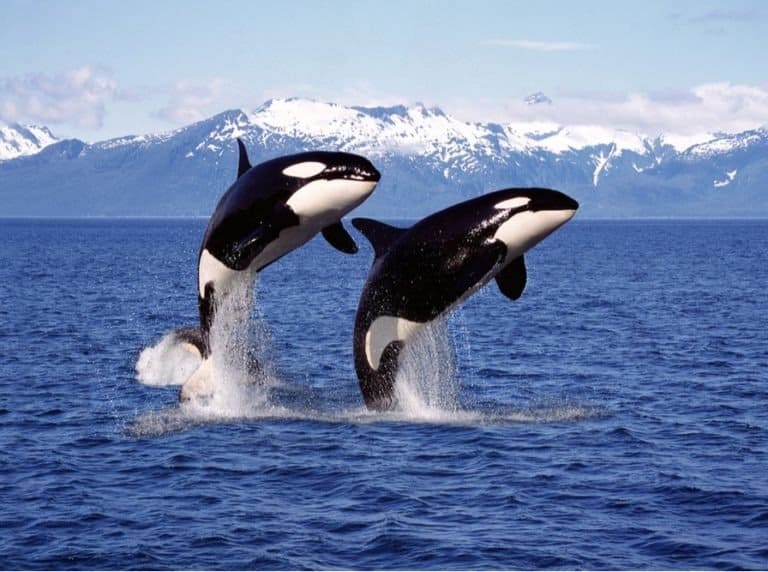
One species, many ecotypes.
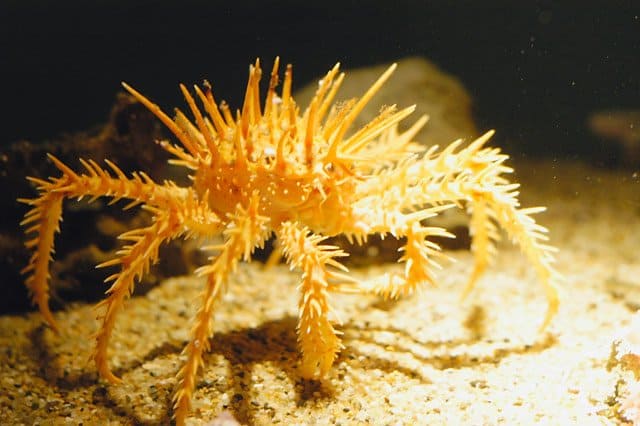
Cold-water royalty of the seafloor
Eight arms, endless ingenuity
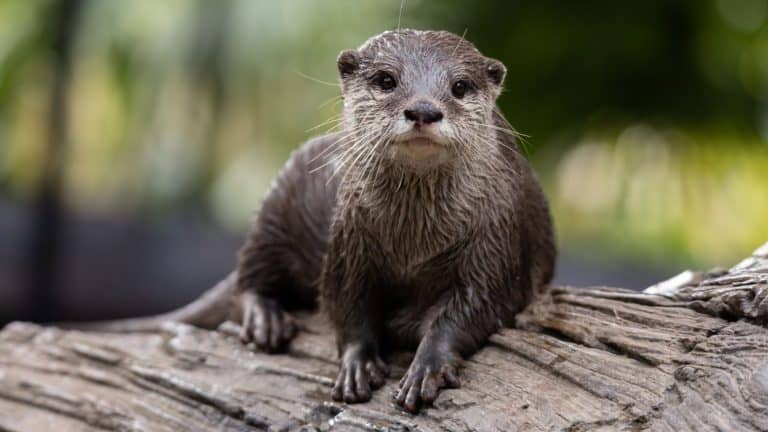
Built for water, born to hunt
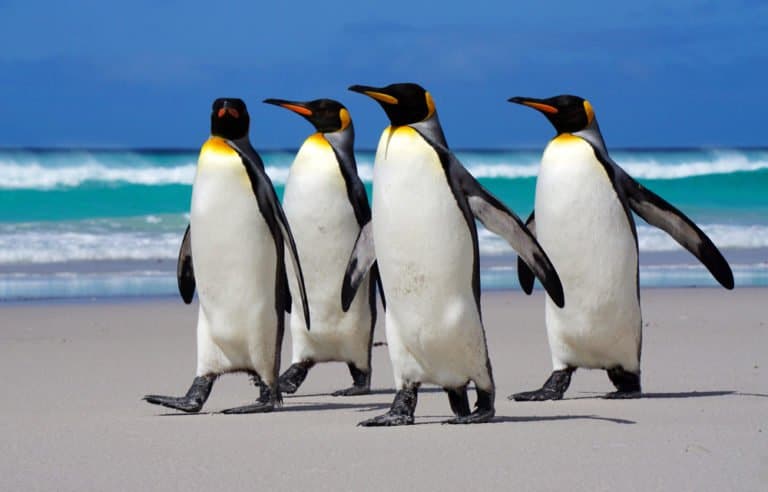
Born to dive, dressed to endure
Ear flaps, flippers, and fierce colonies
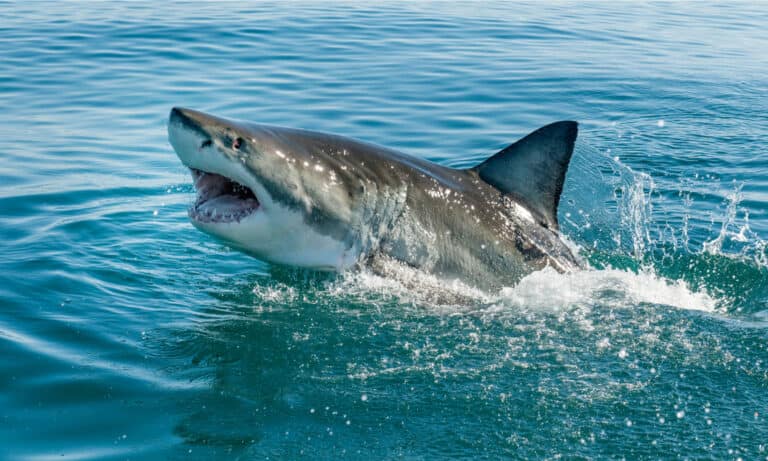
Warm-blooded hunter of the seas
Planet's biggest krill-powered giant
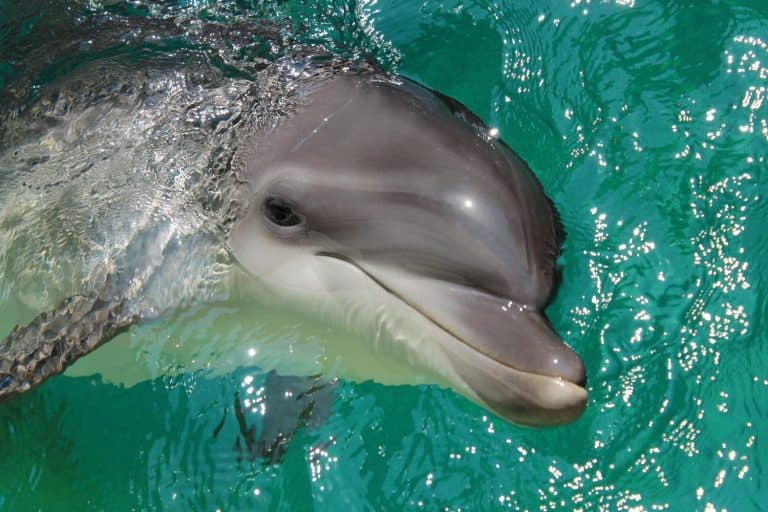
Built for the surf-and sonar.
Gentle giants of warm waters
Hydraulic feet, star-shaped predators
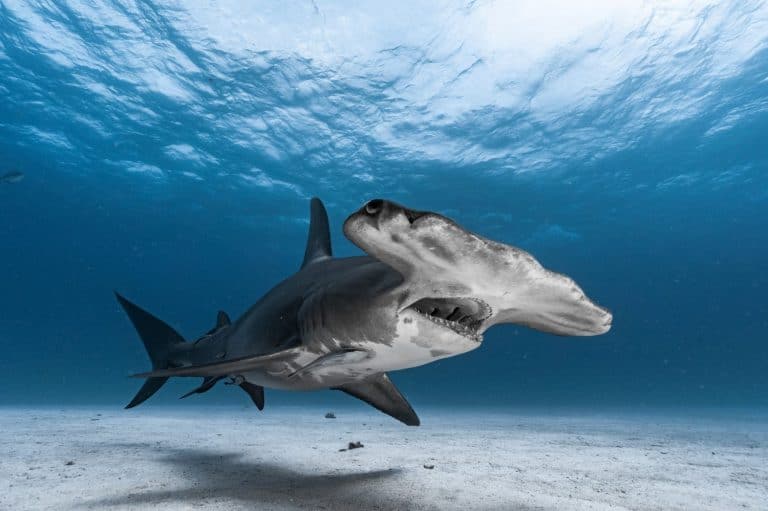
Built like a hammer, tuned like a radar
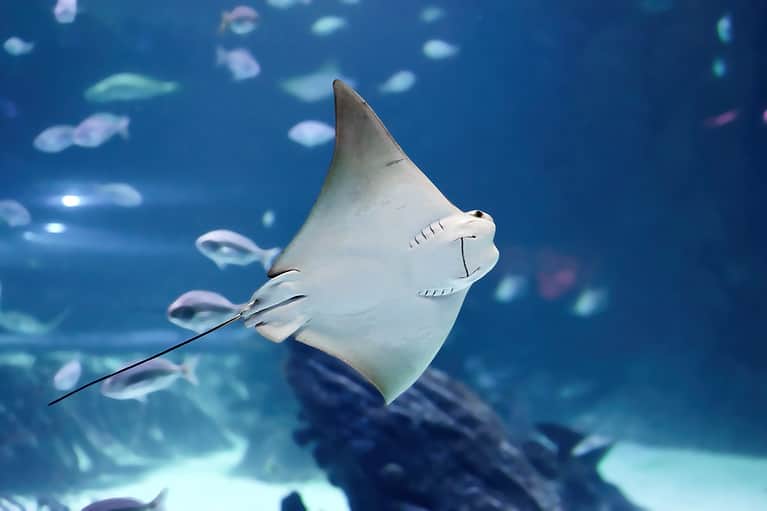
Stingrays: discs, senses, and surprises
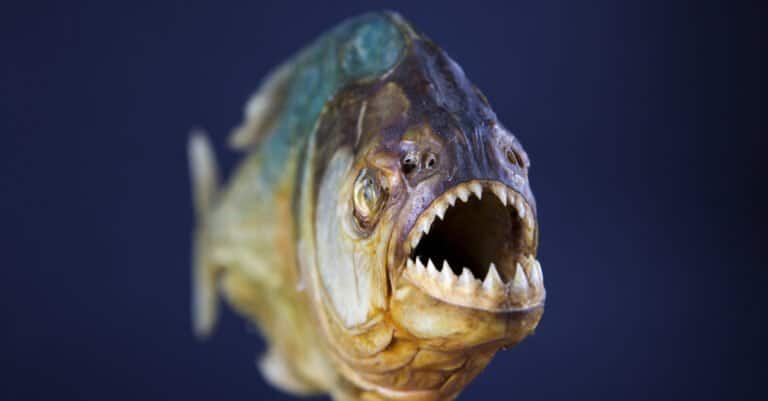
More than movies: jaws, seeds, and strategy
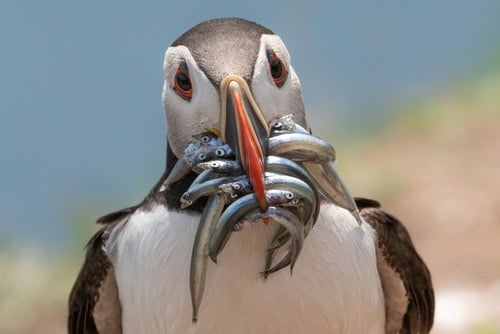
Wing-powered divers of the cold seas
Earless divers of the world's seas
Big bill, bigger teamwork.
Armored ambush masters of water
Thank you for reading! Have some feedback for us?
We appreciate your help in improving our content.
Our editorial team will review your suggestions and make any necessary updates.
There was an error submitting your feedback. Please try again.