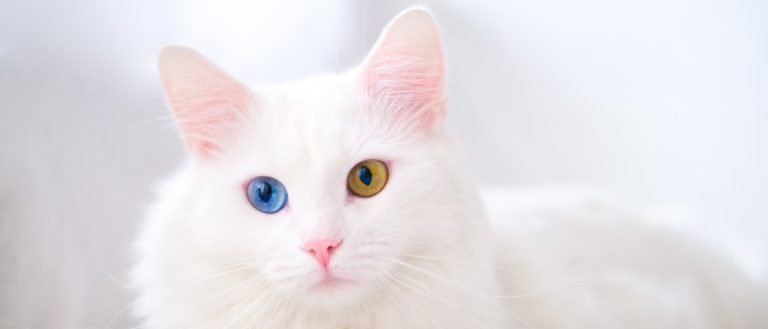
Turkish Angora
Silk coat, sky-high spirit.

Silk coat, sky-high spirit.
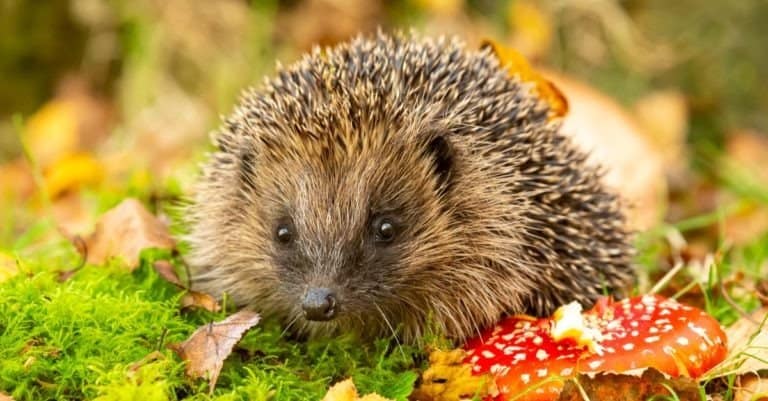
Spines, snuffles, and survival
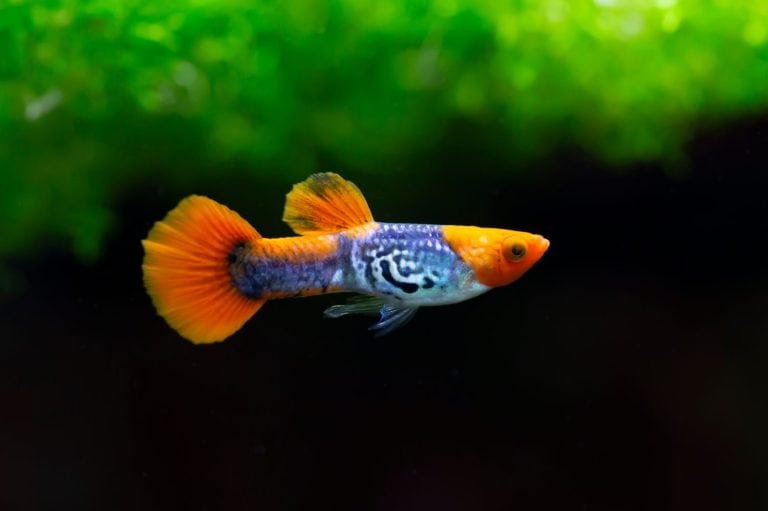
Small fish, big color, fast families
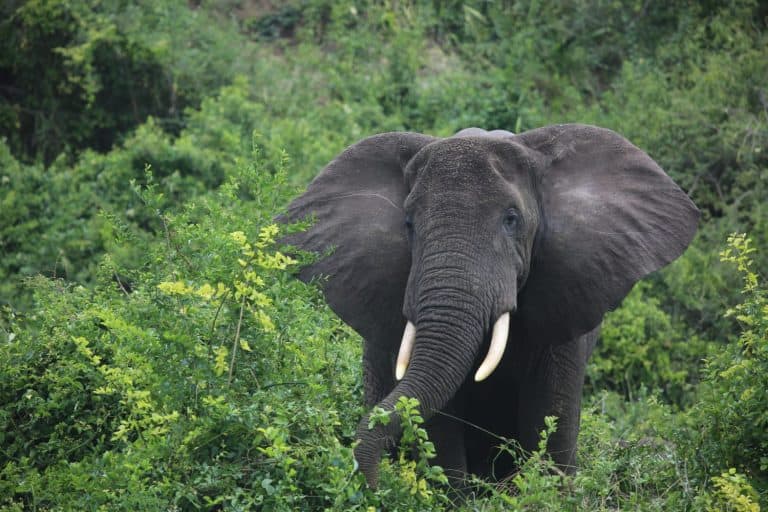
The rainforest's master gardener
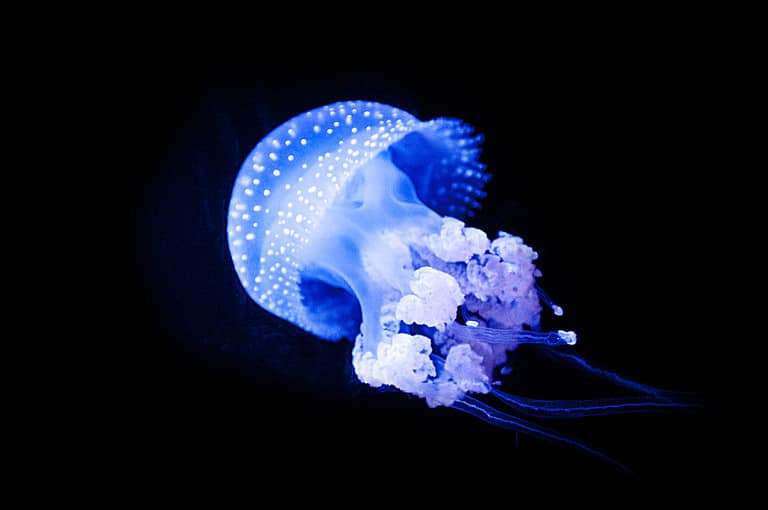
Sting-powered drifters of the sea
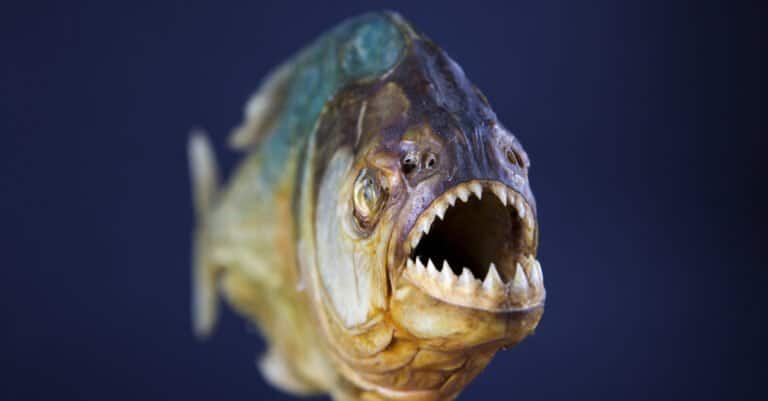
More than movies: jaws, seeds, and strategy

Shaggy charm, steady herding heart
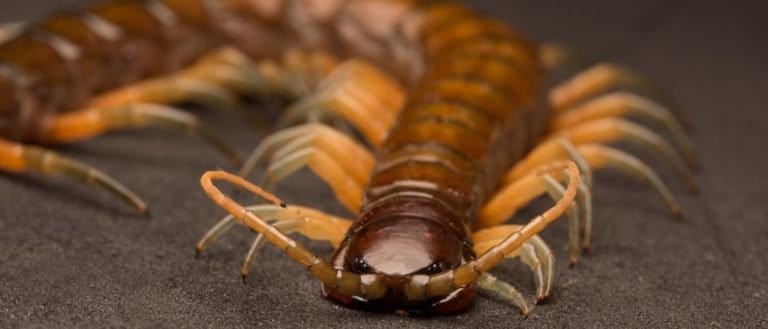
One pair per segment. All predator.
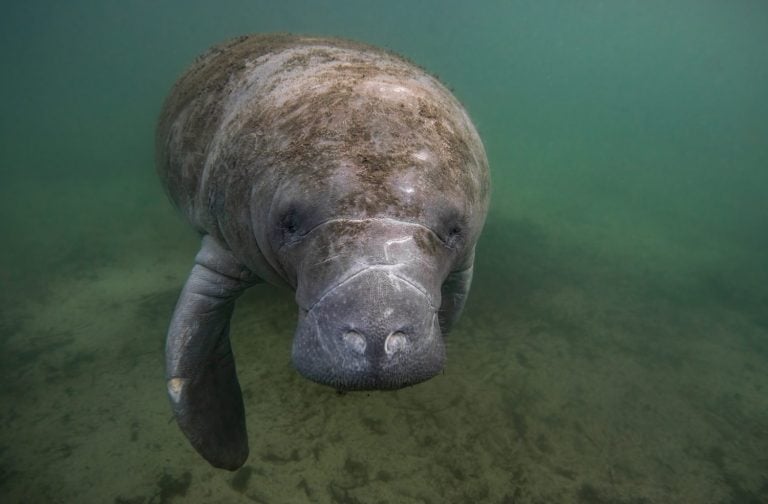
Gentle giants of warm waters
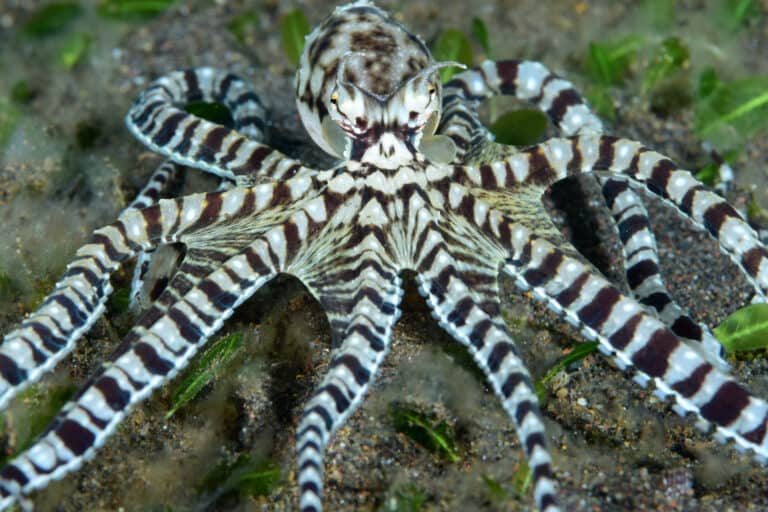
Eight arms, endless ingenuity
Promiscuity is a mating system in which individuals mate with multiple partners and do not form an exclusive, lasting pair bond. Both males and females typically have more than one mate within a breeding season, often producing mixed paternity (and sometimes mixed maternity) within a single brood or cohort.
In a promiscuous mating system, individuals mate with many partners instead of forming long-term pairs. Mating often depends on local crowding, timing, rank, and access to breeding sites. Offspring may have multiple fathers (and sometimes multiple mothers). Parental care can be absent, maternal, paternal, or shared. Sexual selection often favors sperm competition and traits that help fertilize eggs. Promiscuity is flexible and can shift toward polygyny, polyandry, or social monogamy with extra-pair mating.
Etymology: From a Latin-derived term meaning 'mixed, indiscriminate, or common,' ultimately based on elements meaning 'forward' and 'to mix'.
Found across: Primates with multi-male/multi-female social groups (e.g., chimpanzees, bonobos), Rodents and lagomorphs with mixed-paternity litters (e.g., mice, voles in some species, rabbits), Many amphibians with scramble competition and multiple mating (e.g., frogs and toads), Many fishes that spawn in groups or aggregations (including broadcast spawners and lek-like spawners), Insects with frequent remating and strong sperm competition (e.g., flies, true bugs), Birds that are socially monogamous but genetically promiscuous via extra-pair copulations (e.g., fairywrens, swallows)
Promiscuity often turns reproduction into a "genetic lottery": in many species, a single brood can have multiple fathers (and sometimes multiple mothers), boosting genetic diversity and spreading risk if one mate has poor genes or low fertility.
It can drive the evolution of elaborate post-mating competition: when many males mate with the same female, selection can favor bigger testes, more sperm, or sperm that perform better in direct "sperm competition."
Promiscuity can shift where mate choice happens: instead of choosing one "best" partner, individuals may mate with several-and sexual selection can continue after mating via cryptic female choice (females biasing which sperm fertilize eggs).
It can reduce the value of guarding a single partner and increase the value of timing: in highly promiscuous systems, being in the right place at the right time (synchronized breeding, quick matings) can matter more than long-term courtship.
Promiscuity doesn't necessarily mean "no rules": many species have social structures (colonies, leks, aggregations) that look chaotic, but still have consistent patterns in who mates with whom and when.
The rainforest's master gardener
Sting-powered drifters of the sea
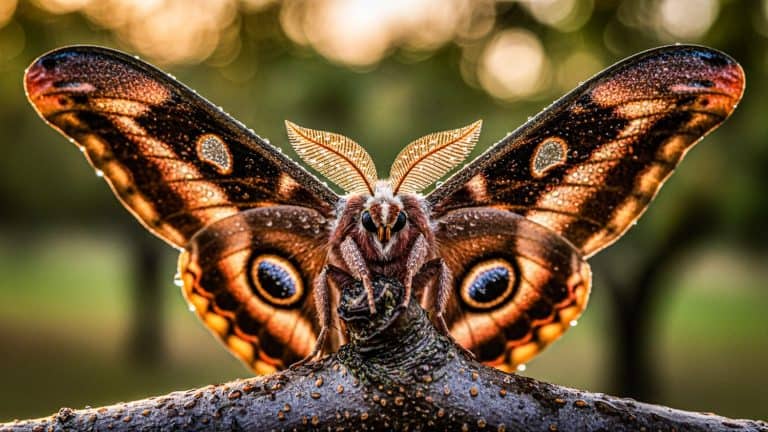
More than night flyers
Eight arms, endless ingenuity
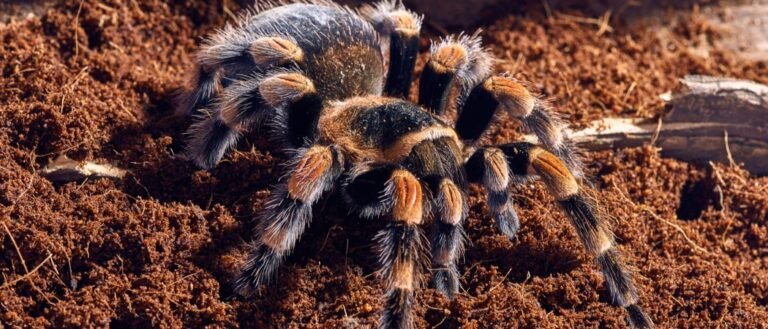
Red knees, calm queen of the burrow
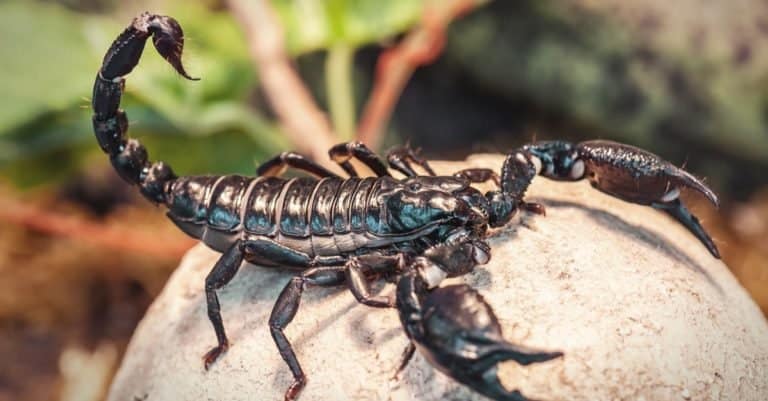
Glow at night, strike with precision
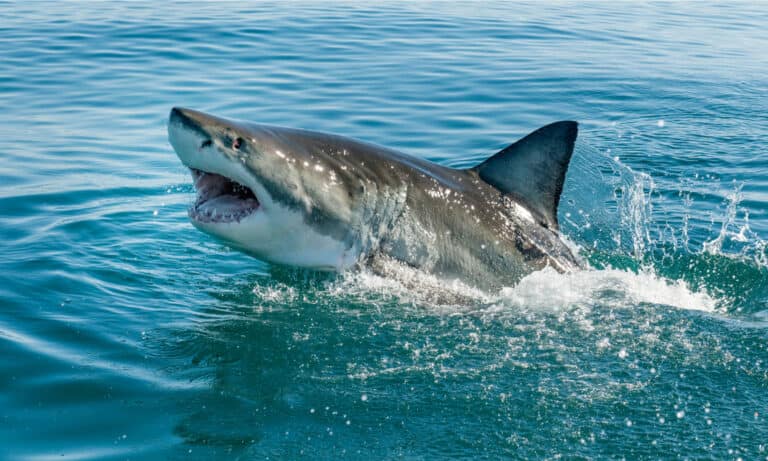
Warm-blooded hunter of the seas
Gentle giants of warm waters
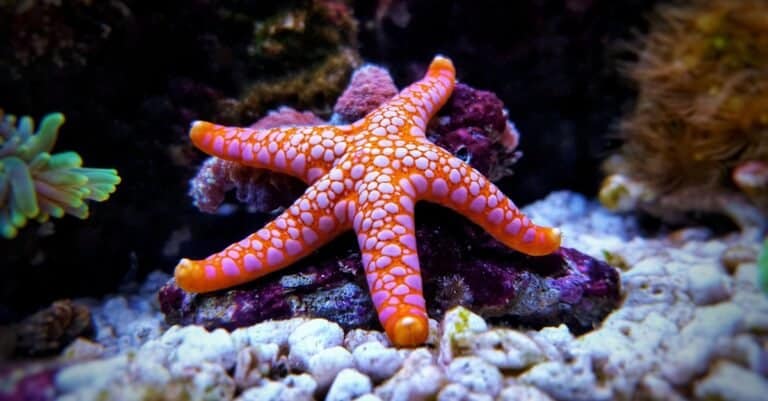
Hydraulic feet, star-shaped predators
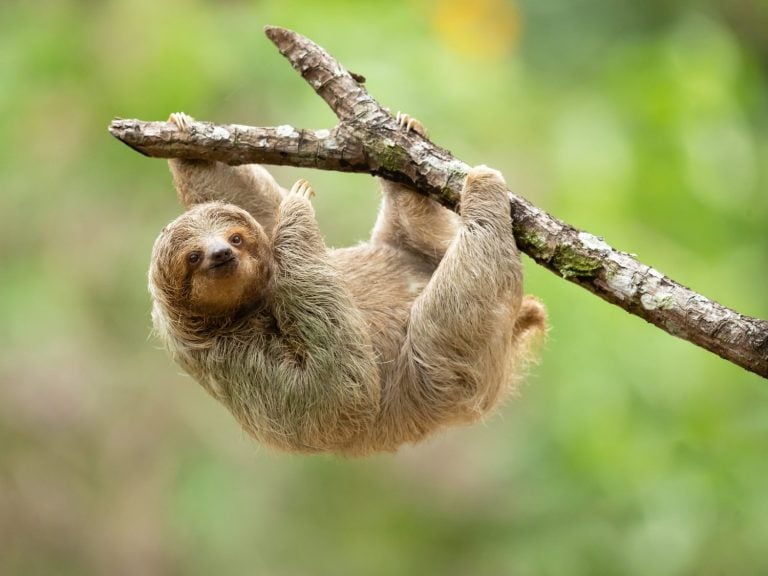
Slow life, high in the canopy
More than movies: jaws, seeds, and strategy
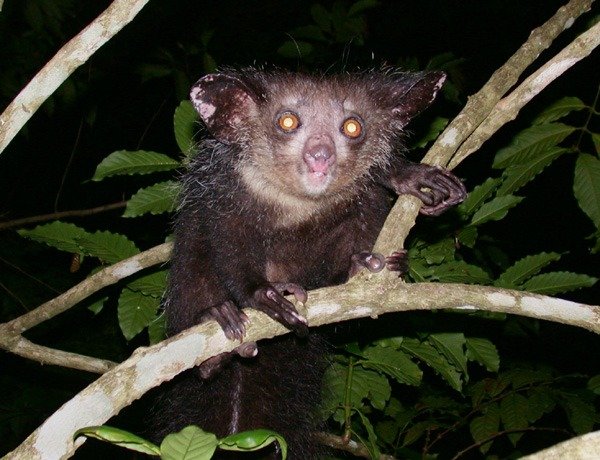
Tap. Gnaw. Probe. Madagascar's aye-aye.
Spines, snuffles, and survival
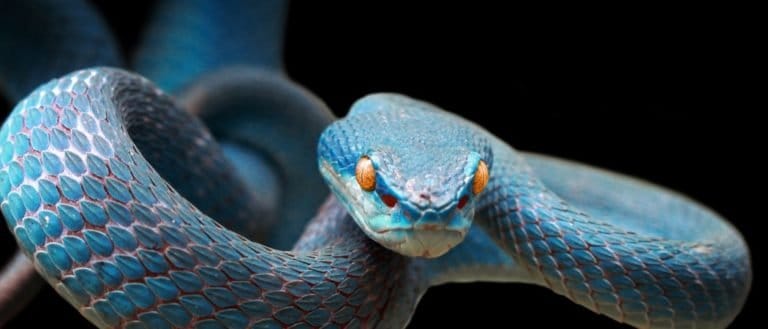
Built to glide, strike, and swallow
Shaggy charm, steady herding heart
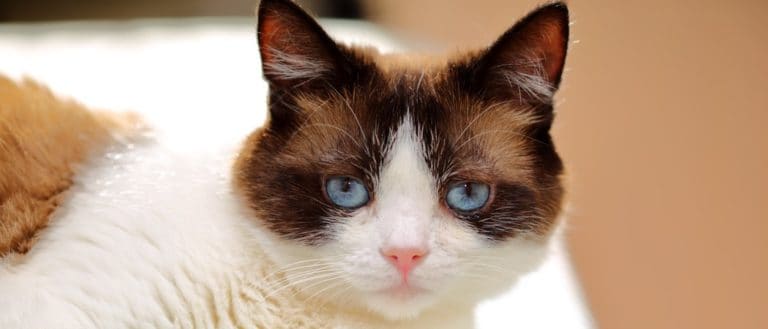
Siamese style, with snowy white boots
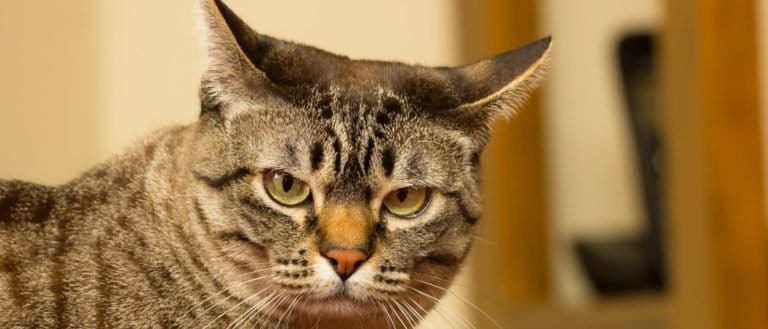
Misty coat, sunny Aussie soul
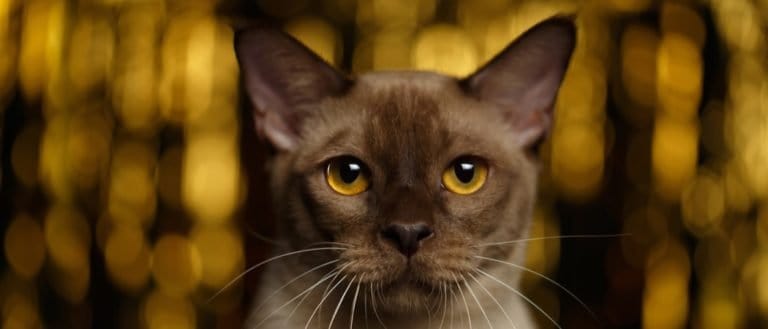
A velvet coat with a velcro heart
Silk coat, sky-high spirit.

The Fox Cat with a Ticked Twist
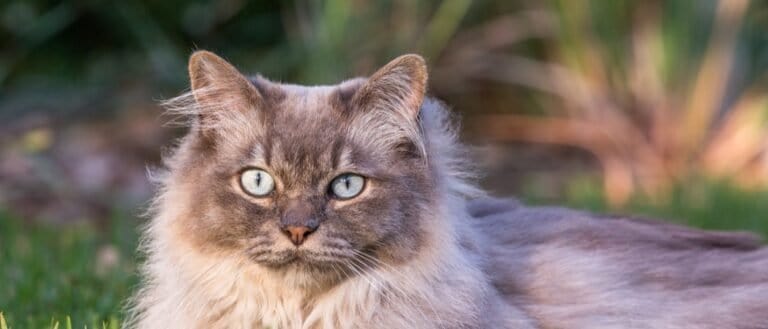
Silky chocolate elegance-almost a legend
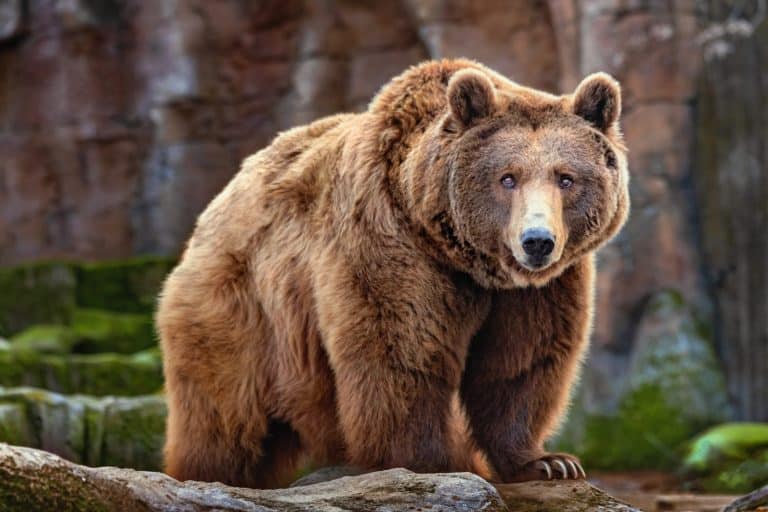
Eight species, one mighty family
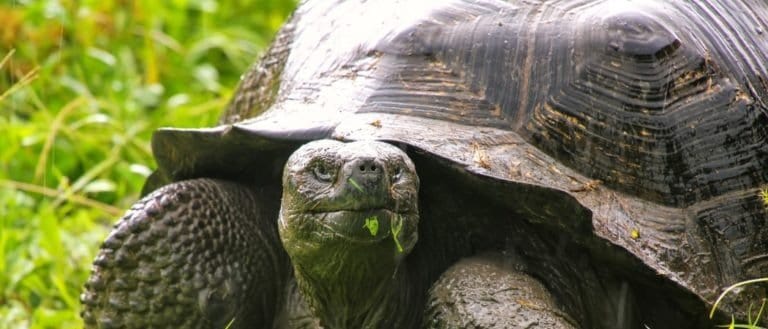
Big shell, bigger story of evolution
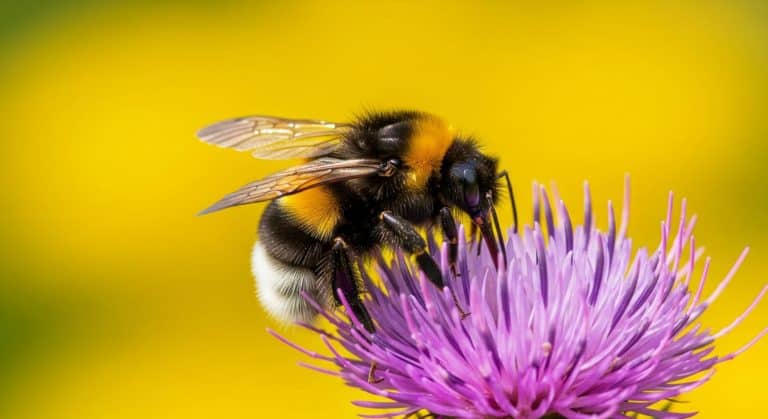
Built for buzz, born to pollinate
Thank you for reading! Have some feedback for us?
We appreciate your help in improving our content.
Our editorial team will review your suggestions and make any necessary updates.
There was an error submitting your feedback. Please try again.