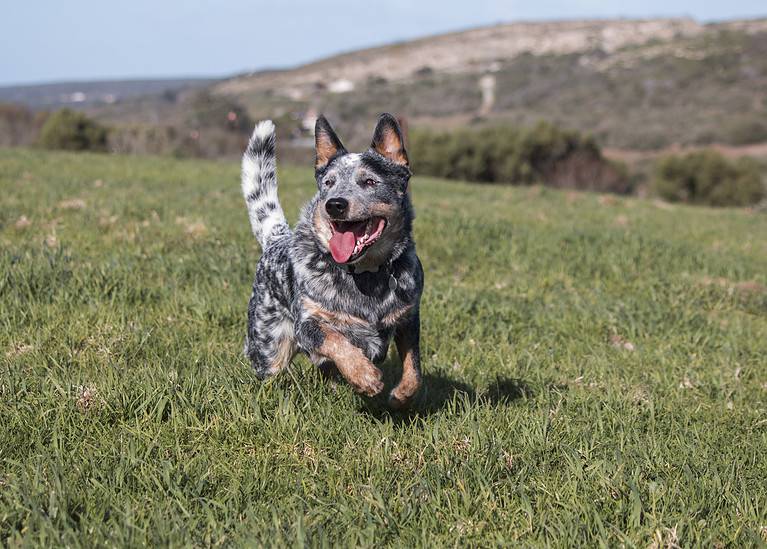
Australian Cattle Dog
Built to drive cattle all day

Built to drive cattle all day
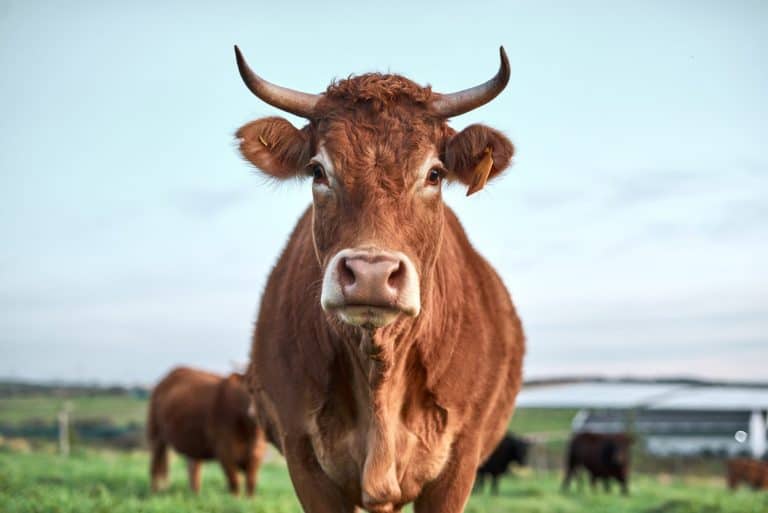
Grass to milk-nature's recyclers
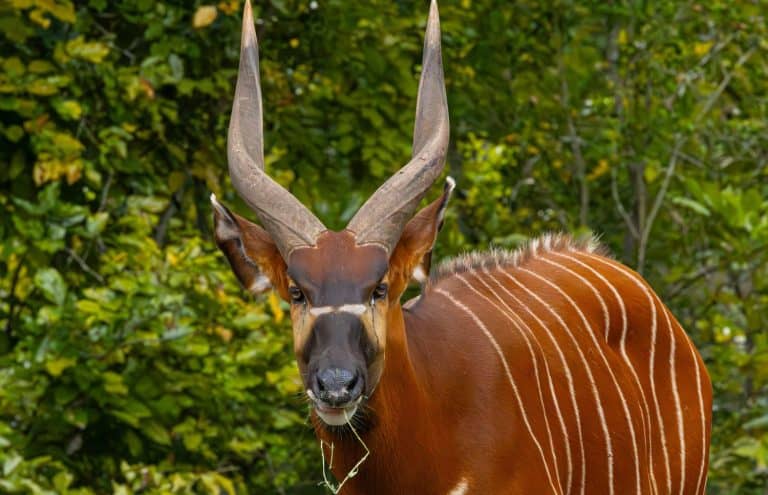
Spiral horns, forest shadows
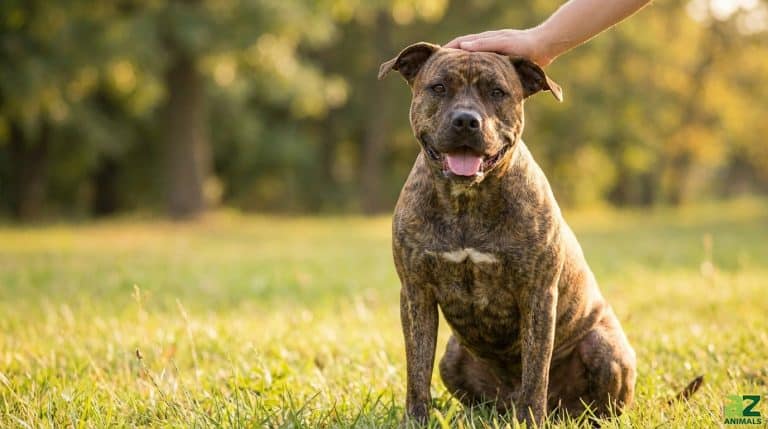
Athletic heart, devoted companion.
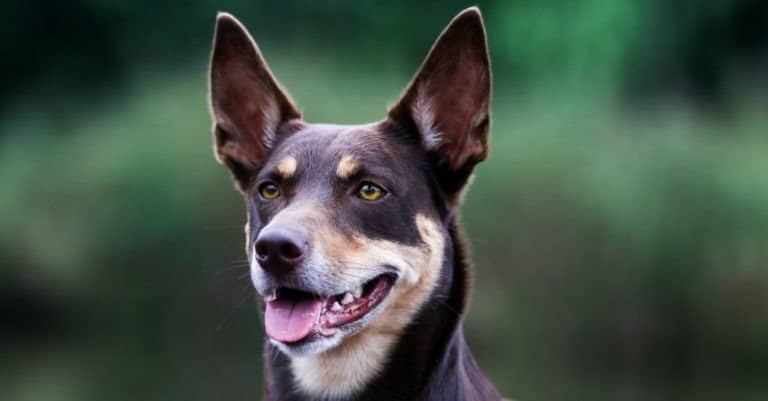
Born to work, built to last.
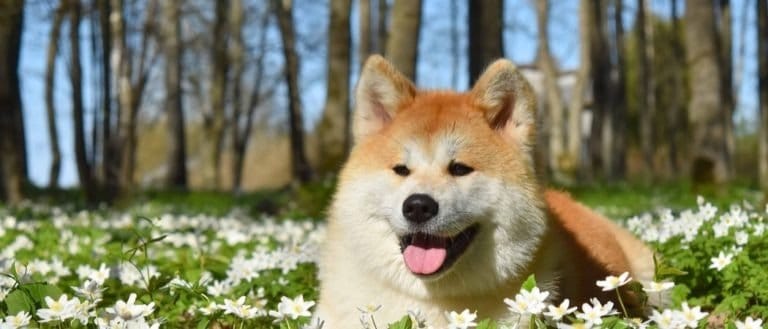
Dignity, power, and legendary loyalty
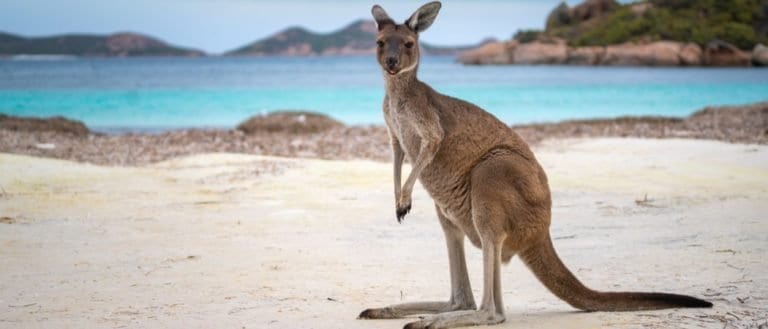
Big hops, big pouches, big variety
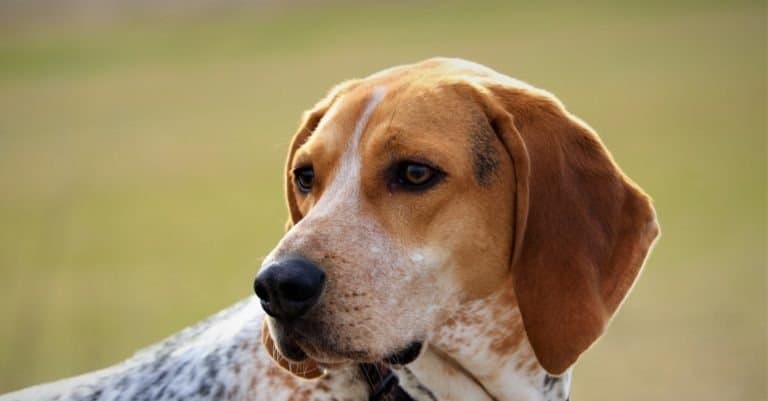
All nose, all night, all heart.
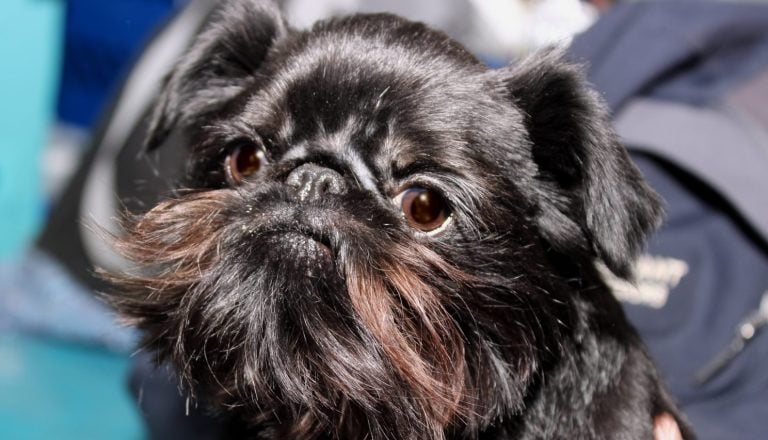
Big attitude, monkey-faced charm
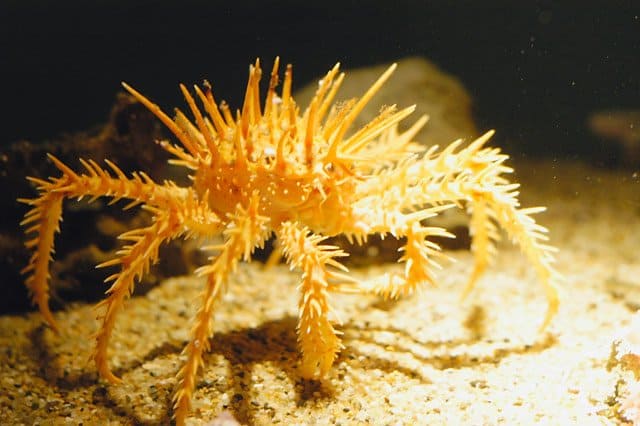
Cold-water royalty of the seafloor
In animal coloration, red refers to hues dominated by long-wavelength visible light (roughly ~600-750 nm) that appear from rusty brick-red to vivid crimson, produced by selective reflection/absorption of light by pigments or structural effects. It is most commonly generated by pheomelanin-based pigmentation, carotenoid deposition acquired through diet, or occasionally by other pigment systems and microstructural scattering that enhance red appearance.
Red is one of the most visually striking colors in the animal kingdom, spanning subdued rust and chestnut tones to saturated scarlet and crimson. It can occur as an overall body color (such as in some mammals or reptiles), but it is especially common as localized accents-throat patches, crests, facial masks, wing flashes, fins, or abdominal panels-where it can be revealed or concealed depending on posture and behavior.
Biologically, red often functions as a high-impact signal. Because carotenoid-based reds depend on diet and internal processing, they can act as "honest" indicators of foraging ability, health, or physiological condition, shaping mate choice and competitive interactions. Red patches can also amplify threat displays, delineate species identity, or coordinate social communication, particularly when paired with contrasting blacks, whites, or iridescent regions.
At the same time, red is not purely about conspicuousness: in certain habitats it can provide effective camouflage. Brick-red and rusty tones can blend with soils, leaf litter, bark, or iron-rich substrates, while deeper reds can appear darker at distance or under low light. The ecological meaning of red therefore depends strongly on context-how the animal is viewed (including the viewer's color vision), the lighting environment, and whether red is presented as a permanent coloration or a dynamic display.
On animals, red reads as a warm, high-salience hue that can range from earthy, low-saturation "rust" to intense, glossy crimson. It often appears as: - Coat/fur/feather fields: fox- or squirrel-like rufous coats where individual hairs/feathers show red-orange bands or tips, creating a softly blended, velvety red at a distance. - Localized patches and display zones: throats, crests, facial masks, wing coverts, rump patches, dewlap/ventral fans, or fin margins that become more conspicuous during posture changes, inflation, or feather erection. - Structural + pigment effects: when paired with dark melanin underlayers, reds look deeper (maroon/oxblood); with pale keratin or low melanin, reds look brighter and more "hot" (scarlet/coral). In wet skin (some amphibians/fish), red can appear lacquered or translucent, with underlying capillaries intensifying saturation. - Pattern integration: red commonly contrasts with black/white (warning or display), appears as mottling with browns (camouflage in leaf litter), or as small "spark" accents (eye rings, leg bands, tail tips) that function as signals without changing overall crypsis. Biologically, many "reds" come from pheomelanin (often rufous/brick) or carotenoids (often vivid orange-red to scarlet). Some animals also show red through blood perfusion in thin skin or through specialized chromatophores (e.g., erythrophores in fish/reptiles).
Approx. 620-750 nm (commonly perceived "red" in human vision; many animal red signals cluster nearer ~600-700 nm depending on pigment and environment).
Approx. #8B0000 (dark red/maroon) through #FF0000 (pure red) to #FF4D4D (light red/pinkish red highlights). Earthy animal "rufous" often sits around #A23B2A-#C24A2A; vivid carotenoid reds often around #D00000-#FF2A2A.
Humans: Red is typically perceived as one of the most conspicuous warm hues, strongly "advancing" visually and drawing attention, especially when paired with black/white. We readily distinguish many red shades (rust vs scarlet) under good lighting. Non-human animals (general patterns; varies by species): - Many mammals (e.g., numerous carnivores/ungulates) are dichromatic and have limited sensitivity to long wavelengths. To them, "red" often appears as a yellowish-brown/olive or a darker neutral tone rather than a vivid hue. Thus bright human-red signals may not be as striking to these viewers. - Birds are typically tetrachromatic and many have strong long-wavelength sensitivity; many also see into UV. Red plumage (especially carotenoid-based) can be extremely salient to birds, and subtle differences in saturation can carry information about diet/health. - Many reptiles have relatively good color vision (some are trichromatic/tetrachromatic), so red patches can function well as social signals; in some, red/orange hues may appear even more intense due to their photoreceptor complements. - Many fish are variable: some have strong long-wavelength sensitivity (reds can be vivid in shallow, well-lit water), while in deeper or blue-shifted environments, red wavelengths attenuate quickly and red can appear dark/blackish, turning a "bright red" body into effective camouflage. - Many insects (including many pollinators) have limited or no true red sensitivity; reds may appear dark or as a different color category, which can matter for mimicry or warning signals. Environmental effects: Red visibility drops rapidly in blue/green-dominant lighting (forest shade, underwater, dusk). In such settings, reds often darken and lose saturation, shifting their function from conspicuous display in open light to reduced detectability (or a different contrast profile) in filtered light.
Common in mammal fur and many bird plumages; a muted, brown-leaning red produced by pheomelanin. Looks "dusty" or "earthy," blending well with dry grass, bark, and leaf litter.
Mid-saturation red with a strong brown/orange component; often seen as overall coats or broad feather fields. Reads warm but not neon, especially under shade.
Deeper, richer red-brown with a subtle sheen in some feathers or glossy pelage; appears darker in low light and can look nearly brown unless hit by direct sun.
High-saturation, attention-grabbing red typical of carotenoid-rich feathers/skin or chromatophore-based coloration. Often localized to badges, crests, throats, or fins for signaling.
A bright red shifted toward orange; frequently carotenoid-driven. Particularly visible in daylight, often used in warning or mate-attraction contexts.
Very dark red that may appear almost black at a distance; can result from heavy melanin over/underlay or dense pigmentation. Seen in some birds, reptiles, and in shadowed fur.
A lighter, less saturated red that can occur when pigment is sparse, hairs/feathers are pale, or skin is lightly perfused; often appears on exposed skin areas or in juveniles/seasonal molts.
Red concentrated in discrete patches, bars, or edging; sometimes looks to "flash" with movement (tail-flicks, wing-flicks). In some species, sheen from feather microstructure makes the red look more glossy or depthful rather than truly iridescent.
Sulfur-containing melanin that produces yellow-to-rust/brick red hues (often appearing as rufous, chestnut, or reddish-brown). Compared with eumelanin (black/brown), pheomelanin reflects more long-wavelength light and can appear redder when concentrated or layered with other pigments/structures.
Diet-derived red carotenoids that produce vivid reds (crimson to scarlet) in bird feathers/skin, fish flesh/skin, crustacean shells, and some reptiles/amphibians. Often responsible for the brightest animal reds; hue depends on specific carotenoid, concentration, binding proteins, and tissue optics.
Protein binding can shift carotenoid absorbance (bathochromic shifts), altering perceived color. In some crustaceans, carotenoid-protein complexes produce darker/shifted hues; upon cooking/denaturation, freed astaxanthin appears brighter red.
Nitrogen-rich pigments that can produce red to orange-red, especially in insects (e.g., eye pigments in flies) and in chromatophores of some amphibians/reptiles/fish (often in pteridine-containing xanthophores/erythrophores). Often contributes to bright red patches in combination with carotenoids and reflective plates.
Parrot-specific pigments that generate saturated reds/oranges/yellows in feathers, independent of dietary carotenoid availability. They can produce stable, intense reds used in signaling.
Porphyrin pigments can produce red/magenta hues in certain taxa (classically in turacos: copper-porphyrin turacin). Porphyrin-based reds may show fluorescence under UV and can be light-sensitive (photobleaching) in some species.
Some reds are intensified by microstructures that increase path length through red pigments or by underlying reflectors that boost long-wavelength return. In fishes and reptiles, reflective platelets (iridophores) beneath erythrophores can brighten red; in feathers/scales, keratin/air matrices can modify saturation.
Red coloration is strongly multifunctional: it can increase fitness by enhancing signal efficacy (mate choice, dominance, species recognition) and predator deterrence (aposematism/mimicry), while in certain substrates or optical environments it can also provide effective concealment (rust-toned backgrounds or depth-related 'darkening' in water). Its adaptive value is highly context-dependent and often favors localized red patches that maximize communication benefits while limiting whole-body detection costs.
Aposematic signaling: conspicuous red patches/overall coloration advertise toxicity, unpalatability, spines, or defensive ability; often paired with black/yellow patterning to increase contrast and memorability.
Effectiveness: High in well-lit habitats and against visually hunting predators (birds, lizards) that can learn and remember color-defense associations; reduced at dusk/night, in dense shade, or for predators with limited red sensitivity (some mammals), where contrast rather than hue may drive detection/avoidance.
Mate attraction/quality signaling: carotenoid-based reds can honestly indicate diet quality, parasite resistance, and immune function; red ornaments (crests, bills, dewlaps, fins) are used in courtship and dominance displays.
Effectiveness: High where individuals can assess color under good illumination and where carotenoids are limiting (making red more informative); weaker in low light/turbid water or when red is easy to produce (less honest), and can be counterselected under high predation risk if it increases conspicuousness.
Social signaling beyond mating: red can indicate aggression, dominance, territorial ownership, breeding condition, or stress state; localized red patches allow graded signals without fully increasing whole-body conspicuousness.
Effectiveness: High in diurnal, visually oriented species and at close range; context-dependent-effective when receivers share similar visual systems and when the signal is displayed behaviorally (postures, inflation, fin-flares). Less effective in nocturnal species or environments where red wavelengths are quickly lost (deeper water) unless viewed at short distance.
Background matching/crypsis in red-brown or iron-rich substrates (rusty soils, dead leaves, bark, peat, laterite) and in seasonal dry habitats where vegetation turns reddish; mottled or brick-red tones can break outline.
Effectiveness: High for dull reds (rust/brick) in leaf litter, arid scrub, and reddish rock/soil; low for bright crimson in green vegetation or open backgrounds. In aquatic settings, red can appear dark/black at depth as red light attenuates, providing effective concealment.
Batesian/Müllerian mimicry: non-defended species may copy red aposematic patterns of defended models; defended species may converge on red warning patterns to share predator education costs.
Effectiveness: High when model is common and predators learn locally; breaks down when mimics become too frequent (Batesian) or when communities/predators differ across regions causing imperfect recognition.
Distinctive red marks help individuals identify conspecifics, reducing hybridization and misdirected aggression/courtship; often placed on head, throat, wings, or fins for rapid recognition.
Effectiveness: High in species-rich communities (many similar-looking taxa) and where encounters are brief; reduced in poor lighting, at long distances, or if multiple sympatric species share similar red signals leading to confusion.
Indirect and context-specific: darker, red-brown (melanin-rich) shades can absorb more solar radiation than pale coloration, aiding warming; bright carotenoid reds may have minimal thermal benefit but can correlate with feather/skin structure influencing heat balance.
Effectiveness: Moderate for dark/rust coats in cool, sunny environments; limited for bright red patches (small area) or in hot climates where heat absorption is costly, often favoring patchy placement or behavioral display rather than full-body redness.
Photoprotection and wear resistance when red is melanin-linked (pheomelanin/mixed melanins): can provide some UV screening and strengthen integument; red coloration can also divert attacks to non-vital areas if presented as a 'target' patch (rare, context-dependent).
Effectiveness: Moderate for melanin-associated reddish-browns under high UV/exposure and abrasive habitats; low for purely carotenoid-based reds that primarily signal rather than protect, and low where predators target conspicuous areas unless behaviorally managed.
Common: males often exhibit brighter or larger red patches (carotenoid-rich ornaments or intensifying melanins) used in courtship and competition, while females are duller red-brown or lack red to reduce predation risk, especially during nesting/gestation. In some taxa (e.g., role-reversed systems or where female choice is intense on males), females may also show red but typically with smaller area or seasonal expression; many species show seasonal dimorphism with redness peaking in breeding condition.
Red coloration can strongly shape conservation outcomes through detectability, human preference, and ecological function. Bright red patches may increase visibility to predators and to people, sometimes raising poaching risk (e.g., for feathers, skins, or the pet trade) while also making populations easier to survey and monitor. Conversely, rusty/brick reds can provide camouflage in arid or leaf-litter habitats; habitat alteration (fire regime changes, deforestation, soil color changes) may reduce the effectiveness of this camouflage, increasing mortality. If red is carotenoid-based, it can act as a condition-dependent signal: declines in food quality, pollution, or parasite load may dull coloration, providing a sensitive indicator of ecosystem health but also potentially reducing mating success and accelerating population declines. Red morphs can be disproportionately targeted by collectors (ornamental fish, reptiles, birds), leading to selective removal and genetic impacts. In reintroductions, managers may need to consider whether conspicuous red traits increase predation or human conflict in release sites, while still leveraging the color's public appeal for outreach and funding.
Many red animals can't make the pigment from scratch: carotenoids (a major source of reds/oranges) generally must come from food, so color can fade if the diet changes-classic examples include flamingos and some finches.
Red is often the first color to vanish underwater: water absorbs long (red) wavelengths quickly, so a bright red crab or fish can become effectively "black" a short distance down.
Some animals display reds they may not even perceive well: many cephalopods are effectively colorblind, yet still produce red patterns via chromatophores-likely because the patterns work under natural lighting or as high-contrast signals.
"Red" skin can be physiology, not pigment: in animals like mandrills, turkeys, and some lizards, redness can come from blood flow and tissue structure, so it can intensify or fade quickly with mood, health, or status.
Feather red can be chemically transformed: some birds don't just deposit dietary carotenoids-they enzymatically convert yellows into deeper reds (ketocarotenoids), turning food pigments into a more dramatic display.
Deep red can be cryptic, not loud: in the deep sea, being red can be a form of hiding, while in daylight on land it's often a form of advertising-same color, opposite strategy.
Not all "red animals" are actually red all the time: juvenile plumage (e.g., flamingos) can start gray/whitish and only turns redder as pigments accumulate with diet and maturity.
Underwater reality check: by roughly ~10 meters (and often less depending on turbidity), reds can look dull or gray because red light is strongly absorbed-so a "red" animal can read as dark at snorkeling depths.
Iridescent red behaves like a switch: a hummingbird's red gorget can look jet black head-on, then flare to a metallic ruby when the feather microstructures line up with the sun and your eyes.
Diet-to-color is like "biological dyeing": carotenoids can act like a natural food-based stain-more pigment-rich prey can translate into more saturated reds in feathers, scales, or skin.
Deep-sea red is "the new black": in blue-dominated ocean light, a red body reflects little available light, functioning visually more like a black cloak than a bright flag.
Rust vs crimson: pheomelanin-based "red" in mammals tends to produce rufous/brick tones, while carotenoid-heavy reds in birds (ibises, some finches) can reach sharper scarlets.
Signal range matters: a small red patch (throat, eye ring, fin) can be more effective than an all-red body-like a tiny beacon designed to be noticed without ruining camouflage.
Some reds are amplified by structure: pigments may provide the base color, but microscopic feather/scale structures can intensify saturation and contrast, making reds pop far beyond what pigment alone would suggest.
Deep-sea "stealth red": many midwater fish and invertebrates are a vivid crimson that looks nearly black in the blue light of the deep ocean-one of nature's most effective color-based camouflage tricks.
Parrots' proprietary reds: many parrots make red/orange pigments called psittacofulvins-an unusually "home-grown" red system in birds, rather than relying only on diet-derived carotenoids.
Scarlet ibis-level saturation: the scarlet ibis can achieve some of the most intense natural scarlets in birds because it deposits (and can modify) carotenoids from a crustacean-rich diet into feathers.
Ruby-throat "on/off" brilliance: hummingbird gorgets can be among the most visually intense reds in vertebrates because they're structural/iridescent-flashing blazing red at one angle and appearing dark at another.
Red as a high-stakes signal: in many species (from sticklebacks to anoles to primates), bright red patches are among the strongest sexual/social signals because they're costly to maintain and easy for rivals to spot.
Mammal reds are mostly "rust," not lipstick: truly bright red is uncommon in mammal fur; most "red" coats (foxes, deer, red pandas) are pheomelanin-based and trend toward brick/rufous tones rather than pure crimson.
Warning-label red: some of the most conspicuous reds in nature occur in aposematic animals (e.g., red-and-black insects and frogs), where the color functions like a living hazard sign.
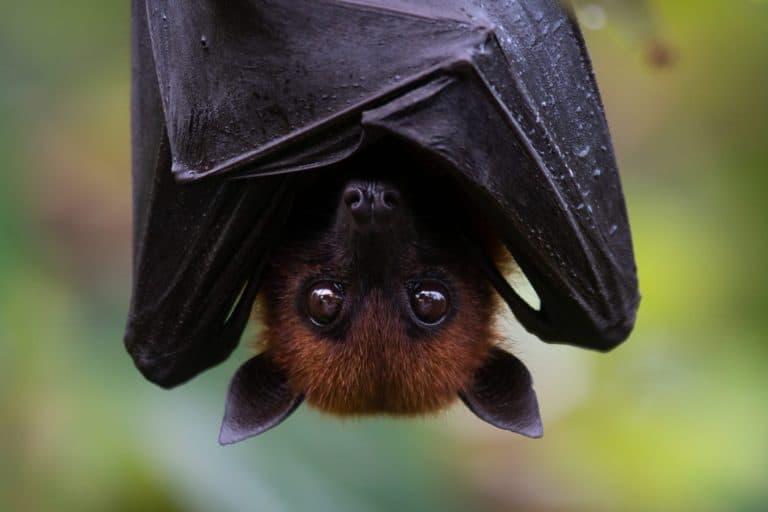
Night pilots of the mammal world
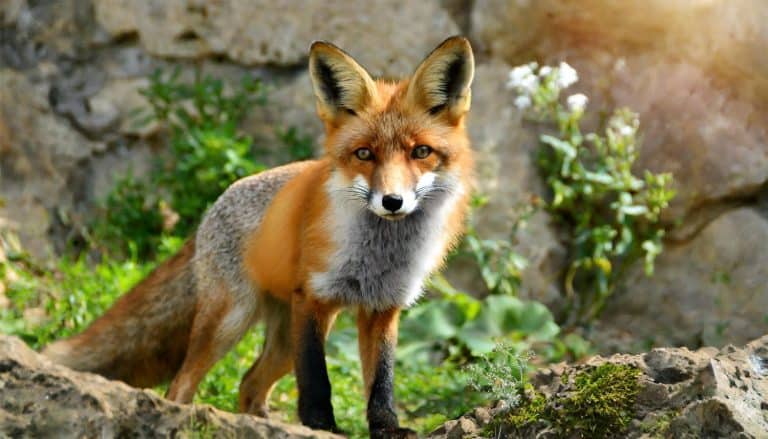
From dunes to tundra-fox smart.
Big hops, big pouches, big variety
Cold-water royalty of the seafloor
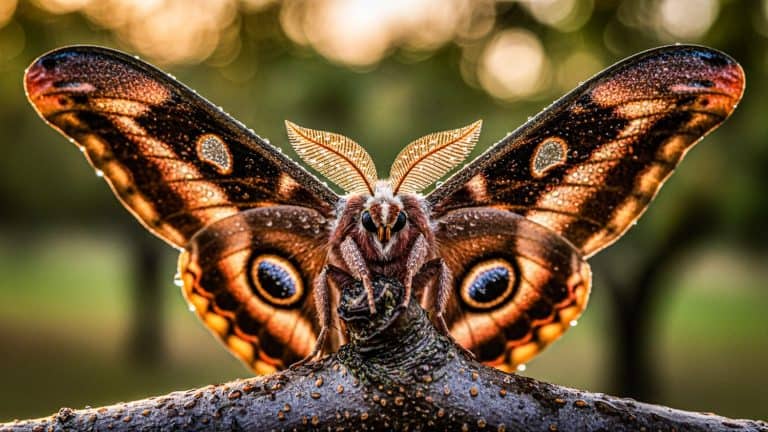
More than night flyers
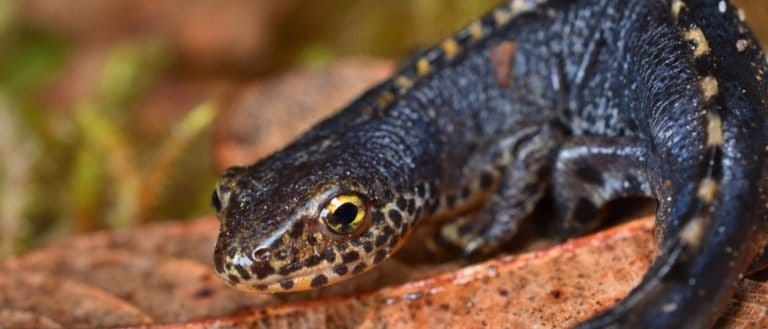
Crests, ponds, and potent defenses
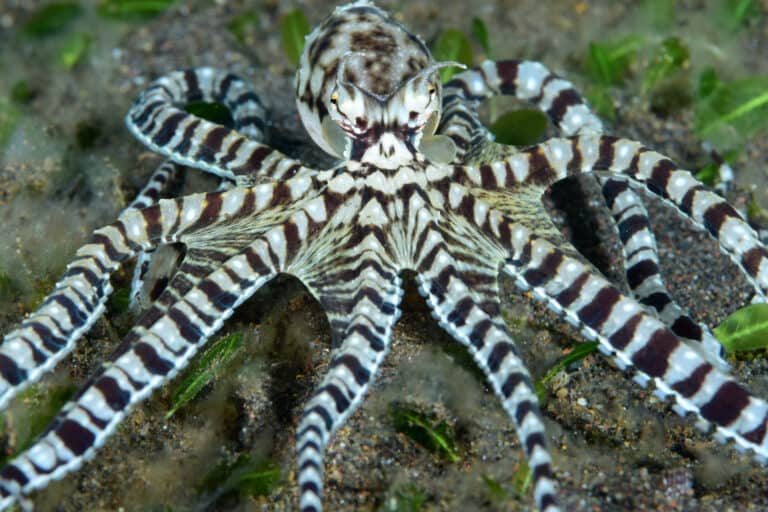
Eight arms, endless ingenuity
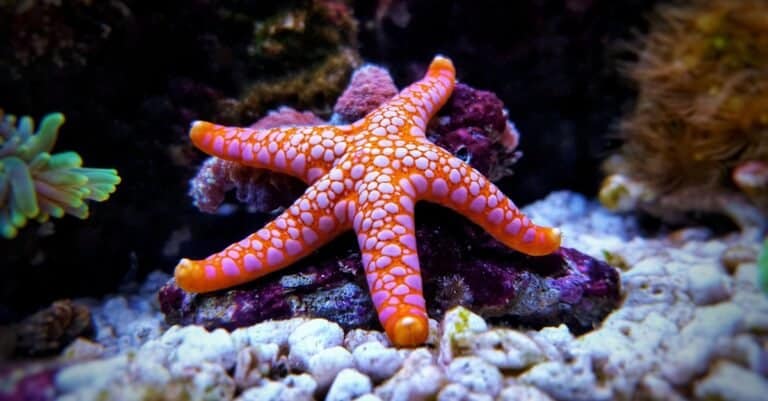
Hydraulic feet, star-shaped predators
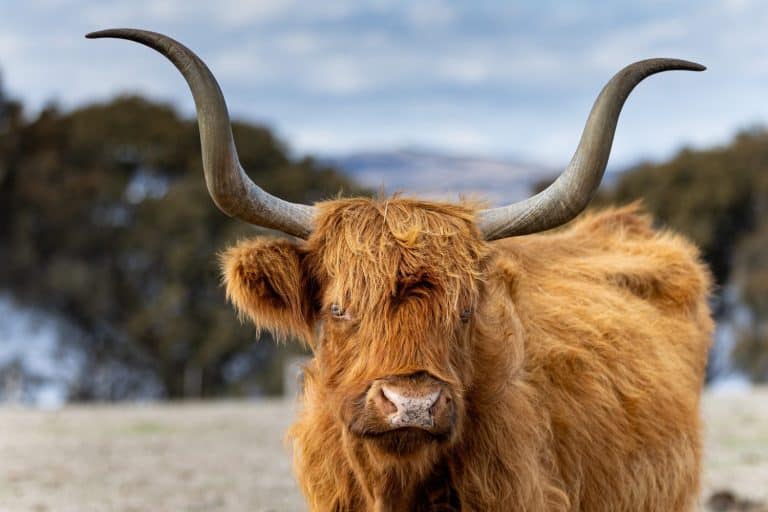
Built for bad weather, born in Scotland
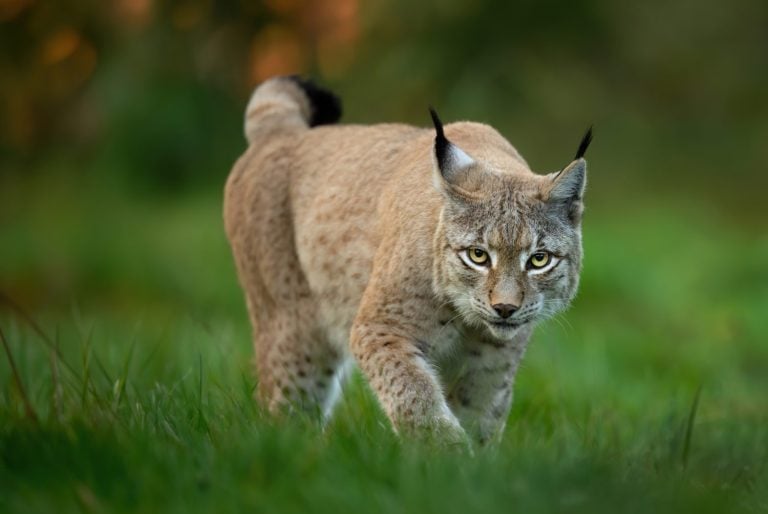
Tufted ears. Silent steps. Northern hunters.
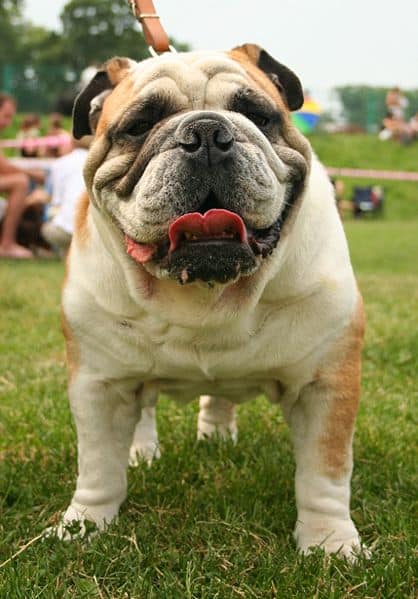
The wolf's cousin, humanity's partner
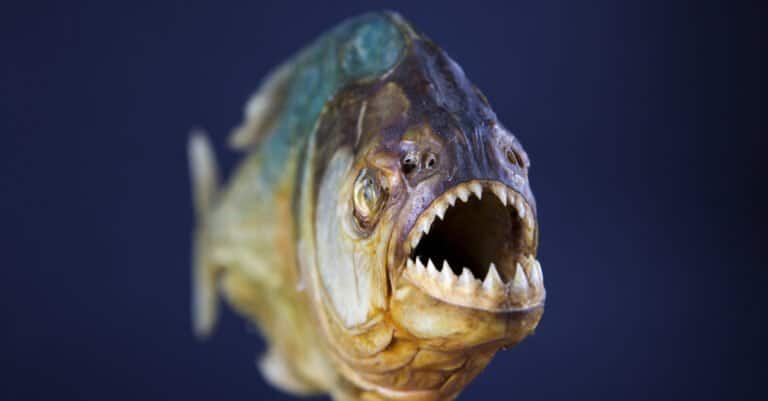
More than movies: jaws, seeds, and strategy
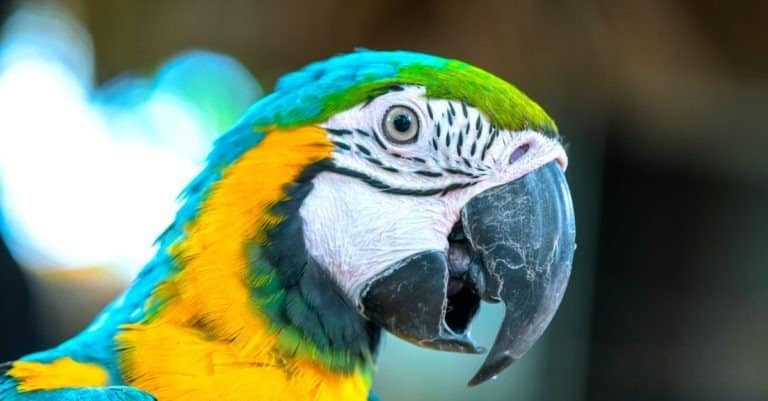
Brains, beaks, and big voices
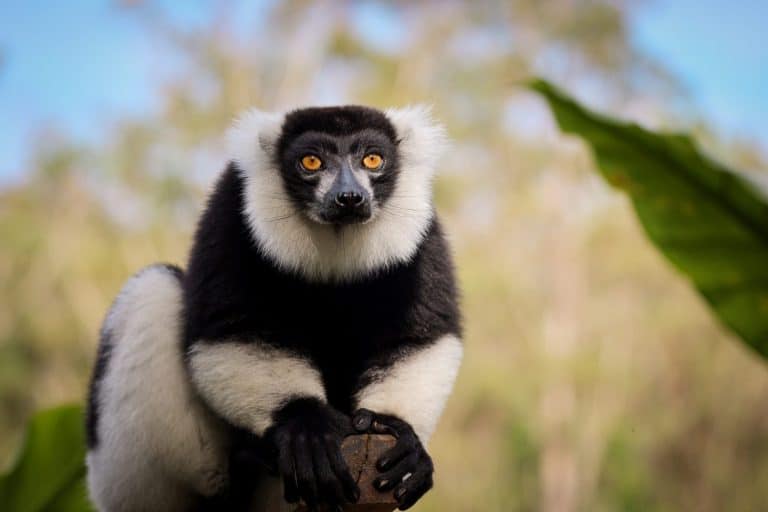
Lemurs: Madagascar's primate marvels
Grass to milk-nature's recyclers
Spiral horns, forest shadows
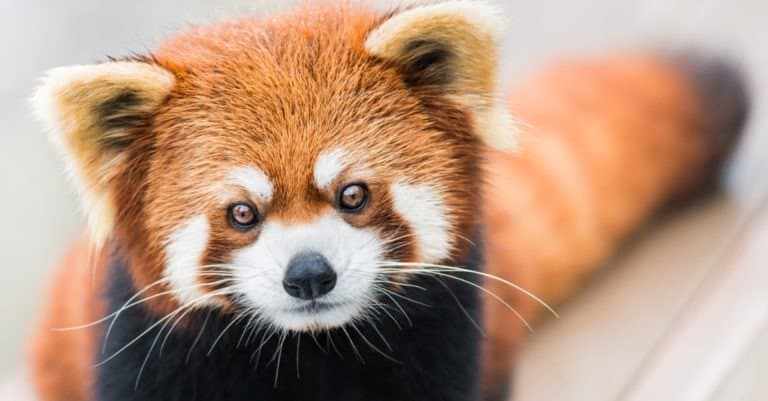
Bamboo climber of the cloud forests
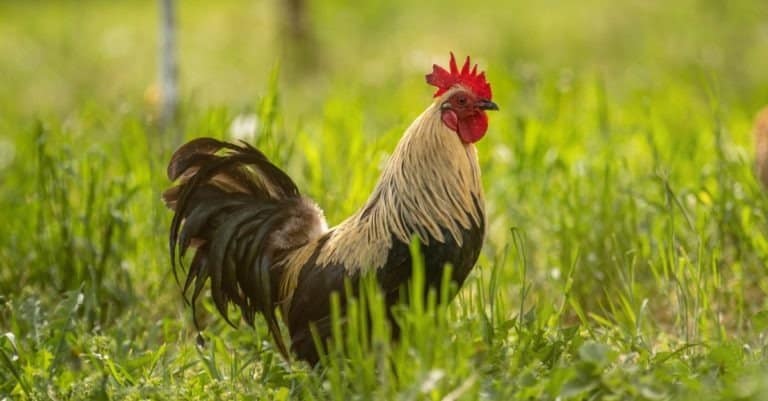
Scratch, roost, repeat.
Dignity, power, and legendary loyalty
Big attitude, monkey-faced charm
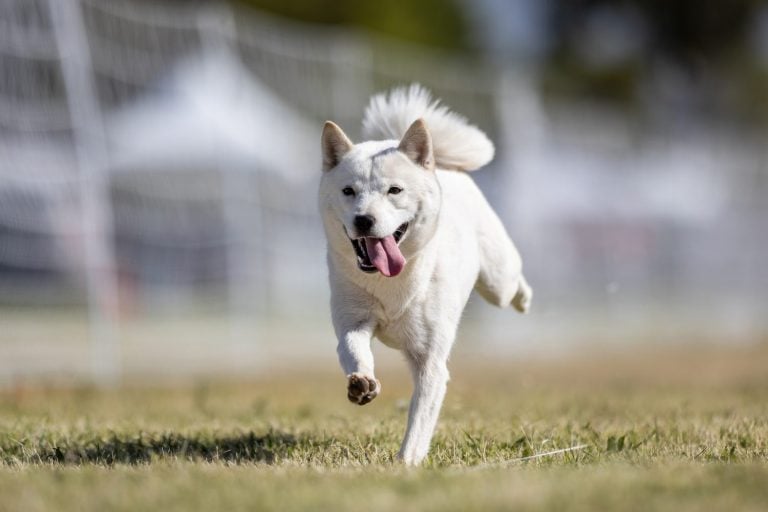
Snow-born hunter, loyal guardian
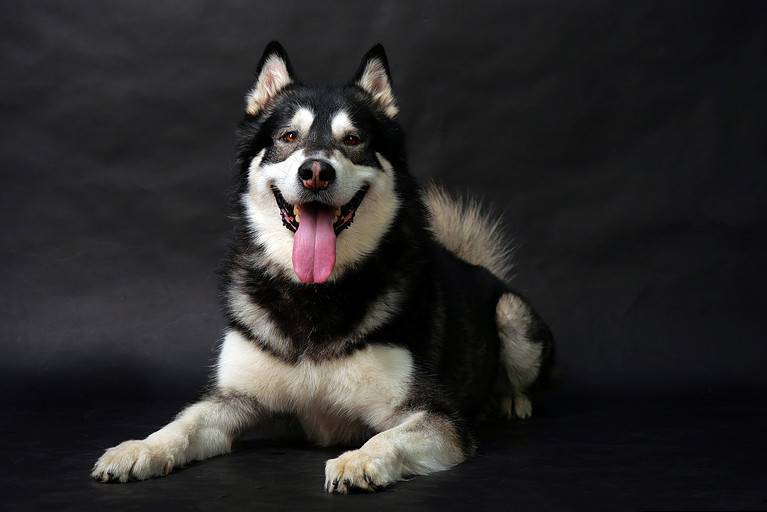
Built to freight. Made for the Arctic.
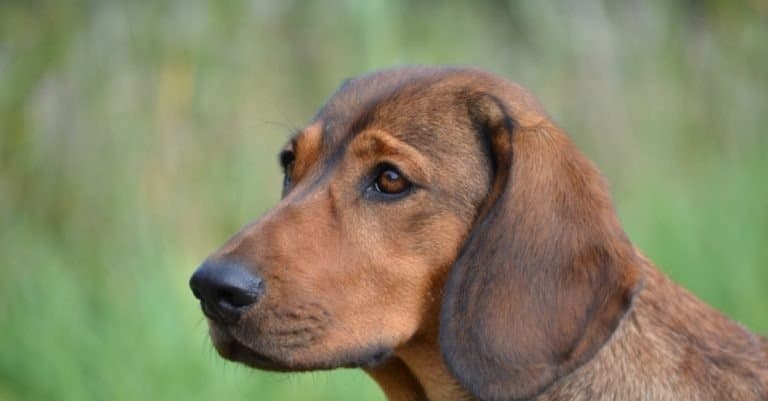
Low to the ground, nose on the trail
All nose, all night, all heart.
Thank you for reading! Have some feedback for us?
We appreciate your help in improving our content.
Our editorial team will review your suggestions and make any necessary updates.
There was an error submitting your feedback. Please try again.