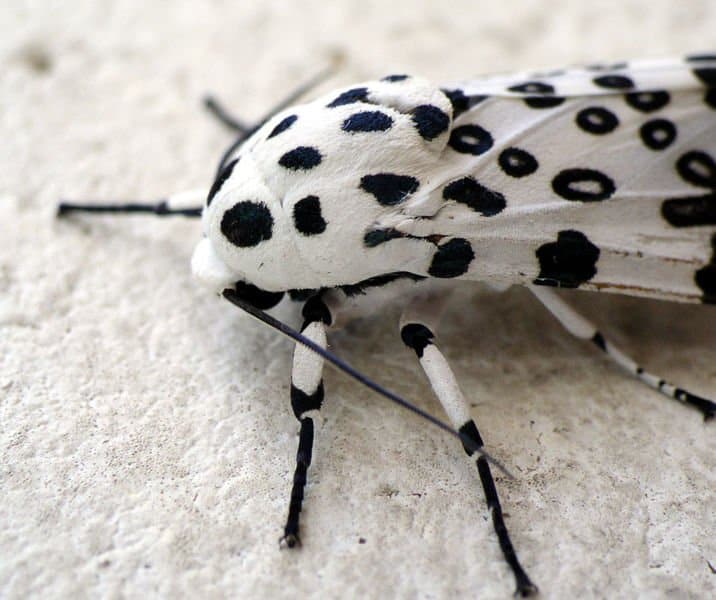
Insects
Six legs, endless lives.

Six legs, endless lives.
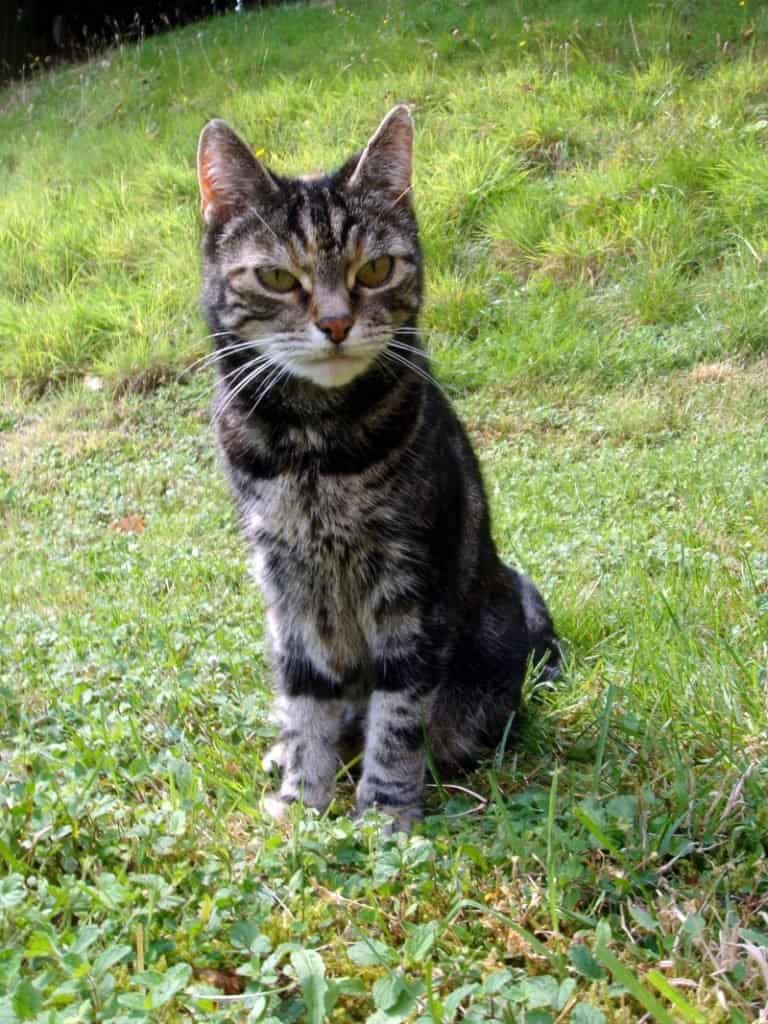
Small hunter, big household legend
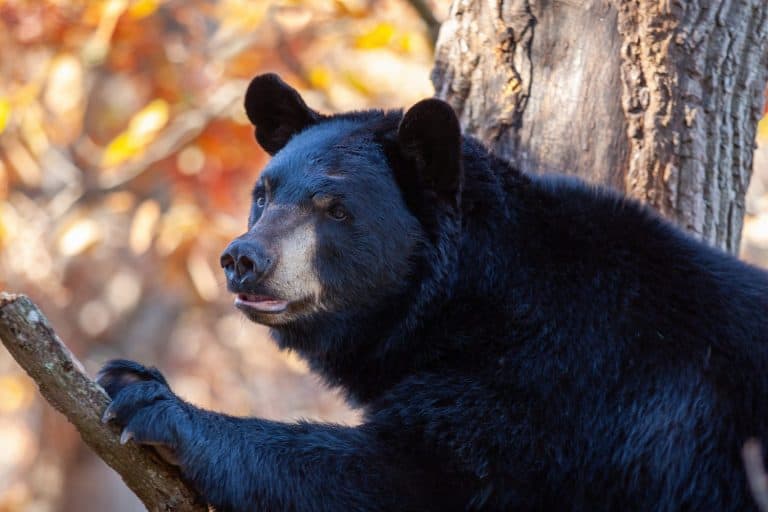
Many colors. One tough survivor.
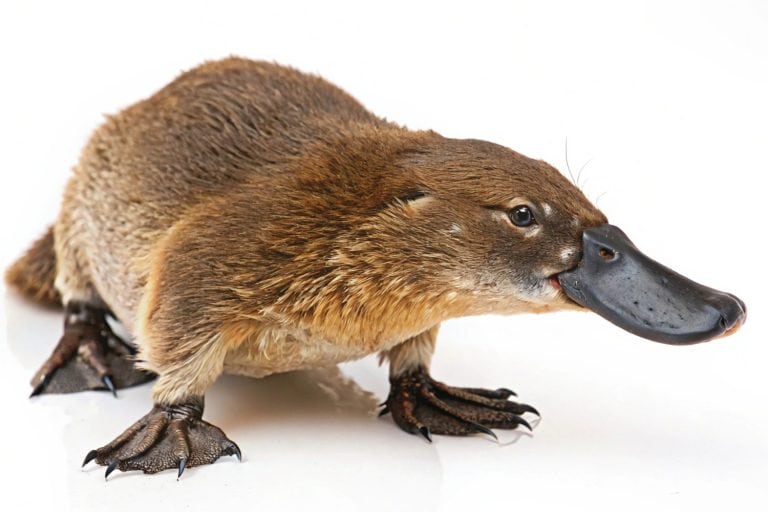
Electric hunter of Australian rivers
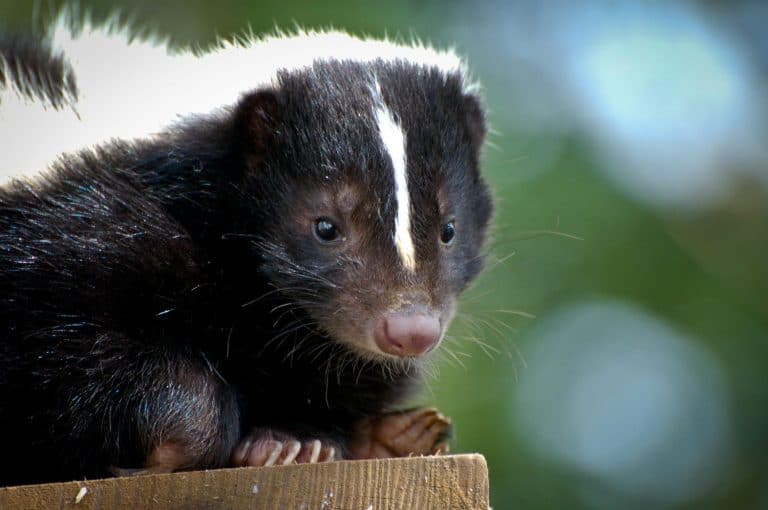
Bold stripes, bigger attitude.

Bony rays, endless ways.

Speed, smarts, and sky mastery
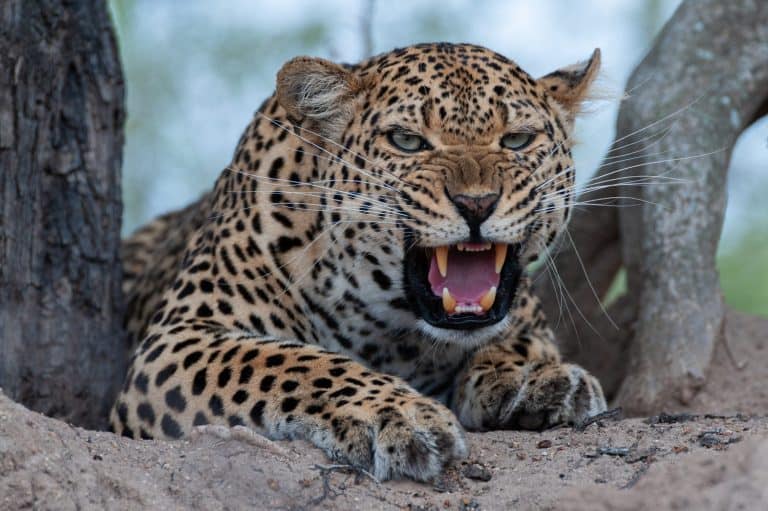
Rosettes in the shadows.
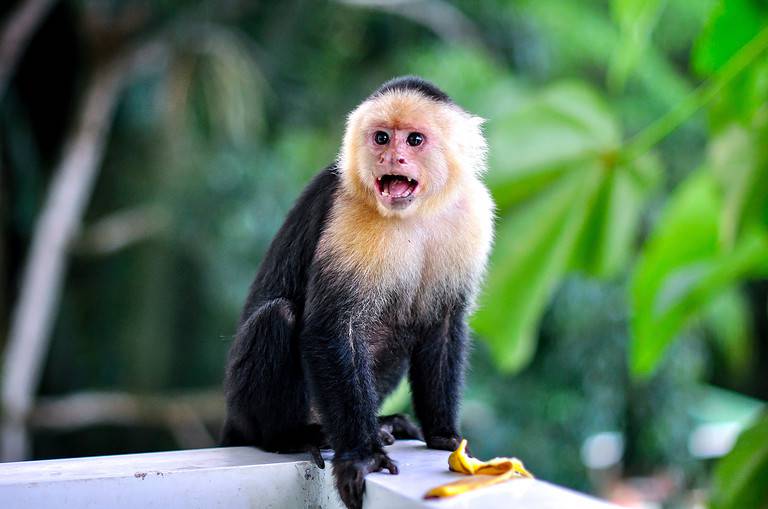
Hands, minds, and social lives
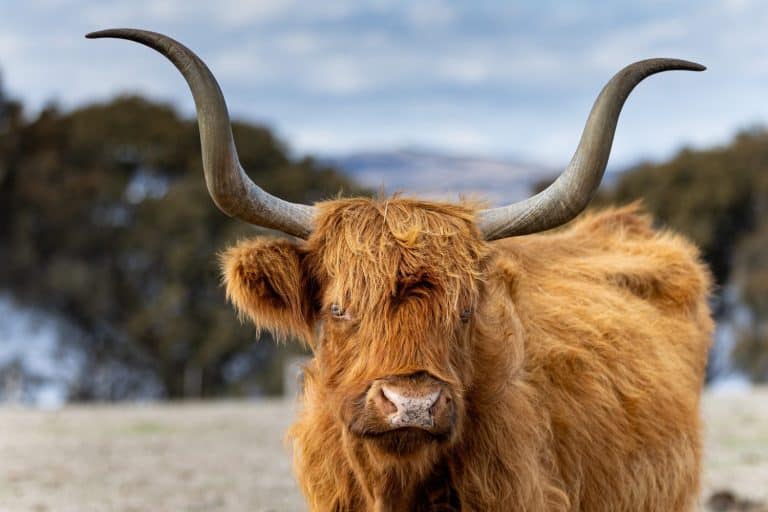
Built for bad weather, born in Scotland
A temperate rainforest is a forest biome of the mid-latitudes characterized by persistently high precipitation (rain and/or wet snowfall), frequent fog and cloud immersion, and cool-to-mild temperatures that support exceptionally high forest biomass. It typically occurs in coastal or maritime climates where oceanic moisture and topography maintain year-round humidity and long growing seasons.
Temperate rainforests are wet, green forests on cool coasts where ocean moisture, fog, and steady rain keep the land damp year-round. Mild temperatures let trees live for centuries, making some of the largest, oldest trees—many conifers and broadleaf species. Mosses, liverworts, ferns and epiphytes cover trunks and logs. Fallen trees become nurse logs that feed seedlings and invertebrates. Maritime climate and mountains bring constant moisture, making these biomes carbon-rich and full of life.
Temperate rainforests grow in cool to mild ocean climates, often on coastal windward slopes where moist sea air rises and causes frequent rain, drizzle, and cloud or fog. The ocean keeps summers cool and winters mild, with small temperature swings. High rain and humidity keep soils wet, supporting dense mosses, ferns, epiphytes, and very large, long-lived trees.
Typically ~10-20°C (18-36°F) difference between average coldest-month and warmest-month temperatures; smaller near the immediate coast, larger inland or at higher elevations.
Typically ~1,500-3,500 mm/year (60-140 in), with some windward coastal ranges reaching ~4,000-6,000+ mm/year (160-240+ in).
Season changes are driven more by storm paths and clouds than heat. Winters are long, cool, very wet with frequent storms; summers are cooler, often cloudy with morning fog and warm spells. This favors shade-tolerant, moisture-loving understory (mosses, liverworts, ferns), slow decay, thick organic layers, and high carbon storage. Windstorms and heavy snow open canopy gaps and cause patchy regrowth.
Growing season is long but cool: about 180–300+ days at low elevations, shortened to about 120–180 days at higher elevations or continental margins. Growth is limited by summer dry spells and by low light/temperature in dark, wet winters; many evergreen conifers can photosynthesize during mild winter periods.
Frequent frontal storms; very high rainfall; persistent cloud cover and fog; cool to mild temperatures with occasional low-elevation snow/ice and heavier snow at higher elevations; saturated soils and swollen streams.
Peak hydrologic input drives nutrient transport and woody debris movement in streams; high decomposition continues due to moisture (often slowed by cool temperatures); mosses, lichens, and epiphytes remain active and hydrated; increased landslide risk on steep slopes; salmonid spawning and egg incubation supported by high flows (but extreme floods can scour redds).
Rain remains frequent but storms weaken; temperatures rise gradually; fog common; soils stay wet; snowmelt at higher elevations increases streamflow.
Rapid understory growth (ferns, herbs, berry shrubs) as light increases and temperatures moderate; peak reproductive activity for many plants (bud burst, flowering in broadleaf components); strong pulse of litter-to-soil nutrient cycling; streams receive combined rain + snowmelt inputs, supporting migration windows for fish.
Compared to winter, precipitation declines markedly (though fog/drizzle can still be frequent); longer, brighter days; mild temperatures with occasional warm spells; coastal fog maintains high humidity; shallow soils can dry on ridges/south-facing slopes.
Net primary productivity remains high; fog drip can be a crucial water source sustaining epiphytes and understory during rainless stretches; streamflows drop and water temperatures rise slightly, concentrating aquatic organisms; wildfire risk can increase during prolonged dry spells (typically lower than in interior forests but not negligible).
Rapid increase in storm frequency; strong winds; heavy rains return; temperatures cool; day length shortens quickly; first high-elevation snows.
Large input of leaf litter and needle fall fuels detrital food webs; windthrow creates canopy gaps that regenerate understory and promote coarse woody debris (key habitat for fungi, invertebrates, amphibians); streams re-connect floodplains, redistributing nutrients and sediments; timing often coincides with major salmon runs in many regions, importing marine-derived nutrients to forests via carcasses and predator scat.
Day Length: Moderate to high day-length variation depending on latitude: roughly ~8-9 hours in midwinter to ~15-16+ hours in midsummer at many temperate-rainforest latitudes (higher at more poleward coasts). Longer summer photoperiod supports extended photosynthetic periods and growth when temperatures are mild, while shortening days in autumn cue migration, breeding cessation, molting, and fat storage. In winter, short days plus cloud cover reduce light in the understory; evergreen canopies and low sun angle make canopy gaps and riparian openings especially important for light-demanding understory growth and early-spring phenology.
Temperate rainforests occur in cool-to-mild, very wet maritime climates-most often on west coasts in the mid-latitudes where moist ocean air, frequent fog, and orographic uplift create high precipitation and long growing seasons. They are globally rare and highly fragmented, concentrated in a few coastal belts and some humid montane/insular refugia.
Globally threatened and increasingly fragmented; many remaining areas are secondary forest, while old-growth temperate rainforest is scarce and declining despite strong protection in a few regions (e.g., parts of coastal North America, New Zealand, Tasmania, and southern Chile).
They can be cool, cloudy, and still incredibly lush: you don't need tropical heat to build a rainforest-steady moisture and mild temperatures can be enough.
Fog can be as important as rain. Many temperate rainforests effectively "harvest" water from low clouds, and that fog moisture can keep ecosystems hydrated through drier seasons.
Big trees can create their own habitats in the air: thick mats of mosses and epiphytes can form "canopy soil" that holds water and nutrients high above the ground.
The forest floor can be greener than the canopy. In many temperate rainforests, shade-tolerant ferns, mosses, and shrubs dominate the understory because the overstory blocks much of the light.
Fallen giants aren't "waste"-they're infrastructure. Rotting logs become nurse logs that germinate seedlings, store water like sponges, and act as slow-release nutrient banks.
Salmon runs (where present) can fertilize the forest: marine nutrients carried inland by fish and wildlife can measurably boost tree growth near streams.
Some dominant trees are built for wet air: species like coast redwood can take up water through foliage, not just through roots.
Despite abundant rain, these forests can still experience drought stress during warmer periods-because what matters is the balance between moisture inputs and evaporative demand.
A single old-growth conifer in a temperate rainforest can rival the height of a 30-35 story building, turning "forest" into something closer to a living skyline.
In very wet temperate rainforests, annual precipitation can reach several meters-think multiple full bathtubs of water falling on every square meter of ground each year.
Moss and decaying wood act like giant natural sponges: some downed logs can hold enough water that squeezing a handful of rotten wood can feel like wringing out a wet towel.
The amount of living material per unit area in old-growth temperate rainforest can be comparable to-or exceed-many tropical forests, even though temperatures are much cooler.
A large nurse log can function like an elevated garden bed stretching for many meters, hosting lines of seedlings along its length like a natural "planter box."
Some temperate rainforests rank among the highest-biomass forests on Earth-cool weather, long growing seasons, and constant moisture let them pack an extraordinary amount of living matter into each hectare.
Old-growth temperate rainforests can be among the most carbon-dense forests on the planet, storing huge carbon stocks both in massive trunks and in deep, wet, slow-decaying soils.
Temperate rainforest trees can be extreme in size: coast redwoods and Sitka spruce are among the largest conifers by height and/or trunk volume in their regions.
Because disturbances can be relatively infrequent in wet coastal climates, individual trees and entire stands can persist for many centuries, creating multi-layered "cathedral" forests with very complex structure.
Some temperate rainforests (e.g., parts of the Pacific Northwest, southern Chile, and New Zealand's West Coast) are among the most productive forest ecosystems at similar latitudes anywhere in the world.
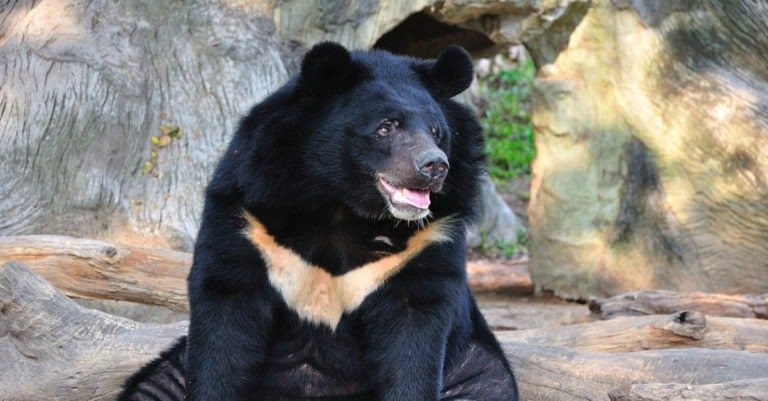
Moon-marked climber of Asian forests
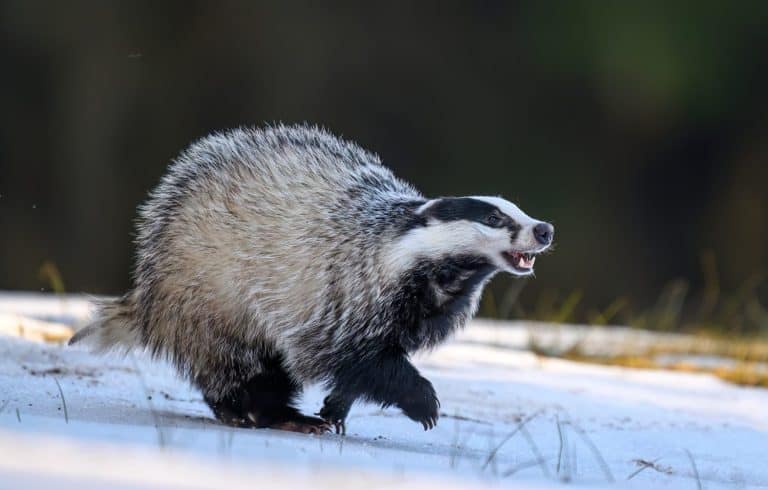
Built to dig. Born to endure.

Night pilots of the mammal world
Small hunter, big household legend
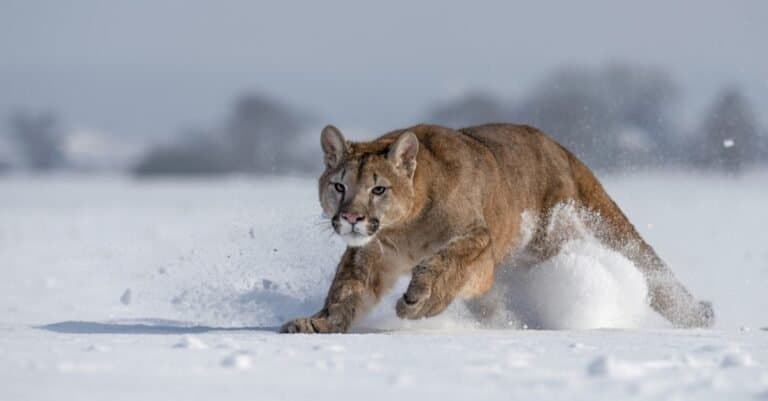
One cat. Two continents.

Built to soar, born to strike

Spines, eggs, and ant-eating mastery
Bony rays, endless ways.
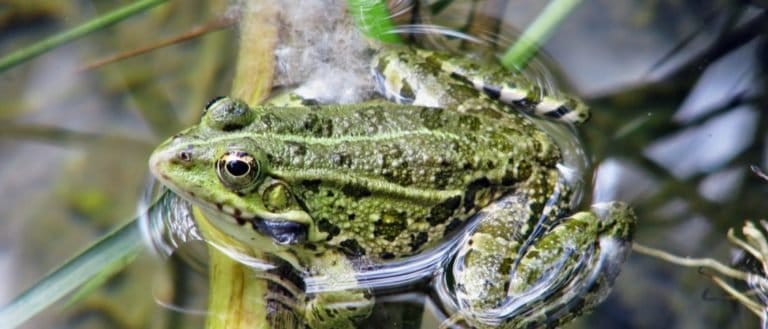
Tailless jumpers, masters of change
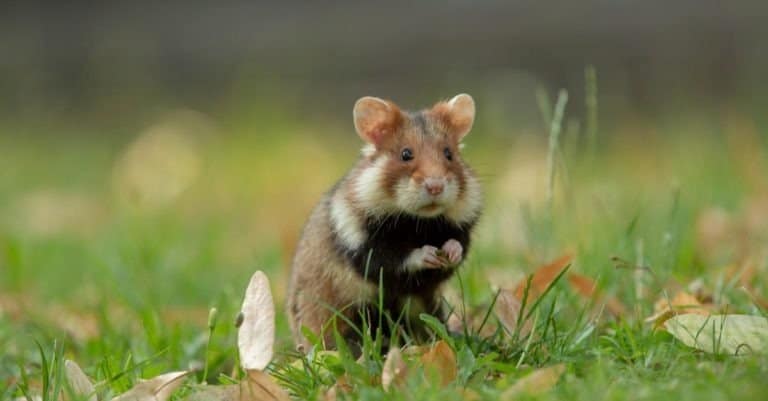
Pouches, burrows, and big impacts
Six legs, endless lives.

Big hops, big pouches, big variety

From geckos to dragons-lizard power
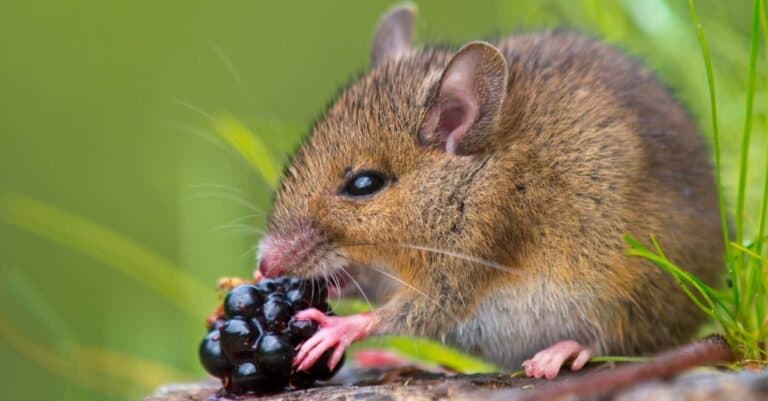
Small gnawers, huge impact.
Hands, minds, and social lives

More than night flyers
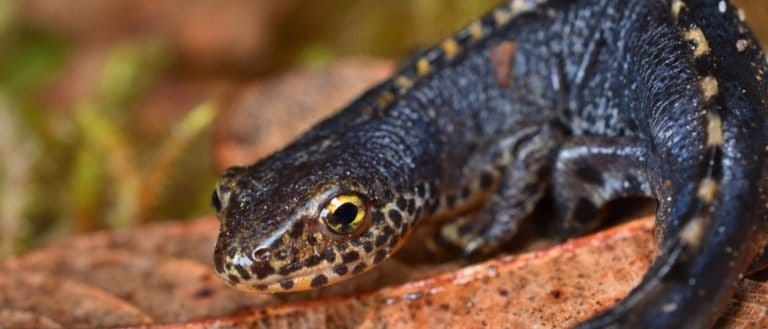
Crests, ponds, and potent defenses
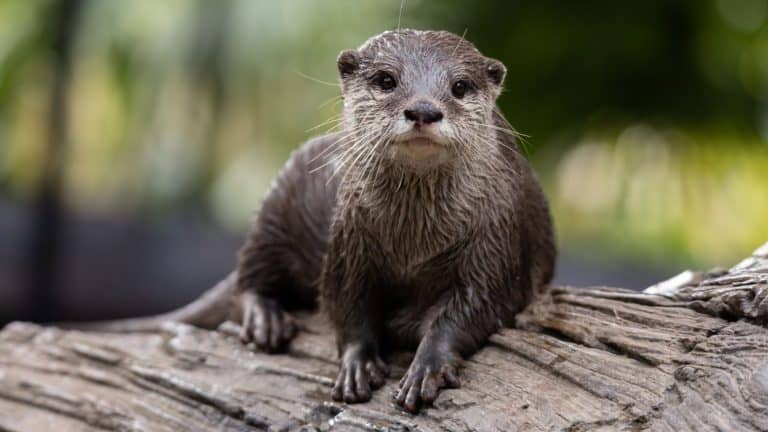
Built for water, born to hunt

Born to dive, dressed to endure
Electric hunter of Australian rivers
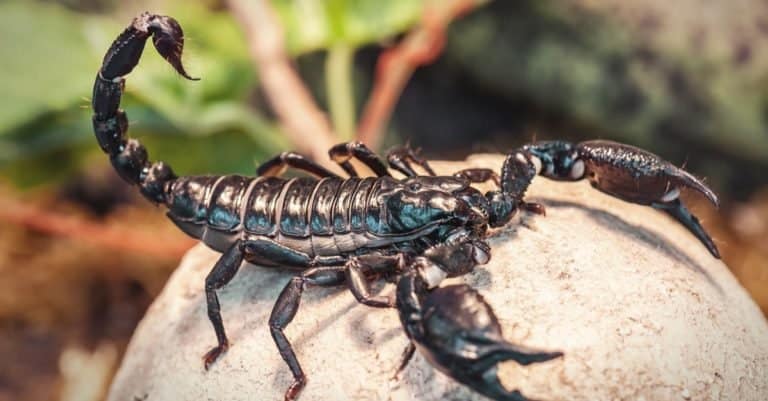
Glow at night, strike with precision
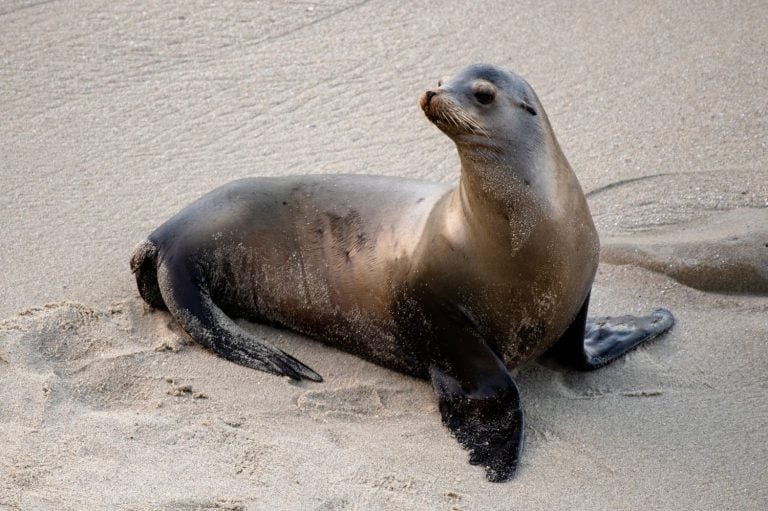
Ear flaps, flippers, and fierce colonies
Bold stripes, bigger attitude.
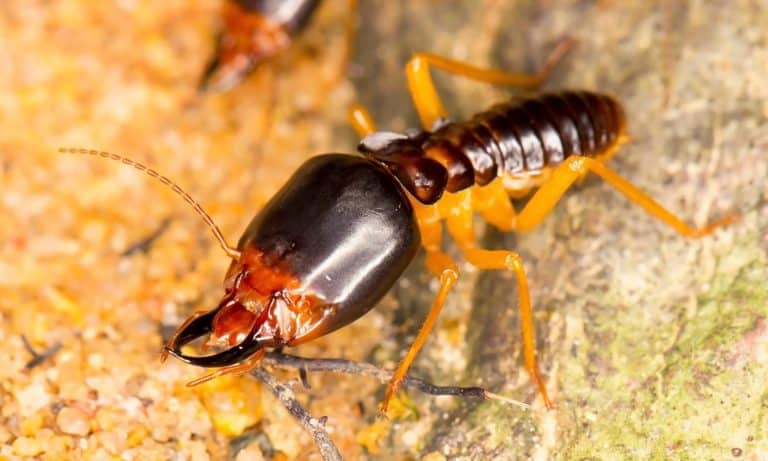
Nature's master recyclers (and builders)
Thank you for reading! Have some feedback for us?
We appreciate your help in improving our content.
Our editorial team will review your suggestions and make any necessary updates.
There was an error submitting your feedback. Please try again.