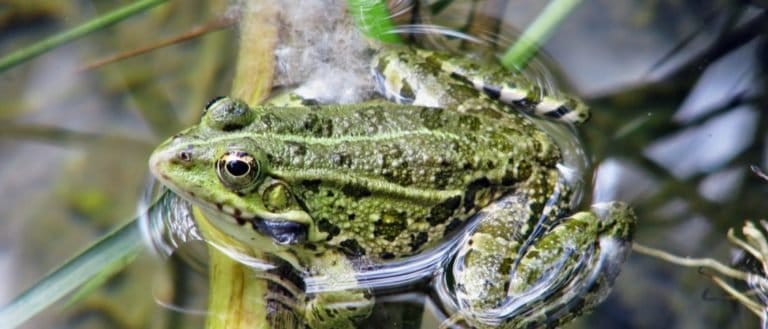
Frog
Tailless jumpers, masters of change

Tailless jumpers, masters of change
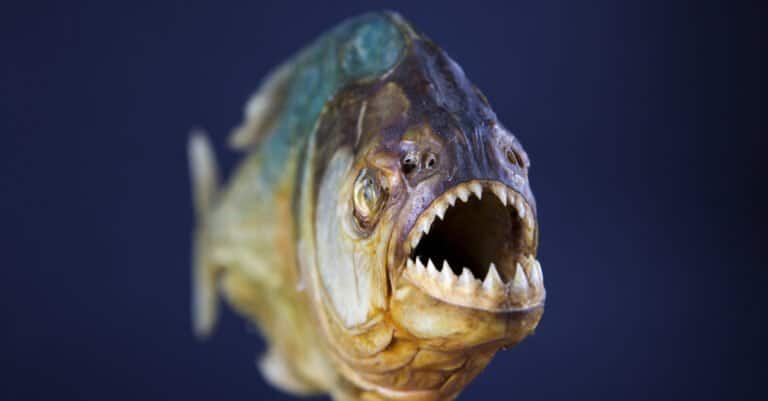
More than movies: jaws, seeds, and strategy
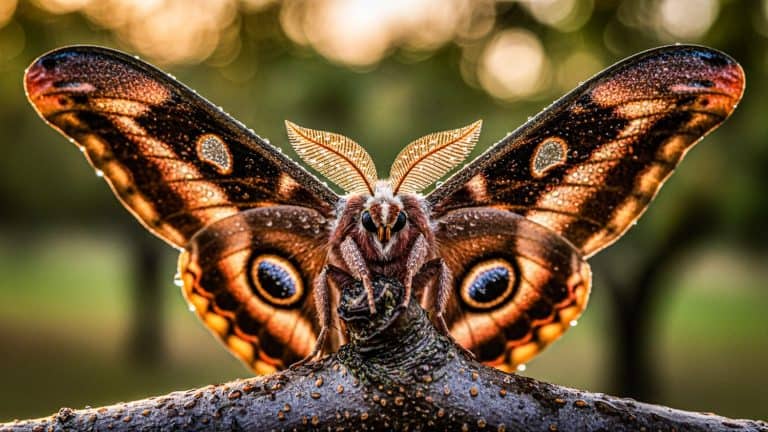
More than night flyers
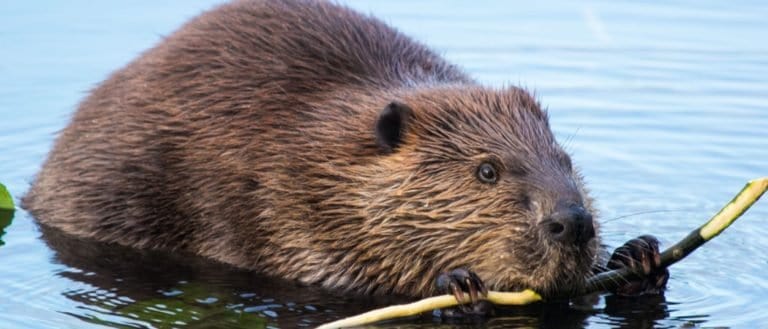
Build wetlands, shape worlds.
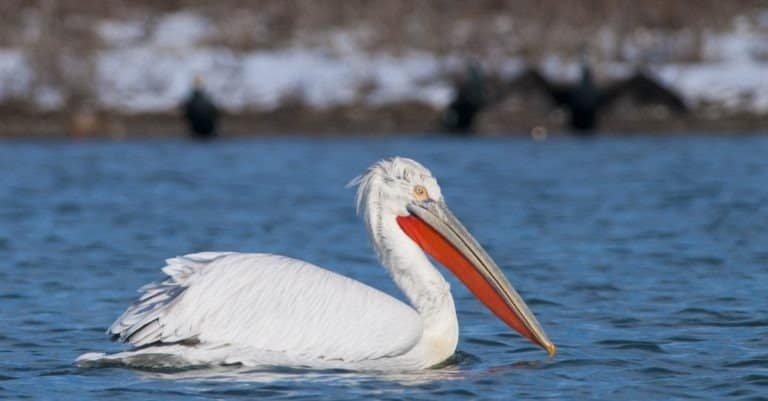
Big bill, bigger teamwork.

From geckos to dragons-lizard power
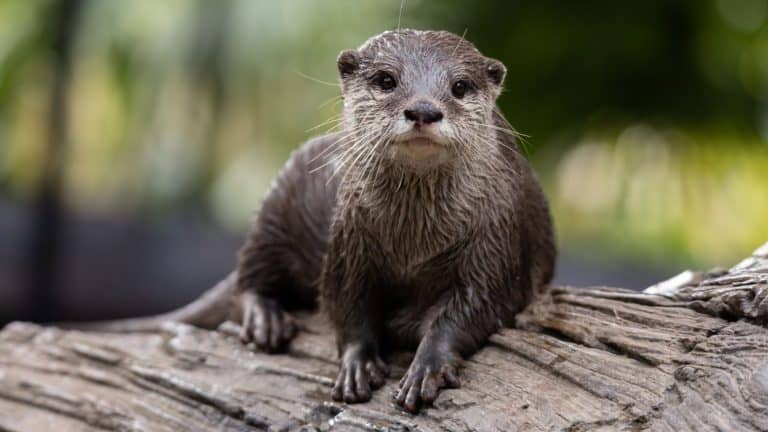
Built for water, born to hunt

Built to dig. Born to endure.
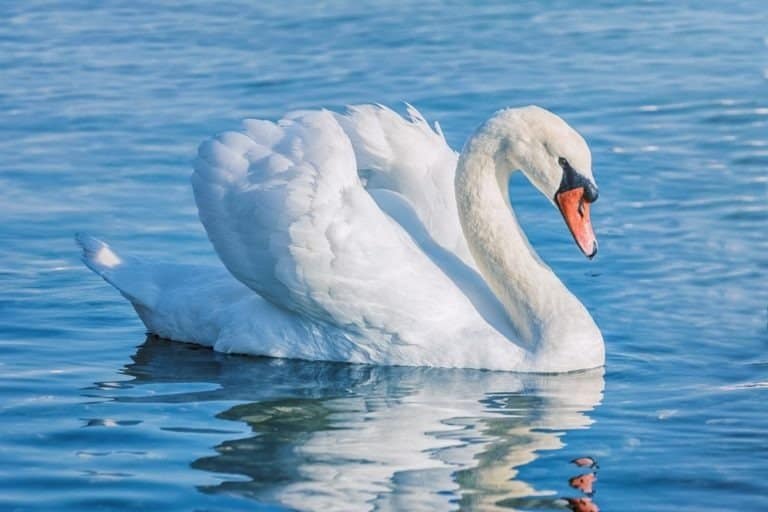
Long necks, loud wings, living legends.

The wolf's cousin, humanity's partner
A pond is a small, standing body of freshwater, typically shallow enough that sunlight reaches much of the bottom and supports rooted aquatic plants. Ponds may be natural (e.g., formed by glaciation, floodplain processes, or groundwater seepage) or human-made (e.g., farm ponds, stormwater basins).
Ponds are lentic (still-water) habitats that are shallow and shaped by their edges and plants. Much water is near shore and bottom, so ponds mix open water, plant beds, and mud or sand and support algae, aquatic plants, invertebrates, amphibians, fish, reptiles, and waterbirds. Weather and how long they hold water cause quick changes.
High light penetration relative to depth; typically enough for photosynthesis to reach much of the bottom in littoral zones; can become turbid or shaded by riparian vegetation/algae, reducing clarity.
Small standing freshwater basin with weak or no current; may be fed by rainfall, groundwater seepage, springs, or small inlets/outlets. Water is typically fresh (low salinity) but can become slightly mineralized in closed basins during dry periods.
High (typically). Ponds often support high species richness because they are shallow and well-lit, allowing abundant plant growth that creates many microhabitats (open water, vegetated zones, sediment, shoreline). Their high edge-to-area ratio boosts habitat diversity and supports both aquatic and terrestrial/semi-aquatic species. Biodiversity can drop to medium or low in heavily polluted, highly eutrophic, or fish-dominated ponds where oxygen depletion, algal blooms, or predation reduce sensitive invertebrates and amphibians.
Globally widespread but often highly degraded and fragmented. Ponds are disproportionately important for freshwater biodiversity (amphibians, aquatic insects, macrophytes, birds) yet frequently unprotected, small, and vulnerable to local land-use pressures. Many regions have experienced major pond loss and declining water quality; remaining ponds often suffer from eutrophication, altered hydrology, and biotic homogenization.
High. Ponds can often be created or rehabilitated relatively quickly and at low-to-moderate cost (excavation/reshaping, buffer establishment, nutrient source reduction, invasive removal). Biodiversity recovery can be rapid when water quality improves and a network of ponds is maintained, but outcomes depend on catchment nutrient loads, hydrology, and preventing recolonization by invasives.
Moderate to high. Shallow, small-volume waters are sensitive to heatwaves, drought, and storm-driven pollutant pulses; hydroperiod shortening can eliminate breeding windows for amphibians and reduce macrophytes. Vulnerability is lower where pond networks provide refugia, groundwater inputs stabilize water levels, and catchment management limits eutrophication that interacts with warming.
A pond can flip between clear and murky states: clear water often means lots of underwater plants that stabilize sediments; murky water can happen when algae dominate and bottom mud is constantly stirred up.
Many pond animals breathe air: diving beetles, water boatmen, and some snails carry air bubbles or surface-breathe, so oxygen levels can swing widely without killing everything.
Ponds are often warmer and more changeable than lakes: shallow water heats and cools quickly, so pond organisms are adapted to rapid daily and seasonal temperature shifts.
"Still" water isn't really still: even without currents, ponds circulate via wind mixing and temperature layering, and plants create micro-currents around their leaves.
Temporary ponds can be more important than permanent ones for some species: fish often can't survive in them, which can make temporary ponds safer nurseries for amphibians and certain insects.
The pond edge is the power zone: most feeding, shelter, and breeding happens in the littoral (shallow, plant-rich) margin-often far more productive than the open middle.
Ponds can store "time capsules" in mud: sediments preserve pollen, spores, and tiny shells that scientists use to reconstruct past climates and land use.
Some pond eggs and cysts are built for extremes: fairy shrimp and many microbes can leave drought-proof resting stages that hatch only when water returns.
A pond is like a solar-powered greenhouse: sunlight reaches the bottom, fueling rooted plants that feed the whole food web.
If a lake is an "ocean in miniature," a pond is a "forest in miniature"-dense plant structure creates many niches close together.
Think of the pond edge as an apartment building with many floors: emergent plants above water, floating leaves at the surface, and submerged plants below-all offering different habitats.
Ponds act like natural mixing bowls: because they're shallow, wind can stir nutrients up from the bottom more easily than in deep lakes.
A pond is the ecological equivalent of a neighborhood with lots of sidewalks: high edge-to-area ratio means more "interface" where land and water species interact.
Temporary ponds are like pop-up cities: they appear, fill with rapid settlers and fast life cycles, then disappear-leaving behind dormant "seeds" for the next opening.
Ponds can be biodiversity "hotspots": because they have lots of shallow, plant-filled edges, a single small pond can host more species per unit area than many larger, deeper lakes.
Some of the planet's most extreme "ponds" are temporary desert rain pools-water can appear and vanish in days, yet specialized organisms complete whole life cycles in that brief window.
High-altitude and polar ponds often freeze for long periods, sometimes nearly solid, but still support seasonal bursts of algae, insects, amphibians, and other small invertebrates.
The tiniest functional ponds-tree holes, leaf axils, rock depressions-can act like miniature ponds with their own food webs (often called "micro-ponds" or small freshwater microhabitats).
The "fastest population booms" often happen in ponds: plankton and algae can multiply explosively when conditions shift (light, nutrients, temperature), rapidly transforming the whole habitat's look and chemistry.
Built to dig. Born to endure.
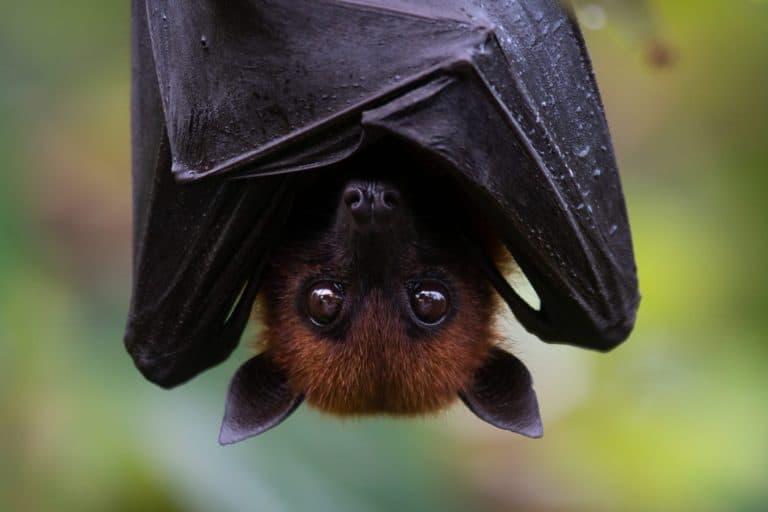
Night pilots of the mammal world
Build wetlands, shape worlds.

Small hunter, big household legend
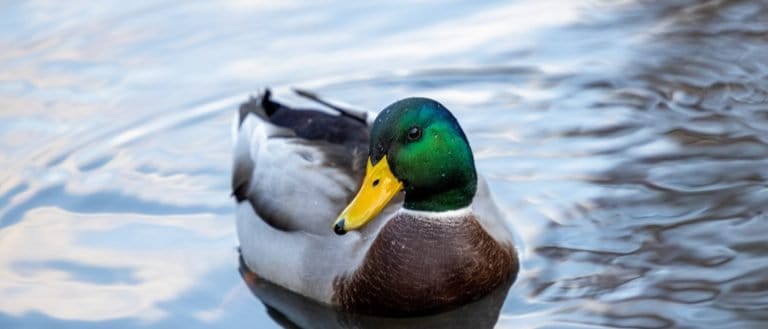
Webbed feet, world travelers.
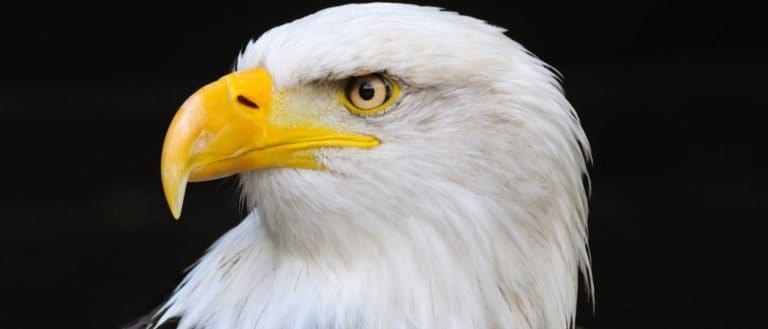
Built to soar, born to strike
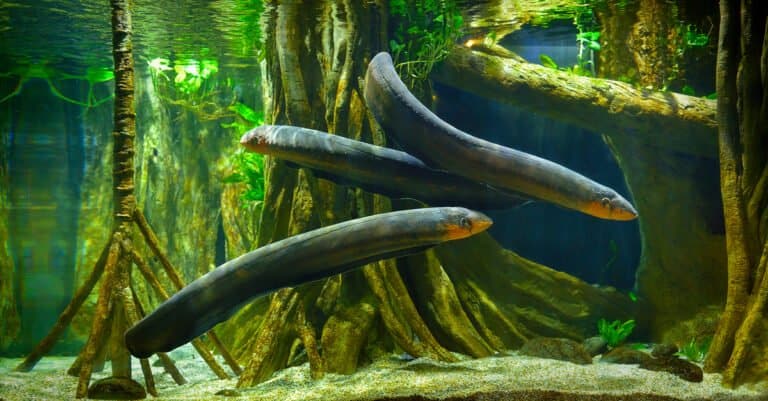
Lightning hunter of the Amazon
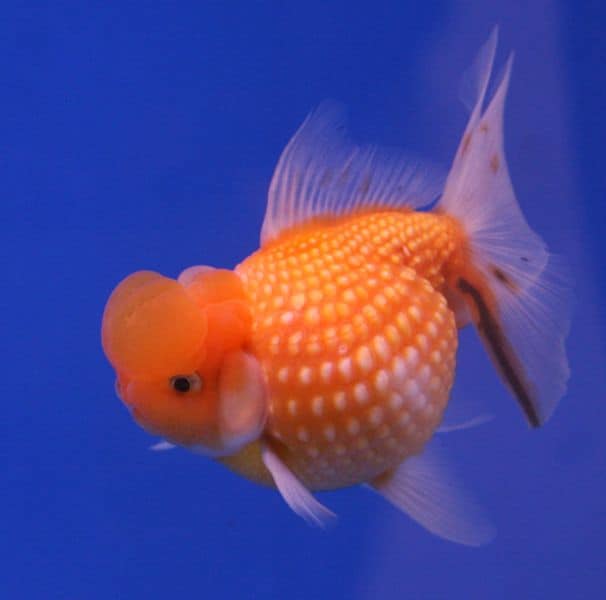
Bony rays, endless ways.
Tailless jumpers, masters of change
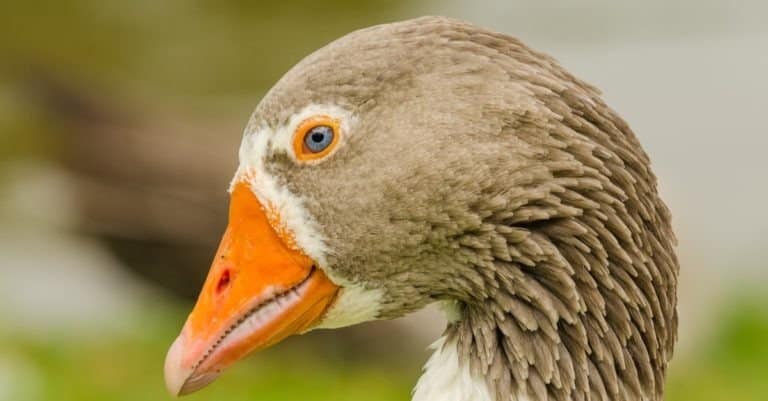
Webbed feet, sky roads, wetland lives
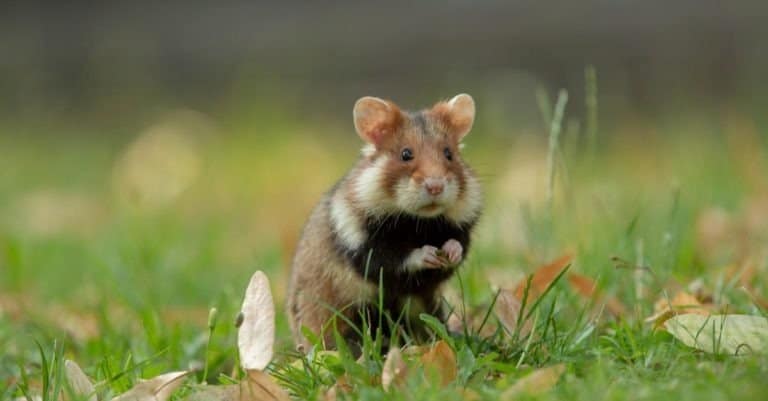
Pouches, burrows, and big impacts
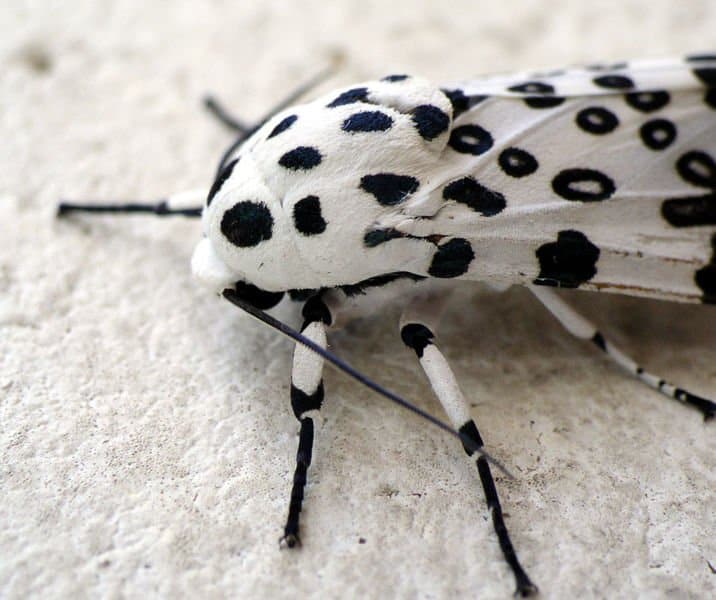
Six legs, endless lives.
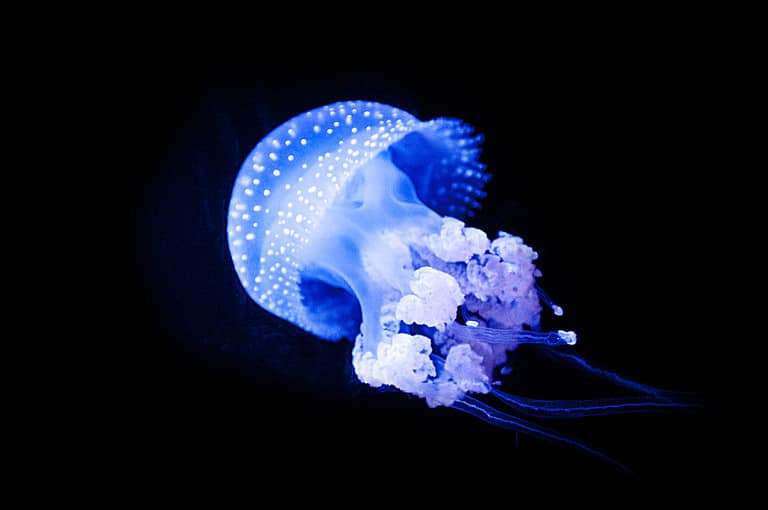
Sting-powered drifters of the sea
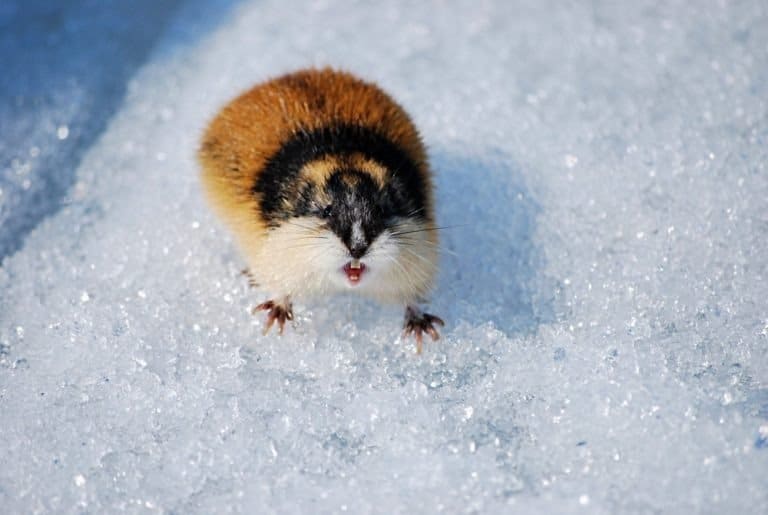
Small rodents, huge tundra impact
From geckos to dragons-lizard power
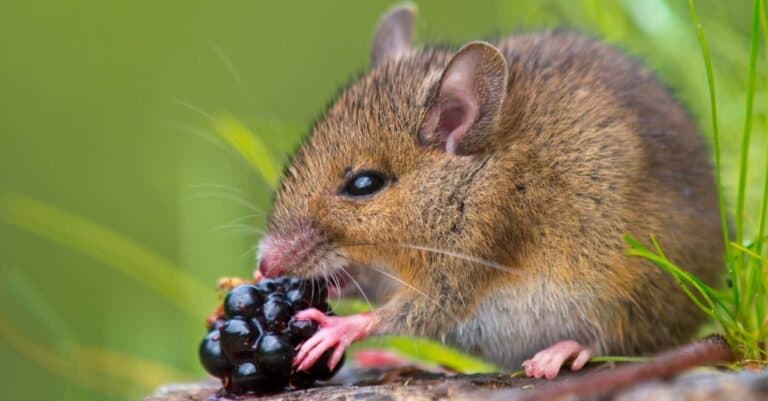
Small gnawers, huge impact.
More than night flyers
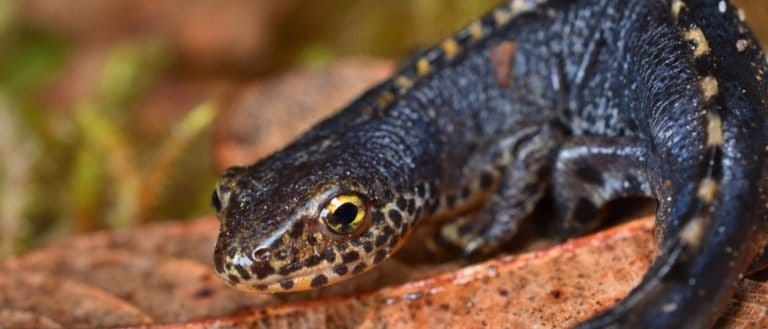
Crests, ponds, and potent defenses
Built for water, born to hunt
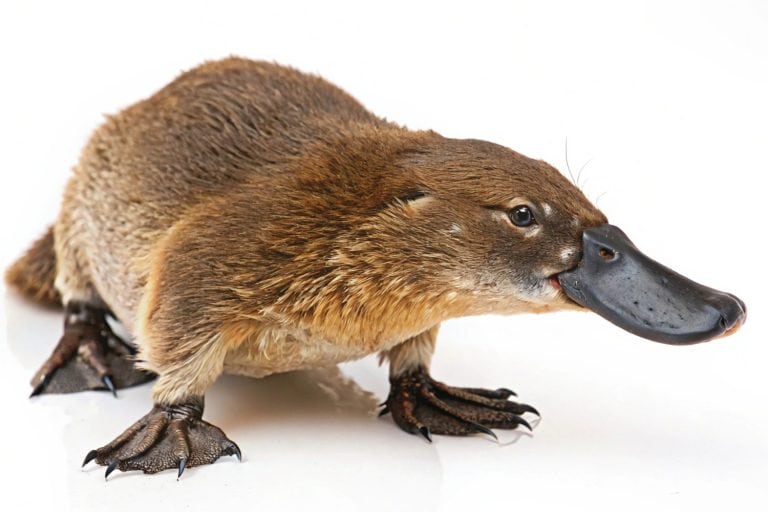
Electric hunter of Australian rivers
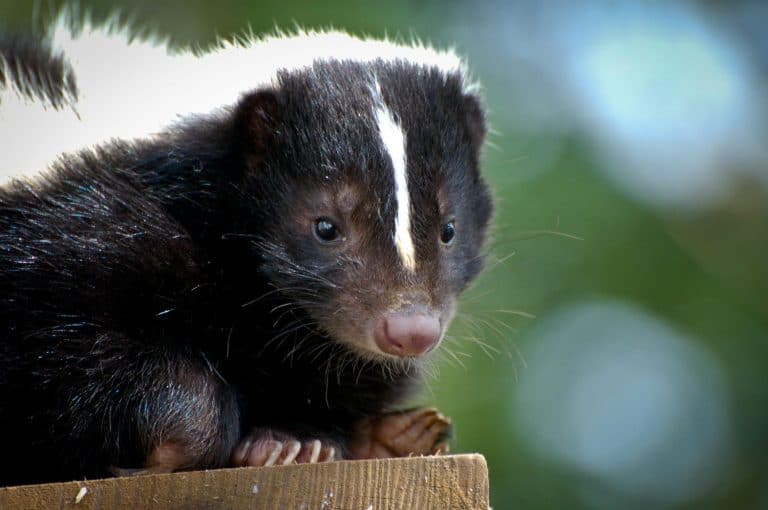
Bold stripes, bigger attitude.
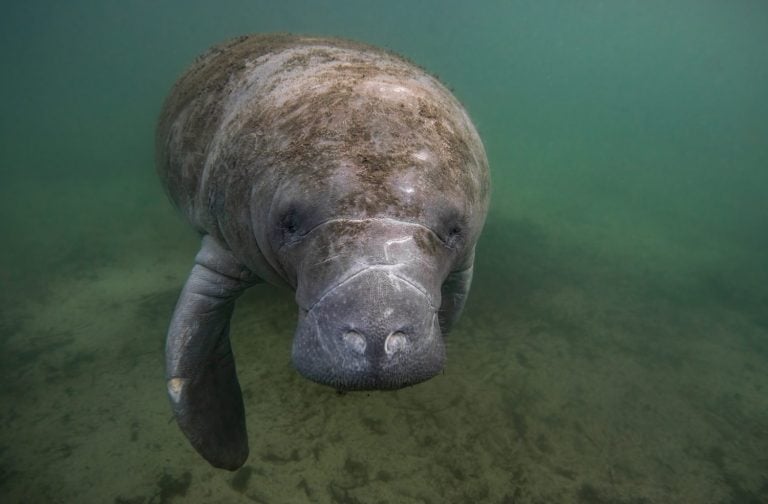
Gentle giants of warm waters
The wolf's cousin, humanity's partner
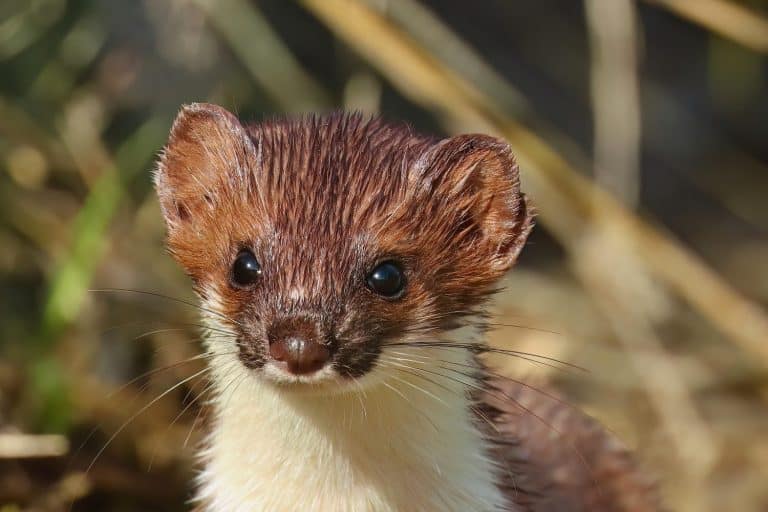
Small body, fearless hunter
Thank you for reading! Have some feedback for us?
We appreciate your help in improving our content.
Our editorial team will review your suggestions and make any necessary updates.
There was an error submitting your feedback. Please try again.