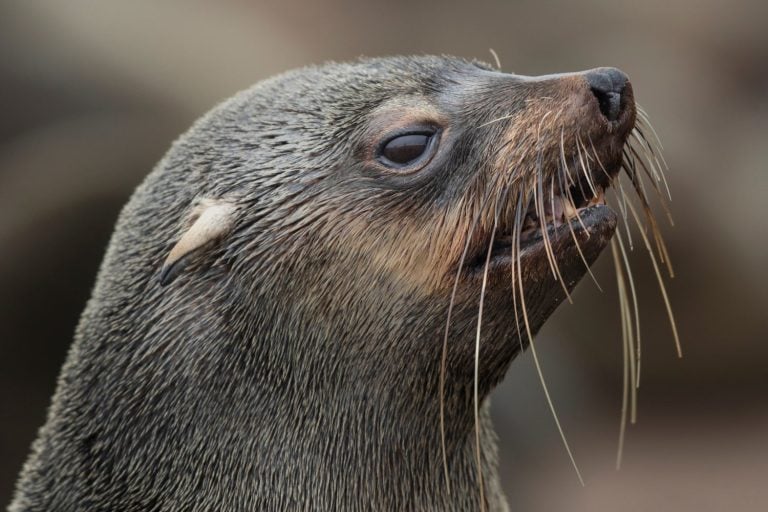
Seal
Earless divers of the world's seas

Earless divers of the world's seas
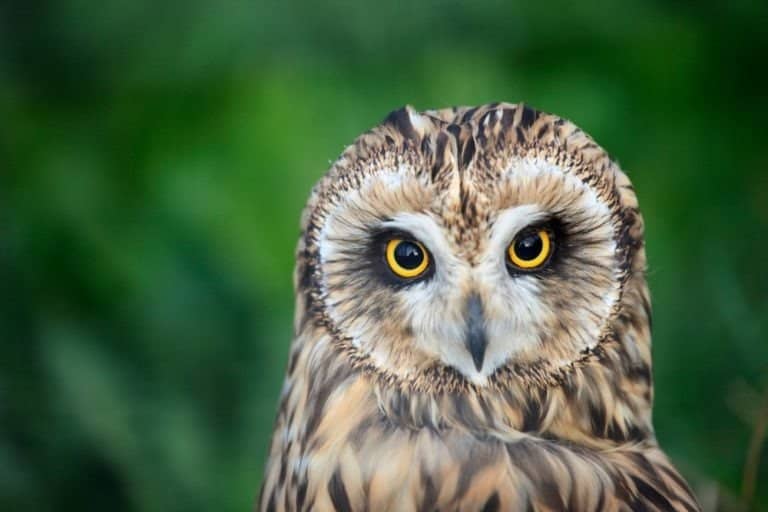
The hoot that rules the woods
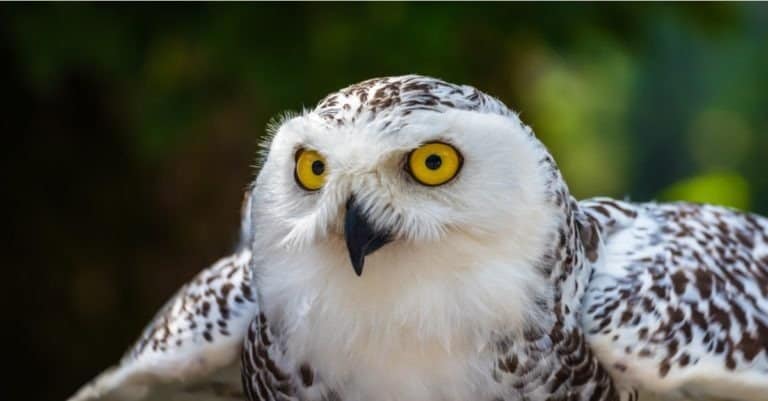
White hunter of the wide tundra
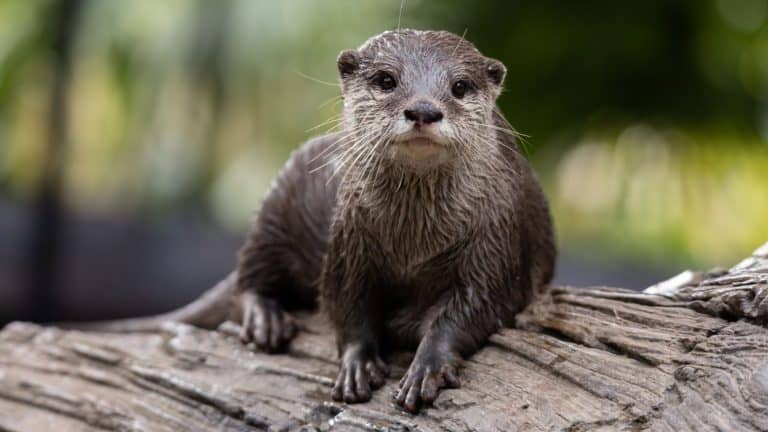
Built for water, born to hunt
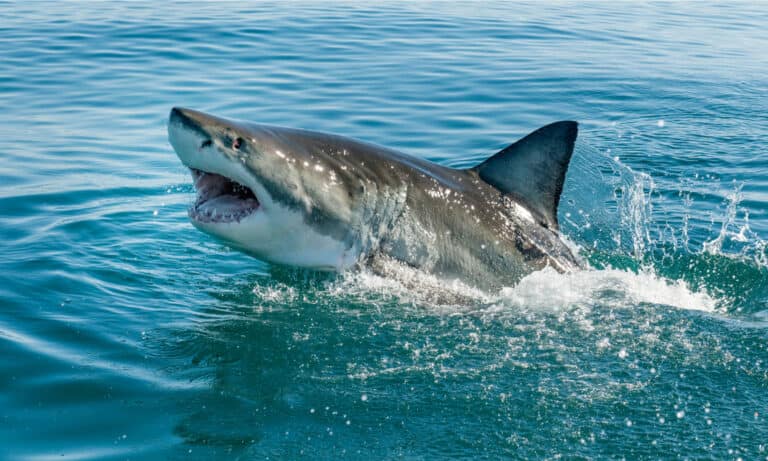
Warm-blooded hunter of the seas
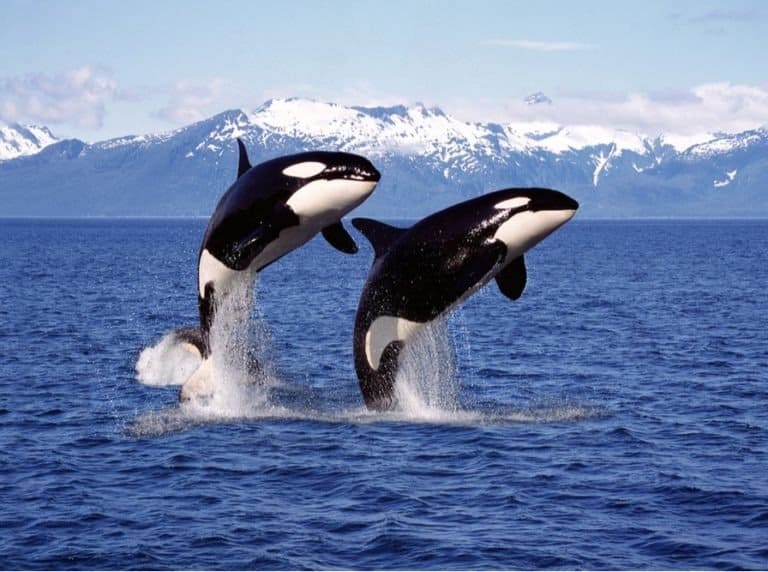
One species, many ecotypes.
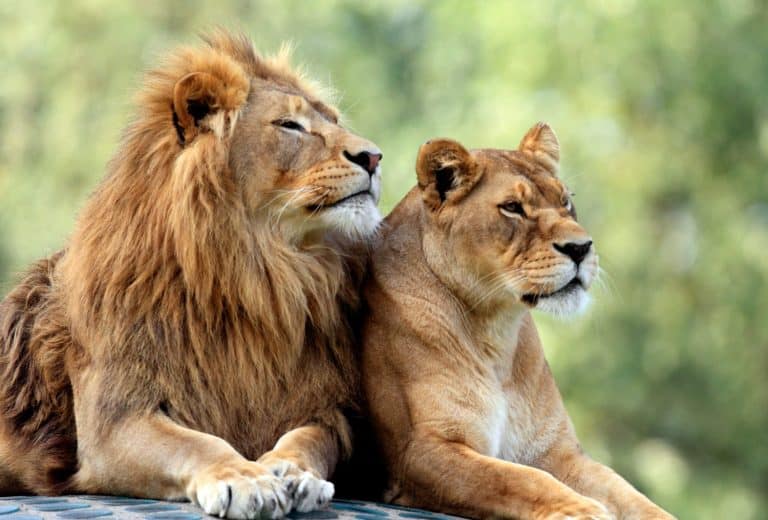
Built for prides, born for the hunt
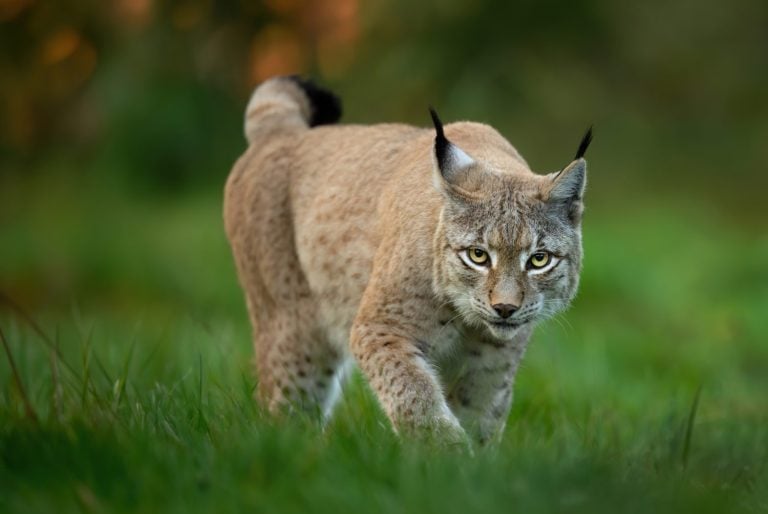
Tufted ears. Silent steps. Northern hunters.
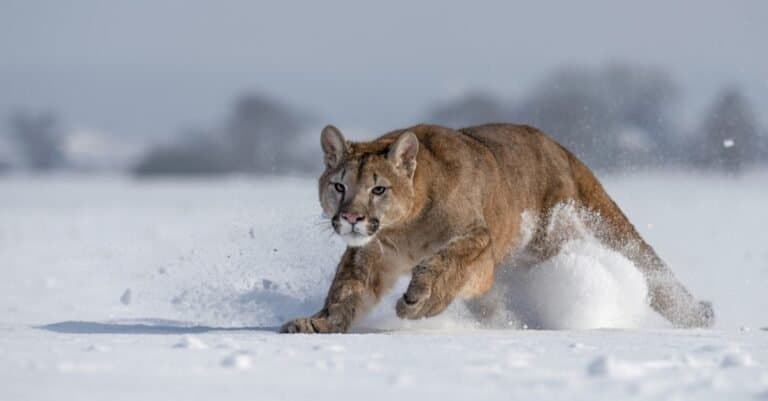
One cat. Two continents.
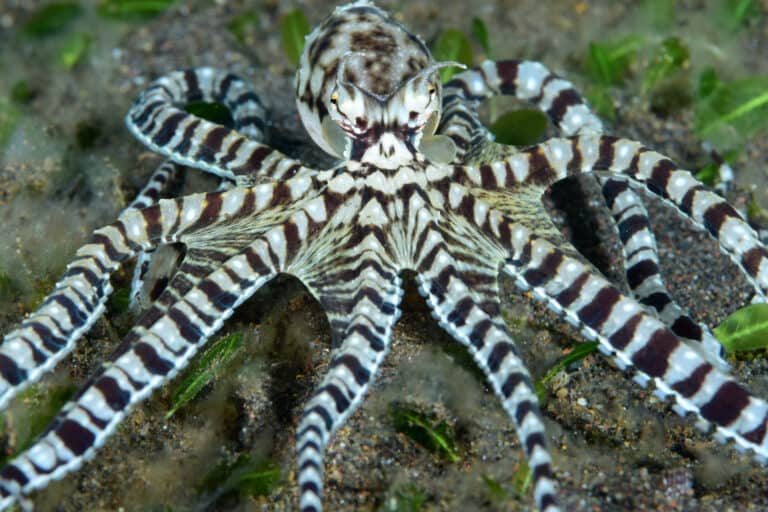
Eight arms, endless ingenuity
A carnivorous diet is a dietary pattern in which most energy and essential nutrients are obtained from animal tissues (e.g., muscle, organs, fat, bone, skin), with plant foods contributing little to none. In ecological terms, carnivory is a trophic strategy where an organism primarily consumes other animals to meet metabolic needs.
A carnivore diet gets most calories and nutrients from animal tissues, mainly meat but also organ meats, bone marrow, connective tissue, and animal fat. In the wild, carnivory is shaped by an animal’s ecology and body needs: hunting or scavenging gives dense protein, fat, and vitamins and minerals, and many carnivores have body and metabolic traits that help them eat mostly animal food. This pattern ranges from strict carnivory (only animal tissues) to broader animal-based diets that may include eggs and dairy. Carnivore diets are usually low in carbohydrates and fiber and high in protein and fat. Some species are obligate carnivores (need animal food to survive, as many felids), while others are facultative (can eat some plants but mostly eat animals). For humans, effects are debated and depend on which animal foods are eaten and nutrient planning.
Etymology: From Latin carō/carnis meaning "flesh" + -vorus from vorāre meaning "to devour," yielding carnivorus ("flesh-eating").
"Carnivore means eating only muscle meat." In many natural carnivores, nutrient adequacy often relies on consuming diverse tissues (organs, fat, connective tissues).
"All carnivores are strict predators." Many carnivores also scavenge, and some are facultative carnivores that may consume small amounts of plant matter.
"Carnivore diets are automatically high-protein." Some carnivorous patterns are primarily high-fat (especially in wild prey consumption or when prioritizing fatty cuts).
Provides high-quality complete protein (for muscle maintenance and growth), dense energy from fats (especially in colder climates or when prey is lean), essential amino acids (e.g., taurine in many obligate carnivores for vision/heart function), fat-soluble vitamins (A, D, E, K) and B vitamins (notably B12) from organs and meat, plus key minerals like iron, zinc, selenium, and phosphorus for oxygen transport, immunity, and bone/enzymatic function. Organ and connective tissues help balance micronutrients that plain muscle meat may lack.
Carnivores have dentition specialized for seizing prey, killing, and slicing meat rather than grinding plant material.
A carnivore digestive system is optimized for rapid breakdown of protein and fat, with limited capacity for fermenting fibrous plant matter.
Gut Length: Relatively short to moderate (often ~3-6× body length), shorter than typical herbivores
Obligate (strict) carnivores need animal meat for most energy and essential nutrients; they are built for meat and usually can't do well on plant-heavy diets.
Facultative (flexible) carnivores primarily eat other animals but can opportunistically consume substantial non-meat foods (e.g., fruit, roots, insects) depending on season, location, and availability.
Carnivory evolved when ecosystems had enough prey. Early carnivores appeared in the Cambrian (about 541–485 million years ago) among marine arthropods and jawless vertebrates as senses and movement improved. In vertebrates, carnivory expanded after jaws evolved (about 430–420 million years ago) and when life moved to land, as tetrapods became insect-eaters and larger predators. Mammalian hypercarnivory (heavy meat-eating) evolved after the end-Cretaceous (66 million years ago) in carnivorans with carnassial teeth, running, and sharper senses. Carnivory often starts when a group shifts from omnivore or scavenger to depend on large prey, with body changes for capture and meaty diets.
Carnivory shows strong convergent evolution: unrelated groups often evolve similar ways to hunt and similar body parts. For example, sharks (Chondrichthyes) and dolphins (Mammalia) both evolved streamlined bodies, strong tails, and senses for hunting in the sea. The thylacine (a marsupial) and wolves/dogs (placental mammals) evolved similar skulls and bodies for chase hunting. Saber-toothed predators evolved more than once, in placental cats (Smilodon) and marsupials (Thylacosmilus), with large canines and strong forelimbs. Raptorial birds (hawks/eagles) and hunting mammals (cats) both evolved tools and keen sight to grab and kill prey. Anteaters/pangolins and some ant-eating lizards evolved long snouts and sticky tongues for eating ants and termites.
A carnivore diet is like human meat-forward diets such as high-protein/low-carb diets because both rely mostly on animal tissues for energy and key nutrients. But most humans are omnivores and do best with varied food. Obligate carnivores, like many felids, need nutrients hard to get from plants—preformed vitamin A, taurine, and some fatty acids—and are built to digest lots of protein and fat with little carbohydrate. Studying carnivores shows we can't copy animal biology and helps guide talks about protein/fat use, micronutrient sources, and ecological costs of meat-heavy eating.
Knowing a species is carnivorous helps conservation by showing what prey it needs, what habitat it needs, and how it is hurt when prey decline. Carnivores are often high in food webs; protecting them means keeping healthy prey numbers, hunting areas, and movement corridors. Diet information helps reduce conflict (for example, lower livestock attacks with deterrents), guides reintroduction by ensuring enough prey, and improves monitoring (scat and isotope studies show prey changes). Many carnivores are keystone or umbrella species, so protecting their diet helps keep trophic cascades and biodiversity stable.
Carnivores intersect with agriculture through both pest control and conflict. Some carnivores suppress rodents and other crop pests, indirectly supporting yields, while larger carnivores may prey on livestock, creating economic losses and driving retaliatory killing. Understanding carnivore diet enables targeted farm management: protecting vulnerable stock (guard animals, night enclosures, carcass removal), focusing deterrents during peak predation periods, and conserving natural prey to reduce reliance on livestock. Carnivore-driven "ecosystem services" (rodent control) can reduce pesticide use, but sustainable coexistence requires balancing wildlife conservation with husbandry practices and land-use planning.
Found across: Mammals (e.g., Carnivora such as cats/canids; many marine mammals like toothed whales), Birds (raptors such as hawks, eagles, owls, falcons), Reptiles (crocodilians; many snakes and large lizards), Fishes (sharks and many predatory bony fishes), Amphibians (many frogs/toads/salamanders are primarily animal-eaters), Invertebrates (spiders, scorpions, predatory insects, cephalopods like squid/octopus)
Carnivores live at middle to top levels of the food chain as predators and scavengers. They help control prey numbers and change prey behavior, which can lower overgrazing and cause big food-chain changes that affect plants and habitat. Many also eat dead animals, helping nutrients return and linking food webs across land and water.
Energy transfer to carnivores is limited by trophic inefficiency: only a small share of prey energy becomes predator body mass (often about 10% per step). Carnivores need larger ranges or high prey numbers and usually have lower populations than herbivores or omnivores. This inefficiency causes boom-bust cycles with prey, favors hunting cost-saving ways (ambush, group hunting, scavenging), and raises risk from biomagnified toxins like mercury and persistent pollutants.
Seasonal Variation: Carnivore feeding shifts with seasons: spring/early summer they eat newborn animals and birds in nests and hunt more; late summer/fall they use migrants, fish runs or gatherings and may store food; winter/dry times lead them to scavenge more, roam wider, eat smaller prey, or be less active. Marine/coastal carnivores follow upwelling, tides, migrations.
A carnivore's survival often depends more on digestion than teeth: many obligate carnivores have relatively short intestines and highly acidic stomachs that help break down protein and kill pathogens from raw meat.
Some carnivores can go long stretches between meals because big kills come in bursts-lions, for example, may fast for days and then consume a large amount at once when food is available.
Many carnivores get a significant share of their water from prey ("metabolic water"), so they can thrive in dry environments with little direct drinking-especially if they eat fresh meat.
Strict carnivory comes with nutrient "must-haves": cats, for instance, can't make enough taurine or vitamin A from plant precursors, so they rely on animal tissues to avoid deficiencies.
Not all carnivores eat only muscle meat-organs, skin, marrow, and even stomach contents can matter. These parts often provide key micronutrients (like vitamin A, iron, and certain B vitamins) that plain lean meat has less of.
Carnivory is like living on a "spiky paycheck": long low-intake periods punctuated by huge, high-calorie meals when a hunt succeeds.
A carnivore's stomach acid can be compared to a built-in food-safety system: it's typically stronger (lower pH) than in many omnivores, helping neutralize microbes from raw prey.
Eating "nose-to-tail" is like upgrading from basic fuel to a full maintenance kit: muscle provides most calories and protein, while organs and marrow supply many of the hard-to-get vitamins and minerals.

Small hunter, big household legend
One cat. Two continents.
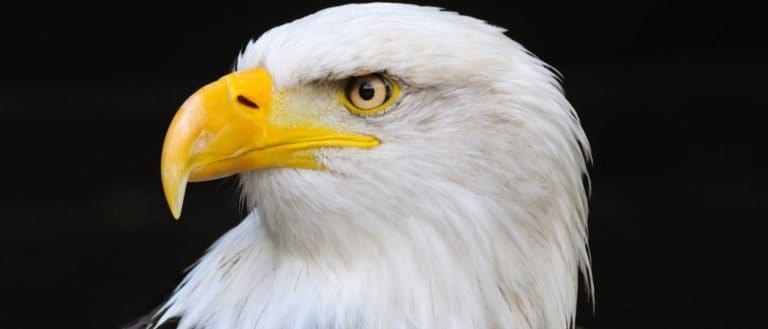
Built to soar, born to strike
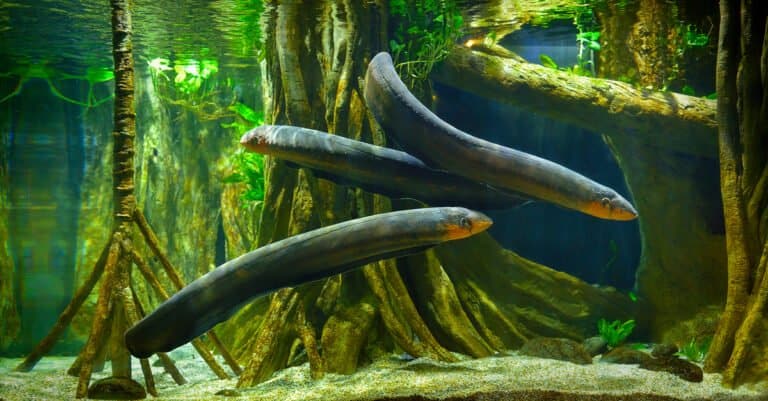
Lightning hunter of the Amazon
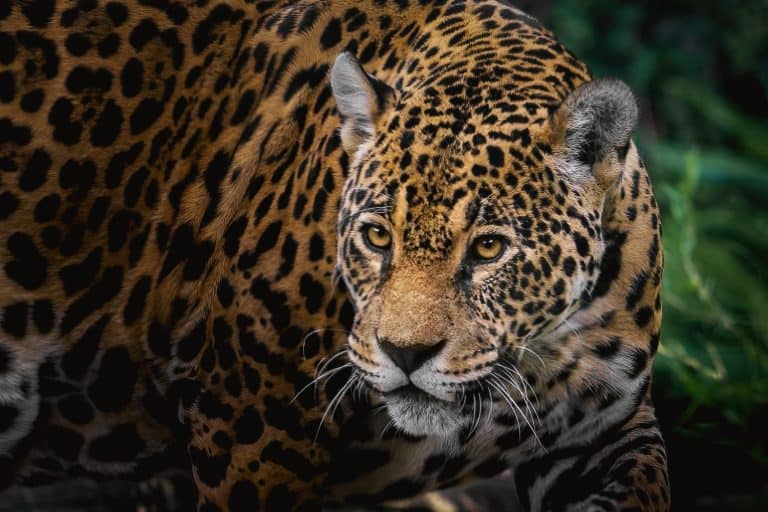
Power of the Americas' apex cat

Sting-powered drifters of the sea
One species, many ecotypes.
Built for prides, born for the hunt
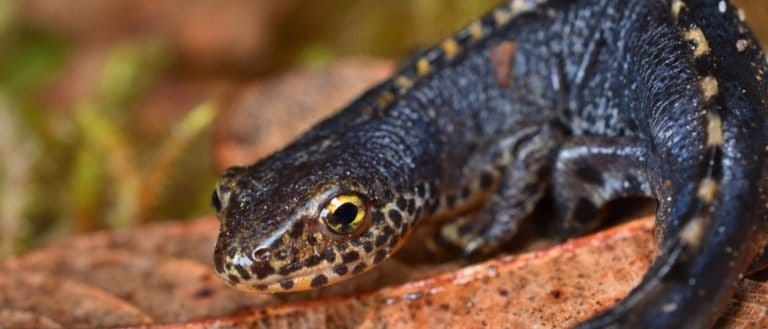
Crests, ponds, and potent defenses
Eight arms, endless ingenuity
Built for water, born to hunt
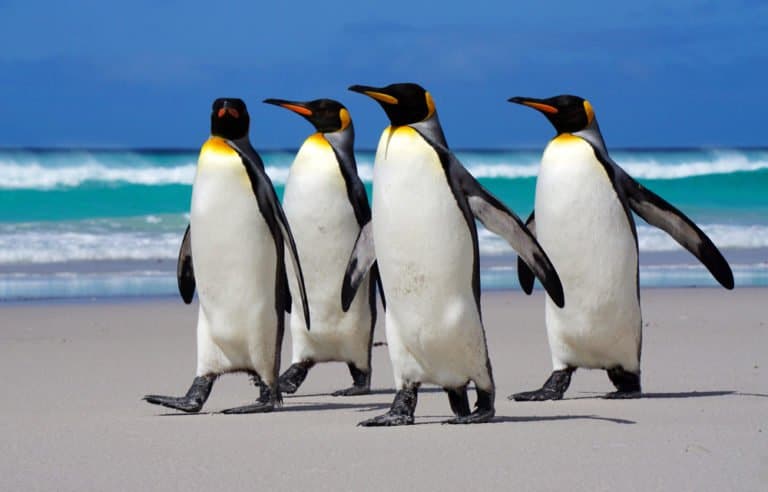
Born to dive, dressed to endure
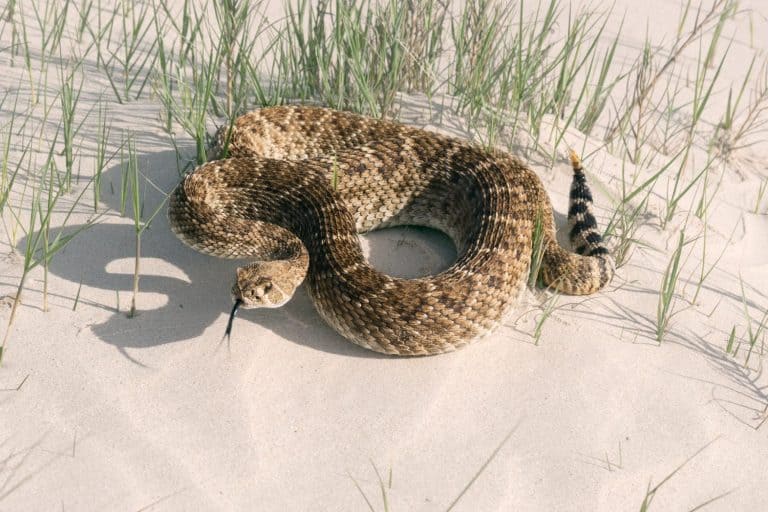
Hear the rattle, give it space.
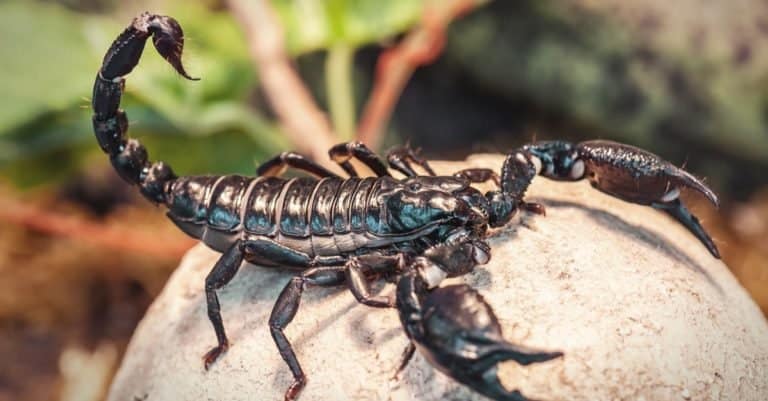
Glow at night, strike with precision

Stripes of Asia's top predator
Warm-blooded hunter of the seas
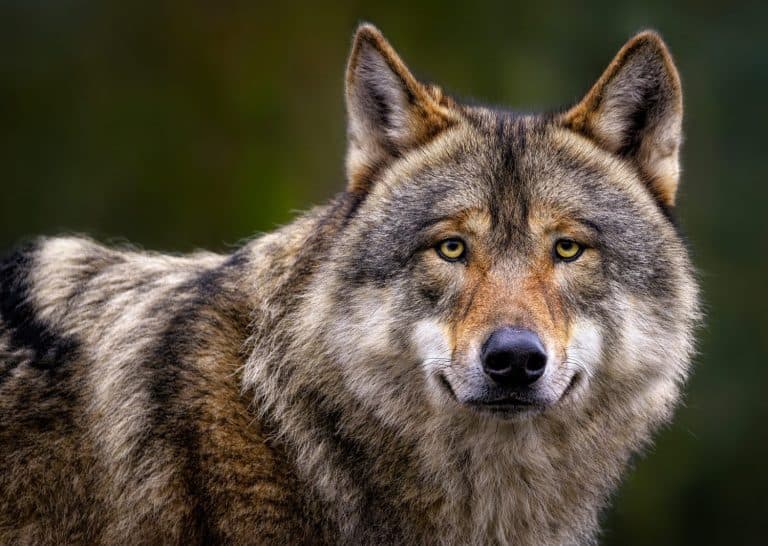
Packs, howls, and healthy wildlands
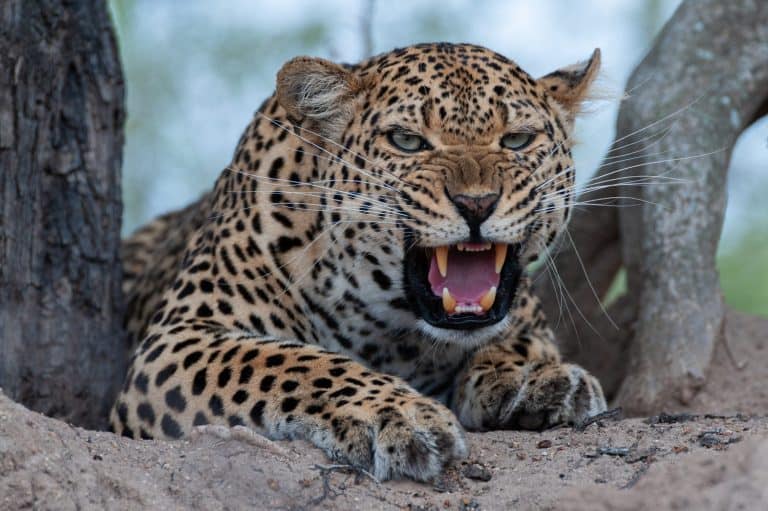
Rosettes in the shadows.
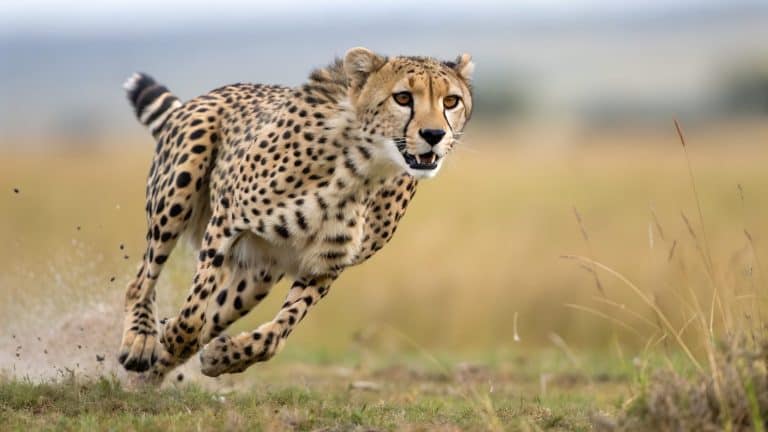
Built for the burst.
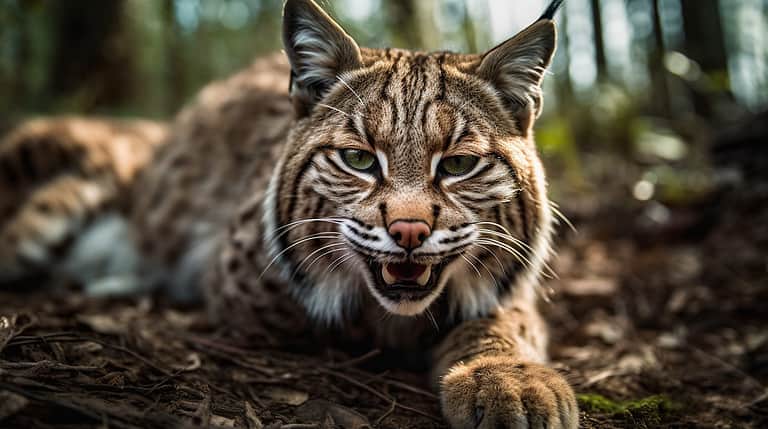
Small lynx, big adaptability.
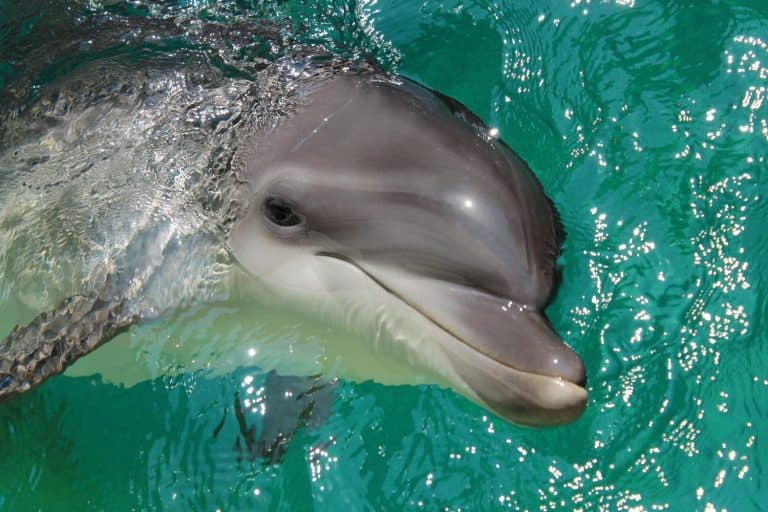
Built for the surf-and sonar.
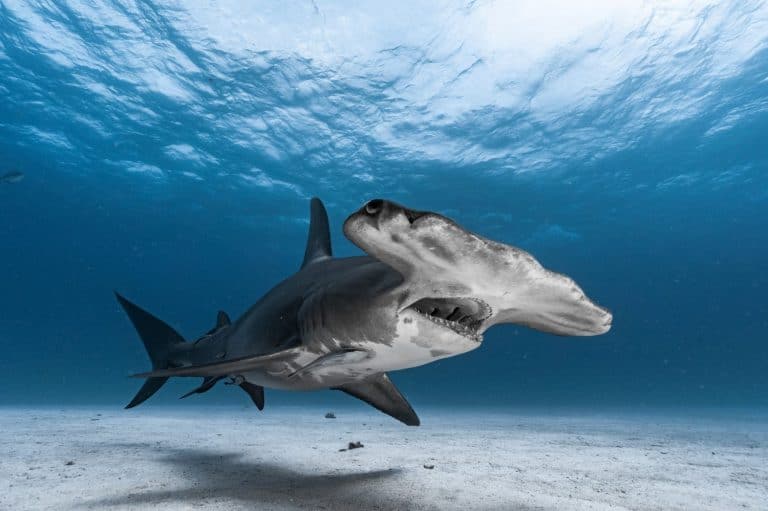
Built like a hammer, tuned like a radar
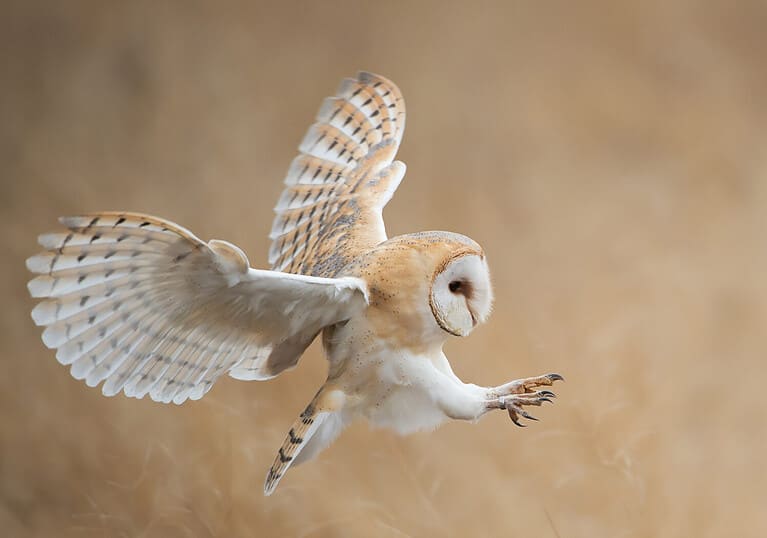
Heart-faced hunter of the night
White hunter of the wide tundra
Thank you for reading! Have some feedback for us?
We appreciate your help in improving our content.
Our editorial team will review your suggestions and make any necessary updates.
There was an error submitting your feedback. Please try again.