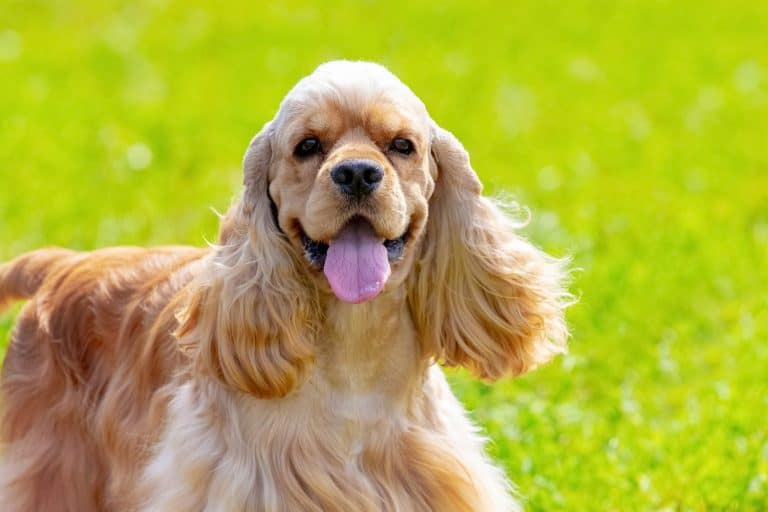
American Cocker Spaniel
Silky ears, sporting heart

Silky ears, sporting heart
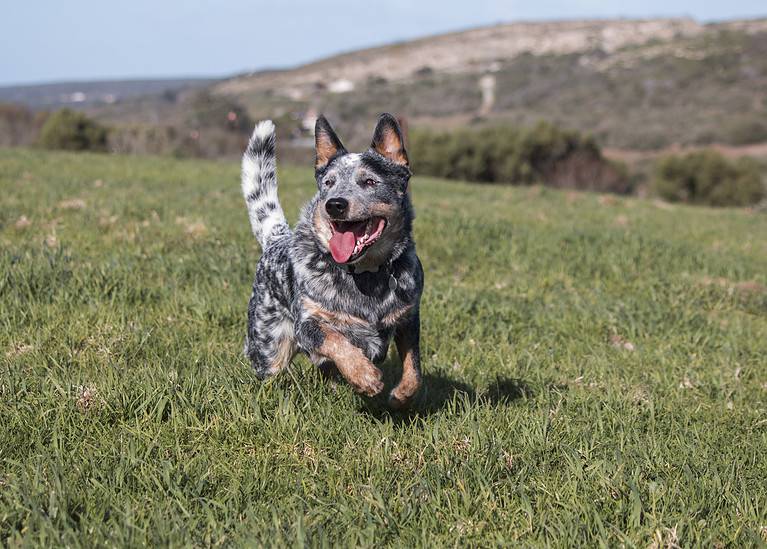
Built to drive cattle all day
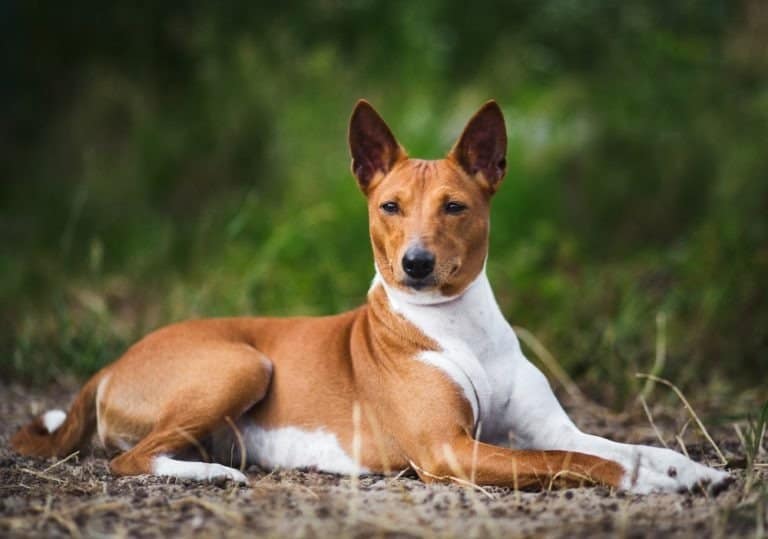
The yodeling hunter of Africa
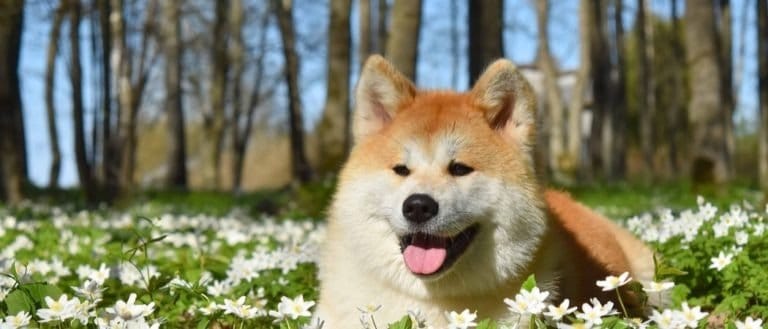
Dignity, power, and legendary loyalty
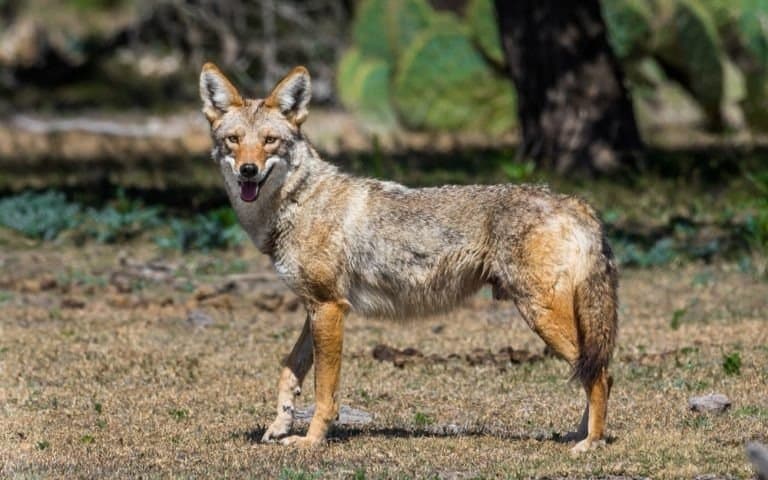
Built for every habitat.
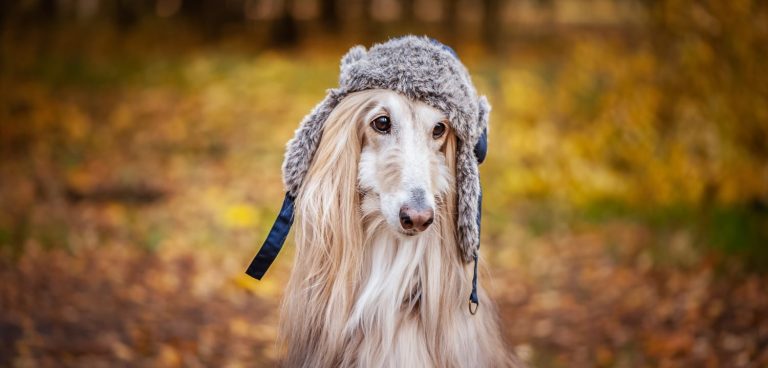
Silk-coated sprinter of the highlands
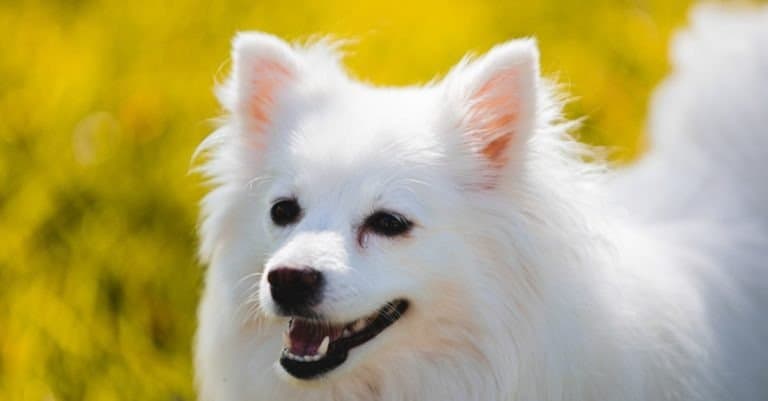
Brains in a Snow-White Coat
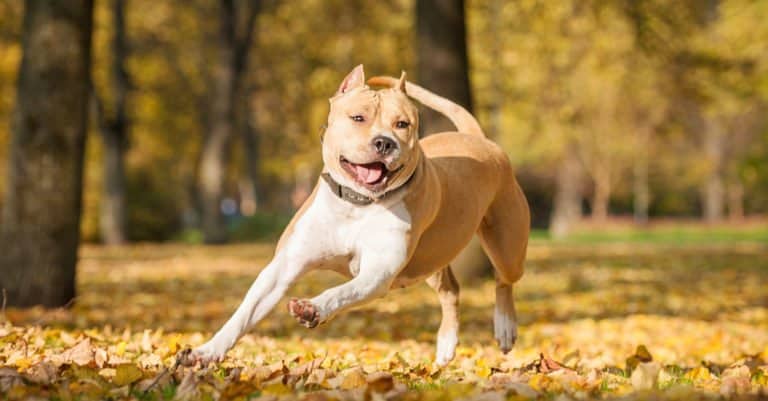
Big heart, strong build, eager partner
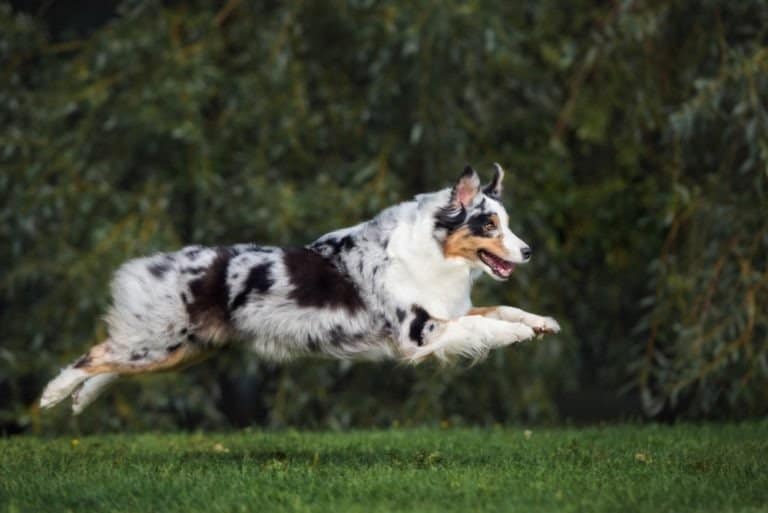
Built for brains, built for work
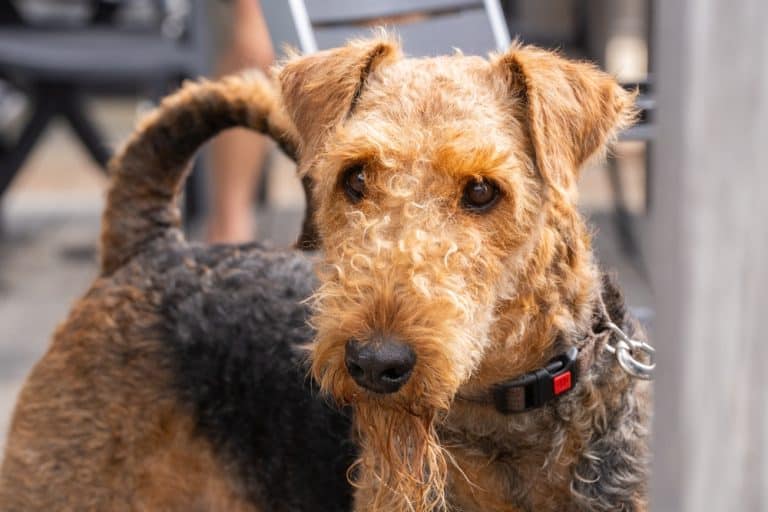
King of Terriers, heart of a worker
A pack is a stable, cohesive social unit of animals-most commonly social carnivores-in which individuals associate persistently, coordinate movement and foraging, and maintain structured social relationships that influence access to resources and reproduction. Pack living is characterized by repeated interactions (e.g., affiliation, dominance, cooperation) that produce group-level behaviors such as coordinated hunting, territoriality, and communal care.
Packs are social groups where animals travel and look for food or hunt together, getting benefits hard to get alone. In many carnivores (wolves, African wild dogs, dholes), packs allow cooperative hunting that can catch bigger or more dangerous prey and save energy by having different roles (chasing, flanking, blocking). Packs stay together with frequent communication using calls, scent marks, body postures, and ritual behaviors. They usually have a social order or breeding structure that limits fights and controls who breeds. Many packs are family groups (a breeding pair and offspring), but some include immigrants or helpers. Packs defend territories, care for young, and trade costs (competition, disease, being noticed) for benefits (better hunting, defense, shared information).
Usually built around a dominant breeding pair and a rank order that affects who gets food, mates, and best resting spots. Rank is often kept by ritual displays, not constant fighting, and can change with age or dispersal.
Often the dominant breeders and primary coordinators; initiate travel, lead hunts, and arbitrate conflicts.
High-ranking supporters who help maintain order, reinforce group cohesion, and may take over leadership if alphas weaken or depart.
Most adults/subadults that participate in coordinated hunting, tracking, and pursuit; roles may shift by individual skill (driver, ambusher, flanker).
Individuals that watch for threats, investigate scents/sounds, and give alarm signals; may range ahead or remain at vantage points.
Dependent young; learn social rules and hunting skills through play and observation; priority recipients of protection and food.
Nonbreeding adults or older siblings that guard, groom, babysit, and sometimes provision young, increasing pup survival.
Older individuals whose knowledge of terrain, prey behavior, and social mediation can influence movement and conflict resolution.
Maturing individuals that may leave to form/join other packs; can temporarily occupy low rank while assessing opportunities.
Packs usually form around related members, often a breeding pair and their offspring, or a stable coalition that gains from working together in hunting, defense, and caring for young. Shared raising, repeated hunting and defense success, and social bonds strengthen packs. New packs can form when dispersers find empty territory or when a coalition splits from a parent pack.
Close contact during grooming, play, mating, and communal resting increases pathogen and parasite transmission; shared dens and repeated use of carcass sites can concentrate fecal contamination, ectoparasites, and scavenger-borne pathogens; high connectivity means outbreaks can spread quickly through the pack and reduce hunting efficiency, pup survival, and overall condition.
Group movement, vocalizations (howling/calls), scent marking, and concentrated activity at kills make packs easier to detect; coordinated chases can draw attention from larger predators, rival packs, or humans, increasing risks of attack, kleptoparasitism, and retaliatory conflict.
Found across: Mammals - Carnivora (canids, hyenas, big cats) are the most common pack-formers, Mammals - Cetaceans (especially toothed whales like orcas) show pack-like cooperative hunting, Birds - some cooperative-breeding/territorial species form cohesive foraging groups, Fish - some predators form coordinated hunting shoals that function pack-like (less common)
Packs aren't always permanent-many species form "seasonal packs" that swell during breeding or hunting seasons and then split into smaller family units when food is scarce.
In wolves, the classic "alpha" idea is often misunderstood: many packs are essentially a family (parents + offspring), so leadership looks more like parenting than constant dominance battles.
Some pack hunters deliberately take different roles in a chase (drivers, flankers, ambushers), and individuals can specialize based on age, strength, or experience-like a coordinated team sport.
Packs can become "information networks": where one animal's discovery (a carcass, a water source, a rival's scent trail) quickly changes the movement decisions of the whole group through following and social cues.
Cooperative care can extend beyond a mother: in many pack-living carnivores, multiple adults help guard, feed, or babysit young, improving survival in harsh conditions.
A pack resembles a tight-knit extended family business: older, experienced members often guide decisions while younger members learn by shadowing and assisting.
Territory defense works like neighborhood watch plus border patrol-shared vigilance, scent-mark "signage," and rapid group response to intruders.
Cooperative hunting mirrors a workplace project team: division of labor, role flexibility, and "performance" improving with practice and familiarity among members.
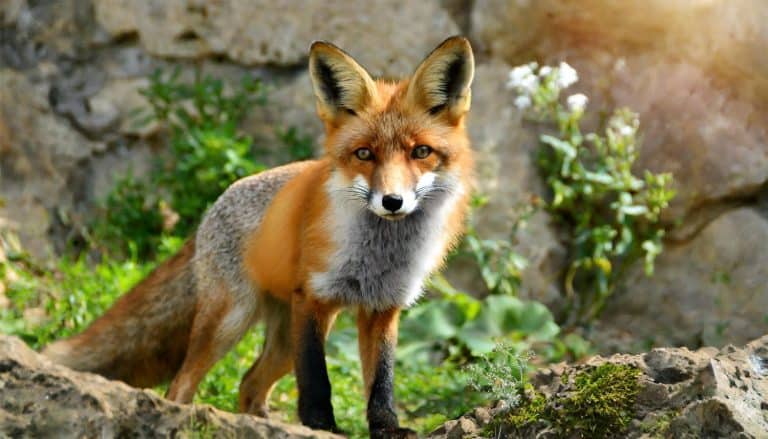
From dunes to tundra-fox smart.
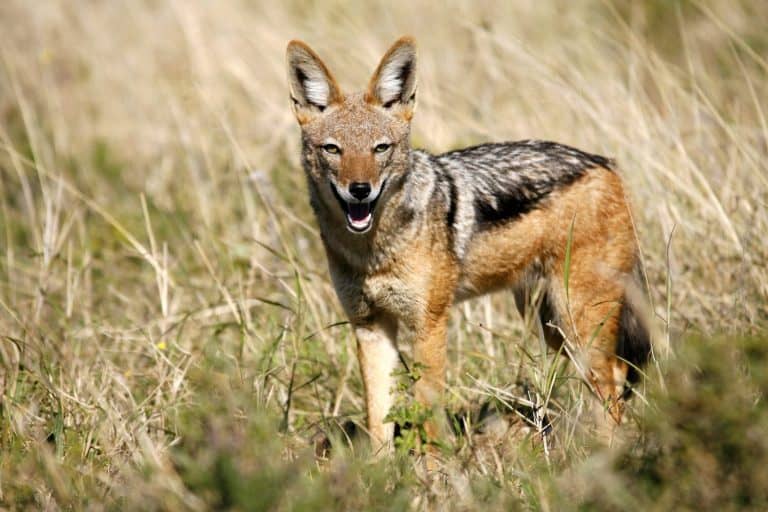
Small canids, big survival skills
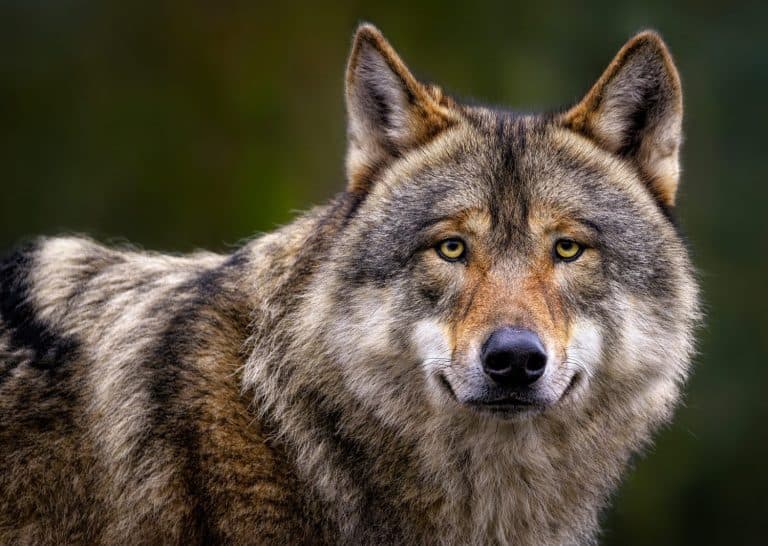
Packs, howls, and healthy wildlands
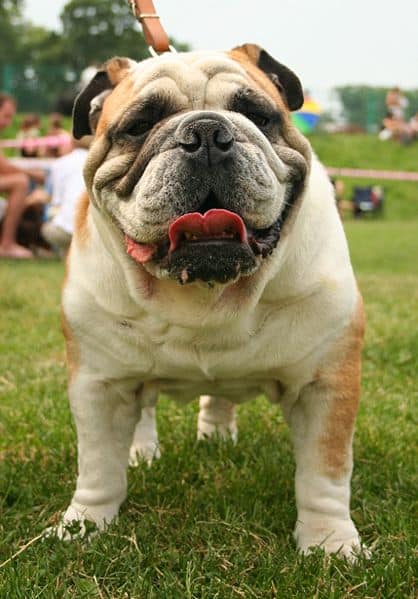
The wolf's cousin, humanity's partner
Built for every habitat.
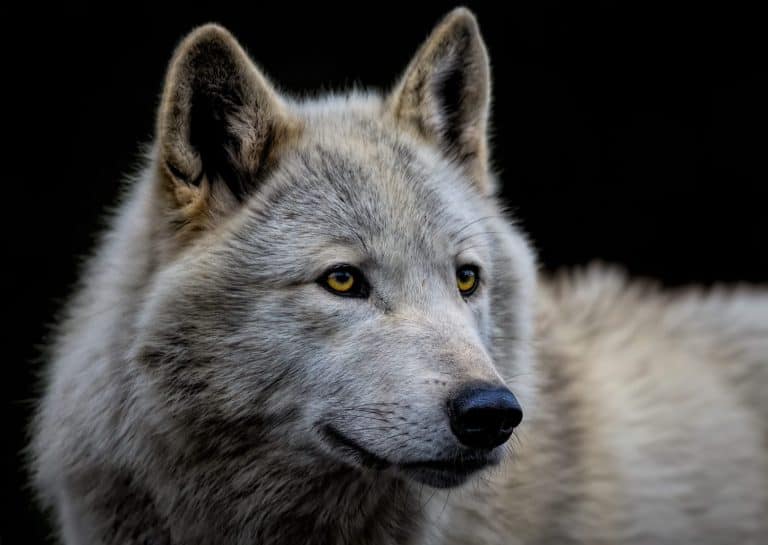
Built for the High Arctic
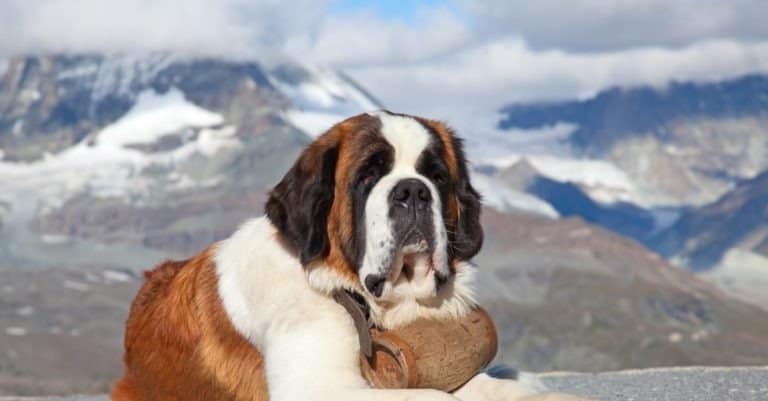
Alpine heart, giant helper
Dignity, power, and legendary loyalty
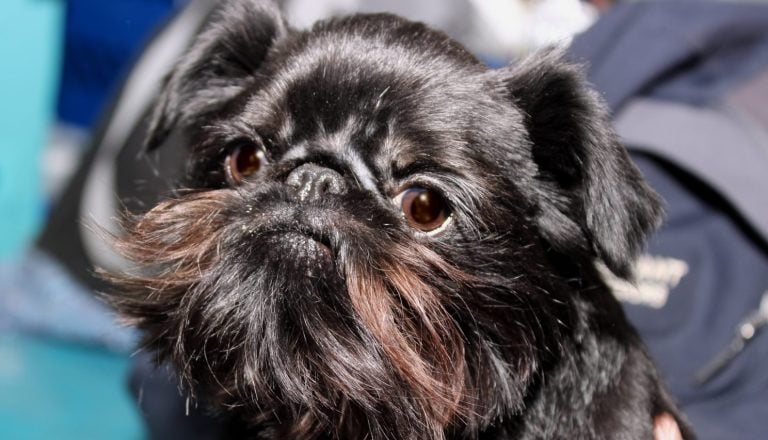
Big attitude, monkey-faced charm
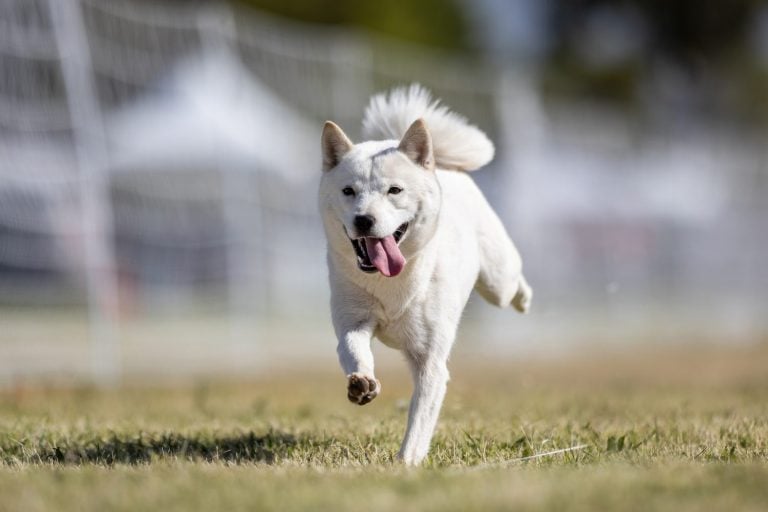
Snow-born hunter, loyal guardian
King of Terriers, heart of a worker
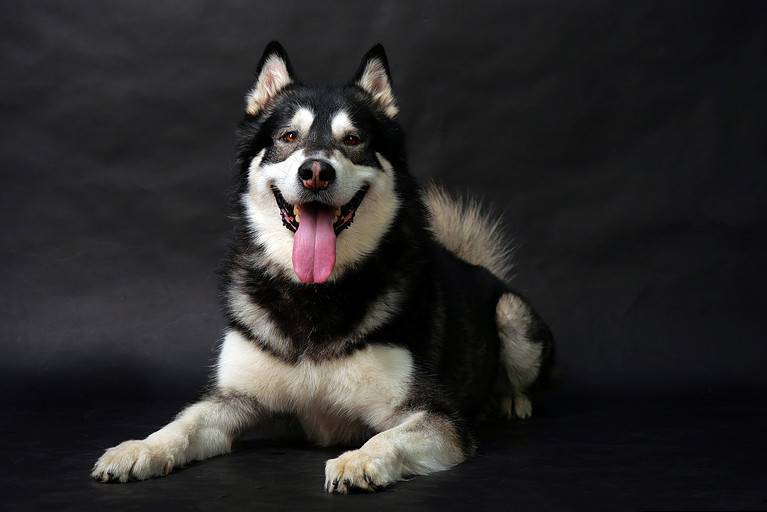
Built to freight. Made for the Arctic.
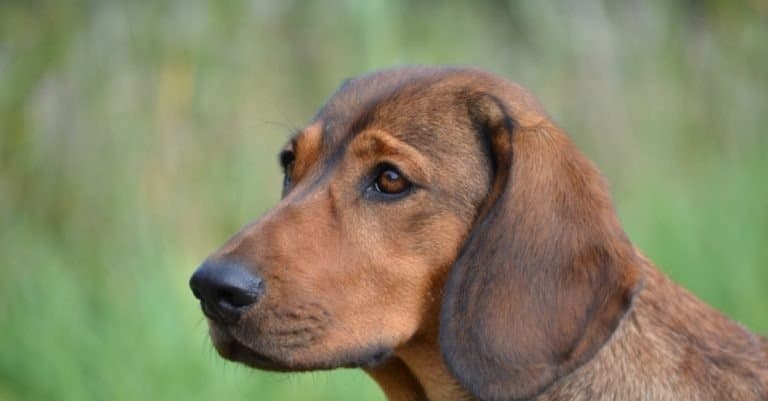
Low to the ground, nose on the trail
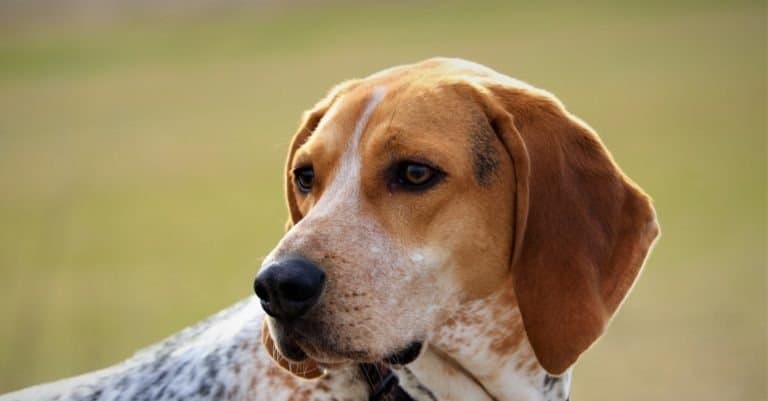
All nose, all night, all heart.
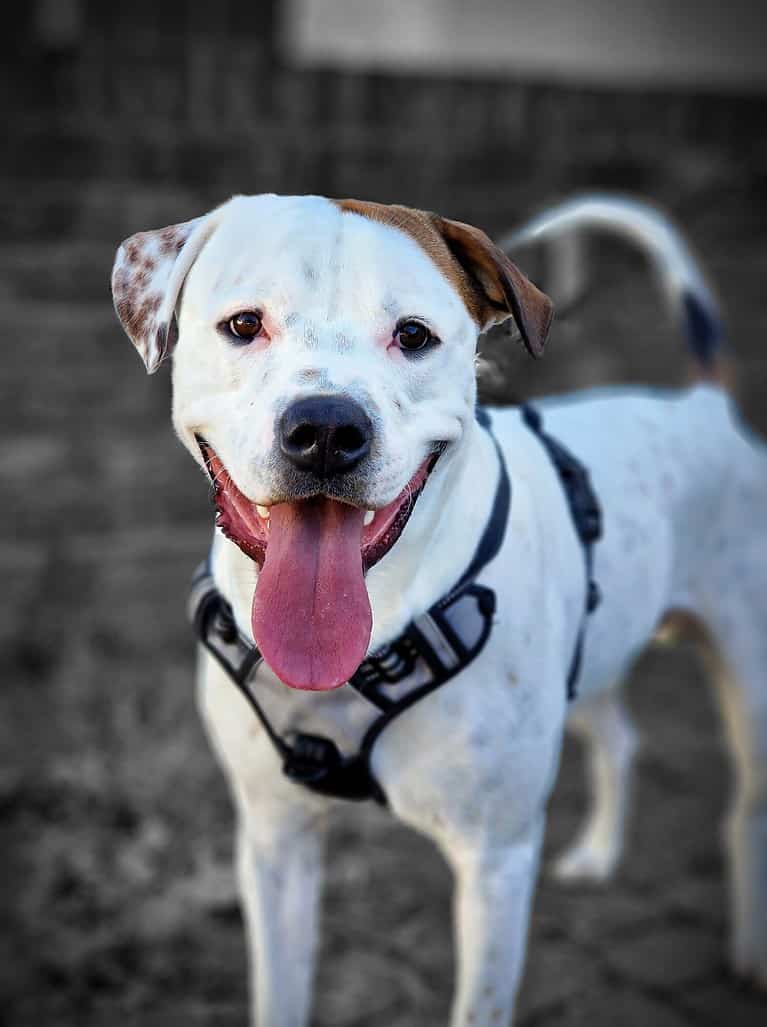
Farm-strong. Family-devoted.
Silky ears, sporting heart
Brains in a Snow-White Coat
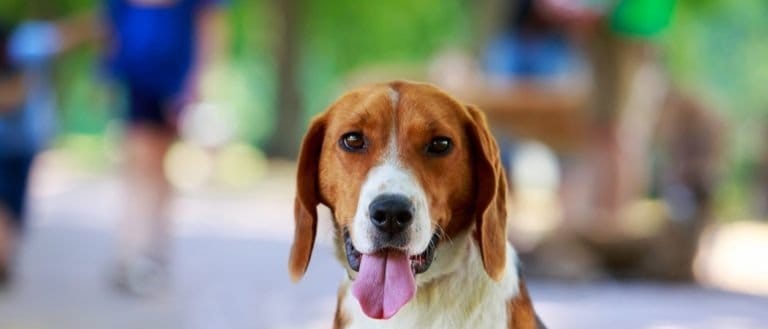
Built to bay, bred to endure.
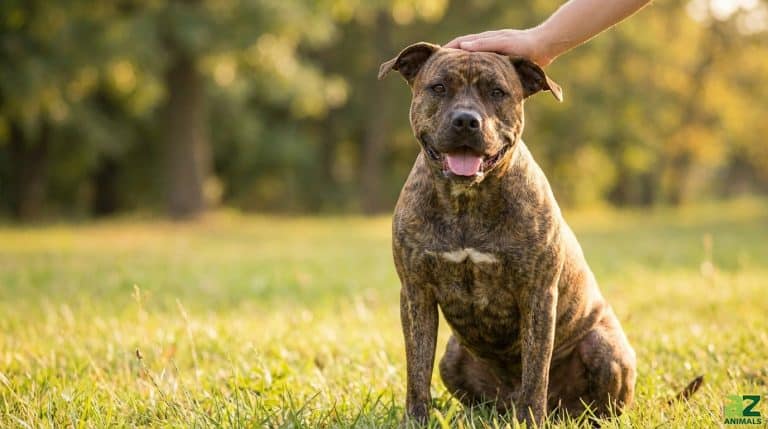
Athletic heart, devoted companion.
Big heart, strong build, eager partner
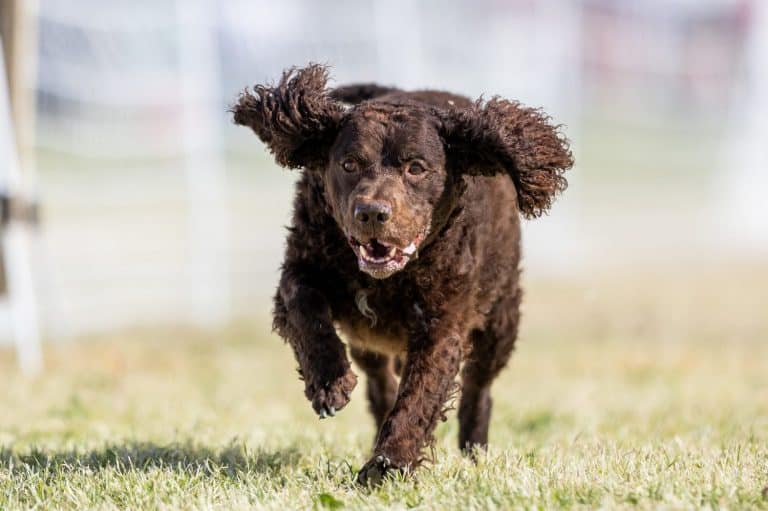
Small boat dog, big water drive
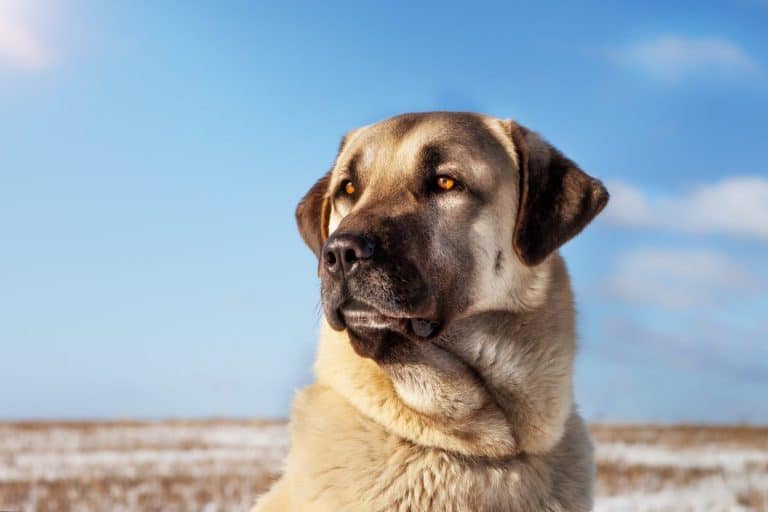
Built to guard, bred to decide.
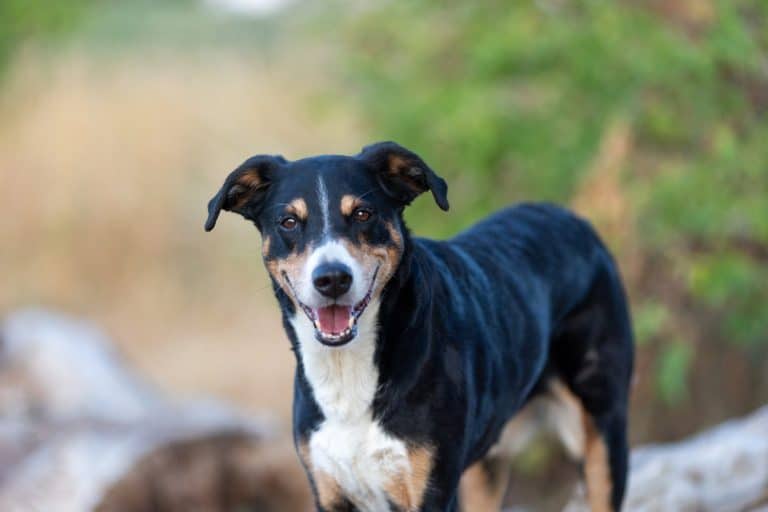
Ring-tailed Swiss farm guardian
Built to drive cattle all day
Thank you for reading! Have some feedback for us?
We appreciate your help in improving our content.
Our editorial team will review your suggestions and make any necessary updates.
There was an error submitting your feedback. Please try again.