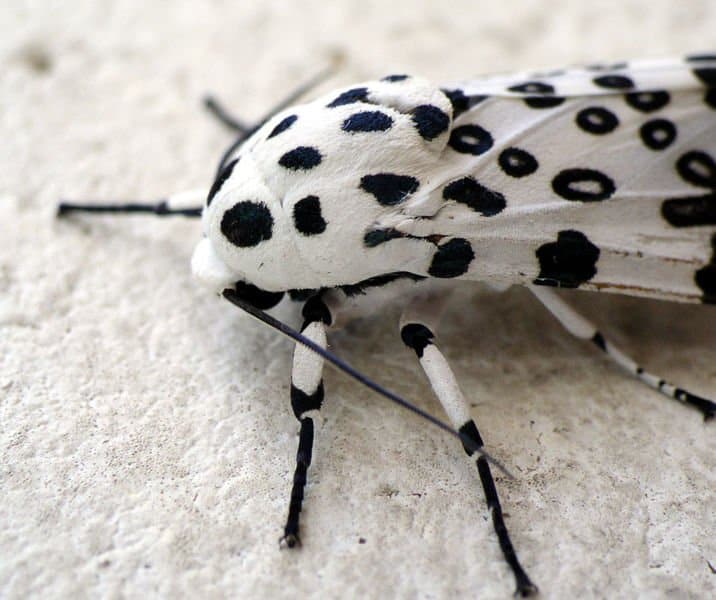
Insects
Six legs, endless lives.

Six legs, endless lives.

More than night flyers
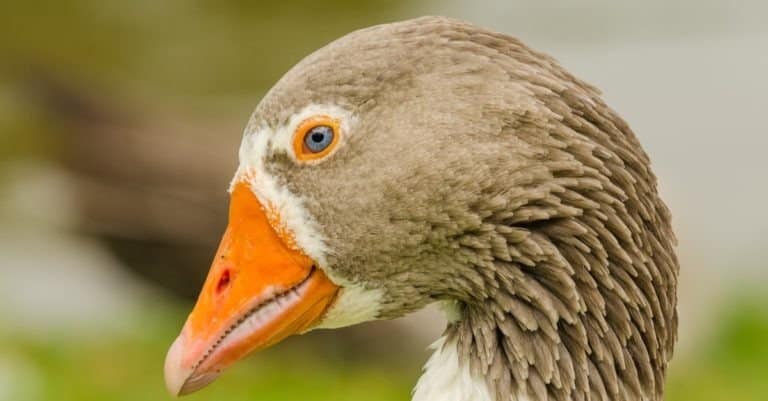
Webbed feet, sky roads, wetland lives

Built for blizzards, born for tundra
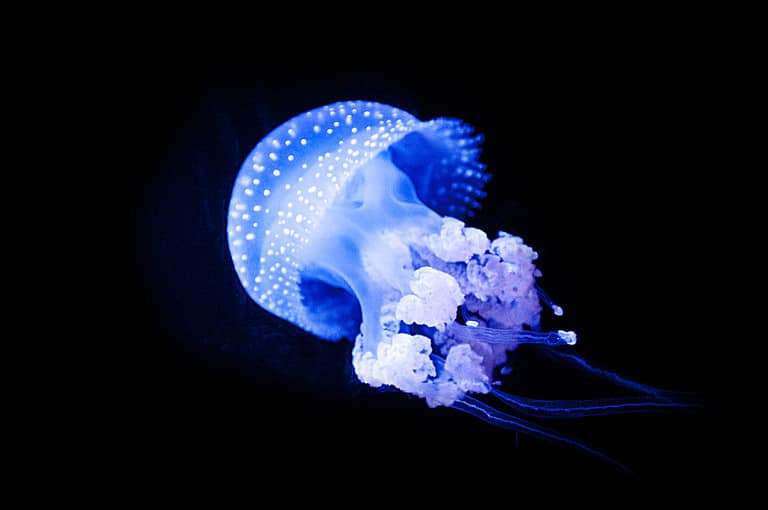
Sting-powered drifters of the sea

Not cavemen-Ice Age people
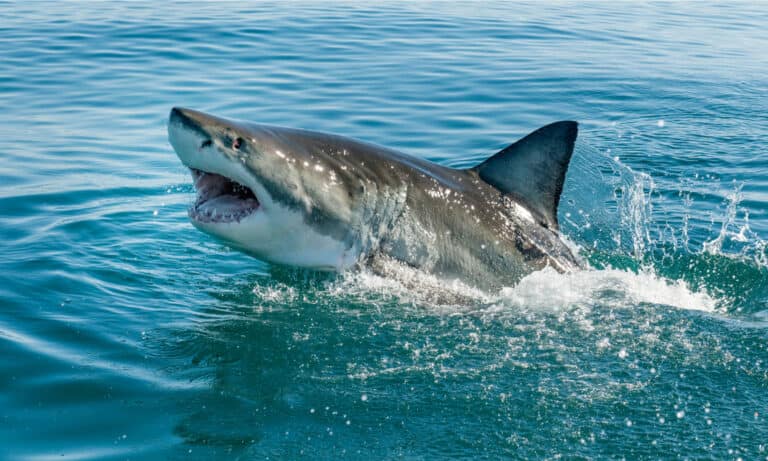
Warm-blooded hunter of the seas

Small hunter, big household legend

Hump, claws, and wild omnivory
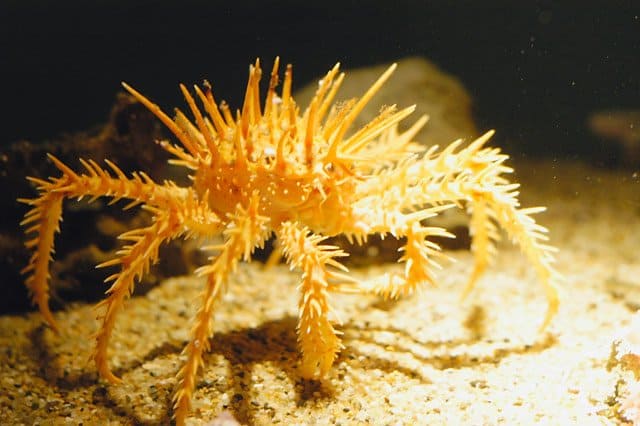
Cold-water royalty of the seafloor
A rocky shore is a coastal habitat where the shoreline is dominated by exposed bedrock, boulders, or cobbles, typically spanning the intertidal zone. Organisms here endure regular cycles of tidal immersion and exposure, often under strong wave action and rapidly changing conditions.
Rocky shores are where hard rock meets the sea. The intertidal zone is wet at high tide and harsh at low tide. Waves and weather shape life and zones: upper lichens and barnacles; mid mussels and algae; lower seaweeds, sea stars, anemones, crabs. Tide pools give refuge. Storms strip life; species re-settle and cling with holdfasts, byssal threads, or shells.
High and highly variable: full sun exposure common; periodic shading by cliffs/overhangs; strong reflection and glare from water/rock; organisms also experience alternating underwater light attenuation during high tide and direct solar/UV during low tide.
Marine intertidal setting with strong wave action and surge. Currents: variable, often moderate-strong due to tides and wave-driven longshore flow; highly turbulent in surf zone. Salinity: typically fully marine (~30-35 PSU) but can fluctuate locally with rainfall runoff, freshwater seeps, and evaporation in tidepools. Depth: intertidal to very shallow subtidal; frequent tidal immersion/emersion; includes tidepools and rock crevices holding water between tides.
High - Rocky shores typically have high diversity and biomass because they contain many microhabitats (tide pools, cracks, shaded overhangs), steep environmental gradients across the tidal height (immersion vs. exposure), and abundant food inputs from waves and tides. Community composition changes strongly by zone, creating a mosaic of algae, filter feeders, grazers, and predators.
Globally widespread and often less directly converted than sandy beaches or wetlands, but many rocky shore systems are increasingly degraded by coastal development, shoreline armoring, pollution, overharvesting, and climate-driven stressors (warming, sea-level rise, and marine heatwaves). Overall condition is best described as moderately threatened with strong regional variability and high local impacts near urbanized coasts.
Moderate. Where the physical substrate remains, recovery can be rapid if water quality improves and harvest/disturbance is reduced, but full restoration is limited where shorelines are armored, access is intense, or invasive species dominate. Restoration often focuses on reducing stressors, re-establishing habitat-formers (e.g., mussel/algal beds) in pilot projects, and improving connectivity and natural shoreline processes.
High. Rocky shore organisms already live near physiological limits (temperature and desiccation) and are highly exposed to marine heatwaves, warming trends, and sea-level rise. Acidification particularly threatens calcifying species and can reshape community structure; coastal squeeze can reduce habitat area where natural landward migration is blocked.
Many rocky-shore animals breathe both ways: some snails and crabs can cope with low-oxygen tidepools and air exposure, switching behavior (and sometimes physiology) between "underwater mode" and "out-of-water mode."
Life isn't evenly mixed-it's stacked: rocky shores are famous for clear "zonation," where small changes in height (sometimes just tens of centimeters) separate very different communities because drying time and wave splash change so sharply.
Wave action can help organisms: constant water motion brings food and oxygen to filter-feeders like barnacles and mussels-rougher water can mean an easier time eating.
Tidepools are miniature labs: temperature and salinity can change dramatically over hours (sun warms, rain freshens, evaporation concentrates salt), so tidepool residents are often extreme generalists.
Mussels engineer their own real estate: dense mussel beds create cool, moist, protected spaces that let many smaller species live higher on the shore than they otherwise could.
Being "stuck" is an advantage: barnacles and limpets thrive by staying put-on a rocky shore, moving less can mean getting ripped off less.
Think of a rocky shore as a high-rise building turned on its side: each "floor" up the rock face has different rules (more air exposure up high, more predators down low).
Wave-swept surfaces are like living in a pressure-washer: anything poorly attached gets removed, so survival favors strong anchors, streamlined shapes, and flexible bodies.
Mussel beds function like a natural apartment complex: thousands of "units" packed together create sheltered hallways and humid microclimates for other species.
Tidepools are like unstable bathtubs: the water can heat, cool, dilute, or get saltier fast-organisms must handle rapid "weather changes" without moving away.
Kelp on a rocky shore behaves like underwater trees in a storm: flexible "trunks" and blades bend with waves rather than resisting them.
One of the most physically stressful habitats: rocky shores can flip from fully submerged to sun-baked and wind-chilled in a single tide cycle-few ecosystems swing so fast between "marine" and "terrestrial."
Wave-force champions: exposed rocky coasts regularly experience wave impacts strong enough to move boulders and strip surfaces clean-organisms that live there are among the best "biological glue" users on Earth (barnacle cement and mussel byssal threads).
Tidal-range extremes shape the biggest intertidal "vertical neighborhoods": in places with very large tides (e.g., Bay of Fundy), the intertidal zone can be so tall you can walk a long distance across what is sea floor at high tide.
Productivity hotspots at the edge: kelps and rockweeds on wave-swept coasts can be among the fastest-growing large plants, turning surging water and abundant nutrients into rapid biomass growth.
Built for blizzards, born for tundra

Night pilots of the mammal world
Small hunter, big household legend
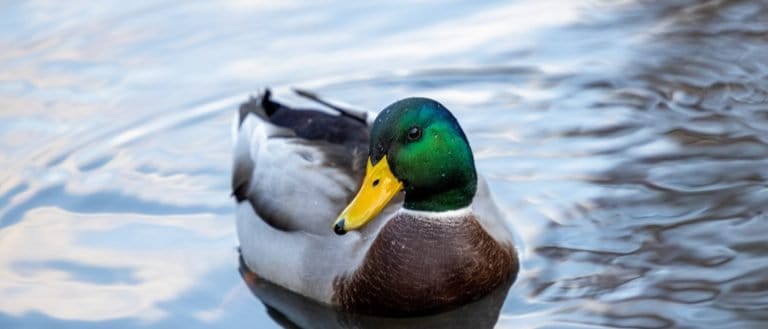
Webbed feet, world travelers.
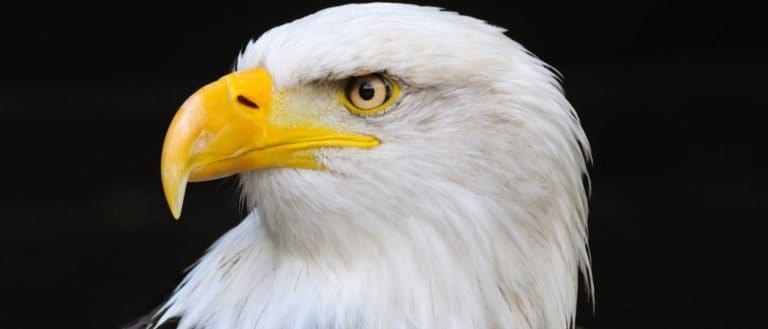
Built to soar, born to strike
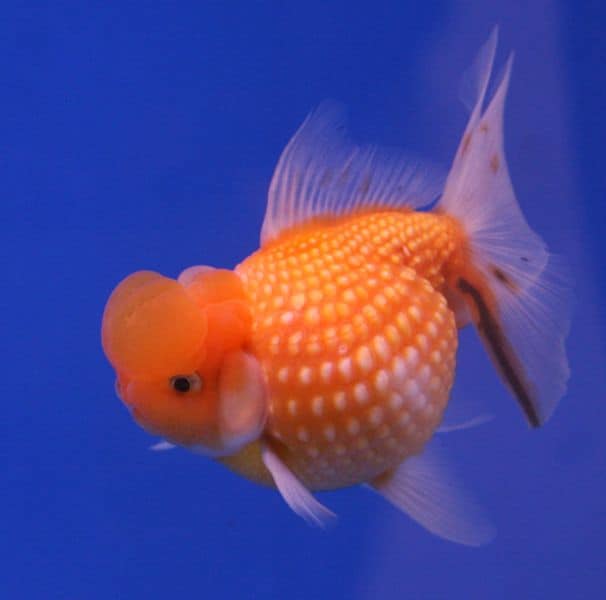
Bony rays, endless ways.

From dunes to tundra-fox smart.
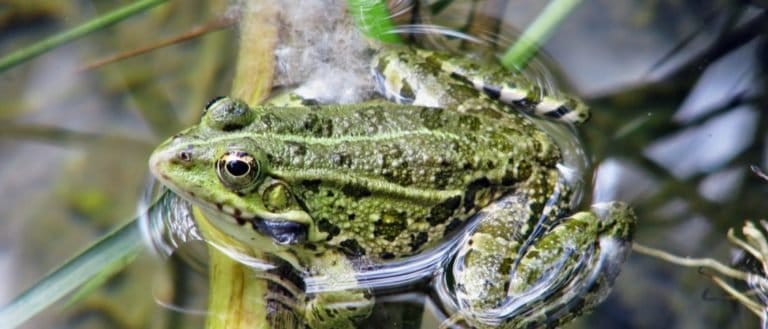
Tailless jumpers, masters of change
Webbed feet, sky roads, wetland lives

Sure-footed masters of rock and range

Sun-powered lizards of the Americas
Six legs, endless lives.
Sting-powered drifters of the sea
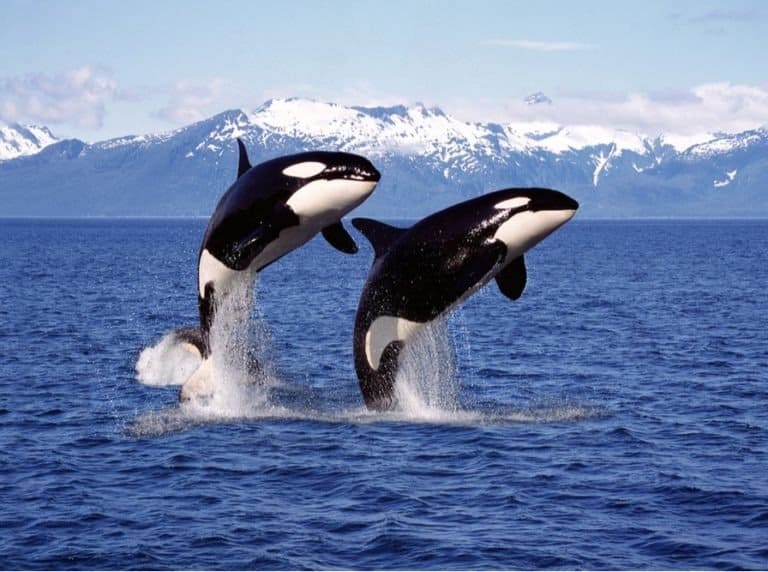
One species, many ecotypes.
Cold-water royalty of the seafloor

From geckos to dragons-lizard power
More than night flyers
Not cavemen-Ice Age people
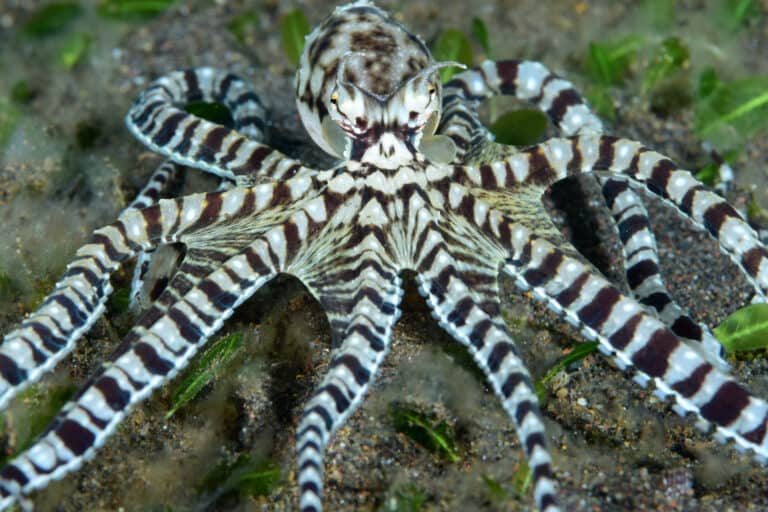
Eight arms, endless ingenuity
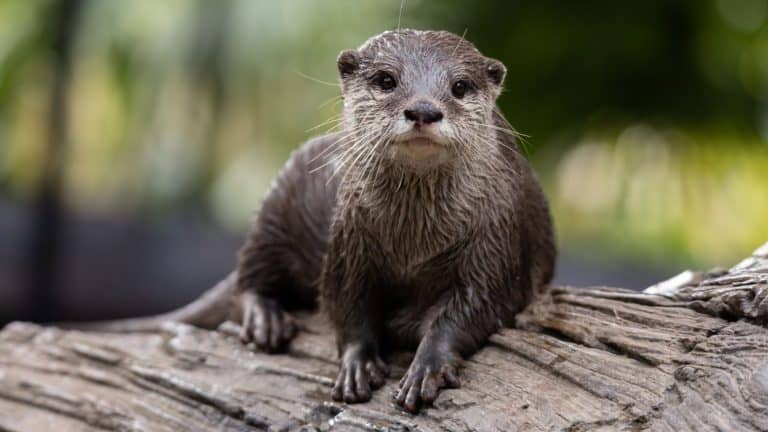
Built for water, born to hunt
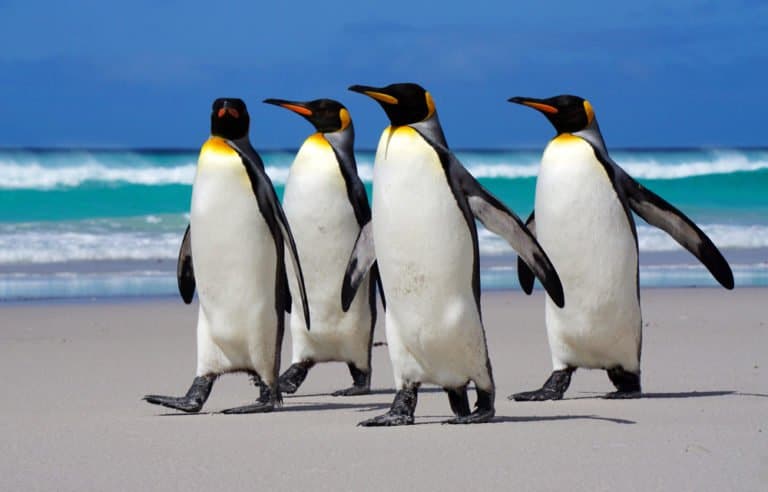
Born to dive, dressed to endure
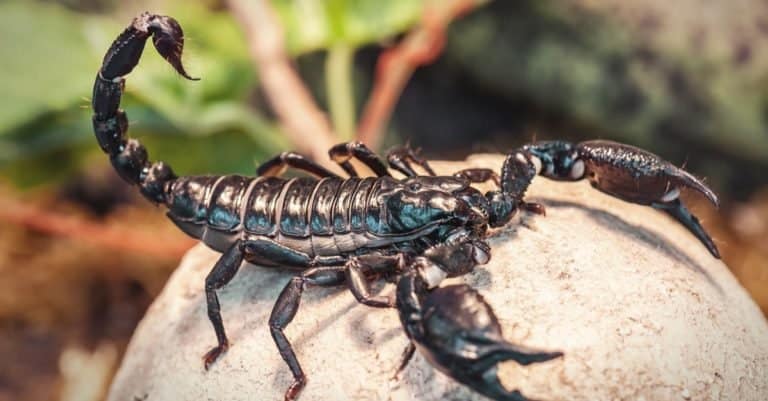
Glow at night, strike with precision
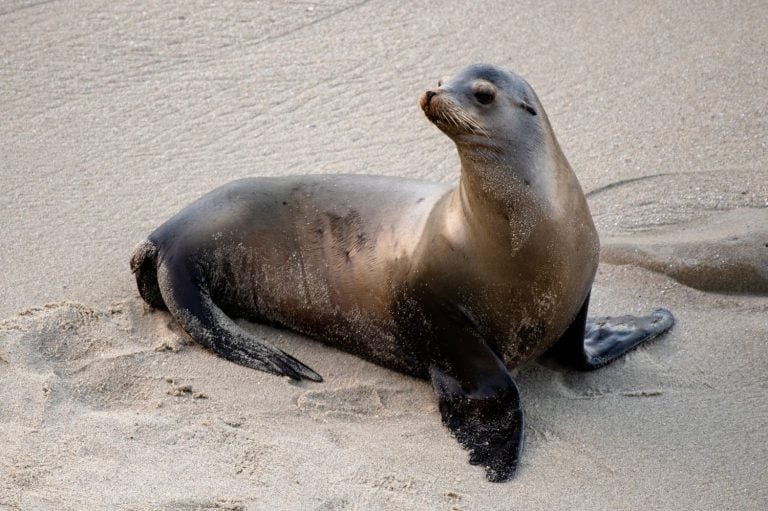
Ear flaps, flippers, and fierce colonies
Warm-blooded hunter of the seas
Thank you for reading! Have some feedback for us?
We appreciate your help in improving our content.
Our editorial team will review your suggestions and make any necessary updates.
There was an error submitting your feedback. Please try again.