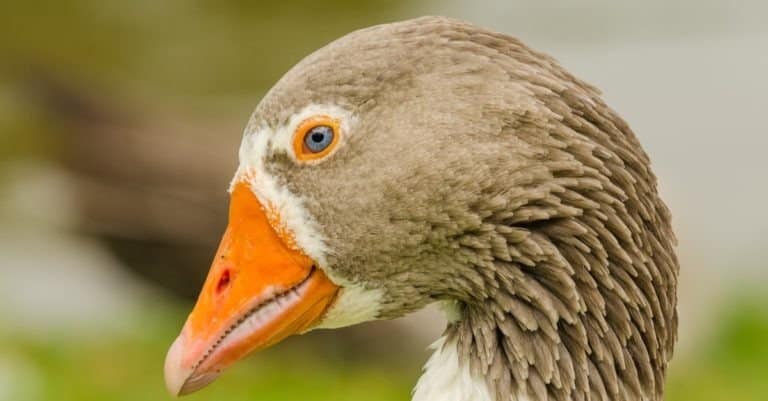
Goose
Webbed feet, sky roads, wetland lives

Webbed feet, sky roads, wetland lives

Not cavemen-Ice Age people
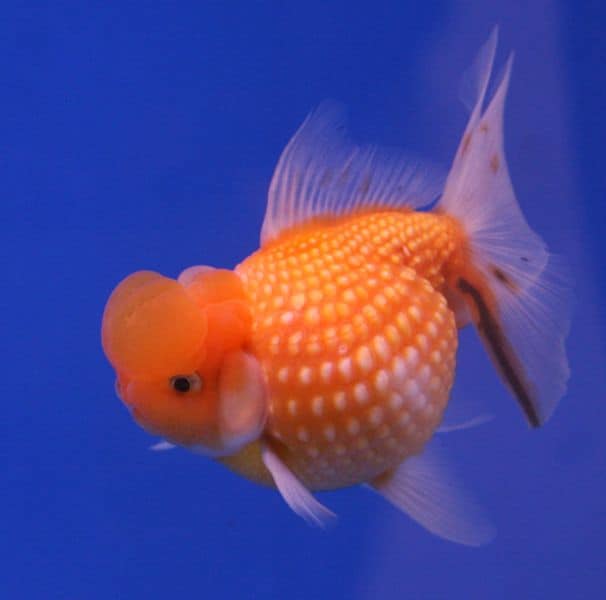
Bony rays, endless ways.

White hunter of the wide tundra

Built for blizzards, born for tundra
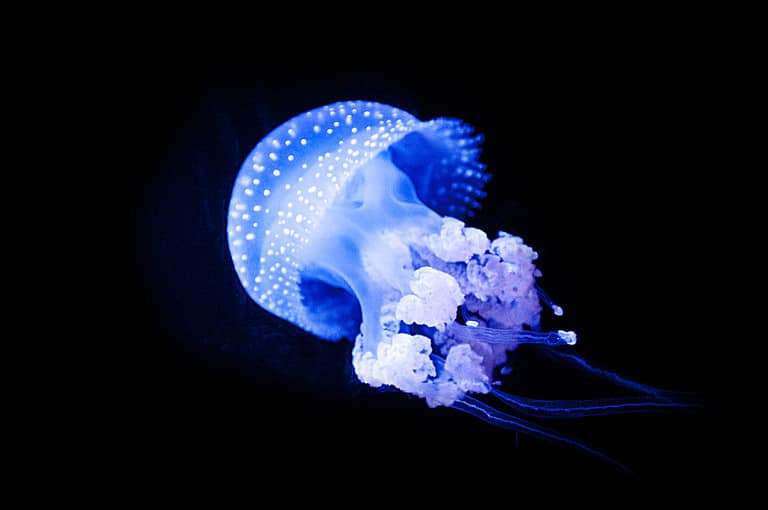
Sting-powered drifters of the sea

More than night flyers
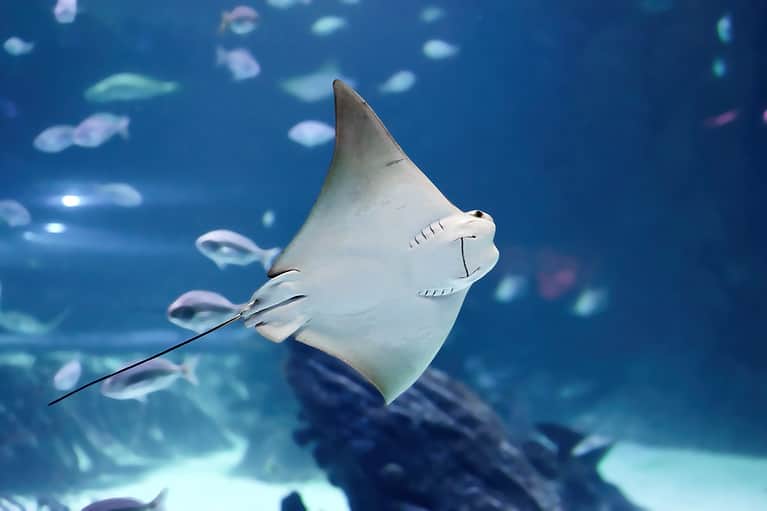
Stingrays: discs, senses, and surprises

Speed, smarts, and sky mastery

Small hunter, big household legend
A beach is a coastal habitat made of unconsolidated sediments (sand, gravel, pebbles, or cobbles) that are continually reworked by waves, tides, currents, and wind. It forms a shifting interface between land and the nearshore ocean, supporting organisms adapted to frequent disturbance, salt exposure, and rapid changes in moisture and temperature.
Beaches are a narrow, changing strip where the ocean meets loose sand. Shapes shift with tides, storms, seasons, and sea level. Plants are few; animals are mostly burrowers that tolerate shifting sand and flooding. Beaches trap wrack, feed shorebirds, seabirds, and turtles, link to wetlands and estuaries, and face development and sea-level rise.
High light exposure with minimal canopy; strong direct sun, high UV and glare from sand/water; frequent wind-blown salt spray; periodic shading only from dunes, wrack lines, or sparse coastal vegetation.
Nearshore marine waters with wave- and tide-driven swash zone; alongshore currents and rip currents common; salinity typically marine (≈30-37 PSU), but can be brackish near estuaries/river mouths and hypersaline in arid lagoons behind barrier beaches.
Medium - Beaches are physically stressful and frequently disturbed (waves, shifting sands, salt spray), so fewer species can specialize there compared with nearby habitats (rocky shores, seagrass beds, reefs, wetlands). However, they can support high local abundance and a distinctive community of specialized invertebrates and shorebirds, with diversity often increasing where beaches grade into dunes, tidal flats, or nearshore vegetated habitats and where wrack is retained.
Globally widespread but heavily modified; many beaches have reduced ecological function due to coastal development, shoreline armoring, intensive recreation, and altered sediment supply. Remaining natural beach-dune systems are increasingly fragmented, with biodiversity impacts on shorebirds, turtles, invertebrates, and dune vegetation.
Moderate. Beaches can recover if sediment supply and natural dynamics are maintained and human pressures are reduced (access control, dune rebuilding, invasive removal). However, restoration is often temporary where chronic erosion, shoreline armoring, or reduced sediment budgets persist; repeated nourishment can help maintain width but may simplify habitats and requires careful timing/material selection.
High. Beaches are among the most climate-exposed habitats due to sea-level rise, storm intensification, changing wave regimes, and heat effects on nesting fauna. Vulnerability is greatest where inland migration is blocked by development/armoring and where sediment supply is constrained.
Most "sand" on many tropical beaches isn't rock-ground quartz-it's biological: broken shells, coral fragments, and even fish-parrotfish poop can be a major contributor to carbonate sand in reef settings.
A beach isn't a fixed place; it's a moving conveyor belt of sediment. Sand can migrate alongshore for kilometers and offshore/onshore with seasons, so the beach you see is a snapshot of constant motion.
Beaches can be nutrient-poor "deserts" at the surface, yet the moist sand beneath is a busy habitat (the swash zone and interstitial spaces) where tiny animals live between grains.
Seaweed wrack (piles of washed-up algae) isn't just mess-it's a food base and shelter for insects, crustaceans, and shorebirds. Removing it can reduce beach biodiversity.
Many beach organisms are built for disturbance: ghost crabs, mole crabs, and beach hoppers can burrow fast to avoid waves, predators, and drying out-living where stability is rare.
Beaches can act like natural filters: as seawater and groundwater move through sand, microbes and sediments can trap or transform some materials-though this doesn't make polluted water "safe," it's part of coastal biogeochemistry.
Sand temperature matters more than you think: for many sea turtles, incubation temperature influences hatchling sex ratios, linking beach climate directly to population dynamics.
Some beaches are made of unexpected materials-like green olivine sand (Papakolea, Hawaii) or pink sand colored by tiny organisms' remains (for example, foraminifera in Bermuda and the Bahamas).
Think of a beach as a "living escalator" of grains: waves push sand up the slope, backwash pulls it down, and currents slide it sideways along the coast.
The swash zone is like a washing machine for sediment-each wave cycle sorts grains by size and density, leaving coarser material in higher-energy zones.
A dune-beach system functions like a savings account: dunes store sand "capital" that can be withdrawn during storms and slowly redeposited during calmer periods.
Wrack lines are the beach's version of a compost strip-where ocean-grown material fuels a land-based food web.
Beach sand is like a spongey, shifting apartment complex: countless tiny "rooms" between grains house microbes and small invertebrates, but the walls move constantly.
Seasonal beach profiles are like a haircut: calmer summer waves often build wider, gentler beaches, while stormier seasons can "buzz-cut" the shoreline by pulling sand offshore into bars.
The world's longest beach is often cited as Cassino Beach (Brazil), stretching roughly 240 km (about 150 miles) of continuous shoreline.
Some of the highest tides that constantly reshape beaches occur in the Bay of Fundy (Canada), with tidal ranges that can exceed 15 m (about 50 ft) in places-like the ocean "breathing" in and out on a skyscraper scale.
"Singing" or "booming" dunes and beaches are an extreme sound phenomenon: under the right grain size and dryness, sand can emit loud hums or booms that carry long distances (documented in deserts and some coastal dune systems).
One of the most powerful beach-shaping forces is storm surge plus waves: a single major storm can move more sand in hours than fair-weather waves move in months, rapidly erasing or rebuilding entire beach profiles.
Exceptionally white beaches (e.g., parts of the Bahamas) get their brightness from highly reflective carbonate sands-often dominated by bits of shells and coral rather than dark, mineral grains.
Built for blizzards, born for tundra

Built to dig. Born to endure.

Night pilots of the mammal world
Small hunter, big household legend
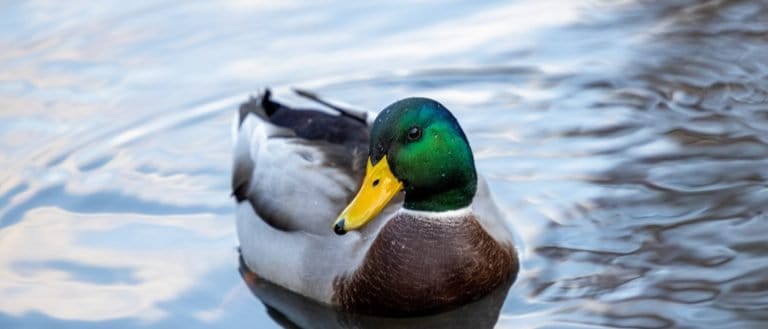
Webbed feet, world travelers.
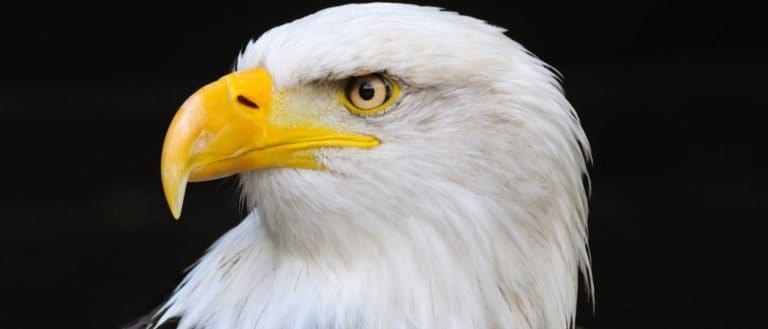
Built to soar, born to strike
Bony rays, endless ways.

From dunes to tundra-fox smart.
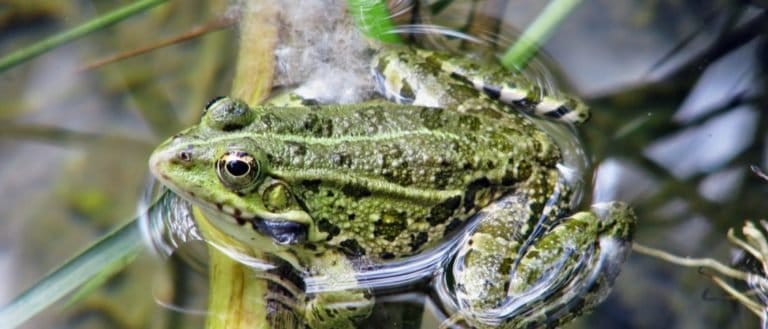
Tailless jumpers, masters of change
Webbed feet, sky roads, wetland lives
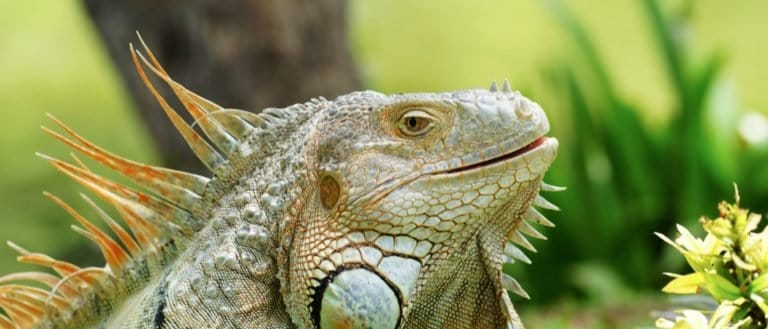
Sun-powered lizards of the Americas
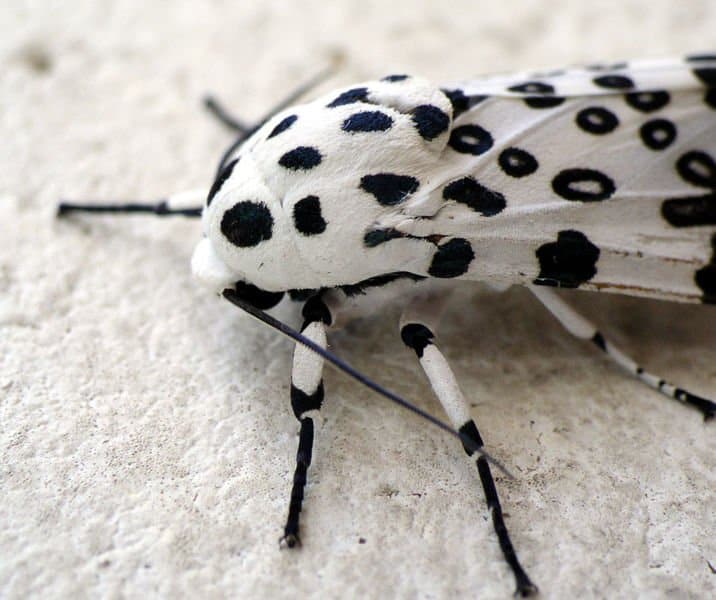
Six legs, endless lives.
Sting-powered drifters of the sea

From geckos to dragons-lizard power
More than night flyers
Not cavemen-Ice Age people
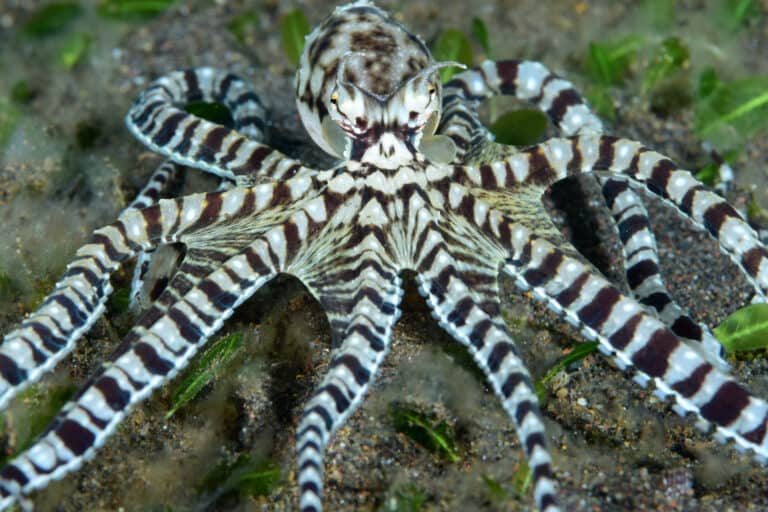
Eight arms, endless ingenuity
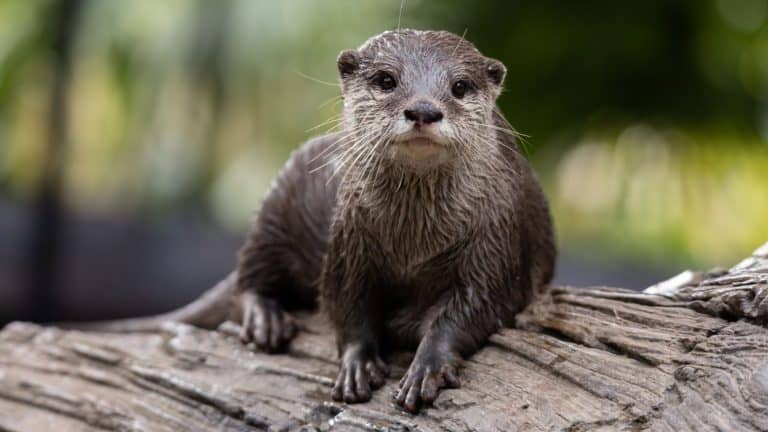
Built for water, born to hunt
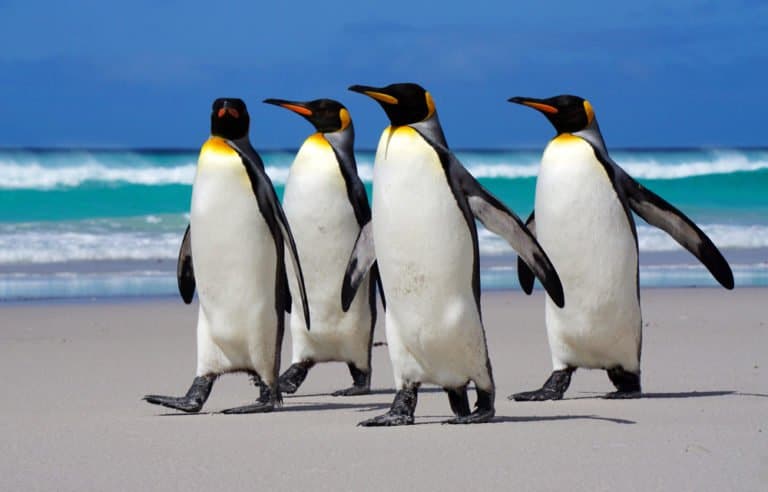
Born to dive, dressed to endure
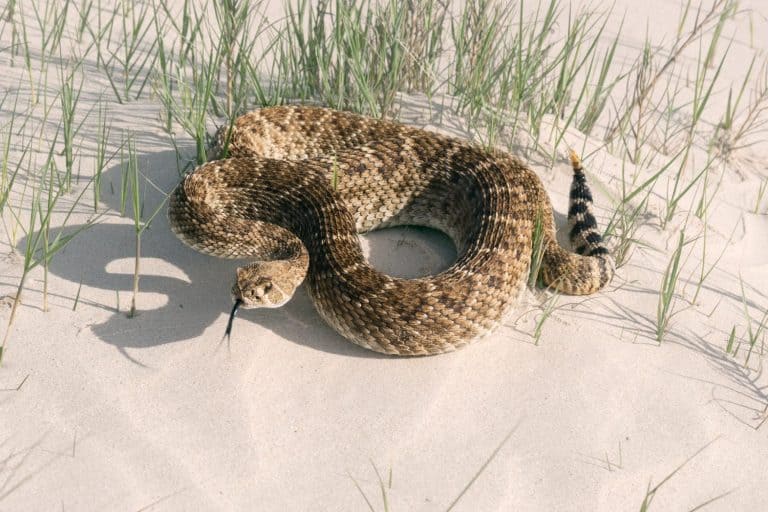
Hear the rattle, give it space.
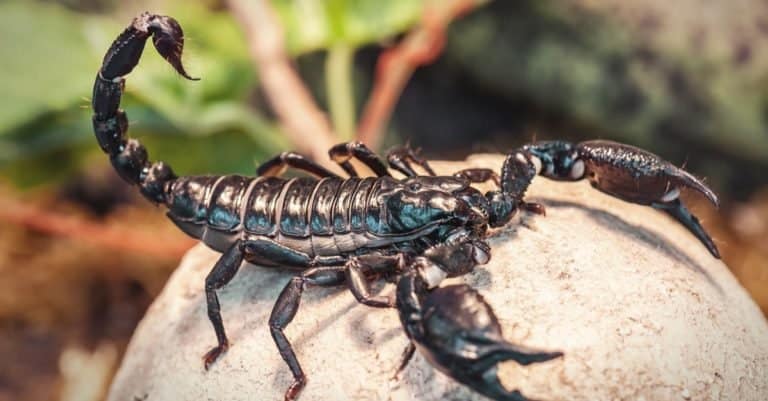
Glow at night, strike with precision
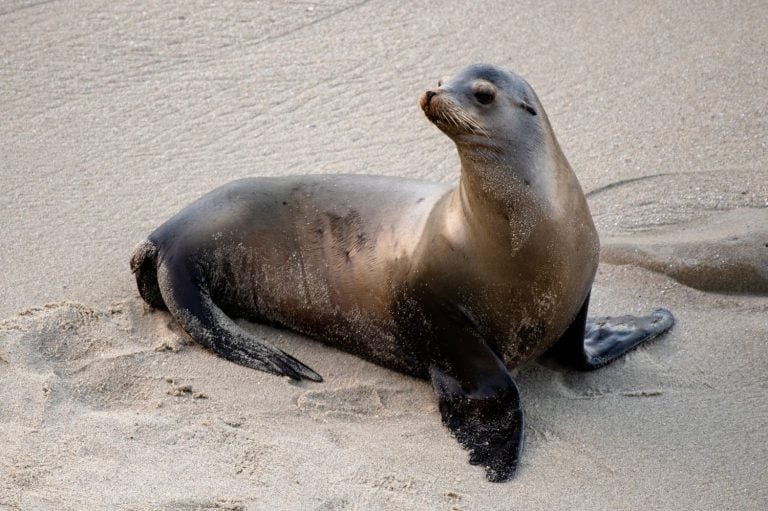
Ear flaps, flippers, and fierce colonies
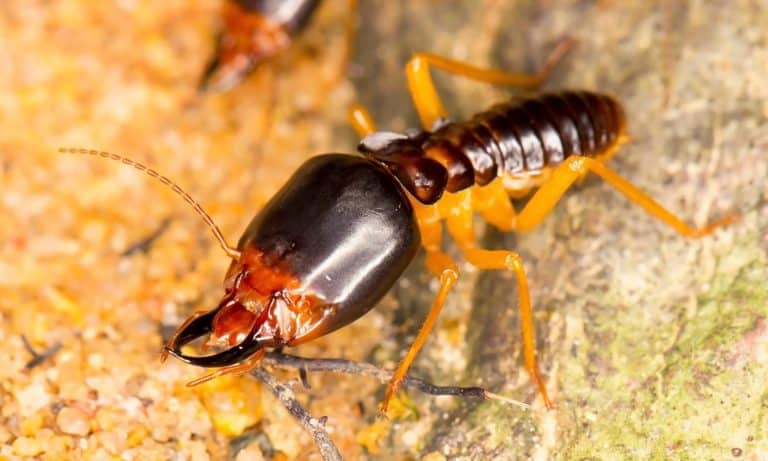
Nature's master recyclers (and builders)
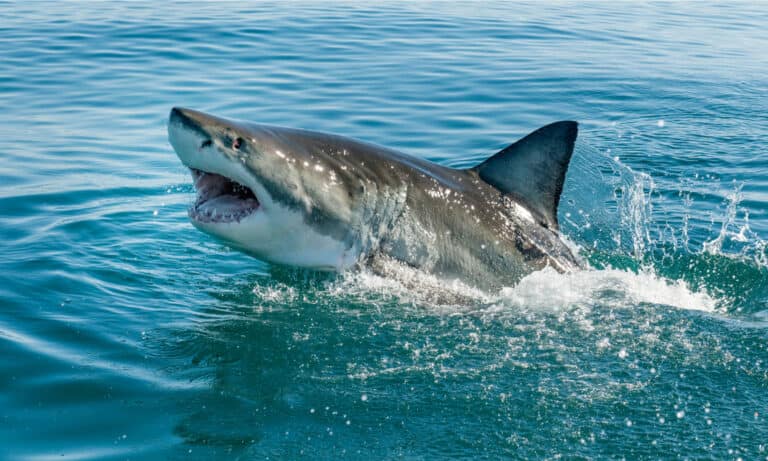
Warm-blooded hunter of the seas
Thank you for reading! Have some feedback for us?
We appreciate your help in improving our content.
Our editorial team will review your suggestions and make any necessary updates.
There was an error submitting your feedback. Please try again.