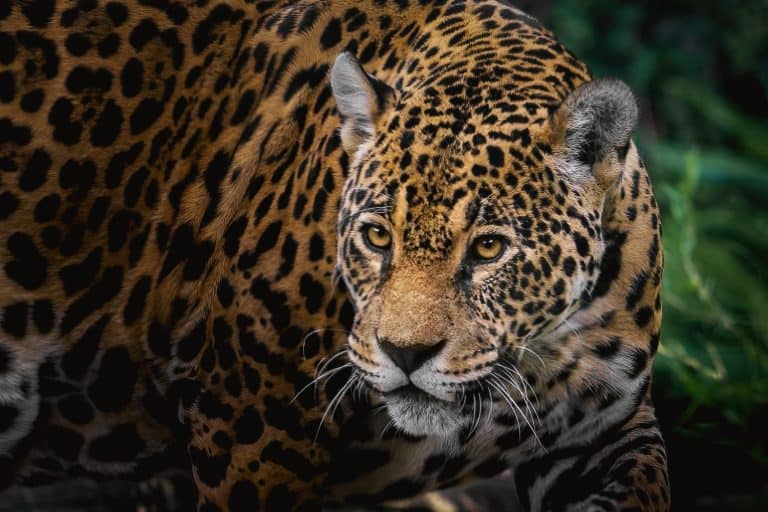
Jaguar
Power of the Americas' apex cat

Power of the Americas' apex cat
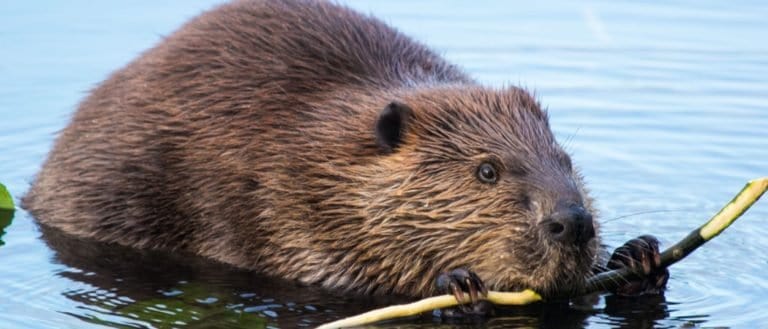
Build wetlands, shape worlds.
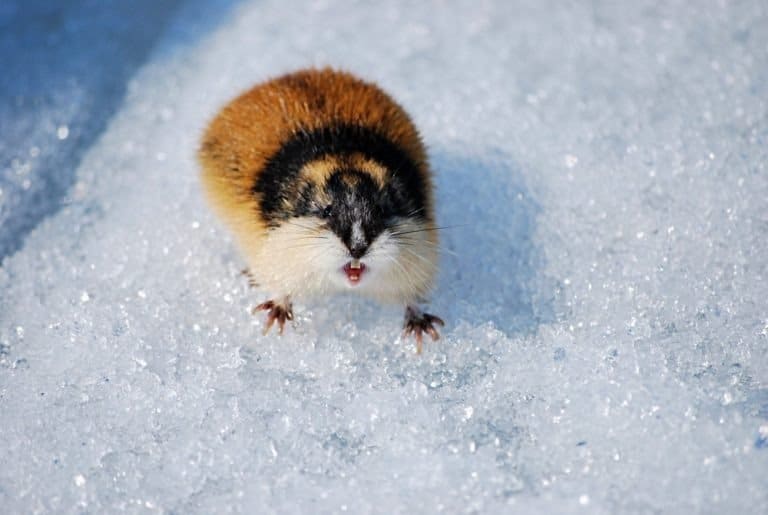
Small rodents, huge tundra impact

Big hops, big pouches, big variety
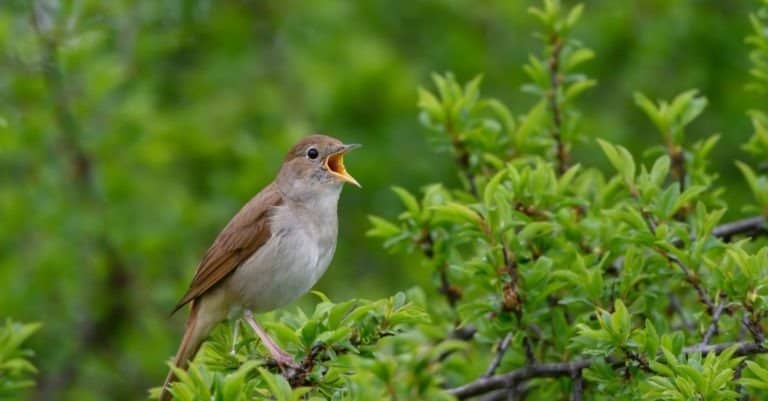
Plain feathers, legendary night song
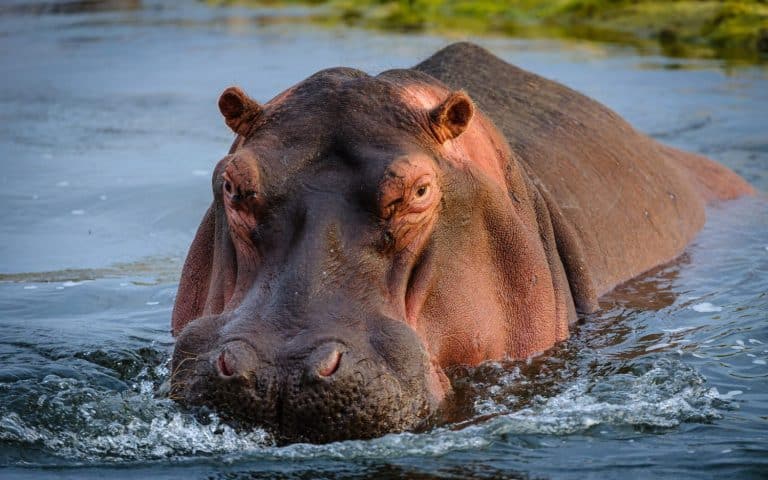
Big river grazer, bigger attitude
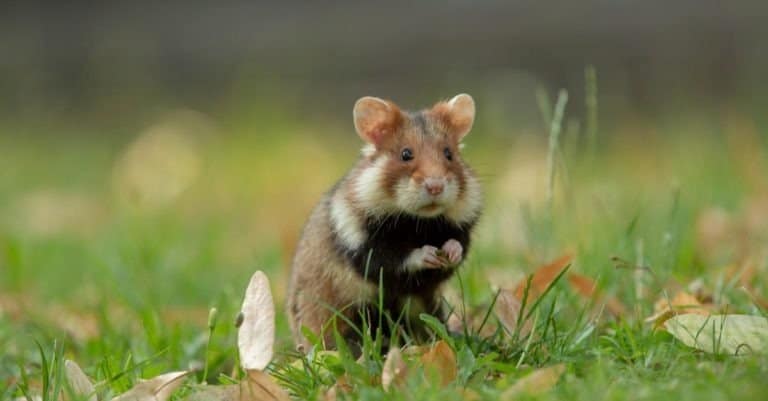
Pouches, burrows, and big impacts
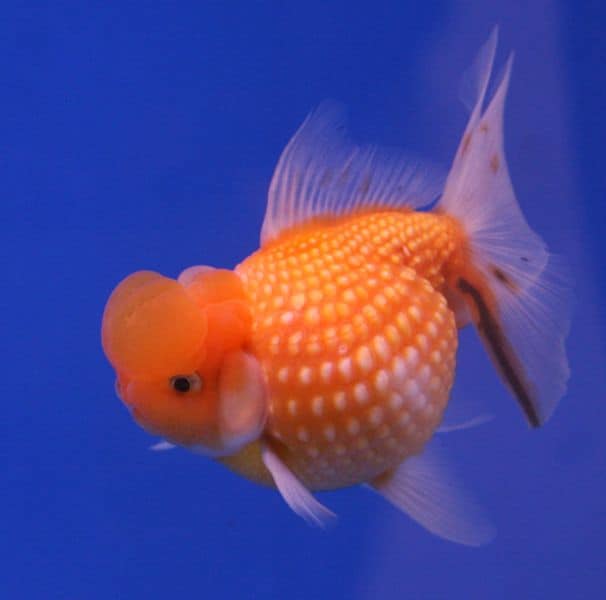
Bony rays, endless ways.
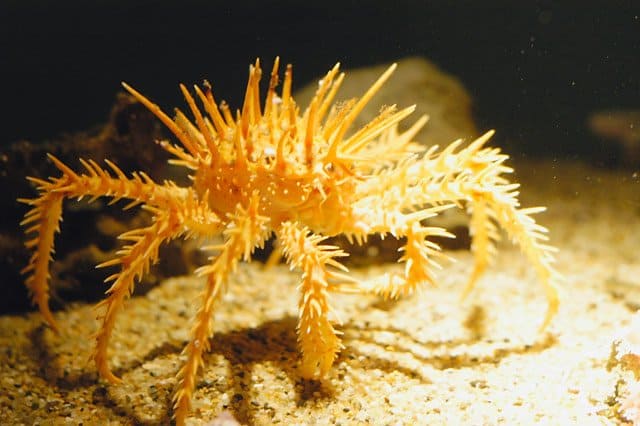
Cold-water royalty of the seafloor
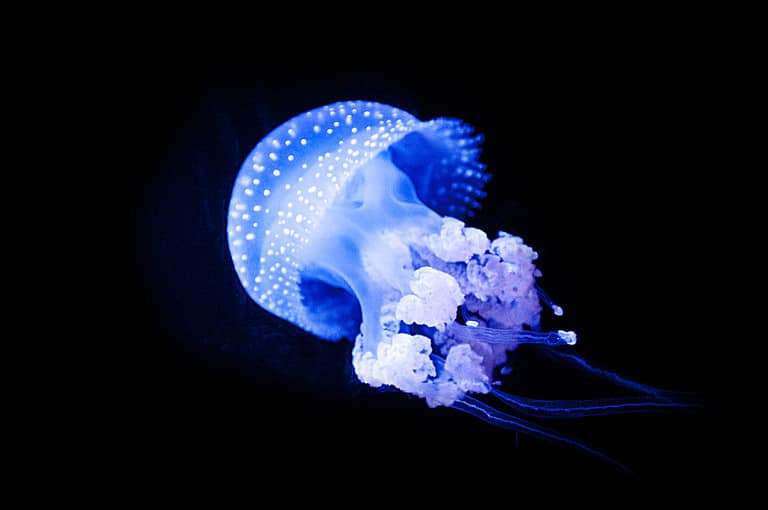
Sting-powered drifters of the sea
Nocturnality is an activity pattern in which an animal's primary period of wakefulness, locomotion, foraging, and other behaviors occurs during the night, while daytime is used mainly for resting or sheltering. It is typically regulated by circadian rhythms synchronized to the light-dark cycle and shaped by ecological pressures such as predation risk, temperature, and food availability.
Nocturnal animals do most of their activity after sunset and before sunrise and rest during the day in burrows, nests, roosts, or dens. Night activity is not just a taste for dark; it is a biological timing set by internal body clocks (circadian) and adjusted by cues like light, season, and local conditions. Being active at night can help animals stay cooler and lose less water, avoid predators and competitors that use sight, and match feeding times to when prey or plant food is easiest to get. Many nocturnal species have special senses and behaviors for low light — more hearing, smell, touch, vibration sensing, or echolocation — and eyes for dim light. Nocturnality ranges from strict night-only activity to flexible night use that shifts with moonlight, people or seasons.
Etymology: From a Latin term meaning "of the night," ultimately from an ancient Indo-European root meaning "night."
Nocturnal animals are active all night without rest (many show peaks of activity and still rest intermittently)
Nocturnal means an animal cannot function or see during the day (many can; they simply prefer or are adapted to night activity)
All nocturnal animals have "superior night vision" (some rely primarily on non-visual senses like smell, hearing, or echolocation)
From dusk through the night to just before/around dawn (generally avoiding full daylight).
~30-90 minutes after local sunset (often beginning at civil twilight end; later on bright moonlit nights).
Typically bimodal: strongest activity in the first 2-4 hours after sunset and again in the last 1-3 hours before dawn; some species show a single midnight-centered peak in very hot/arid regions.
~30-90 minutes before local sunrise (often ending by civil twilight start; earlier if exposed/at risk during dawn light).
Activity timing tracks changing night length: in summer (short nights) activity windows compress and may concentrate closer to midnight or into the darkest hours; in winter (long nights) activity windows expand, often starting earlier after dusk and ending later before dawn. Temperature and prey availability can further shift timing-e.g., in hot seasons activity may delay until later night; in cold seasons some species reduce total activity or increase crepuscular use on milder nights.
At high latitudes, nocturnality can become flexible. During polar summer with continuous daylight, strictly nocturnal patterns may weaken or shift to the lowest-light portion of the day (around local 'midnight'/solar minimum) and/or become more crepuscular or cathemeral. During polar winter with continuous darkness, activity may spread across the 24-hour period with peaks aligned to other cues (temperature, tides, prey cycles, predator risk) rather than sunrise/sunset. Under extended twilight regimes, 'night' is dominated by dim light, so animals may remain active but preferentially use cover or microhabitats during brighter twilight.
Nocturnality often evolves when daytime predation risk is high or when prey are easiest to catch at night. Prey species gain protection by moving when diurnal predators (many raptors and visually oriented hunters) are less effective, while nocturnal predators (e.g., owls, cats, some snakes) evolve enhanced low-light hunting and stealth. This can create an evolutionary "arms race": prey shift activity later/darker and improve vigilance/cryptic behavior, while predators refine night vision, hearing, and silent locomotion.
Being active at night helps animals avoid daytime heat loads, reducing overheating risk and minimizing evaporative water loss-especially in deserts, open habitats, and the tropics. Cooler nighttime air and ground temperatures make sustained movement and foraging energetically cheaper, allow longer activity bouts, and can reduce reliance on water-intensive cooling (panting/sweating).
Being active at night (nocturnal) splits time as a niche, letting species share the same habitat and food with fewer direct encounters. By looking for food and mating at night, animals cut interference competition (aggression, being pushed off feeding sites) and use resources after diurnal competitors stop feeding.
Many key resources peak at night: nocturnal insects emerge, small vertebrate prey become active, and some plants open flowers or make nectar to attract bats and moths. Night foraging can find food more easily because scent builds in cooler air and there is less daytime guarding. Using these night peaks improves feeding success and reproduction.
Adapted for low-light (scotopic) conditions to maximize photon capture and motion detection, often trading fine color/detail for sensitivity.
Enhanced sound detection and localization to compensate for low visibility, supporting prey detection, predator avoidance, and social communication at night.
Humans are mostly active during daylight and indoors at night, so our routines overlap poorly with nocturnal animals' peak activity. Many nocturnal species also avoid people by using cover (hedgerows, tree canopies, burrows) and moving quietly, and they often freeze or retreat when they detect footsteps, voices, or flashlight beams. In addition, low light reduces human detection-our night vision and distance judgment are limited compared to many nocturnal animals' hearing, smell, and light-sensitive eyes-so even when they're nearby, we often miss them.
Focus on the transition periods: dusk (30-90 minutes after sunset) and pre-dawn (60-30 minutes before sunrise) when many nocturnal species leave or return to shelter. In the middle of the night, activity can peak around food availability (e.g., insect-heavy warm evenings) and quieter windows (after late-evening traffic dies down). Choose calm, dry nights with mild temperatures; avoid windy or stormy conditions that reduce movement and make listening harder. Look along habitat edges (woodland-field borders, riverbanks, park margins) and use indirect, low-intensity lighting when necessary.
Nocturnal animals often exploit cities by shifting deeper into night to avoid humans and traffic, using green corridors (rail lines, canals, riparian strips, connected parks) as travel routes, and denning/roosting in structures (attics, bridges, culverts) or small patches of cover. Many take advantage of predictable urban food sources (trash, pet food, rodents around buildings, insects around lights), and some adjust their timing to quieter periods (late night/early morning) to reduce risk. Successful urban nocturnal species tend to be behaviorally flexible, tolerant of noise, and able to navigate fragmented habitats.
Artificial light can disrupt nocturnal animals by reducing darkness-dependent advantages (stealth, concealment), altering navigation (especially for bats and migrating or dispersing individuals), and changing biological rhythms (hormones, sleep/rest cycles, breeding timing). It can reshape food webs: insects may aggregate around lamps, attracting predators (some bats/spiders) while deterring light-averse species, and prey species may avoid lit areas, effectively fragmenting habitat. Bright, blue-rich lighting often has stronger impacts than warmer, shielded lights; constant illumination can create chronic stress and shift activity patterns, sometimes pushing animals into darker, riskier routes or reducing overall foraging time.
Found across: Mammals (very common: bats, many rodents, carnivores, primates like lorises/tarsiers), Birds (notable: owls, nightjars, kiwis), Reptiles (common in geckos and some snakes), Amphibians (many frogs and salamanders are nocturnal), Insects (very common: moths, many beetles; many are active at night), Arachnids (many spiders and scorpions are nocturnal), Fish (many reef and deep-sea species show nocturnal activity)
Nocturnality partitions time as a key ecological niche, reducing direct competition with diurnal species for space and food while extending total community foraging and predation across the 24-hour cycle. Nocturnal predators and insectivores regulate nighttime prey populations (e.g., rodents, insects), shaping trophic cascades and reducing herbivory pressure on plants. Nocturnal pollinators and seed dispersers (e.g., bats, moths) maintain reproduction of night-blooming plants and contribute to gene flow and plant community structure. Many nocturnal species also act as prey, transferring energy to higher trophic levels and supporting night-active food webs.
"Nocturnal" doesn't always mean pitch-black activity: many nocturnal animals peak at dusk and dawn, adjusting their schedules with moonlight, weather, and predators.
A lot of nocturnal hunters can "see" with sound: owls and some other night predators use extremely precise hearing to pinpoint prey even when it's hidden under leaves or snow.
Night vision often comes with trade-offs: many nocturnal animals sacrifice sharp detail and color vision to gain better low-light sensitivity, relying more on motion detection and brightness.
Some nocturnal mammals have special reflective tissue behind the retina (tapetum lucidum) that boosts low-light vision-yet it can also make their eyes glow when light hits them at the right angle.
Artificial light at night can scramble nocturnal routines: streetlights and illuminated buildings can shift feeding times, alter predator-prey interactions, and disrupt migration or breeding behaviors in some species.
Tapetum lucidum is like a built-in "rear-view mirror" for light in the eye-bouncing photons back through the retina to give vision a second chance in the dark.
Nocturnal sensory strategy is like switching from a high-resolution camera to "night mode": fewer colors and fine details, but a much brighter, more usable image.
Many nocturnal animals' large pupils work like opening a camera aperture wide-letting in more light, but reducing depth of field and sometimes sharpness.
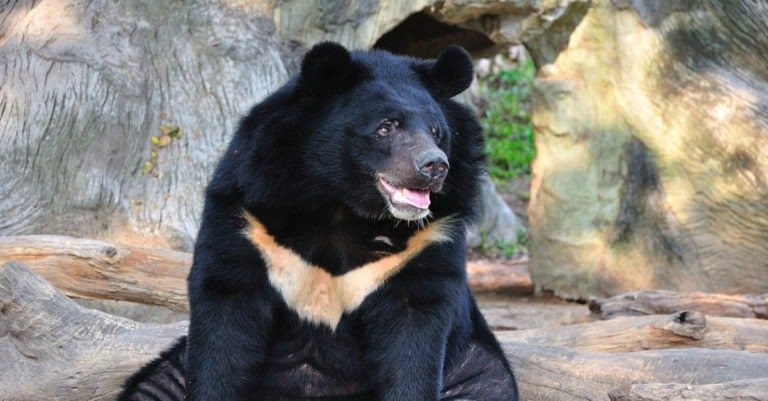
Moon-marked climber of Asian forests
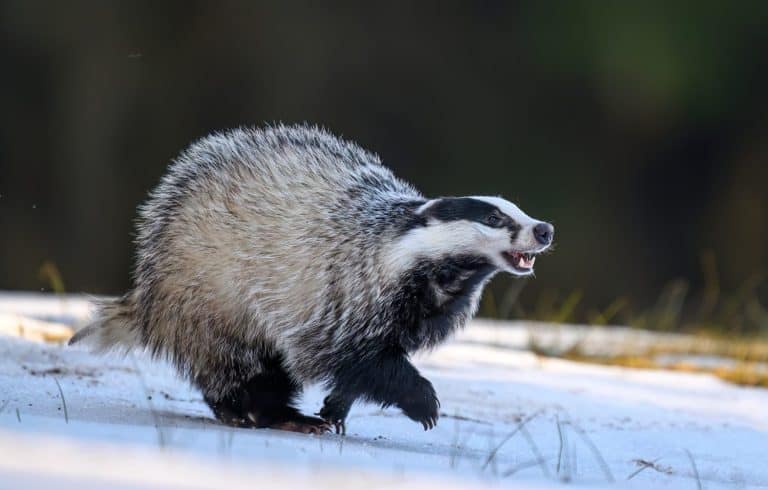
Built to dig. Born to endure.
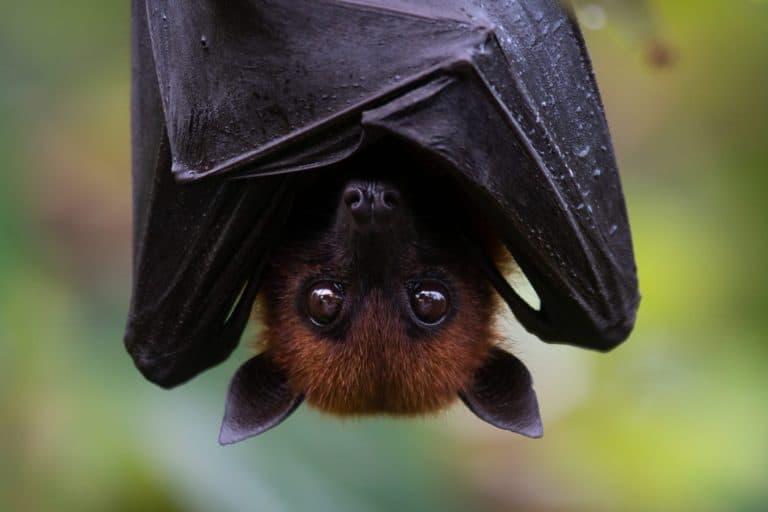
Night pilots of the mammal world
Build wetlands, shape worlds.
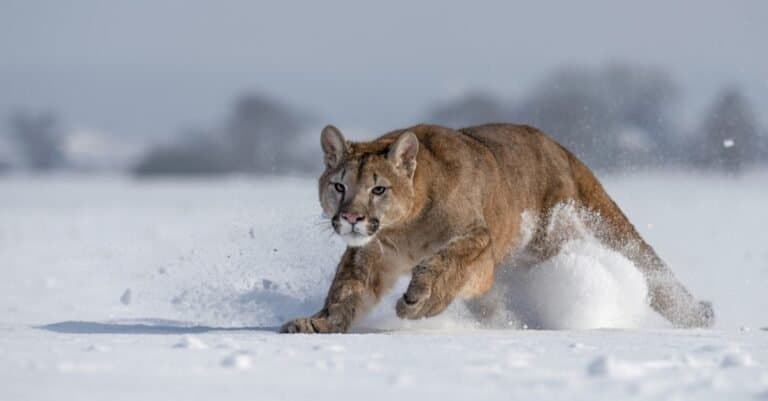
One cat. Two continents.
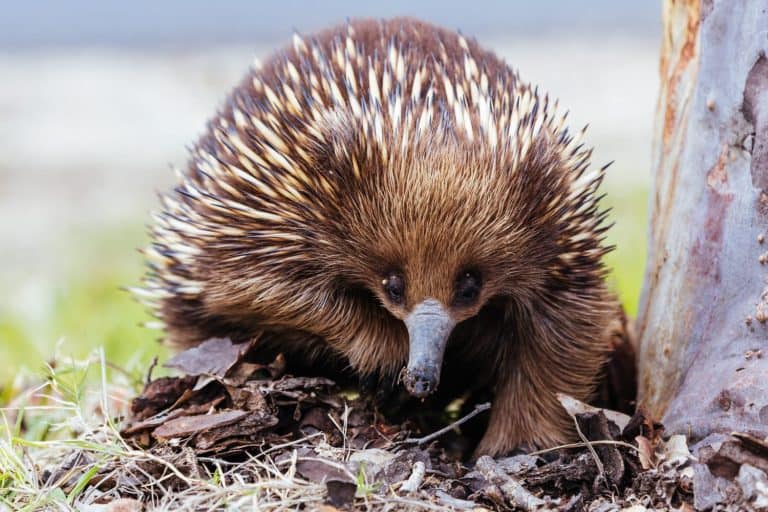
Spines, eggs, and ant-eating mastery
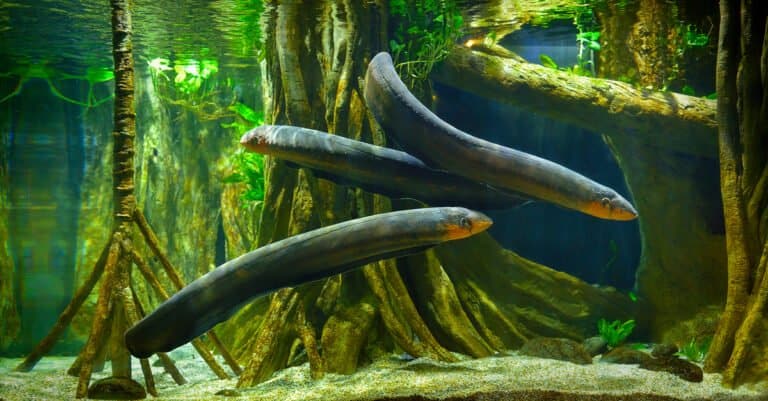
Lightning hunter of the Amazon
Bony rays, endless ways.
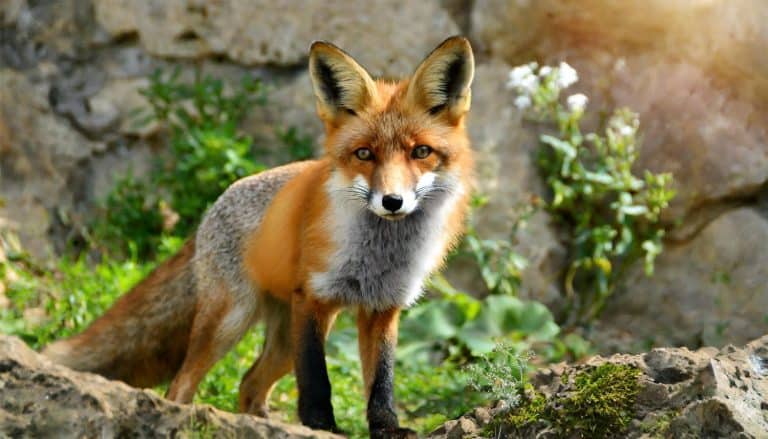
From dunes to tundra-fox smart.
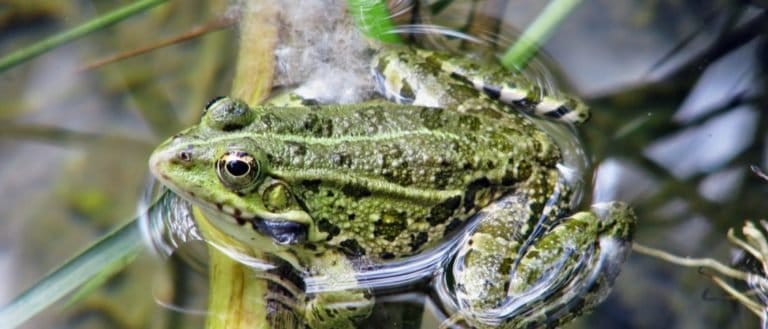
Tailless jumpers, masters of change
Pouches, burrows, and big impacts
Big river grazer, bigger attitude
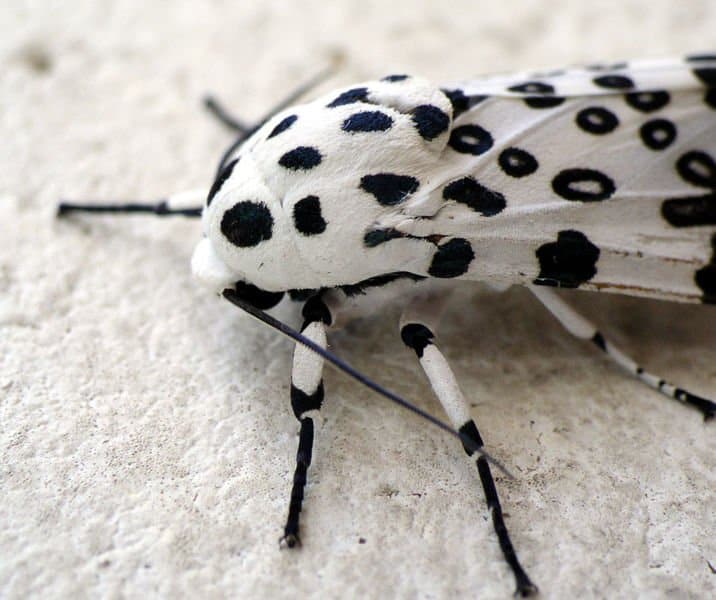
Six legs, endless lives.
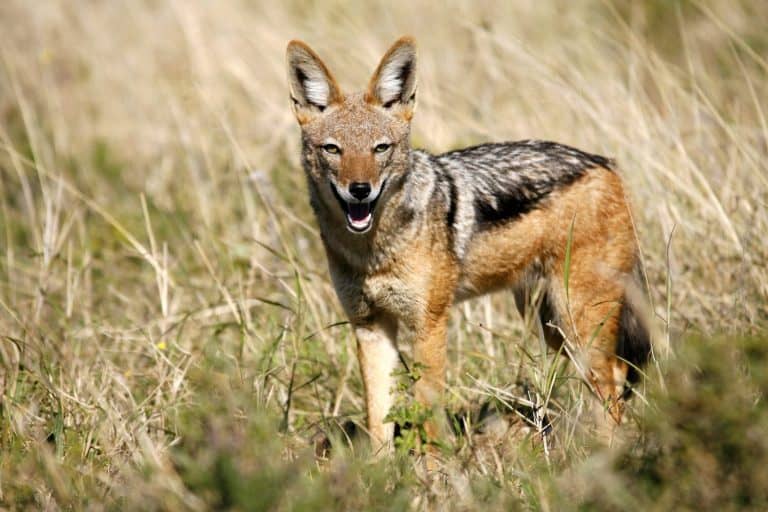
Small canids, big survival skills
Power of the Americas' apex cat
Sting-powered drifters of the sea
Big hops, big pouches, big variety
Cold-water royalty of the seafloor
Small rodents, huge tundra impact
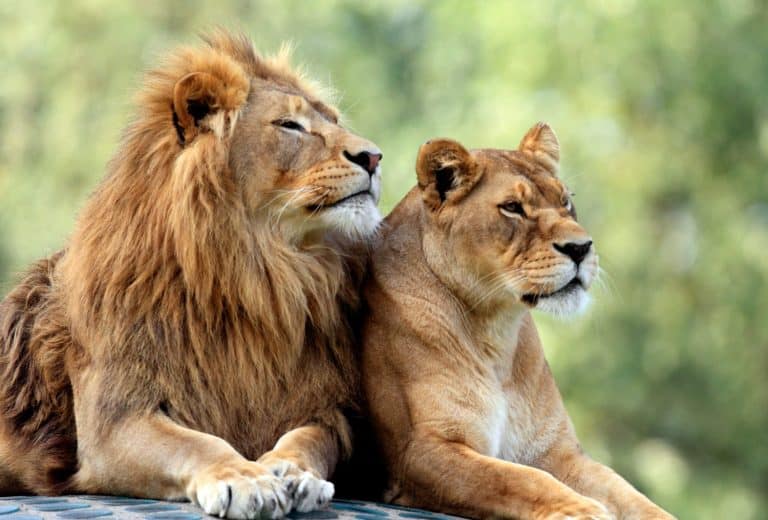
Built for prides, born for the hunt
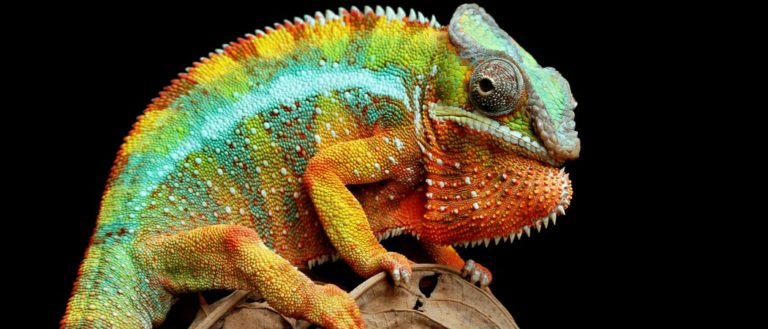
From geckos to dragons-lizard power
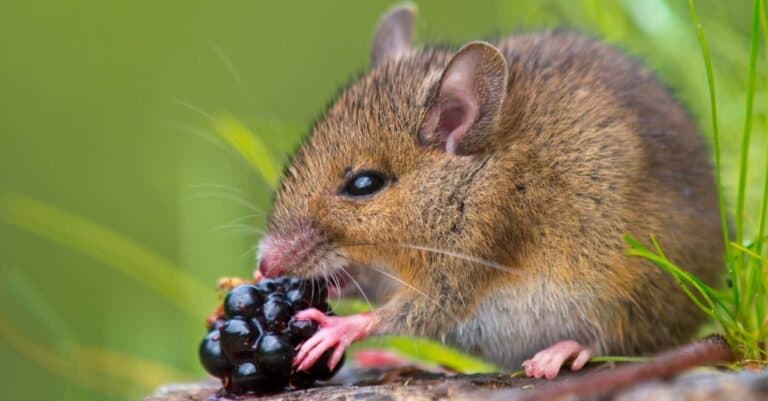
Small gnawers, huge impact.
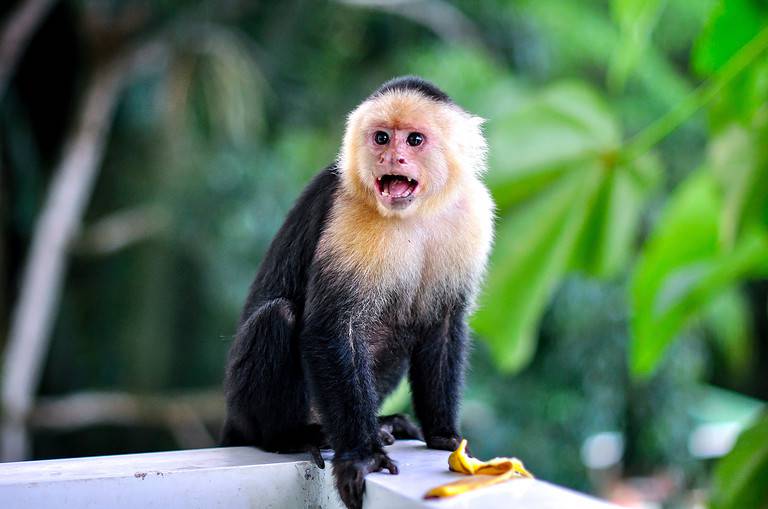
Hands, minds, and social lives
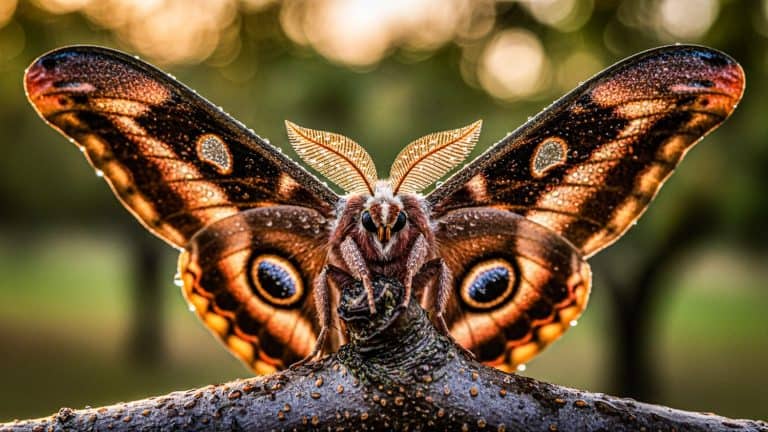
More than night flyers
Thank you for reading! Have some feedback for us?
We appreciate your help in improving our content.
Our editorial team will review your suggestions and make any necessary updates.
There was an error submitting your feedback. Please try again.