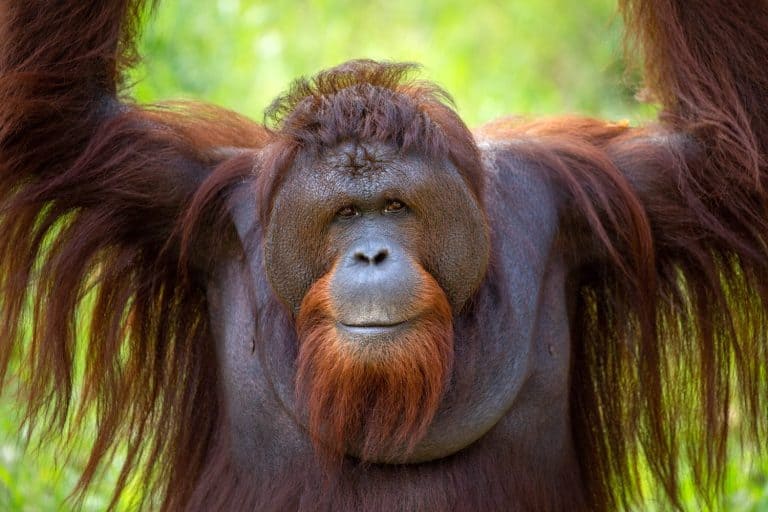
Orangutan
Red apes, rainforest architects

Red apes, rainforest architects
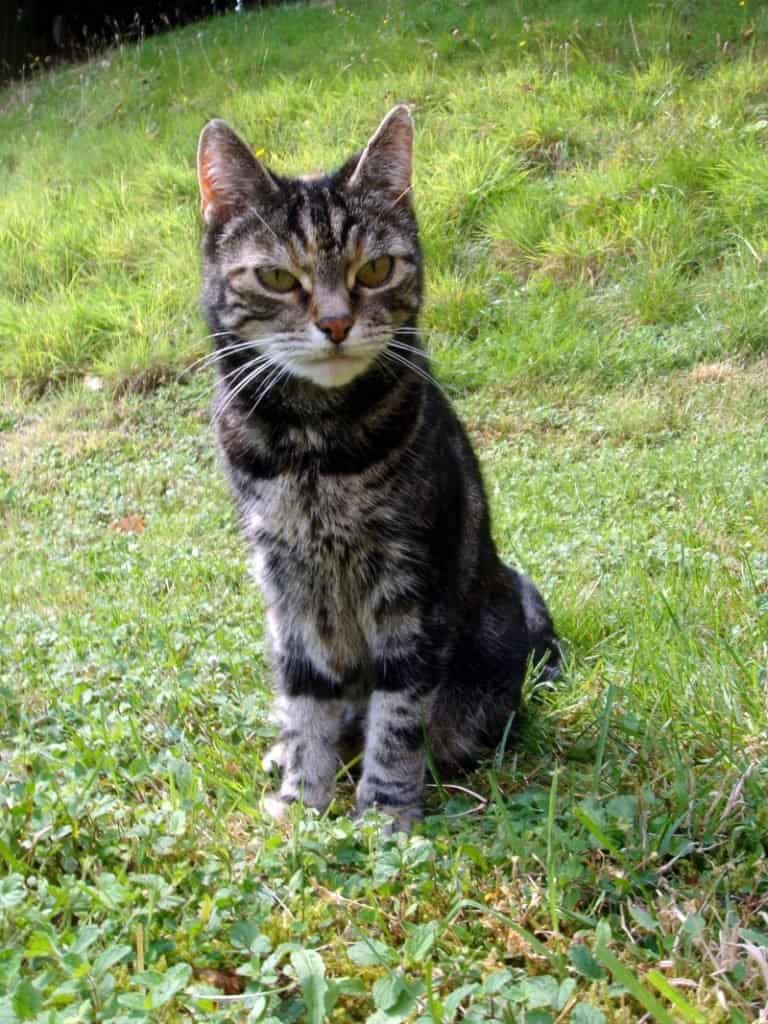
Small hunter, big household legend
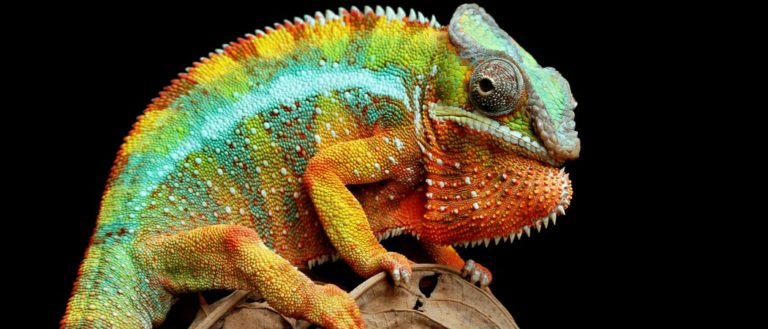
From geckos to dragons-lizard power
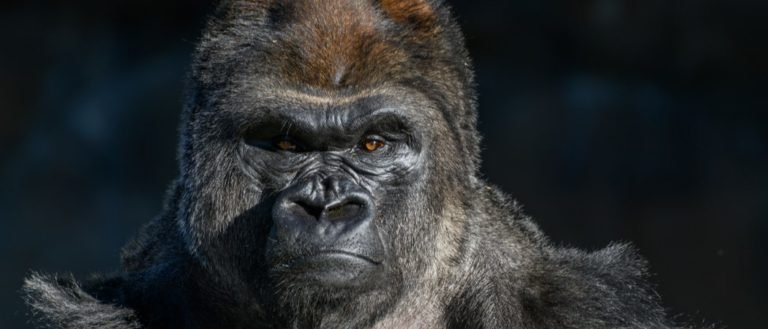
Gentle giants of the African forests
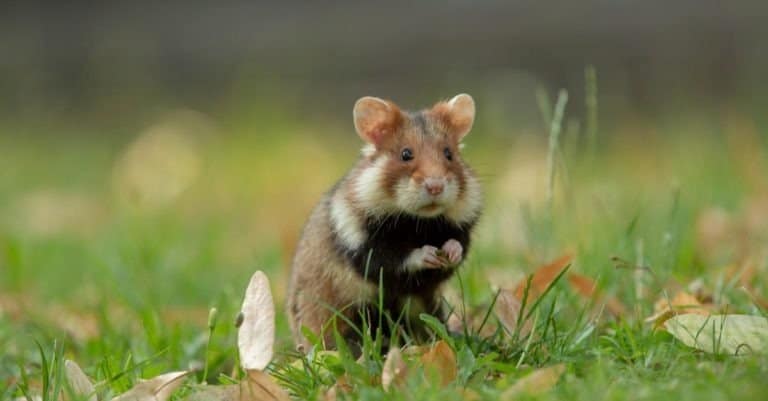
Pouches, burrows, and big impacts
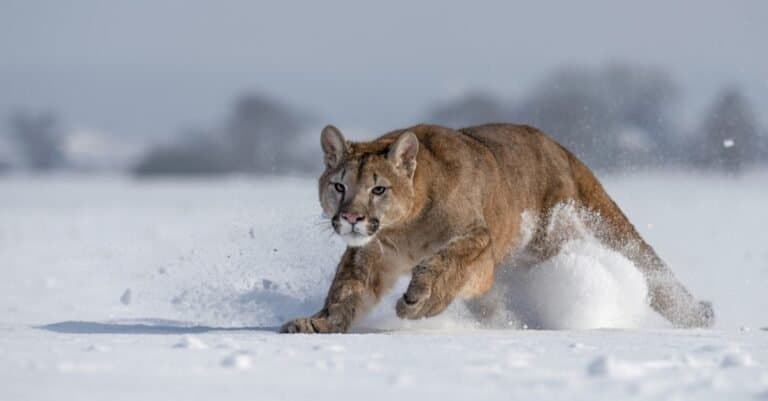
One cat. Two continents.
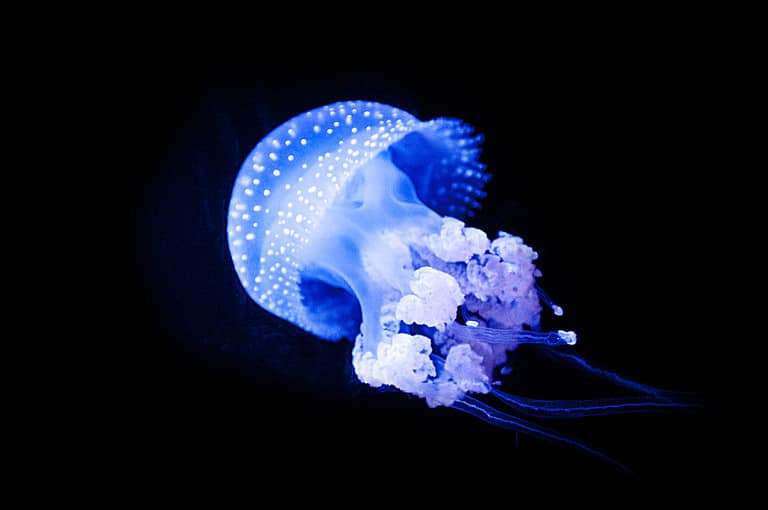
Sting-powered drifters of the sea
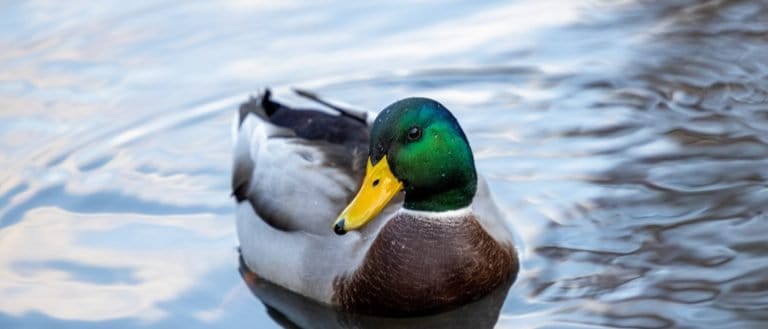
Webbed feet, world travelers.
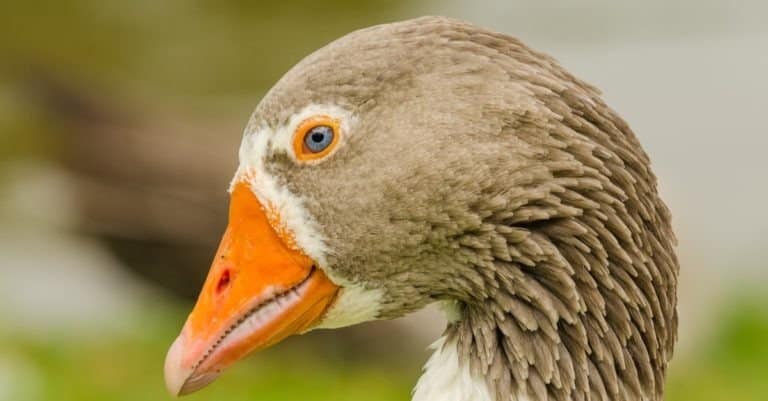
Webbed feet, sky roads, wetland lives
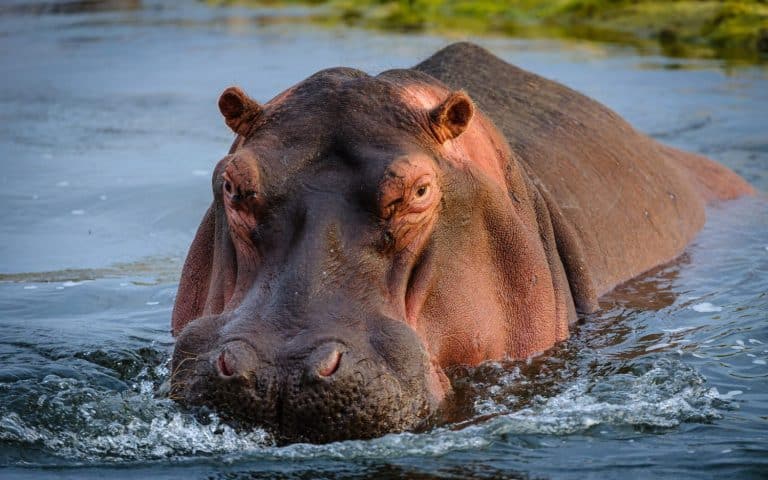
Big river grazer, bigger attitude
A swamp is a wetland dominated by trees, palms, or woody shrubs where water is standing or moves slowly for much of the year. It is defined by waterlogged soils, periodic or prolonged flooding, and vegetation adapted to saturated, low-oxygen conditions.
Swamps form where water gathers along river floodplains, lake edges, coastal lowlands, and poorly drained basins. Water may be seasonal or permanent, making very wet, low-oxygen soils that slow decay. Woody plants with special roots provide shelter and breeding sites for many animals. Swamps store floodwater, filter pollutants, hold carbon (peat swamps), and are harmed by drainage and land change.
Variable and often filtered: canopy cover creates dappled to low understory light; open patches and edges receive high light. High turbidity/tannins can reduce underwater light penetration.
Standing to slow-moving freshwater or mildly brackish water; dominated by floodplain backwaters, oxbows, sloughs, or depressions. Currents are generally low except during flood events; salinity typically fresh (<0.5 PSU), but coastal swamps may be slightly brackish (~0.5-5 PSU) with tidal influence.
High - swamps typically support many niches across canopy, understory, open-water patches, and submerged woody debris; strong seasonal flooding creates pulses of nutrients and habitat that boost productivity, and the mix of aquatic and terrestrial conditions allows both water- and land-adapted species to coexist (though diversity can be locally limited where water quality is poor or hydrology is heavily altered).
Globally degraded and declining. Swamps (forested/shrub wetlands) have been extensively converted or hydrologically altered for agriculture, forestry, settlement, and flood control. Many remaining swamps are fragmented, polluted, or disconnected from natural flooding regimes, though large intact complexes still persist in parts of the tropics and major floodplains.
Moderate to high where land conversion is not permanent and hydrology can be re-established. Swamps can recover structure and function over years to decades if flooding regimes, water quality, and connectivity are restored; recovery is slower where peat soils have oxidized/subsided, salinity has intruded, or repeated fires/invasives have reset vegetation.
High. Swamps are tightly controlled by water levels and flood timing; climate-driven drought, heat, altered precipitation, and extreme events can cause tree mortality, increased fire risk, and shifts to different wetland types. Coastal and deltaic swamps are especially vulnerable to sea-level rise, storm surge, and salinization, while inland floodplain swamps are vulnerable to changes in river flow and timing.
Swamps aren't just muddy "dead zones"-they can be highly productive ecosystems where plants grow fast and food webs are busy year-round.
Many swamp trees can "breathe" in flooded soils: cypress knees and pneumatophores (specialized root structures) help move oxygen to roots when soils are waterlogged.
The tea-colored water in many forested swamps isn't pollution-it's often natural tannins from decaying leaves and wood, like a giant cup of steeped black tea.
Floods can be a feature, not a failure: periodic inundation brings nutrients, reshapes channels, and can reduce competition from plants that can't tolerate saturated soils.
Some swamps are surprisingly quiet about decomposition-low oxygen slows microbes, so fallen logs and leaf litter can persist longer than in dry forests.
Swamps can act like natural "kidney filters," trapping sediments and processing nutrients as water moves slowly through vegetation and soils.
A swamp is like a sponge with trees: it holds water on the landscape and releases it slowly, helping moderate floods and droughts.
Think of swamp soils as a waterlogged pantry-because oxygen is limited, "food" (dead plant matter) breaks down more slowly than in a well-aerated forest floor.
A swamp is the forest version of a marsh: both are wetlands, but swamps are dominated by woody plants (trees/shrubs), while marshes are dominated by grasses and reeds.
Swamps function like speed bumps for water-slow flow means more time for sediments to settle out and for nutrients to be transformed.
If a river is a conveyor belt, a swamp is the sorting station: water spreads out, slows down, and materials get stored, filtered, or redirected.
The world's largest tropical wetland is the Pantanal (Brazil, Bolivia, Paraguay)-a vast mosaic of swamps, marshes, and flooded forests that can swell dramatically in the wet season.
North America's largest swamp is often cited as the Atchafalaya Basin (Louisiana, USA), a huge river-swamp system shaped by the Mississippi River's floodwaters.
Some swamp trees are longevity champions: bald cypress in southeastern U.S. swamps can live for well over a thousand years, persisting through centuries of floods and droughts.
Swamps can be carbon "heavyweights": waterlogged soils slow decay, allowing some swampy wetlands to store large amounts of carbon per area compared with many upland forests.
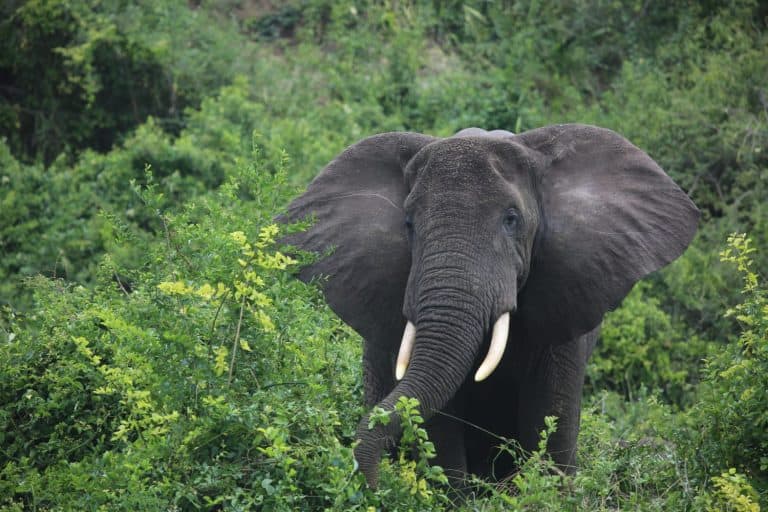
The rainforest's master gardener
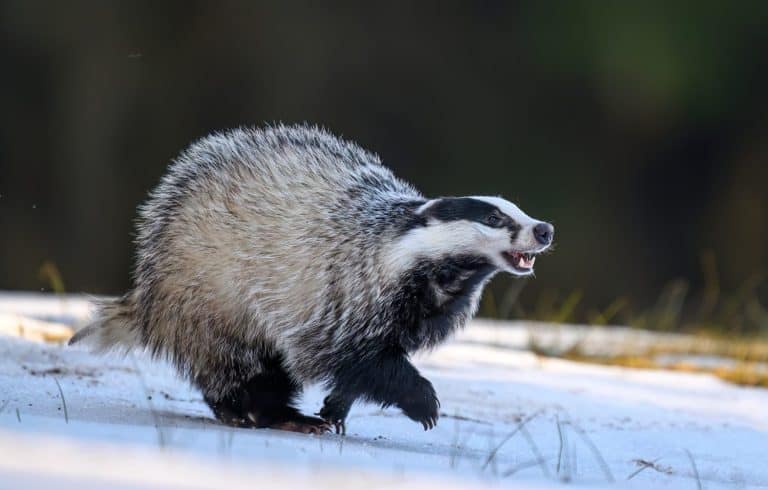
Built to dig. Born to endure.
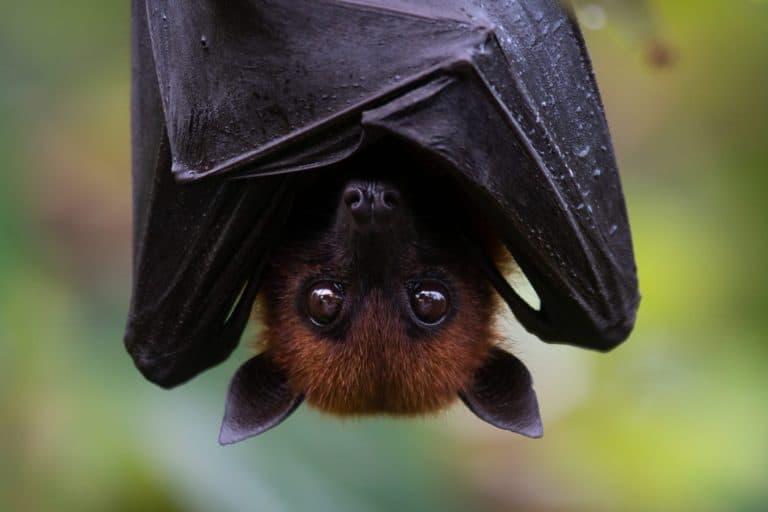
Night pilots of the mammal world
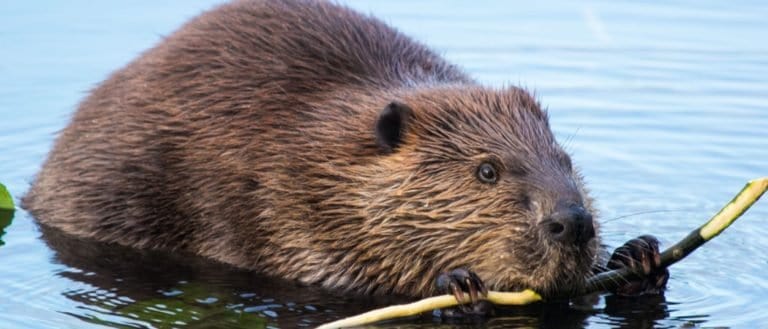
Build wetlands, shape worlds.
Small hunter, big household legend
One cat. Two continents.
Webbed feet, world travelers.
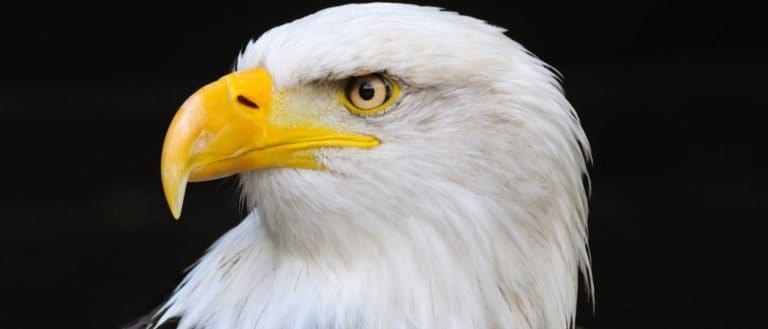
Built to soar, born to strike
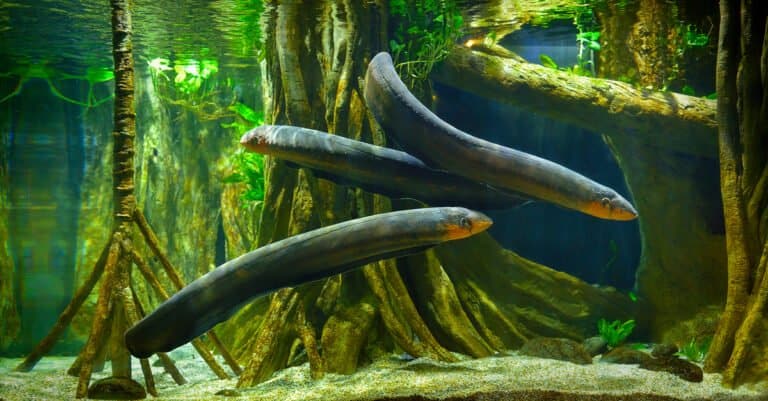
Lightning hunter of the Amazon
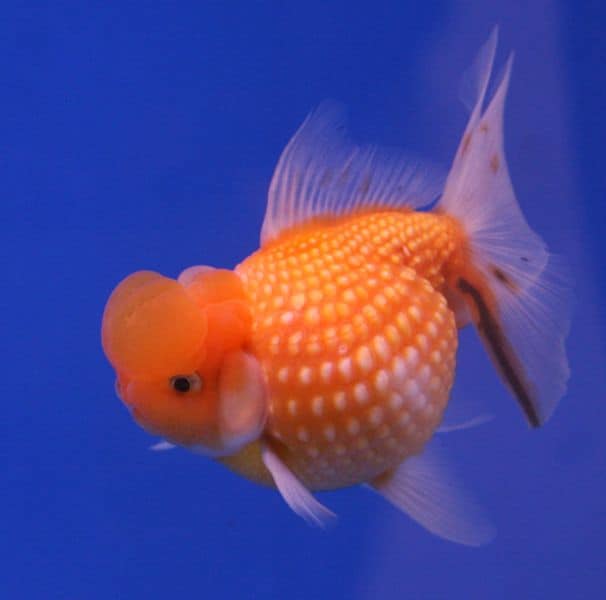
Bony rays, endless ways.
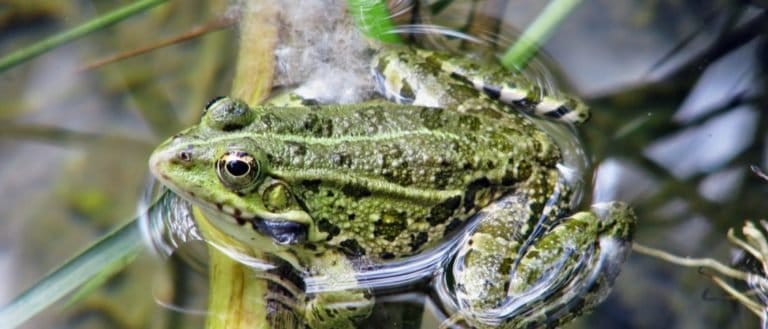
Tailless jumpers, masters of change
Webbed feet, sky roads, wetland lives
Gentle giants of the African forests
Pouches, burrows, and big impacts
Big river grazer, bigger attitude
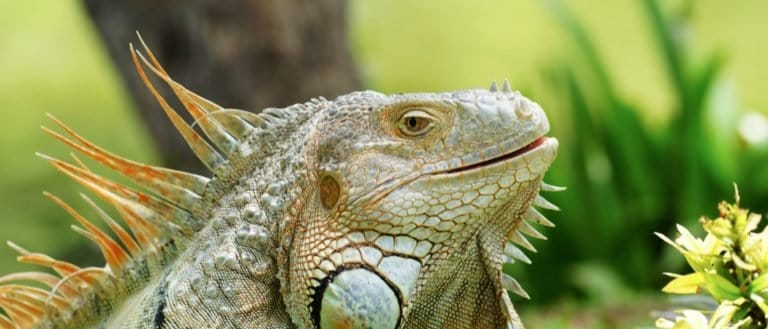
Sun-powered lizards of the Americas
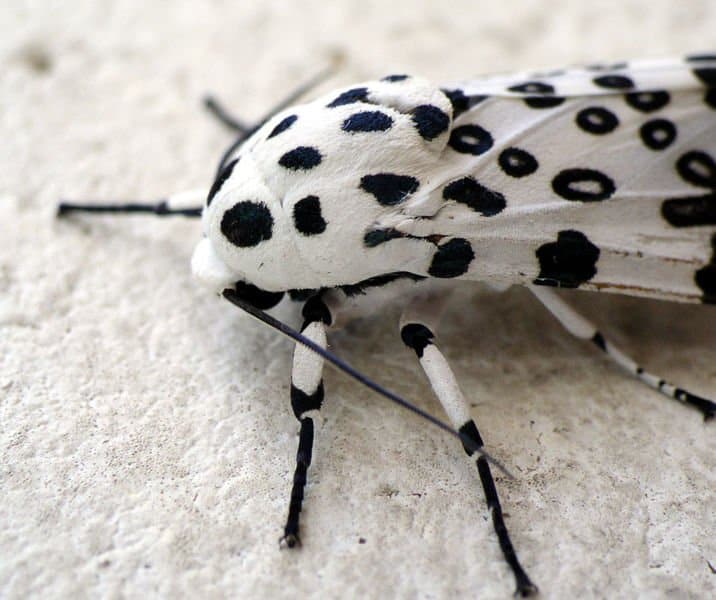
Six legs, endless lives.
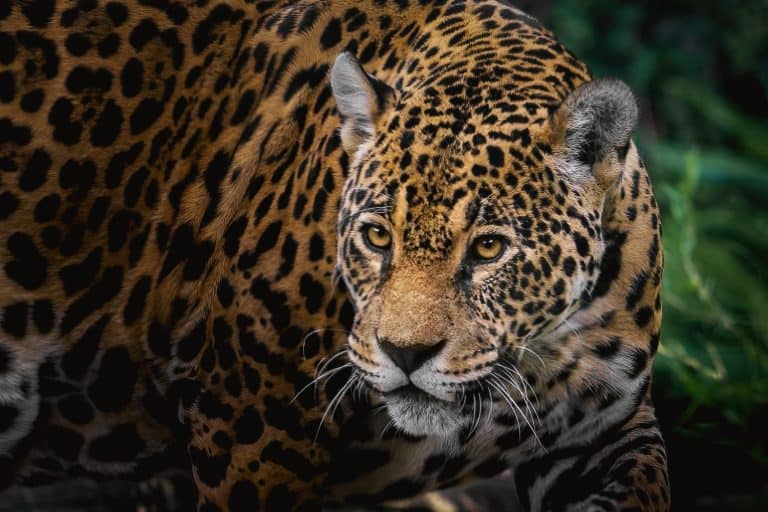
Power of the Americas' apex cat
Sting-powered drifters of the sea
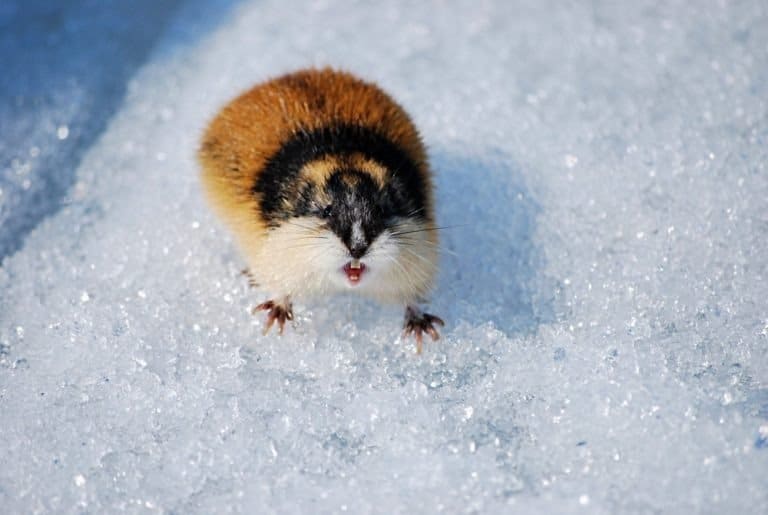
Small rodents, huge tundra impact
From geckos to dragons-lizard power
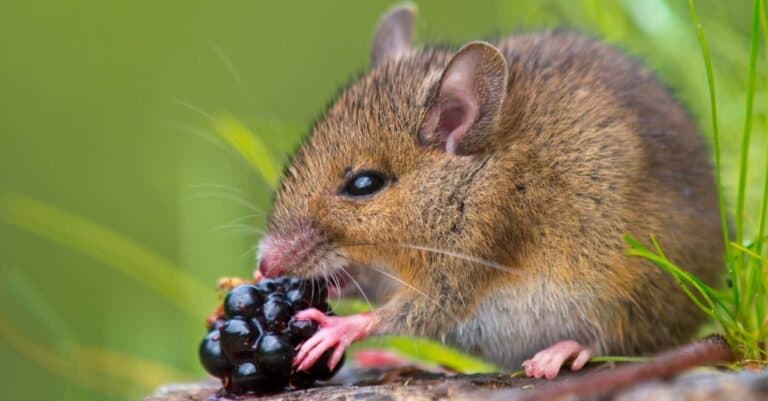
Small gnawers, huge impact.
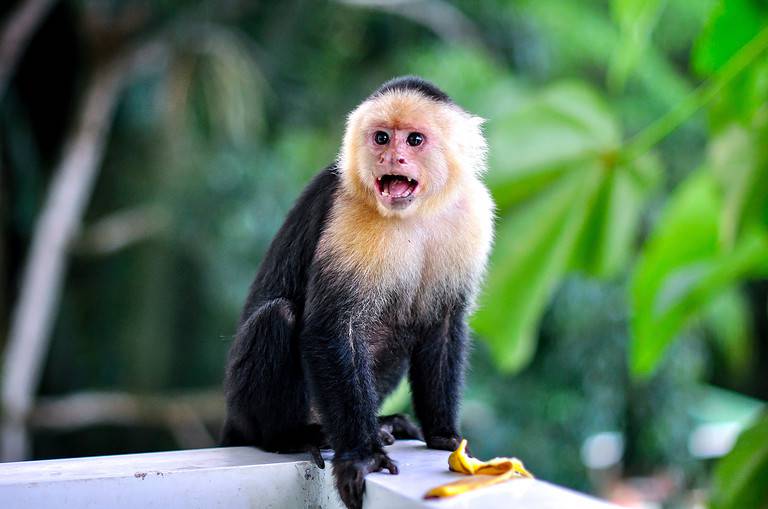
Hands, minds, and social lives
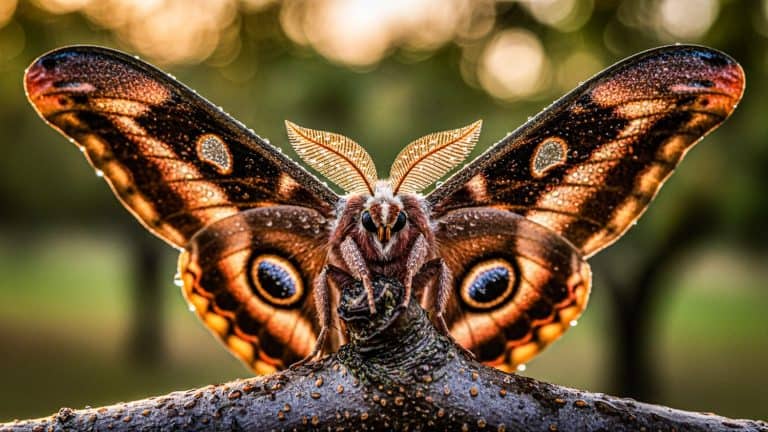
More than night flyers
Thank you for reading! Have some feedback for us?
We appreciate your help in improving our content.
Our editorial team will review your suggestions and make any necessary updates.
There was an error submitting your feedback. Please try again.