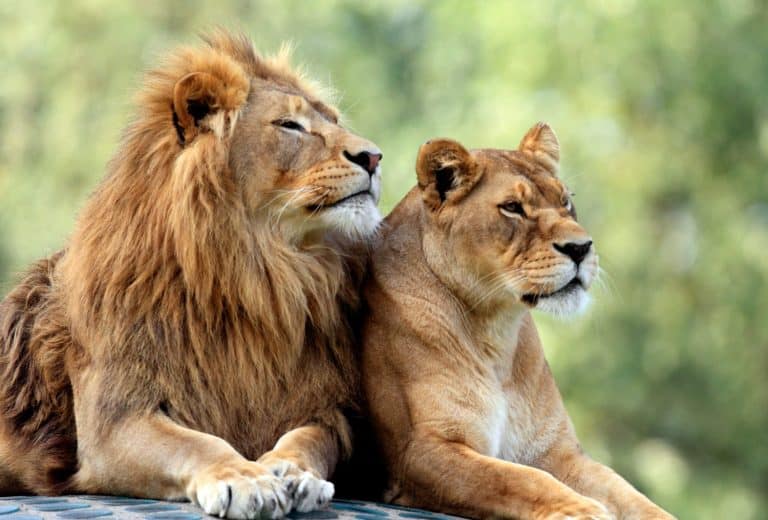
Lion
Built for prides, born for the hunt

Built for prides, born for the hunt
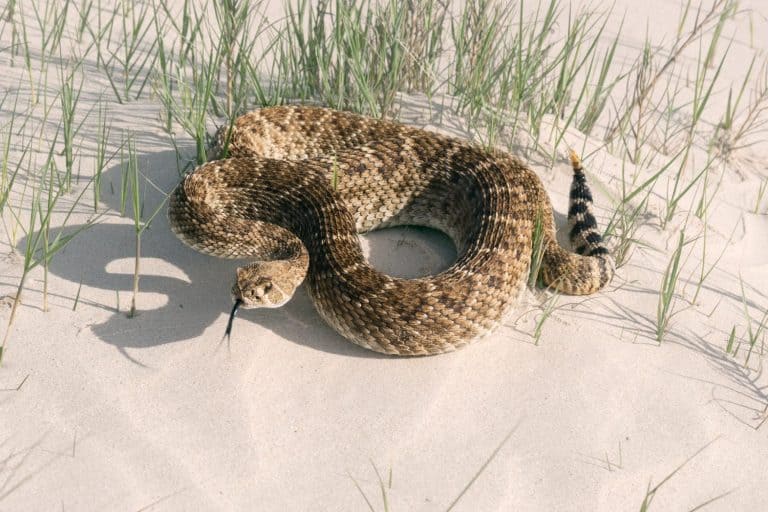
Hear the rattle, give it space.
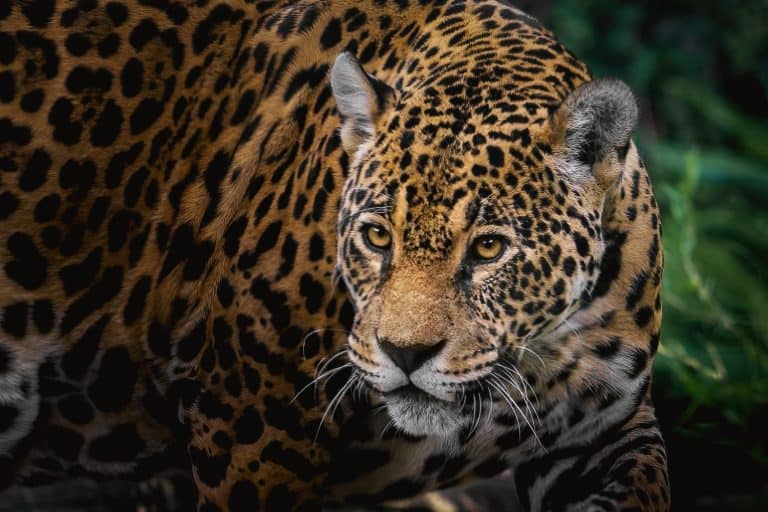
Power of the Americas' apex cat
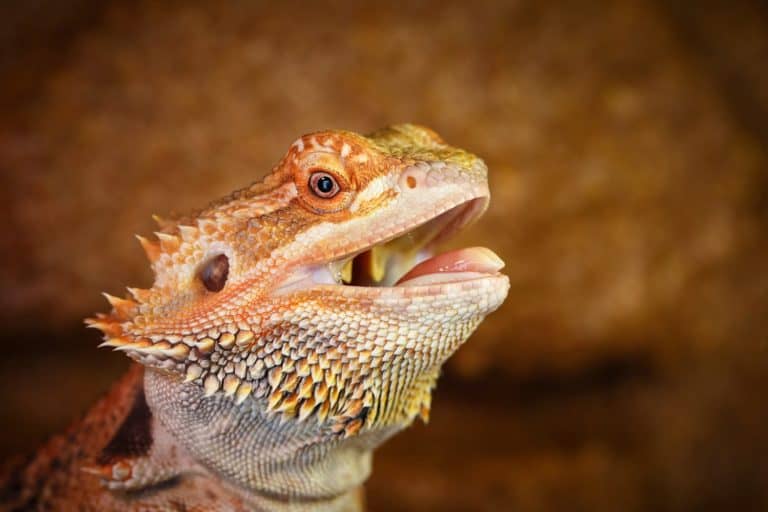
Big beard, bright sun, bold attitude.
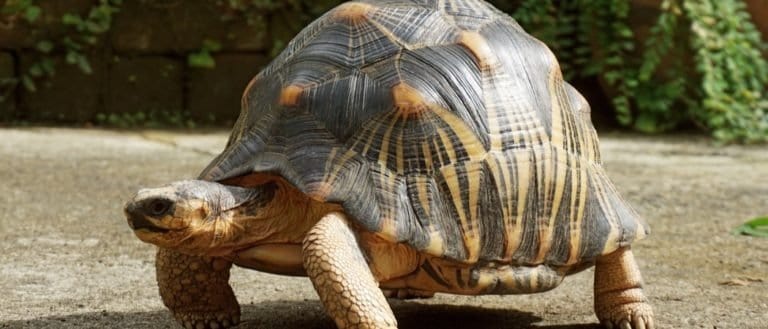
Built for land, made for time

Humps of fat, miles of grit
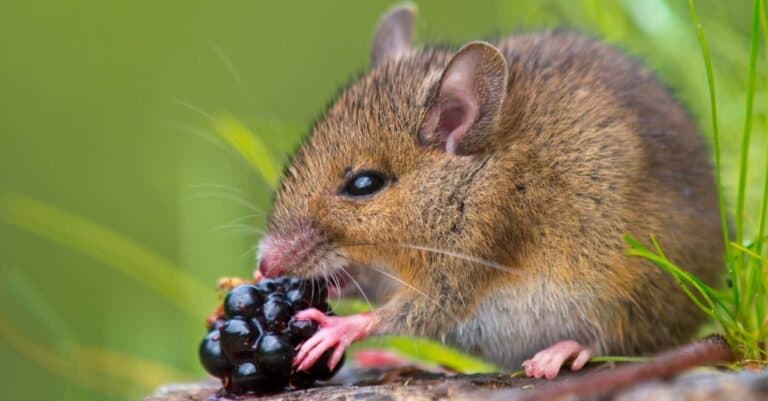
Small gnawers, huge impact.
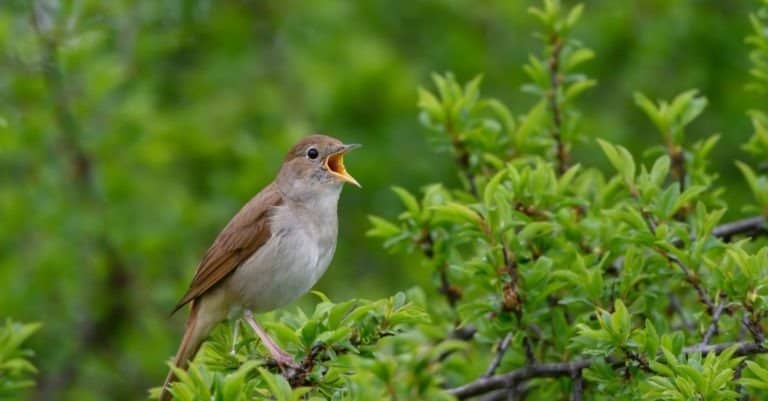
Plain feathers, legendary night song
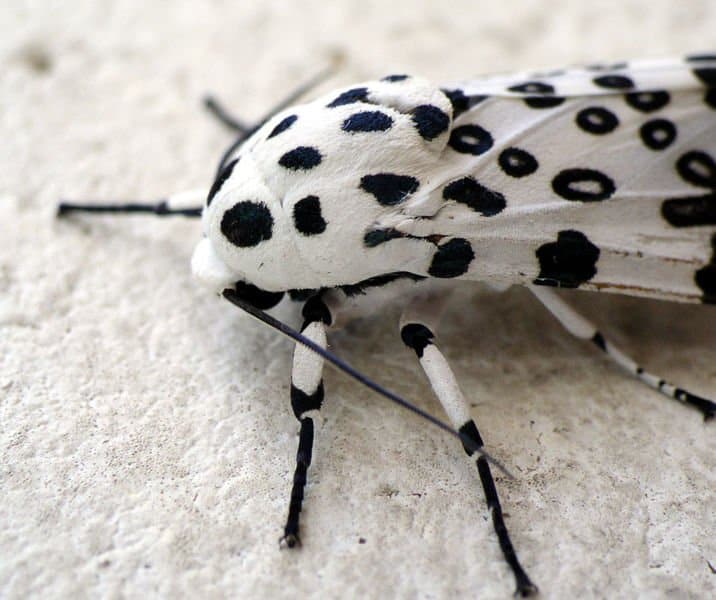
Six legs, endless lives.
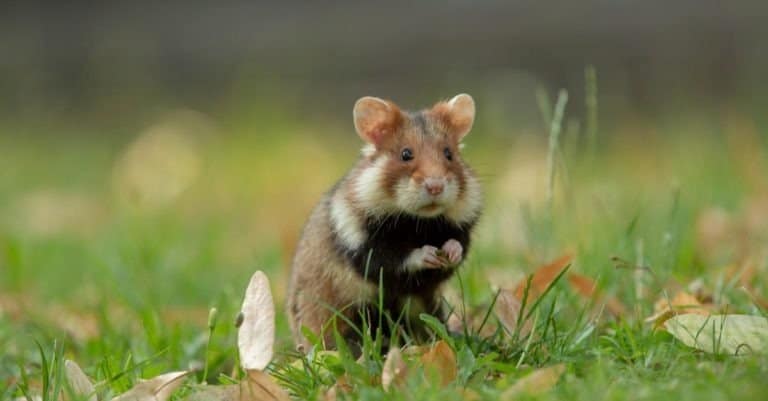
Pouches, burrows, and big impacts
Tan in animal coloration is a light-to-medium, often warm yellowish-brown produced by relatively low overall melanin density and/or dilution of melanin granules, commonly involving a mixture of eumelanin (brown-black) and pheomelanin (yellow-red) rather than high concentrations of a single pigment type.
Tan is one of the animal kingdom's most widespread "everyday" earth tones-a warm, light-to-medium brown that evokes sand, dried grasses, bark, and sunlit soil. Because it visually blends with common terrestrial backgrounds, tan is especially prevalent in mammals and birds that live in open habitats such as savannas, steppes, deserts, and coastal dunes. It often reads as softer and lighter than chocolate or chestnut, with a distinctly warm cast that can appear creamy, honeyed, or sandy depending on lighting and the surrounding pattern.
Biologically, tan commonly reflects reduced total melanin and/or dilution of melanin deposition, often involving a mix of eumelanin (brown-black) and pheomelanin (yellow-red) that together yields a warm yellowish-brown. In fur and feathers, banding along individual hairs or feather barbs can create an overall tan impression even when darker pigments are present at the tips or along stripes. As a result, tan commonly appears as a base coat color with darker points, dorsal shading, striping, or mottling layered on top.
Ecologically, tan is strongly associated with camouflage (crypsis), particularly for animals that need to remain inconspicuous against dry vegetation or sandy substrates. It can also play roles in thermoregulation by reflecting more solar radiation than darker browns, and in signaling when used in contrast patterns (for example, tan fields next to black, white, or rufous patches). Across species, tan is rarely "flat": it often shifts subtly toward buff, fawn, or sandy beige, and it frequently occurs with countershading-darker above and lighter below-to reduce visual cues of body shape.
Tan on animals appears as a light-to-medium, warm brown that reads "sandy," "fawn," or "buff," often with a soft, sunlit quality. It commonly shows as a diluted brown where darker brown/black pigment (eumelanin) is present but reduced in density or expression, sometimes blended with yellow/red tones (pheomelanin) that push it toward a golden, wheat, or honey cast. On fur, tan often looks matte and dusty rather than glossy, with individual hairs showing pale bases and slightly darker tips (ticking) that create a gently mottled, natural camouflage effect. On feathers, tan may present as buff panels, pale edging on darker feathers, or overall fawn plumage that can look more uniform at distance but reveals subtle banding/shaft-streaks up close. On skin, tan can appear as warm beige to light brown areas (e.g., muzzle, underside, inner limbs), and it frequently transitions smoothly into cream on the belly or into deeper browns along the back (countershading). Under different lighting, tan shifts noticeably: in shade it can look more beige/gray-brown; in direct sun it can look more golden and saturated.
Not a spectral color; perceived tan is typically a low-to-moderate saturation orange-yellow/brown mixture (broad reflectance across much of the visible spectrum with relatively higher reflectance in longer wavelengths ~570-700 nm than in shorter blue wavelengths).
Approx. #D2B48C (classic "tan") spanning roughly #E6D2B5 (pale sand) to #B38B5D (deeper fawn/tan-brown), depending on species, lighting, and pigment density.
Humans: Tan is typically recognized as a warm light-brown and is strongly influenced by illumination (golden in sunlight, beige/gray-brown in shade). Because human vision is trichromatic with good long-wavelength sensitivity, small shifts toward yellow (buff) or red (fawn/rufous-tinged) are usually noticeable, and contrast with dark markings (stripes, saddles, masks) reads clearly. Many non-human mammals (dichromats like most dogs, many ungulates): Tan often appears less "warm" and can shift toward a more uniform yellowish-beige or grayish tone because red-green discrimination is reduced. Subtle differences between fawn vs rufous-tinged tan may be harder to distinguish, while brightness and pattern contrast (tan vs dark brown/black) remains salient. Cats and some other mammals: Color discrimination varies but is generally limited compared with humans; tan tends to be seen more by luminance contrast than by nuanced hue. Warmth differences are muted, but tan still serves as effective background camouflage due to mid-level brightness. Birds (many tetrachromats, often UV-sensitive): Birds can perceive finer hue differences and may detect subtle patterning (buff edging, tan panels) that humans overlook. Depending on feather structure, some "tan" areas may reflect in the near-UV, altering how the color looks to birds (e.g., appearing higher contrast or differently toned than to humans), which can matter for mate choice or signaling. Reptiles, amphibians, fish: Visual systems vary widely. In many cases, tan is perceived primarily as a mid-brightness background tone; in species with broader spectral sensitivity, slight shifts in reflectance (including near-UV) can make "tan" regions more distinct than they appear to humans. In aquatic settings, long-wavelength light is absorbed with depth, so tan may look less warm and more grayish at depth or under blue-rich lighting. Intraspecies perception: For many animals, tan's effectiveness is less about 'tan as a hue' and more about matching habitat luminance and texture-breaking outlines through mottling/ticking and reducing contrast against sand, dry grass, bark, or leaf litter.
Very light, low-saturation tan with a creamy or sandy cast; common in desert-adapted mammals and many ground-nesting birds' buff plumage; often blends into near-cream on the underside.
Slightly richer, warm tan leaning orange-brown; frequently seen in deer coats, canids, felids, and as a base color under darker dorsal shading.
Yellow-leaning tan, often appearing as buff wing bars, throat patches, or feather edging; in fur it can look like a warm, straw-colored wash.
More saturated and sunlit, with noticeable yellow/gold contribution; can read as "honey" or "wheat," especially in glossy coats or fresh plumage.
Muted, slightly green-gray or olive-tinged tan; looks "earthy" and camouflage-forward, common where structural scattering and low saturation flatten the warmth.
Tan with a gray-brown bias; appears less golden and more stone-like, especially in shade or in species with more neutral pigment mixtures.
Tan infused with red-brown highlights (more pheomelanin influence); may appear on ears, flanks, or feather fringes, producing a warm rusty glow.
Not a single flat tone: banded hairs or subtle speckling create tan as an averaged appearance, with fine dark tips and pale bands enhancing depth and camouflage.
Tan concentrated on the sides/back with a graded fade to cream or pale beige on the belly; emphasizes body contour reduction and background matching.
In some mammals, winter coats can look paler and grayer (cool tan) while summer coats look richer and more golden (warm tan) due to hair structure, wear, and pigment expression.
Primary contributor to brown components of tan. Tan often reflects reduced eumelanin quantity, smaller melanosomes, lower packing density, or more peripheral/patchy deposition in hairs/feathers compared with dark brown/black.
Adds warm yellow-red undertones that can push a light brown toward fawn/buff/tan, especially when eumelanin is reduced. Common in many mammal 'fawn' coats and some bird buff tones.
In some birds, reptiles, fish, and invertebrates, yellow carotenoids can overlay or mix with weak melanin to create tan/buff coloration. Typically less important in most mammals because they rarely deposit carotenoids strongly in integument.
Some tan appearances are effectively a "diluted" brown because pigment granules are fewer, smaller, more dispersed, or restricted to parts of the hair/feather (banding), increasing light scatter from unpigmented keratin and making the overall color lighter.
Tan coloration is a broadly versatile, low-cost adaptive strategy that primarily improves survival by reducing visual detection in open, sunlit habitats (camouflage/protection) while offering modest thermal benefits. Its neutrality also allows flexible layering of localized signals (tails, faces, wing panels) without sacrificing background crypsis, supporting both predator avoidance and functional communication/species recognition where needed.
Blends with sandy, dusty, dry-grass, and soil backgrounds by matching common substrate hues and reducing contrast; often paired with countershading to flatten body shape cues.
Effectiveness: High in deserts, dunes, savannas, steppe, dry grasslands, and agricultural stubble; moderate in open woodland with leaf litter; low in dark forests, wet/black soils, snow, or rocky habitats with high chroma (e.g., red/black lava) unless patterning breaks up outline.
Moderately light coloration reflects more solar radiation than dark brown/black, reducing heat gain while still providing some absorption for morning warming; can help maintain workable body temperatures in exposed habitats.
Effectiveness: High for diurnal or exposed animals in hot, sunny, low-shade environments; moderate where shade/cover is available or activity is crepuscular; low where heat retention is more beneficial (cold climates) or where insulation/behavior dominates thermal balance.
Acts as a 'cryptic default' that reduces detection by predators and prey, lowering encounter rates and attack probability; can also reduce social aggression by appearing non-threatening/juvenile-like in some species.
Effectiveness: High when predators hunt visually (raptors, canids, felids) and habitats are open; moderate in mixed habitats where movement gives away position; low if predators rely mainly on scent/echolocation or when animals are silhouetted against sky/snow.
Provides a neutral background for higher-contrast signals (dark facial masks, ear tips, tail flags, stripes) and can convey status/condition subtly via coat brightness (dusting, wear, molt, or pigment intensity).
Effectiveness: High when paired with localized high-contrast markings visible at distance (tails, faces) in open terrain; moderate for close-range signaling in herds/flocks; low as a stand-alone signal because tan is common and relatively non-salient.
Supports recognition when combined with species-typical pattern placement (tan body with distinctive bars, saddle patches, wing panels) that differentiates sympatric, similarly sized taxa.
Effectiveness: Moderate to high in communities where multiple brownish species coexist but differ in pattern geometry; moderate where only color tone is used; low where lighting shifts (dawn/dusk, heavy shade) compresses color differences.
Often weakly ornamented, but tan can function as a condition-dependent trait (clean, bright fawn vs. dull, worn, parasite-affected) or as a backdrop that accentuates sexually selected patches (manes, throats, crests, iridescent areas).
Effectiveness: Low to moderate overall; higher in species where mate choice tracks coat/feather quality, molt freshness, or contrast with secondary traits; low where selection favors conspicuous hues (reds, blues) or strong patterning.
Can enable resemblance to common, non-threatening background fauna (e.g., general 'small mammal' or 'grassland bird' palette) or to unpalatable models when combined with specific patterns; more often part of generalized resemblance than tight mimicry.
Effectiveness: Low to moderate; higher where predators use categorical visual templates and tan matches abundant 'low-value' prey types; low where mimicry requires precise, high-contrast patterning or warning colors.
Tan alone is rarely aposematic; at most it can function as a low-level 'don't notice me' strategy rather than a 'don't eat me' signal, unless paired with contrasting black/white patches or behaviors (postures, displays).
Effectiveness: Low as a pure warning signal; moderate only when combined with conspicuous contrasting elements or display behaviors that reveal hidden markings.
Often minimal: both sexes share tan as a cryptic baseline. Where dimorphism occurs, males may show darker or higher-contrast overlays (manes, dorsal saddles, facial masks, throat/breast patches) to increase display salience, while females and juveniles tend to be more uniformly tan for maximal crypsis during nesting/offspring care. In some species, males may appear slightly darker/richer (more eumelanin) and females paler/duller, but pattern placement typically drives the most noticeable sex differences.
Tan coloration frequently improves crypsis in grassland, savanna, and desert settings, affecting detectability in surveys (individuals may be undercounted in visual line-transects or camera-trap images under bright, sandy backgrounds). It can also influence predator-prey dynamics and reintroduction success: releasing tan-matched phenotypes into appropriate substrates may improve survival, while mismatched coloration (e.g., very light animals into darker habitats, or vice versa) can raise predation risk. Climate and land-cover change can shift the adaptive value of tan (e.g., desertification may favor lighter, sandier coats; regreening may reduce that advantage). In human-modified landscapes, tan animals may be more visible against asphalt or snow, potentially increasing road mortality or hunting vulnerability seasonally. For species with color morphs, managers may need to avoid unintended selection via harvest or tourism (preferentially removing conspicuous morphs). Finally, because tan is often common and not "charismatic," it may attract less public fundraising attention than rare color morphs-yet it can be crucial for ecological fit and genetic diversity.
Tan is not a single pigment; in many animals it reflects a higher proportion of pheomelanin (yellow-red melanin) relative to eumelanin (brown-black melanin), plus how pigment is distributed along each hair or feather, producing many tan shades.
A tan coat can be a thermal strategy as well as camouflage: lighter, sandy colors generally absorb less solar radiation than dark coats, which can help in hot, open habitats (behavior and physiology still matter, but color can contribute).
Some animals are "tan by styling," not genetics: dust bathing can turn otherwise darker fur or feathers tan-elephants, many birds, and even some carnivores can look instantly sand-colored after rolling in dry soil.
Tan can be age-specific: many hoofed mammals have fawns/calves that are tan with spots (e.g., deer). The spotty tan phase is optimized for hiding, then molts into a more uniform seasonal coat.
In birds, a pale sandy-tan tone is often described as "isabelline" by ornithologists-useful because slight shifts in tan vs. gray can help separate similar species in the field.
Think "sand vs. shadow": tan typically matches sunlit soil and dry grass, while darker browns match shade-many animals combine tan backs with paler undersides (countershading) to flatten their 3D shape at a distance.
Tan is the "mid-tone compromise" of camouflage: it's lighter than chocolate brown but darker than cream, making it effective across mixed backgrounds like scrub, dead grass, and dusty ground.
Hair structure can amplify tan: in species with banded hairs (common in many desert rodents and canids), alternating dark and pale segments blend into an overall tan from far away-like pointillism for fur.
Pattern + tan beats solid color for breakup: a tan base with spots/stripes (cheetahs, fawns, many snakes/lizards) disrupts outlines more effectively than a single flat tan across varied terrain.
Seasonal shifting often nudges animals toward tan: many species look redder in lush seasons and more tan/gray in dry or winter seasons-matching the "background color" of the landscape as vegetation changes.
Fastest tan athlete: the cheetah-its tan coat with black spots is paired with the world-record title of fastest land animal (top speeds around 100-120 km/h, depending on source and measurement).
Iconic "king-sized tan": adult male lions are among the largest tan-coated cats; their tawny bodies are a classic example of tan as big-game camouflage in dry grasslands.
Biggest tan-and-brown patchwork: the giraffe (the tallest living animal) uses large tan-to-brown patches broken up by lighter lines-pattern + tan tones help disrupt its outline in savanna light and shade.
Largest living bird with a tan palette: female ostriches are typically buff/tan and hold the "largest bird" title; the muted tan helps them blend while nesting.
One of the most widespread camouflage colors: tan (fawn/sandy) appears across mammals, birds, reptiles, and insects in open habitats-deserts and grasslands have repeatedly "selected" for tan in unrelated lineages (a superlative in evolutionary convergence).
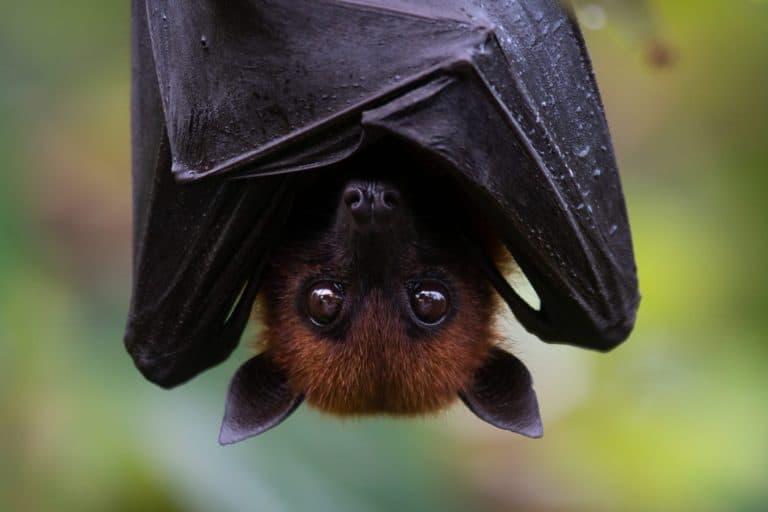
Night pilots of the mammal world
Humps of fat, miles of grit
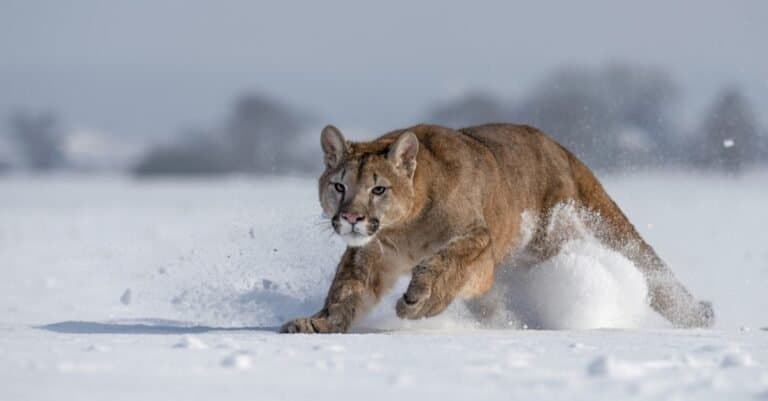
One cat. Two continents.
Big beard, bright sun, bold attitude.
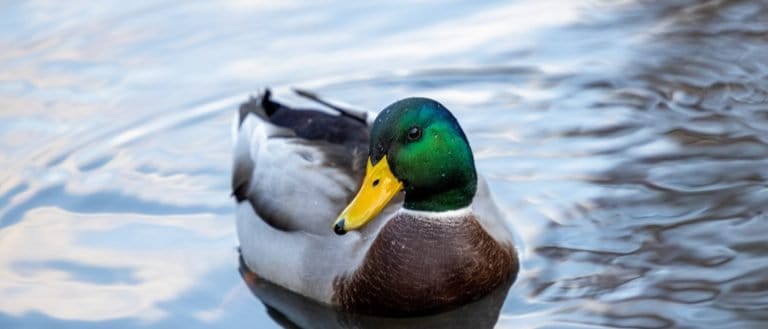
Webbed feet, world travelers.
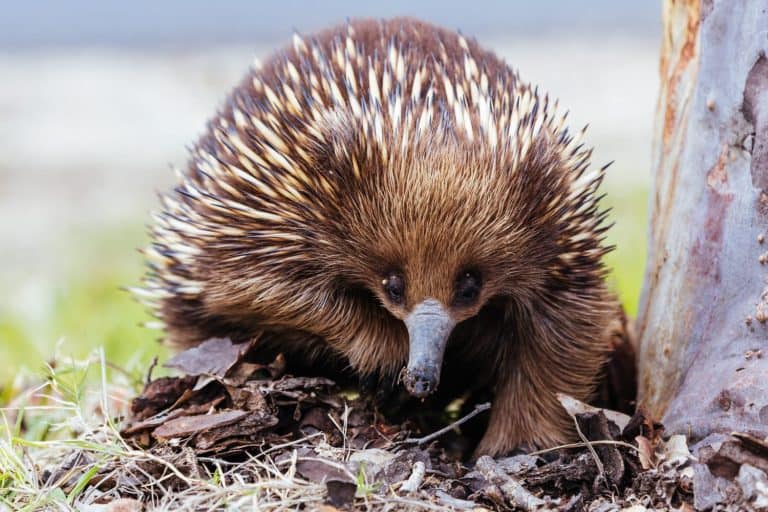
Spines, eggs, and ant-eating mastery
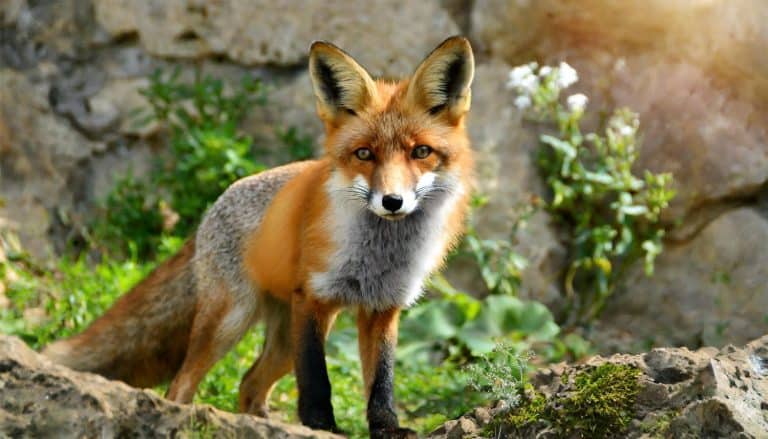
From dunes to tundra-fox smart.
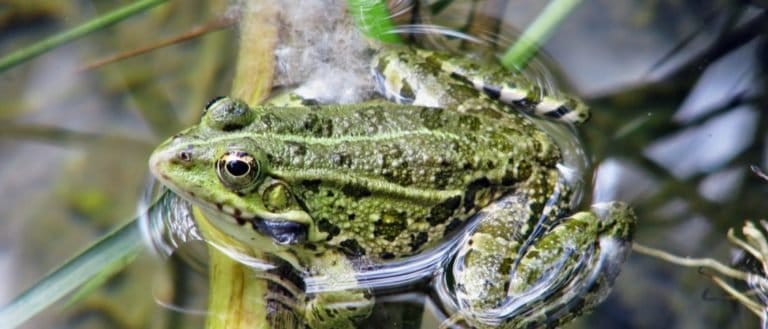
Tailless jumpers, masters of change
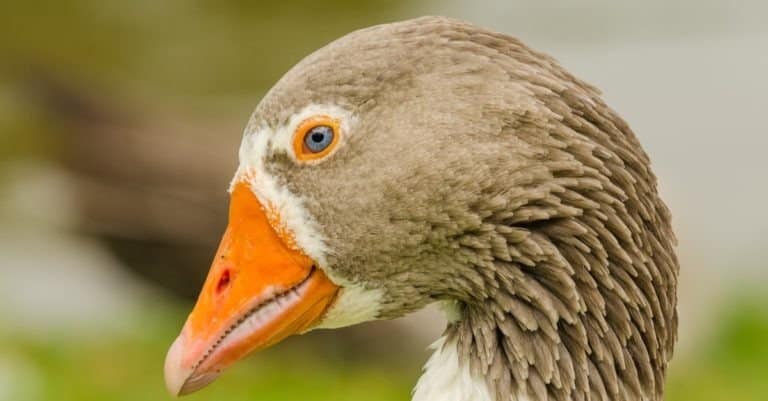
Webbed feet, sky roads, wetland lives
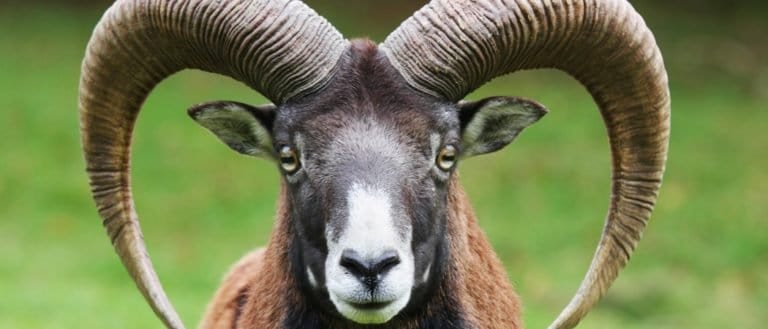
Sure-footed masters of rock and range
Pouches, burrows, and big impacts
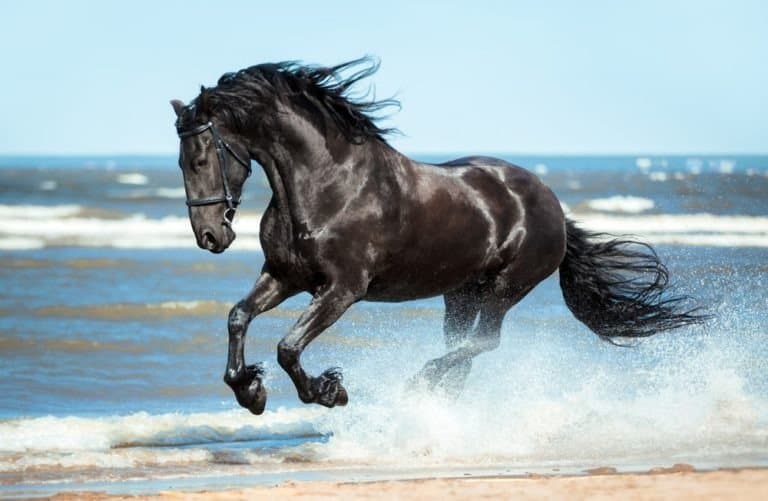
One hoofbeat, a thousand histories
Six legs, endless lives.
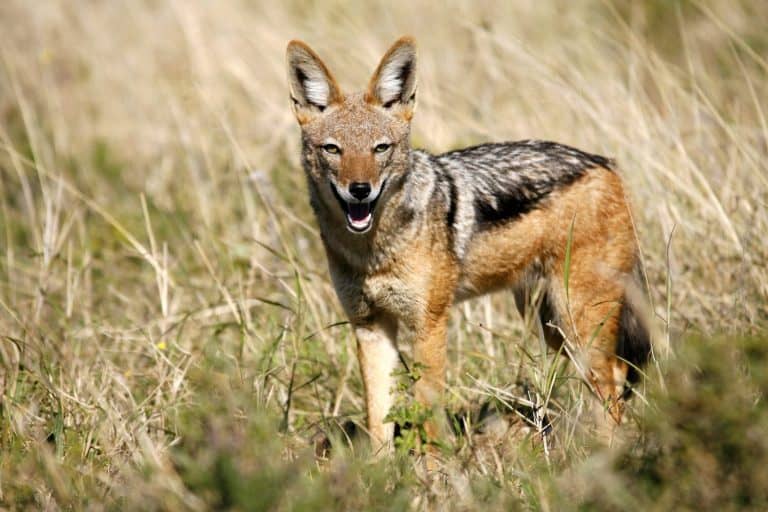
Small canids, big survival skills
Power of the Americas' apex cat
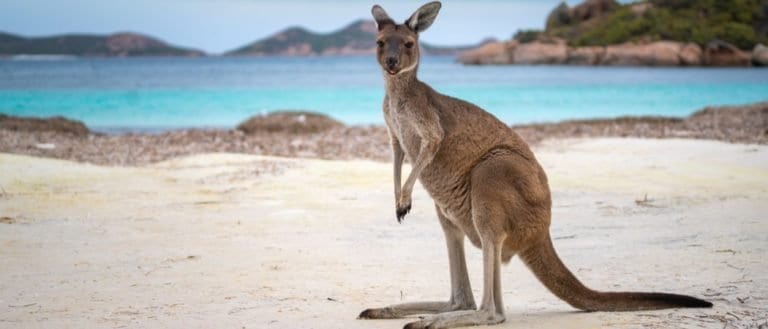
Big hops, big pouches, big variety
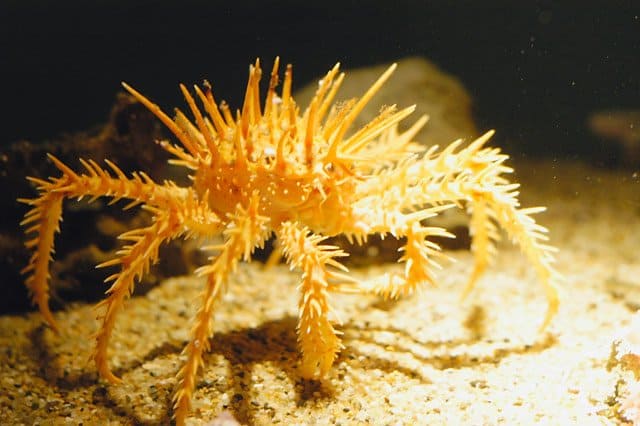
Cold-water royalty of the seafloor
Built for prides, born for the hunt
Small gnawers, huge impact.
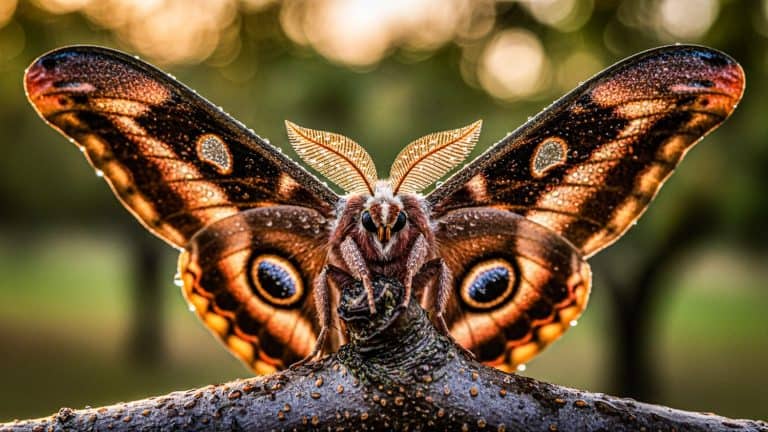
More than night flyers
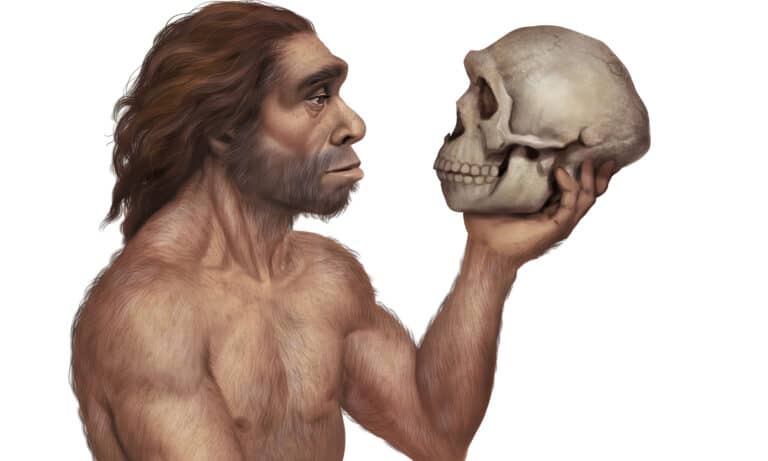
Not cavemen-Ice Age people
Plain feathers, legendary night song
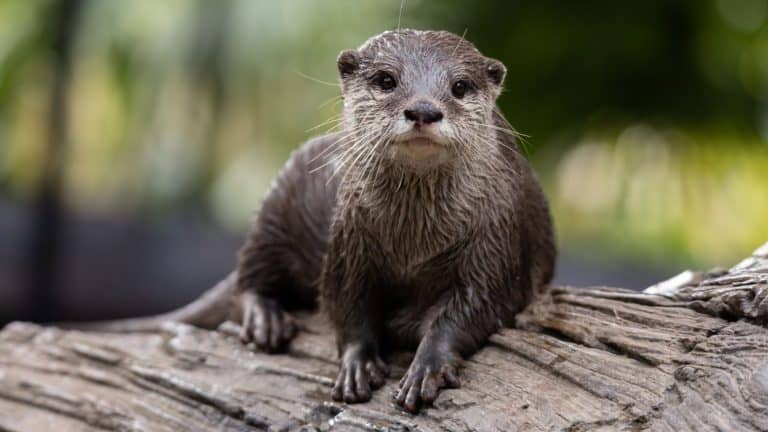
Built for water, born to hunt
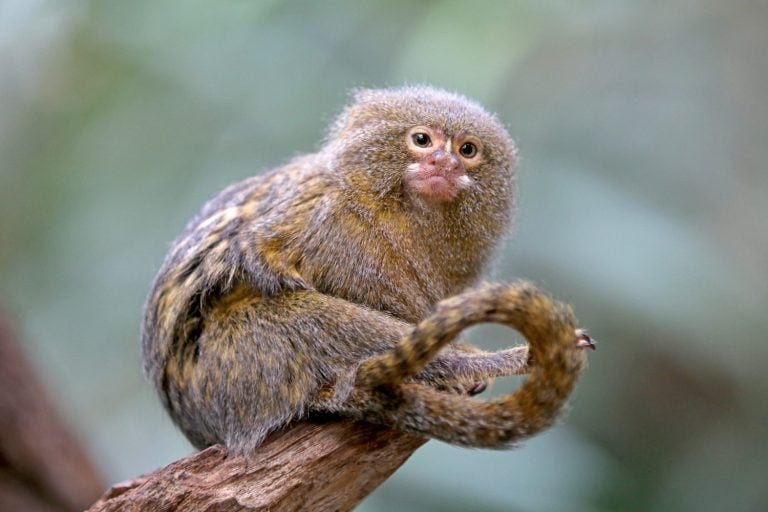
Tiny sap-sipping acrobats of the Amazon
Thank you for reading! Have some feedback for us?
We appreciate your help in improving our content.
Our editorial team will review your suggestions and make any necessary updates.
There was an error submitting your feedback. Please try again.