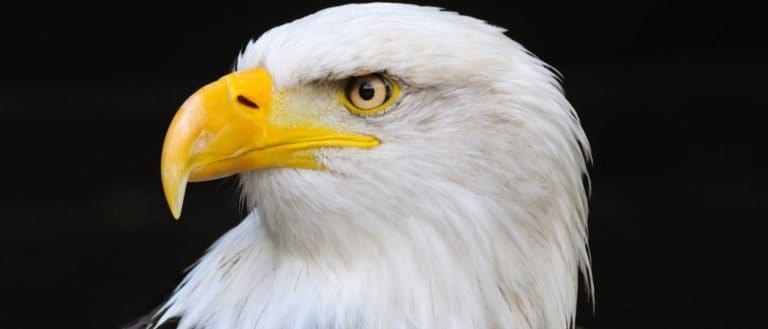
Eagle
Built to soar, born to strike

Built to soar, born to strike
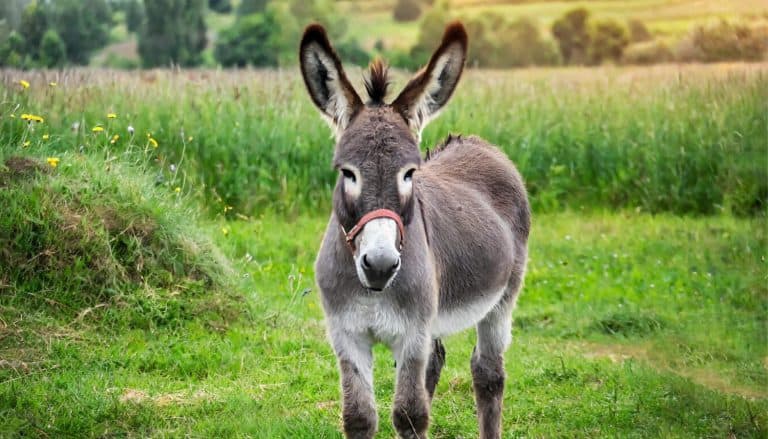
Sure-footed partner of people
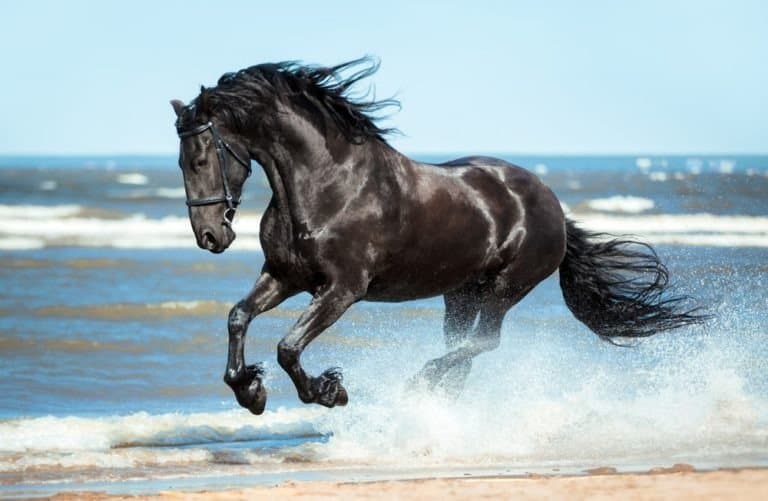
One hoofbeat, a thousand histories
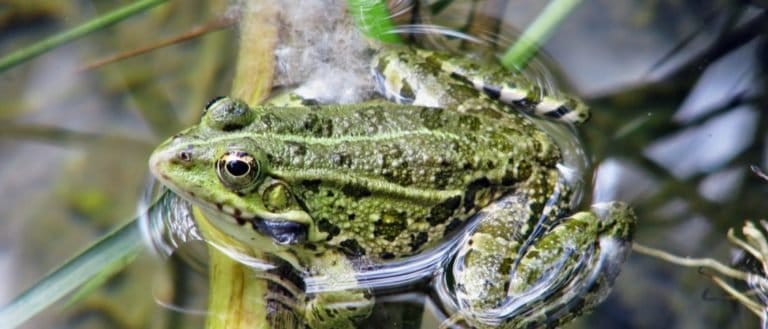
Tailless jumpers, masters of change
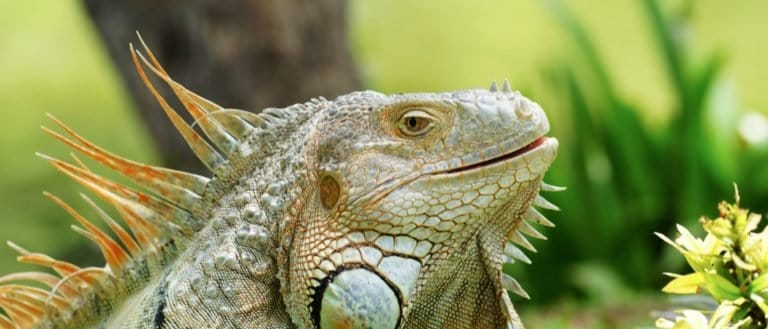
Sun-powered lizards of the Americas
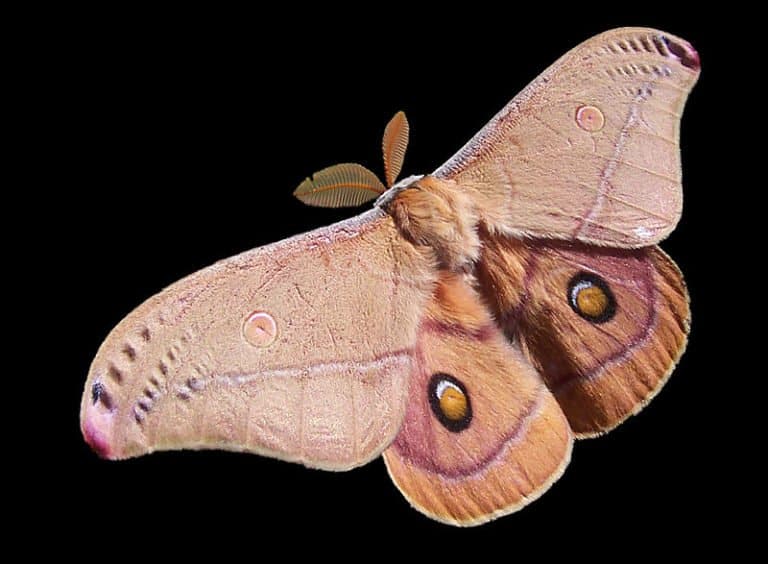
More than night flyers
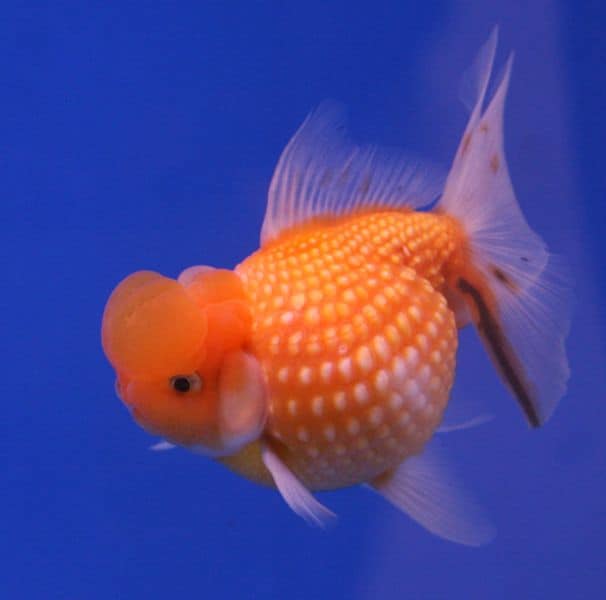
Bony rays, endless ways.
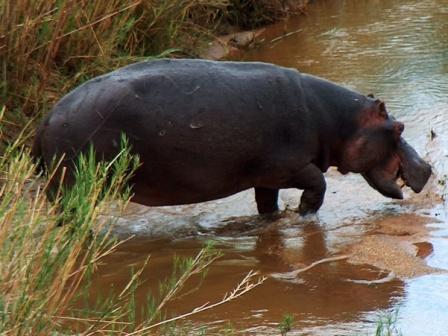
Big river grazer, bigger attitude
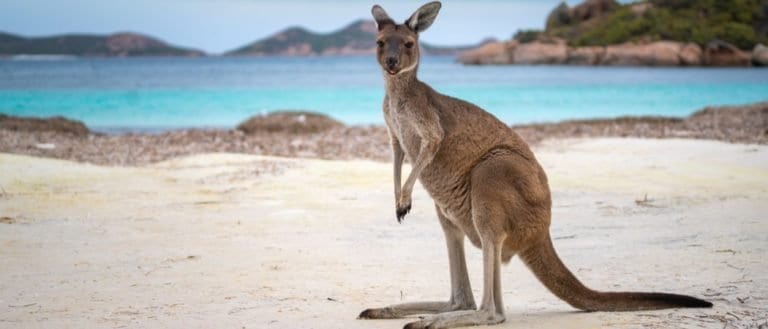
Big hops, big pouches, big variety
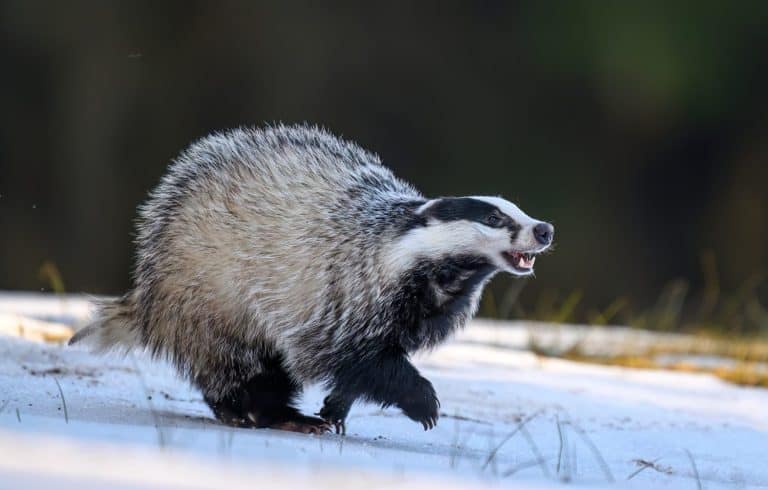
Built to dig. Born to endure.
In animal coloration, gray (grey) is an achromatic, low-saturation appearance with luminance intermediate between black and white. It typically arises from reduced overall pigment intensity-most often via mixtures of eumelanin-based dark pigment with unpigmented/white tissues or through structural light scattering that dilutes chroma.
Gray is one of the most widespread "background" colors in the animal kingdom, spanning everything from the soft coat of a wolf to the slate tones of shorebirds and the muted scales of many fishes. Because it sits between black and white, gray can read as subtle rather than showy-yet it is often highly adaptive, blending animals into rocks, bark, sand, fog, or open water where strong hues would stand out. In many habitats, gray functions as an ecological compromise: dark enough to reduce glare and contrast, light enough to avoid becoming a conspicuous silhouette.
Biologically, gray commonly emerges when dark eumelanin pigment is present but partially "diluted" by unpigmented hairs/feathers, air spaces, or pale keratin, creating a salt-and-pepper or evenly blended look. In feathers and some skin types, microstructure can further scatter light, flattening color intensity and yielding cool, ashy, or bluish grays. The exact tone can vary with age, season, and wear-fresh plumage may look darker or more uniform, while abrasion can expose paler underlying material and shift the animal toward lighter gray.
Functionally, gray often supports camouflage and countershading (darker above, lighter below), especially in open or rocky environments and in aquatic settings where "silver-gray" helps mirror ambient light. It can also play a role in signaling when paired with high-contrast elements (black masks, white patches) that sharpen pattern edges without introducing bright color. Across taxa, gray illustrates how "neutral" coloration is frequently an engineered outcome of pigment chemistry and microstructure tuned to the visual world an animal inhabits.
Gray on animals is a neutral, low-saturation coloration that reads as an intermediate between black and white, often with subtle undertones (cool bluish, warm brownish/taupe, or slightly greenish). It commonly appears as: - Salt-and-pepper mixes (interspersed dark eumelanin hairs and unpigmented/white hairs) producing a speckled or heathered look that can change with viewing distance. - Even, smooth "slate" coats where hairs are uniformly pigmented at lower density, yielding a soft, matte gray. - Silvery or frosted effects where dark base pigmentation is tipped with lighter ends, giving a reflective, metallic sheen (not truly shiny pigment, but optical contrast across hairs). - Blue-gray (often called "blue" in mammals) where dense dark pigment plus optical scattering makes black appear diluted. - Patchy grays associated with aging (progressive greying) or seasonal molting, where gray areas can look mottled with mixed hair generations. Texturally, gray often emphasizes surface structure: it highlights wrinkles, feather edges, guard-hair patterns, and banding, because the midtone provides contrast for both shadows and highlights. In many species it functions as camouflage in rock, bark, snow-shadow, foggy, or open-water environments by matching midvalue backgrounds and reducing conspicuous chroma.
Not a single spectral band. Neutral grays are produced by relatively even reflectance across the visible range (~400-700 nm) at intermediate intensity, or by spatial mixing of dark and light elements that averages to a midtone.
Approximate visual range: #2F2F2F (charcoal) through #D0D0D0 (pale gray), with common mid-grays around #808080. Cool gray examples: #6B7280 to #9CA3AF; warm gray/taupe examples: #6E6259 to #B0A59A.
Humans: Gray is perceived primarily through luminance (brightness) rather than hue; subtle cool/warm undertones are noticeable under different lighting (shade tends to reveal blue-gray; warm light reveals taupe). Humans are good at detecting contrast edges, so grizzled or dappled grays can be very apparent at close range but camouflage well at distance by averaging to a midtone. Other species (generalized): - Dichromatic mammals (many ungulates, carnivores): With limited red-green discrimination, many warm vs cool gray undertones look more similar; gray differences are mostly seen as lightness/contrast. As a result, gray patterning (countershading, mottling) can be highly effective, while subtle "color temperature" cues matter less. - Trichromatic primates (humans and some monkeys/apes): Better at detecting slight chromatic biases in gray (bluish vs brownish), aiding recognition of individuals, age-related greying, or health-related coat changes. - Birds (often tetrachromatic, including UV sensitivity): What appears as neutral gray to humans may differ due to UV reflectance in feathers; some "gray" plumages can reflect UV strongly or weakly depending on keratin structure and preen oils, altering conspicuousness to other birds. - Fish and aquatic viewers: Underwater light is spectrally filtered (reds drop off quickly), so many surfaces trend toward blue-green illumination; gray often reads as a strong brightness cue. Silvery grays can be highly conspicuous at certain angles due to specular reflection, while matte slate grays remain cryptic. - Nocturnal animals: Vision is dominated by rod-mediated luminance; gray vs brown/blue distinctions diminish, but midtone grays can reduce detectability by matching low-contrast nighttime backgrounds. Net effect: Across species, gray's primary signal is usually luminance and pattern (mottling, countershading, dappling). Any chromatic undertone (blue-gray vs warm gray) is most informative to species with richer color vision or UV sensitivity and under lighting where those channels are available.
Near-black gray with low reflectance; often seen in wolves, seals, dark-mantled birds, or melanistic forms that appear "soft black" in diffuse light. Provides strong shadowing and outline-breaking, but less reflective than true black at grazing angles.
Even mid-to-dark neutral gray resembling rock; common in elephants, some parrots and pigeons, many fish and sharks (dorsal surfaces). Often reads slightly cool, especially under daylight.
High-luminance gray that can look metallic due to bright guard hairs, feather microstructure, or reflective skin scales. Seen in many canids, equids (dapple gray), rodents, and fish. Frequently produces a "glint" effect in motion.
Light gray approaching off-white; common in arctic/temperate seasonal coats, belly coloration, or juvenile plumage. Can appear chalky or dusty, and is sensitive to staining (mud, algae, iron-rich water).
Cool-tinted gray produced by dense eumelanin with optical scattering or hair structure that shifts perceived tone toward blue. Typical in some dog/cat coat genetics (dilution), certain birds, and marine mammals; looks especially blue in shade or overcast light.
Gray with brown or beige undertones from pheomelanin admixture, keratin coloration, or environmental wear. Common in desert mammals, ungulates, and many ground birds; blends well with soil and dead vegetation.
Intermixed white and black hairs/feathers producing a flecked appearance; common in boar, many primates, badgers, and some birds. At distance it averages to gray; up close it resolves into high-frequency patterning that breaks up outlines.
Localized intermixing of white and colored hairs across the body or in small speckles, creating a grayish cast without uniform dilution. Often forms gradients (darker along the back, lighter on flanks).
Circular or cloud-like lighter patches on a darker gray field, frequently seen in horses and some ungulates. Caused by regional variation in pigment/hair density and can change with age/molt.
Dark gray dorsal surface with lighter gray ventral surface, reducing visibility from above (against dark water/ground) and from below (against bright sky/water surface). Very common in sharks, cetaceans, seabirds, and many fish.
Primary dark pigment contributing the black component of gray. When eumelanin concentration is reduced, diluted, regionally restricted, or mixed with unpigmented/white hairs or structurally scattered light, the net appearance shifts to gray.
Many gray coats/plumages rely on unpigmented fibers (white hairs/feather regions) mixed with pigmented ones, producing an optical average that reads as gray rather than black or white.
Non-iridescent structural effects can brighten and desaturate appearance, yielding silver-gray or ash-gray tones especially when combined with low eumelanin or a dark underlayer.
Gray coloration provides a versatile balance between concealment and functional signaling. By matching common natural and human-made backgrounds and relying on luminance-based blending, it reduces detection across many lighting regimes while still allowing effective communication through contrast marks and behavior. Its intermediate reflectance can also moderate thermal loads in fluctuating environments, supporting broad ecological tolerance and flexible habitat use.
Gray blends with low-chroma backgrounds by matching intermediate luminance and reducing color contrast, helping animals avoid detection by predators or prey. It is especially effective where backgrounds are dominated by stone, bark, dry soil, ash, or diffuse light that flattens shadows.
Effectiveness: High on rocky outcrops, cliffs, scree, gravel beds, tree trunks, and urban concrete; high in fog, dusk/dawn, and overcast conditions where chromatic cues are weak. Moderate in mixed habitats with strong color patches (green vegetation, flowers). Low on bright snow/ice (too dark) or saturated substrates (red sands, lush green canopies) unless paired with patterning.
Gray often reflects more solar radiation than black while still absorbing more heat than white, providing a balanced thermal profile. It can reduce overheating in exposed settings while allowing some warming in cool conditions, especially when combined with behavioral adjustments (basking, orientation, piloerection).
Effectiveness: Moderate-high in variable climates (cool mornings/hot afternoons) and open habitats. Moderate in consistently cold regions (may not absorb enough heat compared with darker morphs) and consistently hot deserts (may still absorb too much without lighter tones). Effect depends strongly on hair/feather density and wind exposure.
Neutral gray can serve as a low-risk signaling base that emphasizes motion, posture, or high-contrast markings (e.g., black-and-white patches, iridescent accents). It can also function in social cohesion by making individuals visually similar, reducing aggression or facilitating flocking/herding.
Effectiveness: Moderate in species where contrast patterns or displays are key (wing flashes, tail fans, facial masks). High in low-light or monochrome environments where brightness contrast dominates. Low when bright chromatic signals are needed for long-range communication in colorful habitats.
Gray can provide passive protection by reducing conspicuousness and, in some taxa, by improving concealment of wear, dirt, or ectoparasites on fur/feathers. In some aquatic species, gray countershading (darker above, lighter below) reduces detectability from multiple viewing angles.
Effectiveness: High for countershaded marine and aerial animals in open environments. Moderate for terrestrial animals where abrasion/soiling is common (dusty, urban) and concealment reduces harassment. Low when predators use non-visual cues or when backgrounds are highly contrasting.
Gray often acts as a conserved background on which species-specific markings (bars, masks, collars) are displayed, aiding recognition while maintaining camouflage. It can reduce confusion among sympatric species by highlighting diagnostic patterns rather than overall body color.
Effectiveness: Moderate-high where multiple similar species coexist and where recognition relies on pattern placement and contrast. Lower in environments where lighting makes subtle gray differences hard to discern, unless paired with distinct marks or behaviors.
Gray is frequently associated with reduced sexual conspicuousness, but it can be favored indirectly when it signals age, condition (e.g., silvering), or supports high-contrast ornaments (colored patches, structural highlights). In some species, grayer individuals may be preferred because they balance attractiveness with predator avoidance.
Effectiveness: Variable: high where mate choice targets contrast features (e.g., dark mask against gray), sheen, or condition-linked graying; moderate where gray reduces predation costs of display. Low when selection strongly favors bright, saturated colors for mate attraction.
Gray can contribute to resemblance of common, non-threatening, or hard-to-detect objects (stones, bark, dead leaves) or to mimic sympatric gray species to reduce predation or aggression. Often works best with matching texture and patterning (mottling, speckling).
Effectiveness: Moderate-high in habitats with abundant gray substrates and where predators rely on shape and luminance. Low where the model is brightly colored or where movement breaks the illusion.
Gray is rarely a primary aposematic (warning) color because it is low-salience, but it can play a supporting role by increasing contrast with true warning elements (black stripes, white patches) or by enabling startle displays when hidden bright colors are revealed.
Effectiveness: Low as a standalone warning signal. Moderate when paired with high-contrast patterning or sudden-display components (e.g., flash coloration) that create a conspicuous signal only when needed.
Often weak to moderate: both sexes may be gray to maintain camouflage. When dimorphism occurs, males commonly show darker or more contrast-enhanced gray (charcoal, stronger masks/bars) or localized bright ornaments against a gray base, while females tend to be paler, more mottled, or more uniformly gray-brown for nesting/juvenile concealment. In some species, sex differences are minimal but age-related 'silvering' can create apparent dimorphism if one sex reaches older average ages or has sex-linked molt timing.
Gray coloration often improves crypsis in rocky, wooded, or urban-gray environments, which can reduce detectability during surveys (biasing population estimates) and may lower predation risk. Conversely, in snow-dominant habitats, gray morphs can be disadvantaged relative to white seasonal coats; climate-driven reductions in snow cover can shift this balance, sometimes favoring gray year-round individuals. For translocations and reintroductions, matching local background coloration (including gray/"wild-type" phenotypes) can matter for survival and public acceptance, while conspicuous gray morphs in otherwise patterned populations can attract poaching or collection pressure in species where unusual pelage is valued. In human-dominated landscapes, gray animals may be misidentified as common species, complicating enforcement and monitoring for threatened look-alikes.
A lot of gray isn't a separate pigment at all: it often comes from a mix of dark eumelanin and unpigmented/white hairs, so "gray" can be an optical average.
Some animals can look gray simply because dust is doing the coloring-elephants often appear browner or redder after dust baths, even though their skin is fundamentally gray.
"Blue" in many mammals is actually gray: the same dilution effect that makes a "blue" dog or cat is usually a softened black that reads as cool gray to our eyes.
Gray feathers can be structural, not pigment-based: microscopic feather architecture can scatter light in ways that mute saturation and produce smoky grays.
Aging can create gray through biology, not bleaching-melanocytes (pigment cells) can decline or stop supplying pigment, so new hairs grow in uncolored.
Some fish look silvery-gray because of reflective crystals (like guanine) in their skin; it's less "paint" and more "mirror," tuned for open-water camouflage.
Think of gray as nature's "middle exposure": it reduces contrast-useful in fog, shade, and rocky habitats where bright colors would pop too much.
Countershaded gray in sharks is like a built-in invisibility gradient: from above they blend with dark depths; from below they blend with bright surface light.
A "salt-and-pepper" coat (mixed dark and white hairs) works like pixelated camouflage-similar to digital noise-breaking up an outline at many distances.
Gray animals often match the reflectance of stone, bark, and dry grasses; it's less about exact hue and more about matching overall brightness.
A gray coat can make an animal look flatter and harder to read at distance, because low saturation provides fewer color cues for edge detection.
In colonies (like some seabirds), gray plumage can function like a neutral "uniform," making individual motion-rather than color-stand out for coordination.
African bush elephants-typically gray-are the largest living land animals, so "gray" is the color of the biggest terrestrial bodies on Earth.
Sperm whales, often slate-gray to brownish-gray, are the largest toothed predators; some individuals show dramatic white scarring on a gray base from squid battles.
Great white sharks' steel-gray backs are part of one of the ocean's most iconic countershading designs-dark above, light below-optimized for stealth in open water.
Silverback gorillas get their name from a striking superlative of life-stage signaling: the bold gray "silver" saddle in mature males is among the most recognizable age/sex badges in mammals.
Many "blue" cats (like Russian Blues) are genetically a diluted black-meaning their signature look is literally an ultra-even, high-quality gray coat created by reduced pigment clumping.
Koalas' dense, gray fur is among the plushest-looking mammal coats; it's specialized for insulation and water shedding during long, sedentary tree-dwelling days.
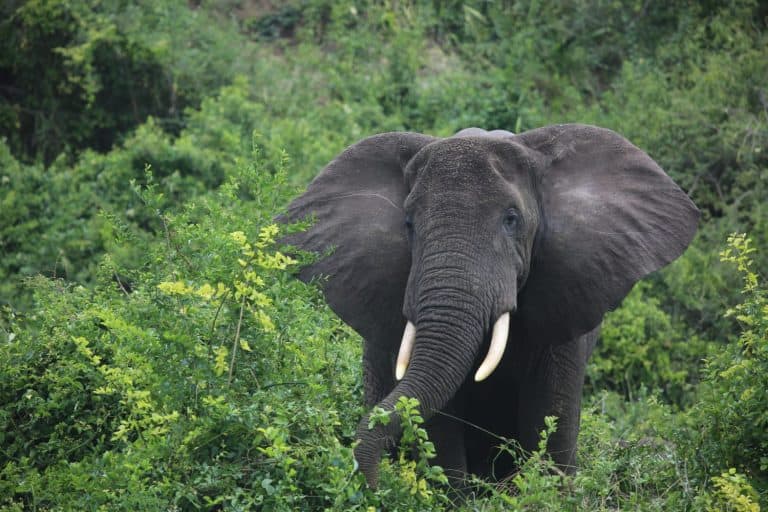
The rainforest's master gardener
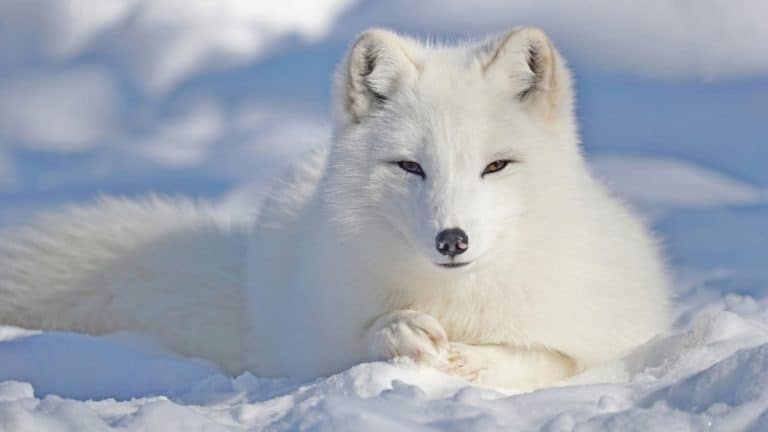
Built for blizzards, born for tundra
Built to dig. Born to endure.
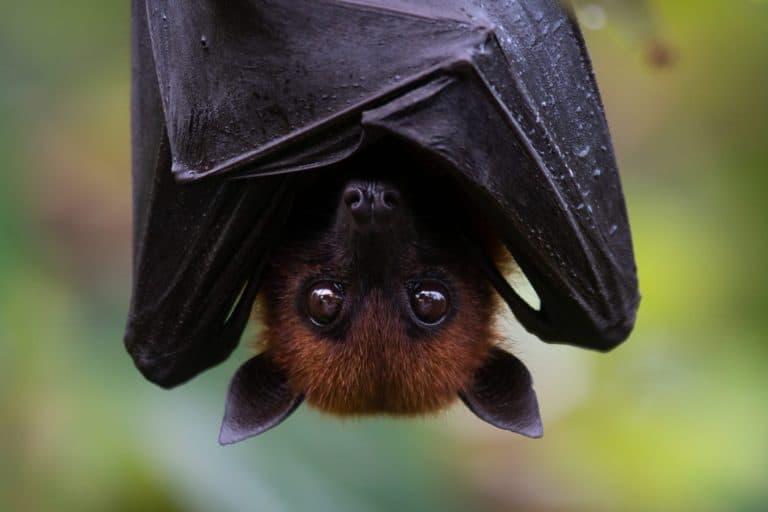
Night pilots of the mammal world
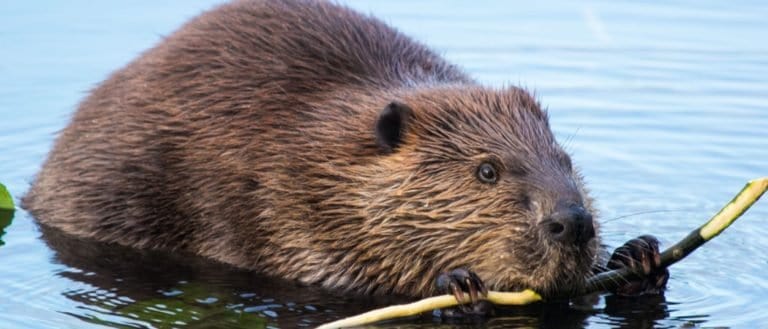
Build wetlands, shape worlds.

Humps of fat, miles of grit
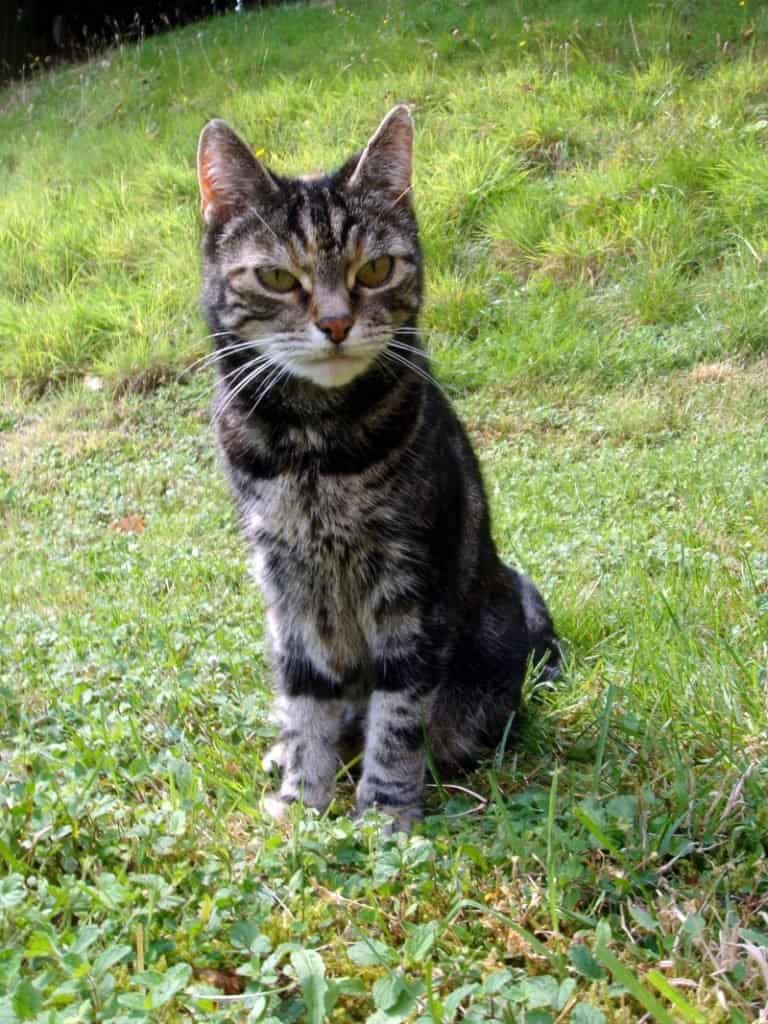
Small hunter, big household legend
Sure-footed partner of people
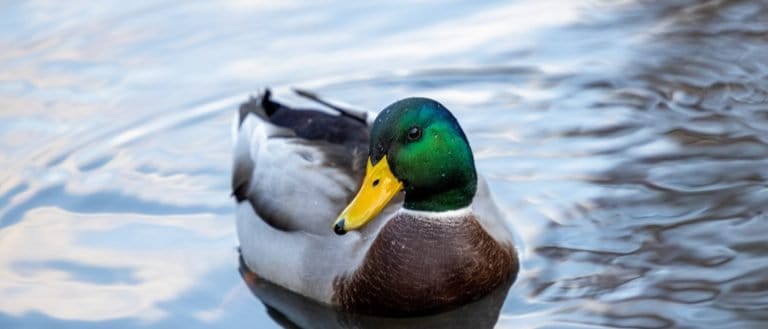
Webbed feet, world travelers.
Built to soar, born to strike
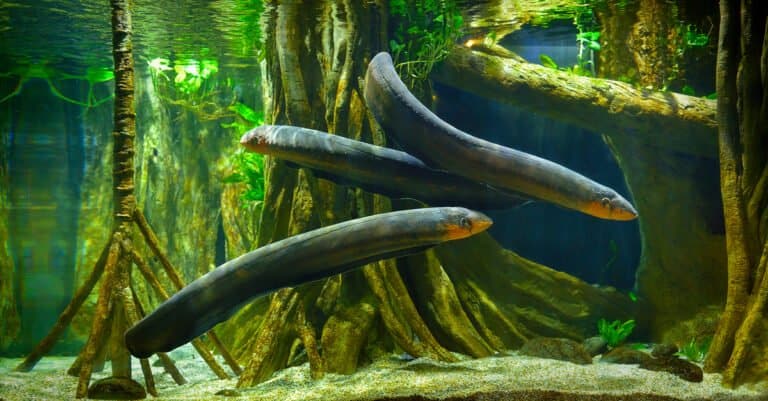
Lightning hunter of the Amazon
Bony rays, endless ways.
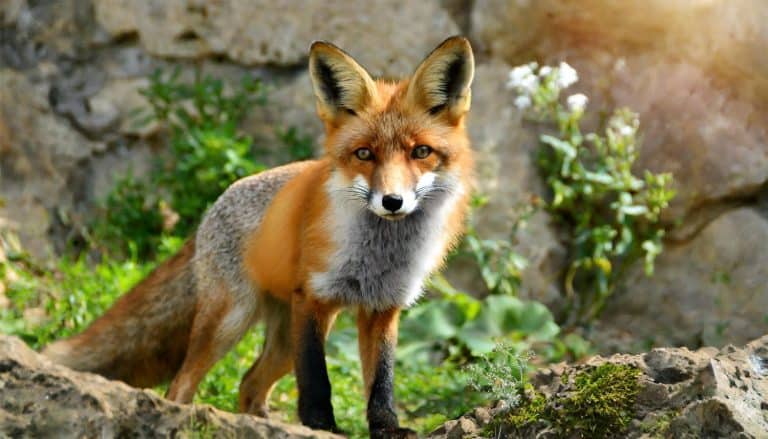
From dunes to tundra-fox smart.
Tailless jumpers, masters of change
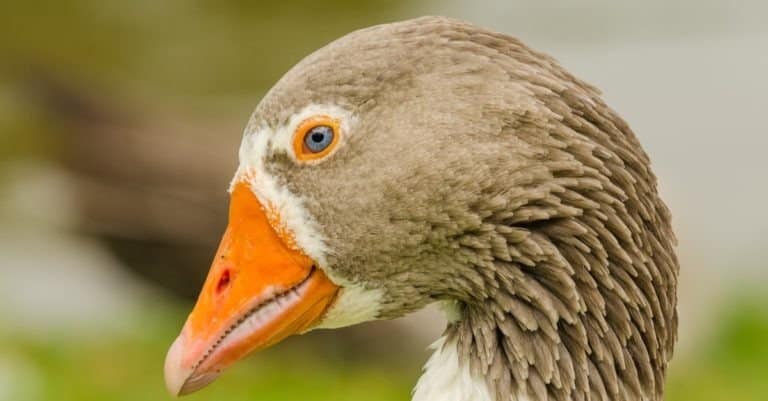
Webbed feet, sky roads, wetland lives
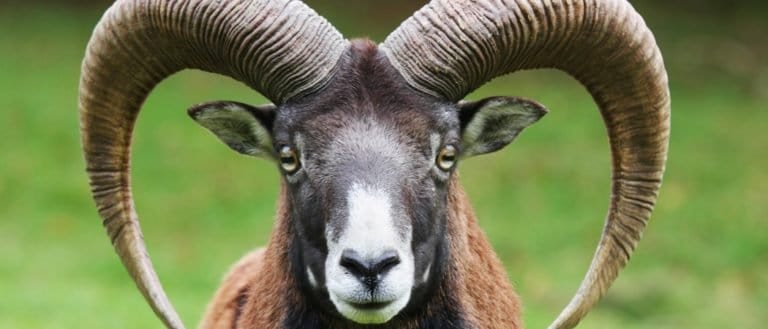
Sure-footed masters of rock and range
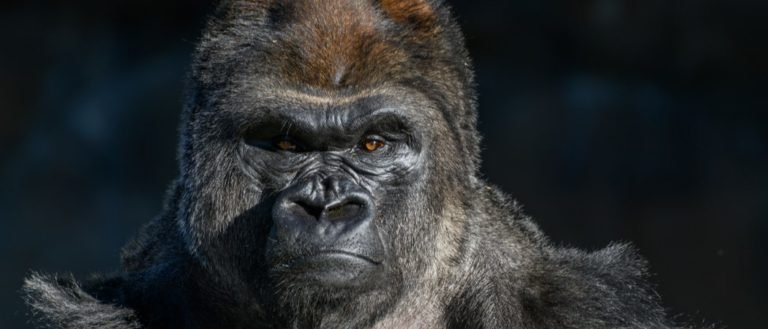
Gentle giants of the African forests
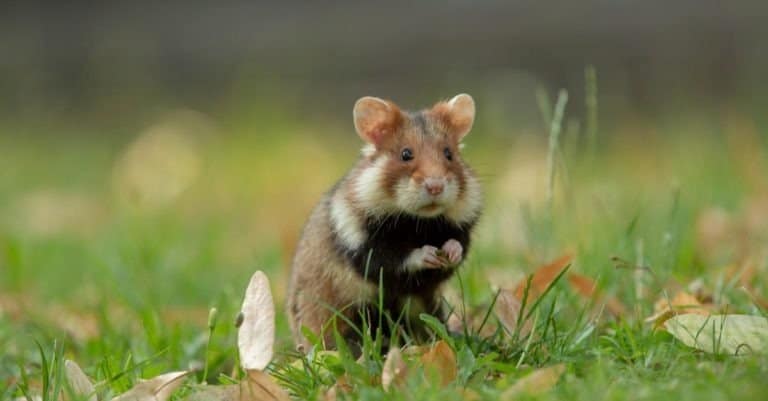
Pouches, burrows, and big impacts
Big river grazer, bigger attitude
One hoofbeat, a thousand histories
Sun-powered lizards of the Americas
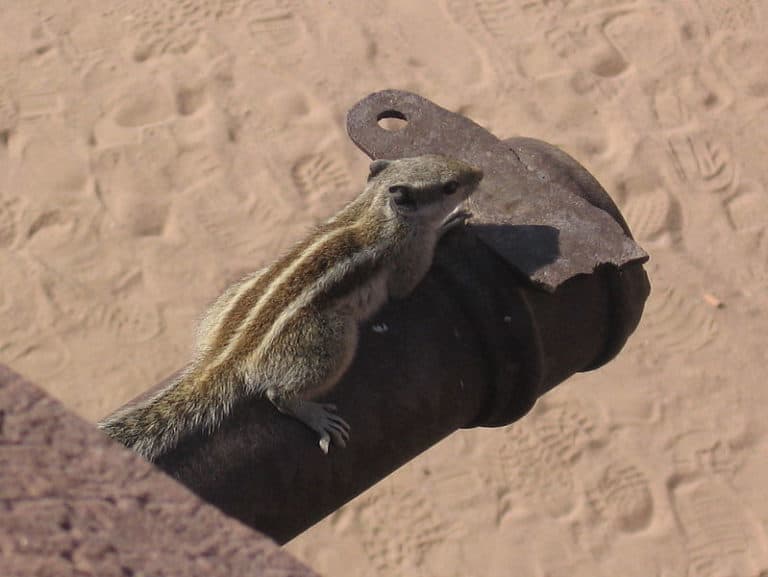
Three stripes. Big city attitude.
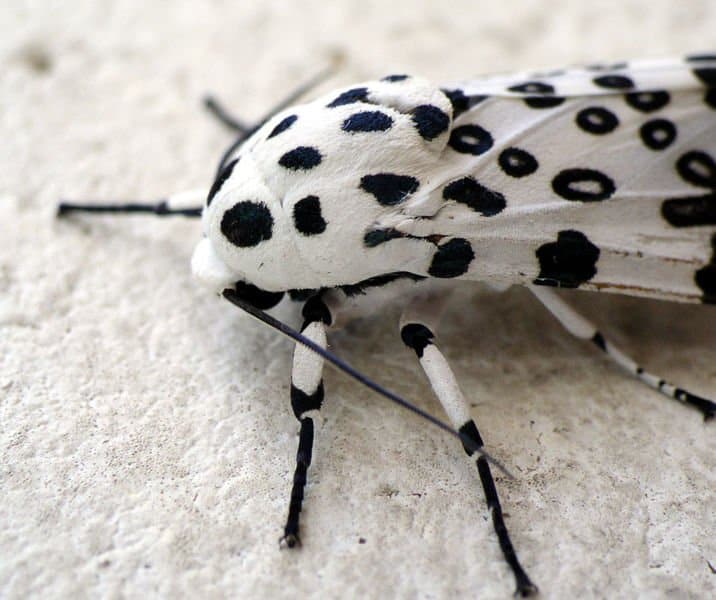
Six legs, endless lives.
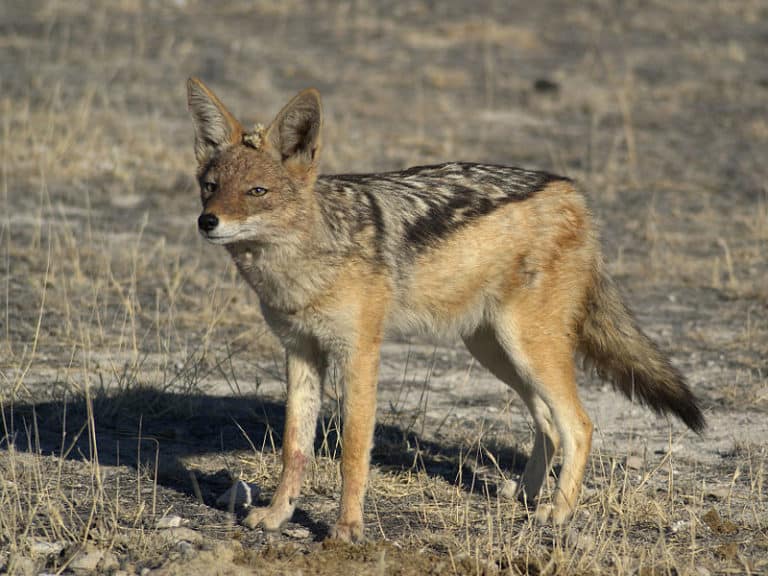
Small canids, big survival skills
Thank you for reading! Have some feedback for us?
We appreciate your help in improving our content.
Our editorial team will review your suggestions and make any necessary updates.
There was an error submitting your feedback. Please try again.