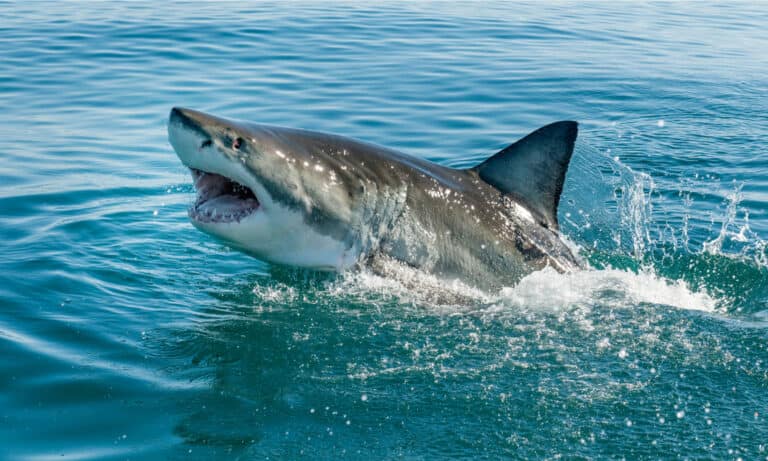
Great White Shark
Warm-blooded hunter of the seas

Warm-blooded hunter of the seas
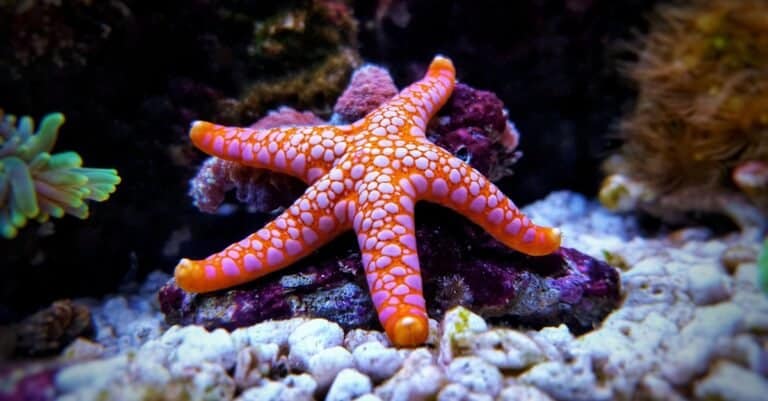
Hydraulic feet, star-shaped predators
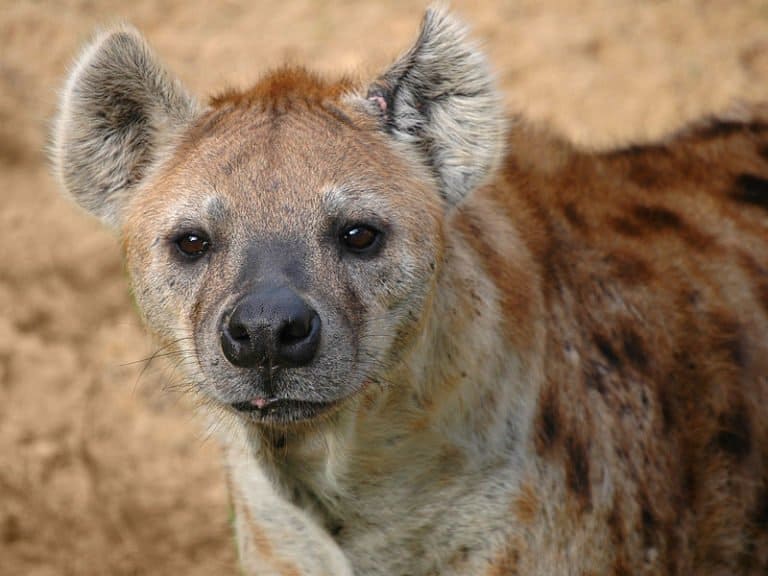
Bone-crushers, termite-lappers, ecosystem keepers
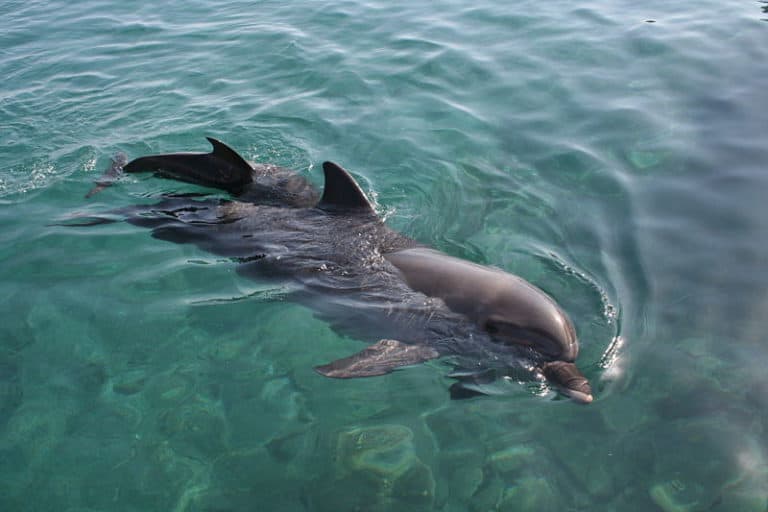
Built for the surf-and sonar.

Night pilots of the mammal world
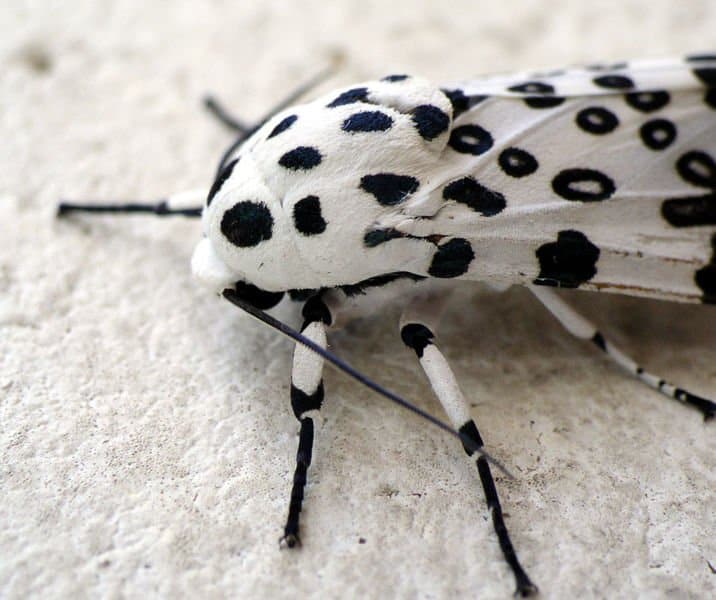
Six legs, endless lives.
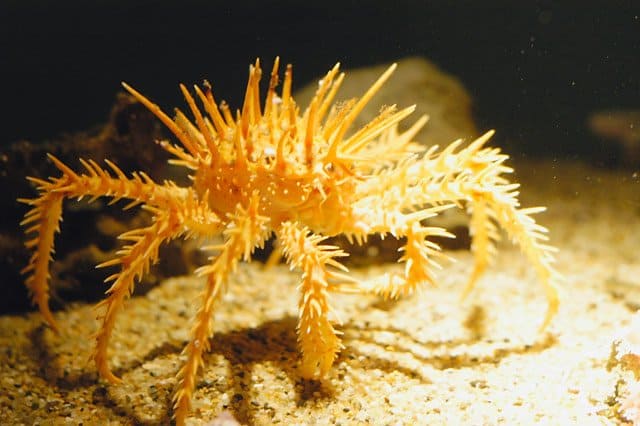
Cold-water royalty of the seafloor
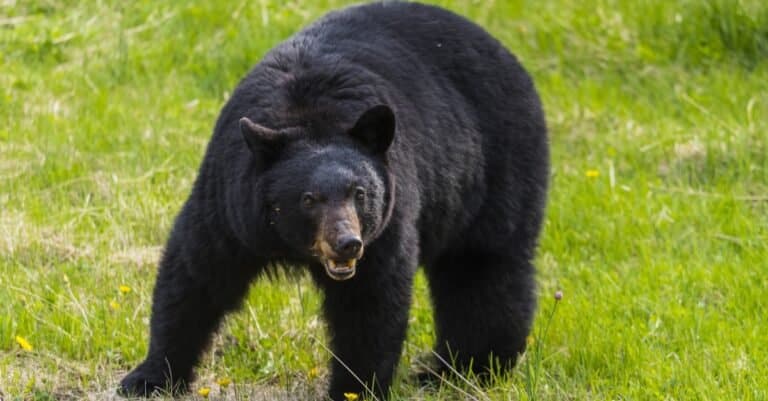
Many colors. One tough survivor.
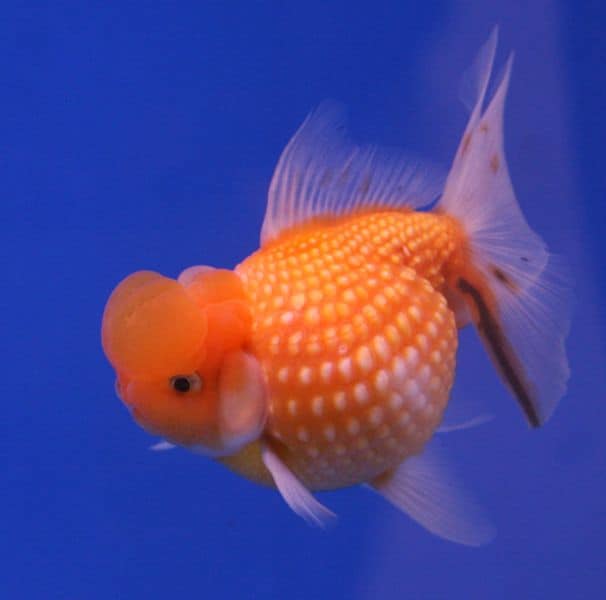
Bony rays, endless ways.

From dunes to tundra-fox smart.
The marine biome comprises Earth's interconnected saltwater ecosystems-oceans, seas, and coastal waters-shaped by gradients in salinity, temperature, pressure, light, and nutrient availability. It functions through physical ocean circulation and biogeochemical cycling that regulate primary production (especially by phytoplankton) and sustain complex food webs from microbes to apex predators.
Covering about 71% of Earth's surface, the marine biome is three-dimensional, shaped by sunlight, depth, and water movement. Layers range from bright surface waters to the dark deep sea, plus productive coastal zones. Currents and upwelling move heat and nutrients and help regulate climate. Phytoplankton, algae, and seagrasses make food from sunlight, feeding food webs that support fish, seabirds, and marine mammals. Habitats like coral reefs, kelp forests, estuaries, continental shelves, pelagic waters, and abyssal plains host distinct communities.
Marine biomes are shaped by the ocean's heat-holding power and strong mixing (currents, tides, upwelling), so temperatures change less than on land. Climate varies with latitude and circulation: tropical waters are warm and steady, temperate waters have seasons and mixing, polar waters stay cold with ice. Rainfall varies; productivity depends on light, mixing, and nutrients.
Typically small to moderate at the sea surface: ~2-5°C (tropical open ocean), ~8-15°C (temperate coastal and shelf seas), ~0-5°C (polar seas). Variability increases in shallow coastal waters and decreases offshore and with depth.
Highly variable over marine regions: ~200-600 mm/yr in subtropical gyres (dry belts), ~800-1,800 mm/yr in many temperate storm-track oceans, and ~2,000-4,000+ mm/yr in equatorial convergence zones and some monsoon-influenced seas.
Marine seasonality is driven by latitude (sun angle and day length), ocean–atmosphere circulation, and seasonal stratification versus mixing. In temperate and polar seas, winter cooling and storms deepen the mixed layer and refill surface nutrients; spring and summer bring stronger stratification, more light, and large phytoplankton blooms. In the tropics, rainfall, winds (monsoons), and upwelling set seasonal productivity.
Many marine areas are productive year-round, but growth depends on light and nutrients. Tropical waters grow almost all year with peaks from upwelling or monsoon. Temperate about 8–10 months with a big spring and smaller autumn bloom. Polar about 2–4 months in late spring–summer when daylight is long and ice melts.
Lowest sea-surface temperatures (SST) and shortest days; frequent storms; strong surface cooling drives deep vertical mixing (deep mixed layer); sea ice may form at high latitudes; generally higher nutrient availability at the surface due to mixing but limited light constrains photosynthesis.
Nutrients are replenished into the euphotic zone, "charging" the system for spring blooms; primary production often low in temperate regions because light is limiting (except in some nutrient-rich, ice-edge or upwelling settings). Food webs shift toward detrital pathways and overwintering strategies; storm-driven resuspension can increase coastal turbidity.
Rapidly increasing photoperiod; surface warming begins; mixed layer shoals; water column becomes more stable (stratified) while nutrients remain high from winter mixing.
Major phytoplankton bloom(s) often occur when light becomes sufficient while nutrients are still abundant; bloom fuels a surge in secondary production (zooplankton) and propagates upward to fish, seabirds, and mammals. Increased organic matter export to depth can intensify microbial respiration and influence oxygen at depth (especially in restricted basins). Coastal waters may see strong diatom blooms and, in some regions, early-season harmful algal blooms.
Warmest SST and longest days; strong thermocline; shallow mixed layer; surface nutrients frequently depleted away from upwelling/coastal inputs; clearer water offshore; episodic heatwaves can occur.
Primary production often declines in oligotrophic open ocean due to nutrient limitation, though it can remain high in coastal zones with river inputs or in upwelling systems. Increased risk of hypoxia in stratified coastal waters where respiration outpaces oxygen resupply. Coral reef regions experience peak thermal stress risk (bleaching) during anomalously warm summers. Kelp forests often show strong growth where nutrients/currents remain favorable; otherwise can experience dieback during warm, nutrient-poor periods.
Decreasing photoperiod; surface cooling and stronger winds deepen the mixed layer; stratification erodes; nutrients begin returning to the euphotic zone; storms increase.
Often a smaller "fall bloom" occurs as mixing supplies nutrients while light remains adequate. Increased storm activity redistributes sediments and nutrients on shelves, reshapes coastal habitats, and can trigger pulses of productivity near fronts. As mixing strengthens, surface productivity becomes less predictable and shifts toward winter regimes.
Day Length: Day length varies strongly with latitude: minimal seasonal change in the tropics (~11-13 h year-round), pronounced shifts in temperate zones (~8-16 h), and extreme polar regimes (polar night to 24 h daylight). Ecological significance: photoperiod controls the seasonal light budget for photosynthesis and is a key cue for timing of blooms and reproduction/migration. In temperate/subpolar oceans, the interaction of photoperiod with mixed-layer depth largely determines bloom timing and magnitude; in polar oceans, rapid increases in daylight plus ice melt drive intense, short-lived production pulses that synchronize life histories (e.g., zooplankton and seabird breeding).
Marine biomes are Earth's saltwater environments - open oceans, marginal seas, and coastal waters - and make the planet's largest biome. They occur worldwide and are shaped by latitude (temperature), ocean circulation, and changes with depth (light and pressure), plus coastal factors like upwelling, river inputs, and shelf bathymetry. Productivity is high on continental shelves and upwelling zones; mid-ocean gyres are nutrient-poor.
Globally, marine biomes retain most of their geographic area (~71% of Earth's surface) but are in a degraded and declining ecological condition due to overexploitation, warming-driven impacts (including marine heatwaves and acidification), pollution, and extensive alteration of coastal and shelf ecosystems. Overall conservation status: broadly threatened, with many sub-systems (coral reefs, seagrass meadows, estuaries, coastal wetlands, and heavily fished regions) in high to critical concern.
Most of the ocean is effectively a desert: vast open-ocean regions are low in nutrients, so productivity is concentrated in coastal waters and upwelling zones.
The ocean makes a huge share of the oxygen you breathe: microscopic phytoplankton in the sunlit ocean contribute roughly half of Earth's oxygen production (estimates vary year to year).
Sound travels far farther underwater than in air - low-frequency whale calls and ship noise can propagate across entire ocean basins under the right conditions.
The biggest migrations on Earth happen daily: countless zooplankton and small fish rise toward the surface at night and sink by day in the 'diel vertical migration,' moving more biomass than any land migration.
The sea can 'snow' year-round: 'marine snow' - a steady fall of dead plankton, mucus, and particles - feeds deep-sea ecosystems in perpetual darkness.
Life doesn't need sunlight: entire communities thrive around hydrothermal vents using chemosynthesis (energy from chemicals like hydrogen sulfide), not photosynthesis.
If you could drain the oceans, the global mid-ocean ridge system would look like a planet-spanning mountain range longer than Earth's equator is wide.
The deep sea is like Earth's largest unknown wilderness: most of the biosphere by volume is ocean water, not land or freshwater.
The Mariana Trench is so deep that if you dropped Mount Everest into it, the summit would still be more than a kilometer underwater.
Coral reefs are often called the 'rainforests of the sea,' but they're even more space-efficient - dense biodiversity packed into a thin, sunlit layer.
Seagrass meadows act like underwater prairies: they stabilize sediments, shelter young fish, and store carbon in thick, waterlogged soils.
Kelp forests can function like underwater 'redwood forests,' forming tall canopies that slow currents and create habitat layers from seafloor to surface.
Largest habitat on Earth: the marine biome covers ~71% of Earth's surface and contains ~97% of its water.
Biggest animal ever: the blue whale is the largest animal known to have lived, marine or terrestrial.
Longest mountain range: the Mid-Ocean Ridge is Earth's longest mountain chain (~65,000 km), mostly hidden underwater.
Biggest volcanic feature (by volume): Hawaii's Mauna Loa-style shield volcanism is huge, but the largest single volcano by volume is widely cited as Tamu Massif (submarine) on the Shatsky Rise (though its largest status depends on how volcanoes are defined).
Deepest place on Earth: the Challenger Deep in the Mariana Trench reaches roughly ~10.9 km below sea level (exact depth varies by survey).
Most biodiverse marine habitats: coral reefs occupy <1% of the seafloor yet support a disproportionate share of marine species (often summarized as 'about a quarter' of marine life, with estimates varying by region and definition).
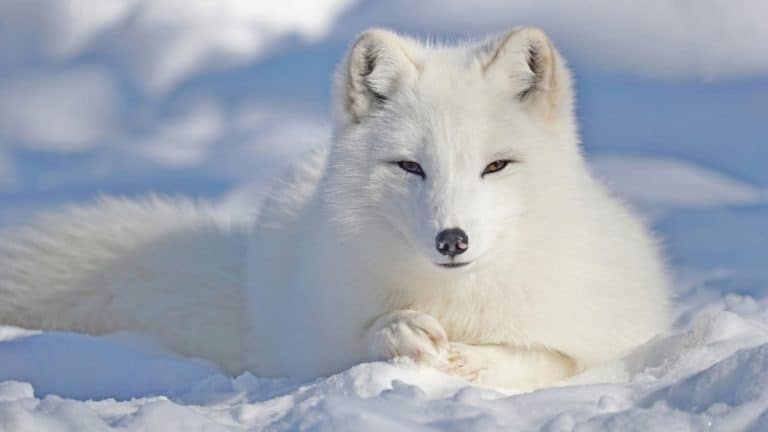
Built for blizzards, born for tundra
Night pilots of the mammal world
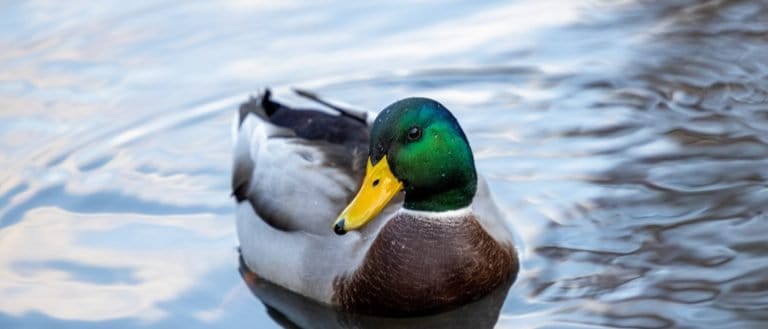
Webbed feet, world travelers.
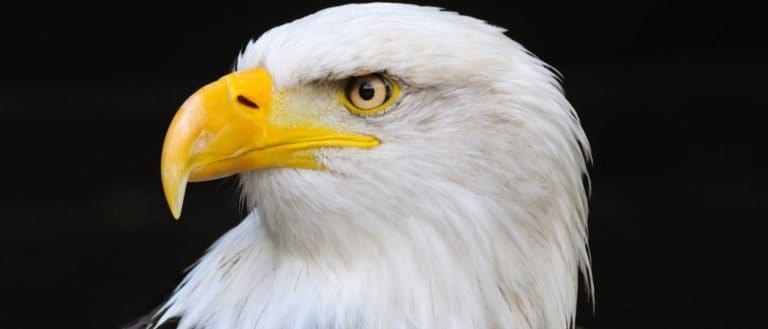
Built to soar, born to strike
Bony rays, endless ways.
From dunes to tundra-fox smart.
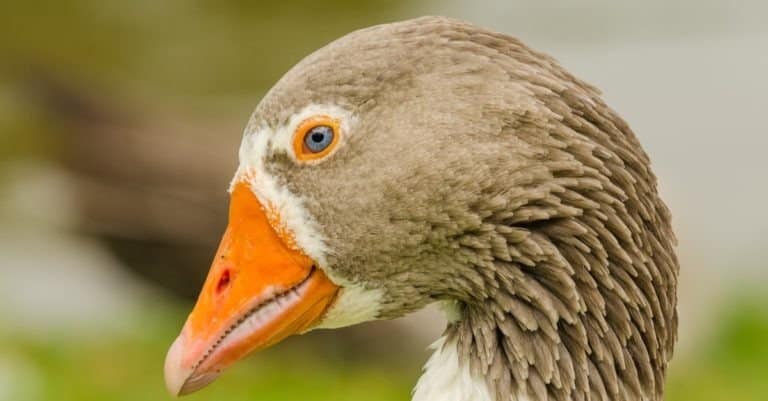
Webbed feet, sky roads, wetland lives
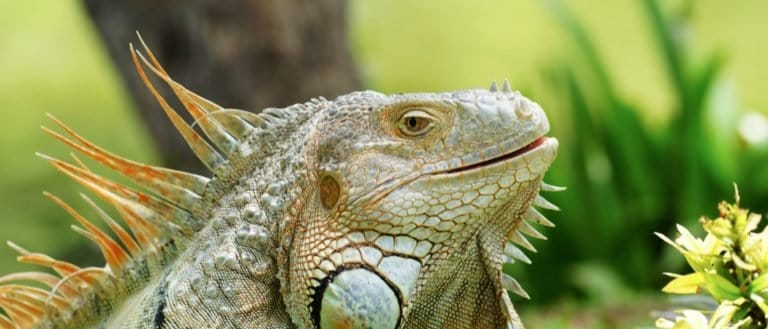
Sun-powered lizards of the Americas
Six legs, endless lives.
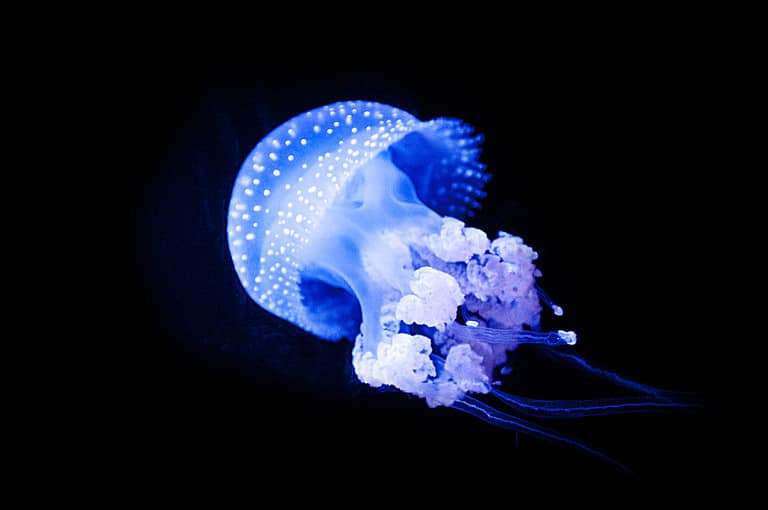
Sting-powered drifters of the sea
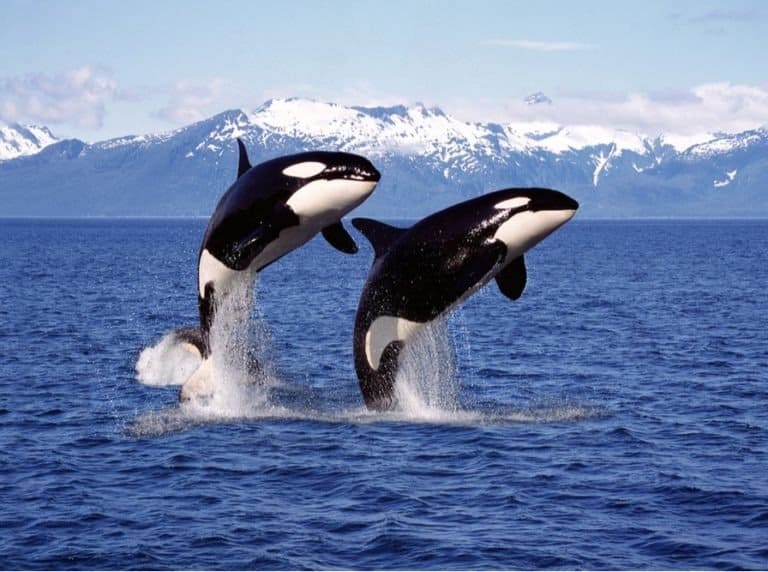
One species, many ecotypes.
Cold-water royalty of the seafloor
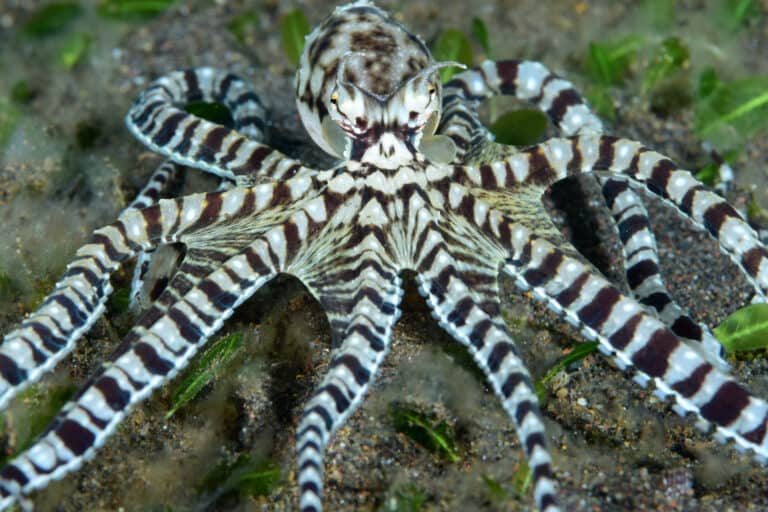
Eight arms, endless ingenuity
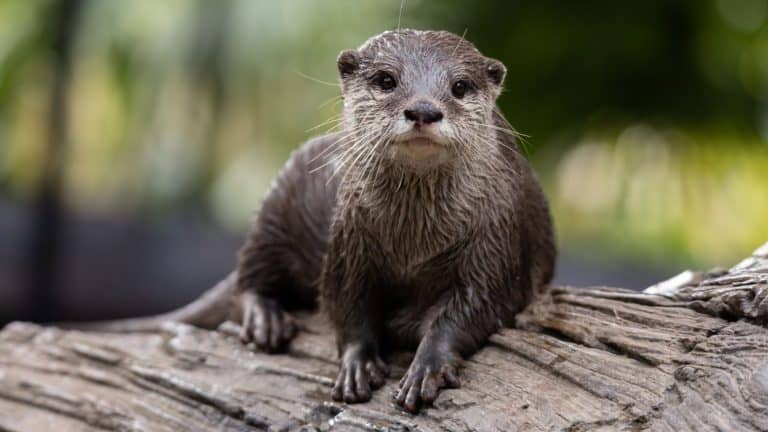
Built for water, born to hunt
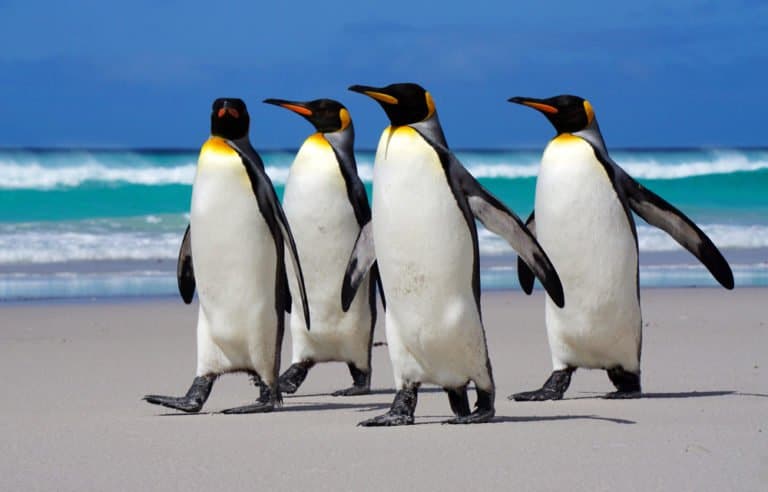
Born to dive, dressed to endure
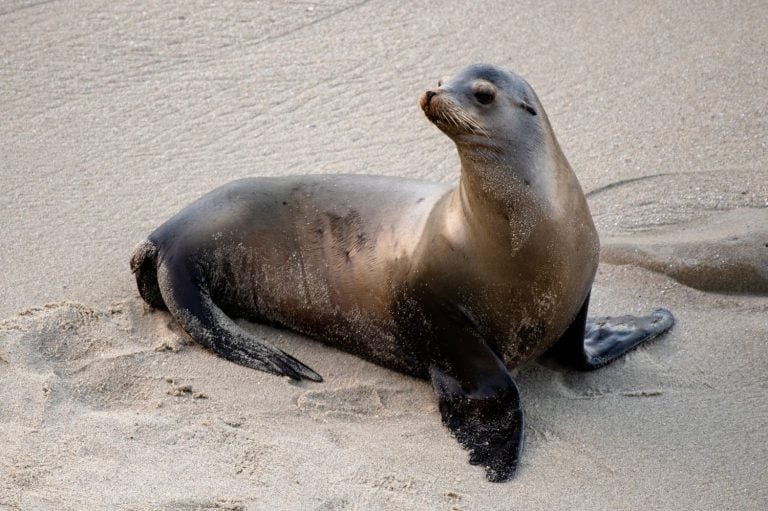
Ear flaps, flippers, and fierce colonies
Warm-blooded hunter of the seas
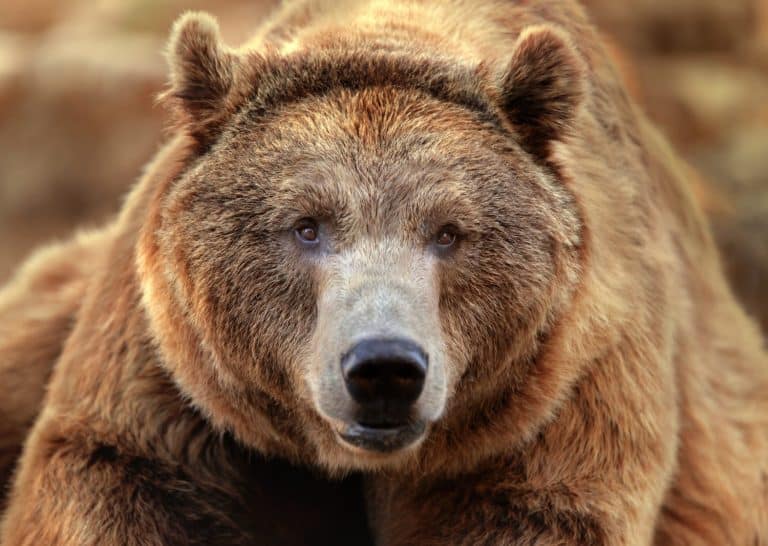
Hump, claws, and wild omnivory
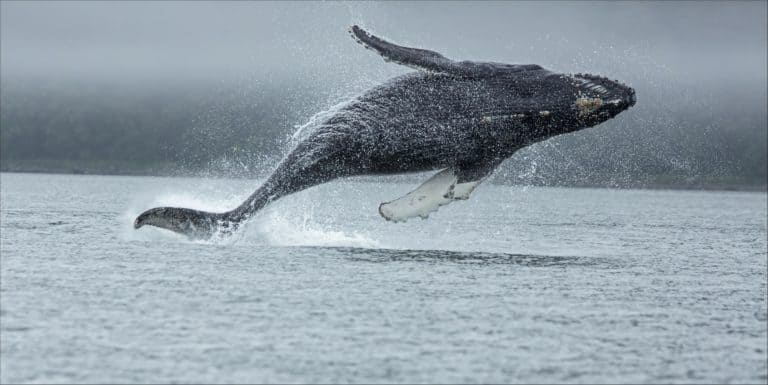
Planet's biggest krill-powered giant
Built for the surf-and sonar.
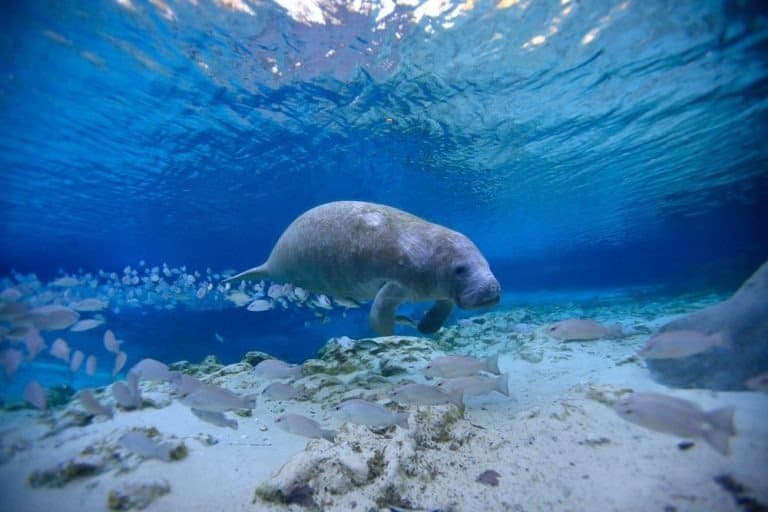
Gentle giants of warm waters
Hydraulic feet, star-shaped predators
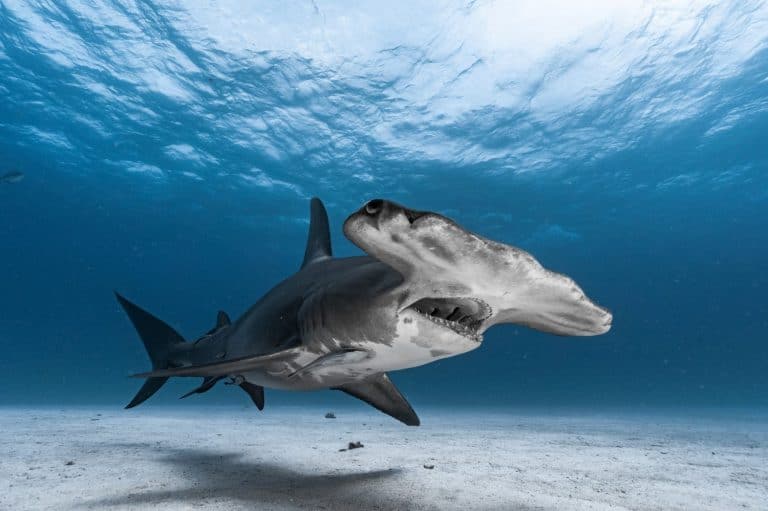
Built like a hammer, tuned like a radar
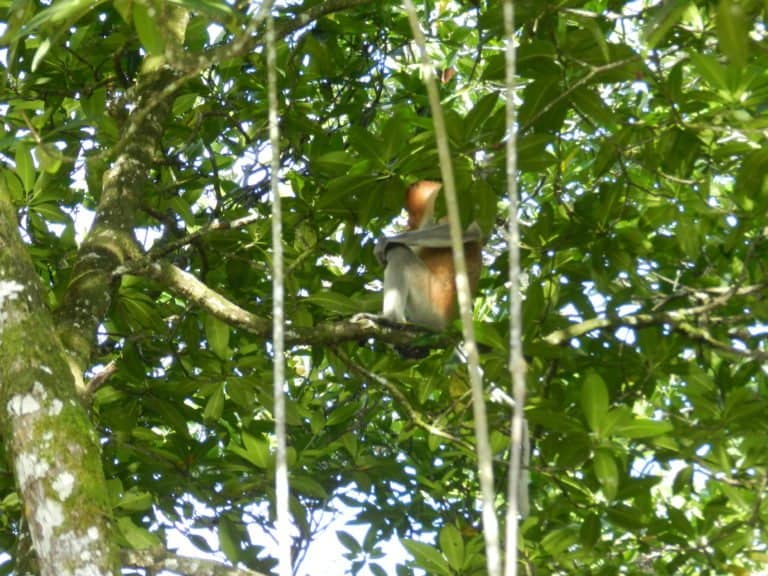
The river-nose of Borneo
Thank you for reading! Have some feedback for us?
We appreciate your help in improving our content.
Our editorial team will review your suggestions and make any necessary updates.
There was an error submitting your feedback. Please try again.