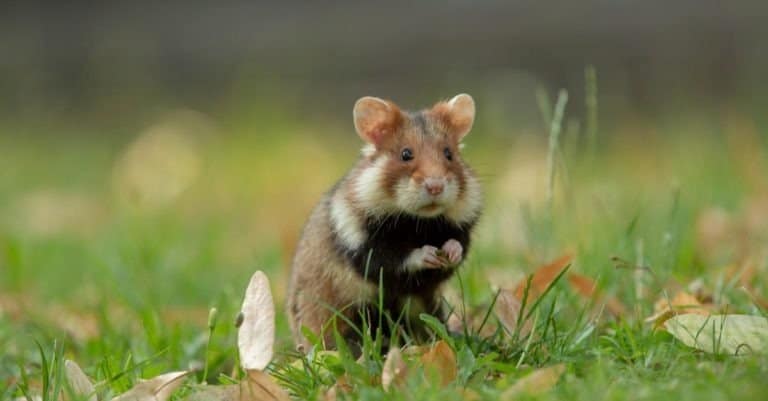
Hamster
Pouches, burrows, and big impacts

Pouches, burrows, and big impacts
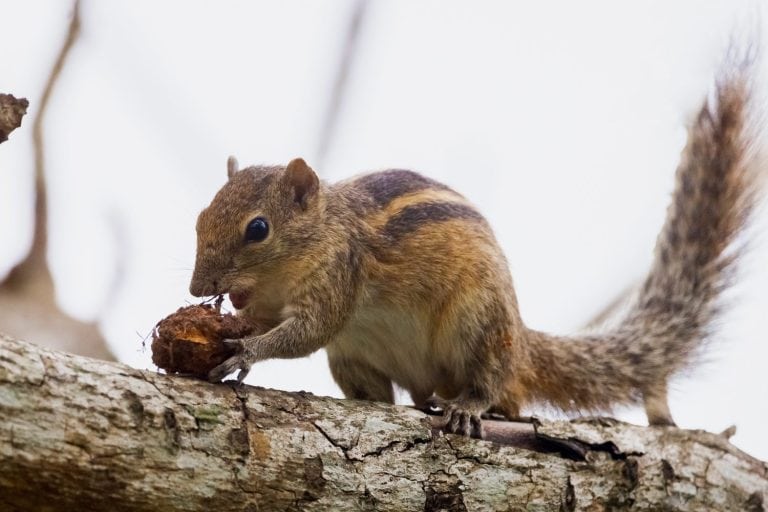
Three stripes. Big city attitude.
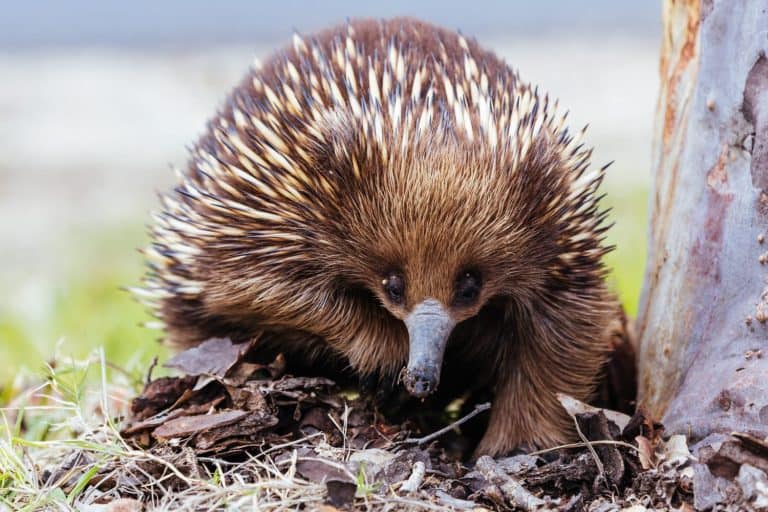
Spines, eggs, and ant-eating mastery
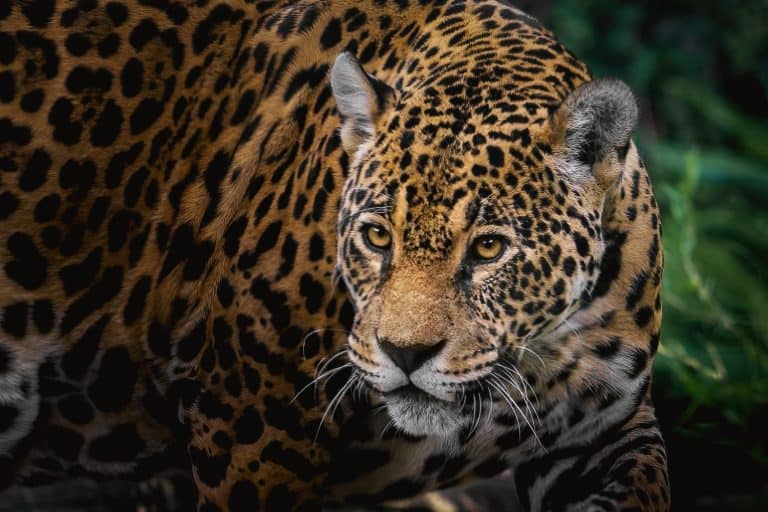
Power of the Americas' apex cat
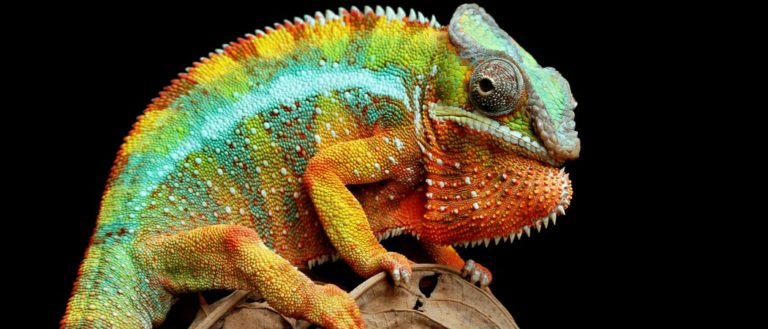
From geckos to dragons-lizard power
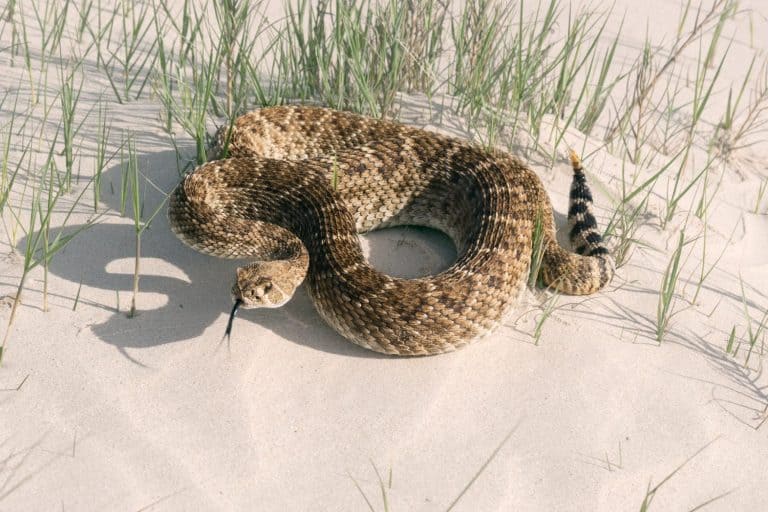
Hear the rattle, give it space.
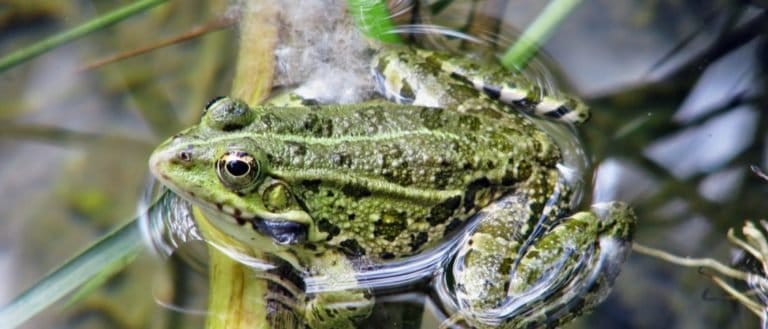
Tailless jumpers, masters of change
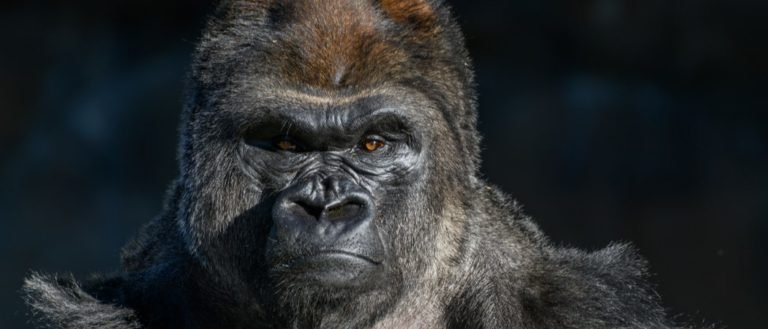
Gentle giants of the African forests
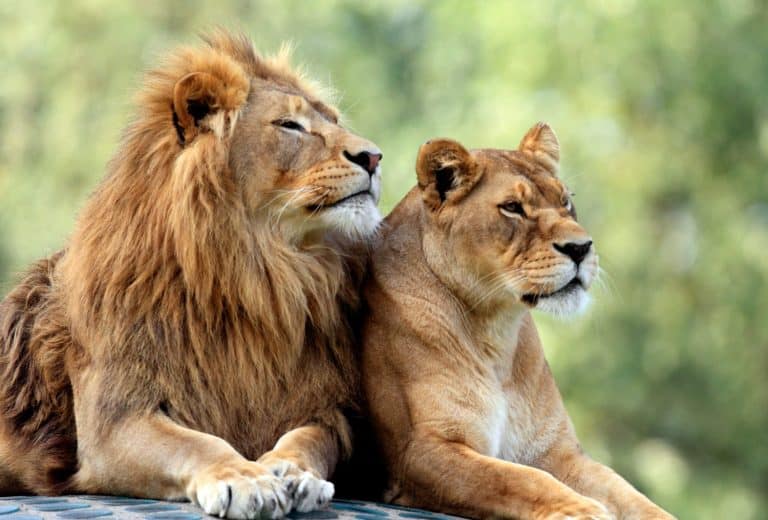
Built for prides, born for the hunt
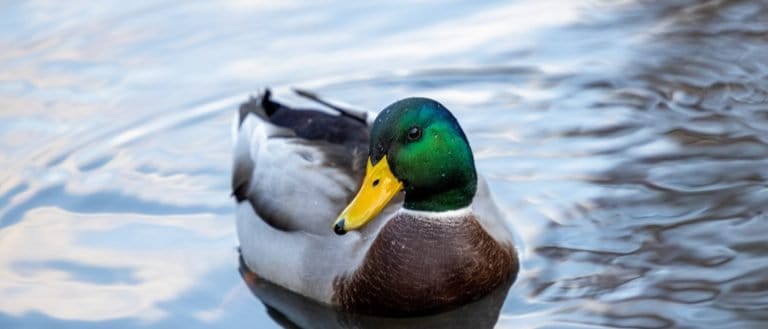
Webbed feet, world travelers.
Urbanization is the transformation and intensification of natural or semi-natural land into built environments (cities, suburbs, industrial and commercial areas) and associated infrastructure, leading to persistent changes in land cover, habitat structure, and ecological processes. It drives biodiversity decline primarily through habitat loss, fragmentation, altered disturbance regimes, and chronic pollution and human activity.
Urbanization turns natural habitat into hard surfaces and altered green space, replacing native plants with buildings and roads. It removes habitat and breaks remaining areas into small, isolated patches, creating more edge, warming cities, and changing water flow that harms streams and land life. Cities bring chronic pressures: artificial light, noise, chemical pollution (heavy metals, pesticides, road runoff), more people and pets, and roads that kill animals and block movement and gene flow. Urban areas favor generalist and invasive species while sensitive specialists and wide-ranging animals decline. Urbanization is long-lasting and tied to development; its impacts spread beyond cities and are hard to reverse. Conservation needs land-use planning, connected habitats, less pollution, wildlife-friendly design, and protection of remnant patches.
Urbanization amplifies habitat loss by converting remaining natural areas and compressing wildlife into smaller patches, intensifying density-dependent stress and edge effects.
Urbanization typically brings roads, rail, powerlines, and buildings; these multiply collision risks, create movement barriers, and increase fragmentation beyond the footprint of cleared land.
Urban areas increase light, noise, chemical, and plastic pollution; these stressors compound habitat changes by disrupting communication, navigation, and health, reducing survival and reproduction.
Urban heat islands worsen heat extremes and drought impacts under climate change, pushing species beyond thermal limits and reducing availability of cool refugia and water.
Urban environments facilitate establishment of non-native plants and synanthropic animals; invasives can outcompete natives and alter habitats, further reducing food and nesting resources.
Fragmented green spaces and artificial feeding concentrate animals and increase contacts among wildlife, pets, and people, raising pathogen transmission and spillover risk.
Urbanization increases constant human activity (recreation, construction, lighting), compounding stress and reducing effective habitat quality even where green space remains.
As wildlife uses urban food and shelter, encounters with people rise (property damage, perceived threats), increasing harassment, lethal control, and barriers to movement.
Urban water extraction and landscaping demands can reduce streamflows and wetland levels; combined with land conversion, this reduces aquatic and riparian habitat resilience.
Channelization, stormwater engineering, and altered fire regimes in urban interfaces change hydrology and disturbance patterns, degrading habitats that might otherwise persist in urban mosaics.
Urban edges can create easy access points and corridors that increase poaching pressure on peri-urban wildlife, while displacement forces animals into more exposed areas.
Urban land covers only about 1-3% of Earth's land surface, yet it concentrates more than half the human population-meaning a very small footprint can trigger outsized habitat loss, pollution, and fragmentation.
Small habitat fragments in suburbs often become "all edge." Many edge effects (hotter, drier, windier conditions; more invasive species and predators) can penetrate ~100 meters or more into a patch-so a tiny woodlot may have almost no true interior habitat left.
Urbanization doesn't just remove habitat-it rewires ecosystems. Impervious surfaces (roads, roofs) can turn gentle streams into "flashy" systems with sudden flood pulses, erosion, warmer water, and pollutant spikes that many aquatic species can't tolerate.
Artificial light at night is now so widespread that roughly 80% of people live under light-polluted skies. That lighting can disrupt nocturnal animals, confuse migrating birds, and alter insect behavior-reshaping food webs.
Cities can create "heat islands" where nighttime temperatures stay significantly warmer than surrounding countryside. That shifts flowering times and insect activity-sometimes benefiting generalists, but pushing heat-sensitive species past their limits.
Roads are more than a mortality risk: they can act like hard borders that limit movement and gene flow. Some populations on opposite sides of a highway can become genetically isolated even when habitat looks similar.
Urban ecosystems often favor a small set of adaptable "winner" species (e.g., pigeons, rats, some corvids), leading to biotic homogenization-different cities end up looking more ecologically alike, while local specialists disappear.
Urban and suburban growth increases human-wildlife conflict and "ecological traps," where animals are attracted to resources (food, warmth, nesting sites) but face higher risks from traffic, windows, poisoning, and disturbance.
Domestic cats-most common in human-dominated landscapes-are linked to very large wildlife mortality. In the U.S. alone, they're estimated to kill billions of birds and small mammals annually, compounding other urban pressures.
Urban expansion often targets flat, fertile, well-watered regions-areas that are also disproportionately important for biodiversity and agriculture-so the ecological cost per square kilometer can be especially high.
A widely cited projection estimated global urban land could expand by ~1.2 million km² between 2000 and 2030-about the size of South Africa.
That same scale of expansion averages to roughly ~110 km² of new urban land per day-around 15,000 soccer fields paved or built over every single day.
Road growth magnifies urban impacts far beyond city boundaries: one estimate suggests ~25 million km of new roads by 2050-enough to wrap around Earth about 625 times.
Put differently, ~25 million km of roads is about 33 round trips from Earth to the Moon in total distance.
Edge effects can dominate surprisingly fast: if edge influence extends ~100 m, a 10-hectare (100,000 m²) square forest patch becomes ~87% "edge" and only ~13% true interior habitat.
A single 1-inch (2.54 cm) rainstorm falling on 1 km² of fully paved surface produces ~25,000 m³ of runoff-about 10 Olympic-size swimming pools-rushing into drains and streams instead of soaking into soil.
Because urban areas are small but dense, they can drive a huge share of emissions: cities are often estimated to account for well over 70% of energy-related CO₂ emissions, linking urban growth to climate pressures that further stress wildlife.
Skyglow is so pervasive that the Milky Way is no longer visible to more than one-third of humanity (and to the vast majority of people in the U.S. and Europe), illustrating how far urban influence reaches beyond city limits.
Even modest suburban growth can fragment habitat into "islands" separated by roads and lawns-turning what looks like continuous green on a map into many smaller, riskier patches for sensitive species.
For many animals, crossing a busy road can be comparable to crossing a lethal "river" of moving obstacles-so a few hundred meters of asphalt can function like a major barrier that divides populations and shrinks usable habitat.
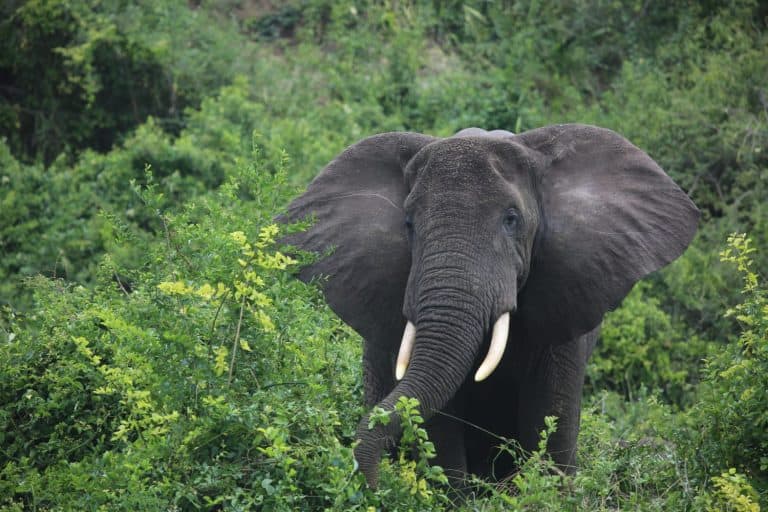
The rainforest's master gardener
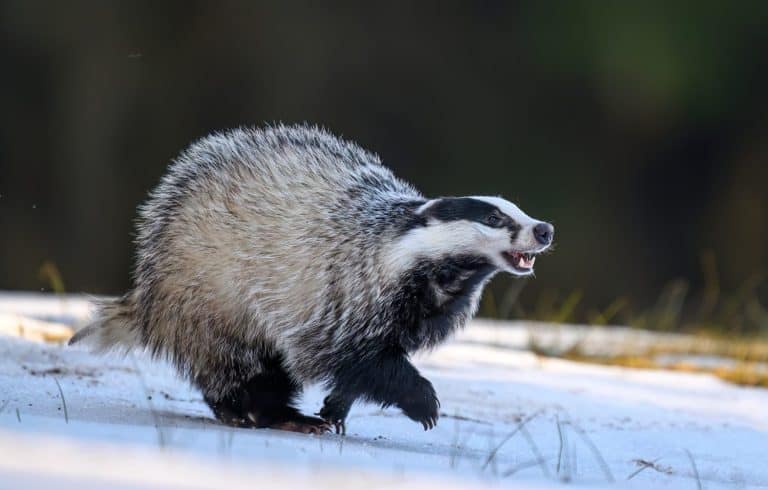
Built to dig. Born to endure.
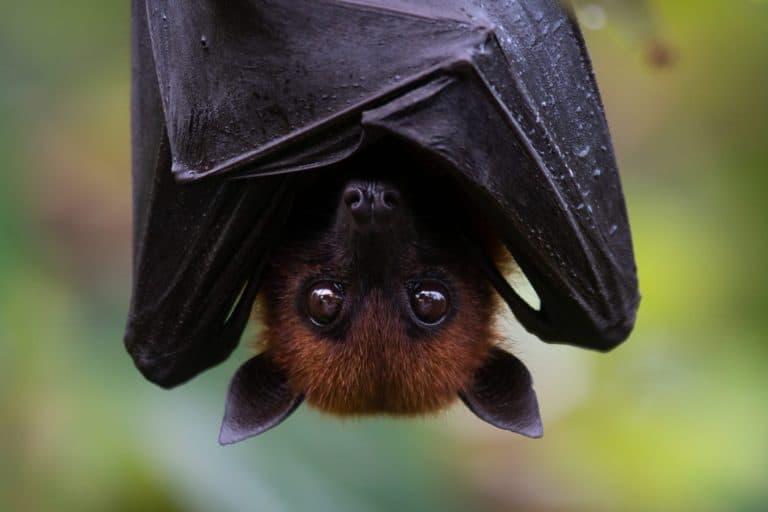
Night pilots of the mammal world
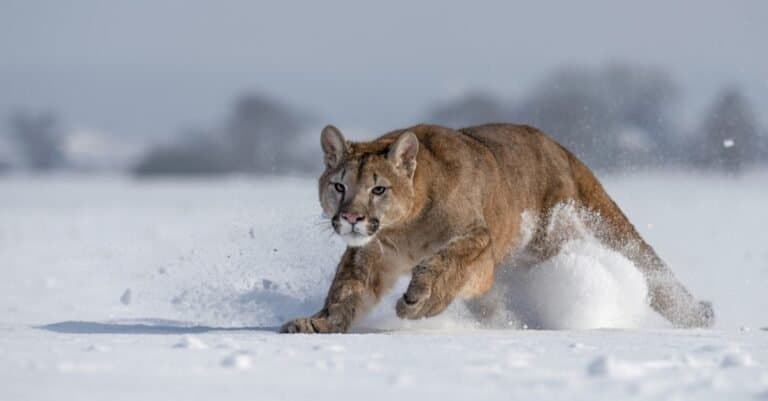
One cat. Two continents.
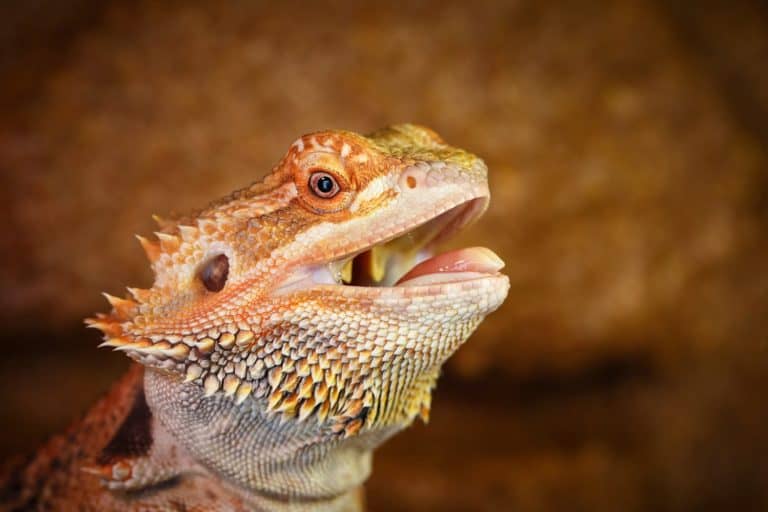
Big beard, bright sun, bold attitude.
Webbed feet, world travelers.
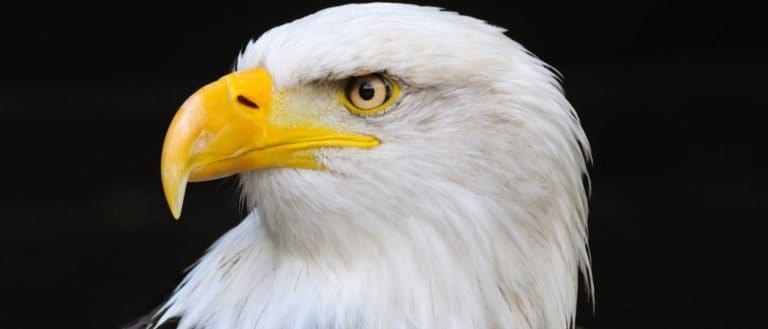
Built to soar, born to strike
Spines, eggs, and ant-eating mastery
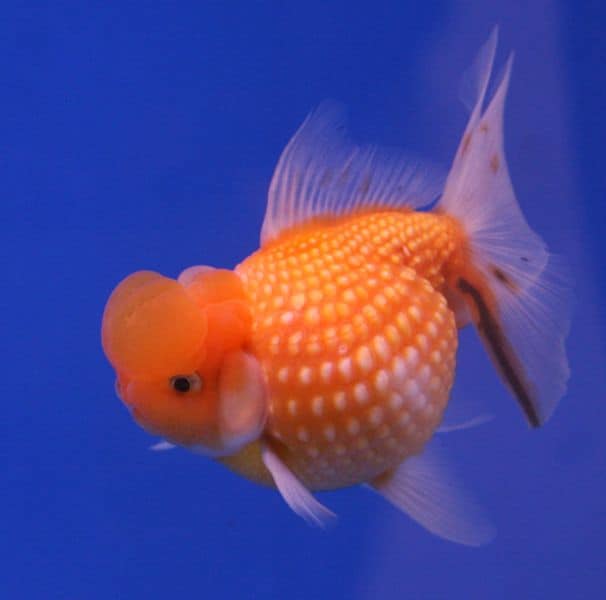
Bony rays, endless ways.
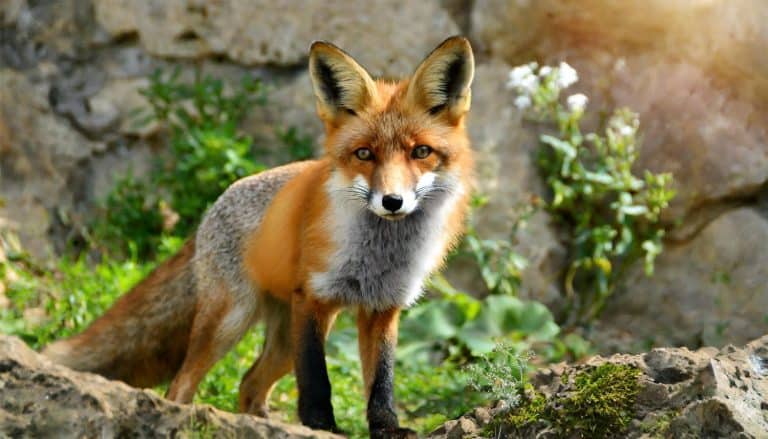
From dunes to tundra-fox smart.
Tailless jumpers, masters of change
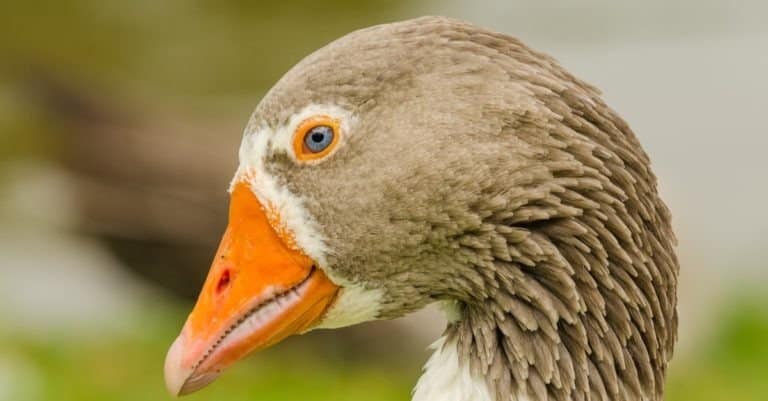
Webbed feet, sky roads, wetland lives
Gentle giants of the African forests
Pouches, burrows, and big impacts
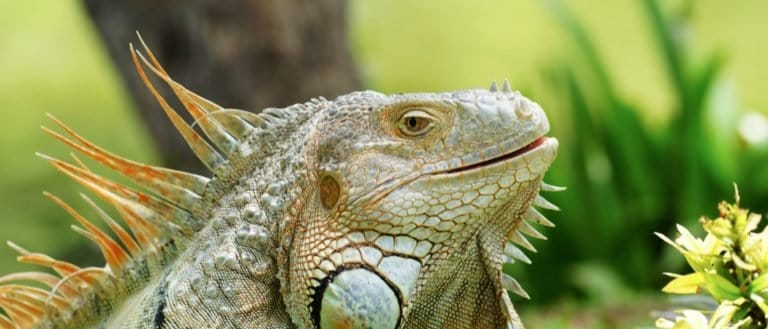
Sun-powered lizards of the Americas
Three stripes. Big city attitude.
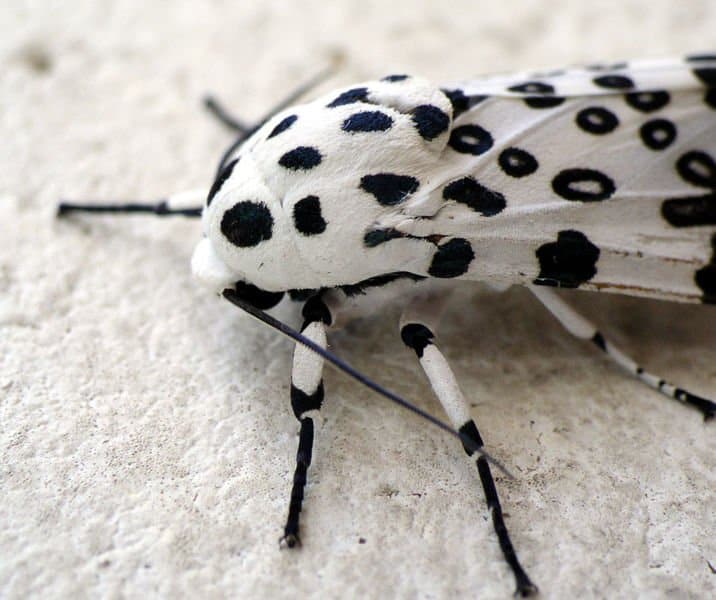
Six legs, endless lives.
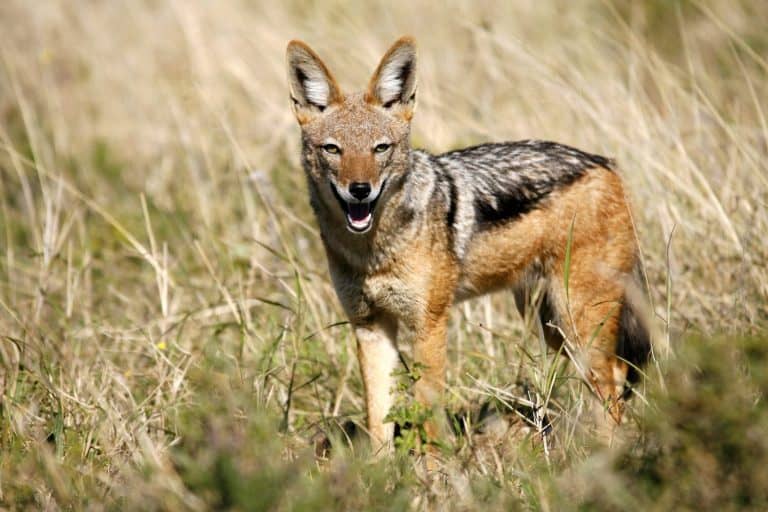
Small canids, big survival skills
Power of the Americas' apex cat
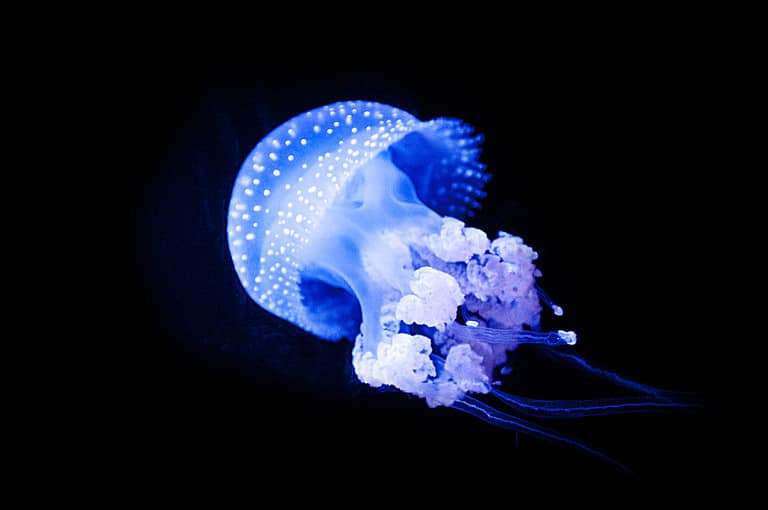
Sting-powered drifters of the sea
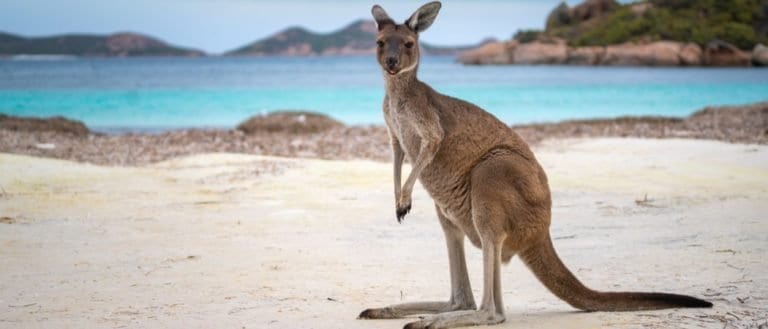
Big hops, big pouches, big variety
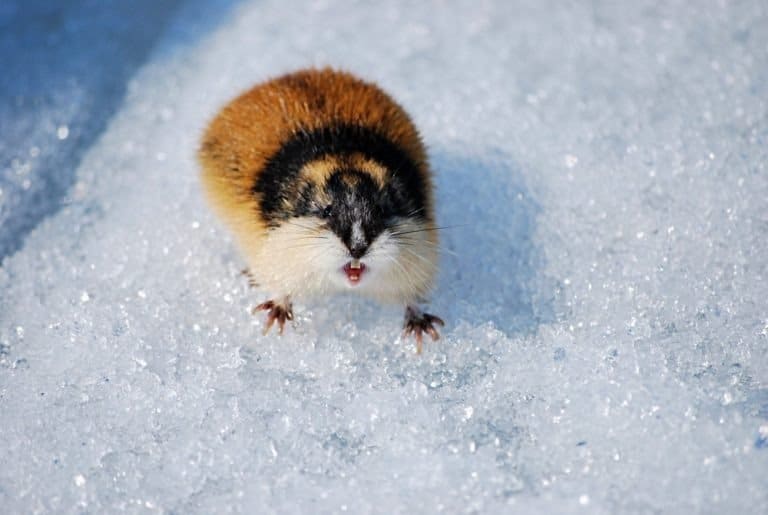
Small rodents, huge tundra impact
Built for prides, born for the hunt
From geckos to dragons-lizard power
Thank you for reading! Have some feedback for us?
We appreciate your help in improving our content.
Our editorial team will review your suggestions and make any necessary updates.
There was an error submitting your feedback. Please try again.