
Eagle
Built to soar, born to strike

Built to soar, born to strike
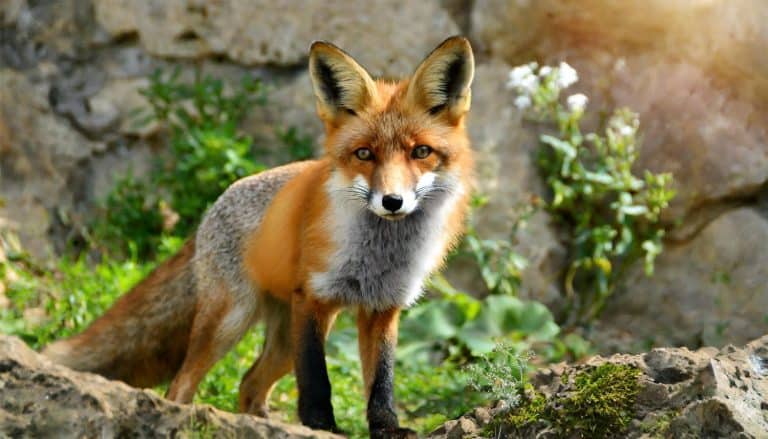
From dunes to tundra-fox smart.

Sure-footed masters of rock and range

Small gnawers, huge impact.
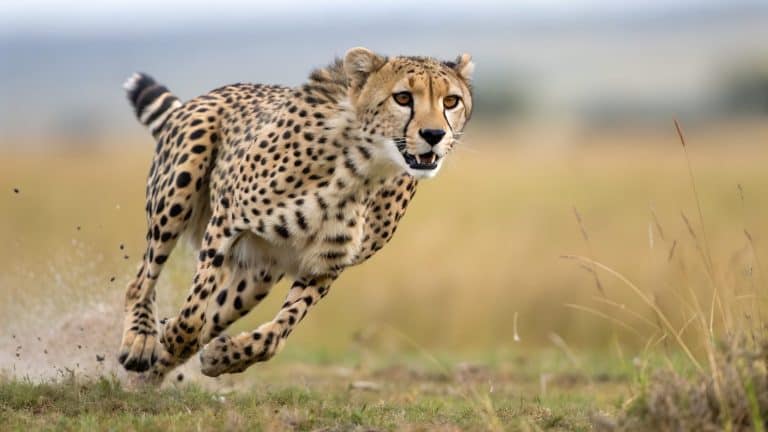
Built for the burst.
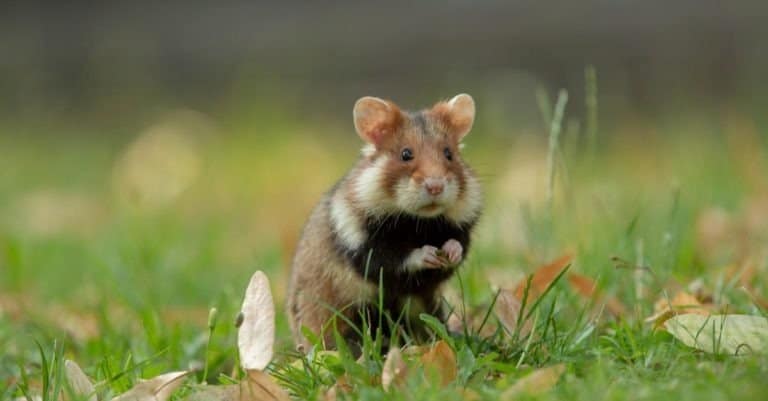
Pouches, burrows, and big impacts
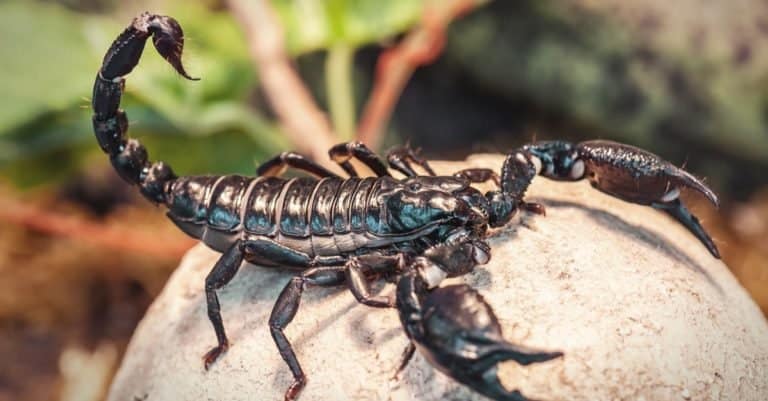
Glow at night, strike with precision
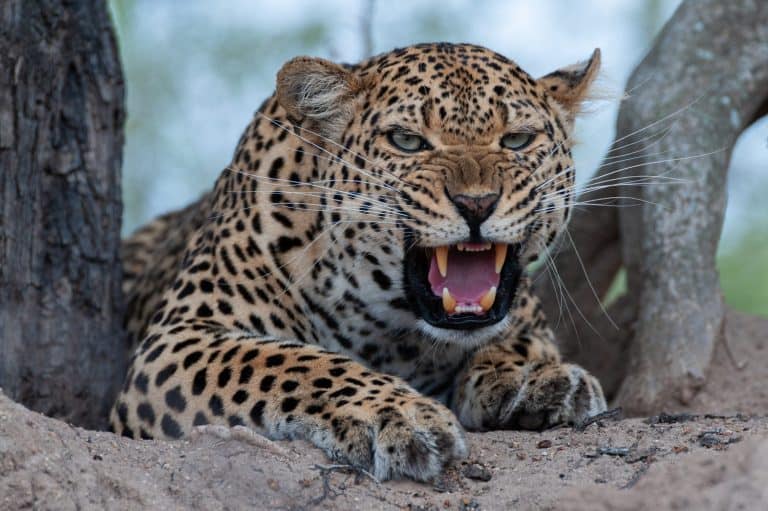
Rosettes in the shadows.
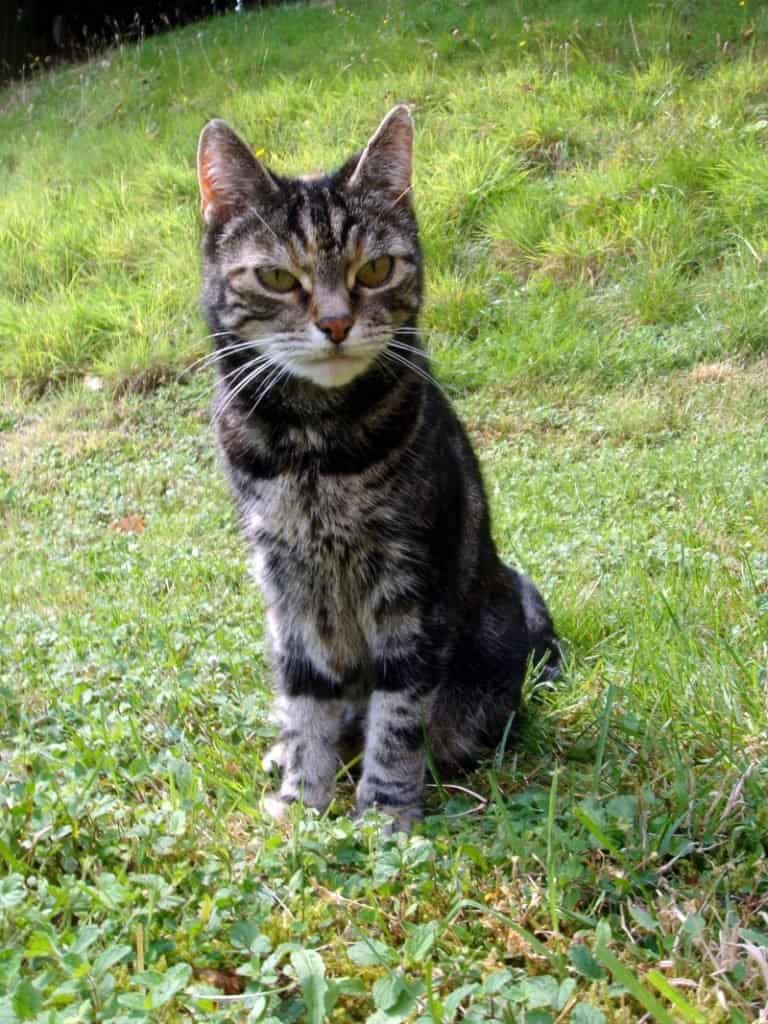
Small hunter, big household legend
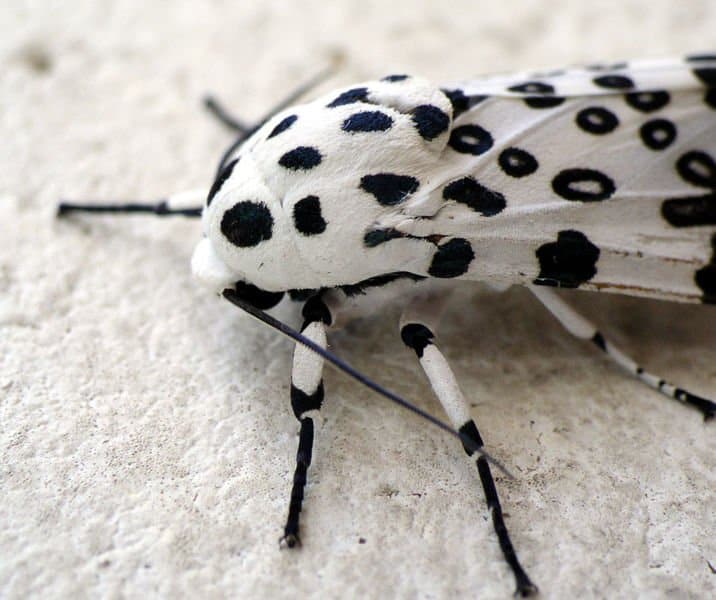
Six legs, endless lives.
A cold desert is an arid biome characterized by very low annual precipitation (often falling as snow), high potential evaporation, and long periods of subfreezing temperatures that strongly limit plant growth and soil development. It occurs primarily at mid- to high latitudes or in high-elevation interior basins where cold winters and strong temperature variability combine with persistent moisture deficits.
Cold deserts are places with little water, strong winds, and big temperature swings. Much of it falls as snow and can stay frozen for months. The land has gravelly plains, rocky plateaus, and basins. Plants are sparse and low: shrubs, bunchgrasses, hardy forbs, lichens, and biological soil crusts. They have small waxy leaves or deep roots and grow during short wet spells. Animals use burrows or move seasonally. Soils are shallow, stony, can build up salts, and recover slowly.
Cold deserts get very little rain, have high evaporation, and big temperature swings between seasons and day and night. Winters are long and often below freezing; summers can be warm in sun but cool fast at night. Dryness, freeze-thaw cycles, and wind limit soils and plant growth; vegetation is patchy, with drought- and cold-tolerant shrubs, bunchgrasses, and biological soil crusts.
Typically ~40-60°C (72-108°F) between midwinter lows and midsummer highs; strong day-night swings of ~15-25°C (27-45°F) are common in clear weather.
Commonly ~50-200 mm/year (2-8 in); some cold deserts may reach ~250 mm/year (10 in) in wetter margins but remain moisture-limited due to high evaporative demand.
Cold deserts have strong seasonality: a long freezing season slows life, causes freeze‑thaw that breaks rock, lifts soil, and limits rooting depth. The short warm season, usually spring to early summer, gives a brief burst of plant growth, flowers, and insects. Outside it, drought and extremes favor dormancy, deep roots, small leaves, slow growth, and erosion.
About 60–120 days, usually late spring to summer (May–August in the Northern Hemisphere), when temperatures stay above about 0–5 °C and meltwater or spring rains are present. In colder or high places it may be 30–60 days, with growth after snowmelt or rain.
Very low temperatures with frequent subfreezing days; sharp diurnal swings on clear nights; precipitation remains low overall but may fall as light snow; strong winds, blowing snow, and surface sublimation are common; soils can be frozen or intermittently thawed at the surface; water availability is minimal (locked as ice/snow).
Primary productivity is near-zero; plant tissues are dormant or desiccated; freeze-thaw and wind abrasion shape surface crusts and gravel pavements; salinity can concentrate in unfrozen microsites; snowpack (if present) becomes the main reservoir for spring moisture but is often patchy due to wind scour.
Daytime thaw with nighttime refreeze; brief meltwater flows from snow patches and ice lenses; ephemeral surface runoff can occur on frozen ground; winds remain strong; temperatures swing widely within 24 hours.
Short-lived but ecologically critical moisture pulse; triggers germination of some annuals and reactivation of cryptogams (biological soil crusts) when moisture and temperatures allow; nutrient pulses via thawed microsites and runoff redistribution; risk of frost damage to early buds.
Cool to mild temperatures; occasional late frosts; limited but most effective precipitation of the year (light rain/snow, or continued melt influence); soils thaw more consistently near the surface; high evapotranspiration begins as days lengthen.
Main period of plant growth and reproduction; shrubs leaf out, grasses flush, and many annuals complete life cycles rapidly; biological soil crusts photosynthesize and stabilize soils when intermittently moist; pollination and seed set are concentrated into a short interval.
Hot days (sometimes very hot) with cool nights; extremely low humidity; precipitation sporadic and often delivered as brief storms; intense solar radiation and frequent winds drive high evaporation; surface soils dry rapidly; salinity effects become more pronounced as water evaporates.
Productivity declines after the brief green-up; many annuals senesce and persist as seeds; perennials reduce transpiration (leaf drop, stomatal closure) and rely on deep roots or stored water; dust generation increases, and biological soil crusts become dormant and vulnerable to disturbance.
Cooling temperatures with increasing frequency of frosts; occasional early snow; continued aridity; shortening days; renewed freeze-thaw begins late in the season.
Plants harden off; perennial growth stops and resources are allocated to roots and storage tissues; seed dispersal and caching peak; soil microbial activity declines with cooling and drying; erosion potential can rise as vegetation cover is minimal.
Day Length: Day length varies strongly with latitude and elevation. Mid-latitude cold deserts typically range from ~9-10 hours in midwinter to ~14-15 hours in midsummer; higher-latitude cold deserts can experience extreme variation (very short winter days and very long summer days). Ecological significance: Photoperiod is a reliable seasonal cue that synchronizes dormancy/leaf-out timing, flowering and seed set during the short growing season, insect emergence, and vertebrate breeding/migration. Because precipitation is sparse and unpredictable, many organisms use day length (plus temperature thresholds) to time life-history events to the narrow window when meltwater and cool conditions briefly align.
Cold deserts occur where aridity coincides with cold winters and/or high elevations: typically in continental interiors, leeward (rain-shadow) basins, and high plateaus. They are concentrated in Central and East Asia, interior western North America, and southern South America, with smaller patches on high plateaus and rain-shadowed basins elsewhere.
Globally, cold desert biomes retain much of their total area but are increasingly fragmented and degraded in many regions; overall conservation status is of moderate concern, with localized hotspots of severe impact from grazing pressure, water diversion, energy/mineral development, and climate-driven aridification.
A place can be both "icy" and "a desert": desert is defined by low precipitation, not by temperature-so snow and glaciers can exist next to desert conditions.
In many cold deserts, the air is so dry and winds so persistent that snow can sublimate (turn from ice directly into vapor) instead of melting.
Despite sparse vegetation, cryptogams-lichens, mosses, and biological soil crusts-can be major ecosystem engineers, stabilizing soil and influencing water infiltration.
Some cold-desert soils are salty not because they're near the sea, but because minimal rainfall means salts aren't flushed downward and can accumulate near the surface.
Wildlife often relies more on microhabitats than on "oases": a shaded rock crack, a snowdrift that melts late, or a seep can be the difference between life and no life.
Cold deserts can have "wet-looking" features (stream channels, fans) that were carved by short, intense meltwater events even though the long-term climate is arid.
Think "desert, but with winter": the Great Basin cold desert of North America can feel like sagebrush steppe in summer and a snowy plain in winter-often within the same year.
Antarctica's desert area is so vast that, by size, it dwarfs many familiar deserts; it's larger than Europe and comparable to the United States and Mexico combined (order-of-magnitude scale).
The McMurdo Dry Valleys are often compared to Mars as a natural laboratory because they're cold, extremely dry, and have minimal liquid water at the surface.
Cold-desert plants are like multitools: they need drought strategies (small leaves, deep roots) plus cold strategies (antifreeze-like compounds, low growth forms) at the same time.
Daily temperature swings in some mid-latitude cold deserts can be like going from "freezer" to "t-shirt weather" between night and afternoon-because clear skies let heat escape fast at night and solar radiation heat surfaces quickly by day.
Antarctica is the largest desert on Earth-yes, a desert-because most of it gets extremely little precipitation (it's a polar cold desert).
The McMurdo Dry Valleys (Antarctica) are among the driest places on Earth; some areas can go years with essentially no measurable snowfall/rain reaching the ground.
Cold deserts can have some of the biggest temperature swings of any desert type: parts of the Gobi can swing from well below −30 °C in winter to above 30 °C in summer.
High-elevation cold deserts (e.g., parts of the Tibetan Plateau) rank among the highest deserts on Earth, where thin air and intense UV add extra stress beyond cold and drought.
Some polar cold deserts have some of the oldest continuously cold, ice-cemented ground (permafrost), preserving soils and salts for extremely long periods compared with temperate regions.
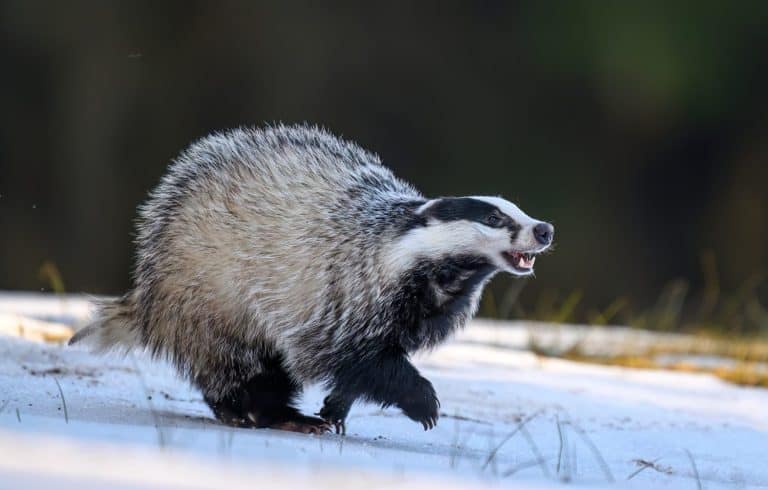
Built to dig. Born to endure.

Night pilots of the mammal world

Humps of fat, miles of grit
Small hunter, big household legend
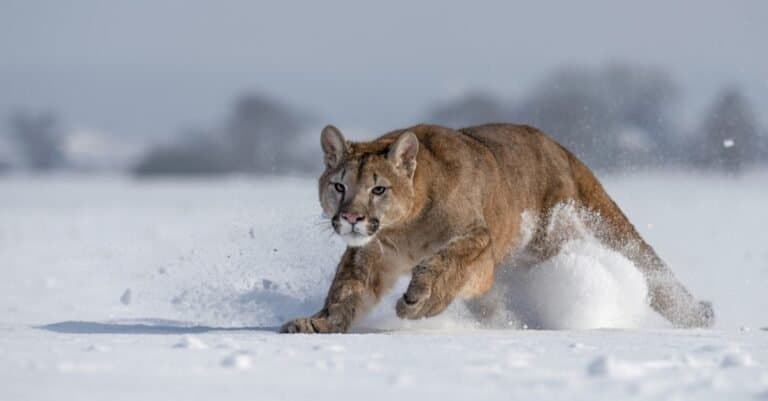
One cat. Two continents.
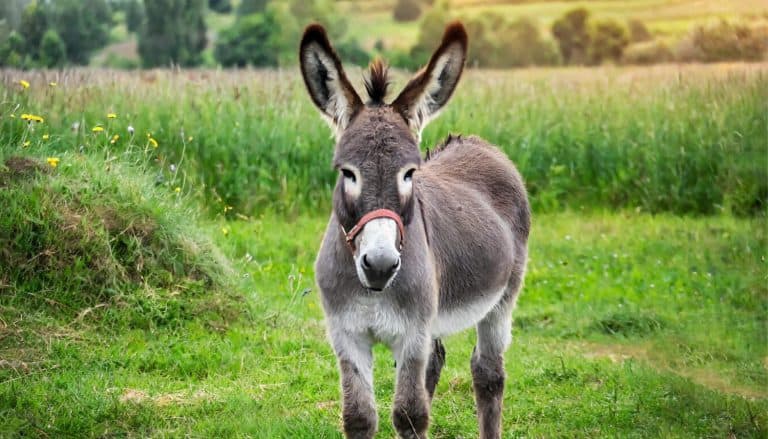
Sure-footed partner of people

Webbed feet, world travelers.
Built to soar, born to strike

Bony rays, endless ways.
From dunes to tundra-fox smart.
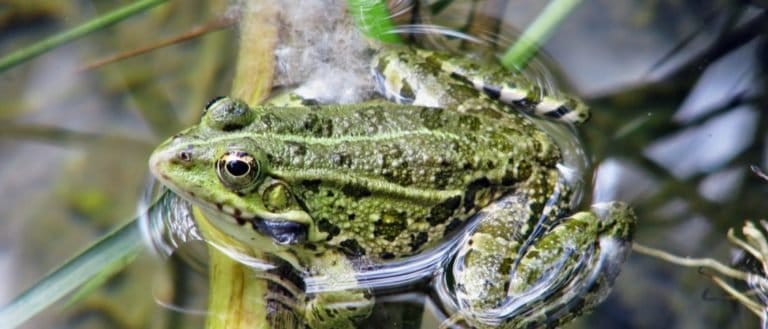
Tailless jumpers, masters of change

Webbed feet, sky roads, wetland lives
Sure-footed masters of rock and range
Pouches, burrows, and big impacts

One hoofbeat, a thousand histories
Six legs, endless lives.
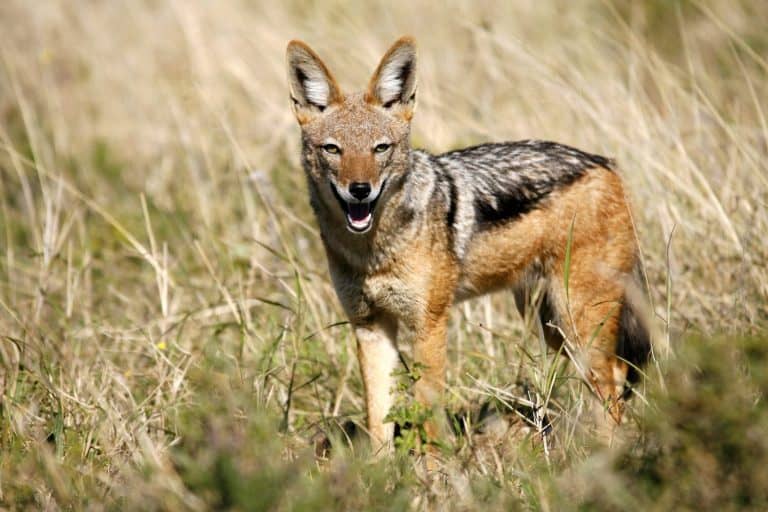
Small canids, big survival skills

From geckos to dragons-lizard power
Small gnawers, huge impact.

More than night flyers
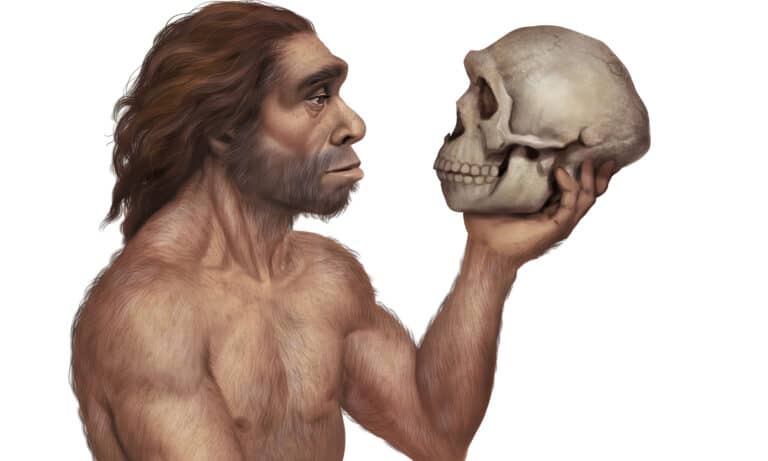
Not cavemen-Ice Age people
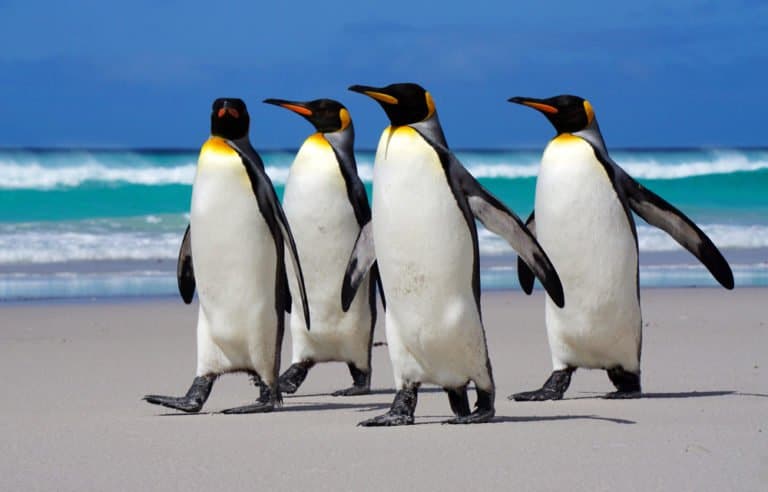
Born to dive, dressed to endure
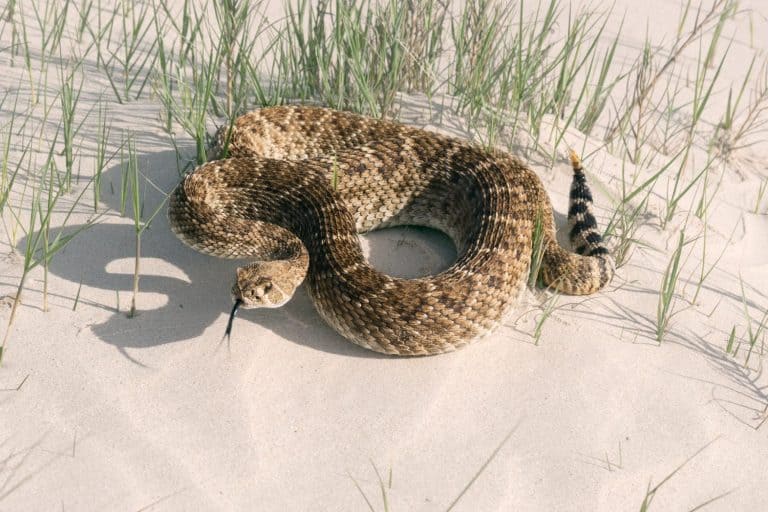
Hear the rattle, give it space.
Glow at night, strike with precision
Thank you for reading! Have some feedback for us?
We appreciate your help in improving our content.
Our editorial team will review your suggestions and make any necessary updates.
There was an error submitting your feedback. Please try again.