

Animal Habitats

Desert

Arid regions with minimal rainfall where specialized animals thrive
1,054 Animals
1/44 Page
Overview

Understanding This Category

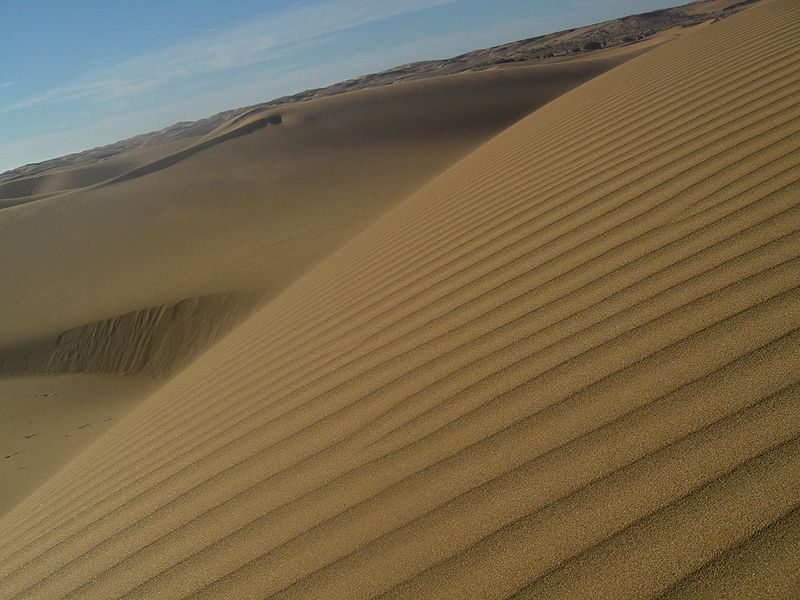
A desert is a terrestrial habitat characterized by extremely low precipitation and high evapotranspiration, resulting in chronic water scarcity, sparse vegetation cover, and strong daily or seasonal temperature extremes. Deserts occur in both hot and cold climates, but share ecological constraints driven primarily by limited available moisture.

Deserts form where more water is lost than gained. Rain is rare and comes in short storms that cause flash floods and brief life pulses. Soils dry and plants grow in patches near moist microhabitats. Plants save or store water; animals are often nocturnal, burrow, estivate, or have efficient kidneys. Types include dunes, stony plains, salt flats, and polar deserts.

Key Characteristics

Very low annual precipitation (often <250 mm/year) with high interannual variability
High evapotranspiration leading to chronic water deficit
Sparse, patchy vegetation and significant exposed soil/rock/sand
Strong temperature extremes (large diurnal ranges; hot summers or severe cold depending on desert type)
Soils often low in organic matter; may be saline or alkaline; biological soil crusts can be important
Episodic productivity driven by infrequent rainfall pulses (ephemeral plants and rapid breeding cycles)
Species show strong water- and heat-conservation adaptations (succulence, CAM photosynthesis, nocturnality, burrowing)
Wind and infrequent but intense runoff events are major drivers of erosion and landform dynamics
Environment

Environmental Conditions

Climate

Temperature Range
-10°°C to 50°°C
Precipitation
Very low; typically <250 mm/year (often 0-100 mm/year). Highly variable and episodic, with infrequent storms and long dry periods.

Conditions

Very high solar irradiance and UV exposure; generally clear skies, intense direct sunlight, strong daytime heating with rapid radiative cooling at night.

Water is scarce and intermittent. Common features include ephemeral washes/arroyos and wadis, desert springs, seeps, oases (often groundwater-fed), occasional playas/salt flats and temporary ponds after storms; rivers may be seasonal/ephemeral and can have saline or brackish reaches in closed basins.

Ecology

Ecological Community

Biodiversity Level

Medium (overall plant cover and productivity are low due to water limitation, but deserts can host high specialization and local endemism; diversity often spikes after rainfall events and varies strongly among microhabitats such as washes, dunes, rocky outcrops, and saline flats)

Flora

  • Drought-deciduous shrubs
  • Xerophytic succulents
  • Deep-rooted perennial grasses
  • Ephemeral annual forbs (after rain)
  • Salt-tolerant (halophytic) plants in saline flats/washes
  • Biological soil crust organisms (cyanobacteria/lichens/mosses)

Ecosystem Services

  • Carbon storage and sequestration (notably in long-lived shrubs, woody roots, and biological soil crusts)
  • Soil stabilization and erosion control (vegetation cover and biocrusts reduce wind/water erosion)
  • Nutrient cycling under pulse-driven productivity (rapid uptake after rains)
  • Habitat provision for highly specialized and often endemic species
  • Pollination services (including by bees, moths, bats, and birds in some deserts)
  • Regulation of dust and air quality via ground cover and biocrust integrity
  • Cultural, recreational, and aesthetic values (landscapes, tourism, spiritual significance)
  • Genetic resources and drought/heat-tolerance traits valuable for agriculture and restoration
Conservation

Conservation Status

Deserts remain widespread globally and still retain large tracts of intact landscape, but ecological condition is increasingly fragmented and degraded in many regions. Key pressures include groundwater depletion, grazing and off-road disturbance, mining/energy development, and rapid warming that is pushing heat and drought stress beyond historical ranges, especially at desert margins and oases.

~10-20% historically converted or heavily degraded globally (conversion concentrated at desert margins, river corridors, and oases; additional large areas affected by fragmentation and chronic disturbance). Lost
Declining Current Trend

Primary Threats

  • Rising temperatures, longer heatwaves, and shifting precipitation regimes increase drought intensity, reduce ephemeral water availability, and drive range contractions-especially for oasis-dependent and cold-desert species.
  • Roads, pipelines, transmission lines, fencing, and expanding settlements/industrial footprints fragment habitat and disrupt movement corridors.
  • Groundwater pumping for cities, irrigation, and industry lowers water tables, drying springs/oases and reducing riparian desert refugia.
  • Mineral extraction and associated waste, dust, and water use cause localized but severe habitat removal and contamination risks.
  • Irrigated agriculture at desert edges converts natural habitat and increases salinization and water demand.
  • Off-road vehicles, recreation, and military training can crush biological soil crusts, increase erosion, and disturb breeding sites.
  • Altered fire regimes (often via invasive grasses), water diversions, and vegetation change can shift desert ecosystems away from historical states.
  • Invasive plants (notably annual grasses in some hot deserts) alter fuel loads and competition, facilitating more frequent fires and reducing native biodiversity.
  • Dust, chemicals, and waste (including oil/gas byproducts) can degrade soils and scarce water sources; light/noise pollution affects nocturnal fauna.
  • Persecution or incidental take of predators and ungulates occurs near livestock operations and along expanding human frontiers.

Protection Efforts

  • Designation and expansion of protected areas and Indigenous/community conserved areas (ICCAs)
  • Landscape-scale connectivity planning (wildlife corridors; fence modification/removal)
  • Regulation of groundwater extraction; protection of springs, oases, and desert riparian zones
  • Best-practice siting and mitigation for energy and mining (avoidance, reduced footprint, reclamation)
  • Off-road vehicle management (designated routes, seasonal closures, enforcement)
  • Invasive species prevention and control; targeted fuel management to reduce invasive-driven fire risk
  • Sustainable grazing management (stocking adjustments, rotational systems, exclusion of sensitive areas)
  • Monitoring and safeguarding of biological soil crusts and key breeding/denning habitats
  • Species-focused actions for desert endemics (reintroductions, anti-poaching, conflict mitigation)

Notable Protected Areas

Sahara Desert: Tassili n'Ajjer National Park (Algeria) and Ahaggar National Park (Algeria) Namib Desert: Namib-Naukluft National Park (Namibia) and Namib Sand Sea (UNESCO World Heritage Site, Namibia) Kalahari Desert: Central Kalahari Game Reserve (Botswana) Arabian Desert: Protected Area of Uruq Bani Ma'arid (in the Empty Quarter, Saudi Arabia) and Wadi Rum Protected Area (Jordan) Gobi Desert: Great Gobi A Strictly Protected Area and Great Gobi B Strictly Protected Area (Mongolia) Atacama Desert: Pan de Azucar (Sugarloaf) National Park (Chile) and Nevado Tres Cruces National Park (Chile) Mojave and Sonoran Deserts: Mojave National Preserve, Death Valley National Park, Joshua Tree National Park, and Organ Pipe Cactus National Monument (United States) Thar Desert: Desert National Park (India)

Restoration Potential

Moderate and highly site-dependent. Recovery can be slow because soils, biological soil crusts, and long-lived shrubs regenerate over decades. Highest potential is in targeted areas (springs/oases, riparian corridors, decommissioned roads, reclaimed mines) using disturbance reduction, hydrological protection, erosion control, and assisted native revegetation; large-scale conversion at desert margins is harder to reverse where water tables have declined.

Climate Vulnerability

High. Many desert species already live near physiological heat and water limits, and refugia are scarce and patchy. Warming, drought intensification, and increased climate variability can outpace adaptation, especially for cold-desert and oasis-dependent species; connectivity and protection of microrefugia (north-facing slopes, higher elevations, riparian strips, springs) are critical.

Human Impact

Human Interaction

Human Uses

  • Pastoralism and nomadic herding (e.g., camels, goats, sheep) where forage is seasonal and dispersed
  • Irrigated agriculture in oases and river-fed margins (dates, alfalfa, vegetables, cotton in some regions)
  • Groundwater extraction for drinking water, livestock, and irrigation (wells, qanats, boreholes)
  • Mineral extraction and quarrying (phosphates, gypsum, lithium brines, copper, gold, salt, sand/aggregate)
  • Energy production: utility-scale solar and wind farms; oil and gas extraction in some desert basins
  • Military training and weapons testing due to large open areas
  • Transportation corridors (highways, pipelines, rail lines) linking distant cities and ports
  • Scientific research and field stations (climate, geology, astronomy, ecology)
  • Conservation and protected areas management (wildlife refuges, national parks)
  • Traditional material use (adobe/clay, stone; use of desert plants for fiber, medicine, fuelwood in limited quantities)

Impacts

  • Groundwater depletion and spring/oasis drying from pumping for cities, agriculture, and industry
  • Habitat fragmentation from roads, fences, pipelines, transmission lines, and expanding energy/mining footprints
  • Soil disturbance and erosion; long recovery times for biological soil crusts, increasing dust emissions
  • Invasive species spread along disturbed corridors (e.g., grasses that alter fire regimes)
  • Increased wildfire frequency/intensity in some deserts due to invasive grasses and climate change
  • Pollution from mining (tailings, brines), oil and gas operations, and improper waste disposal
  • Wildlife displacement and mortality (vehicle strikes, barrier effects, light/noise impacts; bird/bat collisions at some energy facilities)
  • Overgrazing near water points leading to vegetation loss and desertification in vulnerable areas
  • Recreational impacts (trail proliferation, dune damage, litter)
  • Climate change intensifying heat extremes, altering precipitation patterns, increasing aridity and stressing endemic species

Sustainable Practices

  • Water stewardship: caps on groundwater extraction, managed aquifer recharge, protection of springs, efficient irrigation (drip, deficit irrigation), drought-tolerant crops, reuse of treated wastewater
  • Careful siting of infrastructure: prioritize disturbed lands for solar/wind/mining; avoid critical habitats, migration corridors, and intact dune/saltpan systems; maintain landscape connectivity
  • Low-impact grazing management: rotational grazing, stocking rates matched to rainfall, fencing designs that allow wildlife passage, protecting riparian zones and oases
  • Soil protection: limit off-road travel, designated routes, restoration of biological soil crusts, dust-control measures on disturbed sites
  • Energy development best practices: wildlife monitoring, curtailment strategies where needed, burying/marking lines to reduce collisions, minimizing night lighting
  • Mining reforms: reduce brine extraction impacts, lined ponds where appropriate, progressive reclamation, long-term monitoring, and bonding for closure costs
  • Visitor management: permits/quotas in sensitive areas, Leave No Trace education, seasonal closures during breeding or extreme heat
  • Community-led conservation and co-management with Indigenous nations, incorporating traditional ecological knowledge
  • Climate adaptation planning: protect climate refugia (north-facing slopes, higher elevations), seed banks, assisted recovery in severely degraded sites
Fun Facts

Did You Know?

"Desert" is about water, not heat: many deserts are cold (Gobi, Patagonian Desert, Antarctic deserts).

Some deserts can feel damp: fog deserts (like the Namib) get much of their usable moisture from fog, not rain.

Only a fraction of many deserts is actually sand dunes-much is gravel, rock, or hard-packed soil.

Desert plants can "sleep" for years: many annuals persist as seeds, then explode into growth and flowers after a rare rain (desert blooms).

Biological soil crusts (cyanobacteria, lichens, mosses) can stabilize soil and add nutrients-tiny living "skin" that helps hold deserts together.

Many desert animals rarely drink: they get water from food and metabolic water (produced when fat is broken down), and avoid overheating by being nocturnal or burrowing.

Some plants open their stomata at night (CAM photosynthesis) to reduce water loss-essentially "breathing" after dark.

Flash floods are a classic desert paradox: dry ground can be hard and crusted, so rare storms can send water racing downstream in minutes.

A desert is like a budget on extreme austerity: the limiting resource is water, so everything-plant leaves, animal behavior, life cycles-evolves to "spend" less of it.

Think of desert temperatures like an oven that turns off at night: clear skies and low humidity let heat escape quickly, so big day-night swings are common.

Desert fog harvesting is nature's "air well": organisms (and people) can collect water from mist the way a cold glass collects condensation.

Many desert plants run on a "water savings account": thick stems, waxy coatings, and deep/wide roots store and protect moisture for long dry stretches.

Desert food webs can be surprisingly complex-more like a nighttime city than an empty wasteland, with peak activity after sunset.

Largest desert on Earth: Antarctica (a desert because it gets very little precipitation, despite all the ice).

Largest hot desert: the Sahara (spans much of North Africa).

Driest non-polar desert: the Atacama (parts have gone years to decades with virtually no measurable rain).

Among the driest places on Earth: the McMurdo Dry Valleys (Antarctica)-so dry and cold that ice can persist while snowfall is minimal.

Biggest sand sea (erg) systems include vast dune fields in the Sahara (e.g., the Grand Eastern Erg and Grand Western Erg) and the Empty Quarter in the Arabian Peninsula.

Desert Animals

Showing 1-24 of 1,054

All Animals A-Z

B

Deserts are dry, baron landscapes that receive intense sunshine and very little rain. Deserts are also known to be places of extremes from the climate to the life within them. There is a greater range of temperatures throughout the day in the desert, than in any other habitat on Earth ranging from below freezing during the night, to boiling in the middle of the day. There is also less than 250mm of rain to fall in the desert every year.

There are two main types of desert, which are true deserts (hot deserts), which are found on either side of the tropics and semi-deserts, which are found on every continent often far from the tropical regions. The main difference between a true desert and a semi-desert is that a semi-desert receives at least twice as much rain per year as a true desert.

The main exception to this is the Gobi desert, which is the largest desert region in Asia. The Gobi deserts stretches across China up to the Siberian Mountains, so the winters in the Gobi desert become very cold. However, there is still little rain as the mountains block the rain-clouds and therefore prevent them from reaching the desert. Wild bactrian camels are known to eat snow in the Gobi desert in order take in water.

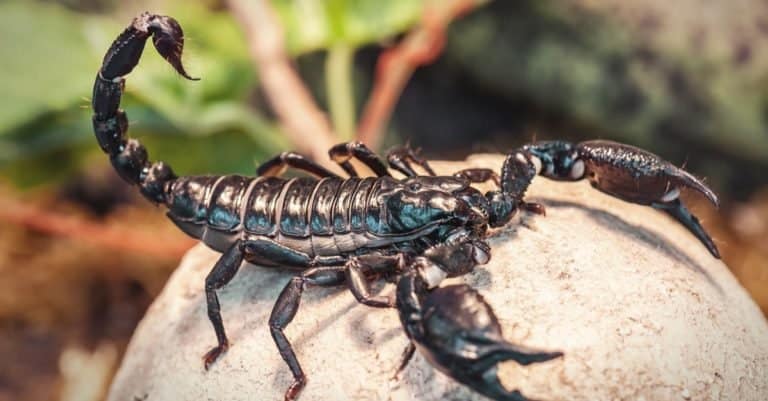
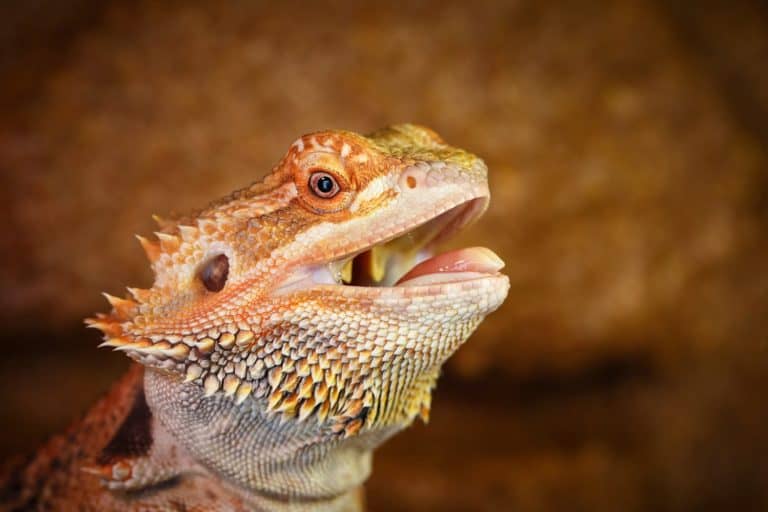
Although deserts are thought to hold very little life, there is in fact a great diversity of both plants animals that inhabit desert regions. Many of the animals that live in the desert have adapted to a nocturnal lifestyle, only coming above ground at night when it is cooler. Reptiles such as snakes and lizards, spiders, and small birds are the primary animals found in true deserts. In semi-deserts, where there are more plants there are even mammals such as rodents and meerkats.

Most of the different animal species that inhabit deserts regions have slowly adapted to their dry and arid lifestyles, and have evolved in certain ways in order for them to take in and use water particles more effectively. A camel, for example, stores huge amounts of water in it’s hump so that it can cope in it’s dry environment, and the thorny devil found in Australia sucks water through channels in it’s body, from it’s feet to it’s mouth.

Deserts habitats have been the least affected by the growing human populations, and so they remain relatively untouched. The main destruction of desert habitats comes from the extraction of oil from underneath the sand. Grazing animals such as goats are also known to cause havoc to desert plants, which in turn affects the animals that rely on those plants to survive.

Thank you for reading! Have some feedback for us?