
Lizard
From geckos to dragons-lizard power

From geckos to dragons-lizard power
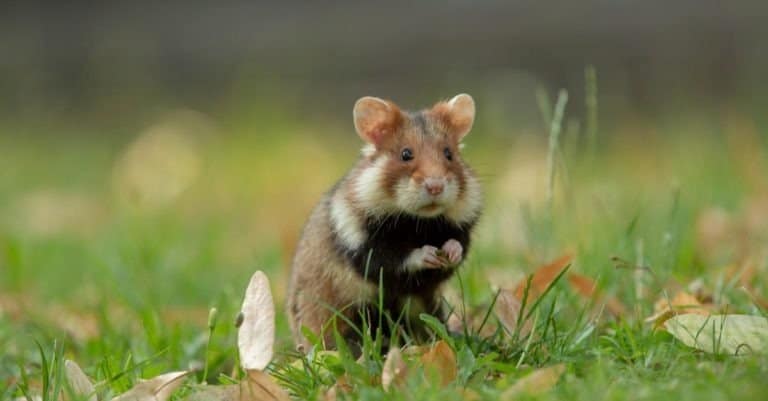
Pouches, burrows, and big impacts
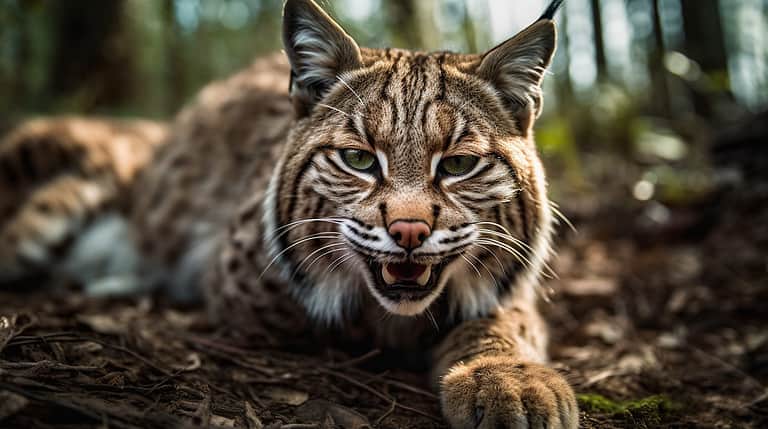
Small lynx, big adaptability.
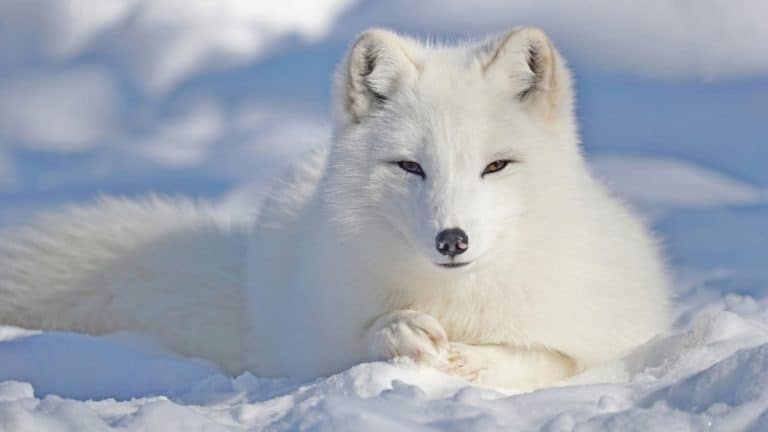
Built for blizzards, born for tundra

Stripes of Asia's top predator

Small hunter, big household legend
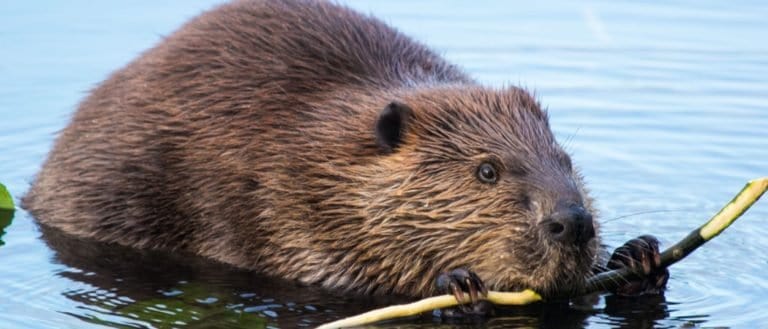
Build wetlands, shape worlds.

More than night flyers

Small gnawers, huge impact.
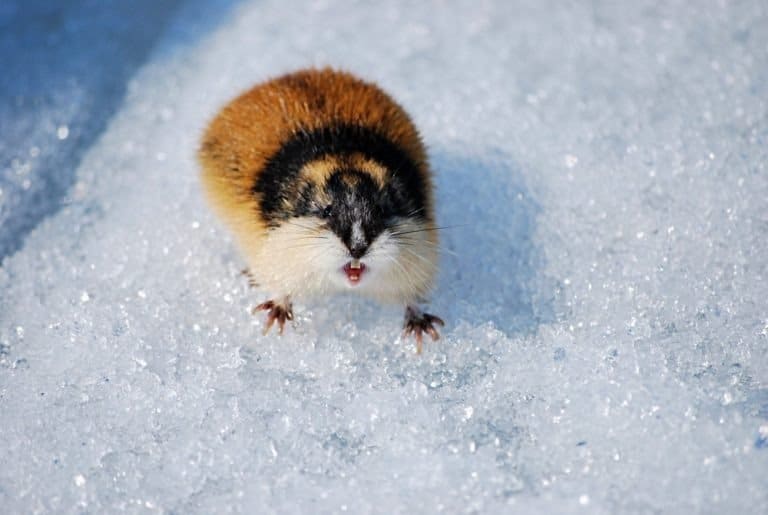
Small rodents, huge tundra impact
The boreal forest (taiga) is a high-latitude, cold-climate forest biome dominated by coniferous trees adapted to long, severe winters and short growing seasons. It forms a near-circumpolar belt across the Northern Hemisphere, where temperature, snow, and seasonal light strongly constrain primary productivity, decomposition, and nutrient cycling.
The boreal forest, or taiga, rings the Northern Hemisphere and is Earth’s largest continuous forest biome. Winters are long and dark and summers short and bright. Cold-tolerant conifers—spruce, fir, pine, and larch—dominate, with birch, aspen, mosses, lichens, and low shrubs. Slow decomposition makes acidic, poor soils and creates peatlands where sphagnum builds thick carbon-rich layers. Fires, storms, insect outbreaks, and permafrost shape forests, wildlife, water patterns, and global carbon storage.
The Boreal Forest (Taiga) is a far-north biome with long, very cold winters and short, cool summers. Freezing lasts much of the year, soils warm slowly, and low water loss helps form widespread wetlands, peatlands, and lakes. Summer rain and winter snow cause spring floods and wet, acidic soils that favor conifers (spruce, fir, pine, larch).
Typically ~30-55°C annual swing (largest in continental interiors; smaller near coasts).
Approximately ~300-700 mm/year (locally lower in cold continental interiors; higher near maritime margins and mountain foothills).
Boreal forest (taiga) has strong seasons: long, dark, freezing winters and short summers with long daylight allowing quick plant growth. Spring snowmelt causes high runoff and brief flooding, affecting nutrients, root oxygen, and favoring shallow-rooted conifers and moss. Autumn cools fast, slowing decay and building acidic litter and peat. Fires and insect outbreaks link to summer drought and fuel build-up.
Short: typically ~60-120 days (often defined by sustained temperatures above ~5°C), generally from late May/June through August/early September. Growth is concentrated in mid-summer when day length is greatest; early and late frosts frequently bracket the season, limiting flowering/seed set and reducing overall productivity.
Very cold, persistent snow cover; frequent subfreezing temperatures; low humidity; soils largely frozen; water bodies ice-covered; periodic cold snaps and wind chill; limited liquid water availability despite snow.
Primary productivity near zero; microbial and decomposer activity strongly reduced; nutrient cycling slowed; soil frost limits root uptake; snow insulates ground and subnivean space; high overwinter mortality risk for plants/young animals; fire activity minimal; carbon exchange often shifts toward low respiration under snow with occasional midwinter thaws causing brief pulses.
Increasing sunlight; daytime warming but nights often below freezing; snowpack ripening then melting; ice breakup on lakes/rivers; saturated soils; widespread freeze-thaw; high runoff and occasional flooding in lowlands/peatlands.
Major hydrologic pulse: snowmelt drives streamflow, replenishes wetlands/peatlands; ice breakup reshapes shorelines and affects aquatic habitats; onset of microbial activity and nutrient pulses as soils thaw; exposure of ground can increase erosion locally; early-season albedo decline accelerates warming; risk of late frosts damages early buds/flowers.
Rapid warming; long daylight; soils thaw progressively (permafrost areas thaw only near surface); frequent muddy conditions; high insect emergence; occasional late cold spells.
Fast ramp-up of photosynthesis and primary productivity; understory plants exploit high light before full canopy shading (where deciduous components occur); nutrient availability briefly increases as thaw releases mineral N and P; peatlands begin active growth; aquatic productivity increases with longer ice-free periods; early-season fuel moisture can drop quickly after snowmelt, setting stage for later fire season if drought develops.
Mild to warm days, cool nights; highest precipitation often from convective storms; long days (near-continuous daylight at high latitudes); water table high in peatlands; periodic droughts possible; lightning storms occur.
Annual peak in net primary productivity; rapid plant growth and carbon uptake; peatlands can be strong carbon sinks but are sensitive to drying; decomposition accelerates in warmer, aerated soils (especially where drained or during drought); main wildfire season-lightning ignitions and dry fuels can produce large fires, resetting succession and creating landscape mosaics; aquatic systems have highest biological activity and oxygen stratification in deeper lakes.
Shortening days; frequent frosts; increasing storminess; leaf senescence in deciduous components; soils cool; first snowfalls may melt; lakes begin cooling and mixing; daylight drops quickly.
Sharp decline in photosynthesis; nutrient resorption by plants; leaf litter inputs increase (where deciduous species present) and begin slow decomposition; soil microbial activity decreases with cooling; lake turnover redistributes oxygen and nutrients; peatland emissions may shift as temperatures drop; fire risk may remain elevated during dry, windy periods until sustained snow cover arrives.
Day Length: Very large day-length variation: long summer days (up to ~18-24 hours of light near/above the Arctic Circle) and very short winter days (~0-6 hours at high latitudes). Photoperiod is a primary, reliable cue for phenology and life-history timing-triggering bud set and cold hardening in plants, regulating breeding/molt/migration in birds, and influencing diapause and emergence timing in insects. Rapid changes in day length during spring and autumn compress the growing season, concentrate reproduction and growth into a short window, and help synchronize ecosystem processes (green-up, insect peaks, and herbivore calving/fawning) despite interannual temperature variability.
The Boreal Forest (Taiga) forms a near-continuous high-latitude belt across the Northern Hemisphere, spanning North America and Eurasia. It is most extensive on formerly glaciated landscapes with abundant lakes, wetlands, and peatlands, and is dominated by cold-tolerant conifers (spruce, fir, pine, larch) with long winters and short growing seasons.
Globally extensive with large remaining intact tracts, but overall conservation condition is deteriorating due to accelerating climate-driven disturbance (wildfire, permafrost thaw, pest outbreaks) and expanding industrial footprint (logging, roads, mining, oil & gas). Many regions remain relatively well-covered by protected areas compared with other forest biomes, yet ecological integrity and carbon-storage functions are increasingly at risk.
Most of the taiga's carbon is hidden: the biggest carbon stores are often in peat and cold soils, not in the trees you see aboveground.
It's a forest, but it can behave like a wetland: huge areas are waterlogged because cold temperatures slow decomposition and glacially shaped terrain traps water.
Nutrient-poor can still be forest-rich: acidic soils and slow nutrient cycling would cripple many ecosystems, yet conifers thrive because they're built for scarcity.
Wildfire can be "good news" for new forests: some cones (e.g., in certain pines) open best with heat, and many boreal species regenerate rapidly after fire.
Long summer days don't mean long summers: plants race through growth in a short season, taking advantage of extremely long daylight when conditions finally warm.
A lot of "forest ground" is actually moss: thick moss layers act like insulation-cooling soil, holding water, and sometimes helping maintain permafrost underneath.
Taiga insects can outmuscle moose in impact: periodic outbreaks of defoliating insects can reshape enormous areas of forest, sometimes as dramatically as storms or fires.
The forest can be both dry and soggy: sandy outwash plains can burn readily, while nearby peatlands can stay saturated-creating a patchwork of fire behavior across short distances.
Scale comparison: the taiga covers roughly ~17 million km²-about the size of South America (order-of-magnitude comparison).
Think of it as a circumpolar "belt": it wraps across Alaska/Canada and Scandinavia/Russia like a giant green band beneath the Arctic.
Carbon comparison: in many boreal landscapes, the underground carbon (peat/soil) outweighs the carbon in living trees-like an iceberg where most mass is hidden.
Time comparison for peat: peat can accumulate millimeter by millimeter; a meter-thick peat deposit can represent thousands of years of slow carbon storage.
Fire-size comparison: boreal fires can grow so large they create their own weather, with smoke plumes visible from space and impacts felt far downwind.
Water comparison: glaciation left behind a landscape that can resemble a cracked mirror-lakes and wetlands filling depressions across bedrock and till.
Season comparison: a boreal growing season is more like a sprint than a marathon-brief, intense, and timed to long daylight rather than high heat.
Biodiversity comparison: compared with tropical forests, the taiga often has far fewer tree species, but it can still span vastly larger continuous areas.
Largest terrestrial biome: the boreal forest (taiga) is the biggest land-based biome on Earth, forming a near-continuous belt across North America and Eurasia.
One of Earth's biggest carbon "vaults": boreal forests + their peatlands store enormous carbon, with a large share held underground in cold soils and peat rather than in trunks and leaves.
Peatland powerhouse: the boreal zone contains some of the planet's most extensive peatlands-slow-growing wetlands that can build meters-thick deposits over thousands of years.
Among the most lake-rich landscapes: vast boreal regions (especially over glaciated shields) are peppered with countless lakes, ponds, and wetlands left behind by retreating ice sheets.
Fire is a defining superpower: many boreal systems are so fire-adapted that wildfire isn't just common-it's essential for resetting forests and recycling nutrients on a large scale.
Big-tree-but-not-big-diversity: boreal forests can be dominated by just a handful of hardy conifers, creating some of the simplest (yet largest) forest ecosystems by tree species count.
The boreal forest (taiga) has some of Earth's oldest tree clones. In Sweden, Old Tjikko, a Norway spruce clone, has roots about 9,500 years old, one of the world's oldest living tree clones.
A global "green ring" superlative: the taiga is the largest continuous forested region at high latitudes, encircling the Northern Hemisphere below the tundra.
Built for blizzards, born for tundra
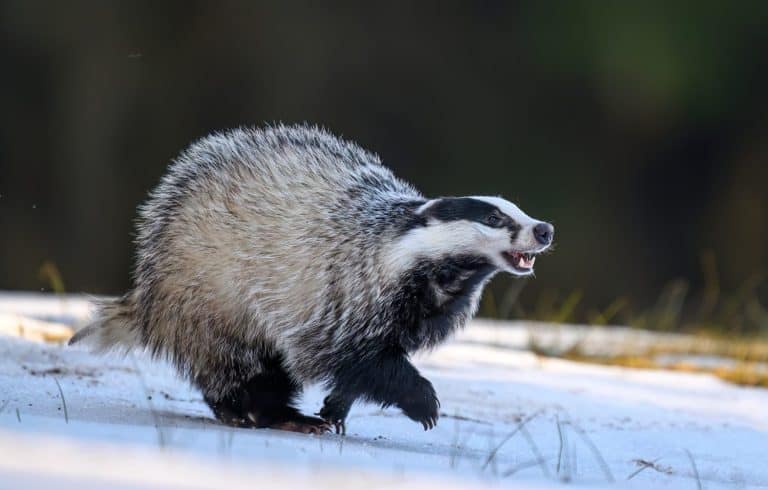
Built to dig. Born to endure.

Night pilots of the mammal world
Build wetlands, shape worlds.
Small hunter, big household legend
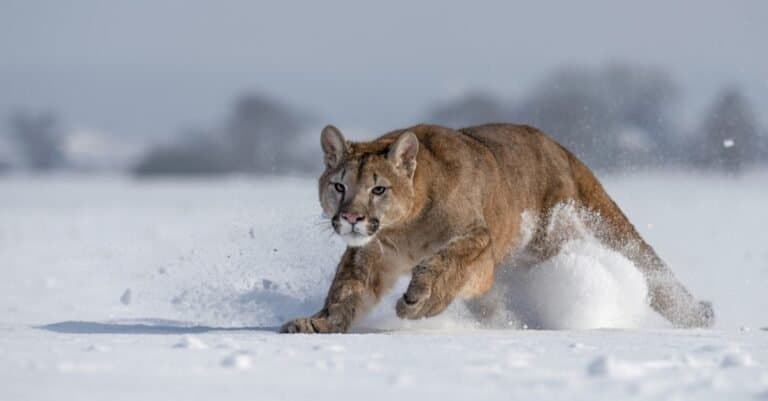
One cat. Two continents.

Webbed feet, world travelers.

Built to soar, born to strike

Bony rays, endless ways.
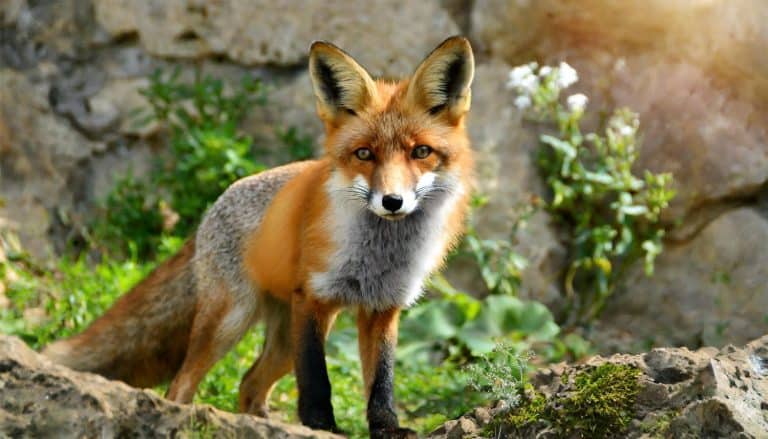
From dunes to tundra-fox smart.
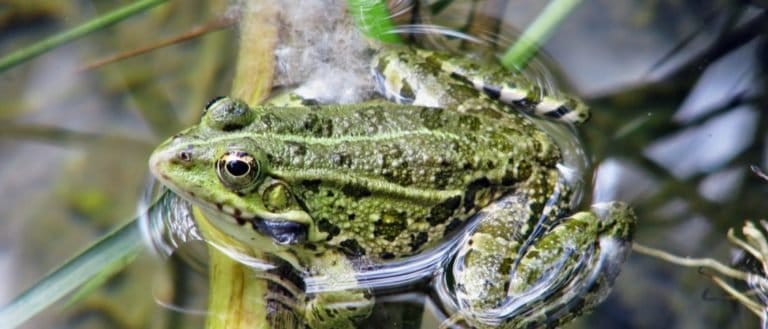
Tailless jumpers, masters of change

Webbed feet, sky roads, wetland lives

Sure-footed masters of rock and range
Pouches, burrows, and big impacts

One hoofbeat, a thousand histories
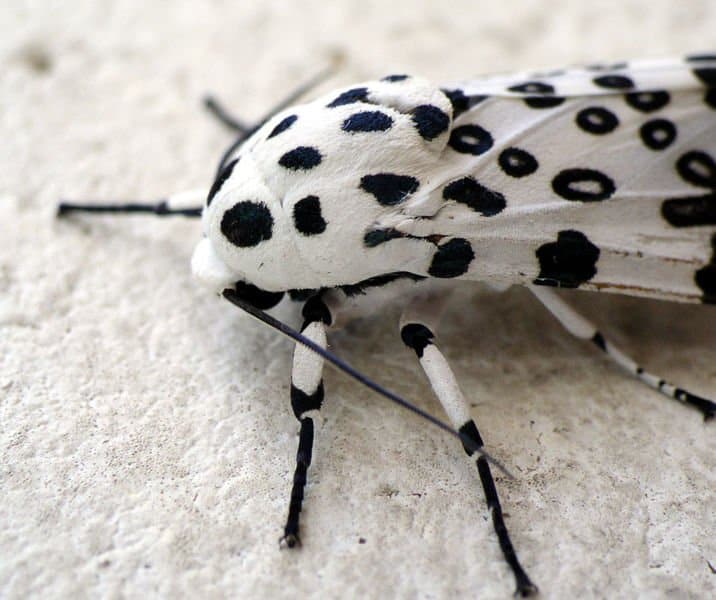
Six legs, endless lives.

Cold-water royalty of the seafloor
Small rodents, huge tundra impact
From geckos to dragons-lizard power
Small gnawers, huge impact.
More than night flyers

Not cavemen-Ice Age people
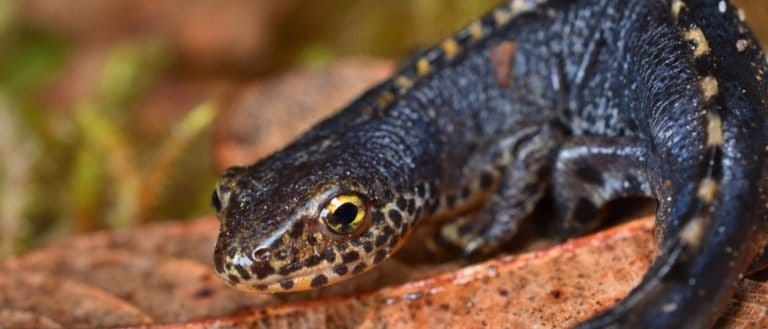
Crests, ponds, and potent defenses

Built for water, born to hunt
Thank you for reading! Have some feedback for us?
We appreciate your help in improving our content.
Our editorial team will review your suggestions and make any necessary updates.
There was an error submitting your feedback. Please try again.