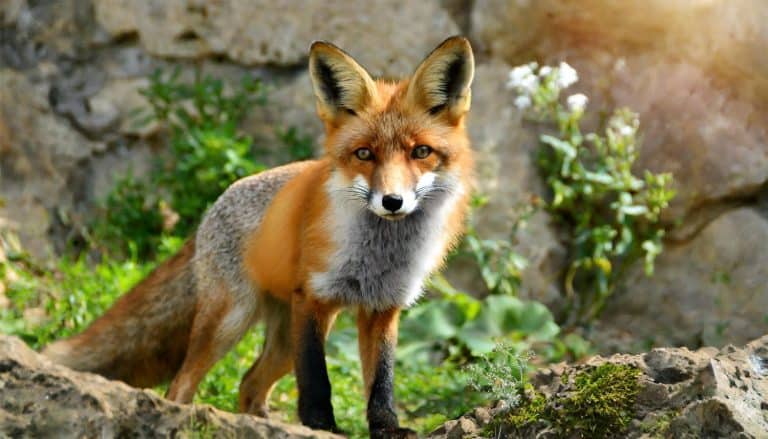
Fox
From dunes to tundra-fox smart.

From dunes to tundra-fox smart.
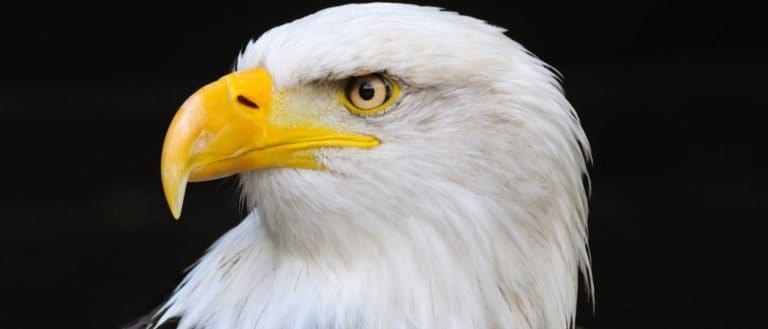
Built to soar, born to strike
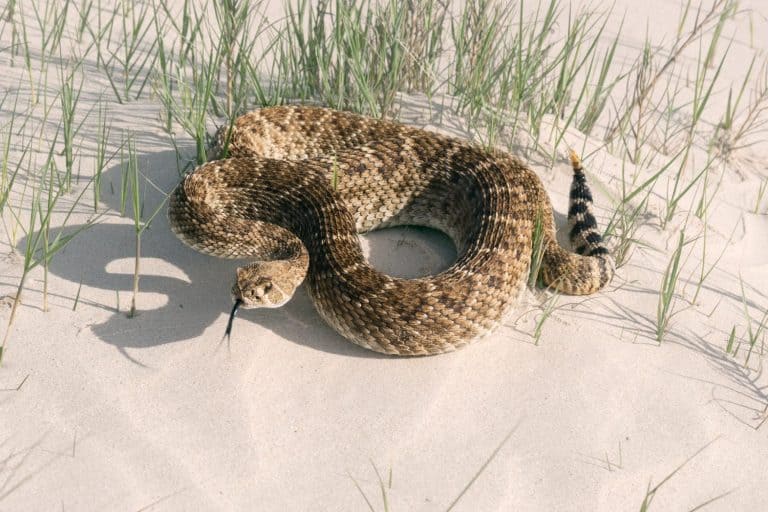
Hear the rattle, give it space.
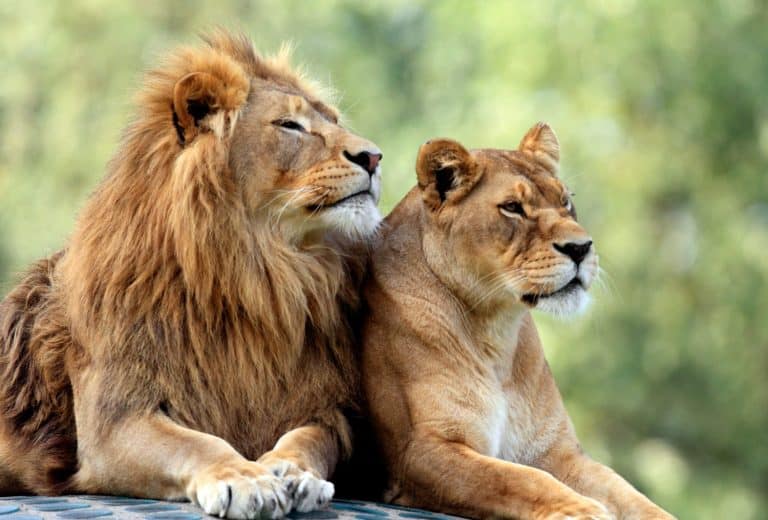
Built for prides, born for the hunt
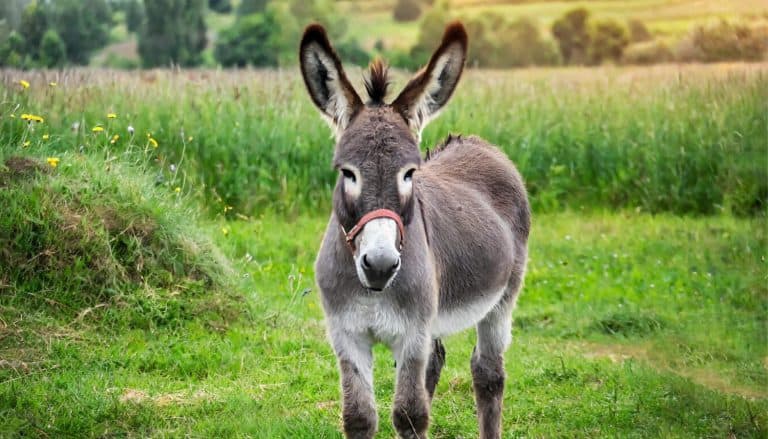
Sure-footed partner of people

Webbed feet, world travelers.

Humps of fat, miles of grit
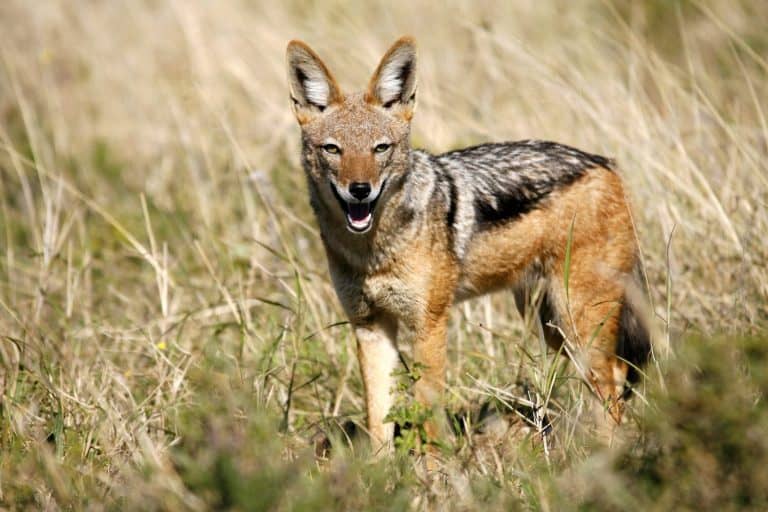
Small canids, big survival skills
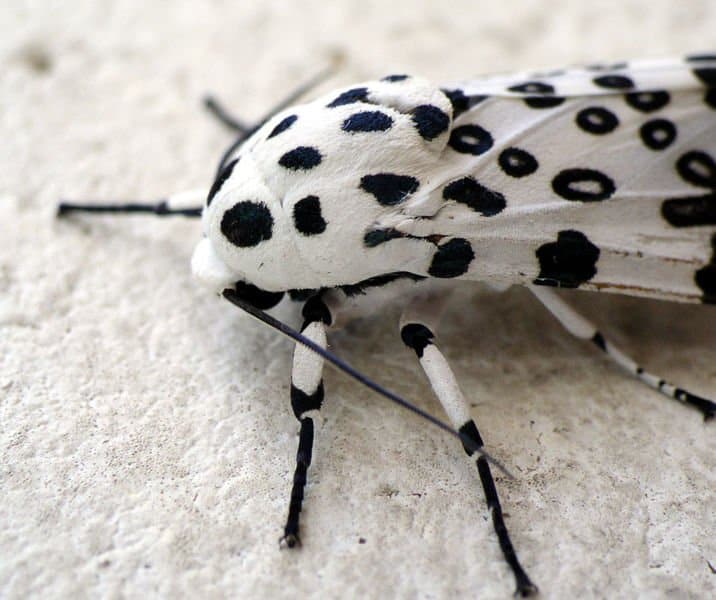
Six legs, endless lives.
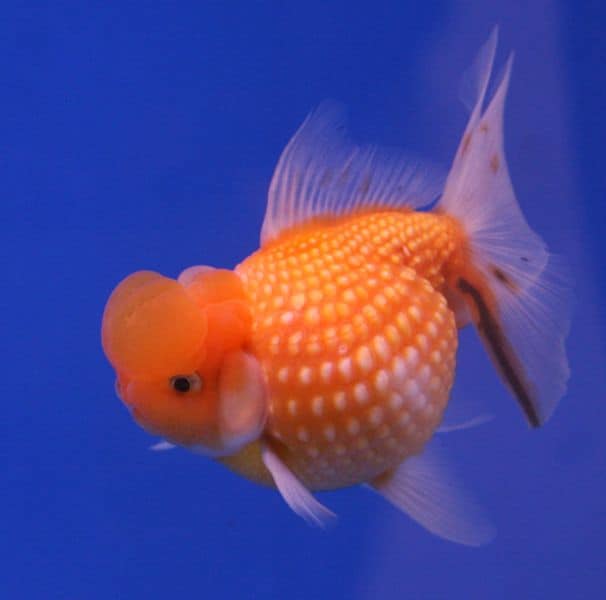
Bony rays, endless ways.
A hot desert is a subtropical to tropical terrestrial biome defined by chronic water deficit, typically receiving very low annual precipitation (often <250 mm/year) while experiencing high potential evapotranspiration that exceeds rainfall for most or all of the year. It is characterized by sparse primary production, strong temperature extremes (especially large diurnal ranges), and organisms adapted to intense heat, drought, and nutrient-poor, often saline soils.
Hot deserts form where dry air, high pressure, and distance from moisture make rain rare while strong sun causes evaporation. Water limits life: plants grow briefly after rare rains, and life centers near ephemeral streams, oases, and shade. Vegetation is patchy—shrubs, succulents, and short-lived annuals with small waxy leaves, deep roots, CAM photosynthesis, dormancy, or seed banks. Many animals are nocturnal or live in burrows to save water. Deserts support specialized, endemic species across dunes, rocky plains, and salt flats.
Hot deserts have a very dry climate with little rain, strong sun, and evaporation that is usually greater than rainfall. Days are very hot but clear skies let heat leave at night, causing large day–night temperature swings, especially inland. Rain comes rarely in short storms. Low humidity and drought make plants sparse and animals avoid heat.
Typically ~20-35°C (36-63°F) between mean winter and summer temperatures; inland deserts commonly show the largest seasonal and day-night swings.
Generally ~25-250 mm/year (1-10 in), with many core hot-desert regions closer to ~25-100 mm/year (1-4 in).
Seasonality depends more on temperature and the timing of rare rains than on steady wet/dry seasons. Summer brings extreme heat and strong drying, so animals are active at night, dawn, and in shade. Winter is cooler with less drying, allowing more daytime activity. Productivity comes in pulses: storms trigger rapid germination, flowering, insect outbreaks, then dormancy, seed banking, estivation, or migration.
Growing season is short and variable — from a few days to six to ten weeks after rain. Winter-rain deserts grow in cool fall–spring; summer-monsoon deserts peak mid to late summer. In very dry years it may be almost zero; perennials rely on deep roots, stored water, and dormancy.
Hot deserts (subtropical deserts) occur primarily under the descending limbs of the Hadley cells where persistent high pressure suppresses rainfall. They form broad belts on the western sides and interiors of continents, typically characterized by extremely low annual precipitation (often <250 mm), high potential evapotranspiration, sparse xerophytic vegetation, and strong diurnal temperature ranges.
Globally, hot deserts remain extensive but are increasingly fragmented and locally degraded; overall conservation concern is moderate-to-high due to accelerating development pressures, groundwater depletion, and rising climate extremes.
Hot deserts aren't "always hot": nights can feel shockingly cold because dry air and clear skies let heat radiate away quickly.
Deserts can flood fast-hard, dry soils often can't absorb sudden downpours, so rare storms can trigger powerful flash floods.
Some deserts "drink" fog: in places like the Namib and parts of coastal deserts, fog can be a more reliable water source than rainfall for plants and animals.
Many desert animals get most of their water from food and metabolism (water made inside the body), reducing the need to drink.
After rains, deserts can transform overnight-seeds that waited for years can germinate within days, carpeting landscapes with flowers.
Sand dunes can be noisy: certain dry, well-sorted dunes can produce a deep humming/booming sound when sand avalanches down their slopes.
If the Sahara were a country, it would be roughly the size of the United States (or China)-a continent-scale biome.
At ~9 million km², the Sahara is about the size of the contiguous U.S. plus Alaska combined (a useful mental map for its scale).
A single desert storm can drop a year's worth of rain in hours-like a whole "annual budget" arriving in one sudden deposit.
Day-night temperature swings in hot deserts can feel like experiencing two seasons in 24 hours: scorching daytime heat followed by surprisingly cool evenings.
Desert biological activity often runs on a "night shift": compared with many forests where daytime dominates, deserts may have peak animal movement after sunset to avoid heat and water loss.
The Sahara is the largest hot desert on Earth-covering about 9 million km² (≈3.6 million mi²).
Some hot deserts can go years without measurable rain; parts of the central Sahara are virtually rainless for years.
Hot deserts can have some of the hottest air temperatures recorded-Death Valley (a hot desert region) has produced the highest reliably measured air temperature on Earth: 56.7°C (134°F) at Furnace Creek (1913).
Despite sparse life overall, certain desert microhabitats (like desert wildflower "super blooms" and fog-fed slopes) can become temporarily very biologically intense after rare moisture events.
Many desert plants are extreme water-savers: some cacti and succulents can store enough water to survive long droughts, and many desert shrubs keep leaves tiny (or absent) to reduce water loss.
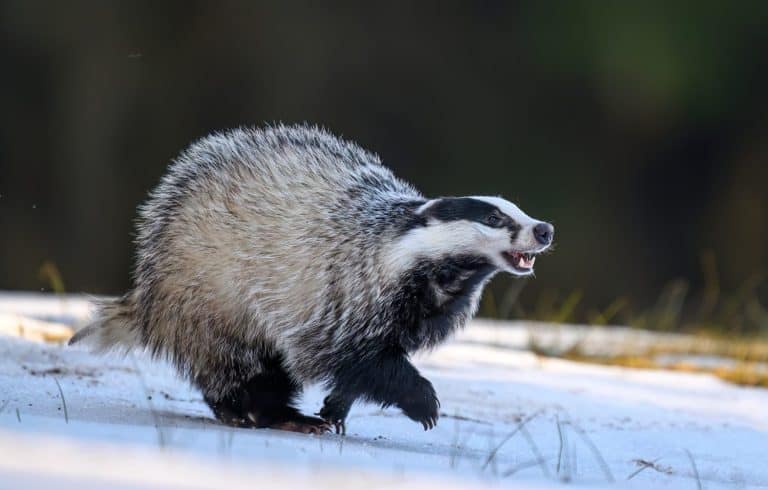
Built to dig. Born to endure.
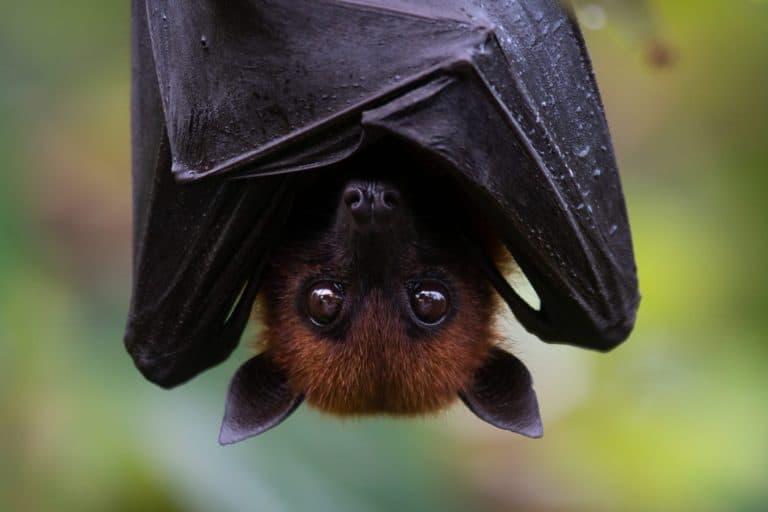
Night pilots of the mammal world
Humps of fat, miles of grit
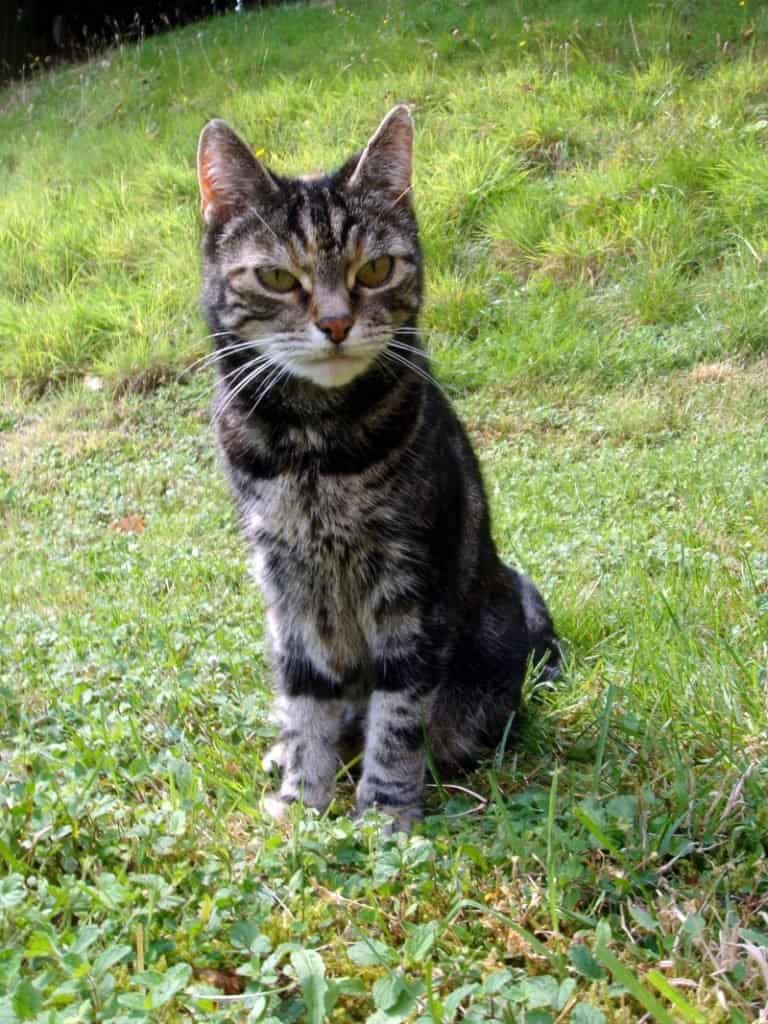
Small hunter, big household legend
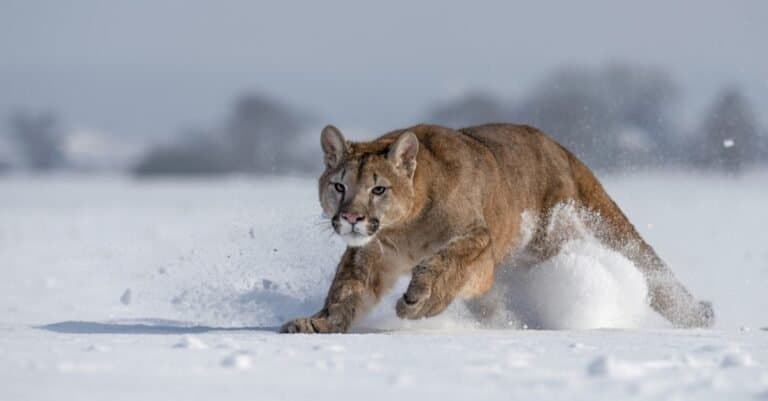
One cat. Two continents.
Sure-footed partner of people
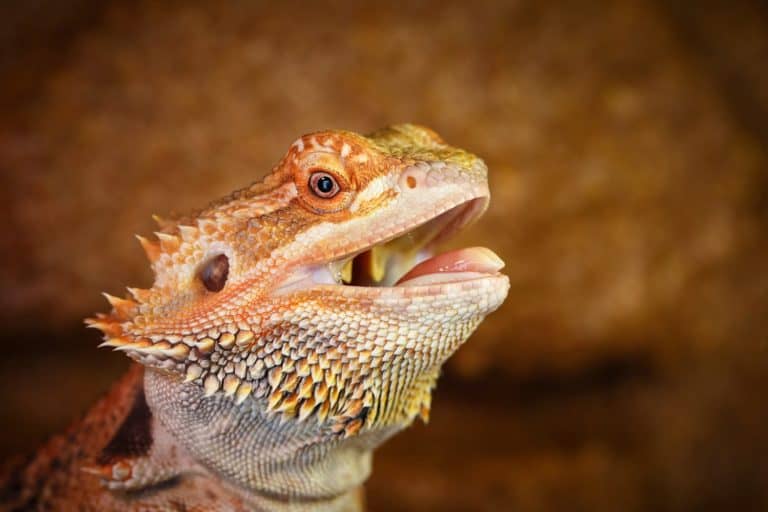
Big beard, bright sun, bold attitude.
Webbed feet, world travelers.
Built to soar, born to strike
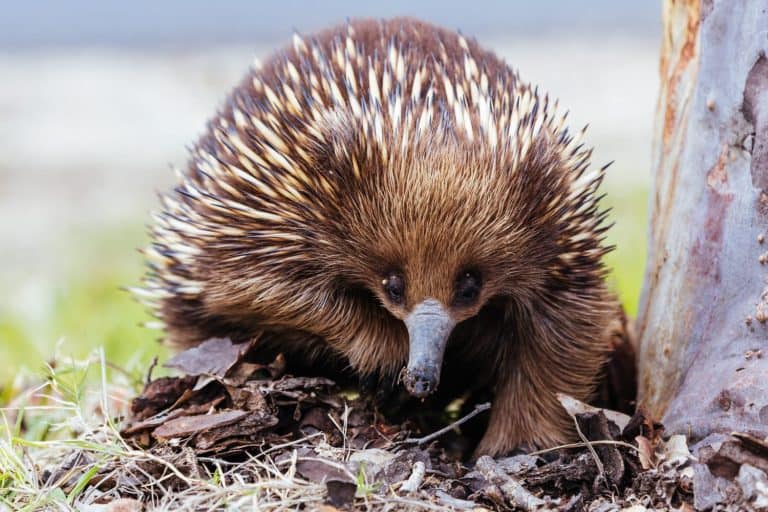
Spines, eggs, and ant-eating mastery
Bony rays, endless ways.
From dunes to tundra-fox smart.
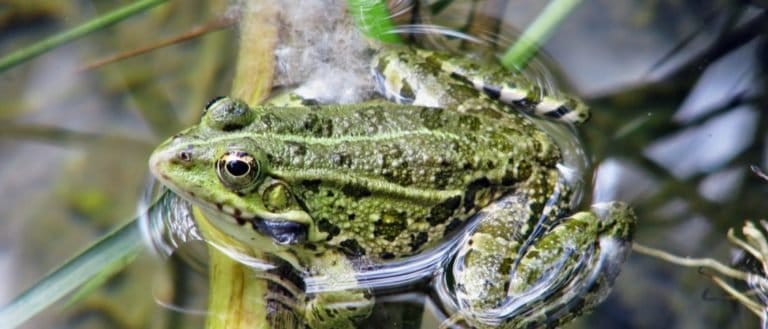
Tailless jumpers, masters of change
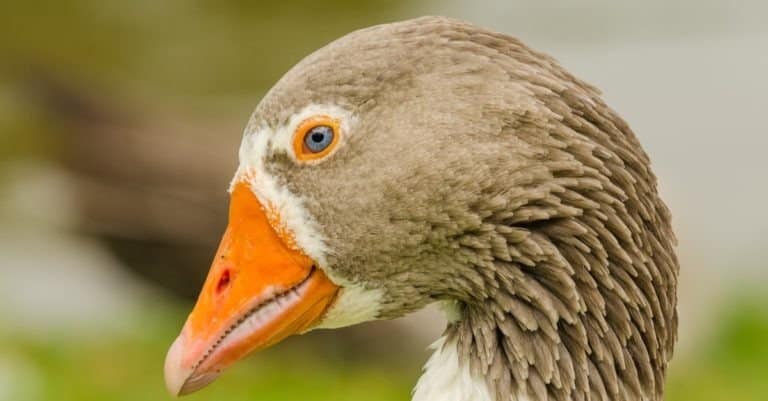
Webbed feet, sky roads, wetland lives
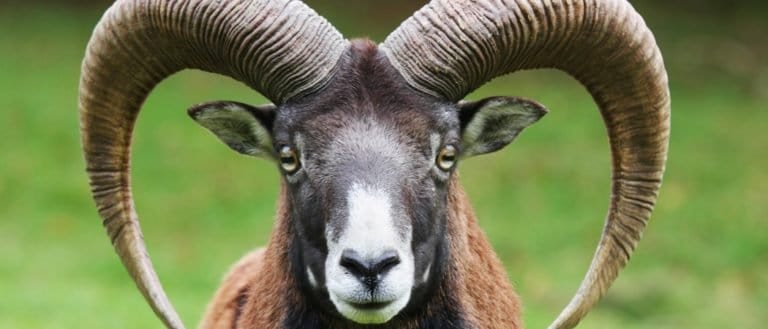
Sure-footed masters of rock and range
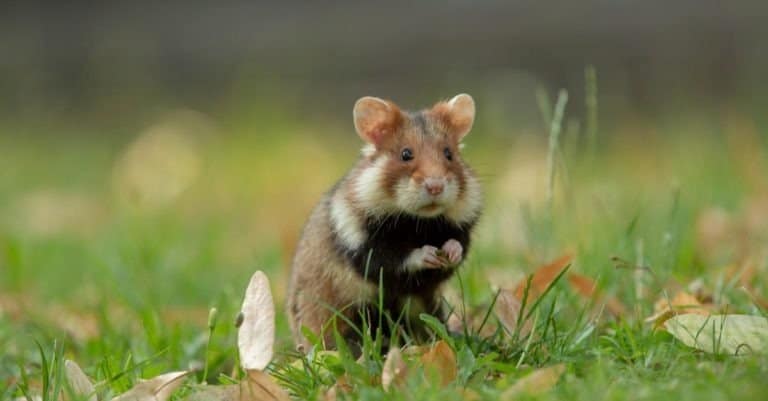
Pouches, burrows, and big impacts
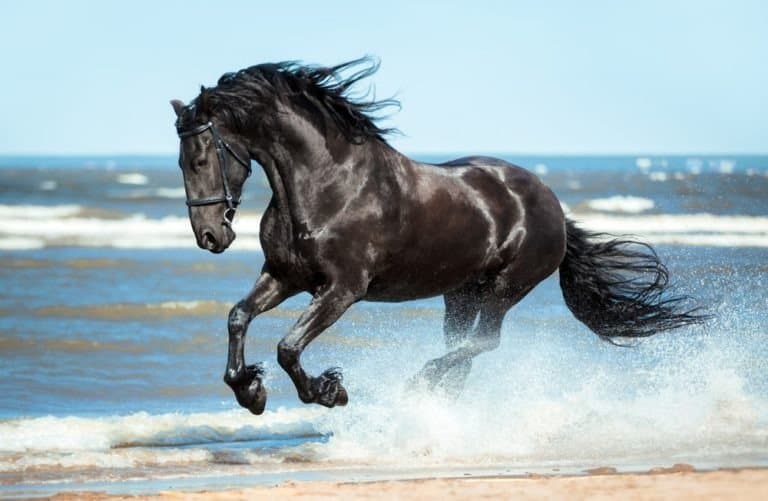
One hoofbeat, a thousand histories
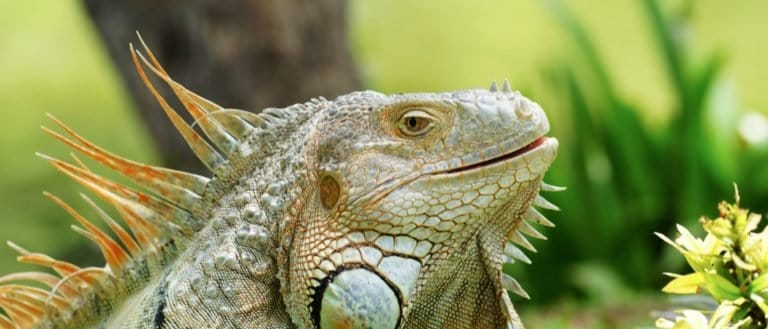
Sun-powered lizards of the Americas
Six legs, endless lives.
Small canids, big survival skills
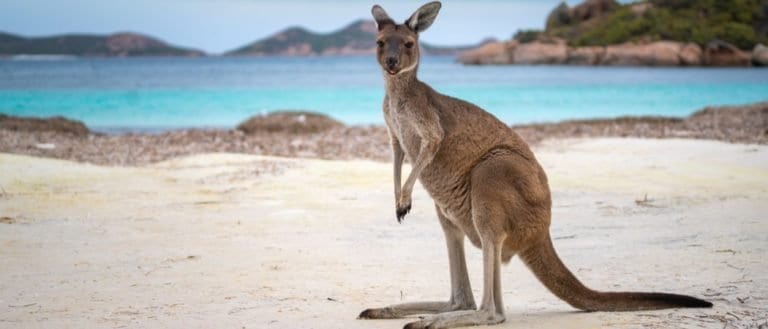
Big hops, big pouches, big variety
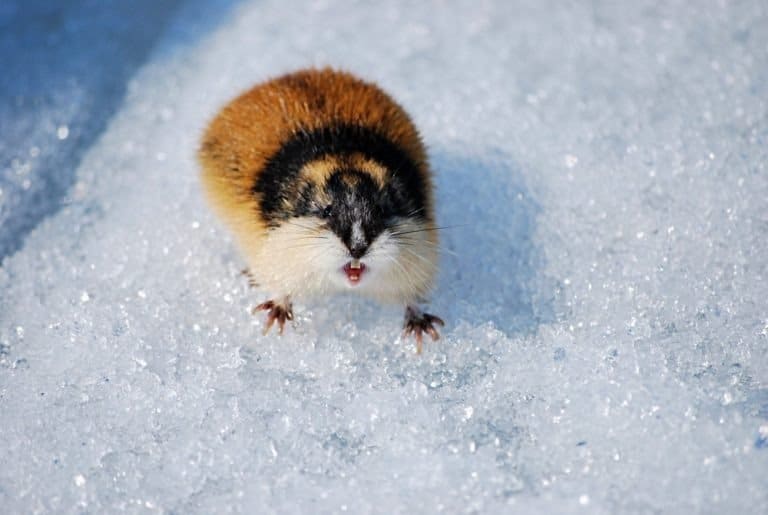
Small rodents, huge tundra impact
Built for prides, born for the hunt

From geckos to dragons-lizard power
Thank you for reading! Have some feedback for us?
We appreciate your help in improving our content.
Our editorial team will review your suggestions and make any necessary updates.
There was an error submitting your feedback. Please try again.