




Animal Habitats

Mountain

Elevated terrain with distinct altitude zones and adapted wildlife
1,153 Animals
1/49 Page
Overview

Understanding This Category

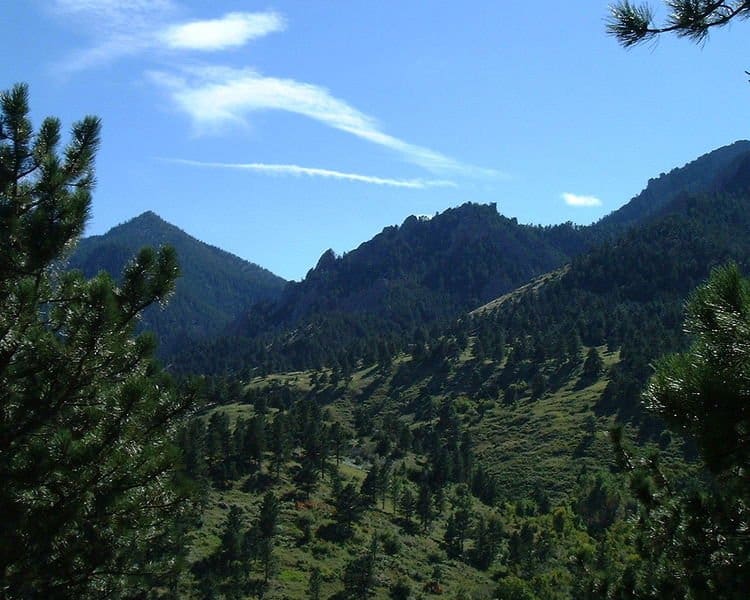
A mountain habitat is a high-relief, high-elevation landscape where steep gradients in temperature, oxygen availability, wind exposure, and solar/UV radiation shape ecosystems over short distances. It comprises interconnected sub-habitats that shift rapidly with elevation, slope, and aspect-from montane forests to alpine meadows and snow/ice zones.

Mountain habitats change quickly with elevation: air thins, temperatures drop, growing seasons shorten, and winds strengthen. North- and south-facing slopes make many small local climates, creating stacked zones from foothill woods and mountain forests to treeline, alpine meadows, rock, snowfields, and glaciers. Mountains store water (snowpack, glaciers), support wildlife, and face human use and climate threats.

Key Characteristics

Strong elevational gradients in temperature, oxygen, and growing season length
High topographic complexity (ridges, valleys, cirques) producing diverse microclimates
Zonation of communities with elevation (montane forest → treeline → alpine meadow/shrub → rock/snow/ice)
Frequent physical disturbances (rockfall, landslides, avalanches, freeze-thaw) shaping patchy habitats
Thin, rocky, nutrient-poor soils common on slopes; deeper soils in basins and valley bottoms
High hydrological importance: snowpack/glaciers/headwaters feeding rivers and lakes
High endemism and specialization due to isolation and steep environmental filters
Strong effects of aspect and exposure (sun, wind) on vegetation and snow persistence
Environment

Environmental Conditions

Climate

Temperature Range
-30°°C to 20°°C
Precipitation
~600-2000+ mm/year (often snow-dominated; strong orographic effects with wetter windward slopes and drier leeward rain shadows)

Conditions

High solar exposure with elevated UV (especially above treeline); strong diurnal light/temperature swings; pronounced aspect effects (south-facing warmer/brighter, north-facing cooler/shadier); snow/ice increases reflectance (high albedo) and glare.

Headwater streams and rivers (cold, clear, oxygen-rich, often fast-flowing); alpine lakes/tarns; snowmelt-fed seeps and springs; seasonal meltwater channels; glaciers and glacial outwash in some ranges. Water is typically low in salinity (freshwater), with strong seasonal discharge pulses during snowmelt and storms.

Ecology

Ecological Community

Biodiversity Level

Medium to high: overall richness can be moderate because harsh climate and short growing seasons limit the number of species at the highest elevations, but biodiversity is often high across the full mountain mosaic due to steep gradients, many microhabitats (forests, meadows, cliffs, wetlands), and frequent endemism from isolation.

Flora

  • Coniferous trees (montane/subalpine forests)
  • Cold-tolerant broadleaf shrubs and stunted, wind-pruned treeline thickets
  • Alpine grasses and sedges (meadows, turf)
  • Herbaceous wildflowers/forbs (short growing season specialists)
  • Lichens and mosses (rock, soil crusts, snowmelt zones)
  • Cushion plants and mat-formers (wind-exposed ridges)

Ecosystem Services

  • Water storage and regulation (snowpack and glaciers feeding rivers; buffering floods and droughts)
  • Erosion control and slope stabilization by vegetation and root networks
  • Carbon storage (especially in montane forests and cold soils with slow decomposition)
  • Biodiversity refugia and endemism (isolated peaks and valleys creating unique communities)
  • Pollination support (diverse alpine wildflowers sustaining pollinators)
  • Nutrient cycling and soil formation (primary succession on rock/talus, decomposer activity)
  • Cultural, recreational, and aesthetic values (hiking, spiritual significance, tourism)
  • Climate regulation and local microclimate moderation (forest cover, albedo effects of snow/ice)
Conservation

Conservation Status

Moderate but declining overall. Many mountain areas remain comparatively intact due to steep terrain and remoteness, but lower/mid-elevation zones are widely modified, connectivity is fragmenting, and cryosphere-dependent sub-habitats (alpine meadows, snow/ice zones) are rapidly contracting. High endemism and narrow climatic niches make biodiversity impacts disproportionate to area affected.

Estimated ~15-30% historically heavily converted or degraded (highest at lower elevations and accessible valleys; many high-alpine zones remain less converted but are increasingly climate-transformed). Lost
Declining Current Trend

Primary Threats

  • Warming drives upslope range shifts, treeline advance, loss of snowpack and glaciers, altered runoff timing, and increased heat/drought stress; species can be "pushed off the mountaintop" with no higher refugia.
  • Roads, dams/hydropower, ski resorts, transmission lines, and tourism expansion fragment habitats, increase erosion/landslides, and disturb sensitive wildlife (especially in alpine and cliff zones).
  • Conversion and intensification in montane valleys/slopes (cropland, orchards, pasture), overgrazing, fuelwood collection, and water withdrawals simplify habitat mosaics and degrade headwater catchments.
  • Selective logging and forest degradation in montane forests reduce structural complexity, increase edge effects, and elevate fire and landslide risk.
  • Hard-rock mining and quarrying cause direct habitat removal, tailings/acid drainage, heavy-metal contamination, and chronic sedimentation of streams.
  • Non-native plants and pathogens expand upslope with warming and disturbance; outbreaks can be severe in isolated high-elevation communities with limited resilience.
  • Unsustainable harvest and retaliatory killing (often linked to livestock depredation) reduce populations of large mammals and key predators in many mountain regions.
  • Altered fire regimes, water regulation, and slope stabilization/engineering change disturbance dynamics that maintain diverse montane habitat patches.

Protection Efforts

  • Expansion and effective management of protected areas across full elevation gradients (from foothills to alpine zones)
  • Landscape connectivity measures (wildlife corridors, transboundary conservation, roadless area protection)
  • Sustainable grazing and rangeland management (stocking limits, rotational grazing, meadow restoration)
  • Watershed/headwater protection and environmental flow policies for mountain rivers
  • Regulation of mining/logging with strong enforcement; restoration bonding and best-practice erosion control
  • Visitor management in high-use sites (zoning, trail hardening, limits/permits, seasonal closures)
  • Invasive species prevention and rapid response; biosecurity for recreation corridors
  • Climate adaptation actions: protecting climate refugia (north-facing slopes, cold-air drainages), assisted gene flow where appropriate, and fire-risk reduction in montane forests
  • Community-based conservation and conflict mitigation (predator-proof corrals, compensation/insurance schemes)

Notable Protected Areas

Sagarmatha National Park (Nepal) Great Himalayan National Park (India) Kilimanjaro National Park (Tanzania) Mount Kenya National Park (Kenya) Torres del Paine National Park (Chile) Denali National Park and Preserve (USA) Rocky Mountain National Park (USA) Swiss National Park (Switzerland) Fiordland National Park / South West New Zealand World Heritage Area (New Zealand) Altai Mountains protected areas (Russia/Kazakhstan/Mongolia/China region)

Restoration Potential

Moderate overall. Montane forests and degraded slopes can recover well with reforestation, erosion control, and reduced grazing/logging, but recovery is slow in cold, high-elevation systems with thin soils. Alpine meadows, talus, and snow/ice-dependent habitats have limited restoration options beyond reducing local pressures and maintaining hydrology; some losses under warming may be effectively irreversible on human timescales.

Climate Vulnerability

High. Mountains experience rapid warming rates, shrinking cryosphere, and strong hydrological sensitivity (snowpack and glacier melt). Species often have narrow temperature niches and limited dispersal pathways; "mountaintop" endemics face elevated extinction risk. Increased extremes (heatwaves, drought, intense precipitation) also raise wildfire, landslide, and flood hazards, compounding ecological stress.

Human Impact

Human Interaction

Human Uses

  • Subsistence and small-scale agriculture (terracing, high-altitude crops like barley, potatoes) and pastoralism (seasonal grazing/transhumance)
  • Forestry and collection of non-timber forest products (mushrooms, berries, medicinal plants, resins) in montane zones
  • Water supply and watershed protection functions leveraged for downstream drinking water, irrigation, and industry
  • Hydropower development using steep gradients and snowmelt-fed rivers
  • Mining and quarrying (metals, coal, stone, gravel) and associated access roads/tunnels
  • Transportation corridors through passes/valleys; strategic military use of ridgelines and passes
  • Settlement in valleys and lower montane slopes; dispersed villages, highland hamlets, seasonal camps
  • Scientific research and monitoring (glaciology, climate, ecology, geology) and conservation management
  • Hazard management infrastructure (avalanche galleries, retaining walls, debris-flow basins, early warning systems)

Impacts

  • Habitat fragmentation from roads, ski infrastructure, transmission lines, and scattered development in valleys and lower slopes
  • Overgrazing and trampling of alpine meadows leading to soil compaction, reduced plant cover, and erosion
  • Deforestation/wood harvest in montane forests, increasing landslide and avalanche risk and reducing carbon storage
  • Hydropower dams and diversions altering flow regimes, sediment transport, fish passage, and riparian habitats
  • Mining/quarrying causing land disturbance, acid drainage, tailings risk, and heavy truck traffic
  • Tourism pressure (trail erosion, litter, wildlife disturbance, off-trail damage, illegal camping)
  • Climate-change amplification in mountains: glacier retreat, reduced snowpack, shifting treelines, altered phenology; compounded by local land-use stressors
  • Increased hazard exposure due to development in floodplains/alluvial fans and on unstable slopes; higher debris-flow and rockfall risk with permafrost thaw
  • Introduction of invasive species along road/trail corridors and from landscaping
  • Air pollution deposition (nitrogen, black carbon) affecting alpine lakes/soils and accelerating snow/ice melt

Sustainable Practices

  • Watershed-based planning that prioritizes intact headwaters, riparian buffers, and limits on development in hazard-prone zones
  • Sustainable grazing management (rotational/seasonal stocking rates, restoration of degraded meadows, protection of sensitive alpine plants)
  • Low-impact tourism: hardened trails, limits/permits in fragile areas, visitor education, waste pack-out, seasonal closures for wildlife
  • Forest stewardship emphasizing mixed-age stands, reduced clear-cutting on steep slopes, fire-smart practices, and protection of old-growth/refugia
  • Hydropower best practices: environmental flows, fish passage where relevant, sediment management, careful siting to avoid key habitats and corridors
  • Mine/quarry controls: strict tailings containment, water treatment, progressive reclamation, and no-go zones in high-biodiversity/unstable terrain
  • Connectivity conservation: wildlife corridors across valleys/ridges and road mitigation (wildlife crossings, reduced nighttime lighting)
  • Community-led conservation and benefit-sharing (supporting indigenous/local tenure, payments for ecosystem services, sustainable product certification)
  • Climate adaptation: protecting elevational gradients and microrefugia, monitoring snow/ice, hazard early warning, and relocating infrastructure away from high-risk slopes
Fun Facts

Did You Know?

Mountains can be biodiversity "islands": peaks and valleys can isolate populations like ocean islands do, speeding up unique species and local endemism.

Being closer to the Sun doesn't mean being warmer: higher elevations receive more intense UV, yet temperatures drop roughly 6.5°C per 1,000 m on average.

Treeline isn't set by altitude alone-wind, exposure, and snowpack matter. A south-facing slope can host trees higher up than a shaded north-facing slope nearby.

Cold doesn't stop life: alpine plants often grow low to the ground to hide from wind, retain heat, and avoid losing moisture-like living under a tiny "blanket" of their own leaves.

Snow can insulate: a deep snowpack can keep the ground beneath it relatively "warm" (near 0°C), protecting plants and overwintering animals from harsher air temperatures.

Mountains make their own weather: air forced upward cools and condenses, often creating rain/snow on the windward side and dry "rain-shadow" conditions on the leeward side.

Low oxygen is only part of the challenge: cold, dehydration (dry air), intense UV, and rapid weather changes can be just as stressful as thin air.

Elevation works like latitude: climbing a mountain is like traveling from the tropics toward the poles-ecosystems change in stacked "bands."

Aspect is like choosing shade vs. sun: north-facing slopes in the Northern Hemisphere are often cooler/moister (like a natural refrigerator) while south-facing slopes are warmer/drier (like a sunny windowsill).

Mountains are a patchwork quilt: cliffs, talus, meadows, forests, and snowfields can sit side-by-side, creating many microhabitats in a small area.

Treeline is like an ecological speed limit: beyond it, conditions get too harsh for trees to "pay the energy costs" of growing tall.

Orographic lift is a wringing-out sponge: mountains squeeze moisture from moving air, leaving the downwind side drier.

Alpine plants are like ultralight backpackers: small size, tough tissues, and efficient resource use help them survive where "supplies" (heat, water, nutrients) are scarce.

Highest point above sea level: Mount Everest (8,849 m / 29,032 ft)-its summit air pressure is only about one-third of sea level's.

Tallest mountain from base to summit: Mauna Kea (Hawaii) rises ~10,000 m from seafloor to summit (though only 4,207 m above sea level).

Largest mountain range: The Andes (~7,000 km long) create one of Earth's biggest continuous mountain habitats.

Old vs. young extremes: The Appalachians are ancient and heavily eroded compared with "younger," sharper ranges like the Himalaya and Andes.

One of the greatest elevation-to-ecosystem gradients: In some tropical mountains, you can pass from rainforest to near-glacier conditions in a single day's hike.

Mountain Animals

Showing 1-24 of 1,153

All Animals A-Z

B

S

Mountain ranges are found all around the world and are the result of plate movement beneath the Earth’s crust. Mountains can range in height from a small hill to 8,848 metres, which is the height of Mount Everest, the tallest mountain in the world. Animals that live in mountainous regions not only have to withstand dramatic temperature changes but also lower oxygen levels.

There are two main types of mountain range, which are temperate mountains and tropical mountains. Temperate mountains tend to be fairly cold all year round and are much more seasonal that the tropical mountains. In the spring and summer, there is a burst of plant life at high altitude which encourages herbivores up the mountain. Temperate mountains can be found in Europe, Central Asia and North and South America. Tropical mountains have much warmer climates and have a few plants which have specially adapted to live at high altitudes. Tropical mountain ranges can be found in Africa, south-east Asia and South America.

Wildlife that inhabits mountainous regions has be able to survive successfully at high altitudes. Any creature that lives in the mountains must also be able to cope with changing temperatures. For every 200 meters an animal goes up a mountain, the temperature drops by 1 degree Centigrade. Plants are very seasonal in the mountains and those plants that do occur all year round, such as conifers, must be extremely hardy and able to deal with the cold.

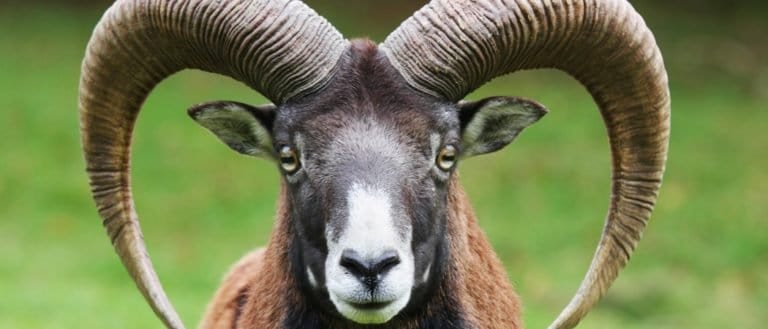
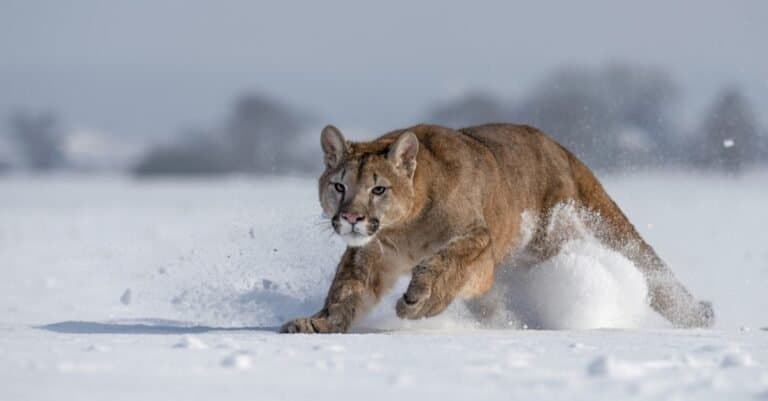
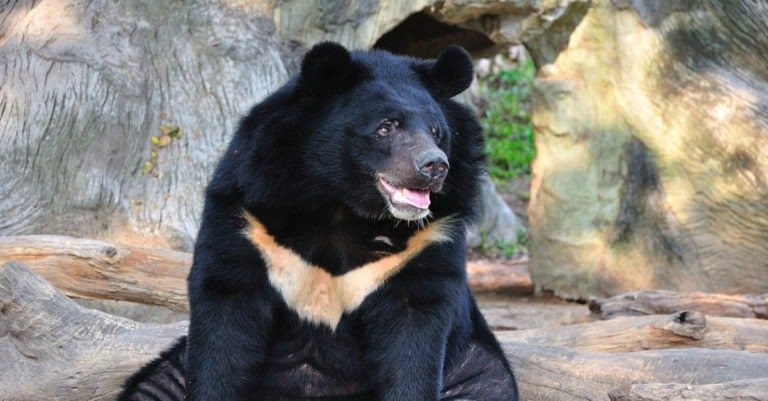
Many species of hoofed and herbivorous mammal such as goats, deer, sheep and llamas have adapted well to living in the mountains and are often found grazing on ledges and on cliff faces. These herbivores move up the mountain when there is vegetation further up during the spring and summer and move back down again in the autumn when it begins to get colder and food is more scarce. These herbivores obviously attract large predators to inhabit mountainous regions, such as bears, cougars and mountain lions.

There are also a number of animal species that are not found on the mountains but inside them. Many smaller animal species have adapted to living their lives in the safety of caves and crevices. Caves are popular homes for amphibians such as toads and salamanders, numerous species of insect, and mammals such as bats.

Although the mountains themselves are standing strong, there are numerous threats to the wildlife that inhabits mountain habitats. Deforestation, quarrying and the development of ski-resorts are the most damaging advances to mountain wildlife, along with global warming and climate change which affects the growth of plants at higher altitudes.

Thank you for reading! Have some feedback for us?