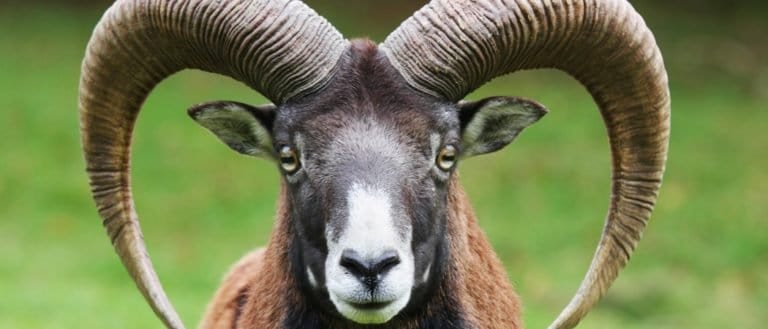
Goat
Sure-footed masters of rock and range

Sure-footed masters of rock and range
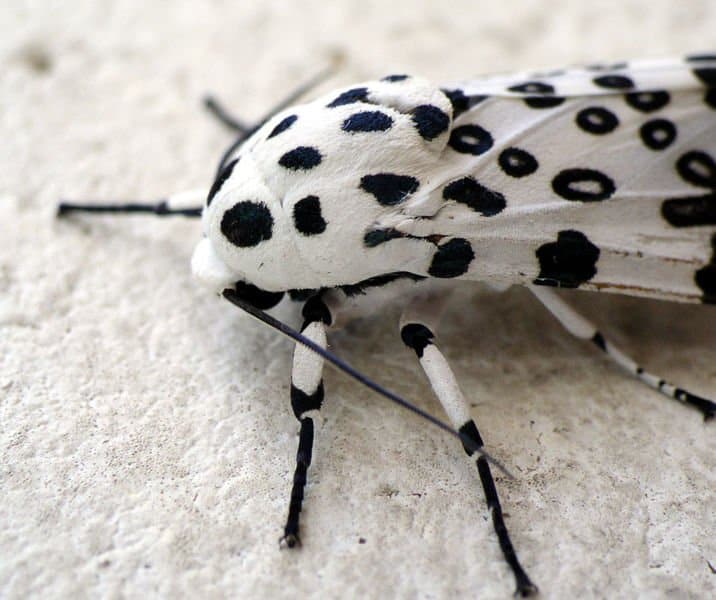
Six legs, endless lives.
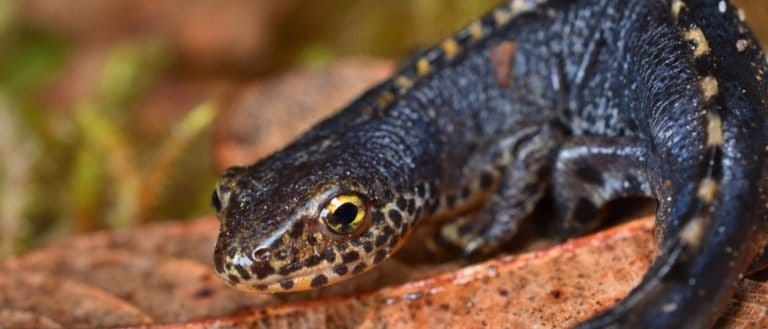
Crests, ponds, and potent defenses
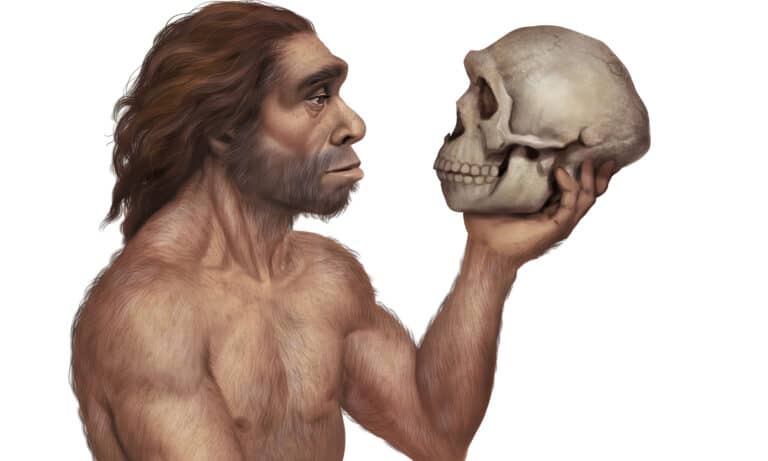
Not cavemen-Ice Age people
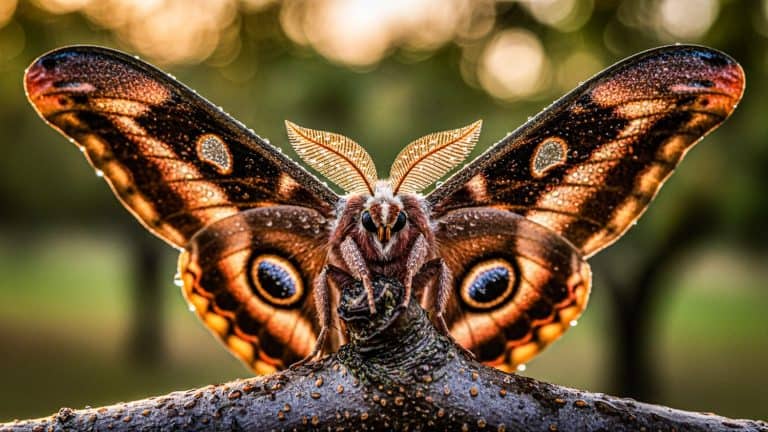
More than night flyers
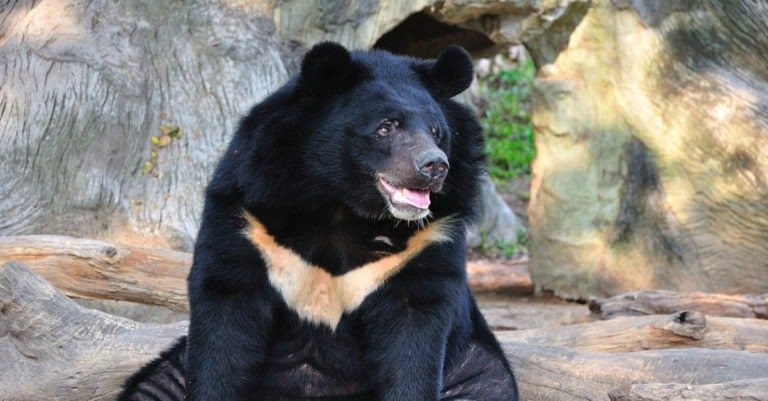
Moon-marked climber of Asian forests
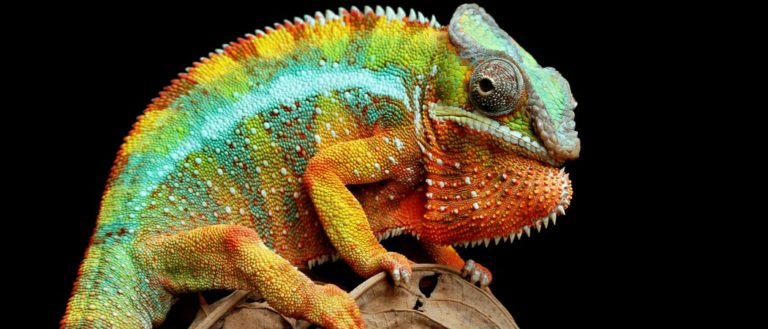
From geckos to dragons-lizard power
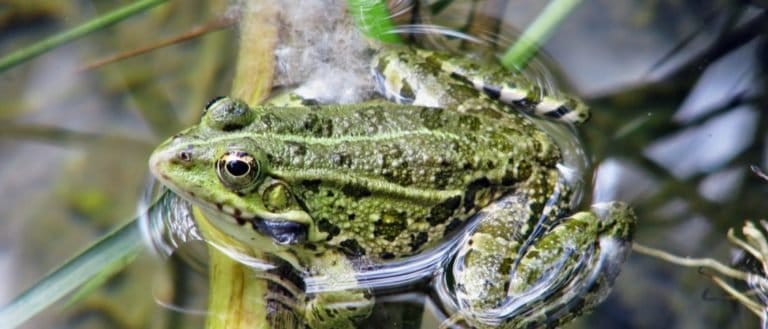
Tailless jumpers, masters of change
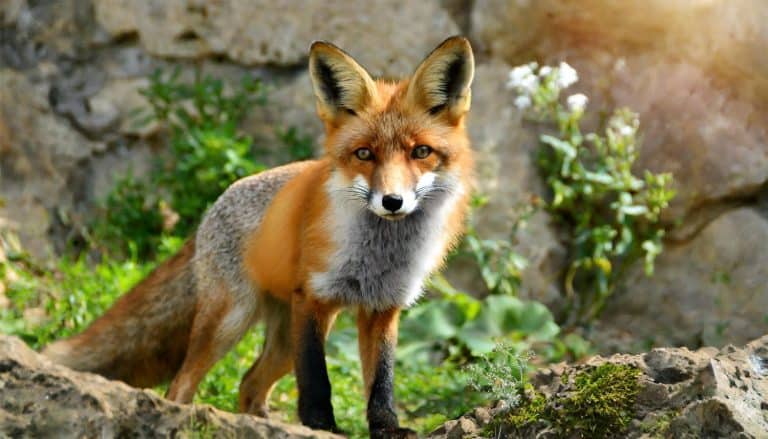
From dunes to tundra-fox smart.
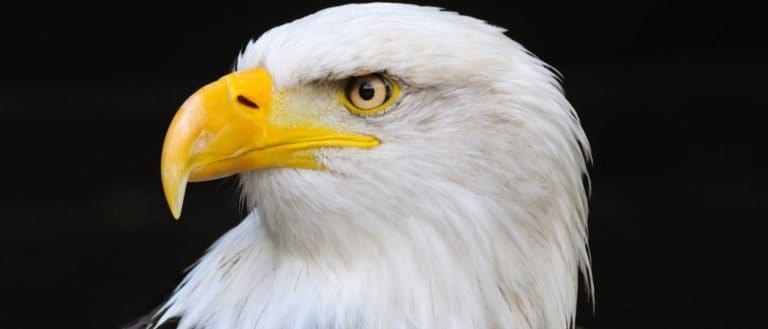
Built to soar, born to strike
In animal coloration, black is a pigmentation or structural state defined by very low reflectance across most wavelengths of visible light, resulting in a near-absence of perceived hue. It most commonly arises from dense deposits of eumelanin in integumentary tissues (skin, hair, feathers, scales), though some "black" surfaces are enhanced or produced by nanostructures that increase light absorption.
Black is one of the most widespread and visually striking colors in the animal kingdom, appearing in mammals, birds, reptiles, amphibians, fishes, and countless invertebrates. Scientifically, it is best understood not as a hue but as a surface property: black tissues reflect very little visible light, making the animal appear dark across lighting conditions. In many species this darkness comes from high concentrations of eumelanin, a robust pigment that can be packed into skin, fur, feathers, or scales and that often co-occurs with other pigments to deepen overall tone.
Functionally, black coloration is remarkably versatile. It can improve concealment in shaded habitats, on dark substrates, or at night; create high-contrast patterns that aid communication or warning displays; and contribute to thermoregulation by increasing absorption of solar radiation (a benefit in cool environments but a potential cost in hot ones). In birds, some intensely black plumages may also serve as honest signals because producing and maintaining melanin-rich feathers can correlate with condition and can affect feather durability.
Not all animal "black" is purely pigment-based. In certain cases-especially in feathers, butterfly wings, and some fish-microscopic structures reduce reflection through scattering, trapping, or anti-reflective effects, producing exceptionally deep, velvety blacks. This interplay between chemistry (melanin) and physics (micro- and nanostructure) helps explain why black can range from a matte charcoal to an ultra-absorptive, seemingly light-swallowing surface.
On animals, black typically appears as a deep, near-velvety darkness caused by extremely low reflectance across most of the visible spectrum. In fur, black can look "inky" and light-absorbing, often with subtle highlights that reveal hair direction; a healthy coat may show a glossy sheen where individual hairs reflect specular light even when overall reflectance is low. In feathers, black ranges from matte to intensely glossy depending on microstructure: many birds (e.g., corvids, grackles, starlings) show black that flashes with colored iridescence because layered keratin/melanosome structures create structural interference on top of melanin absorption. In scales or skin (reptiles, amphibians, fish), black may present as smooth and uniform, or mottled with lighter patches; it can change with chromatophore expansion/contraction, shifting from dark charcoal to near-jet black in seconds to minutes. Across taxa, black areas often provide strong edge contrast against adjacent colors/patterns, making stripes, masks, and eye-lines particularly striking.
Not a single wavelength; characterized by very low reflectance across most visible wavelengths (~400-700 nm). Many biological "blacks" also absorb strongly into near-UV (~300-400 nm), though some feathers/scales may reflect UV despite appearing black to humans.
Approx. #000000 to very dark near-blacks such as #050505-#1A1A1A (appearance depends heavily on lighting, gloss, and texture).
Humans (trichromatic vision): Black is perceived primarily as an absence of light/reflectance, so fine differences are often read as gloss (shine) and texture rather than hue. Under strong light, "black" animals may still show subtle undertones (blue-black, brown-black) and specular highlights that humans interpret as sheen. Many mammals (often dichromatic, some monochromatic): Blacks are also seen as very dark, but with reduced sensitivity to red-green differences, mammals may rely even more on brightness contrast and motion. A black patch against a lighter background is highly salient, while subtle warm/cool casts within black are less likely to be distinguished. Birds (typically tetrachromatic with UV sensitivity): Birds can detect ultraviolet and finer spectral differences than humans. A feather region that looks uniformly black to humans may show UV reflectance patterns, UV gloss, or iridescent shifts that are visible to birds and can function in mate choice or species recognition. Thus, "black" plumage can be information-rich in avian vision. Reptiles and amphibians: Many have good luminance contrast detection and may perceive black strongly as a dark region; in species with color change, blackness can be a dynamic signal (stress, dominance) and a thermoregulatory state. Some can see into UV, potentially revealing differences in "black" surfaces that humans miss. Fish: Vision varies widely by habitat; many fish detect contrast well, and some have UV sensitivity. In clear shallow water, black can create strong silhouette/edge contrast; in dim or tannin-stained water, black may reduce visibility (camouflage) but can also create recognizable silhouettes at close range. Insects (often UV-sensitive, different photoreceptor sets): Many insects can perceive UV and polarization; surfaces that appear black to humans may still reflect UV or polarized light, changing how conspicuous the "black" is to them. Overall, black is commonly processed as a high-contrast luminance cue across species, but UV/iridescent components can make biological blacks look markedly different to non-human observers.
Very low diffuse reflectance; appears "ink-like" in fur/skin/feathers. Often produced by dense eumelanin granules and/or thick melanosome packing.
Looks exceptionally dark because surface microstructure reduces specular highlights and traps light (common in some bird plumage and certain insect cuticles).
Still low overall reflectance, but with bright specular highlights (fur sheen; shiny scales; glossy feathers). The shine can make contours and grooming direction more visible.
Black with a cool cast, sometimes from structural effects or lighting; common in raven/crow plumage where subtle blue/green interference rides on a black base.
Black that reads slightly warm, especially in sun; can occur with lower eumelanin density, mixed pheomelanin, wear/bleaching, or dusty/oxidized surfaces.
Appears black in shade but flashes greens/purples/blues at certain angles (starlings, grackles, many beetles), due to thin-film/photonic structures over melanin absorption.
Black that shifts toward dark brown or gray with UV exposure, abrasion, or age (common in feathers and fur), reducing contrast and making pattern boundaries softer.
Black expressed as spots, stripes, masks, dorsal saddles, or countershading; often enhances camouflage or signaling by maximizing contrast.
In many reptiles, amphibians, and fish, melanophores expand to darken the body or contract to lighten it; black can intensify for thermoregulation, stress, dominance, or camouflage.
A dark brown-to-black polymeric pigment with broad, monotonic absorption across visible wavelengths; responsible for most biological black coloration in vertebrates and many invertebrates. The visual "blackness" depends on melanosome density, distribution (e.g., uniform vs. patterned), and packaging within keratin (feathers/hair) or epidermal tissues.
A red-yellow melanin; not a primary black pigment but can influence overall darkness by mixing with eumelanin or altering hue toward warm browns. True deep black typically reflects high eumelanin-to-pheomelanin ratio.
In some birds and other animals, porphyrins can contribute to dark reddish-brown tones and fluorescence; they are not the dominant cause of black but may modify appearance in certain tissues (e.g., feathers) when present alongside melanin.
Black coloration (often eumelanin-based) provides a versatile suite of benefits: it can conceal animals in shadowed or nocturnal settings, enhance heat absorption for improved performance in cold conditions, strengthen and protect integuments, and serve as a powerful contrast element for communication, mate choice, warning signals, species recognition, and mimicry. Its main trade-offs are increased conspicuousness in bright/open habitats and a higher risk of overheating under intense solar exposure.
Black reduces visibility in low-light environments by minimizing contrast and specular highlights; it can also act as disruptive coloration when combined with lighter patches/stripes.
Effectiveness: High at night, in deep shade, dense forests, caves, deep water, and on dark substrates (basalt, charred ground, dark mud). Low in open, bright habitats (snow, sand, grasslands) where it creates strong contrast; moderate when used as part of mottled/disruptive patterns rather than solid black.
Because black surfaces absorb more solar radiation, black integuments can increase heat gain and help maintain activity at lower ambient temperatures; conversely, they can increase overheating risk.
Effectiveness: High benefit in cool, windy, high-elevation/latitude environments and during morning basking; useful for ectotherms (reptiles, insects) and small endotherms in cold conditions. Low or negative in hot, high-sun environments without opportunities for shade/evaporative cooling; can be neutral when behavior (shade seeking, panting) offsets heat load.
Black functions as a high-contrast signal when paired with bright colors (e.g., black-and-yellow/black-and-red), enhancing visibility and pattern edges for displays, threat postures, and social interactions.
Effectiveness: High in daylight and open habitats where contrast is strong; effective at close to mid-range in social species. Reduced effectiveness in very dim light where contrast cues are limited, or in visually cluttered backgrounds where solid black blends into shadow.
Black can indicate individual quality via melanin-based condition dependence (e.g., feather/fur integrity, parasite resistance, hormonal correlates) and can increase perceived size or dominance through bold patches.
Effectiveness: High in species where mates assess plumage/coat darkness, patch size, or gloss; particularly effective in species with courtship displays in good lighting. Lower where mate choice relies on non-visual cues (olfaction, acoustics) or where black is ubiquitous and provides little variation.
Eumelanin-rich black tissues can increase structural robustness and resistance to wear; melanin can also contribute to protection against UV and oxidative damage, and may reduce skin/feather degradation.
Effectiveness: High in high-UV or abrasive environments (open habitats, high elevation, coastal wind/sand), and in feathers/wings exposed to mechanical stress (flight, display). Moderate in shaded habitats where UV is lower; limited against heat stress if absorption causes overheating.
Black commonly serves as a component of aposematic patterns by enhancing contrast with bright colors, making warning signals more detectable and memorable to predators.
Effectiveness: High when combined with conspicuous hues (yellow, orange, red, white) and displayed in daylight; effective in communities with visually hunting predators capable of learning. Low when black occurs alone without contrast or in nocturnal settings where color cues are reduced (though brightness contrast can still matter).
Distinctive black masks, caps, bands, or patches can help individuals identify conspecifics, align during flocking/schooling, and reduce hybridization by providing clear visual markers.
Effectiveness: High in sympatric species complexes where subtle pattern differences matter; strong at close range in good light. Lower in dim environments or where patterns are obscured by mud, molt, or seasonal wear.
Black is frequently used in Batesian/Müllerian mimicry as a key element of shared warning patterns (e.g., black striping/banding) that predators generalize across species.
Effectiveness: High in systems with established model species and predator learning; especially effective when the mimetic pattern includes black contrast elements. Low where model species are absent or where local predators do not rely on visual pattern recognition.
Variable across taxa. In many birds and some mammals, males are darker or have larger/glossier black patches used in courtship and dominance displays, while females are browner/cryptic for nesting or juvenile care. In other species, both sexes are similarly black when camouflage, thermoregulation, or protection is the dominant selective pressure; some show seasonal dimorphism (e.g., males become darker during breeding) rather than permanent sex differences.
Black coloration can influence detectability, human attitudes, and survival, all of which affect conservation. Dark animals may be harder to spot in low light or dense habitats, complicating population surveys (camera-trap ID, distance sampling) and potentially biasing abundance estimates. Conversely, black morphs can be more conspicuous against snow, sand, or open habitats, increasing predation risk or human-caused mortality (e.g., roadkill, hunting selectivity). Public perception matters: "charismatic" black morphs (e.g., melanistic big cats or wolves) can attract tourism and funding, while culturally stigmatized black animals may face persecution or reduced welfare (e.g., lower adoption rates in shelters-"black dog/cat" biases). Habitat change can shift selective pressures; if environments become darker (burned forests, urban substrates) or lighter (loss of canopy, snow cover changes), the relative advantage of black coloration may change, affecting local morph frequencies. Conservation plans may need to account for morph-specific survival, detectability corrections in monitoring, and targeted outreach to mitigate stigma or exploitation.
Black isn't always "just pigment": some of the blackest animals rely heavily on microstructures that trap light (tiny ridges/tubes/cavities), boosting darkness beyond what pigment alone could do.
A "black" animal can still be colorful: in many birds, a black base layer can make iridescence more intense because absorbed stray light increases color purity.
Black can be a built-in sunscreen: eumelanin helps absorb UV and can reduce UV damage-one reason darker skin/feather regions can be advantageous in high-UV environments.
Some "black" patterns are actually the absence of other colors: in certain insects and reptiles, switching off lighter pigments or reflective structures can reveal underlying eumelanin-rich darkness.
Looking black doesn't guarantee heat gain: in furry/feathered animals, insulation and airflow can matter more than surface color-so "black = always hotter" isn't universally true.
Black can be a warning sign: in many species, black paired with bright colors (yellow/red/orange) increases contrast, making warning signals more readable to predators.
Super black feathers can be darker than many black fabrics: with <~0.5% reflectance, they can appear "hole-like," while typical dark cloth reflects several times more light.
In shallow water, "black" can be stealthier than "blue": at close range, black absorbs stray light and can hide an animal's outline better than colors meant for distance blending.
Black-and-white contrast is nature's billboard: high-contrast patterns (think skunks, many wasps, some birds) are among the most visually legible signals in daylight because edges pop sharply.
In the deep sea, black works like anti-headlight paint: when a predator's bioluminescence or downwelling light hits ultra-black skin, very little bounces back to reveal the prey.
Compared with brown (often more pheomelanin), black (more eumelanin) tends to absorb more across the visible spectrum, producing a "flatter," less reddish darkness.
A black patch can make adjacent colors look brighter: by lowering the viewer's reference brightness, saturated colors next to black often appear more vivid (a natural version of a graphic-design trick).
Ultra-black champions: some birds-of-paradise have "super black" feather patches that reflect less than ~0.5% of visible light-so dark they can make nearby colors look almost neon by contrast.
Deep-sea darkness specialists: several deep-sea fish lineages (including some anglerfish and dragonfish) have skin so light-absorbing it reflects under ~0.5% of incoming light, helping them vanish in bioluminescent waters.
"Most deceptive black": iridescent "black" feathers (like in many crows and grackles) can look matte at a glance but flash blue/purple/green at the right angle-black as a baseline with a structural-color "overlay."
High-eumelanin extremes: in many mammals and birds, the deepest, most uniform black coats/feathers correspond to very high concentrations of eumelanin packed into hairs/feather barbules.
Polar bear twist (skin edition): despite looking white, polar bears have famously black skin beneath their fur-an extreme example of black coloration existing where you least expect to see it.
Ocean "ink" heavyweights: cephalopod ink is strongly melanin-rich; when released, it can create some of the darkest, most light-blocking animal-made clouds in nature.
Moon-marked climber of Asian forests
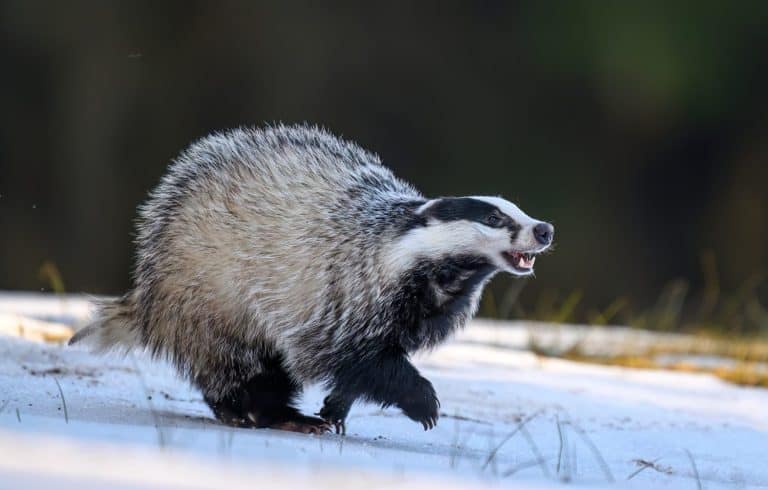
Built to dig. Born to endure.
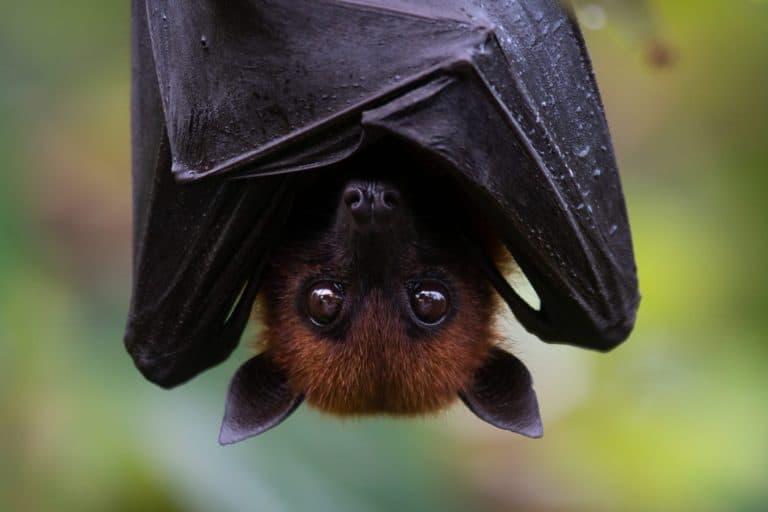
Night pilots of the mammal world
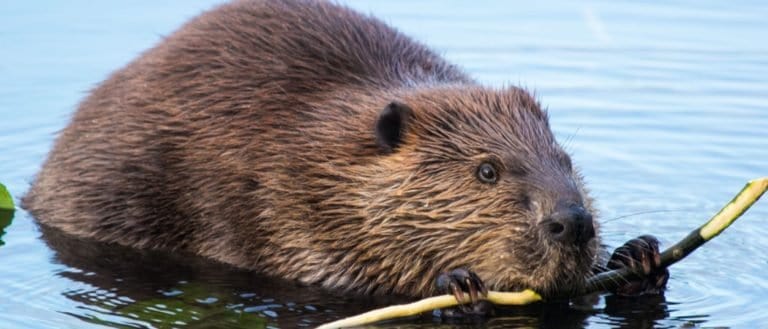
Build wetlands, shape worlds.

Humps of fat, miles of grit
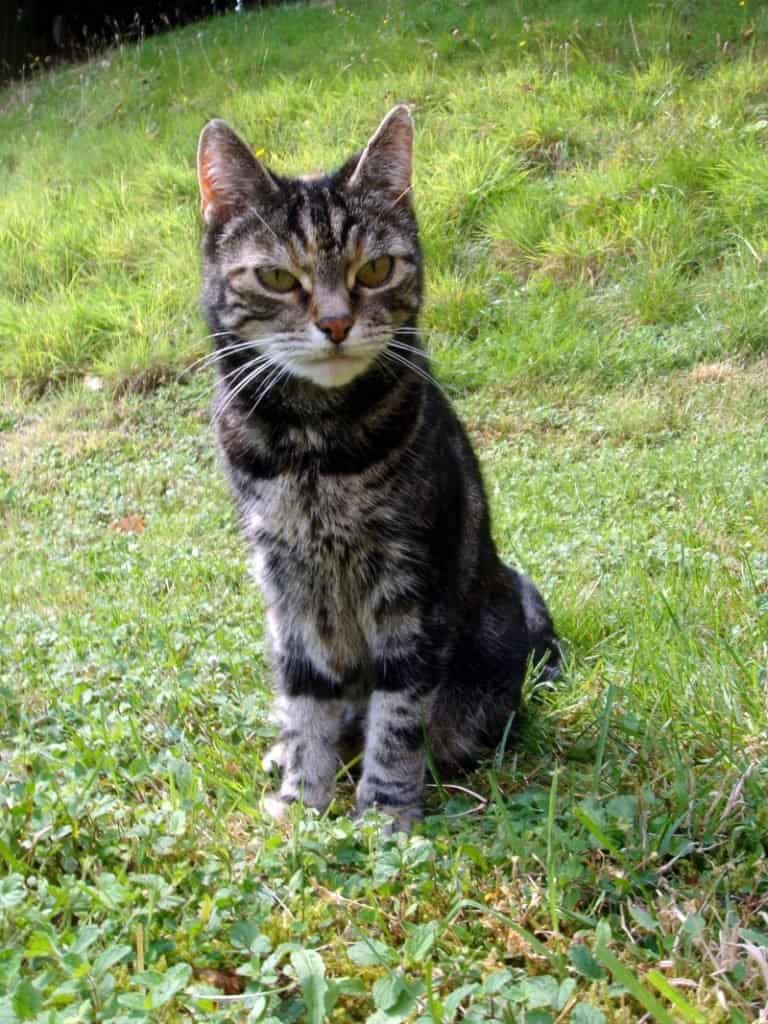
Small hunter, big household legend
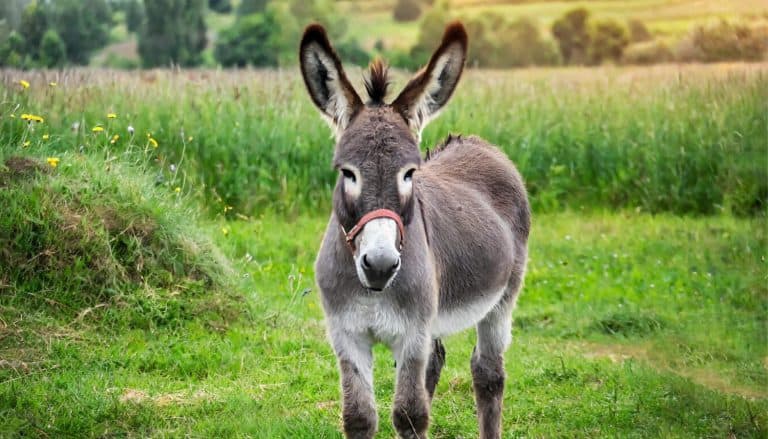
Sure-footed partner of people
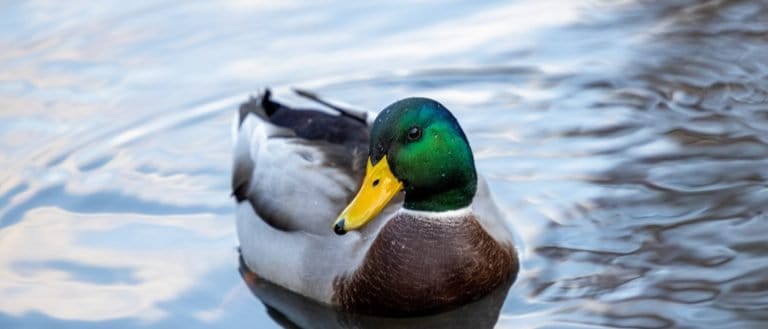
Webbed feet, world travelers.
Built to soar, born to strike
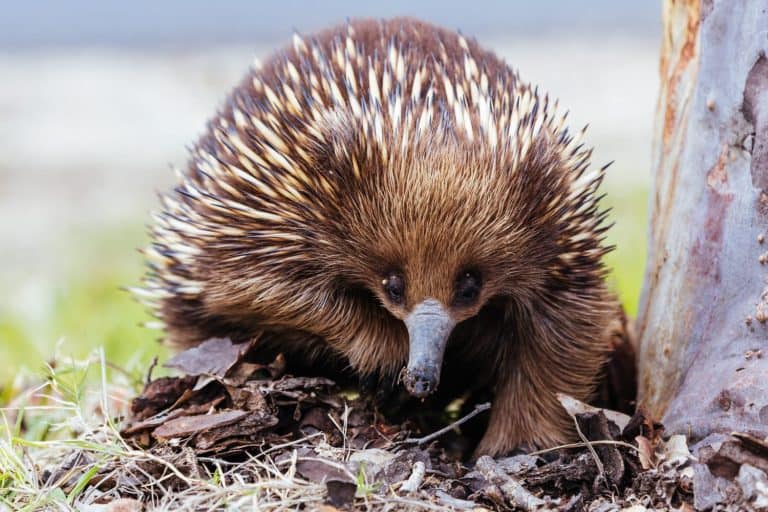
Spines, eggs, and ant-eating mastery
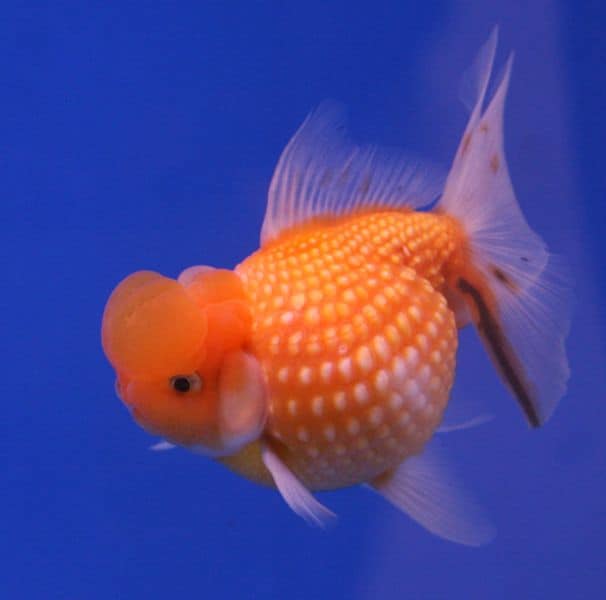
Bony rays, endless ways.
From dunes to tundra-fox smart.
Tailless jumpers, masters of change
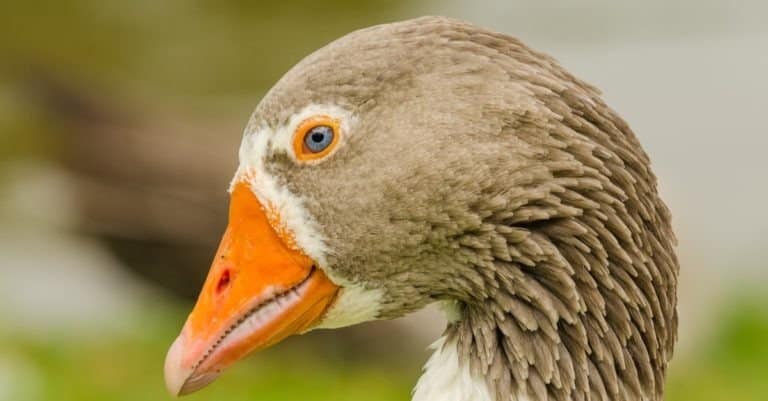
Webbed feet, sky roads, wetland lives
Sure-footed masters of rock and range
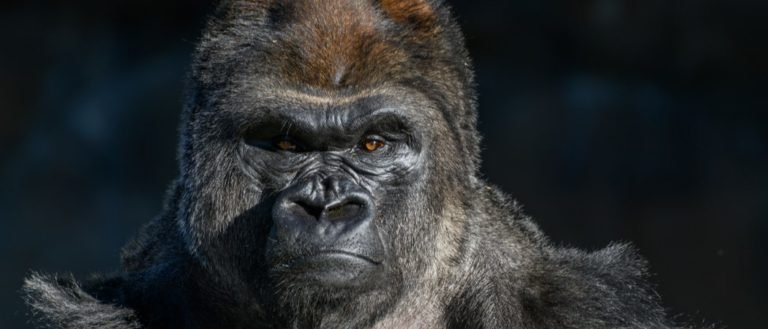
Gentle giants of the African forests
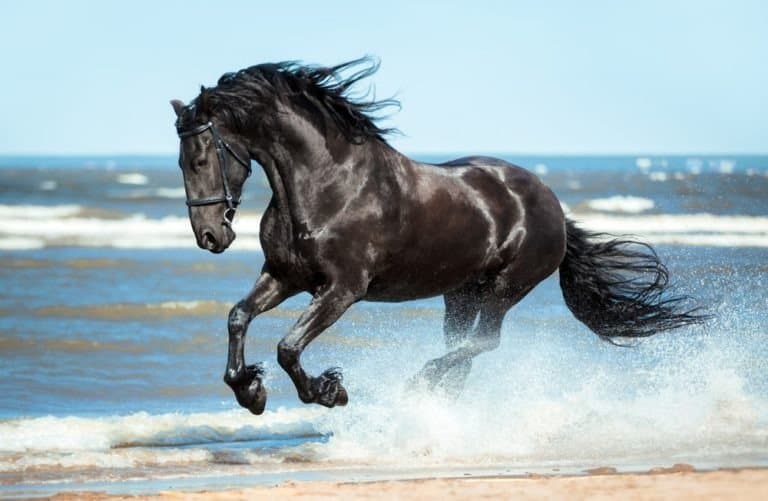
One hoofbeat, a thousand histories
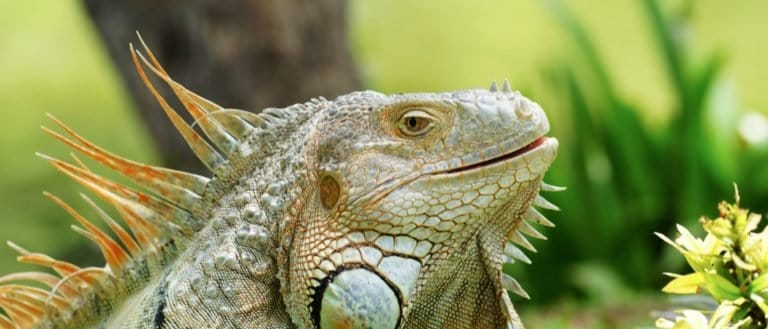
Sun-powered lizards of the Americas
Six legs, endless lives.
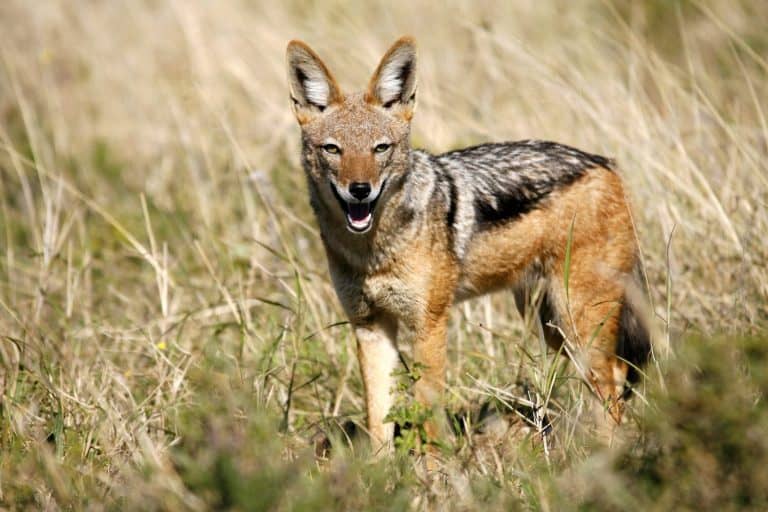
Small canids, big survival skills
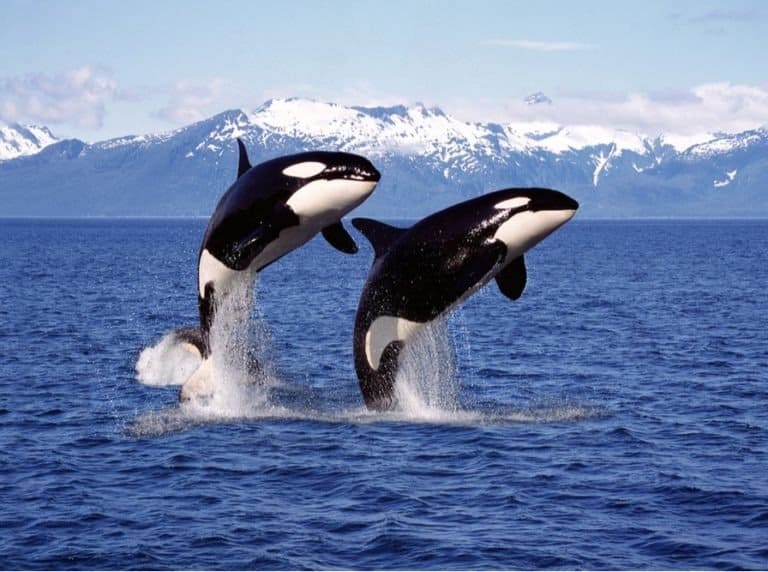
One species, many ecotypes.
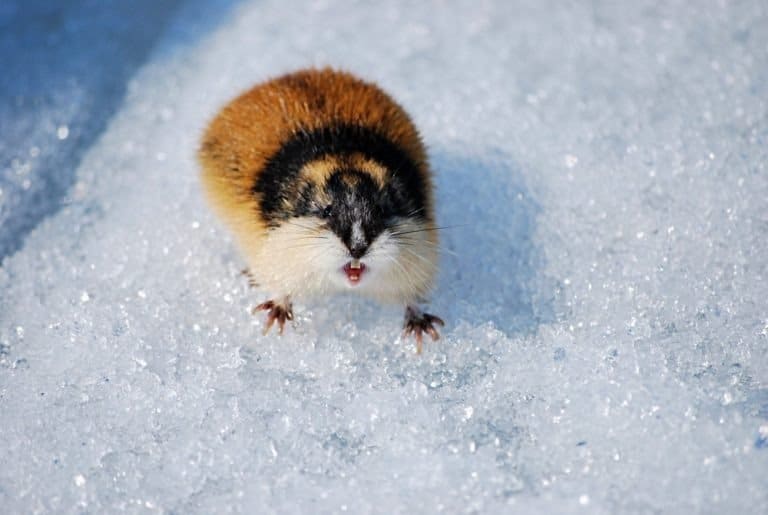
Small rodents, huge tundra impact
From geckos to dragons-lizard power
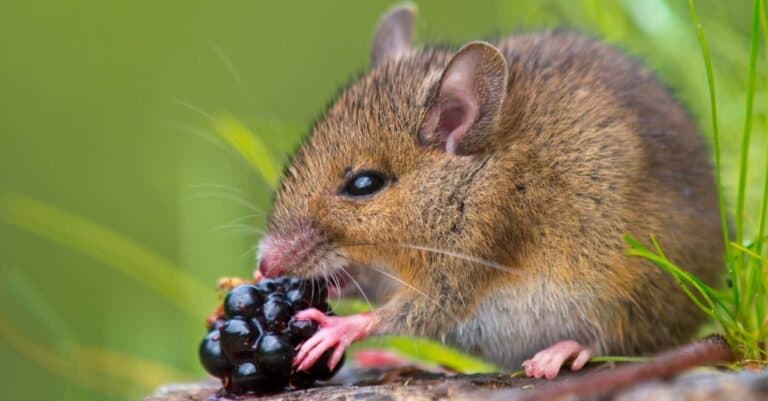
Small gnawers, huge impact.
Thank you for reading! Have some feedback for us?
We appreciate your help in improving our content.
Our editorial team will review your suggestions and make any necessary updates.
There was an error submitting your feedback. Please try again.