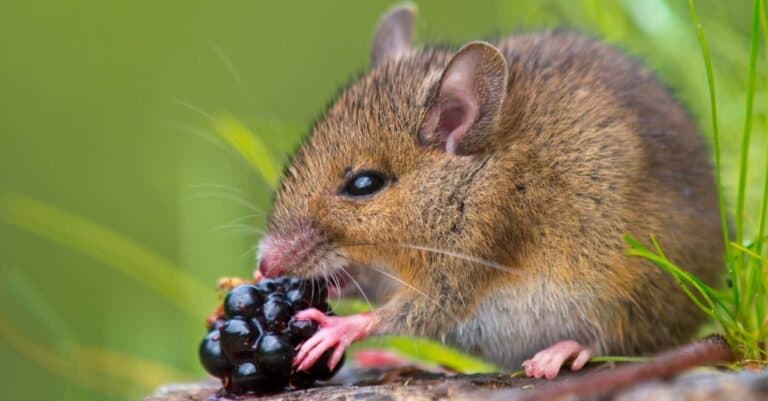
Mouse
Small gnawers, huge impact.

Small gnawers, huge impact.
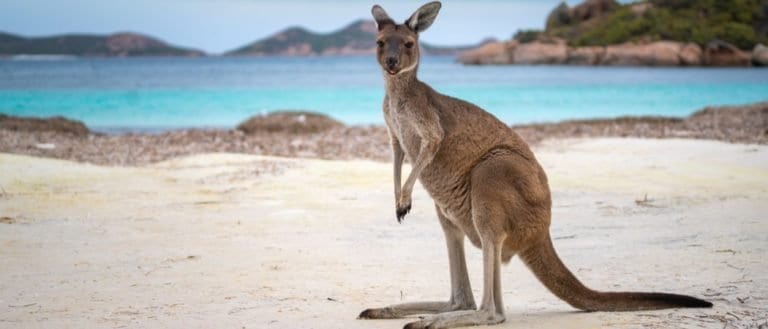
Big hops, big pouches, big variety

Humps of fat, miles of grit
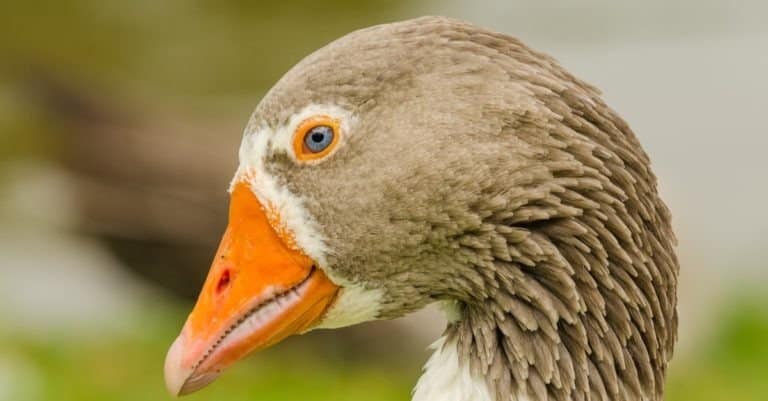
Webbed feet, sky roads, wetland lives
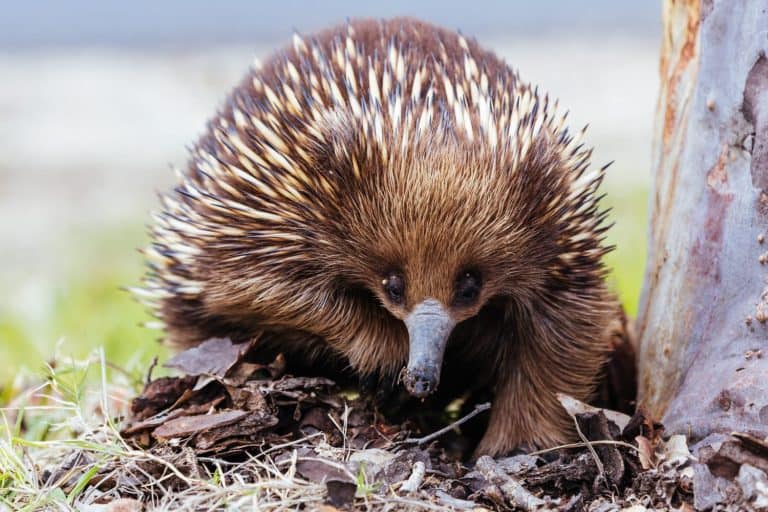
Spines, eggs, and ant-eating mastery
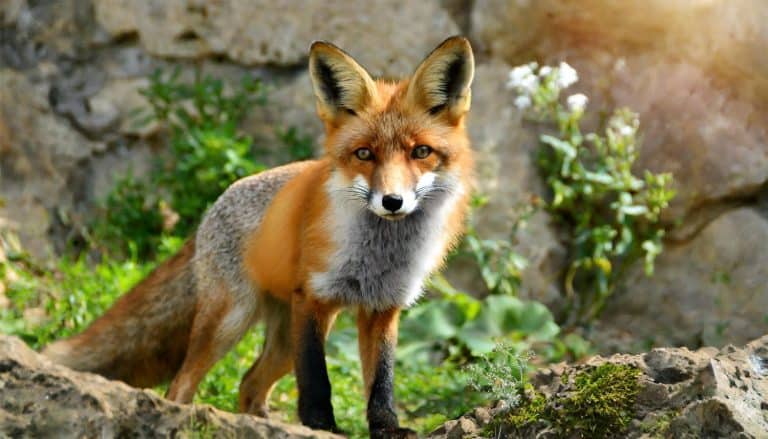
From dunes to tundra-fox smart.
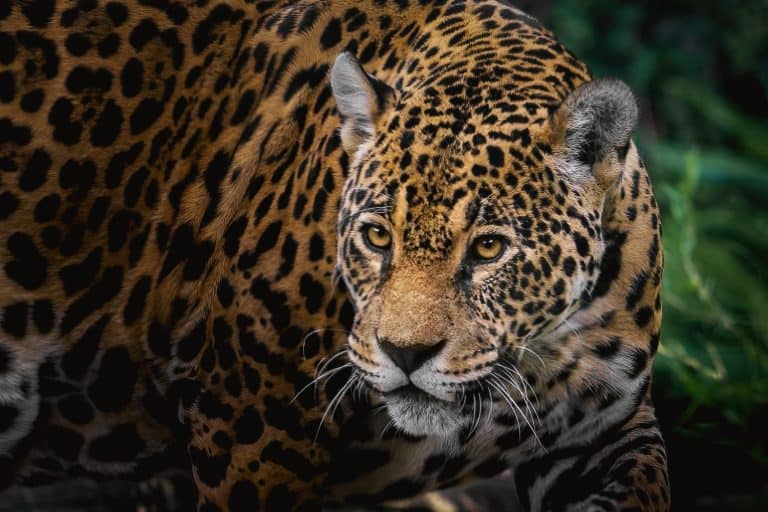
Power of the Americas' apex cat
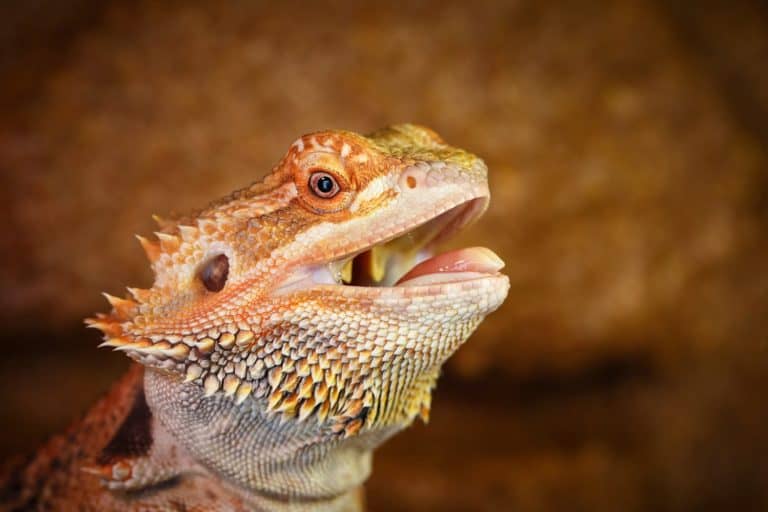
Big beard, bright sun, bold attitude.
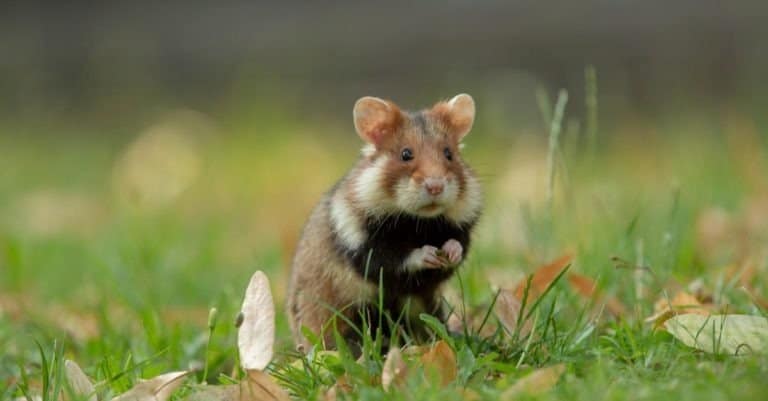
Pouches, burrows, and big impacts
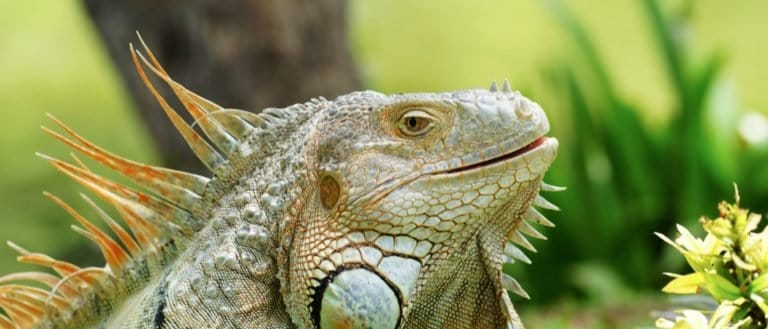
Sun-powered lizards of the Americas
A savanna is a tropical to subtropical biome characterized by a continuous or near-continuous grass layer with a discontinuous canopy of scattered trees and/or shrubs, maintained by interactions among seasonal rainfall, fire, and herbivory. It represents a dynamic intermediate state between closed forests and treeless grasslands, where water limitation and disturbance prevent persistent forest cover.
Savannas are sunny, open lands where grasses cover the ground and trees stand far apart. Strong wet and dry seasons make plants grow in rain and dry out in drought, which helps fires burn. Savannas are stable ecosystems kept patchy by climate, soils, fire, and big plant-eating animals. Many plants and animals have special traits to survive fires and grazing. They occur in Africa, South America, Australia, and parts of Asia, store carbon, hold water, and support livelihoods.
Savanna climates are warm to hot all year (tropical to subtropical) with a strong wet–dry season that controls water, plant growth, and fires. Rain falls mostly in a wet season tied to ITCZ/monsoon shifts, then a long dry season with high water loss, stress, and frequent fires. Grasses dominate; drought- and fire-tolerant trees are scattered.
Typically ~5-12°C (9-22°F) difference between mean coolest vs warmest month; larger ranges (up to ~15°C / 27°F) occur in subtropical or more continental savannas.
Commonly ~500-1,500 mm/year (20-60 in), with regional variation: drier savannas ~300-700 mm; wetter savannas ~1,000-1,800 mm.
Savannas have wet and dry seasons. In the wet season grass grows fast, trees leaf out, wetlands fill, and herbivores gather. In the dry season soils dry, grasses become fuel, and fires (from lightning or people) keep the area open. Drought favors deep-rooted, deciduous, thorny, fire-resistant woody plants. Many animals time breeding, migration, or dormancy to follow water and food.
Typically ~90-210 days, aligned mainly with the wet season (and sometimes extending a few weeks after rains end where soils retain moisture). Peak growth is early-to-mid wet season; late dry season growth is minimal except in riparian areas or where groundwater is accessible.
First sustained rains after the dry season; rapid soil rewetting; warm temperatures; patchy storms; high humidity begins to rise; ephemeral pools and short-lived streams appear; lightning frequency increases.
Explosive grass and forb growth; strong pulse of primary productivity; nutrient mineralization flushes with rewetting; rapid filling of waterholes reduces crowding; tree/shrub leaf-out and flowering in many species; increased insect emergence and decomposition activity.
Frequent rains; soils often near field capacity; high humidity; warm temperatures; tall grass structure develops; surface water widely available; occasional flooding in lowlands.
Maximum net primary productivity and biomass accumulation; tall, dense grasses reduce visibility and change predator-prey dynamics; rapid plant growth dilutes forage quality over time (fiber increases); high insect biomass supports birds and bats; riparian zones expand; disease vectors (e.g., mosquitoes, tsetse in some regions) may increase.
Rainfall tapers; intermittent storms; grasses senesce gradually; humidity decreases; waterholes begin to contract; nights may cool slightly in subtropics.
Shift from rapid growth to seed set and senescence; accumulation of continuous fine fuels (drying grass) that will carry fire later; plant reproduction peaks for many grasses/forbs; nutrient allocation to roots and storage organs; increasing spatial heterogeneity as some areas dry first.
Little to no rain; decreasing humidity; grasses cure (dry) rapidly; surface water begins to disappear except in perennial rivers and deeper pans; dust increases; cooler nights in subtropics.
Sharp decline in plant growth; forage quantity remains high but quality drops (higher lignin/fiber); fire risk rises as fuels cure; grazing and trampling intensify around remaining green areas; soil surface begins to harden, increasing runoff when rare storms occur.
Prolonged drought; very low humidity; hottest temperatures often occur late in the dry season in many savannas; minimal surface water; widespread cured fuels; frequent fires ignited by lightning (late dry) and/or humans; smoke and haze common during burn periods.
Strong resource bottleneck: high mortality risk for water-dependent and young/old individuals; intense grazing pressure on remaining forage; fires remove standing dead grass, recycle nutrients, top-kill woody seedlings/saplings, and create a patch mosaic; post-fire landscapes have improved forage quality but reduced cover; erosion risk increases if heavy rains arrive soon after severe burns.
Day Length: Savannas occur in tropical to subtropical latitudes, so day length varies modestly compared to temperate zones (near-equatorial ~11.5-12.5 hours year-round; farther subtropical savannas can range roughly ~10-14 hours). Photoperiod is generally a secondary seasonal cue relative to rainfall, but it still contributes to timing of flowering, insect diapause, and some breeding cycles. Ecologically, the key significance is that relatively stable day length means wet-dry rainfall pulses (and associated resource availability and fire regimes) dominate seasonal organization; where day length varies more (subtropics), longer days can amplify dry-season heat and evapotranspiration, intensifying late-dry water stress and shaping migration/aggregation patterns.
Savannas are widespread tropical-subtropical, seasonally dry grasslands with scattered trees and shrubs. They lie between evergreen tropical forests and deserts or steppe, often where wet-dry seasons, frequent fire, and big plant-eating animals keep tree cover open. Largest continuous savannas are in Africa, South America, and northern Australia; others occur in South and Southeast Asia, Central America, and the Caribbean.
Globally, savannas remain widespread but are under high and growing conservation concern due to rapid conversion (especially in the African and South American tropics), altered fire and grazing regimes, and fragmentation; many regions show biodiversity declines even where overall biome area persists.
Fire isn't only destruction in savannas-it can be a "reset button." After a burn, fresh grass regrowth is often extra nutritious, drawing grazers in and jump-starting food webs.
Some savannas occur in climates that could support forest, but frequent fire and heavy grazing keep them open-meaning "more rain" doesn't automatically equal "more trees."
Many savanna plants are built to survive being eaten: grasses can keep their growth points low to the ground, so they can be grazed hard and still regrow quickly.
A lot of savanna biodiversity is hidden underground: many plants store energy in roots or underground stems so they can resprout rapidly after drought, fire, or browsing.
Termites can increase soil fertility and water infiltration; their mounds often act like nutrient-rich "islands," supporting plant communities that differ from the surrounding grassland.
Savannas can store a large fraction of their carbon belowground (roots and soils), so their climate role isn't obvious if you only look at tree cover.
If you lump all the world's savannas together (Africa, South America, Australia, and more), their total area is on the order of ~30 million km²-about the size of the African continent.
A tall termite mound (several meters high) is a skyscraper by termite standards: scaled to human size, an 8 m mound is like building something many hundreds of meters tall relative to your body length.
Savannas often function like a living patchwork quilt: recently burned patches, long-unburned patches, heavily grazed "lawns," and shrubier pockets can sit side-by-side, each favoring different species.
In many savannas, the "forest vs. grassland" boundary is less like a line and more like a tug-of-war-shift fire frequency or grazing pressure, and the balance between trees and grasses can flip.
Savannas collectively cover roughly 20% of Earth's land surface-an enormous swath of the tropics and subtropics shaped by wet-dry seasons, fire, and grazing.
Brazil's Cerrado is widely regarded as the world's most biodiverse savanna, with thousands of plant species (and a high share found nowhere else).
The Serengeti-Mara savanna system supports the largest remaining terrestrial mammal migration on Earth, involving around 1+ million wildebeest plus large numbers of zebra and gazelle.
Many savannas are among the most frequently burned ecosystems on the planet-some landscapes experience fire return intervals of just a few years, and the ecosystem is built to bounce back.
African savannas host some of the greatest remaining concentrations of large wild herbivores and their predators-one reason they're iconic for "big game" diversity and biomass.
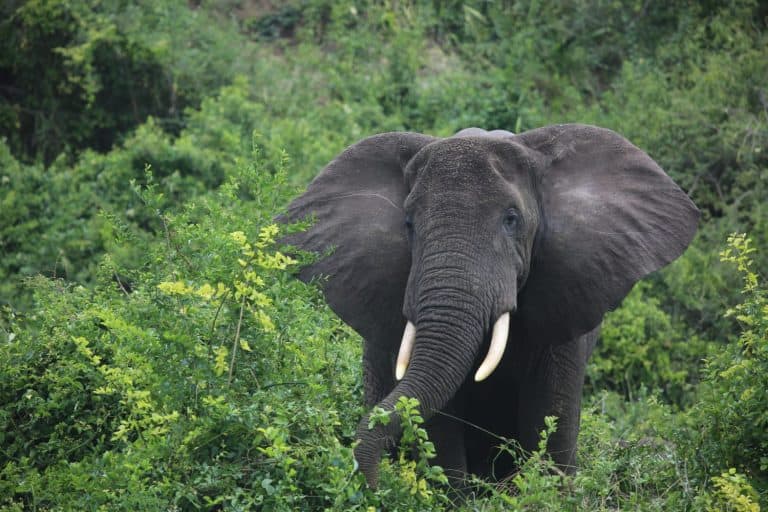
The rainforest's master gardener
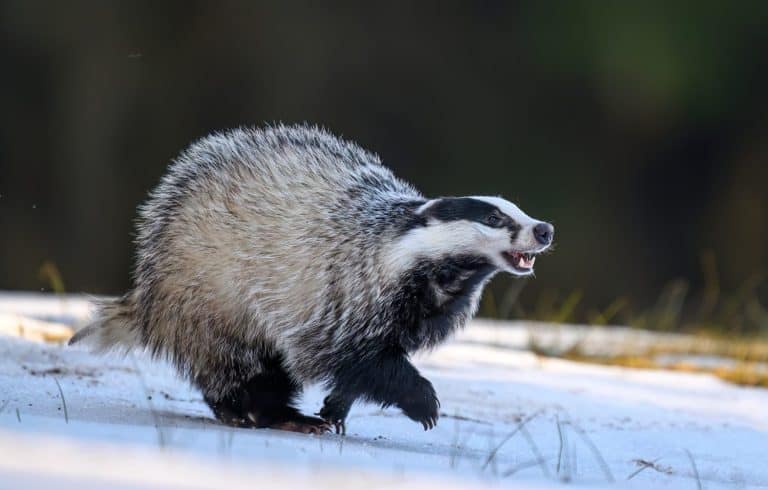
Built to dig. Born to endure.
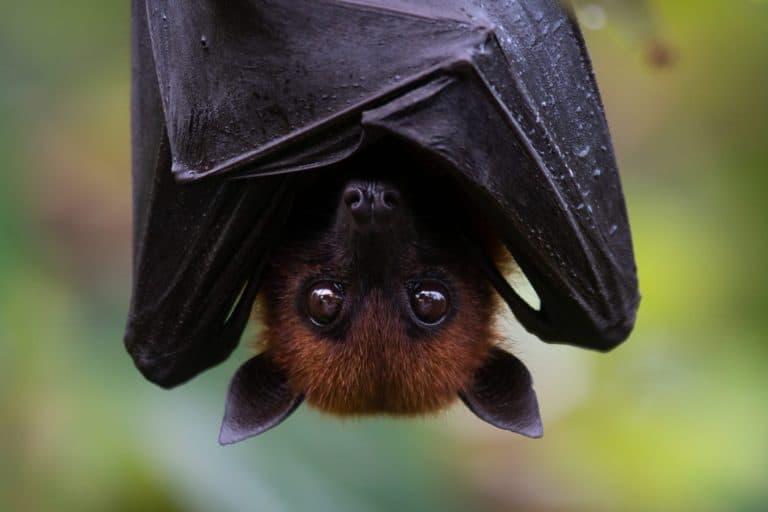
Night pilots of the mammal world
Humps of fat, miles of grit
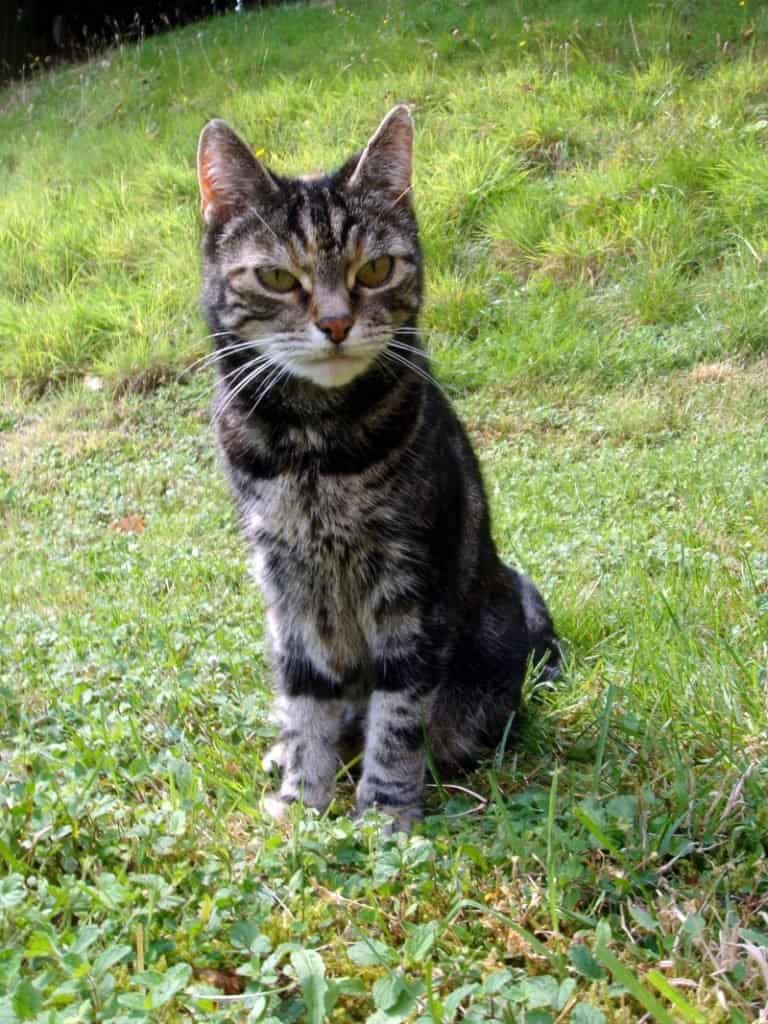
Small hunter, big household legend
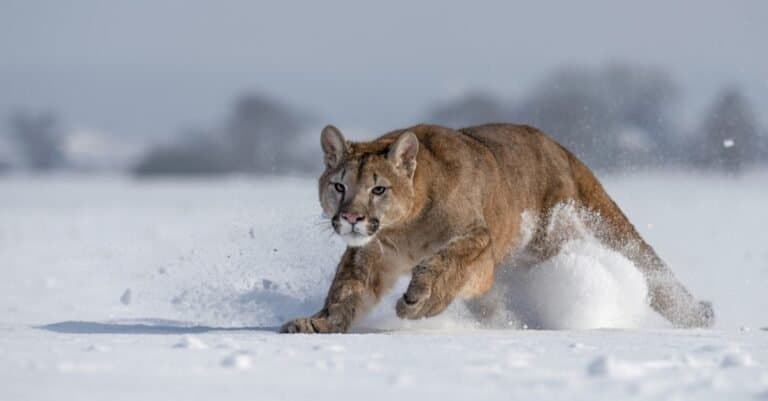
One cat. Two continents.
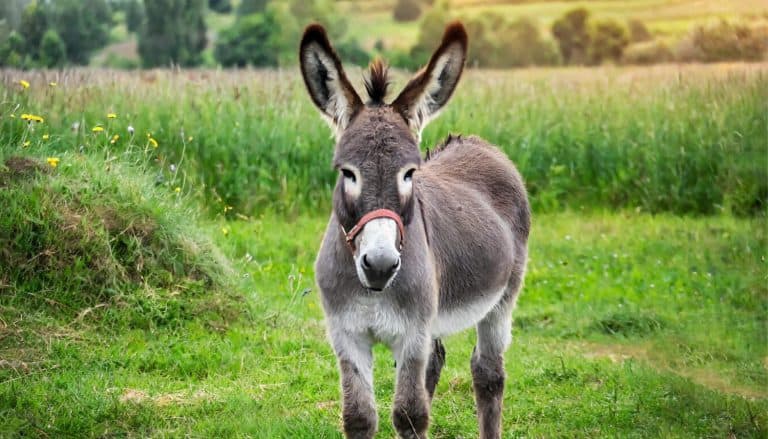
Sure-footed partner of people
Big beard, bright sun, bold attitude.
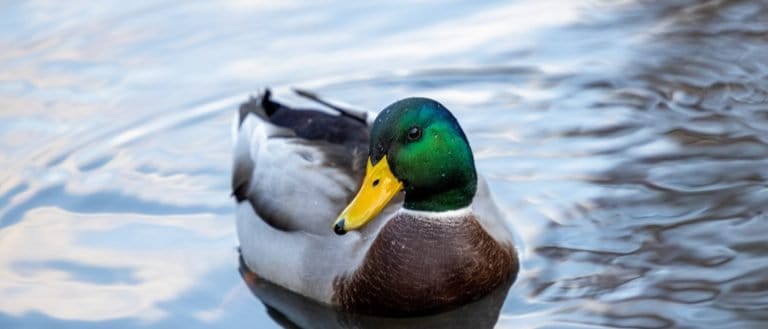
Webbed feet, world travelers.
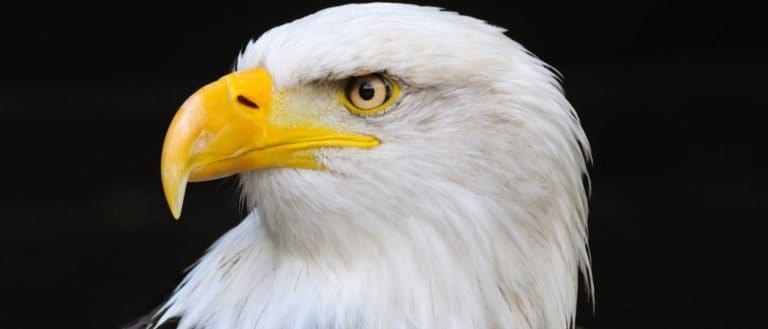
Built to soar, born to strike
Spines, eggs, and ant-eating mastery
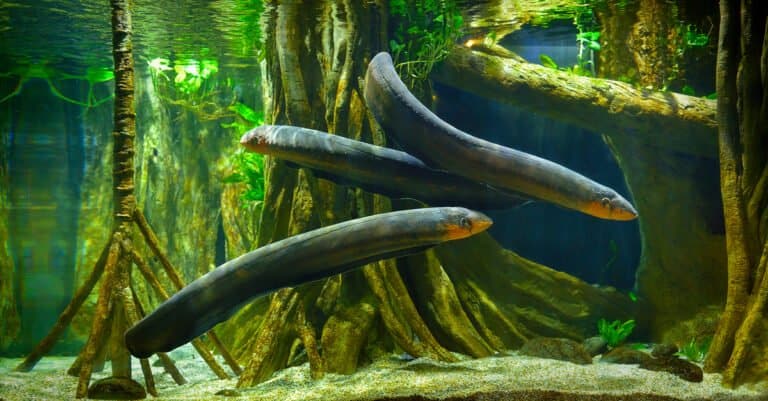
Lightning hunter of the Amazon
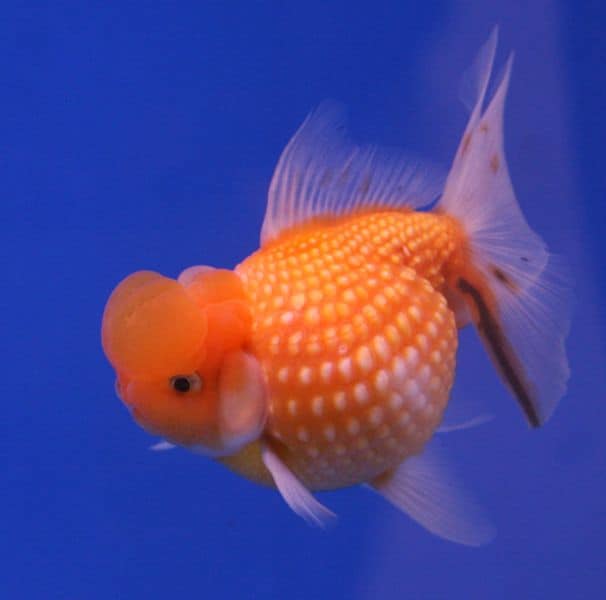
Bony rays, endless ways.
From dunes to tundra-fox smart.
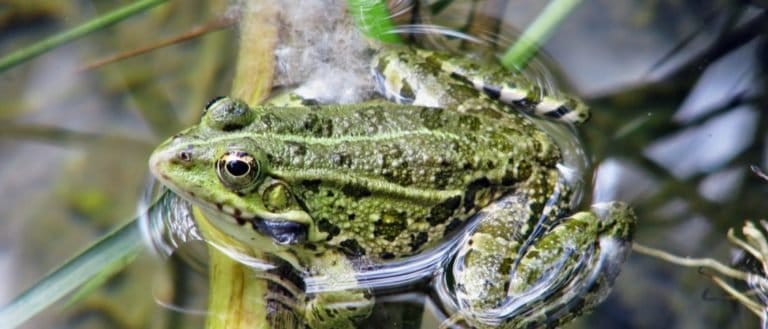
Tailless jumpers, masters of change
Webbed feet, sky roads, wetland lives
Pouches, burrows, and big impacts
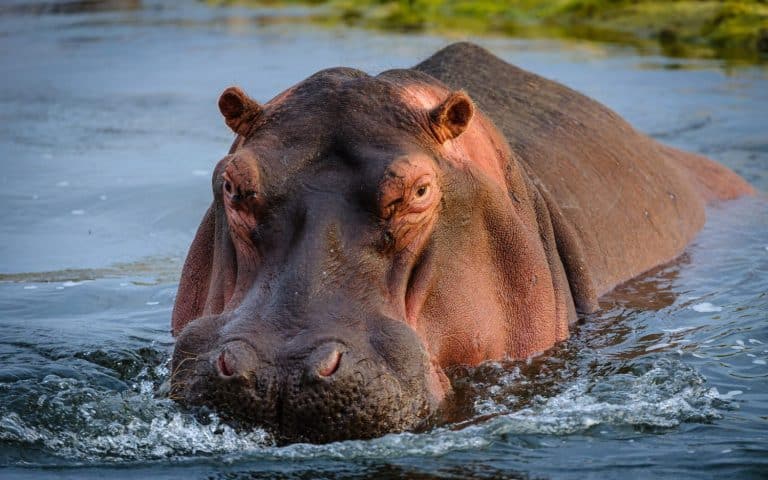
Big river grazer, bigger attitude
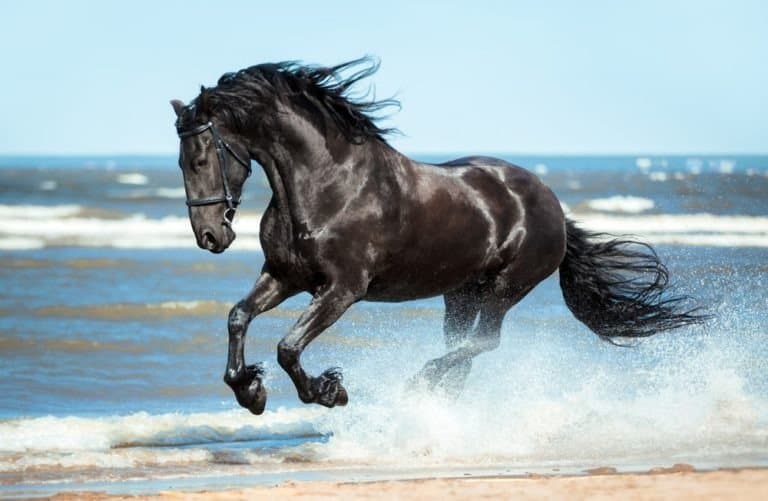
One hoofbeat, a thousand histories
Sun-powered lizards of the Americas
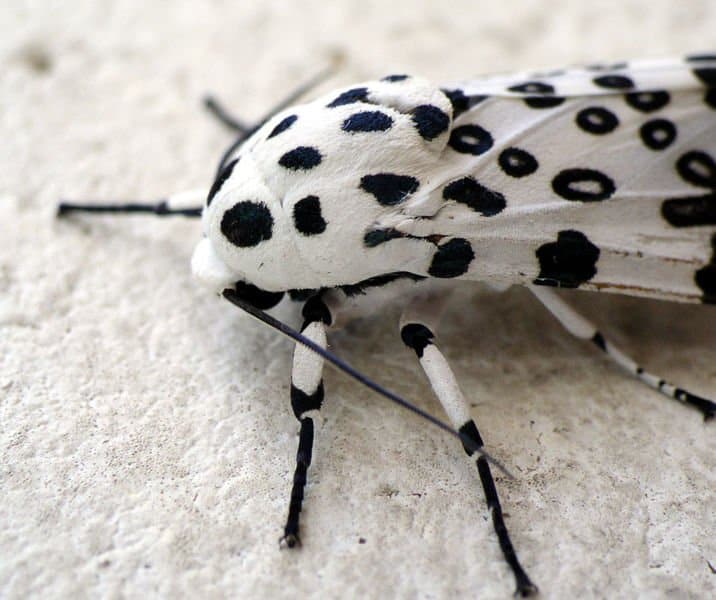
Six legs, endless lives.
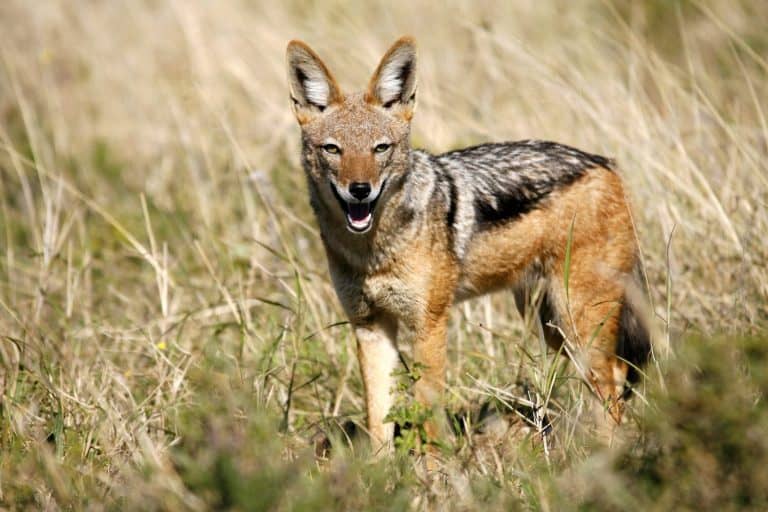
Small canids, big survival skills
Power of the Americas' apex cat
Big hops, big pouches, big variety
Thank you for reading! Have some feedback for us?
We appreciate your help in improving our content.
Our editorial team will review your suggestions and make any necessary updates.
There was an error submitting your feedback. Please try again.