Insects
Six legs, endless lives.

Six legs, endless lives.
Built to soar, born to strike
Big beard, bright sun, bold attitude.
Pouches, burrows, and big impacts
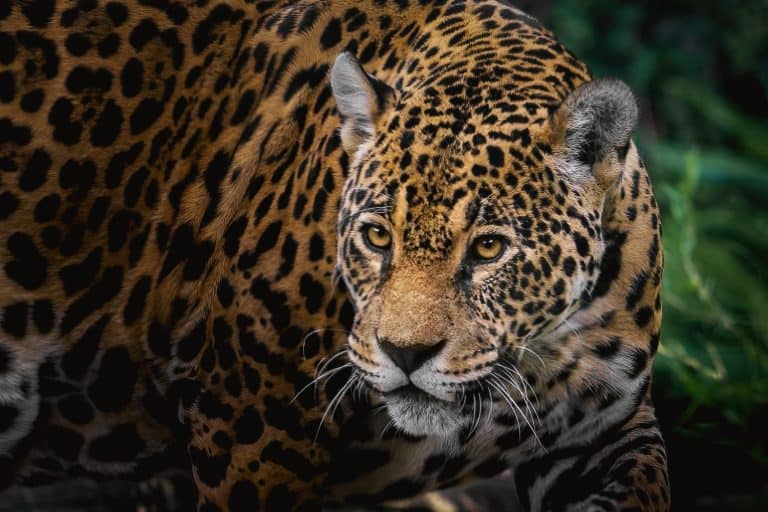
Power of the Americas' apex cat
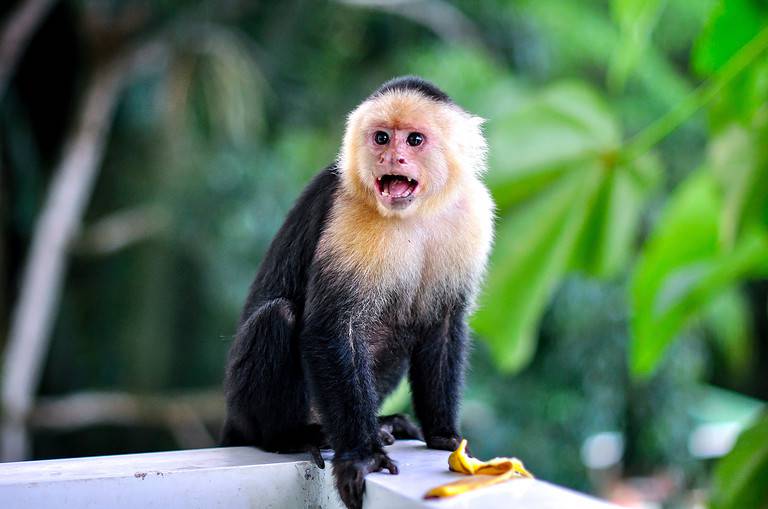
Hands, minds, and social lives
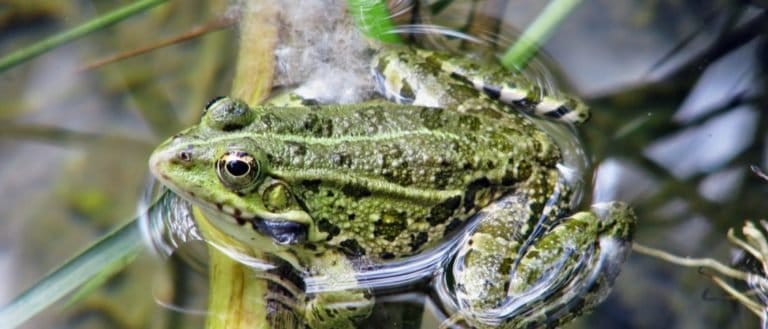
Tailless jumpers, masters of change
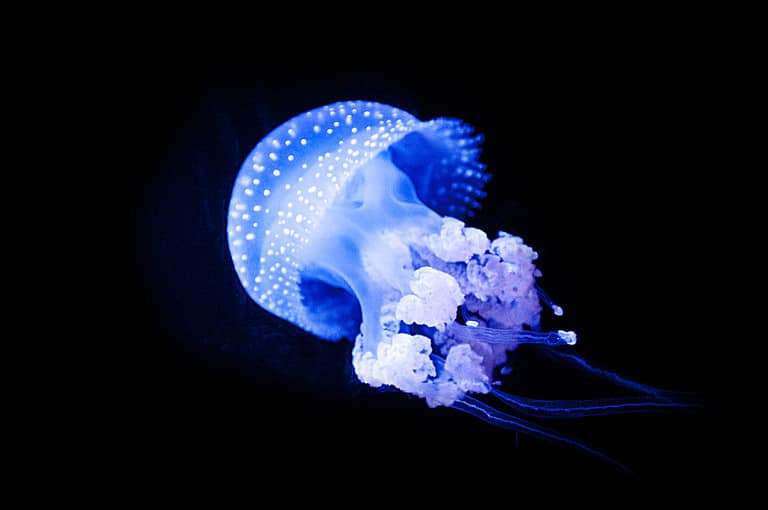
Sting-powered drifters of the sea
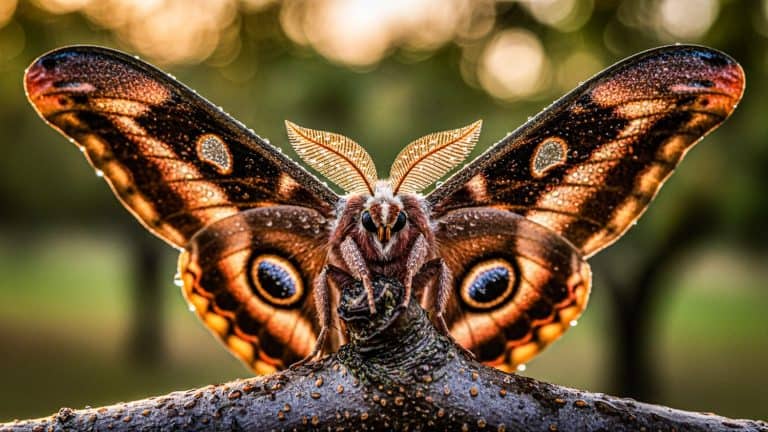
More than night flyers
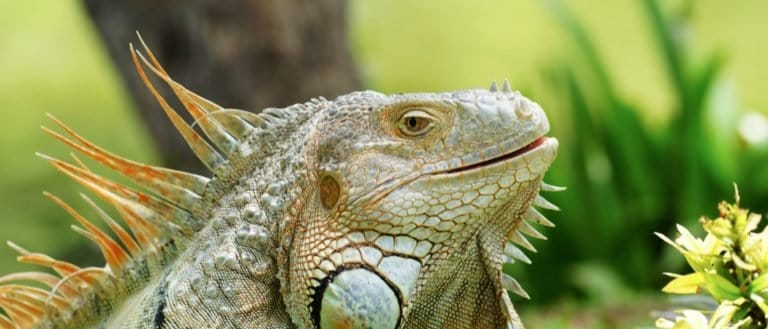
Sun-powered lizards of the Americas
Human disturbance is a conservation threat in which non-lethal human activities and presence (e.g., recreation, tourism, noise, artificial light, and vehicle traffic) alter wildlife behavior, physiology, or space use in ways that reduce individual fitness, population performance, or habitat quality. It operates through repeated or intense stimuli that increase stress, disrupt breeding/foraging, or displace animals from otherwise suitable habitat.
Human disturbance includes human actions that do not directly kill animals but change how animals use land and sea. Animals react to people, vehicles, boats, planes, noise, and lights by being watchful, fleeing, feeding or caring for young less, shifting activity to night, or leaving places. Disturbance can disrupt courtship, nesting, migration, or access to water and food. It happens with hikers near nesting birds, boats near marine mammals, off-road vehicles on dunes, aircraft over breeding colonies, or city noise and lights near habitats. Effects can be sudden or long-term and cause "invisible" habitat loss, more stress, fewer young, and higher risk from predators, disease, collisions, or heat. Managing where people go and cutting noise and lights can reduce harm.
Roads, trails, marinas, and viewing platforms increase access and human presence, amplifying disturbance frequency and collision risk (vehicles/boats), turning localized stress into chronic landscape-wide pressure.
Urban growth increases night lighting, noise, pets, and constant foot/vehicle traffic, causing persistent disturbance and pushing sensitive species into smaller, lower-quality refuges.
When habitat is reduced, remaining patches receive more concentrated recreation/tourism; disturbance then functions as additional 'effective habitat loss' by making the last refuges unusable.
Heat, drought, and extreme events narrow safe thermal windows; disturbance forces animals to flee shade, water, or resting sites, increasing overheating/dehydration and reducing resilience during climate stress.
Noise and light pollution are common disturbance vectors; combined with chemical pollution, stressed animals may have reduced detoxification/immune capacity, worsening sublethal effects and disease vulnerability.
Chronic stress from disturbance suppresses immunity; disturbance also increases aggregation at fewer quiet refuges, elevating contact rates and facilitating pathogen transmission.
Disturbance can push wildlife into neighborhoods or farms (seeking quieter refuges or altered activity times), increasing conflict, retaliatory killing, and management removals.
Even where hunting is limited, disturbance can increase vigilance and energy expenditure, lowering condition; it can also displace animals into hunted areas, raising harvest vulnerability.
Habituation to humans from frequent tourism can reduce wariness, making capture easier for illegal collectors; disturbance at nesting/roost sites can reveal locations to traffickers.
Disturbance can facilitate invasions (trail edges, human vectors) and favor disturbance-tolerant invasive predators/competitors; natives stressed or displaced are less able to resist competition/predation.
When food is scarce (overgrazing, prey declines), the energetic cost of repeated flushing and vigilance has outsized effects, pushing individuals below survival/reproductive thresholds.
In marine systems, reduced prey forces seabirds/mammals to forage longer; added vessel traffic and disturbance further cuts feeding time and increases energetic deficits and bycatch/strike exposure.
Water regulation, beach grooming, and fire suppression often coincide with recreation; modified systems reduce refuge availability, so disturbance more readily causes displacement and reproductive failure.
Agricultural landscapes compress wildlife into remnant strips that also attract recreation (riverbanks, hedgerows); disturbance increases edge use and exposure to machinery, dogs, and people.
Logging roads and camps increase human access (recreation, vehicles) and noise; disturbance then persists long after logging, reducing use of regenerating habitats by sensitive species.
Mining increases heavy vehicle traffic, blasting noise, and night lighting; combined disturbance and habitat alteration can cause chronic displacement and reduced breeding near sites.
Cumulative effects are nonlinear: multiple low-level disturbances (people + dogs + boats + drones) can exceed behavioral tolerance thresholds, causing abrupt abandonment of habitats or colonies.
By creating behavioral barriers and displacing animals from corridors/refuges, disturbance can reduce dispersal and gene flow, increasing isolation and inbreeding risk in small populations.
"Just being there" can be a threat: repeated human presence can raise wildlife stress hormones and change behavior even when no one touches, feeds, or hunts an animal.
Wildlife often treats people like predators: many species respond to hikers, skiers, and boats with the same alarm and avoidance behaviors they use for natural predators-meaning disturbance can reduce feeding time and increase energy use.
Quiet doesn't always mean harmless: low-level, chronic noise (roads, boat motors, snowmobiles) can be worse than brief loud sounds because it masks communication and keeps animals in a constant state of vigilance.
Birds can abandon nests without anyone noticing: in some species, frequent close approaches during incubation can increase nest failure by exposing eggs/chicks to temperature stress or opportunistic predators after adults flush.
Light at night can reroute nature's "GPS": artificial lighting can disorient migrating birds, sea turtle hatchlings, and nocturnal insects, pulling them away from safe routes and into high-risk areas.
Disturbance effects are cumulative: one dog off-leash, one drone flight, and one close photo session might seem minor, but repeated interruptions can add up to meaningful losses in foraging, rest, or care of young.
Animals can get trapped in 'disturbance bubbles': if recreation or traffic creates a ring of frequent human activity, wildlife may avoid crossing it-fragmenting habitat even when there's no physical fence.
Tourism can shift wildlife schedules: animals may become more nocturnal to avoid people, which can reduce feeding efficiency and increase conflict or road risk at night.
Drones can trigger strong avoidance: for some birds and marine mammals, drones can elicit vigilance or flight responses comparable to direct human approach-especially during breeding.
Disturbance can amplify other threats: stressed or displaced animals may be more vulnerable to disease, predation, extreme weather, or starvation because they lose access to the best habitats and safe resting spots.
Human disturbance can act like a "moving fence": a busy trail, road, or shoreline packed with recreation can block movement much like a physical barrier, slicing one habitat into smaller, less usable pieces.
Think of repeated disturbance like losing meal breaks: if an animal is repeatedly interrupted while feeding, it's similar to a person being pulled away from meals throughout the day-small losses add up to real energy deficits.
Noise pollution is like trying to communicate in a crowded room: birds and frogs often have to call louder or change pitch to be heard over traffic or boats, which can cost energy and reduce mating success.
Artificial light at night is like permanent twilight: it can extend "daytime" into hours that used to be safe for nocturnal feeding and movement, shifting predator-prey dynamics.
A single close approach during breeding can be like forcing a parent to leave a newborn unattended: even short absences can increase exposure to cold/heat or predators, especially in open nests or colonies.
Off-trail travel can be like trampling a neighborhood: repeated foot traffic compresses soil and crushes vegetation, reducing cover and food sources that many small animals depend on.
High recreation seasons can be like a recurring natural disaster on a calendar: predictable surges in people can cause repeated displacement at the same sensitive times (breeding, molting, migration stopovers).
Disturbance can shrink "usable habitat" without changing maps: an area may look intact from above, but if animals avoid it due to people, it's functionally smaller-like owning a large house where half the rooms are always off-limits.
Vehicle traffic near wildlife crossings can be like a constant series of near-misses: even when collisions don't happen, avoidance and hesitation can prevent animals from reaching food, water, or mates.
Cumulative disturbance is like death by a thousand cuts: no single moment seems catastrophic, but many small disruptions can produce big declines in reproduction and survival over time.
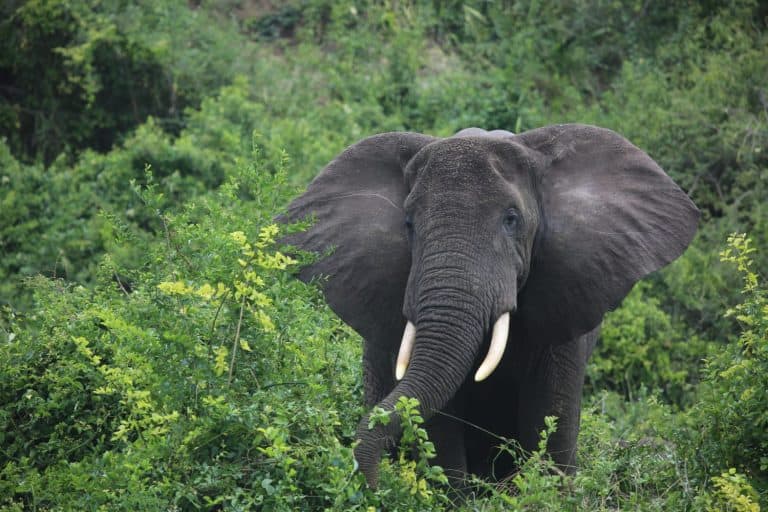
The rainforest's master gardener
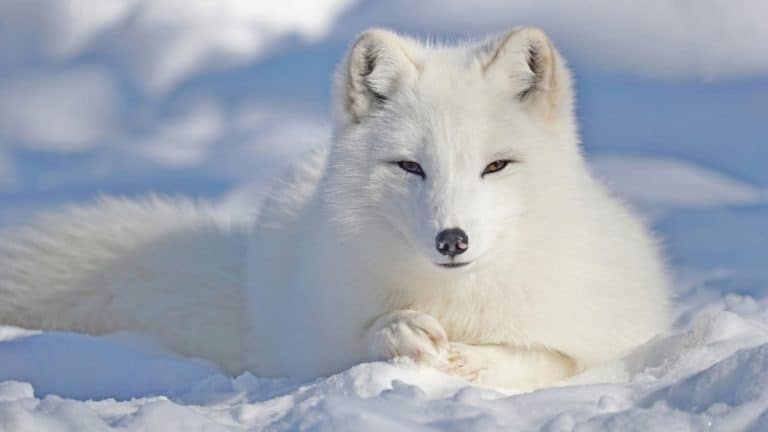
Built for blizzards, born for tundra
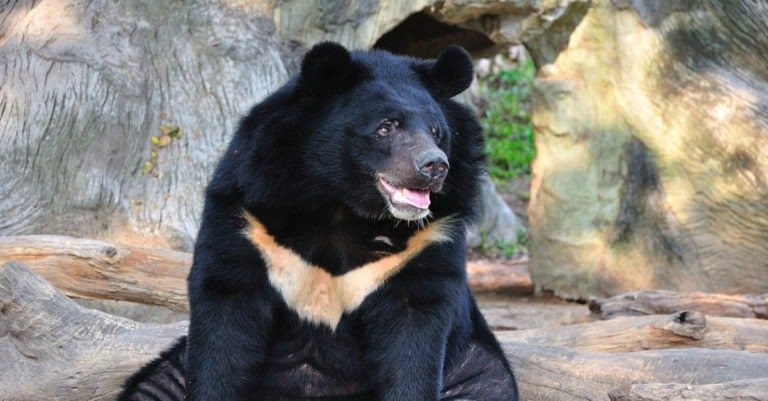
Moon-marked climber of Asian forests
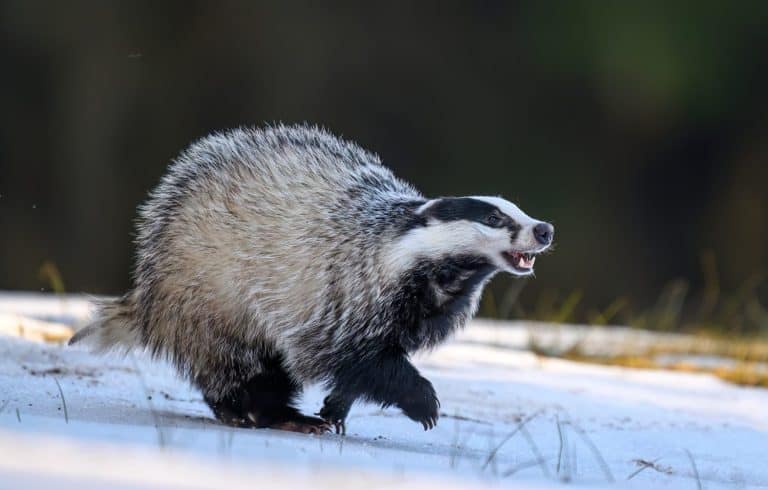
Built to dig. Born to endure.
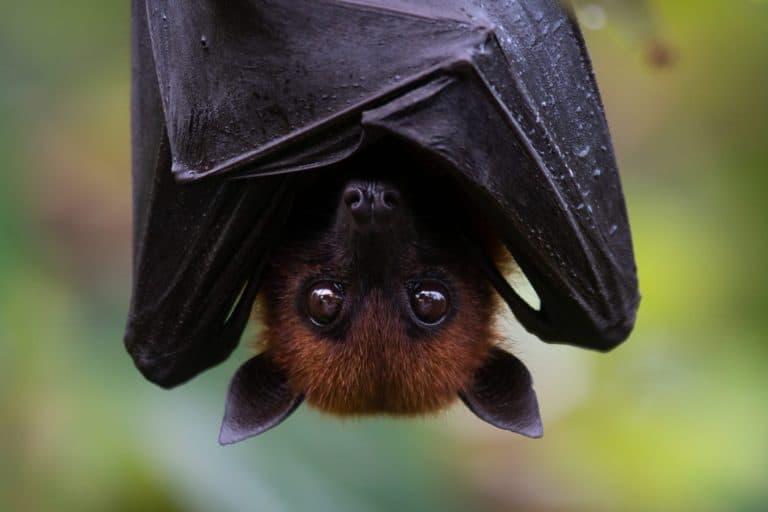
Night pilots of the mammal world
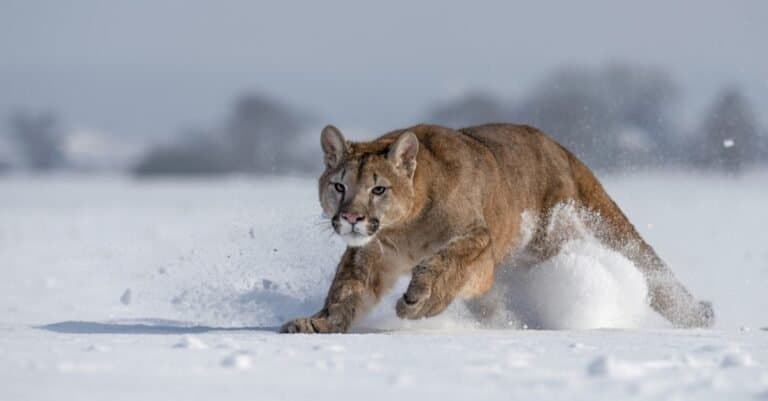
One cat. Two continents.
Big beard, bright sun, bold attitude.
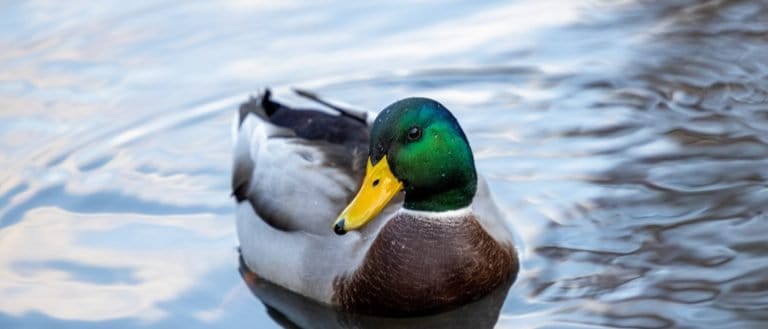
Webbed feet, world travelers.
Built to soar, born to strike
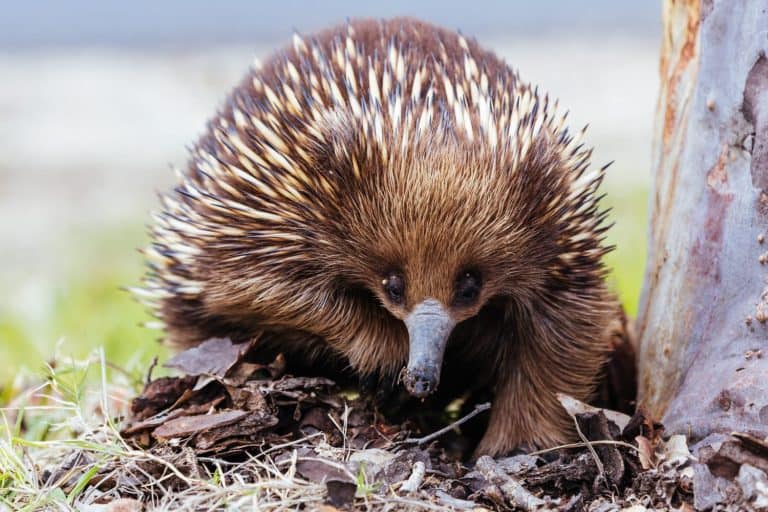
Spines, eggs, and ant-eating mastery
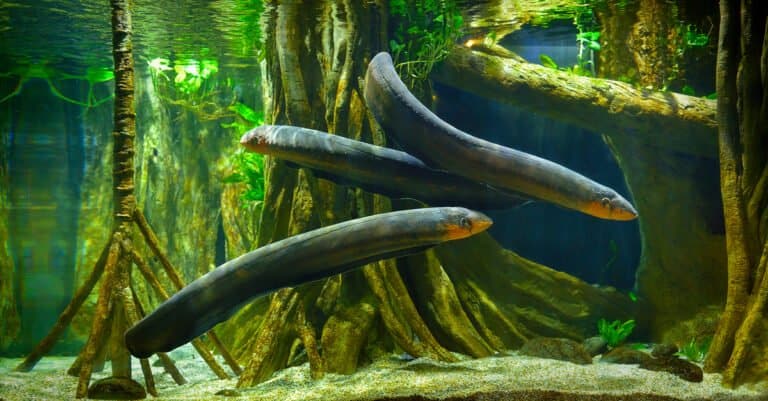
Lightning hunter of the Amazon
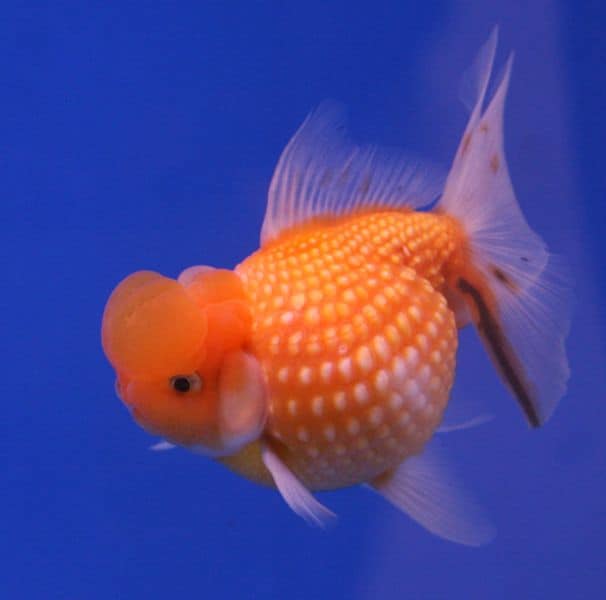
Bony rays, endless ways.
Tailless jumpers, masters of change
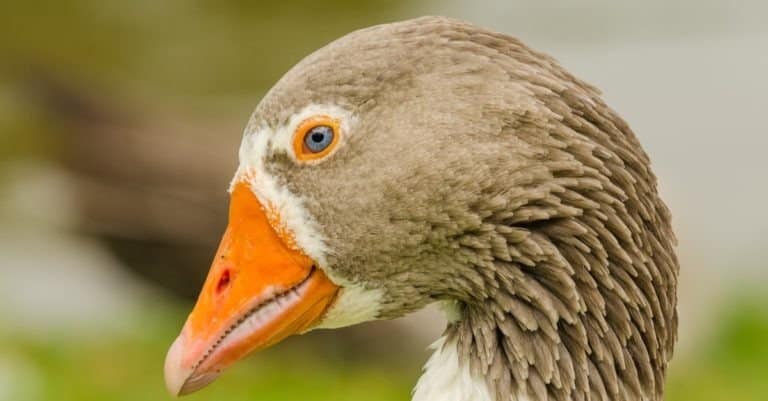
Webbed feet, sky roads, wetland lives
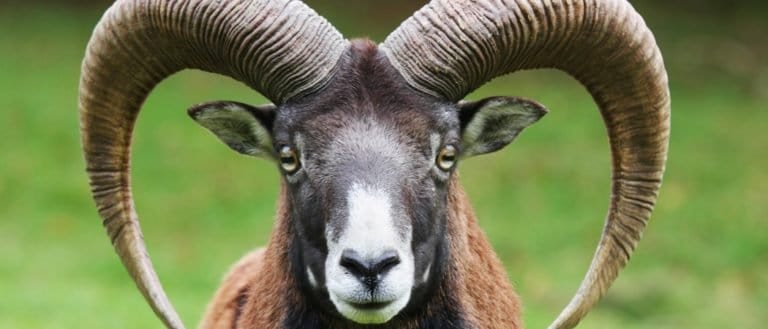
Sure-footed masters of rock and range
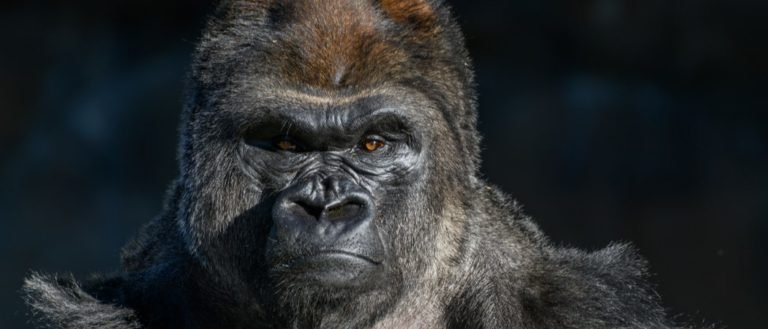
Gentle giants of the African forests
Pouches, burrows, and big impacts
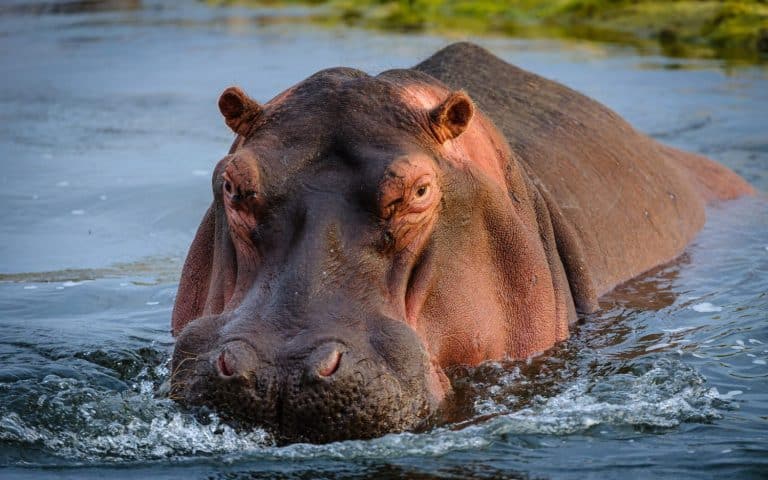
Big river grazer, bigger attitude
Sun-powered lizards of the Americas
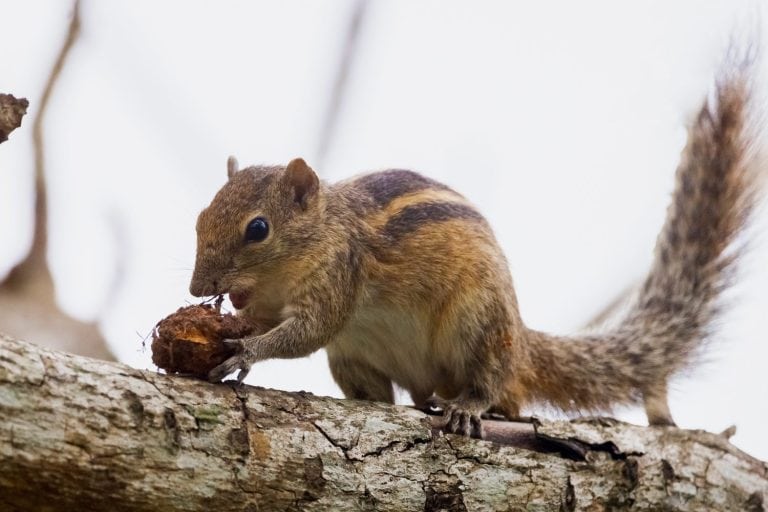
Three stripes. Big city attitude.
Six legs, endless lives.
Power of the Americas' apex cat
Sting-powered drifters of the sea
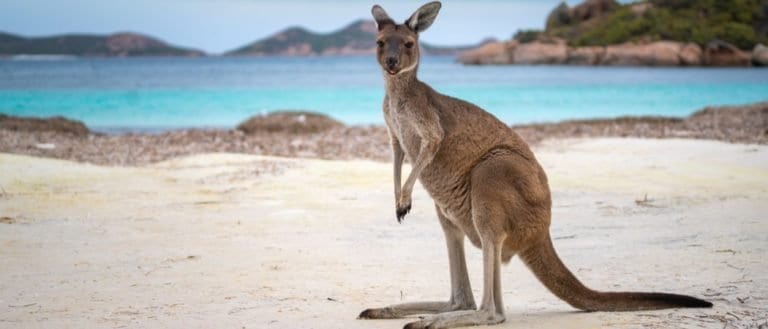
Big hops, big pouches, big variety
Thank you for reading! Have some feedback for us?
We appreciate your help in improving our content.
Our editorial team will review your suggestions and make any necessary updates.
There was an error submitting your feedback. Please try again.