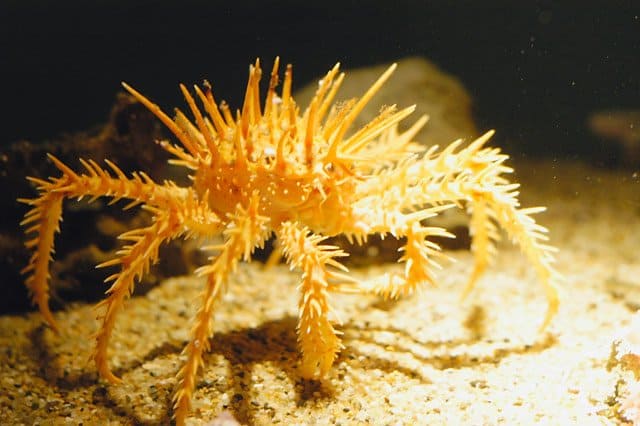
King Crab
Cold-water royalty of the seafloor

Cold-water royalty of the seafloor
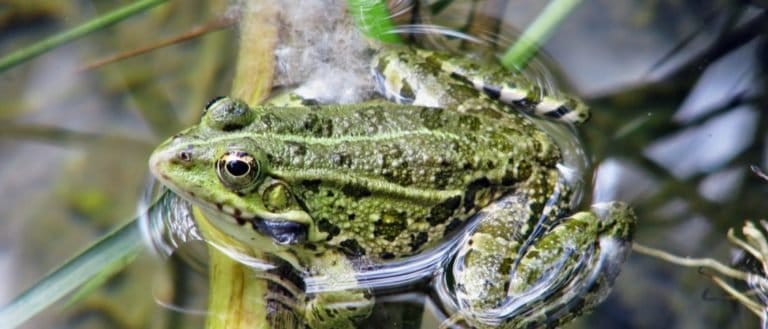
Tailless jumpers, masters of change
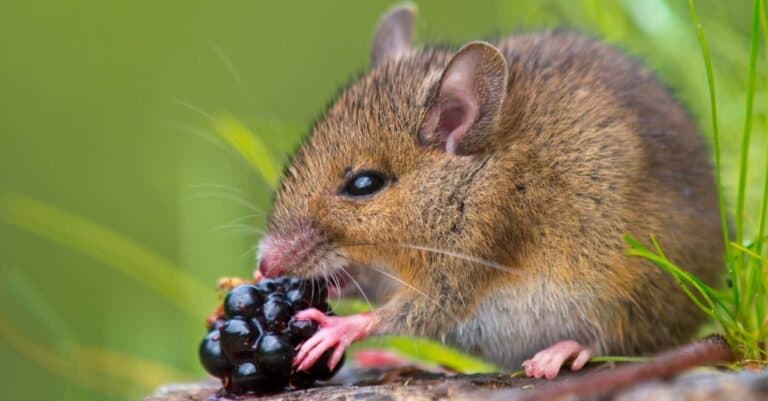
Small gnawers, huge impact.
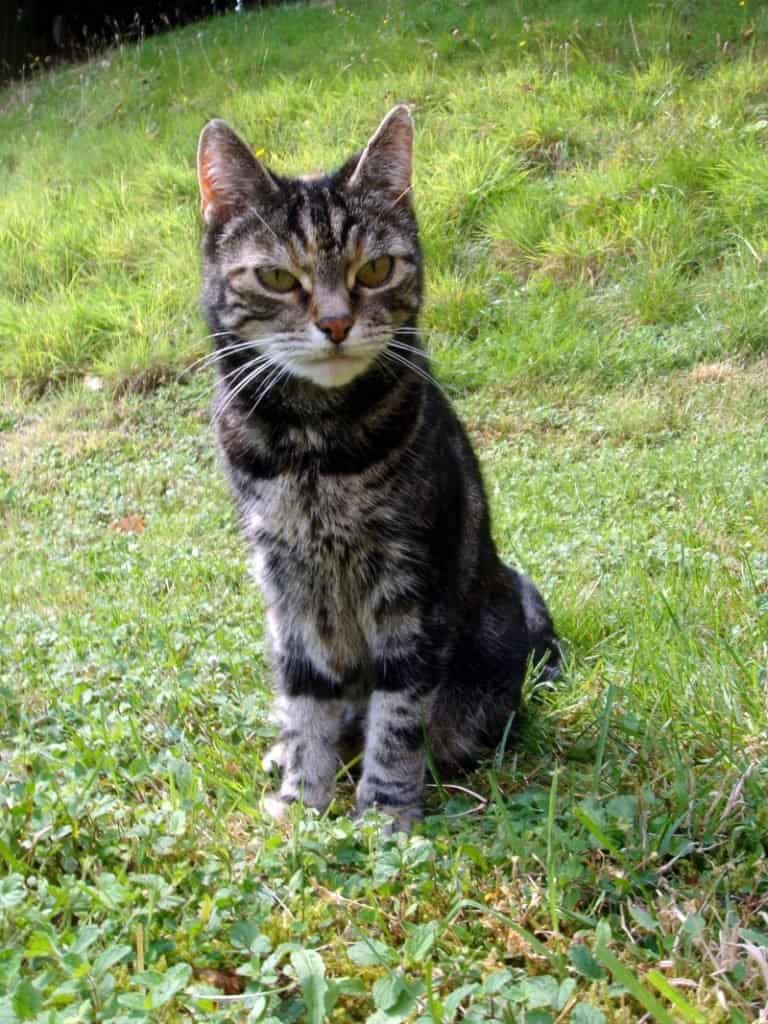
Small hunter, big household legend
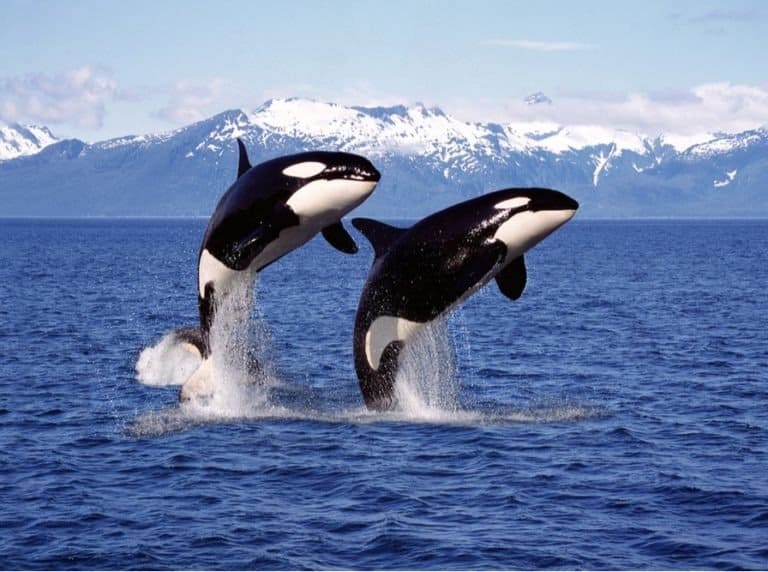
One species, many ecotypes.
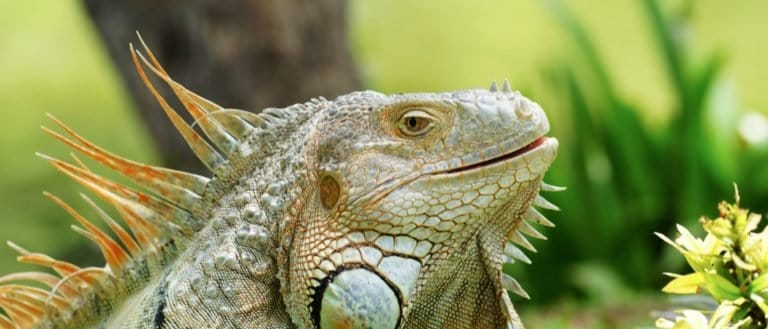
Sun-powered lizards of the Americas
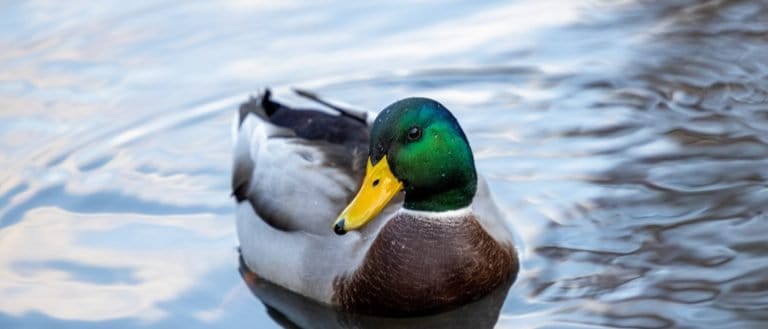
Webbed feet, world travelers.
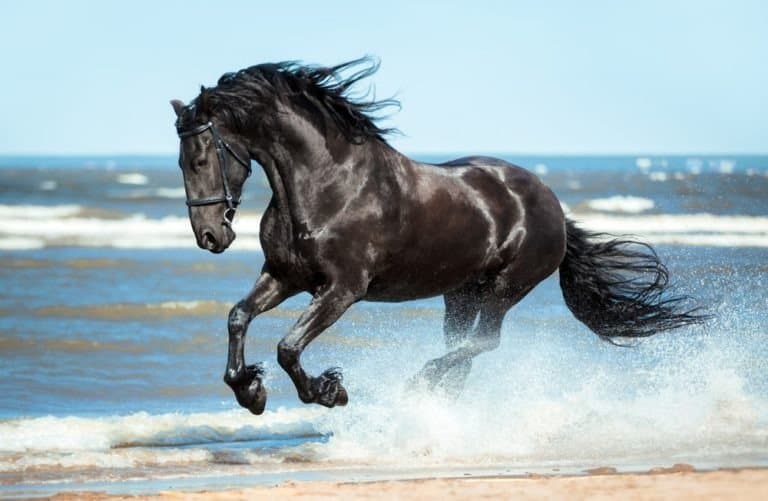
One hoofbeat, a thousand histories

Big hops, big pouches, big variety
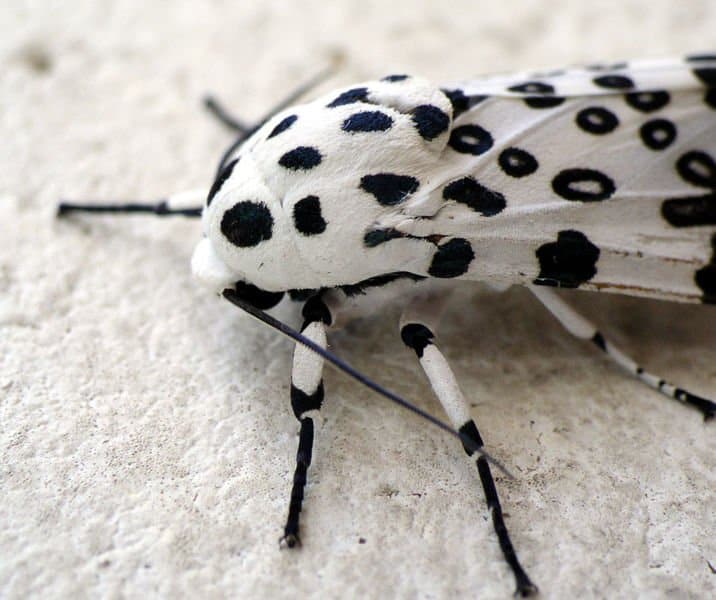
Six legs, endless lives.
Cathemeral activity is an activity pattern in which an animal is regularly active both during daylight and during the night, with bouts of activity distributed across the 24-hour cycle rather than restricted to a single light phase. The timing is often flexible, shifting in response to ecological and environmental conditions such as resource availability, predation pressure, seasonality, or disturbance.
Cathemeral animals don't fit neatly into "diurnal" (day-active) or "nocturnal" (night-active). They spread activity and rest across the 24-hour day, sometimes active in daylight and other times moving, feeding, or meeting others at night.
This way of living is a flexible strategy, not a fixed schedule. When food is spread out, when many animals compete, or when temperatures change, being active both day and night helps animals find food, avoid heat, or face fewer rivals.
Cathemerality also balances feeding and safety. A species may be more active at night if daytime danger from predators is high, or more day-active when light helps spot threats, when nights are cold, or when people change when it is safe. These rhythms often change with season, habitat, and local pressure, even within a species.
Etymology: From Greek roots: kata- (meaning "throughout" or "across") + hemera (meaning "day"), referring to activity occurring throughout the full day-night cycle.
"Cathemeral means active all the time." In reality, cathemeral animals still rest; their active periods are simply spread across both day and night.
"It's just crepuscular." Crepuscular species peak mainly at dawn and dusk, whereas cathemeral species can be active at many times across the full 24-hour period.
"Cathemerality is a fixed trait like being nocturnal." It is frequently flexible and can change with local conditions, season, and disturbance.
Active in multiple bouts scattered across both day and night (cathemeral), with rest periods interspersed; activity often concentrates around crepuscular periods and/or the cooler parts of the 24-hour cycle rather than having a single continuous window.
No fixed daily start; commonly the first major bout begins around dawn (≈ 1-2 hours before to 2 hours after sunrise), with additional bouts recurring every ~3-6 hours depending on food availability and disturbance.
Often bimodal with peaks around dawn and dusk (±1-2 hours), plus a secondary peak at night (frequently around local midnight) in hotter climates or where daytime risk/disturbance is high; in cooler/safer contexts, midday feeding bouts can also be prominent.
No fixed daily end; commonly the last major bout occurs in the late evening to pre-dawn period (≈ 2-6 hours after sunset through ~1-2 hours before sunrise), then transitions into intermittent rest/short bouts overnight.
Timing is highly plastic. In hot/dry seasons, activity often shifts toward night and twilight (reduced midday activity) to avoid heat and water loss; in cooler/wetter seasons, activity often becomes more diurnal with longer daytime bouts. Where food pulses occur (fruiting, insect emergences), activity bouts may cluster around resource availability regardless of light. Breeding/lactation can increase total daily active time and add extra nocturnal or daytime bouts.
At high latitudes with long summer days or polar day, cathemeral species may adopt irregular/ultradian bouts (repeating feed-rest cycles) with weaker day-night anchoring, using temperature, prey behavior, tides, or social cues more than light. During polar night, they may still remain cathemeral but become effectively 'arrhythmic' or biased toward whatever dim light exists (moon/twilight) and periods of reduced wind/cold; activity can concentrate in sheltered times rather than matching a sunrise/sunset schedule. In both extremes, peaks often track thermal comfort and resource accessibility more than photoperiod.
Cathemeral animals are active during both day and night as a way to balance finding food and staying safe. Prey may switch day and night times to avoid their predators’ peak hunting or times when they are easy to spot. Predators can also be cathemeral to follow prey that change when they are available. Moonlight, plant cover, and human presence can change risk and favor flexible timing over strict nocturnal or diurnal habits.
Cathemeral animals split activity between day and night to avoid midday heat, nighttime cold, or sharp temperature swings. They feed or travel during cooler times in hot places and rest during extreme heat or cold. This flexibility lowers energy spent keeping body temperature steady, cuts dehydration and overheating risks, especially when shade, burrows or canopy vary.
Cathemeral animals reduce fights and competition by being active when stronger rivals are not. They look for food late at night, in mid-day lulls, or at odd hours, getting better access to food, water, and paths. This helps where strict diurnality or nocturnality would cause overlap.
Cathemeral behavior happens when key resources are available at many, changing, or unpredictable times. Examples: fruiting varies by tree and time, carrion appears unpredictably, insects come in bursts, or tidal resources peak at different hours. Being active day and night helps when energy needs are high (lactation, growth) or food is scarce.
Cathemeral animals benefit from visual systems that work reasonably well across a wide range of light levels (bright daylight to dim starlight). Instead of extreme specialization for only day or only night, they often show "generalist" vision plus physiological/behavioral flexibility (e.g., adjusting activity to moonlight, canopy cover, or season).
Hearing in cathemeral species is typically tuned for detecting predators, prey, and conspecific signals across both day and night, when visibility may vary. Rather than extreme nocturnal dependence on hearing, they often combine solid auditory sensitivity with localization ability and flexible attention to acoustic cues.
Cathemeral animals don't follow a predictable "dawn/nocturnal/diurnal" schedule-activity comes in irregular bouts spread across 24 hours. That means a person visiting at a typical time (midday hike, early-evening drive) may simply miss the short windows when the animal is moving. Many cathemeral species also shift their timing to avoid people (becoming more night-active near trails, farms, or roads), and they often rest in dense cover or secluded roosts between bouts, reducing chance encounters even where they're common.
Plan for repeated checks across the full day-night cycle rather than a single "best" window. Practically, your highest odds come from (1) early morning through mid-morning and (2) late afternoon into the first hours after dark-times when many individuals choose to be active while balancing temperature, food access, and disturbance. If you can, do multiple short observation sessions (e.g., 30-60 minutes) spaced throughout the day and a couple hours after nightfall; use fresh sign (tracks, feeding marks) to decide when to return.
In cities and suburbs, cathemeral animals often become even more flexible: they may use daylight in quiet parks or industrial areas with low foot traffic, then switch to nighttime movement for crossing roads, foraging in yards, or using green corridors. They commonly synchronize activity with human routines (e.g., active when streets are emptier), exploit steady food sources (fruiting ornamentals, garbage, pet food, rodents), and rely on refuge patches (cemeteries, rail lines, riparian strips) to rest between activity bouts. This flexibility can increase urban survival but also raises conflict and road-collision risk because activity can occur at many times.
Artificial light can "reshape" cathemeral schedules by making nights brighter and safer or riskier depending on the species. Some individuals increase nighttime activity under lights to forage longer or hunt prey attracted to lamps, while others avoid lit areas because illumination raises predation risk or human detection. Light at night can also disrupt circadian and seasonal cues, fragment movement routes (animals hesitate to cross bright open areas), and shift activity toward darker pockets or into less predictable bursts. Overall, light pollution tends to increase variability, change where animals are active, and can elevate stress and conflict near illuminated corridors.
Found across: Primates (especially lemurs and some other primates in variable environments), Large herbivorous mammals (elephants, some ungulates such as giraffes and certain deer), Carnivores (notably big cats like lions and jaguars; some other predators/scavengers in specific contexts), Semi-aquatic mammals (some pinnipeds/seals with flexible foraging schedules), Rodents (e.g., capybara and a few others showing strong day-night flexibility)
Cathemeral animals are active during both day and night. This spreads their feeding, moving, and social behavior across 24 hours. It helps them follow changing food and reduce direct competition with animals that are only day or only night active. Being cathemeral can steady the food web by spreading hunting and grazing, and lets animals quickly change behavior when seasons shift, danger appears, temperatures change, or people are nearby. Cathemeral species link day- and night-active foods, affecting energy flow and encounters between predators, prey, and helpers like seed dispersers.
Cathemeral animals aren't "confused" about time-many deliberately split activity into multiple bouts across 24 hours, turning rest into short naps rather than one long sleep.
Cathemerality can be a real-time strategy switch: the same species (and even the same individual) may become more day-active or night-active depending on food availability, temperature, moonlight, or predator pressure.
Because they're active in both light and darkness, cathemeral species often balance competing risks-avoiding daytime heat while also dodging nocturnal predators-by moving at the safer or more comfortable moments, even if those moments change daily.
Human presence can push cathemeral species into more nighttime activity (or fragment their schedule into smaller bursts), making their activity pattern a flexible response to disturbance rather than a fixed biological rule.
Cathemerality is especially common in environments where the "best time" to be active shifts quickly-like seasonal habitats or places with unpredictable food-so spreading activity across day and night can increase chances of finding resources.
Think of cathemerality like checking a busy restaurant at random times instead of only at lunch or dinner-activity pops up whenever conditions are most favorable, not on a strict schedule.
If diurnal and nocturnal lifestyles are "day shift" and "night shift," cathemeral animals are like on-call workers-active whenever demand (food, safety, temperature) makes it worthwhile.
Cathemerality is a bit like splitting workouts into short sessions throughout the day rather than doing one long session-many small activity bursts can add up to the same total effort, just distributed across daylight and darkness.
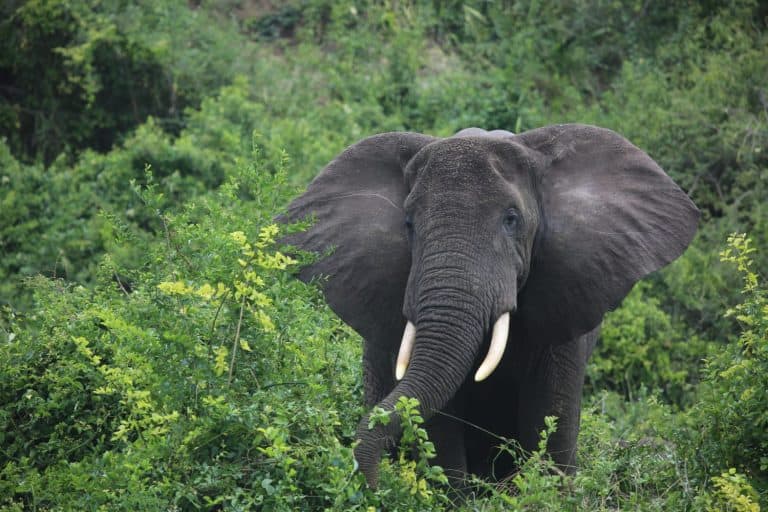
The rainforest's master gardener

Built for blizzards, born for tundra
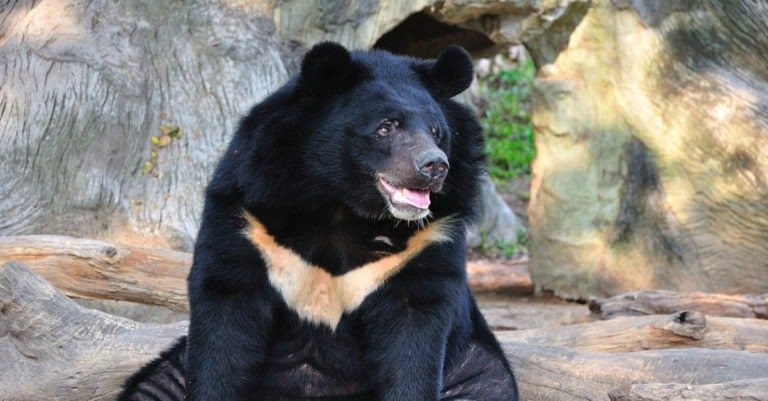
Moon-marked climber of Asian forests
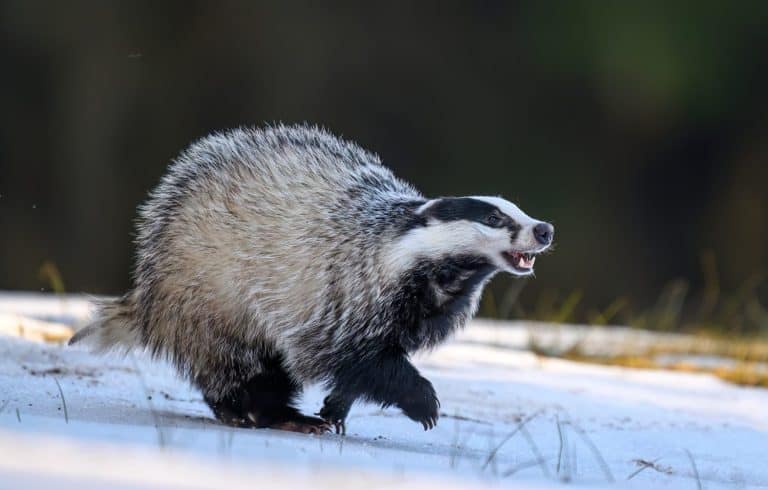
Built to dig. Born to endure.
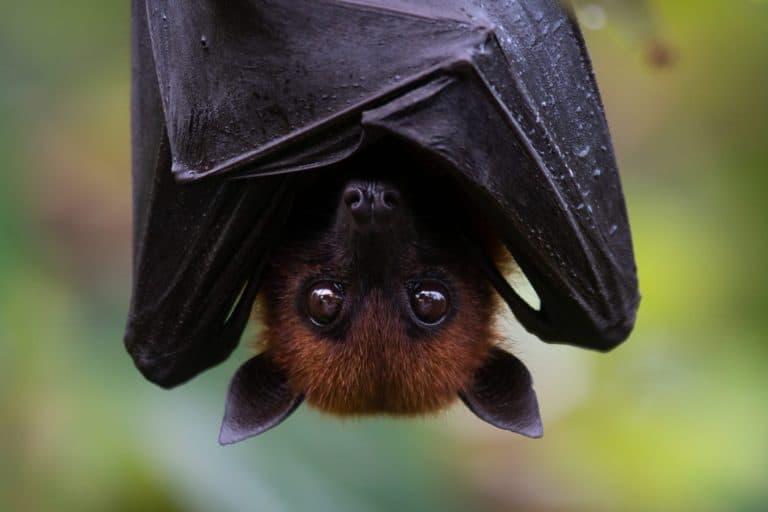
Night pilots of the mammal world
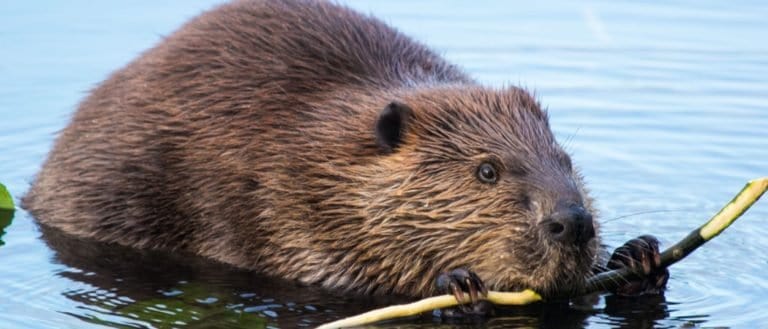
Build wetlands, shape worlds.

Humps of fat, miles of grit
Small hunter, big household legend
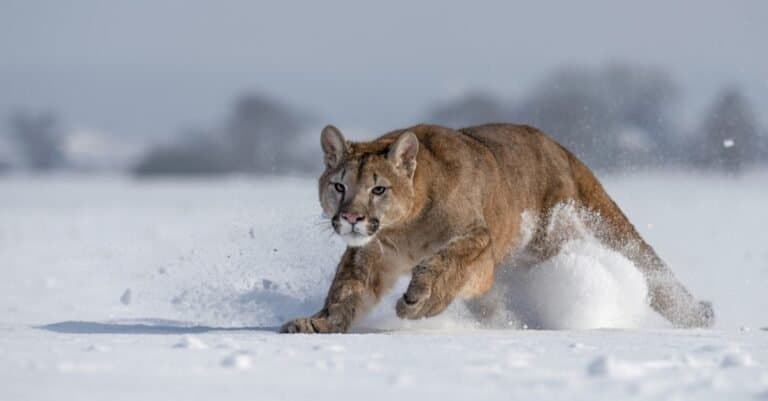
One cat. Two continents.
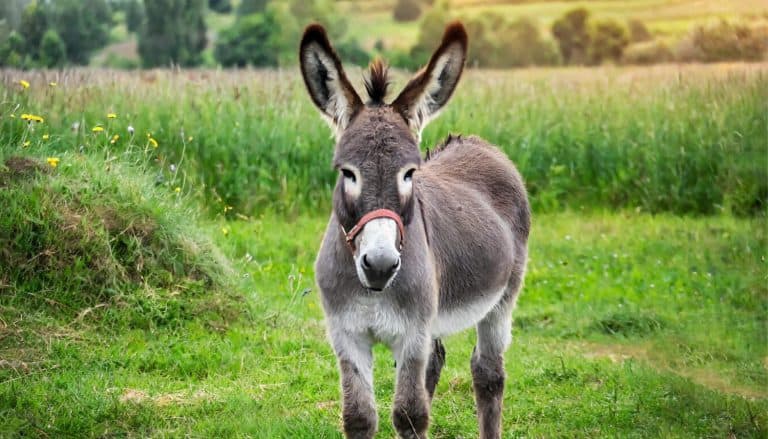
Sure-footed partner of people
Webbed feet, world travelers.
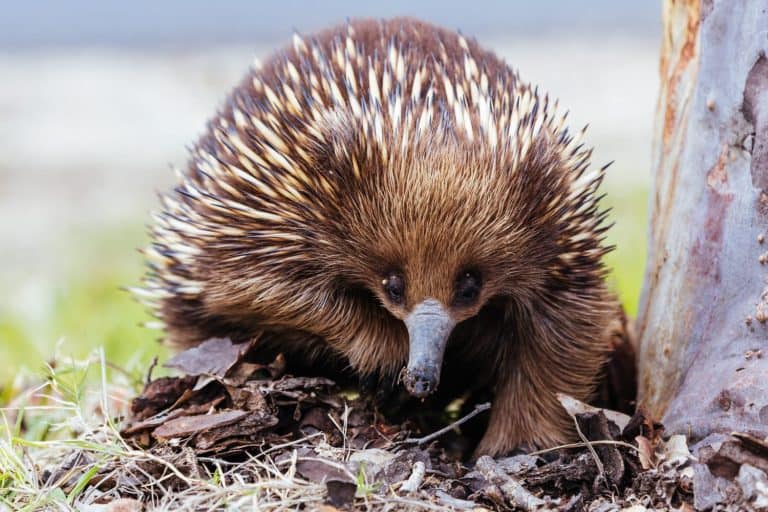
Spines, eggs, and ant-eating mastery
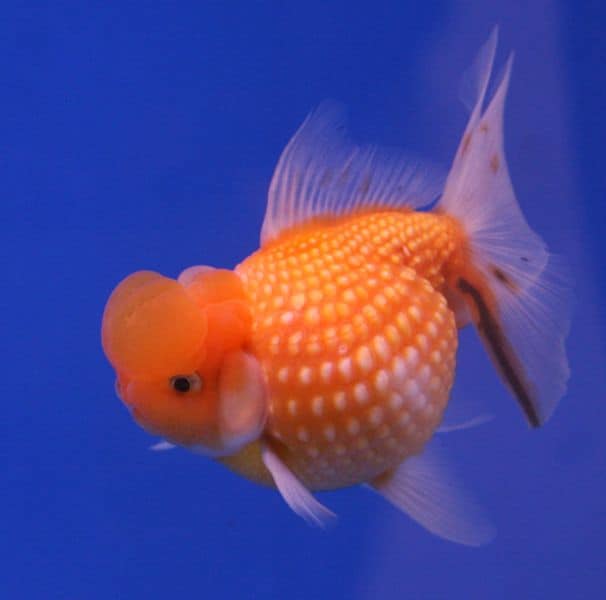
Bony rays, endless ways.
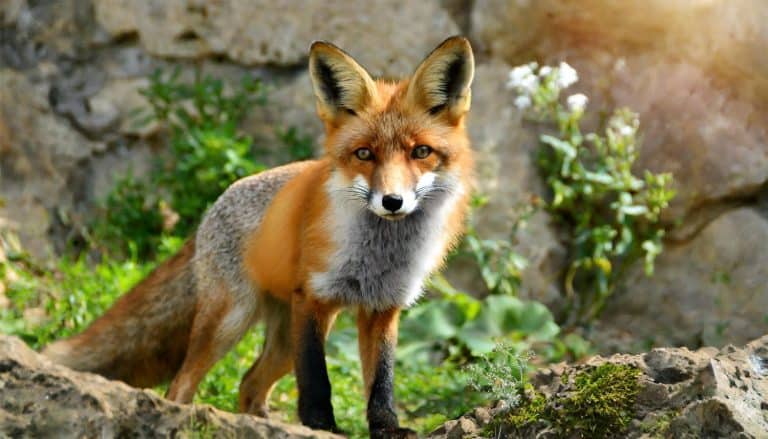
From dunes to tundra-fox smart.
Tailless jumpers, masters of change
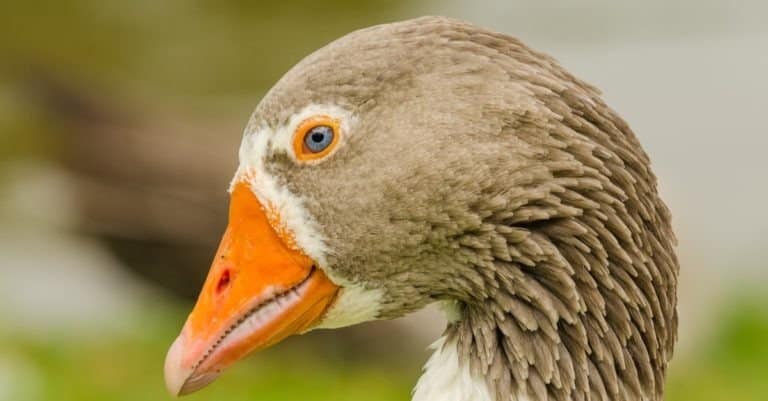
Webbed feet, sky roads, wetland lives
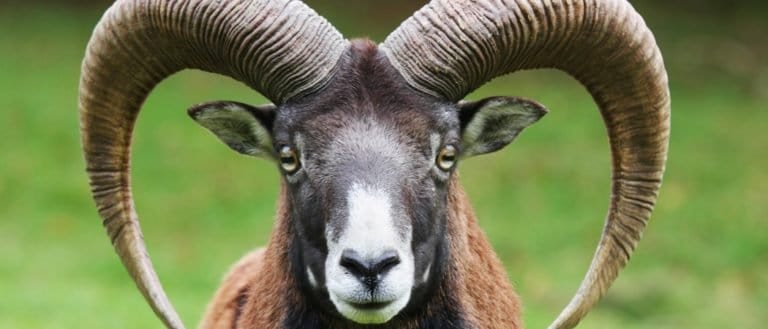
Sure-footed masters of rock and range
One hoofbeat, a thousand histories
Sun-powered lizards of the Americas
Six legs, endless lives.
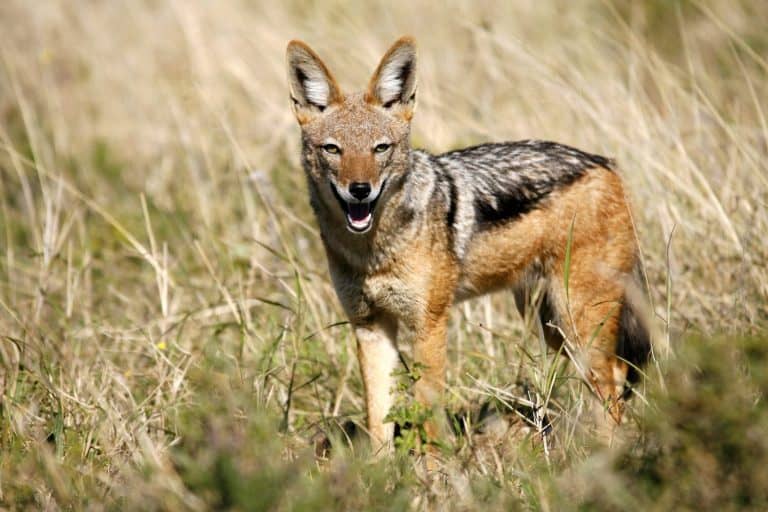
Small canids, big survival skills
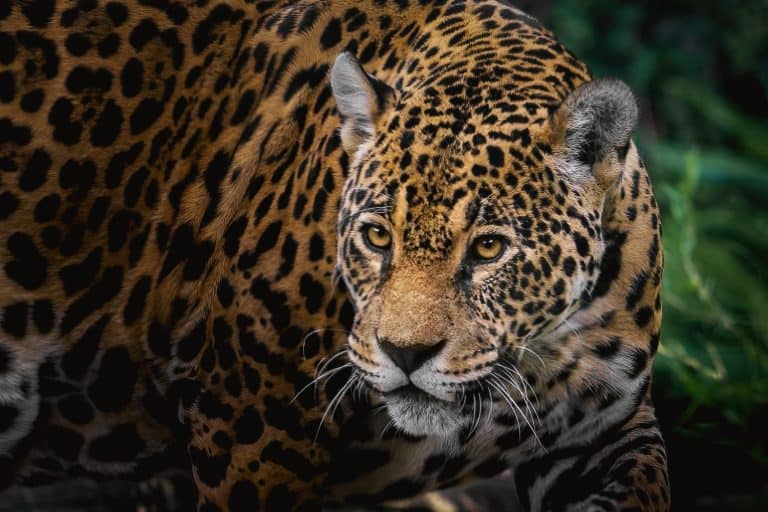
Power of the Americas' apex cat
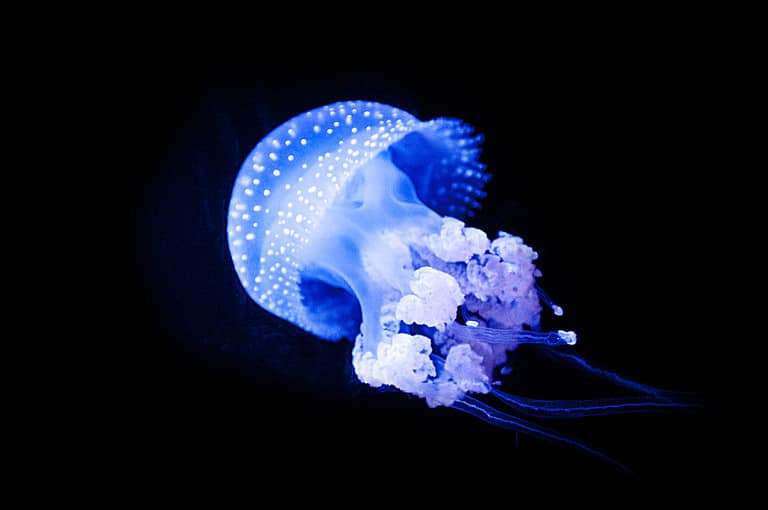
Sting-powered drifters of the sea
Big hops, big pouches, big variety
Thank you for reading! Have some feedback for us?
We appreciate your help in improving our content.
Our editorial team will review your suggestions and make any necessary updates.
There was an error submitting your feedback. Please try again.