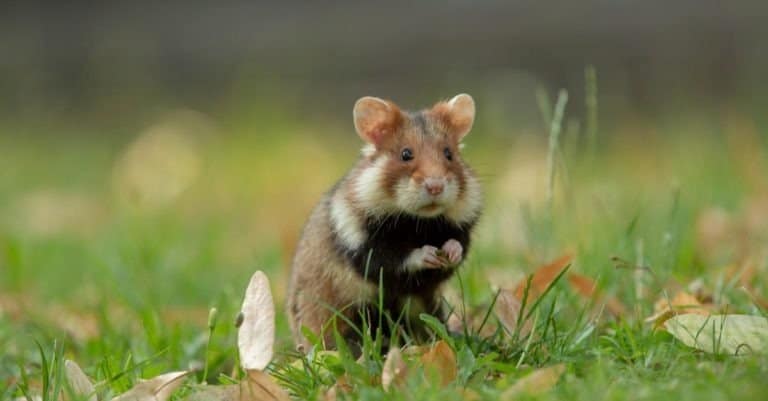
Hamster
Pouches, burrows, and big impacts

Pouches, burrows, and big impacts
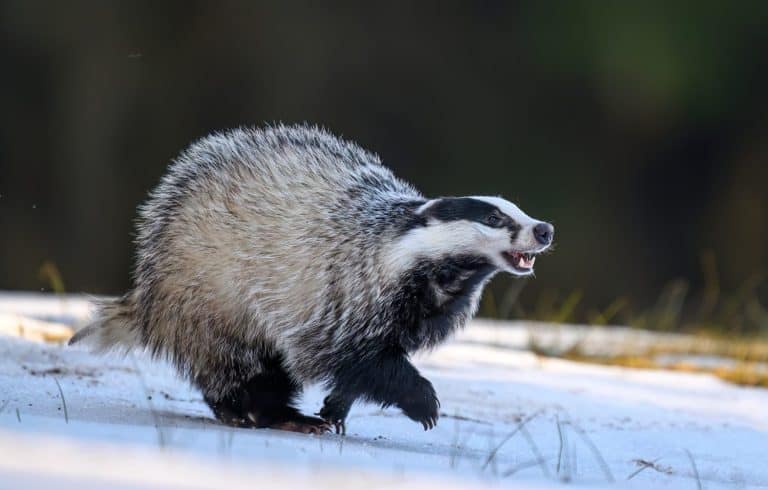
Built to dig. Born to endure.
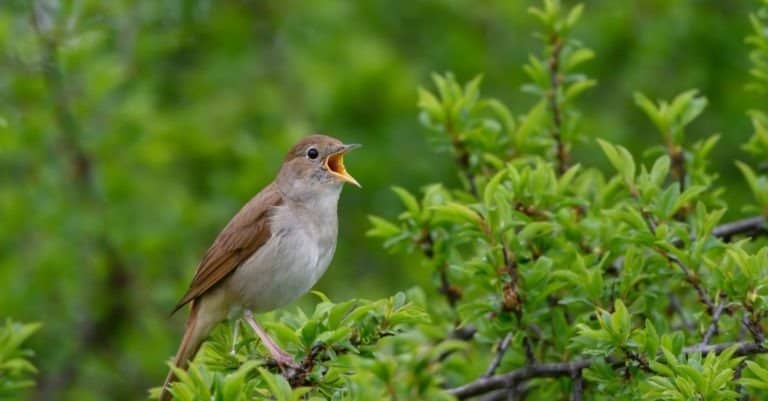
Plain feathers, legendary night song

Webbed feet, world travelers.

Big hops, big pouches, big variety
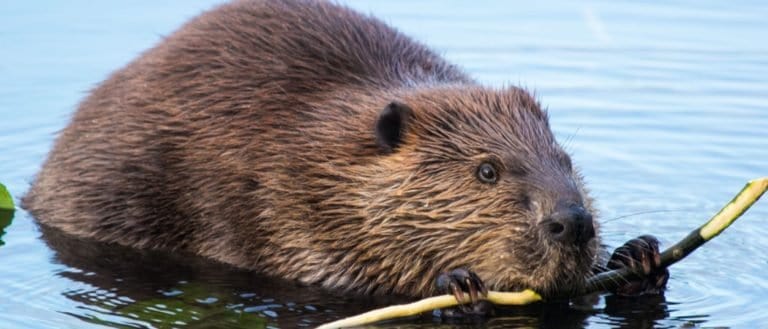
Build wetlands, shape worlds.

From geckos to dragons-lizard power

Humps of fat, miles of grit
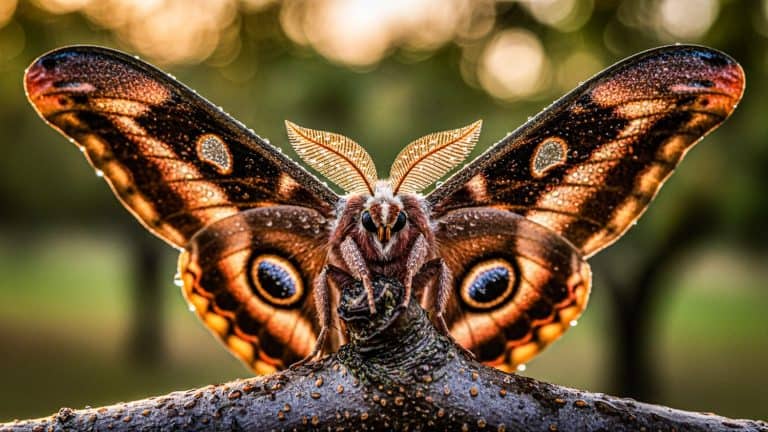
More than night flyers

Sun-powered lizards of the Americas
A Mediterranean biome is a temperate, mid-latitude climate-vegetation system characterized by cool to mild, rainy winters and hot, dry summers that create pronounced seasonal water limitation. Its ecosystems are dominated by drought- and fire-adapted plant communities (often evergreen, sclerophyllous shrublands and woodlands) shaped by recurrent fire, summer desiccation, and long-term climatic stability that promotes endemism.
Mediterranean biomes get most rain in winter, then long dry summers. Water, not heat, limits plant growth, so they green up in winter and spring then dry in summer. Plants have small tough evergreen leaves, deep roots, and ways to survive heat and drought. Fire is common; many species resprout or have seeds that need heat or smoke. These areas are biodiversity hotspots with many endemic species but are vulnerable to land-use change, invasives, and shifts in rainfall or fire.
Mediterranean-climate biomes have strong seasons: cool, wet winters and warm to hot, very dry summers. Most rain falls in winter, while summer brings long droughts, high evaporation, and drying winds. Plants show drought traits (small, tough sclerophyll leaves, deep roots), quick spring growth, summer dormancy, and fire adaptations like resprouting or serotiny, often with high local endemism.
Typically ~15-25°C (27-45°F) between average winter lows and summer highs; coastal sites often smaller (~10-18°C), inland/valley sites larger (~20-30°C).
Commonly ~300-900 mm/year (12-35 in); drier margins ~250-400 mm, wetter uplands/coastal windward zones ~800-1200+ mm.
Mediterranean seasons have winter water surplus and summer water deficit. Winter storms refill soils and streams, supporting growth. In spring rising heat and less rain dry soils; plants avoid drought (smaller or waxy leaves, closing openings) or drop leaves, and many reproduce late winter–spring. Summer drought raises fire risk; fires every ~10–30 years keep shrubland/woodland mosaics and favor fire-adapted species.
Typically ~6-9 months, mainly from autumn rains through late spring (roughly Oct/Nov to Apr/May in many regions). Peak productivity is usually late winter to spring; growth often slows or stops during mid-late summer drought, with a secondary pulse possible in early autumn if rains arrive before temperatures drop.
Mild to cool temperatures; frequent frontal storms; most annual precipitation falls now; soils recharge; occasional frost at higher elevations/inland valleys
Primary productivity peak for many plants; germination of annuals and geophytes; streamflow and wetland extent expand; nutrient pulses from runoff; reduced fire probability due to high fuel moisture
Warming temperatures; declining but still periodic rainfall; soils moist early then drying quickly; high winds can occur
Peak flowering and seed set; explosive growth of annual wildflowers; pollinator abundance increases; competition for moisture intensifies late spring; streamflows begin to recede; increasing wildfire risk as fine fuels cure
Hot temperatures; very low rainfall; low humidity; high evapotranspiration; frequent dry winds; soils become moisture-limited; coastal fog may provide localized moisture
Strong water stress; many shrubs close stomata and reduce growth; widespread senescence of annuals; low streamflow and shrinking wetlands; highest wildfire probability and spread potential; post-fire landscapes create patch mosaics and regeneration niches
Cooling temperatures; first significant rains ("break of season"); episodic storms; soils rewet; humidity rises; occasional early wind events
Rapid ecological rebound: germination of annuals and resprouting in shrubs/trees; fungal flushes; decomposition accelerates; fuels moisten and fire risk generally drops after sustained rains; recharge of aquifers and intermittent streams resumes
Day Length: Moderate-to-strong day-length variation (typically ~8.5-10.5 hours in midwinter to ~14-15.5+ hours in midsummer at common Mediterranean latitudes ~30-45°). Ecological significance: increasing photoperiod in late winter/spring cues flowering, insect emergence, and bird breeding, while the summer peak in day length coincides with maximum heat and drought (amplifying water stress). Declining photoperiod in late summer/autumn, together with first rains, helps synchronize germination, migration timing, and the shift back to the cool-season growth period.
Mediterranean biomes occur in five separate regions on the western sides of continents where winds from the west bring cool, wet winters and subtropical high pressure causes hot, dry summers. This creates strong seasonal water stress and favors drought- and fire-adapted plants, often sclerophyll shrublands/woodlands, with frequent fires and high endemism on old, poor soils.
Globally threatened biodiversity hotspot biome with high endemism and long human land-use history; many Mediterranean-type ecosystems are heavily fragmented and altered by agriculture, urbanization, infrastructure, and changed fire regimes. While significant protected-area networks exist in some regions, overall ecosystem integrity and connectivity continue to decline, especially near coasts and expanding metropolitan areas.
"Summer drought" doesn't mean "summer dead": many Mediterranean plants time growth to the cool wet season and essentially pause in summer-so the landscape can look dormant while being perfectly adapted.
Leaves that look tough are a water-saving trick: sclerophyll leaves (small, leathery, waxy) aren't just "hard"-they're engineered to reduce water loss and survive intense sun and wind.
Fire can be a birth announcement: in some Mediterranean shrublands, the most spectacular wildflower displays happen after burns because fire clears canopy shade and releases nutrients.
Smoke is a chemical signal: compounds in smoke (karrikins, first identified from Australian Mediterranean-climate flora) can dramatically boost germination-plants "listen" for smoke to know conditions are right.
Not all fires are equal: many Mediterranean plants are adapted to frequent, patchy fires; unusually intense or too-frequent human-caused fires can exceed their recovery limits.
Biodiversity can be highest in "scrub": chaparral, maquis, fynbos, and kwongan may look uniform from a distance, yet they can hide astounding species turnover from hill to hill due to soils and microclimates.
Big impact, small footprint: Mediterranean-climate regions are scattered in five places (Mediterranean Basin, California, central Chile, Cape Region, SW Australia) and together occupy only a thin sliver of land compared with major biomes like tropical rainforest-yet rival them in endemism density.
The "five-finger" global pattern: these regions sit on the west sides of continents between ~30-40° latitude-like five small patches around the world that share the same winter-rain/summer-dry rhythm.
Soil-driven diversity: in places like South Africa and SW Australia, neighboring ridges can host entirely different plant communities because Mediterranean plants are often finely tuned to specific soil types (acid sands vs. limestone vs. clay).
Seasonality flip vs. monsoons: compared to summer-wet climates, Mediterranean systems do most of their biological work in winter/spring-think of it as a biome whose "growing season" is shifted half a year.
Fire regime contrast: compared with boreal forests (where stand-replacing fires may be decades to centuries apart), many Mediterranean shrublands historically burned more frequently and in smaller patches-favoring quick recovery strategies.
Biodiversity can be highest in shrubland: Mediterranean shrublands in California, Mediterranean scrub in the Mediterranean Basin, Cape shrublands in South Africa, and heathlands in southwestern Australia may look uniform from a distance, yet they can hide astounding species turnover from hill to hill due to soils and microclimates.
Plant-diversity heavyweight: Mediterranean-type ecosystems cover only ~2% of Earth's land area yet are often credited with ~20% of the world's vascular plant species-one of the biggest "biodiversity-per-square-kilometer" payoffs on the planet.
Smallest floral kingdom, huge richness: South Africa's Cape Floristic Region (a Mediterranean-climate region) is the smallest of Earth's six floral kingdoms, yet it packs extraordinary plant diversity into a very small area.
Endemism superpower: The Mediterranean Basin is among the world's top biodiversity hotspots, with tens of thousands of plant species and a very high share found nowhere else.
Fire-adaptation champions: Many Mediterranean plants are extreme specialists at surviving frequent burns-some resprout from lignotubers (underground woody "batteries"), others rely on heat/smoke to trigger seed germination.
Long-lived cultural landscapes: Mediterranean climates have supported continuous human land use (farming, grazing, coppicing) for millennia, creating some of the world's oldest long-managed mosaic landscapes.
Cork oak stronghold: The western Mediterranean hosts the world's largest cork oak woodlands, forming one of the most extensive "harvest-the-bark, keep-the-tree" forest industries on Earth.
Built to dig. Born to endure.

Night pilots of the mammal world
Build wetlands, shape worlds.
Humps of fat, miles of grit

Small hunter, big household legend
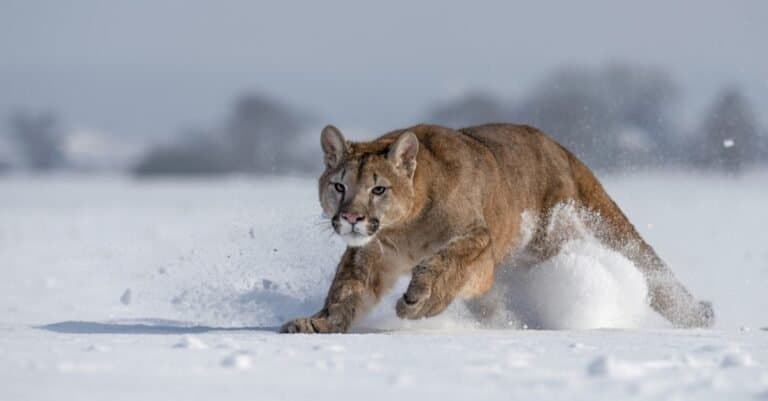
One cat. Two continents.
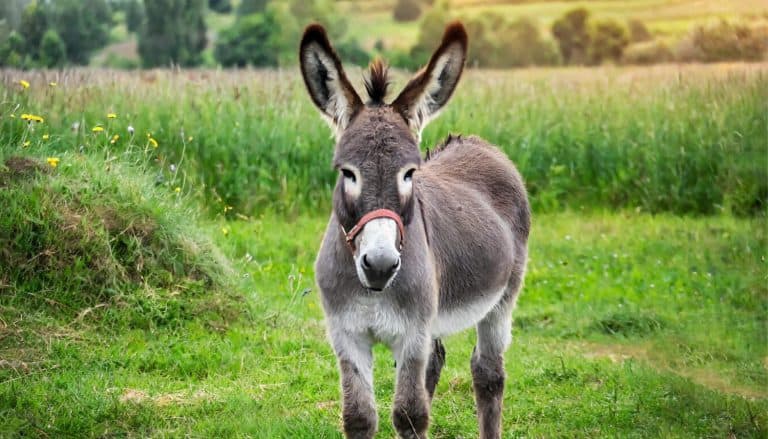
Sure-footed partner of people

Big beard, bright sun, bold attitude.
Webbed feet, world travelers.
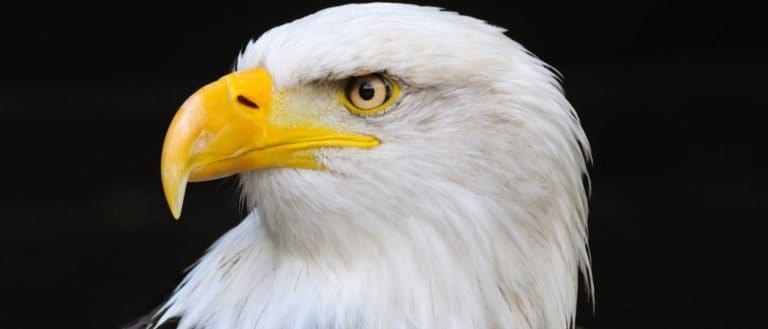
Built to soar, born to strike

Spines, eggs, and ant-eating mastery

Bony rays, endless ways.
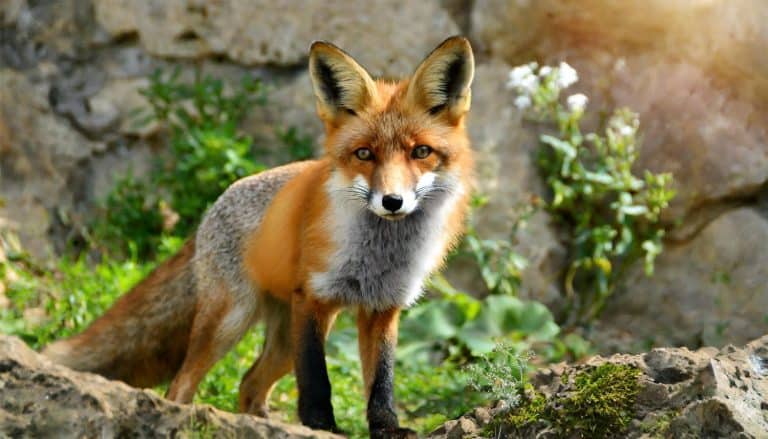
From dunes to tundra-fox smart.
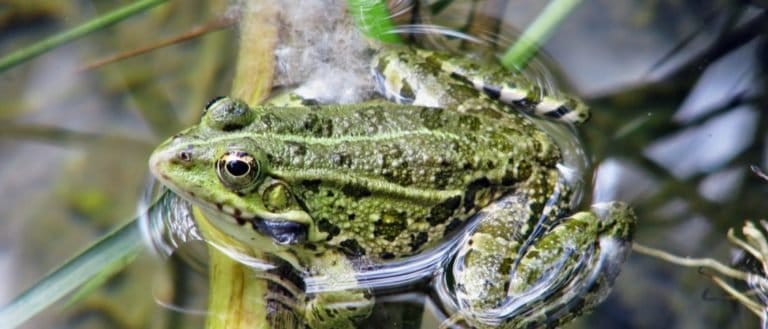
Tailless jumpers, masters of change

Webbed feet, sky roads, wetland lives
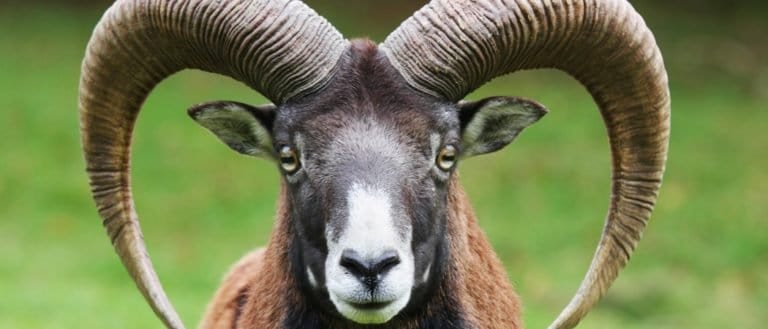
Sure-footed masters of rock and range
Pouches, burrows, and big impacts
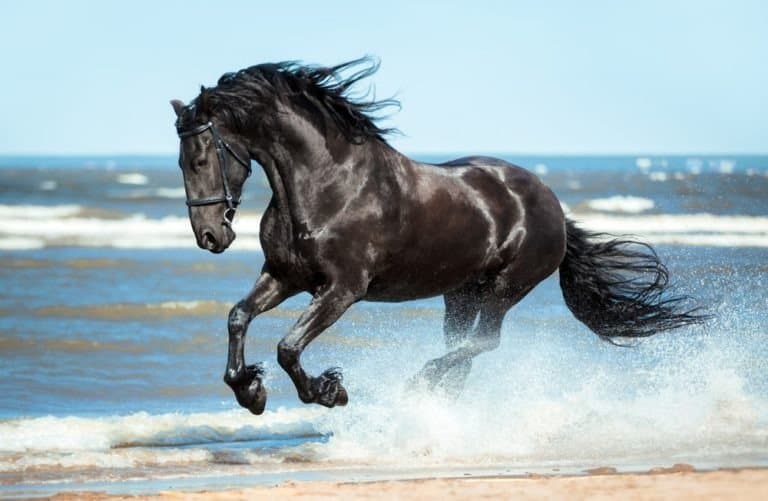
One hoofbeat, a thousand histories
Sun-powered lizards of the Americas
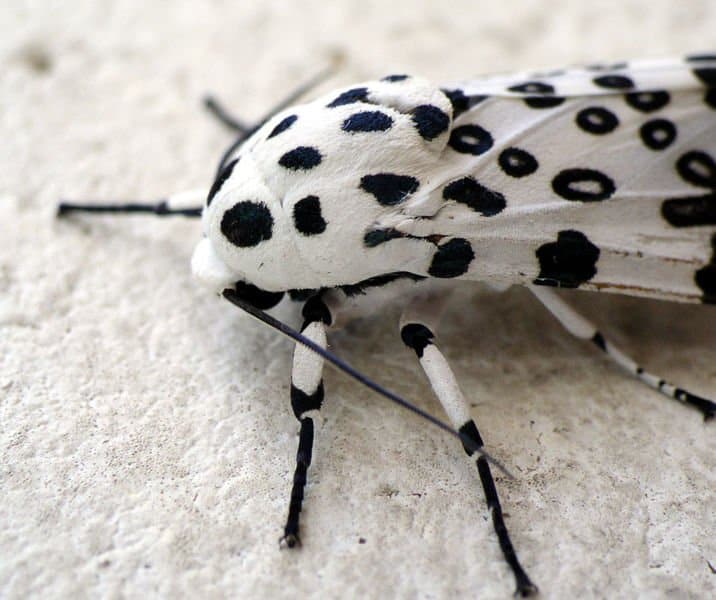
Six legs, endless lives.
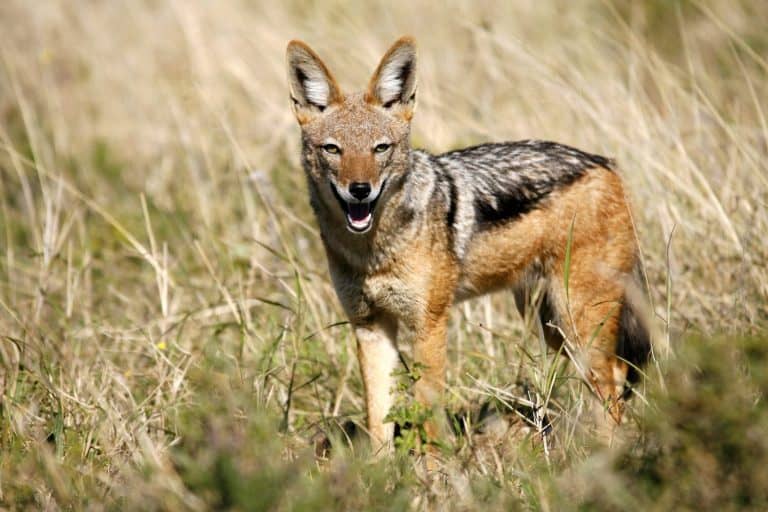
Small canids, big survival skills
Big hops, big pouches, big variety

Built for prides, born for the hunt
From geckos to dragons-lizard power
Thank you for reading! Have some feedback for us?
We appreciate your help in improving our content.
Our editorial team will review your suggestions and make any necessary updates.
There was an error submitting your feedback. Please try again.