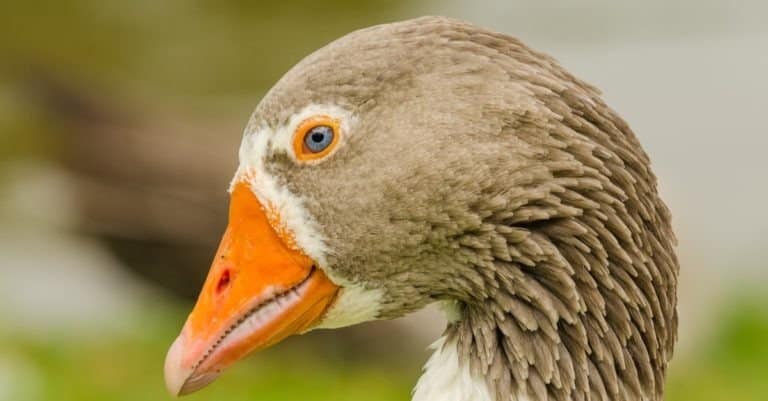
Goose
Webbed feet, sky roads, wetland lives

Webbed feet, sky roads, wetland lives
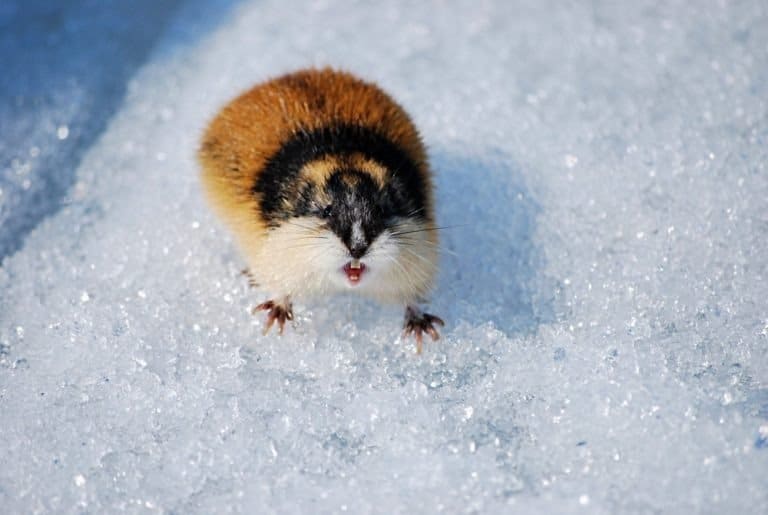
Small rodents, huge tundra impact
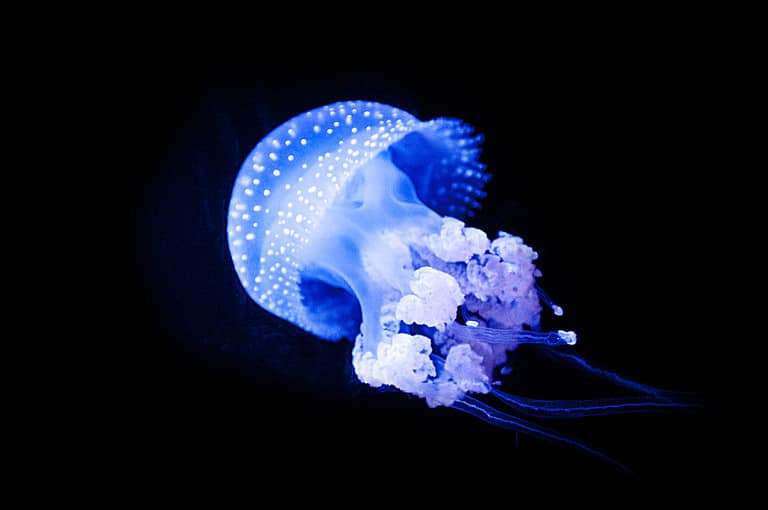
Sting-powered drifters of the sea
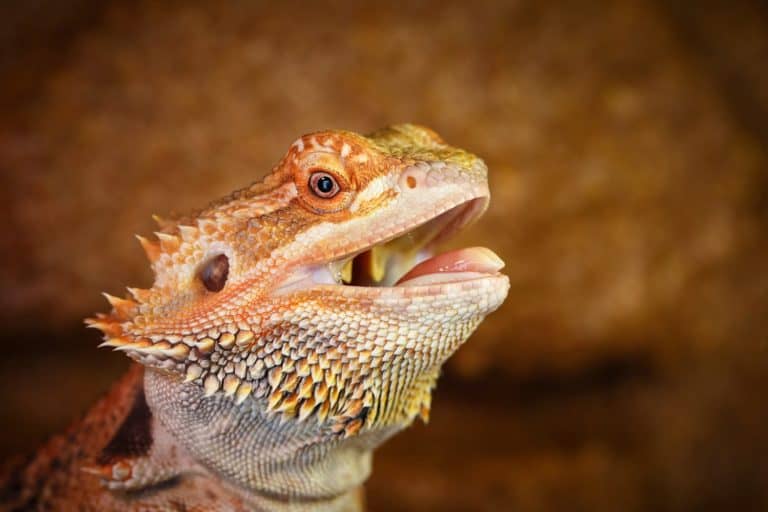
Big beard, bright sun, bold attitude.
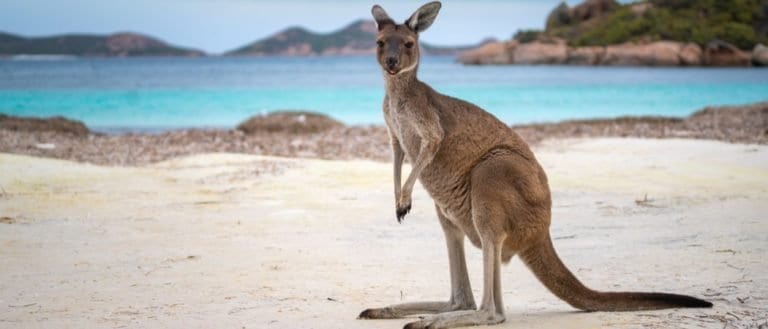
Big hops, big pouches, big variety
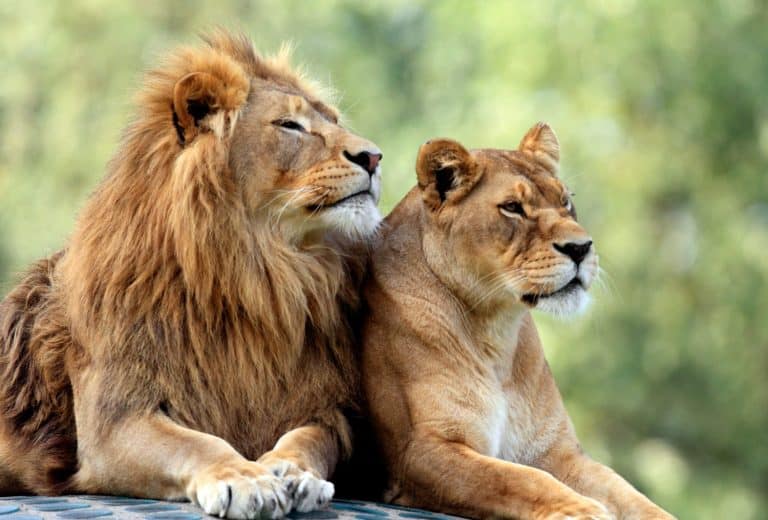
Built for prides, born for the hunt
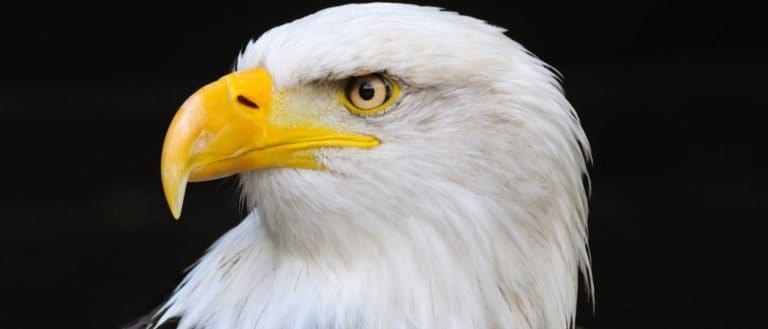
Built to soar, born to strike
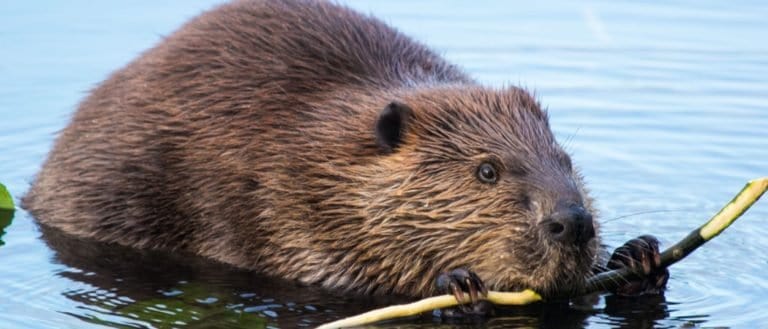
Build wetlands, shape worlds.
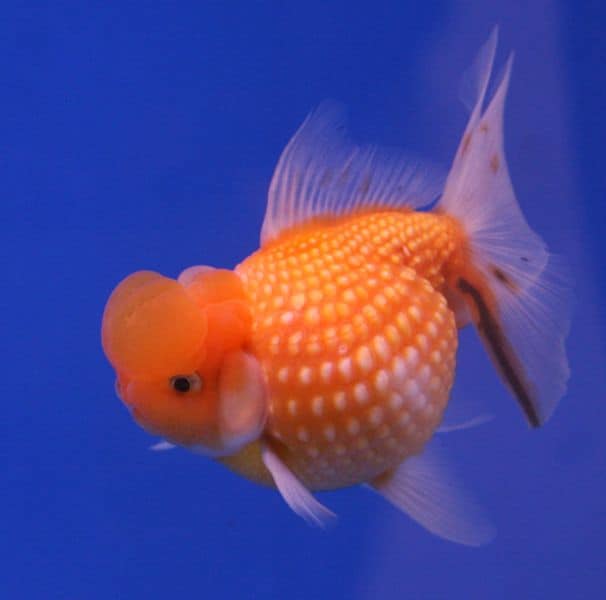
Bony rays, endless ways.
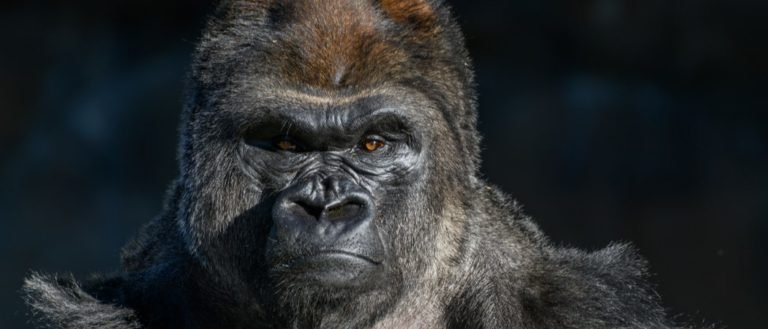
Gentle giants of the African forests
Pollution is the anthropogenic introduction of harmful substances or forms of energy into air, water, or soil at concentrations or intensities that degrade environmental quality and cause adverse biological effects. It produces both direct toxicity and indirect ecological change, including chronic sublethal impacts and altered ecosystem processes.
Pollution happens when harmful substances or energy enter ecosystems faster than they can be removed. It includes chemicals (pesticides, heavy metals, pharmaceuticals), plastics, and extra nutrients (nitrogen, phosphorus) that cause eutrophication. Pollution comes from point sources (industrial outfalls, mines, wastewater) and diffuse sources (agricultural runoff, urban stormwater) and moves by rivers, groundwater, wind, and currents. It shows as acute events (oil spills, fish kills) and chronic exposure (persistent organic pollutants, endocrine disruptors). Pollution lowers survival, growth, reproduction, and immune function, changes behavior, causes hypoxia, and reshapes food webs via bioaccumulation and biomagnification. It can undermine populations, create ecological traps, and worsen other threats. Reducing pollution often brings quick gains, but legacy contaminants need long cleanup and monitoring.
Warming increases toxicity and uptake rates for some chemicals, intensifies harmful algal blooms and hypoxia, and can remobilize contaminants from thawing permafrost or drying sediments, amplifying pollutant exposure.
When habitat is reduced/fragmented, wildlife cannot avoid contaminated areas, concentrating exposure; loss of wetlands/vegetation also removes natural filtration that would otherwise reduce pollutants.
Expands sources of nutrient and pesticide runoff, increasing eutrophication and toxic pulses; drainage and soil disturbance speed contaminant transport into waterways.
Increases stormwater runoff carrying oils, metals, road salts, and microplastics; also elevates light and noise pollution that compound stress and disorientation.
Adds heavy metals and acid mine drainage; sediment disturbance can release legacy contaminants, creating chronic exposure that persists long after operations cease.
Increases erosion and sedimentation that carry bound pollutants into streams; canopy loss raises water temperatures, worsening low-oxygen events linked to nutrient pollution.
Dams and water diversions change flow and residence time, promoting algal blooms and methylmercury production; altered hydrology can trap pollutants in sediments.
Removes top predators and alters food-web structure, which can change contaminant pathways and increase biomagnification in remaining predators or shift exposure to humans and wildlife through diet changes.
Invaders can alter nutrient cycling and turbidity, promoting blooms; some invasives bioaccumulate contaminants and transfer them through new predator-prey links.
Pollution-driven immune suppression increases infection risk and severity; nutrient pollution can favor pathogen proliferation (e.g., bacterial blooms), raising disease pressure.
Roads and ports increase runoff pollutants and spill risk; shipping and industrial infrastructure adds chronic noise/light that compounds chemical stressors.
Disturbance elevates stress hormones; combined with toxic exposure, this can reduce detoxification capacity and reproductive success, leading to stronger population-level impacts.
Reduced prey or freshwater availability forces wildlife to forage in lower-quality or more contaminated habitats, increasing exposure and reducing resilience.
Pollution can act like an "invisible climate force": tiny airborne particles (aerosols) can temporarily cool regions by reflecting sunlight, while black carbon (soot) does the opposite-warming the atmosphere and darkening snow/ice so it melts faster.
Some pollutants get *more concentrated* the higher you go in a food web. A contaminant that's barely detectable in water can end up at much higher levels in top predators through bioaccumulation and biomagnification.
Microplastics aren't just an ocean issue-they've been detected in the air and even in remote places (including polar regions), showing that plastic pollution can travel long distances on wind and currents.
Many industrial "forever chemicals" (often discussed as PFAS) don't readily break down in the environment, which means today's releases can linger for years to decades (or longer) in water, soil, and wildlife.
Nutrient pollution (too much nitrogen and phosphorus from fertilizers and sewage) can create oxygen-starved "dead zones" where fish and shellfish struggle to survive-pollution doesn't have to be toxic to be lethal.
Oil pollution isn't only about dramatic spills-smaller chronic leaks, runoff, and discharges can add up over time and repeatedly stress coastal habitats.
Noise is pollution, too: human-made underwater noise can interfere with how whales and other marine animals communicate, find food, and navigate.
Light pollution can reshape nighttime ecosystems: artificial lighting can disorient migrating birds, change insect behavior, and alter predator-prey interactions in ways that ripple through food webs.
Air pollution and ecosystem pollution are linked-pollutants emitted to the air can later fall back to land and water as deposition, affecting lakes, forests, and crops far from the source.
Some pollutants cause harm at very low concentrations by disrupting hormones or development, meaning "a little" can still matter-especially for early life stages like eggs, larvae, and infants.
An estimated ~11 million metric tons of plastic enter the ocean each year-about a garbage truck's worth every minute.
Fine particulate air pollution (PM2.5) is so small that multiple particles can fit across the width of a human hair, yet it's associated with millions of premature deaths globally each year (often cited around ~7 million).
Hundreds of coastal "dead zones" have been documented worldwide; some of the largest can span areas comparable to a small U.S. state or a small country, turning once-productive waters into low-oxygen zones.
Because of biomagnification, top predators can carry pollutant burdens many times higher than the surrounding environment-think of it like a contaminant "moving up the ladder" and getting stronger at each rung.
A single loud ship can raise background ocean noise over large distances, effectively shrinking the "communication range" of marine animals-like trying to hold a conversation as a stadium crowd gets louder.
Urban night skies can be bright enough to wash out the Milky Way for many residents-an ecosystem-scale change equivalent to turning "night" into a permanent twilight for wildlife.
Nutrient runoff can trigger algal blooms that act like an oxygen vacuum: when the bloom dies and decomposes, it can strip oxygen from an entire bay or lake, leaving animals with the aquatic equivalent of "no breathable air."
Persistent pollutants that resist breakdown can outlast the products that created them-lasting in the environment far longer than the typical lifespan of a consumer item (years to decades rather than months).
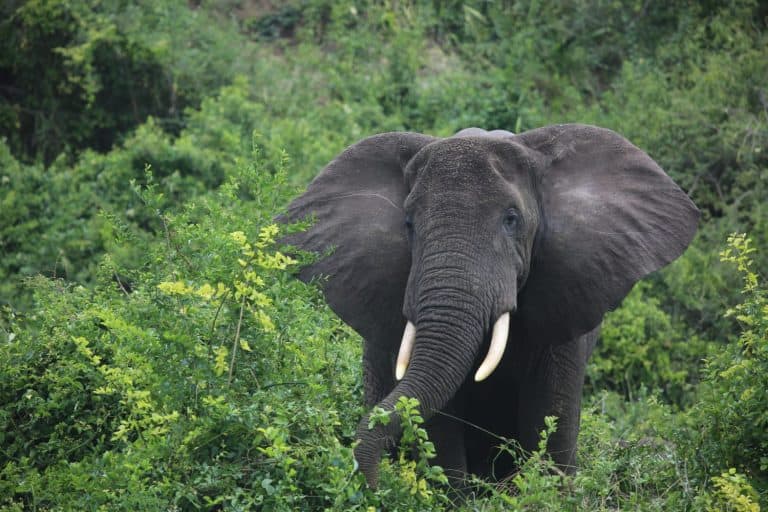
The rainforest's master gardener
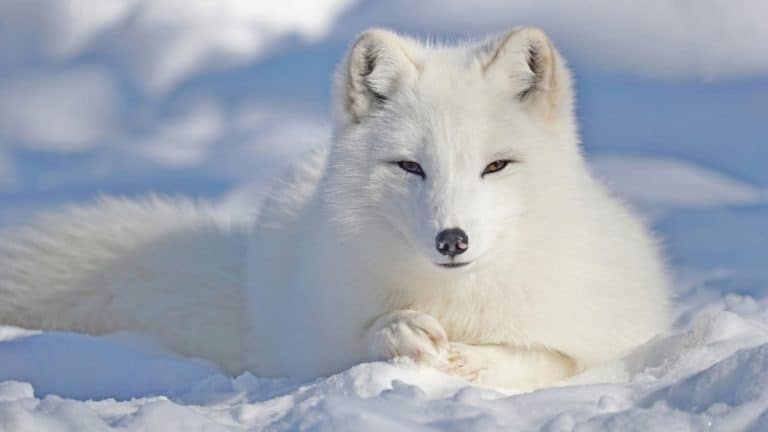
Built for blizzards, born for tundra
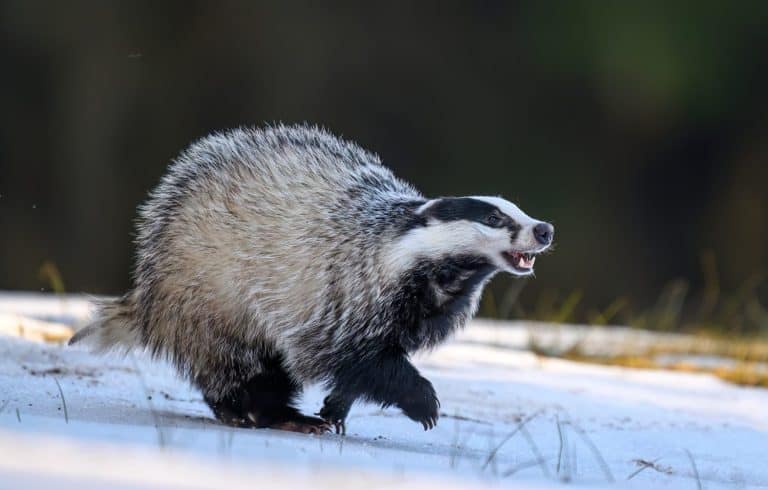
Built to dig. Born to endure.
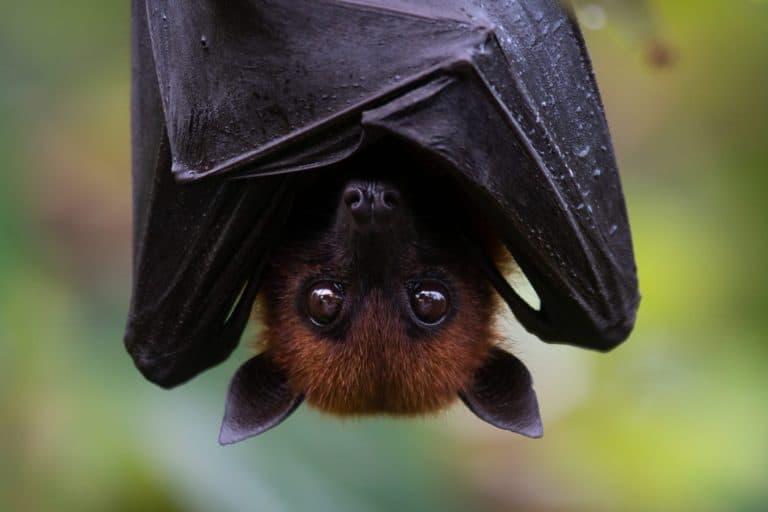
Night pilots of the mammal world
Build wetlands, shape worlds.
Big beard, bright sun, bold attitude.
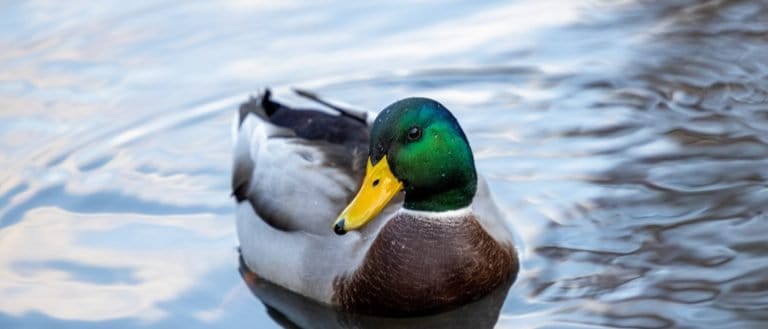
Webbed feet, world travelers.
Built to soar, born to strike
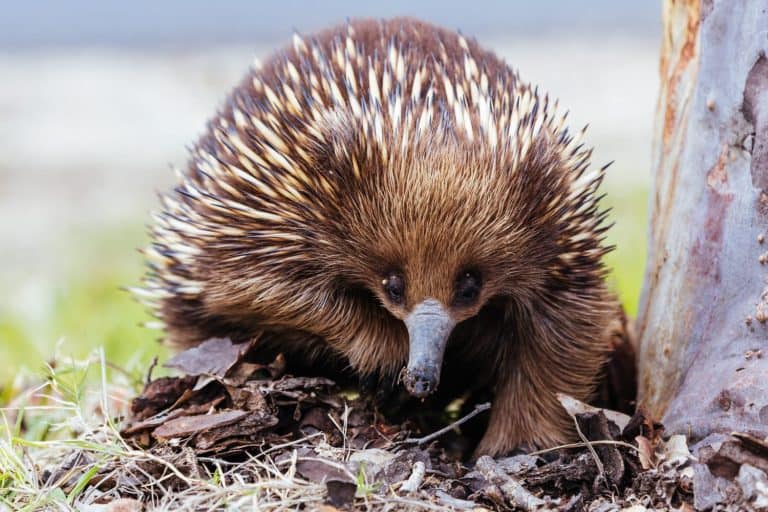
Spines, eggs, and ant-eating mastery
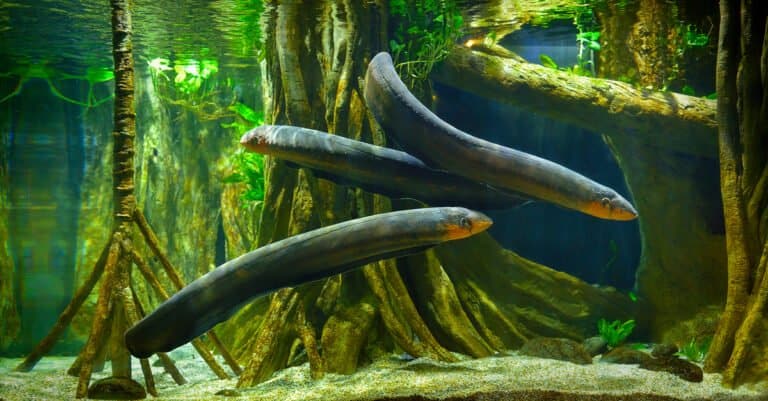
Lightning hunter of the Amazon
Bony rays, endless ways.
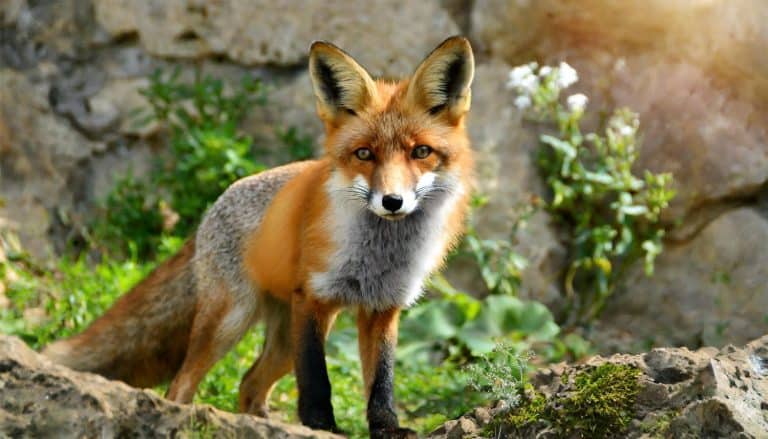
From dunes to tundra-fox smart.
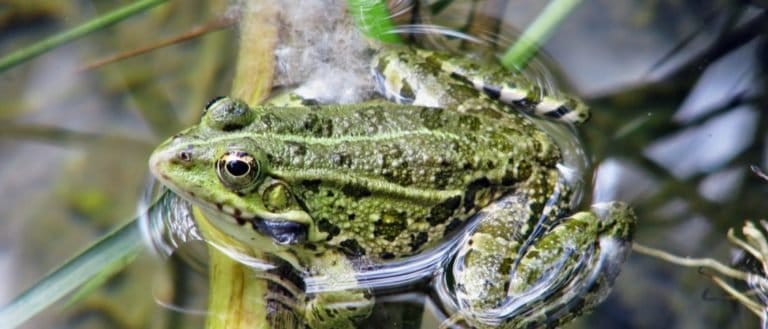
Tailless jumpers, masters of change
Webbed feet, sky roads, wetland lives
Gentle giants of the African forests
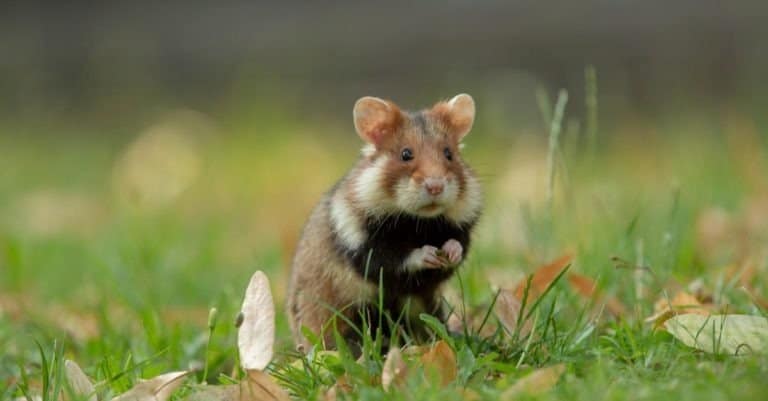
Pouches, burrows, and big impacts
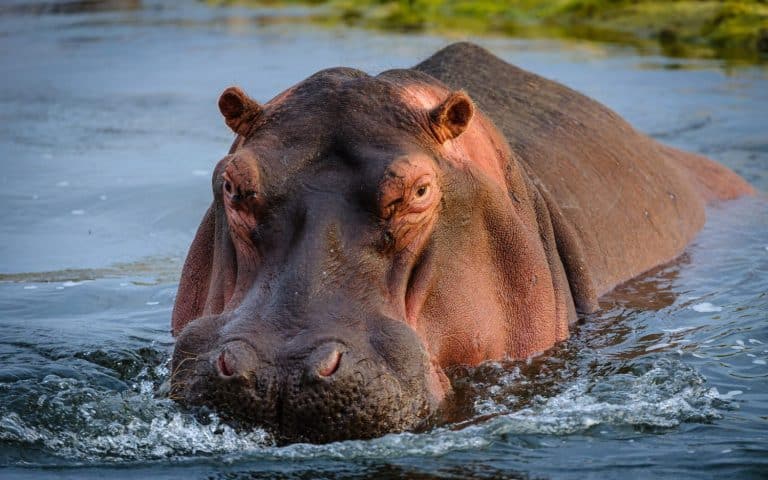
Big river grazer, bigger attitude
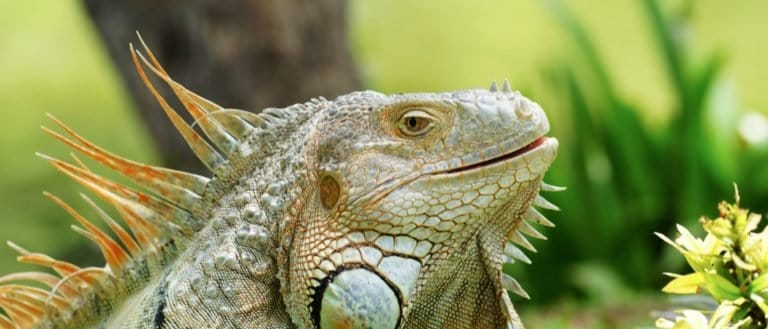
Sun-powered lizards of the Americas
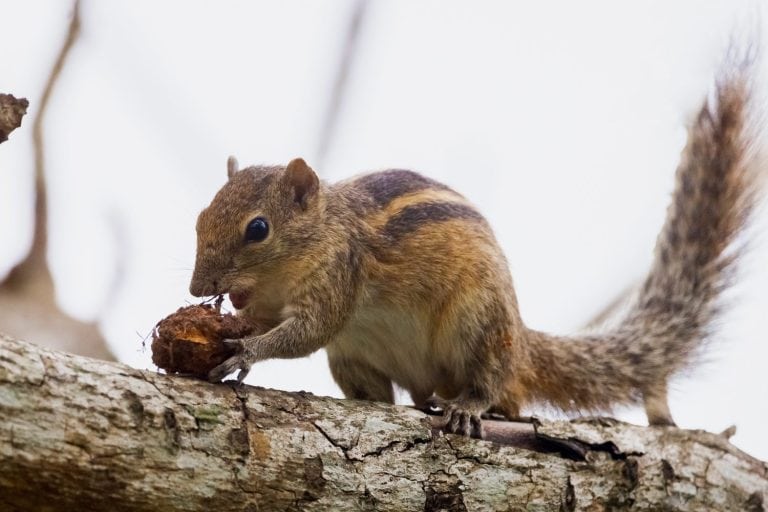
Three stripes. Big city attitude.
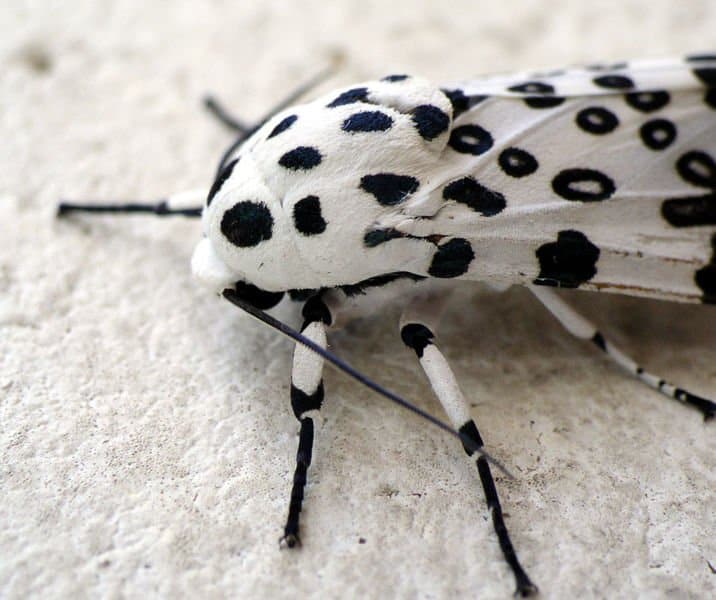
Six legs, endless lives.
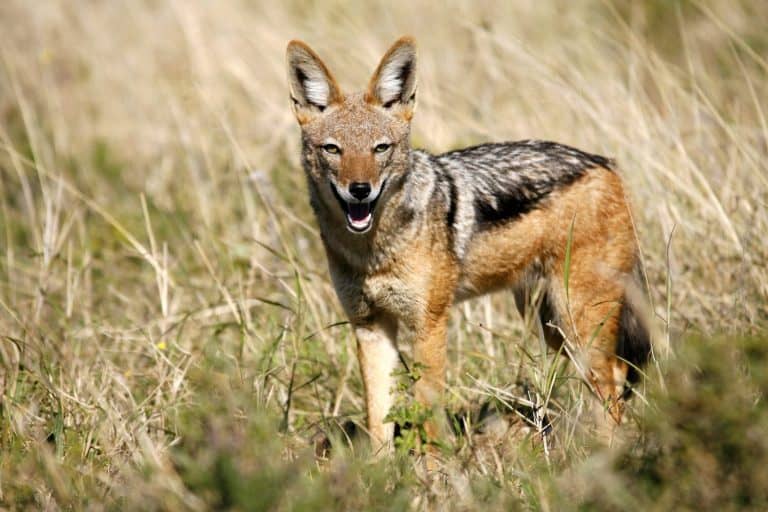
Small canids, big survival skills
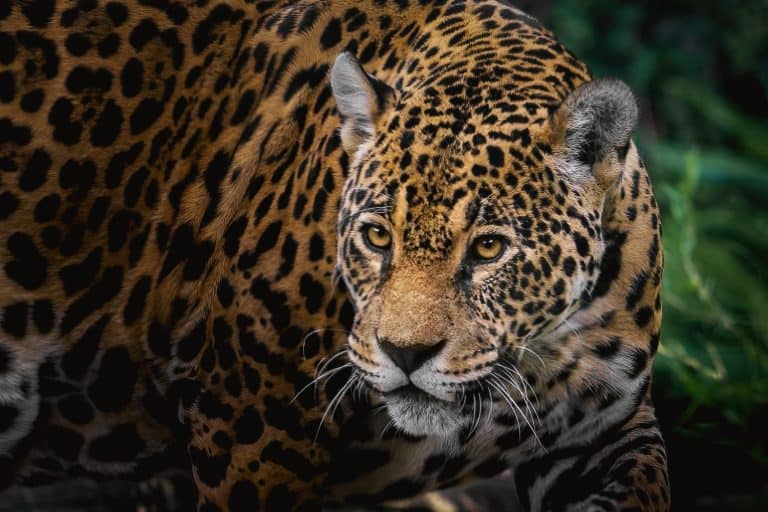
Power of the Americas' apex cat
Sting-powered drifters of the sea
Big hops, big pouches, big variety
Thank you for reading! Have some feedback for us?
We appreciate your help in improving our content.
Our editorial team will review your suggestions and make any necessary updates.
There was an error submitting your feedback. Please try again.