Animal Habitats

Shrubland

Areas dominated by shrubs and bushes, including chaparral and heathland
1,615 Animals
1/68 Page
Overview

Understanding This Category

Shrubland is a terrestrial habitat dominated by woody shrubs and other low, often drought- or disturbance-tolerant plants, typically with sparse to moderate tree cover. It occurs where climate, soils, and/or recurring disturbances (especially fire and grazing) limit the development of closed-canopy forest.

Shrublands are landscapes of low woody shrubs mixed with grasses, herbs, and small trees. They often occur in dry or poor soils where tall forests can’t grow. Wildfire, grazing, and human use often keep shrubs dominant. Shrublands support many birds, small mammals, and reptiles, protect soil, store carbon, and are sensitive to fire changes, invasives, and overgrazing.

Key Characteristics

Dominance of woody shrubs (typically <2-5 m tall) with sparse to moderate tree cover
Common in semi-arid to subhumid climates and/or on poor, shallow, rocky, or nutrient-limited soils
Strong influence of disturbance regimes (especially fire and grazing) that limit closed-canopy forest development
Patchy structure forming mosaics of shrub thickets, open shrub-grass areas, and bare ground
Plant adaptations to water stress and disturbance (small/waxy leaves, deep roots, spines, resprouting, fire-stimulated germination)
Seasonal productivity pulses tied to rainfall and post-disturbance recovery
High edge habitat and cover value supporting diverse birds, small mammals, reptiles, and invertebrates
Often transitions (ecotones) between grassland and woodland/forest or between desert and more mesic habitats
Environment

Environmental Conditions

Climate

Temperature Range
-5°°C to 40°°C
Precipitation
200-700 mm/year (often highly seasonal; Mediterranean-type shrublands commonly 300-800 mm/year with wet winters and dry summers)

Conditions

High light availability with strong direct sun; open canopies and patchy shade under shrubs. High UV exposure and large diurnal temperature swings are common, especially in arid/semi-arid shrublands.

Generally water-limited; surface water is often intermittent (ephemeral streams, seasonal creeks, dry washes). After storms, short-lived pools and runoff-fed channels may form; groundwater seeps/springs can create localized wetter patches. In coastal shrublands, fog drip can be a significant moisture source; salinity may influence soils near shorelines (salt spray).

Ecology

Ecological Community

Biodiversity Level

Medium to high: shrublands often have high plant and insect diversity due to fine-scale habitat mosaics (patchy shrubs, open ground, and seasonal wildflowers) and frequent disturbance creating varied niches; vertebrate diversity is typically moderate (many birds, small mammals, reptiles), while overall richness can be lower than forests in very arid or heavily degraded shrublands.

Flora

  • Woody shrubs (evergreen and deciduous)
  • Sclerophyllous plants (hard, leathery leaves)
  • Drought-tolerant grasses and bunchgrasses
  • Herbaceous forbs and seasonal wildflowers
  • Geophytes (bulbs/corms) that resprout after disturbance
  • Nitrogen-fixing shrubs/forbs in nutrient-poor soils
  • Sparse small trees or shrub-tree mosaics (where present)

Ecosystem Services

  • Soil stabilization and erosion control via shrub roots and ground cover
  • Carbon storage in woody biomass and soils (often moderate, variable by climate)
  • Water regulation: improved infiltration, reduced runoff, localized groundwater recharge
  • Pollination support for wild plants and nearby crops (through diverse insects)
  • Habitat and nursery areas for birds, small mammals, reptiles, and invertebrates
  • Nutrient cycling and soil fertility maintenance (including nitrogen fixation in some systems)
  • Fire regime regulation: fuels that can carry fire; post-fire regeneration can maintain landscape mosaics
  • Forage and browse for wildlife and livestock (context-dependent)
  • Cultural services: recreation, scenic value, traditional plant resources (medicinals, foods)
Conservation

Conservation Status

Moderate but declining overall. Shrublands remain widespread and can be resilient to periodic disturbance (fire/grazing), yet many regions are increasingly fragmented or converted, with biodiversity losses where natural fire/grazing regimes are altered or where development and agriculture expand.

~30-45% historically (highly variable by region; highest losses in Mediterranean-climate shrublands and shrub-steppe converted for agriculture and development). Lost
Declining Current Trend

Primary Threats

  • Conversion to cropland, orchards/vineyards, improved pasture, and rangeland intensification removes native shrub cover and simplifies structure.
  • Suburban growth, roads, energy corridors, and associated edge effects fragment shrublands and increase mortality (roadkill) and disturbance.
  • Altered fire regimes (suppression leading to woody densification or too-frequent high-severity fires), altered grazing pressure, and water diversion change shrubland composition and function.
  • Invasive grasses and shrubs can outcompete natives and create grass-fire feedbacks that shift shrublands to more flammable, less diverse states.
  • Hotter droughts, shifting seasonality, and more extreme fire weather can drive shrub dieback, range shifts, and post-fire recovery failure.
  • Nitrogen deposition and agrochemical drift can favor fast-growing species, alter soil chemistry, and reduce native plant diversity.
  • Overgrazing and fuelwood/brush harvest can reduce cover and regeneration; conflict-driven predator control can simplify food webs.
  • Open-pit mining and associated waste, dust, and water extraction can cause local, long-lasting loss and soil degradation.

Protection Efforts

  • Formal protection of representative shrubland types (including Mediterranean-climate shrublands, sagebrush/shrub-steppe, fynbos, mallee) and expansion of reserve networks
  • Land-use planning to limit fragmentation (setbacks, wildlife crossings, clustering development) and protect remaining large intact blocks
  • Fire management tailored to local ecology (prescribed burning where appropriate, prevention of too-frequent fires, post-fire erosion control)
  • Sustainable grazing management (stocking-rate adjustments, rotational grazing, exclusion/rest periods, riparian protection)
  • Invasive species prevention and control (early detection/rapid response, targeted removal, reducing invasive grass-fire cycles)
  • Restoration with native shrub and understory species; soil stabilization and erosion control on degraded sites
  • Limiting off-road vehicle use and managing recreation pressure; seasonal closures in sensitive breeding/flowering periods
  • Monitoring and adaptive management for drought, fire, and biodiversity outcomes; community/Indigenous co-management where applicable

Notable Protected Areas

Cape Floral Region Protected Areas (South Africa; includes extensive fynbos shrublands) Table Mountain National Park (South Africa; fynbos) Donana National Park (Spain; Mediterranean scrub and dunes) Sierra Nevada National Park (Spain; Mediterranean shrublands at lower elevations) Teide National Park (Canary Islands, Spain; high-elevation shrub communities) Santa Monica Mountains National Recreation Area (USA; chaparral/coastal sage scrub) Joshua Tree National Park (USA; Mojave desert scrub) Murray-Sunset National Park (Australia; mallee shrublands) Sturt National Park (Australia; arid shrublands) Torres del Paine National Park (Chile; Patagonian steppe/shrublands)

Restoration Potential

Moderate. Many shrublands can recover if key drivers are restored (fire regime, grazing pressure) and if soils/seed banks remain intact. Recovery can be slow where topsoil is lost, invasives dominate, or repeated high-severity fires occur; active reseeding/planting, erosion control, and invasive suppression are often required.

Climate Vulnerability

Moderate to high. Shrublands are drought-adapted but are vulnerable to hotter droughts, increased fire weather, and shifts in rainfall timing that can reduce recruitment and increase mortality. Systems near aridity thresholds, on shallow soils, or already fragmented are most at risk; climate refugia (north-facing slopes, coastal fog belts, higher elevations) can be critical.

Human Impact

Human Interaction

Human Uses

  • Livestock grazing and browsing (sheep, goats, cattle) on native or managed shrublands
  • Fuelwood and charcoal collection (where permitted), including small-diameter woody biomass
  • Harvest of wild foods (berries, nuts, edible shoots), medicinal plants, and aromatic herbs (e.g., sage, thyme, rosemary in some regions)
  • Beekeeping and honey production using shrubland flowering resources
  • Game management and hunting (habitat for deer, rabbits/hares, upland birds)
  • Watershed protection and slope stabilization in erosion-prone landscapes
  • Use as buffer zones around agricultural fields to reduce wind erosion and provide beneficial insect habitat
  • Rangeland infrastructure (fencing, water points) and seasonal pastoralism/transhumance
  • Extraction of some non-timber products (resins, fibers, tannins, essential oils) depending on region
  • Restoration/mitigation sites for conservation offsets and carbon/nature-based projects

Impacts

  • Conversion to agriculture (cropland, orchards) or intensive pasture improvement, reducing native plant diversity
  • Overgrazing leading to soil compaction, erosion, reduced regeneration, and shifts toward unpalatable/invasive shrubs or grasses
  • Altered fire regimes: suppression causing woody encroachment and higher fuel loads; or too-frequent human-ignited fires preventing shrub recovery
  • Urban expansion and infrastructure (roads, powerlines) causing habitat fragmentation, edge effects, and wildlife mortality
  • Invasive species introductions that change fuel characteristics and outcompete native flora
  • Off-road vehicle use causing soil disturbance, cryptobiotic soil crust damage (in arid shrublands), and erosion gullies
  • Unsustainable harvesting of fuelwood or wild plants leading to localized depletion
  • Water extraction and altered hydrology reducing drought resilience and changing plant composition
  • Pollution (herbicide drift, litter, noise/light pollution) impacting sensitive species and behavior
  • Climate change intensifying drought and heat stress, increasing wildfire severity and post-fire erosion risk

Sustainable Practices

  • Rotational or adaptive grazing plans (stocking rates matched to rainfall and forage, rest periods for recovery)
  • Protecting and restoring native shrub and grass mosaics; reseeding with locally appropriate native species after disturbance
  • Fire management tailored to ecosystem: prescribed burns where appropriate, strategic fuel breaks, and preventing repeat burns before recovery
  • Erosion control and soil health measures (contour structures, maintaining ground cover, protecting biological soil crusts)
  • Invasive species prevention and control (early detection/rapid response; minimizing disturbance pathways)
  • Sustainable wild-harvest guidelines (seasonal limits, partial harvest, permits, community monitoring)
  • Maintaining habitat connectivity via wildlife corridors and road-crossing mitigation
  • Limiting off-road vehicle access; designated trails and seasonal closures to protect breeding/nesting areas
  • Integrating shrublands into watershed management (riparian buffers, protecting headwaters, reducing sediment loads)
  • Community-based conservation and incentives (payments for ecosystem services, stewardship agreements, conservation easements)
  • Post-fire recovery actions: targeted erosion control, avoiding premature grazing, and monitoring regeneration
Fun Facts

Did You Know?

"Fire-adapted" doesn't mean "fire-proof": many shrubland species survive because they resprout from protected buds or regenerate from seeds triggered by smoke/heat-not because flames don't harm them.

Shrubland can be more biodiverse than nearby forests in dry regions: limited water favors many specialized species that partition space, soil, and seasons in surprisingly fine ways.

Some shrublands depend on fire to stay shrubland-without periodic burning, they may convert to woodland or forest; with too-frequent fire, they can lose slower-recovering species and become grassier.

Shrubland soils are often the real story: nutrient-poor, rocky, or sandy soils can prevent trees from taking over even when climate could support them.

Many shrubs "engineer" their own microclimates: dense canopies shade the ground, reduce evaporation, and create cooler, moister pockets where seedlings and animals shelter.

Not all shrublands are dry: heath and moorland shrublands can occur in cool, wet climates where acidity and waterlogged or peaty soils limit trees.

Shrublands can be migratory bird highways and winter refuges-dense shrubs provide cover and food when open habitats are harsh.

What looks like uniform scrub is often a patchwork: tiny changes in slope, aspect, and soil depth can switch plant communities over just a few meters.

Think of shrubland as nature's "middle height" neighborhood-taller than grassland, shorter than forest, optimized for tough conditions and frequent disturbance.

A shrubland after a fire is like a city rebuilding after a planned reset: many species are "designed" to return quickly, but the mix of residents changes with the timing of the reset.

Shrublands are ecological shock absorbers: their flexible growth forms (resprouting, deep roots, tough leaves) help them handle drought, wind, grazing, and fire better than many tree-dominated systems.

If forests are water-hungry high-rises, shrublands are efficient low-rise homes-built to conserve resources, with thicker leaves and slower growth.

A mature shrubland can function like a living puzzle box: interlocking shrubs create corridors, hideouts, and lookout points for birds, reptiles, and small mammals.

The Cape heath shrublands of South Africa's Cape Floristic Region are among the most plant-diverse places on Earth for their size-an extraordinary concentration of species packed into shrubland.

Many Mediterranean-climate shrublands can burn at extremely high intensities; during severe fire weather they are among the most fire-prone vegetated landscapes due to oily leaves, dense fuels, and dry summers.

Some shrublands host "super-bloom" events after rare heavy rains (notably in arid and semi-arid shrublands), when dormant seed banks burst into weeks of spectacular flowering-one of the fastest large-scale landscape makeovers in nature.

Peat-forming shrublands (like some heathlands) can store large amounts of carbon in their soils despite short vegetation-making them quiet "heavyweights" in climate importance.

Certain shrubland plants are longevity champions: many shrubs resprout and persist for decades, while their ecosystems can be ancient and stable over very long periods when disturbance regimes (like periodic fire) remain consistent.
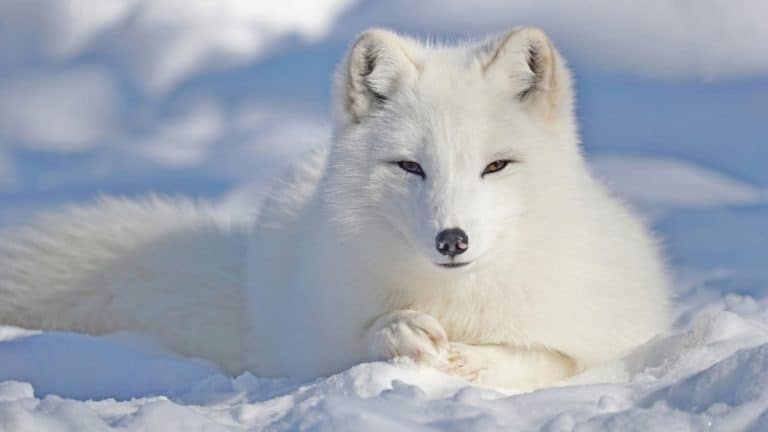
Shrubland Animals

Showing 1-24 of 1,615

All Animals A-Z

A

B

C

S